Tag: Cake

Springtime in Paris: the bakeries of Belleville

Springtime in Paris: the bakeries of Belleville

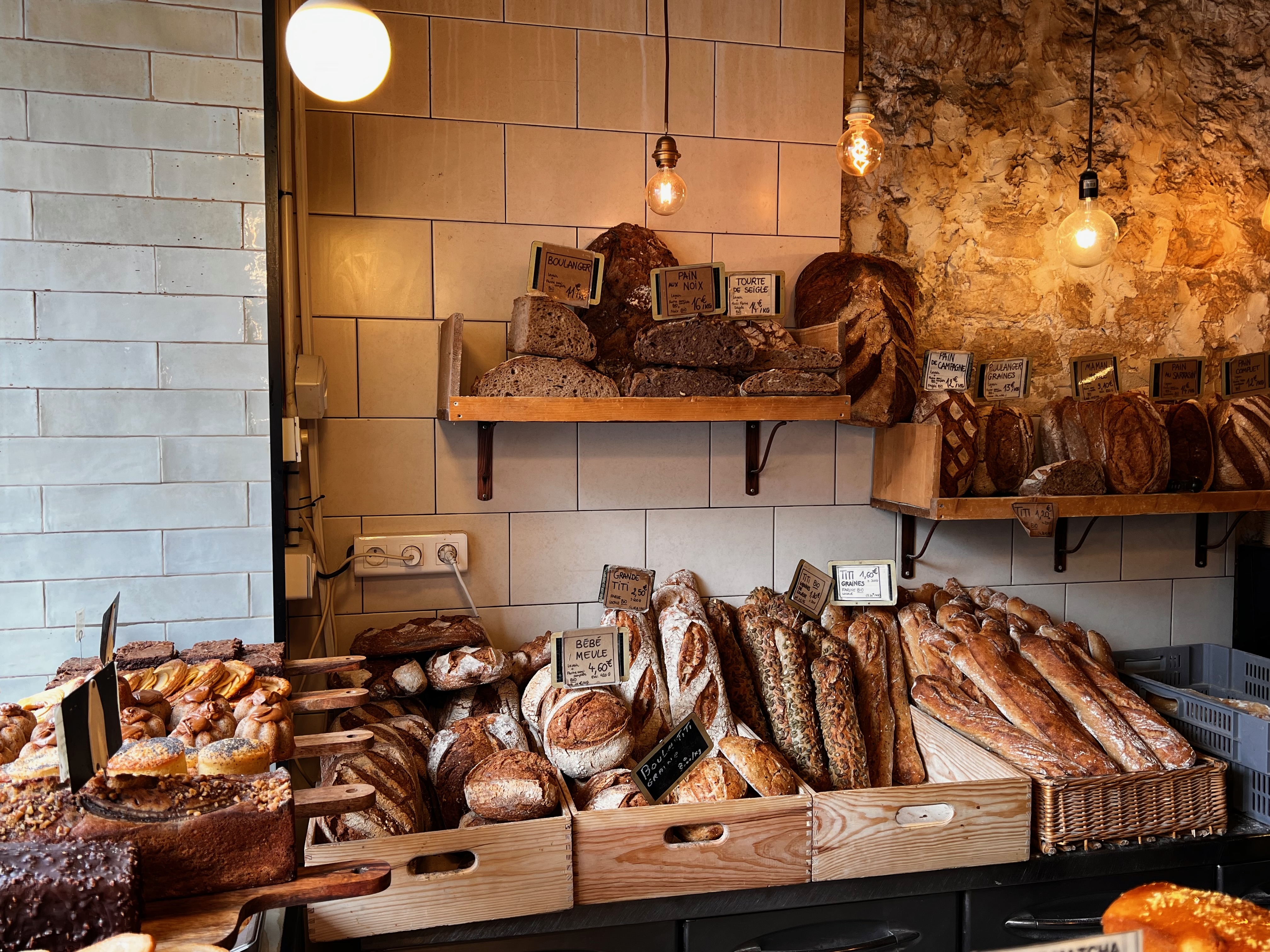
When people think about Paris, the top things they think about are the landmarks (the Eiffel Tower, the Arc de Triomphe and so on), the great public buildings (the Louvre, the Opera),  and the cafés and restaurants. But there’s one aspect of Paris that isn’t necessarily on everyone’s list: the place is a baker’s paradise.

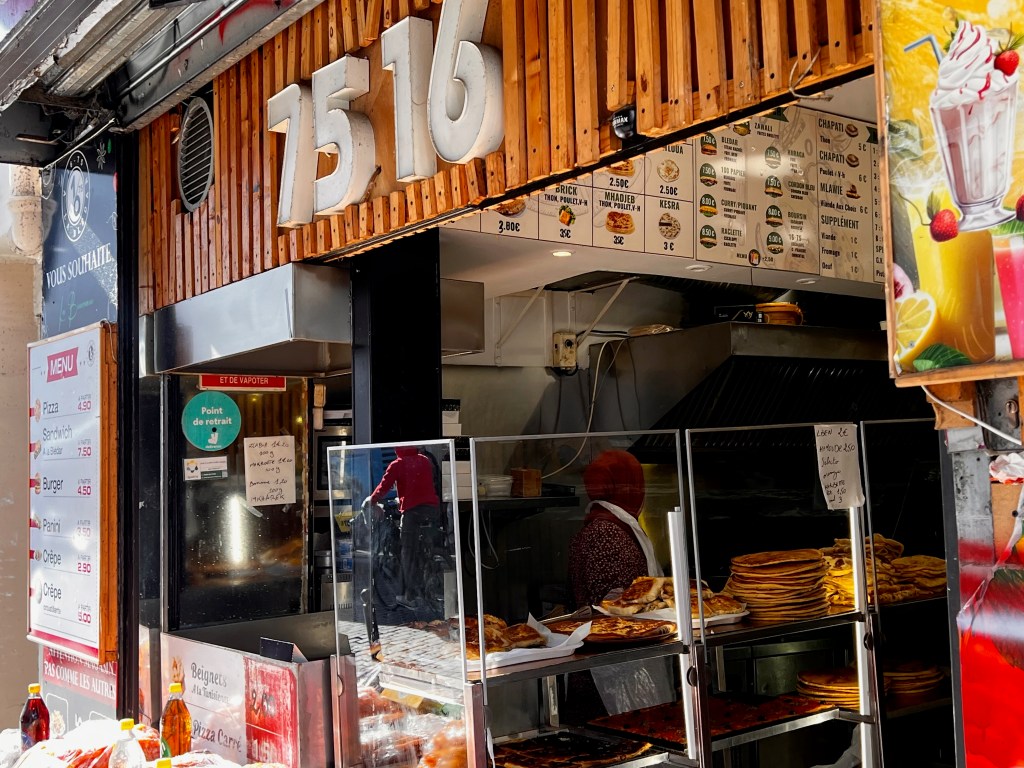
We’re currently on a two-month stay in Paris. Rather than being in a standard tourist area, the apartment we’ve rented is somewhat north-east of the city centre in Belleville, made famous by Sylvain Chaumet’s wonderful animated film Belleville Rendezvous (aka The Triplets of Belleville). It’s an ethnically mixed residential area, with a large population of North African origin as well as a lot of Chinese and Vietnamese mixing with the white population. Our apartment is on the Rue du Faubourg du Temple between Belleville and République metro stations. In the course of that one kilometre stretch, without going into the side streets, I counted fourteen bakeries of different kinds. Most of them are places I’d be more than happy to patronise near my home; the best are utterly outstanding.

Here’s a little guided tour – in no particular order (and not geographically).

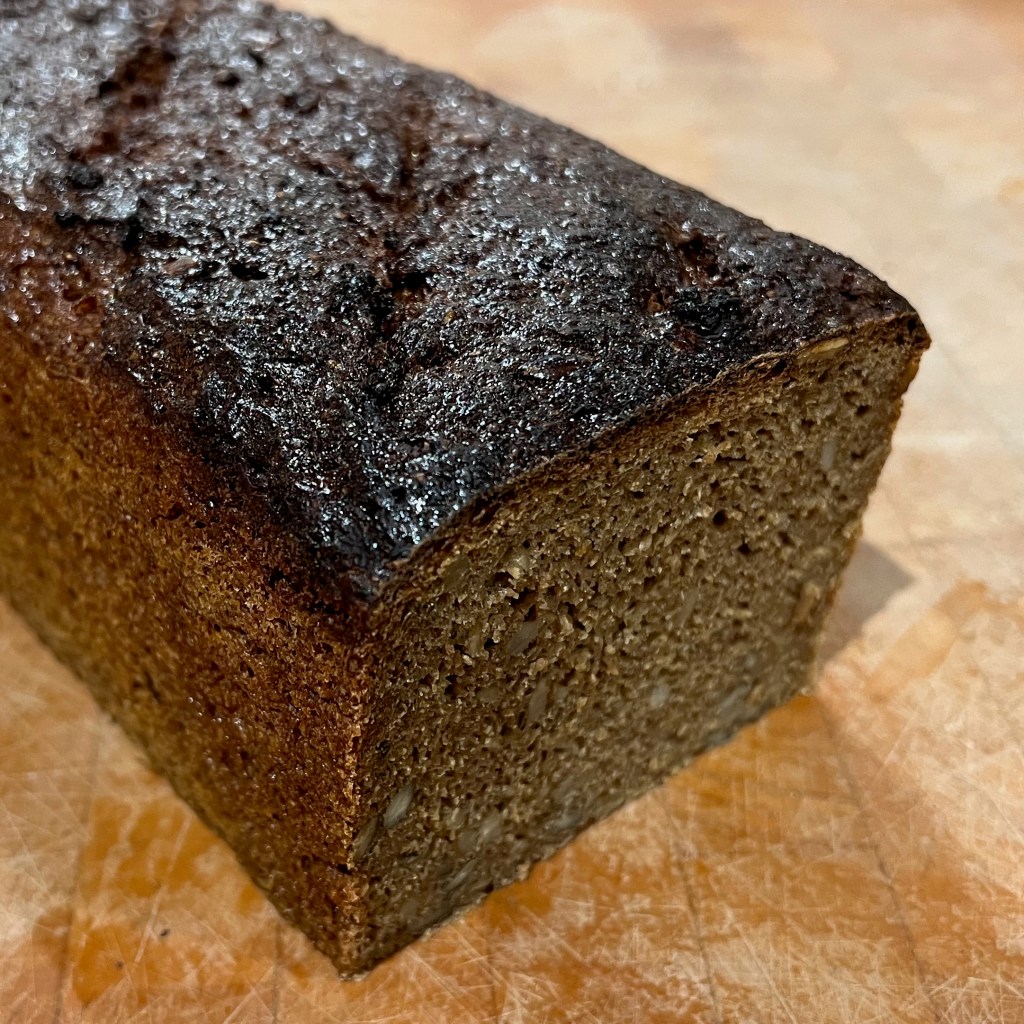
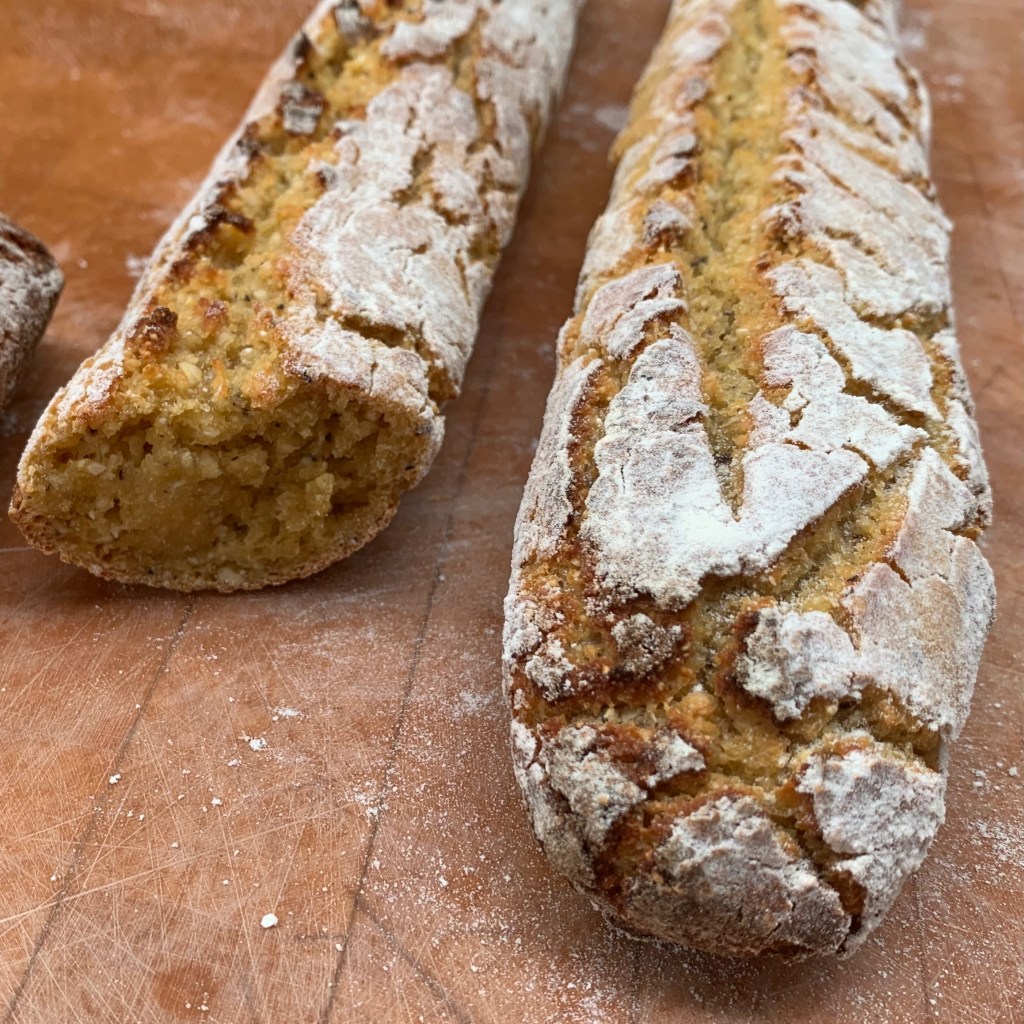
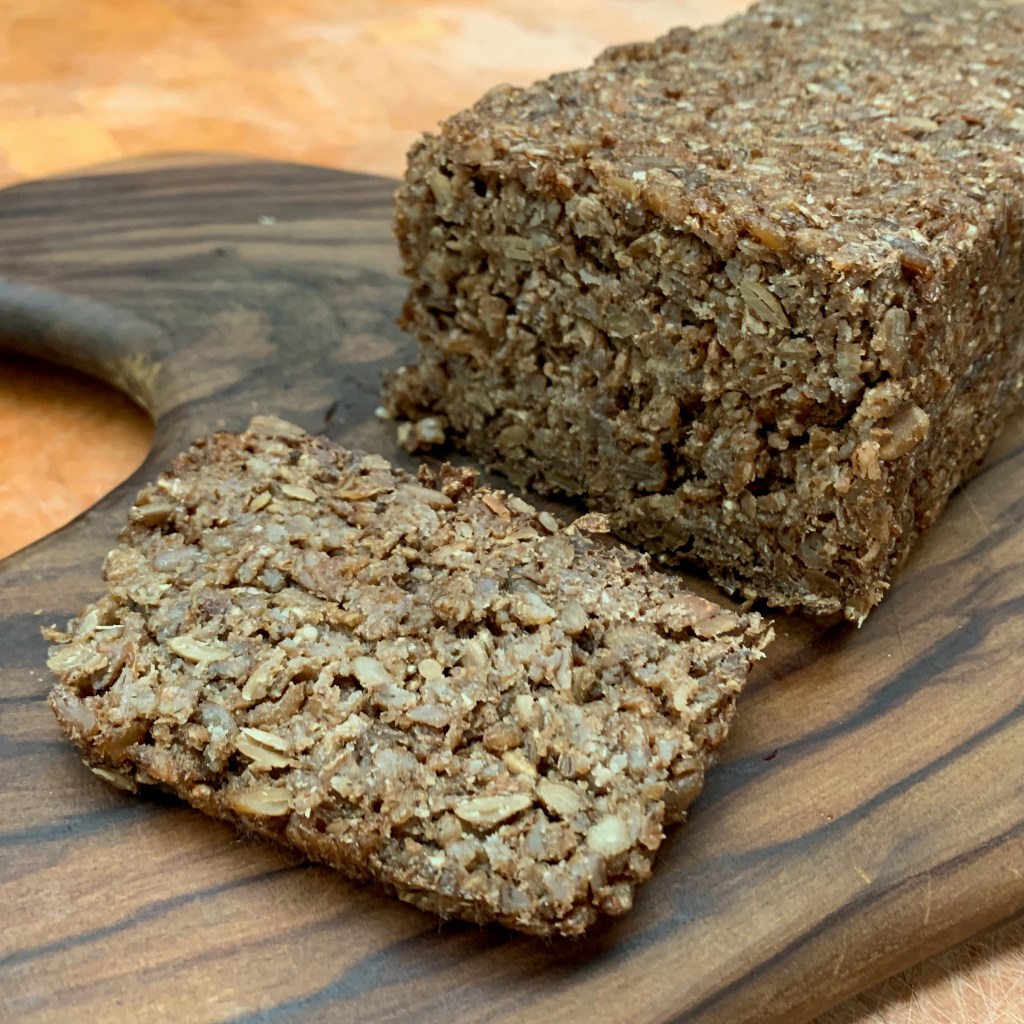
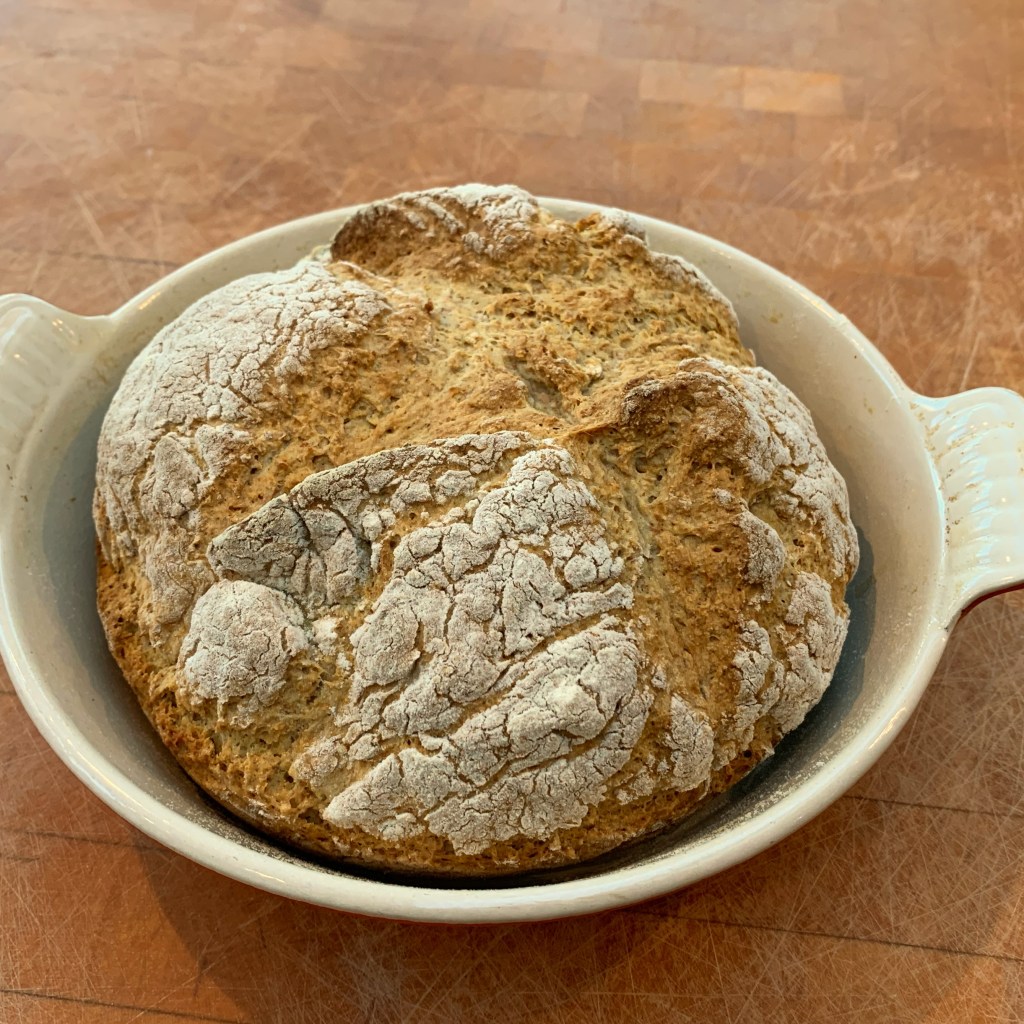
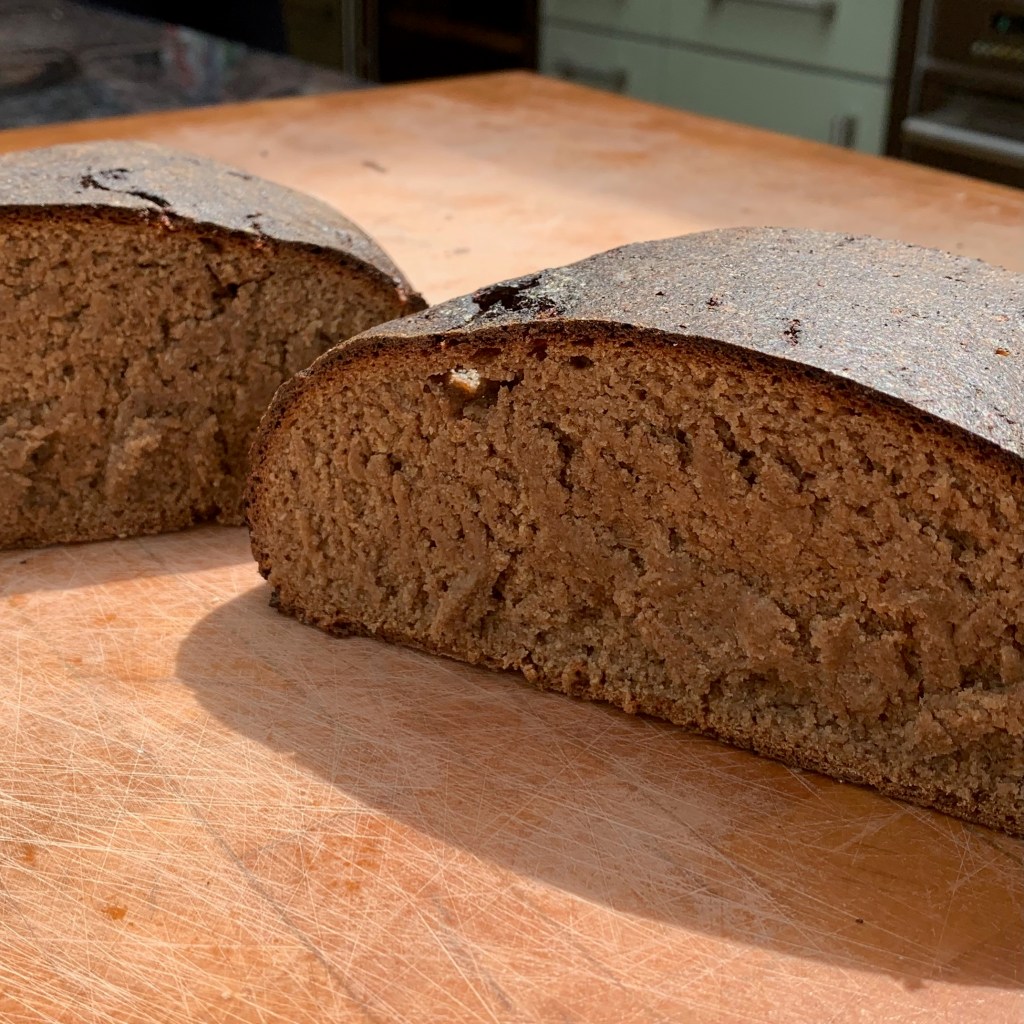
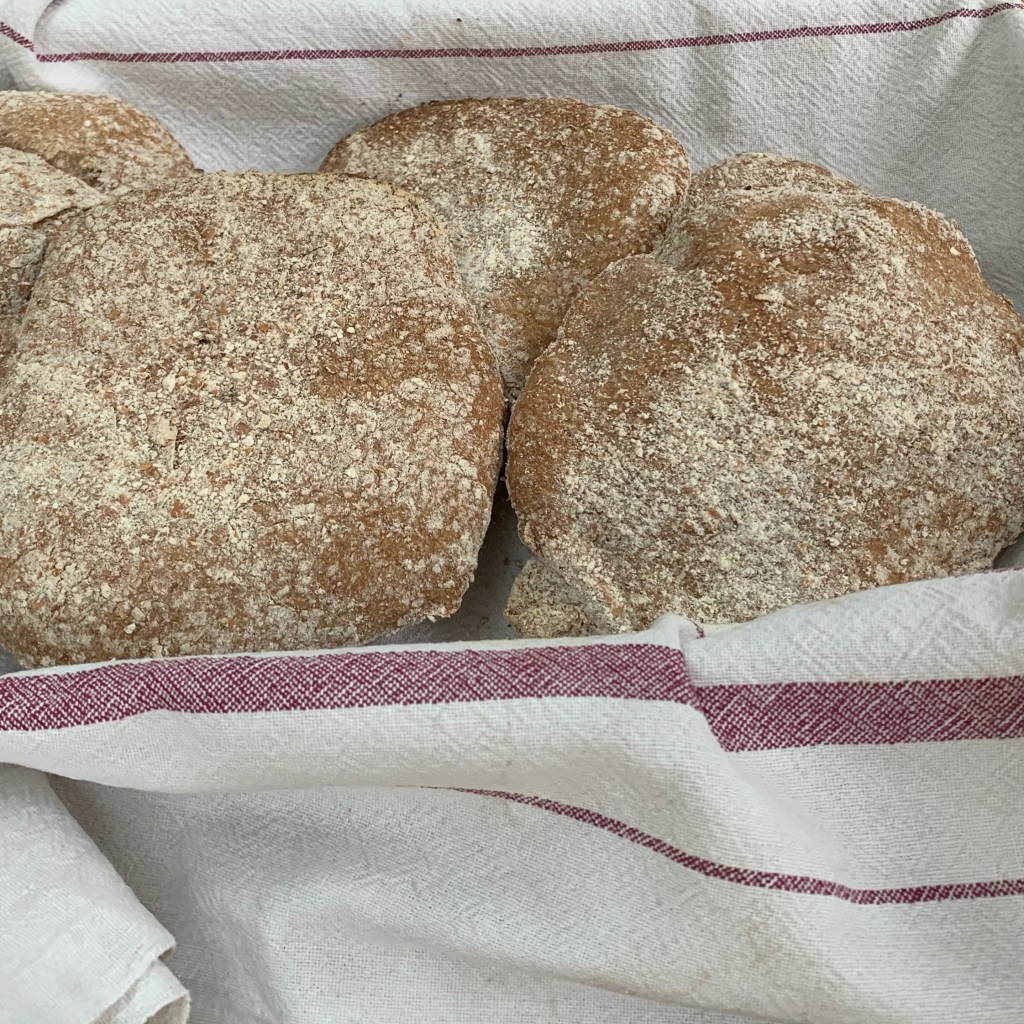
The most outstanding bread so far came from next to Goncourt metro: the Urban Bakery Goncourt, a branch of a small chain, with ten shops across Paris, which descibes itself as a “Boulangerie Engagée”. They do a wide selection of breads with different grains – rye and buckwheat as well as standard wheat – which  simply burst with flavour.
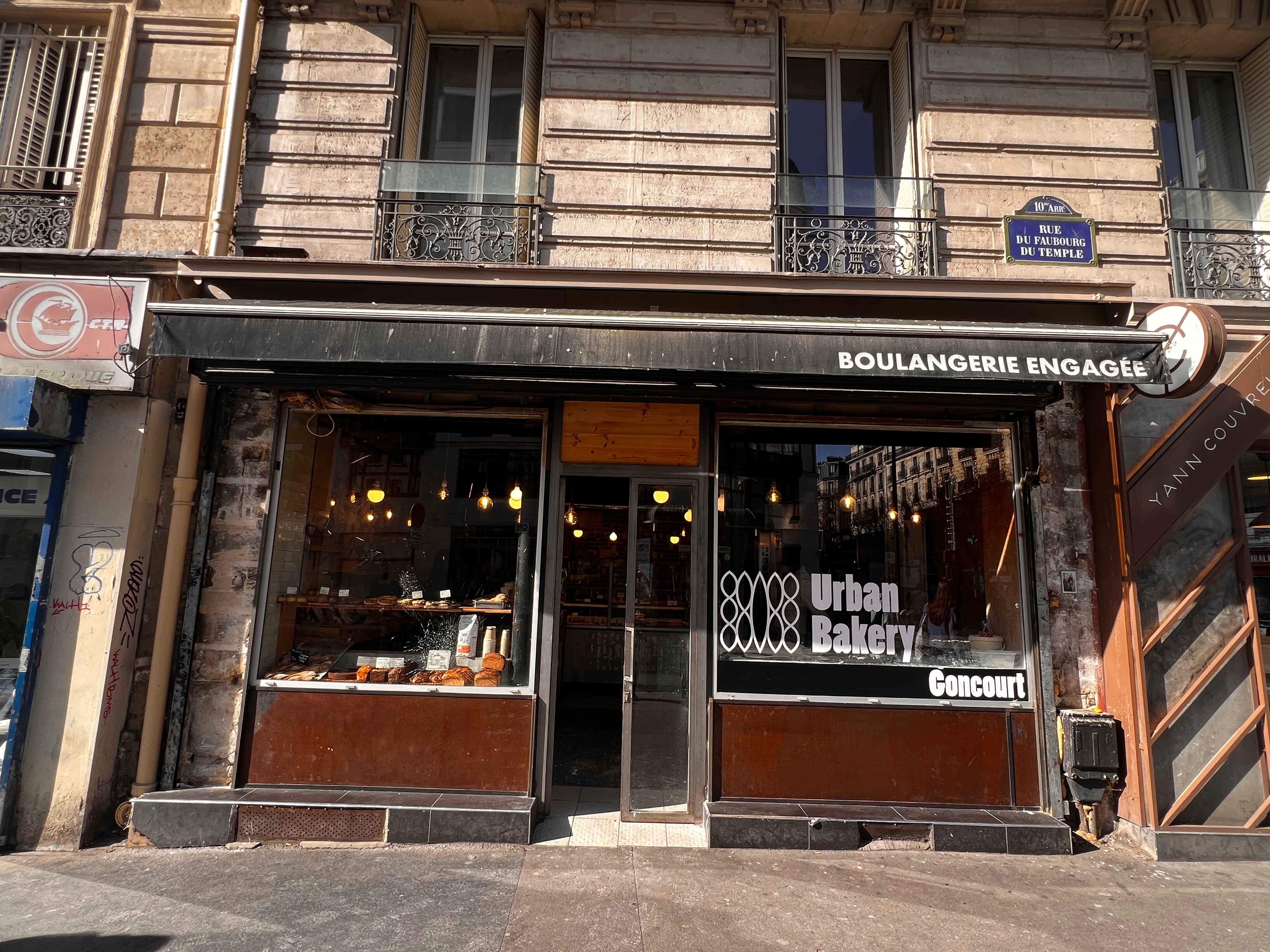
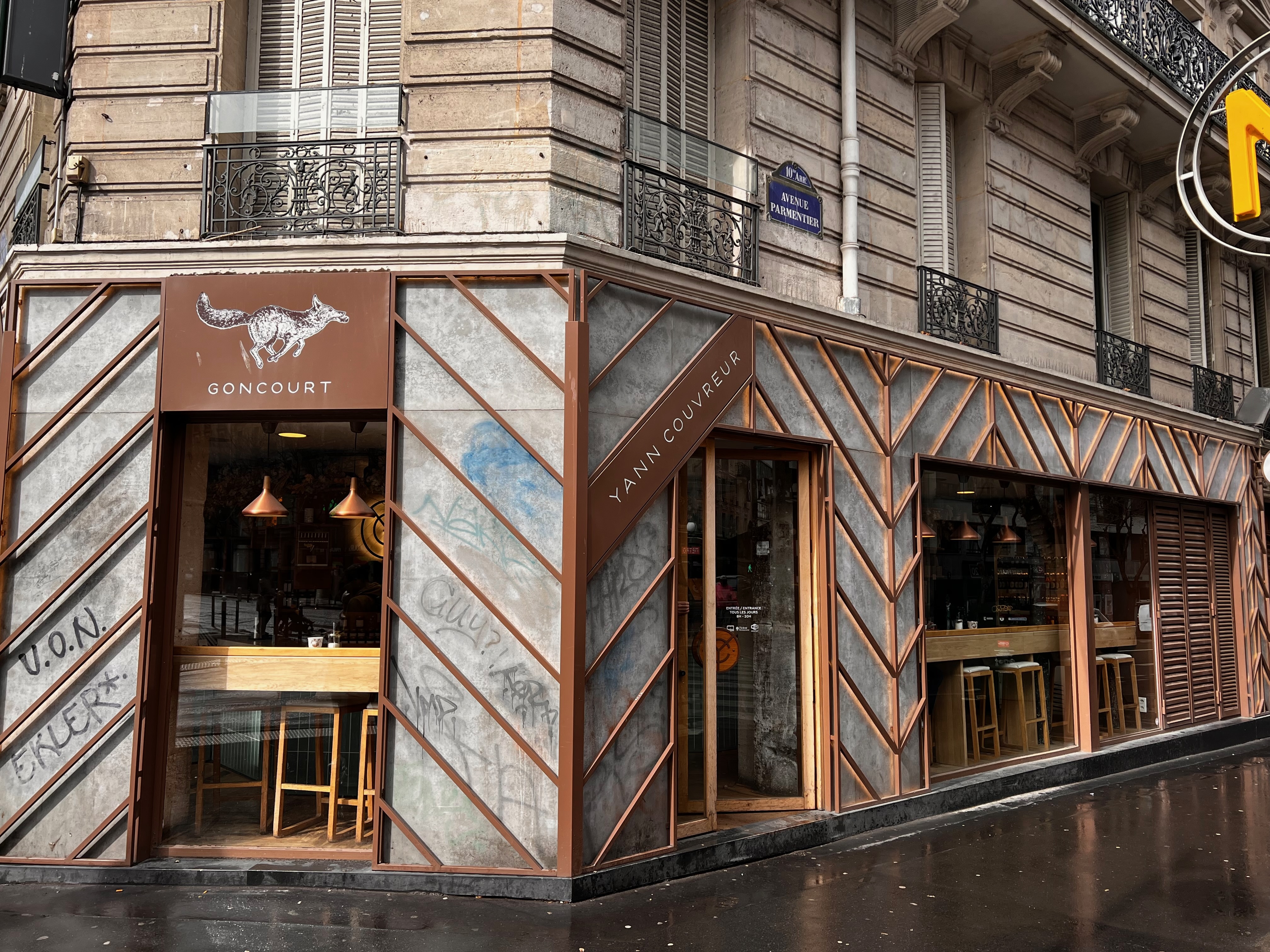
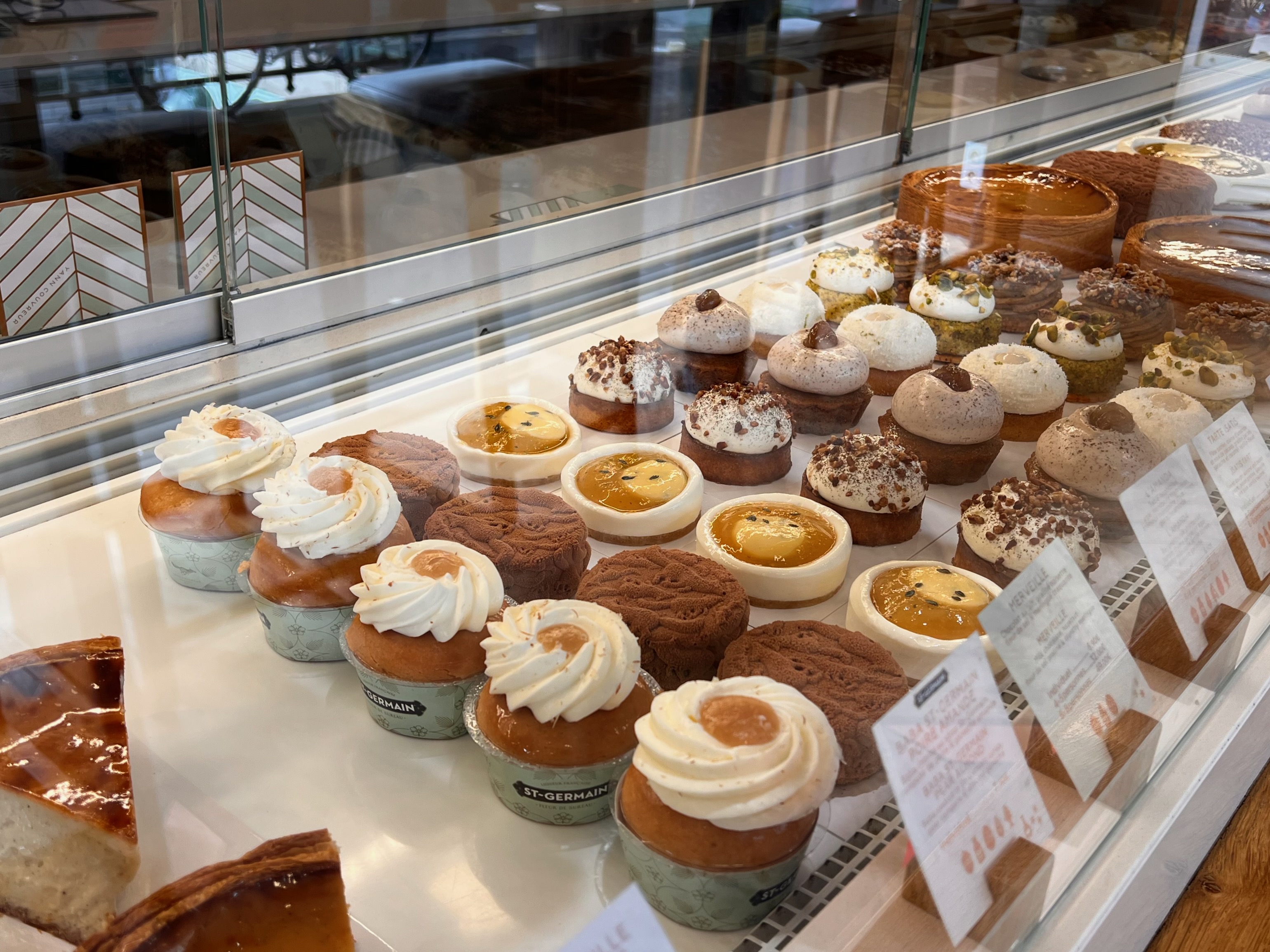
The Urban Bakery does some pâtisserie, though bread is clearly its main focus. However, it’s next door to Yann Couvreur, which doesn’t do bread but does uber-posh, innovative pâtisserie (at eye-watering prices, one has to admit). Couvreur is a famous pastry chef who also has branches in the Marais and in the main Galeries Lafayette, plus a café in town.
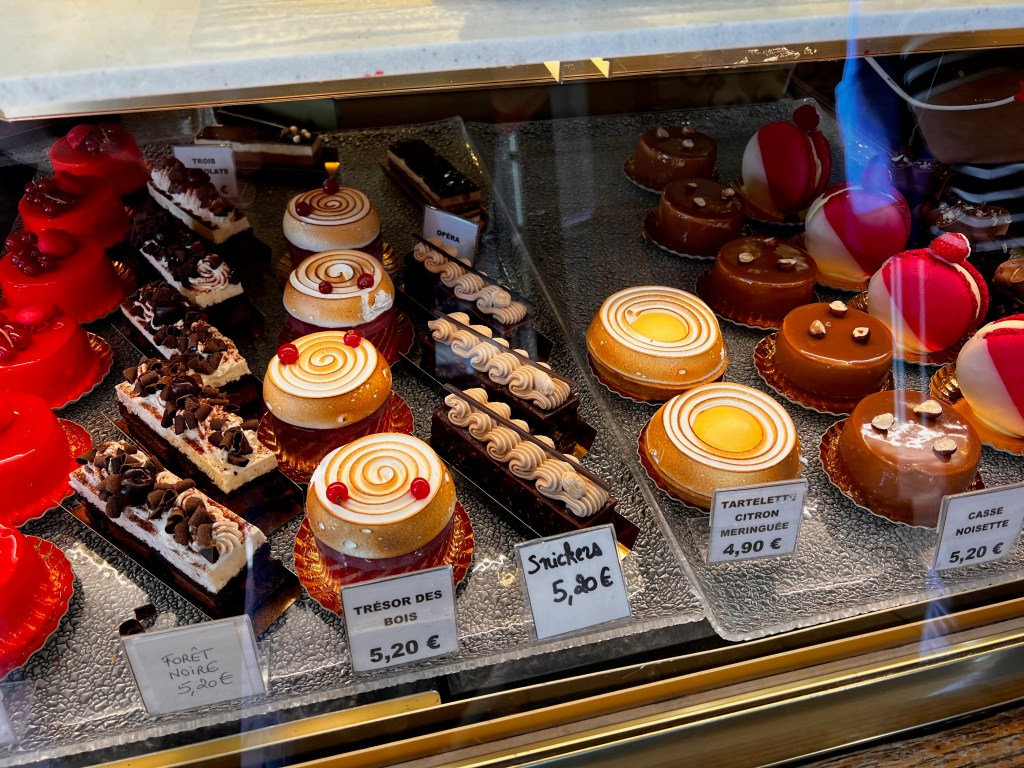
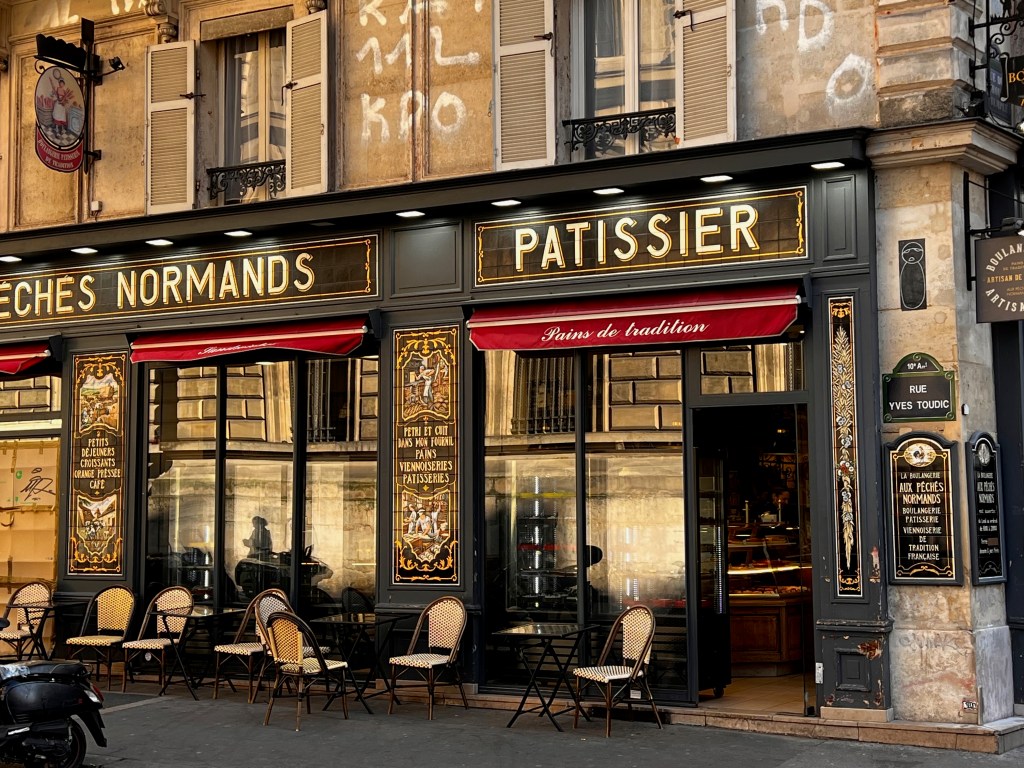
Nearer to République, Aux Péchés Normands does great bread and fabulous croissants and pastries, if perhaps not quite up to the refined levels above. But I can attest that their lemon meringue tartlets are a thing of beauty.
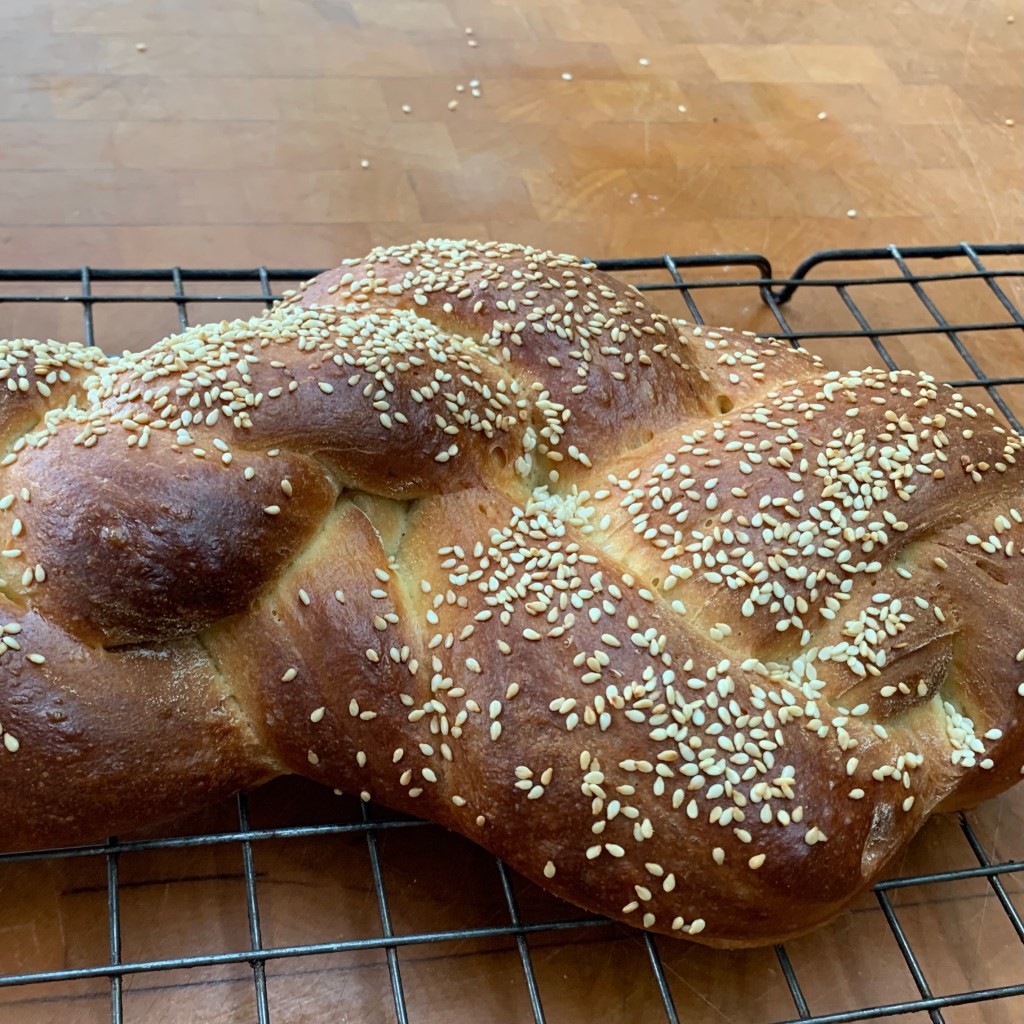
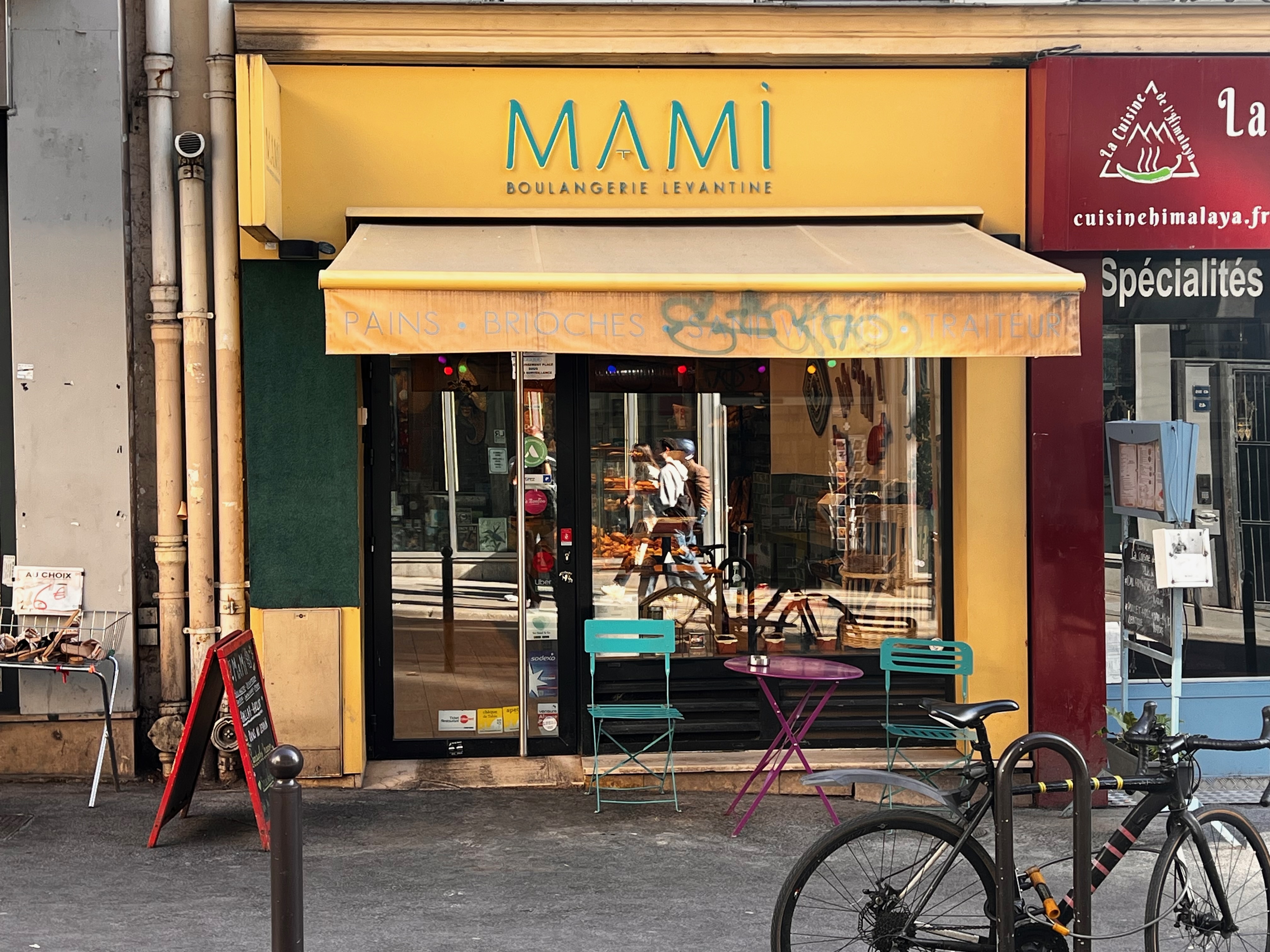
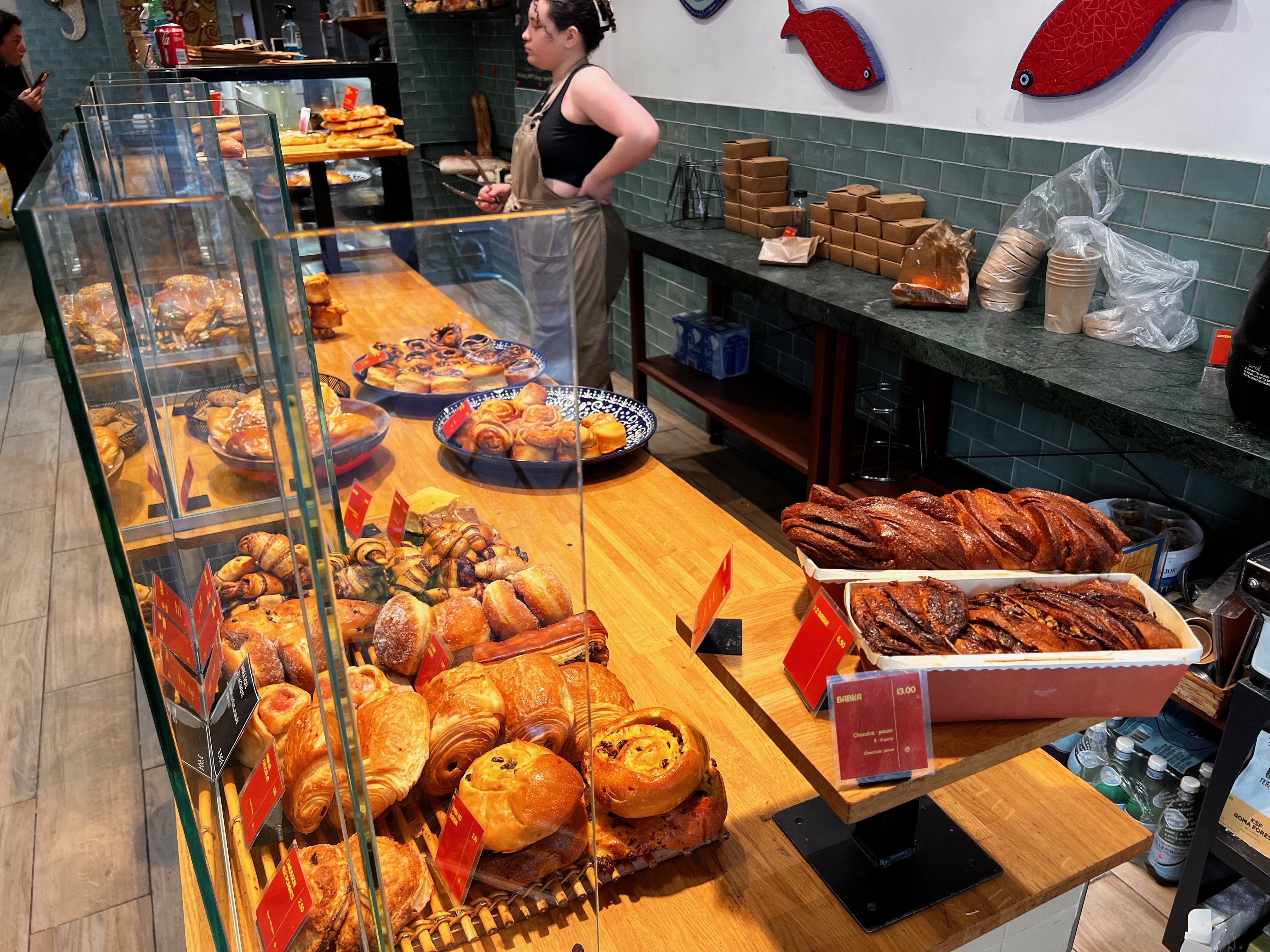
The really unexpected one was Mami, which describes itself as a “Boulangerie Levantine”. Taking its inspiration from all things Jewish and Middle Eastern, it has mouth-watering Babkas and a variety of Challahs, including a Za’atar-flavoured Challah, which is something I’ve never seen before but is quite delicious.
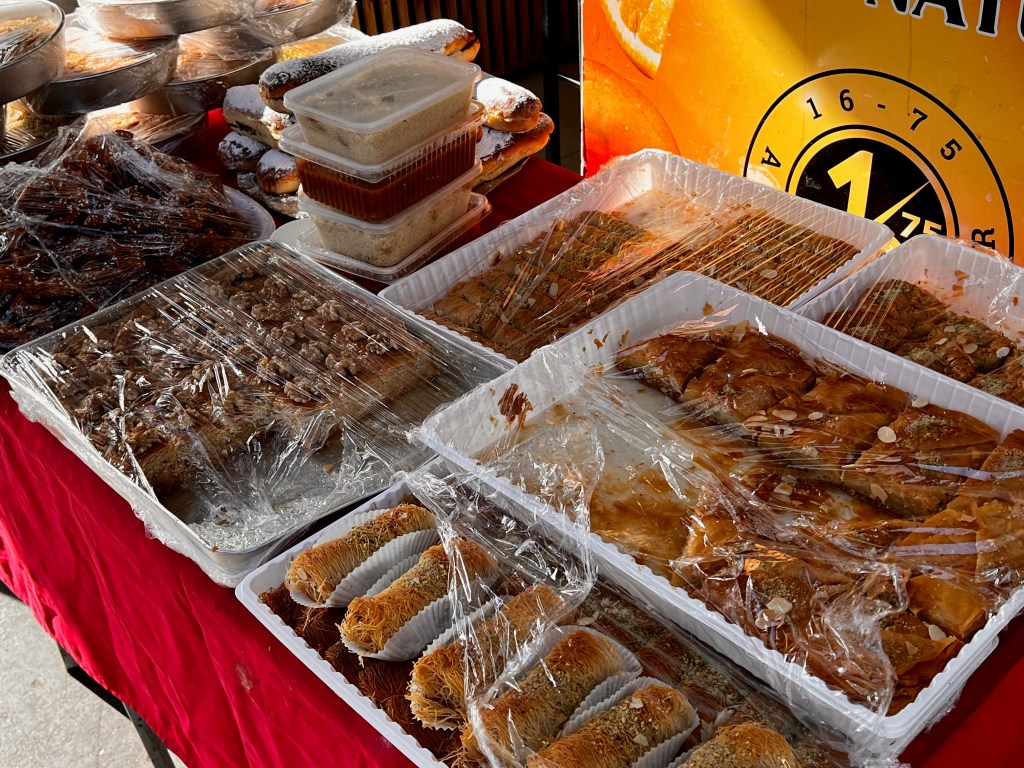
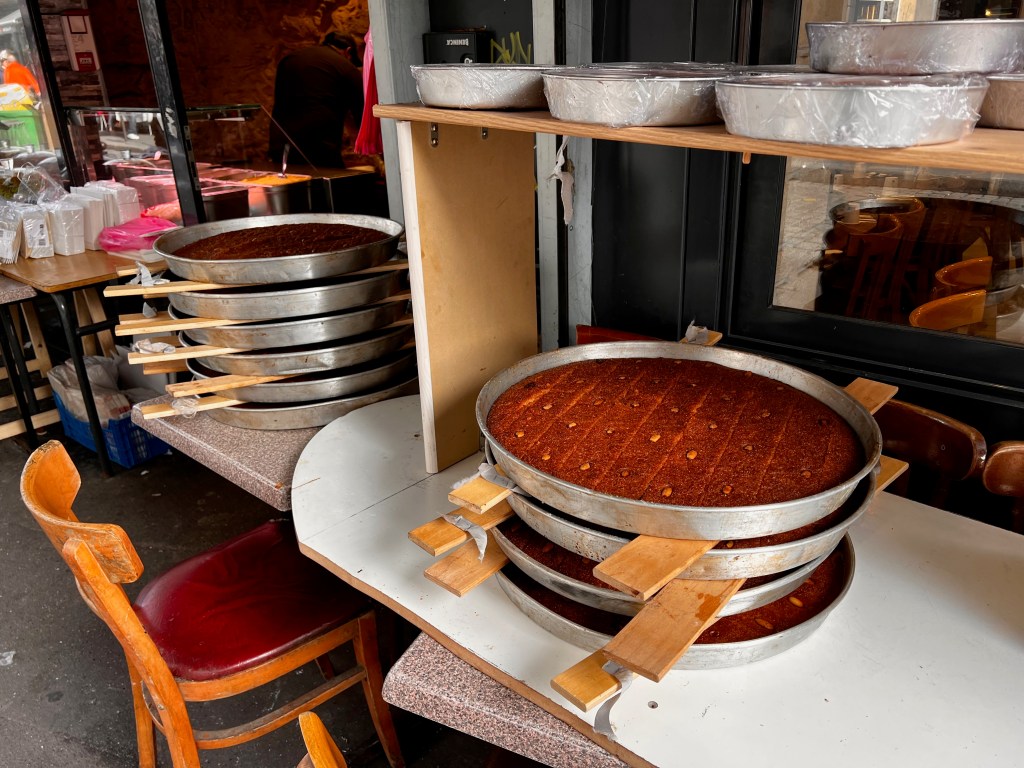
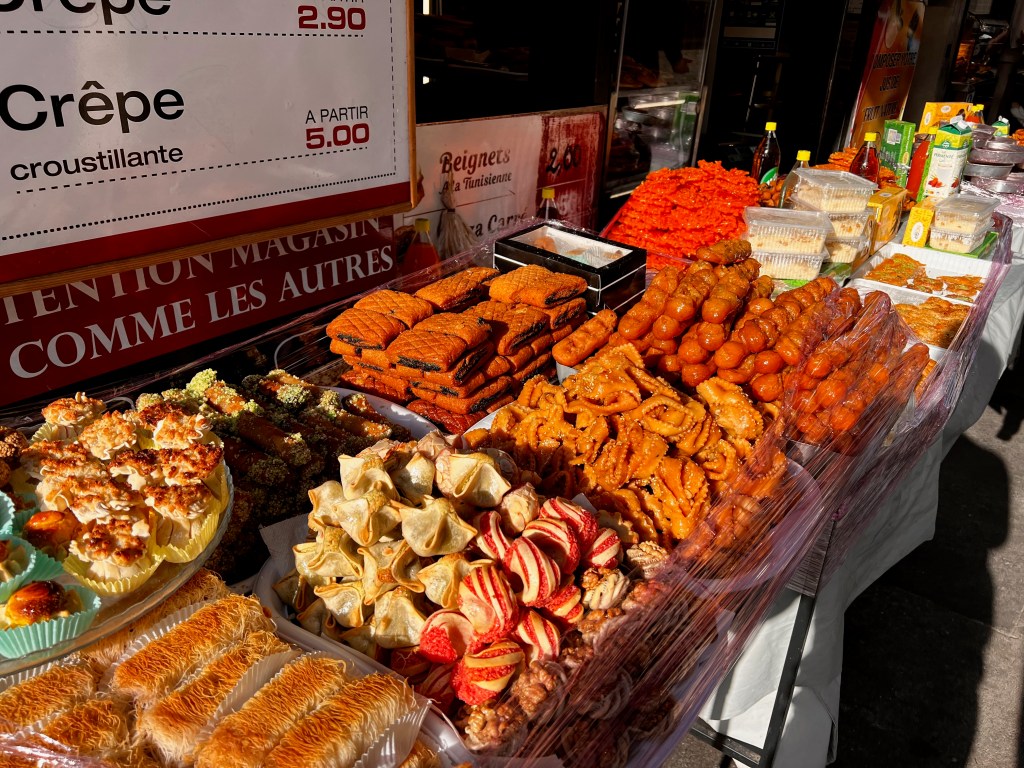
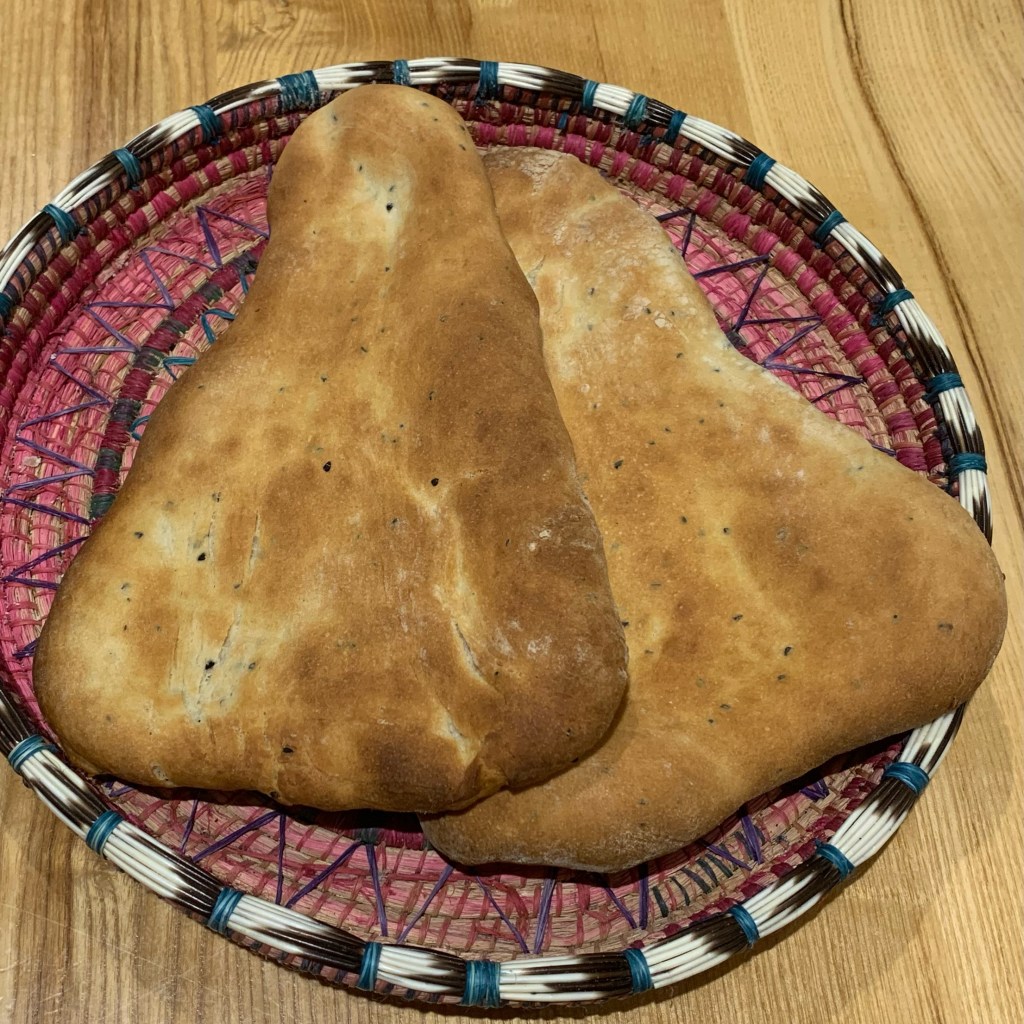
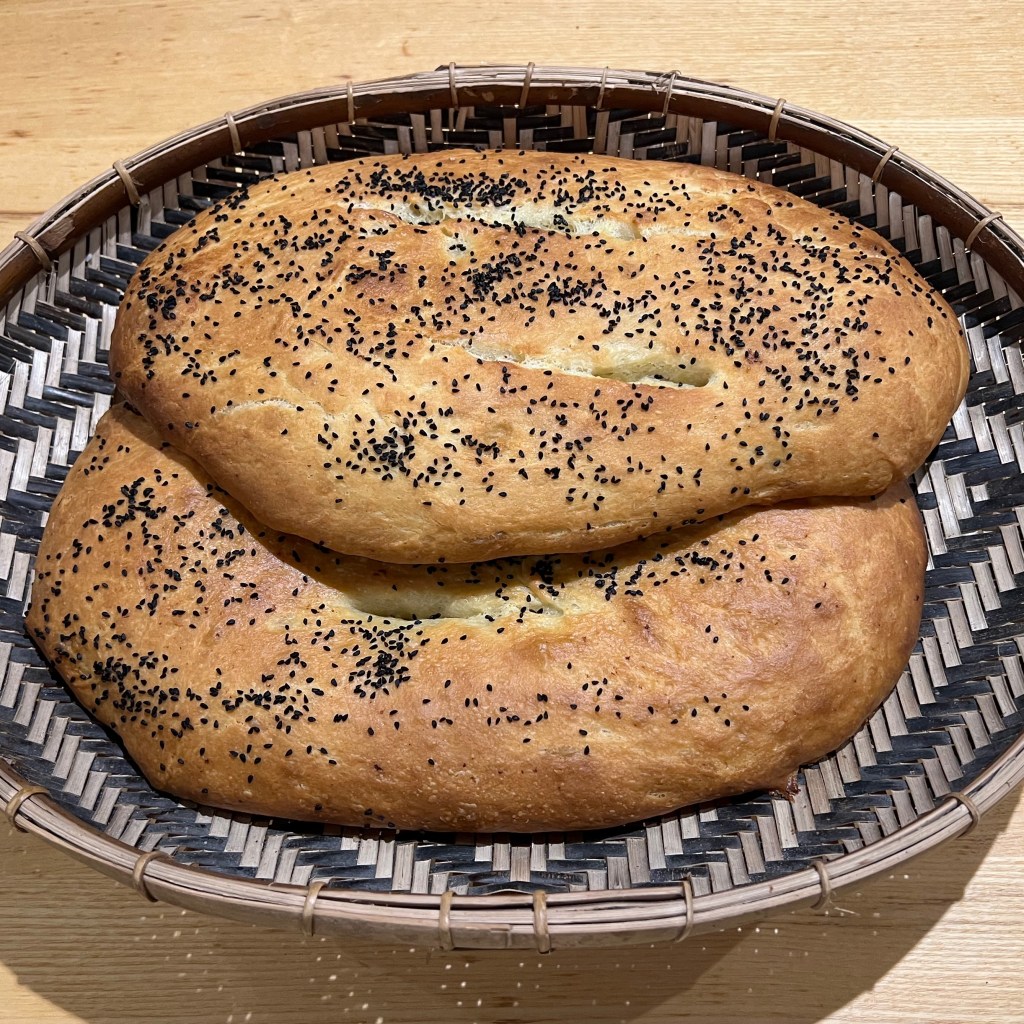
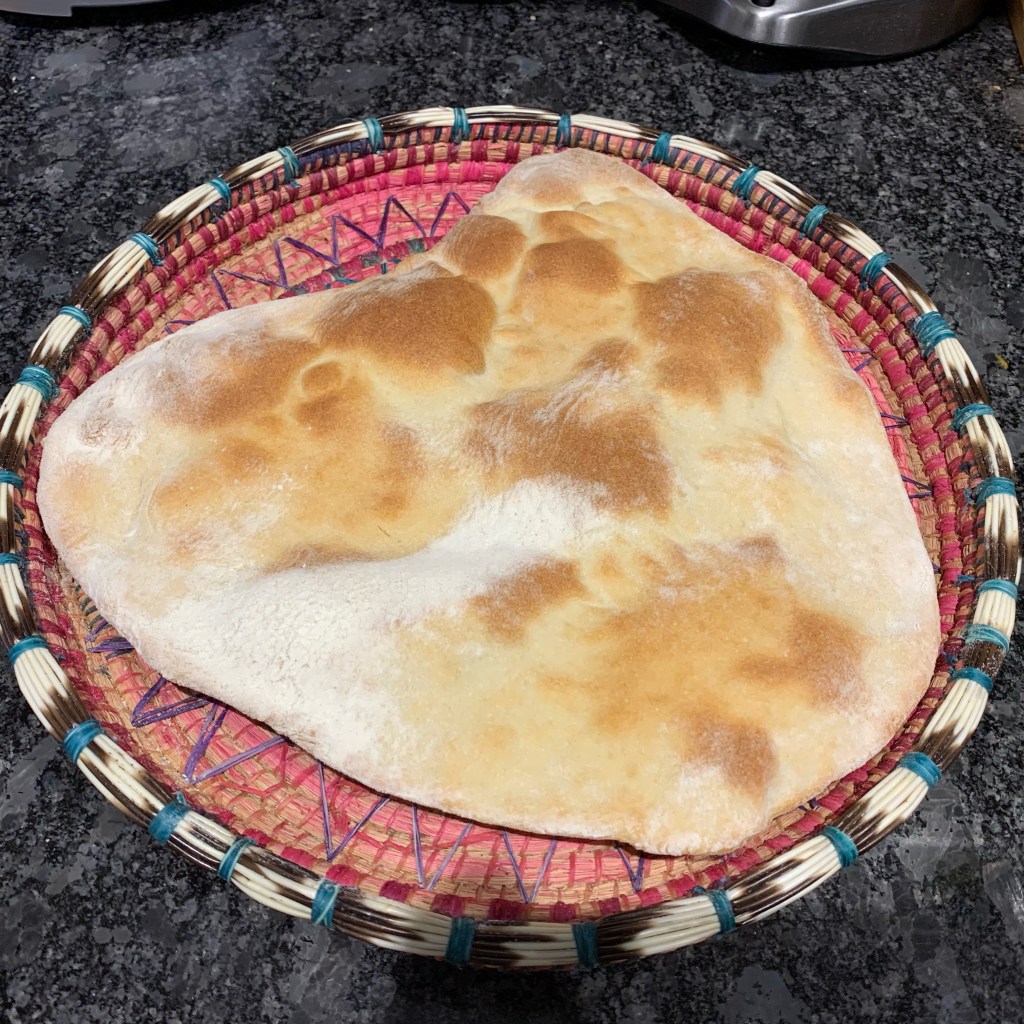
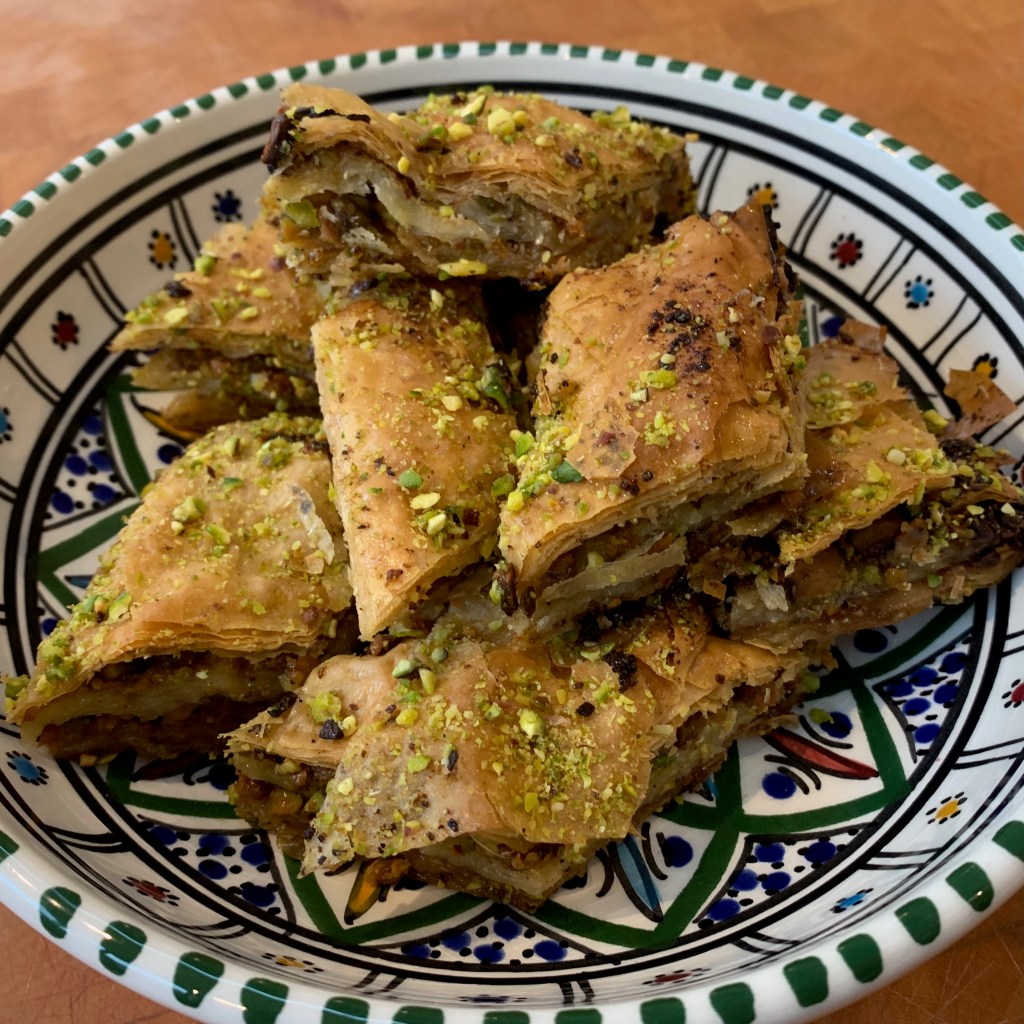
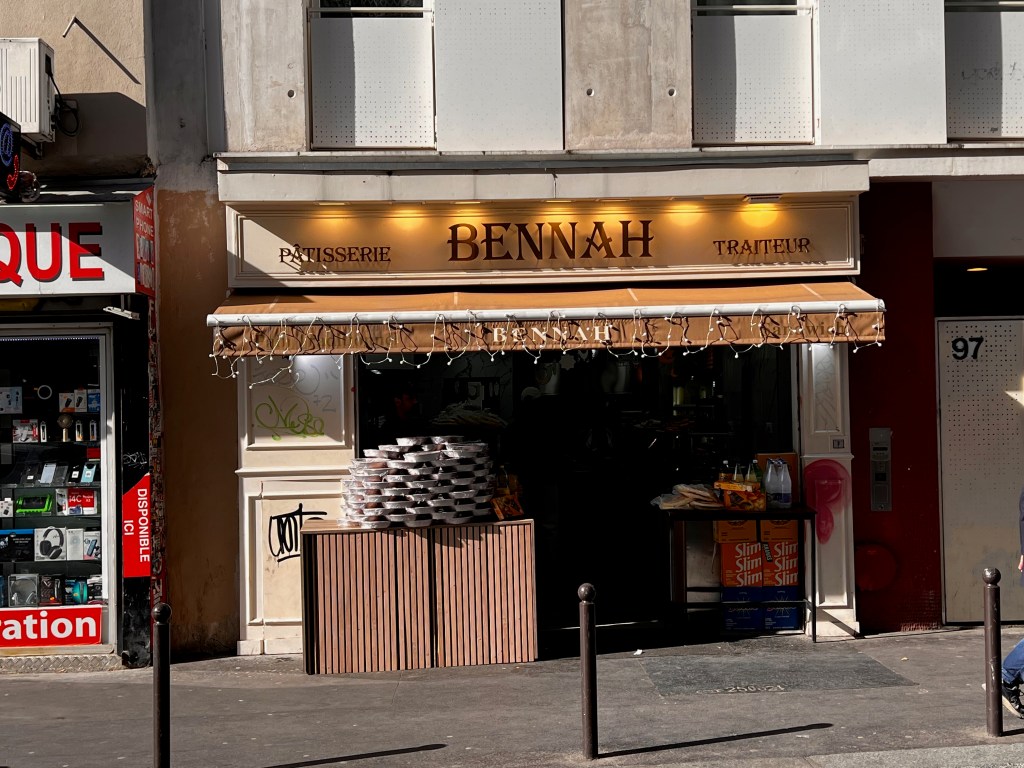
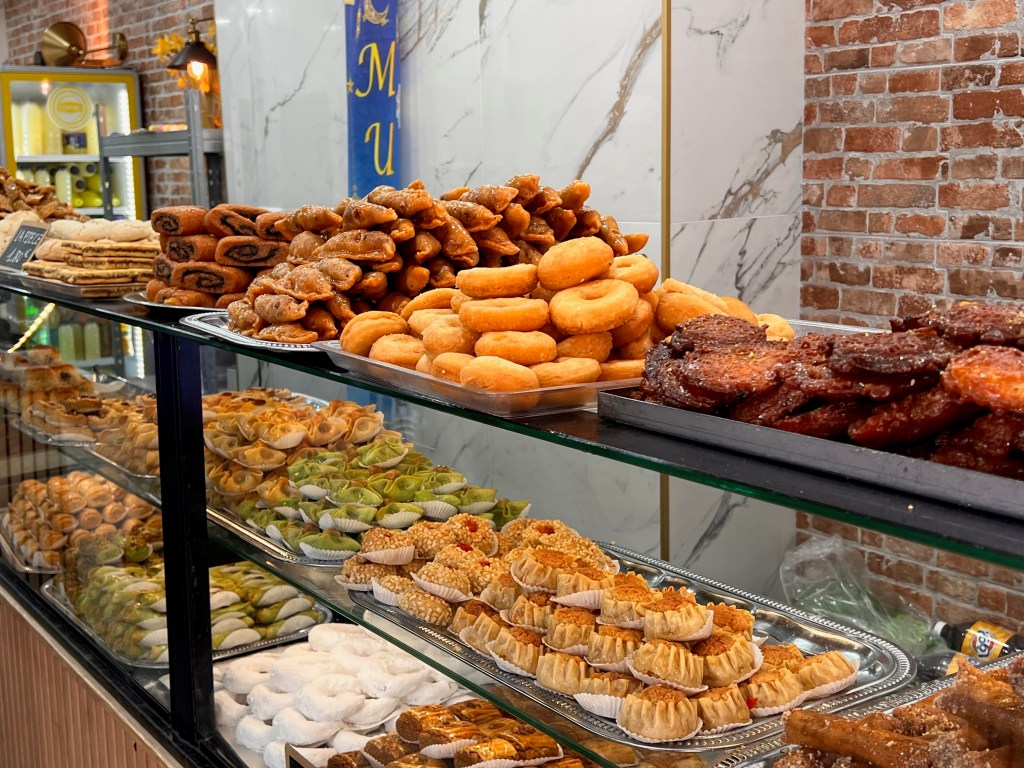
The area has many North African inhabitants (particularly Tunisians, it seems to me), resulting in the presence of many shops specialising in Arab and Maghrebi breads, sweets and pastries. It’s Ramadan at the moment, so every evening, there are vast arrays of goodies stacked on trestle tables outside the shops, which  wolfed down when the fast ends at sunset (to be fair, they also seem pretty busy through the day from both Muslim and non-Muslim shoppers). The one that seems permanently rammed is called Bennah – I took photos of three others and I probably missed a few.
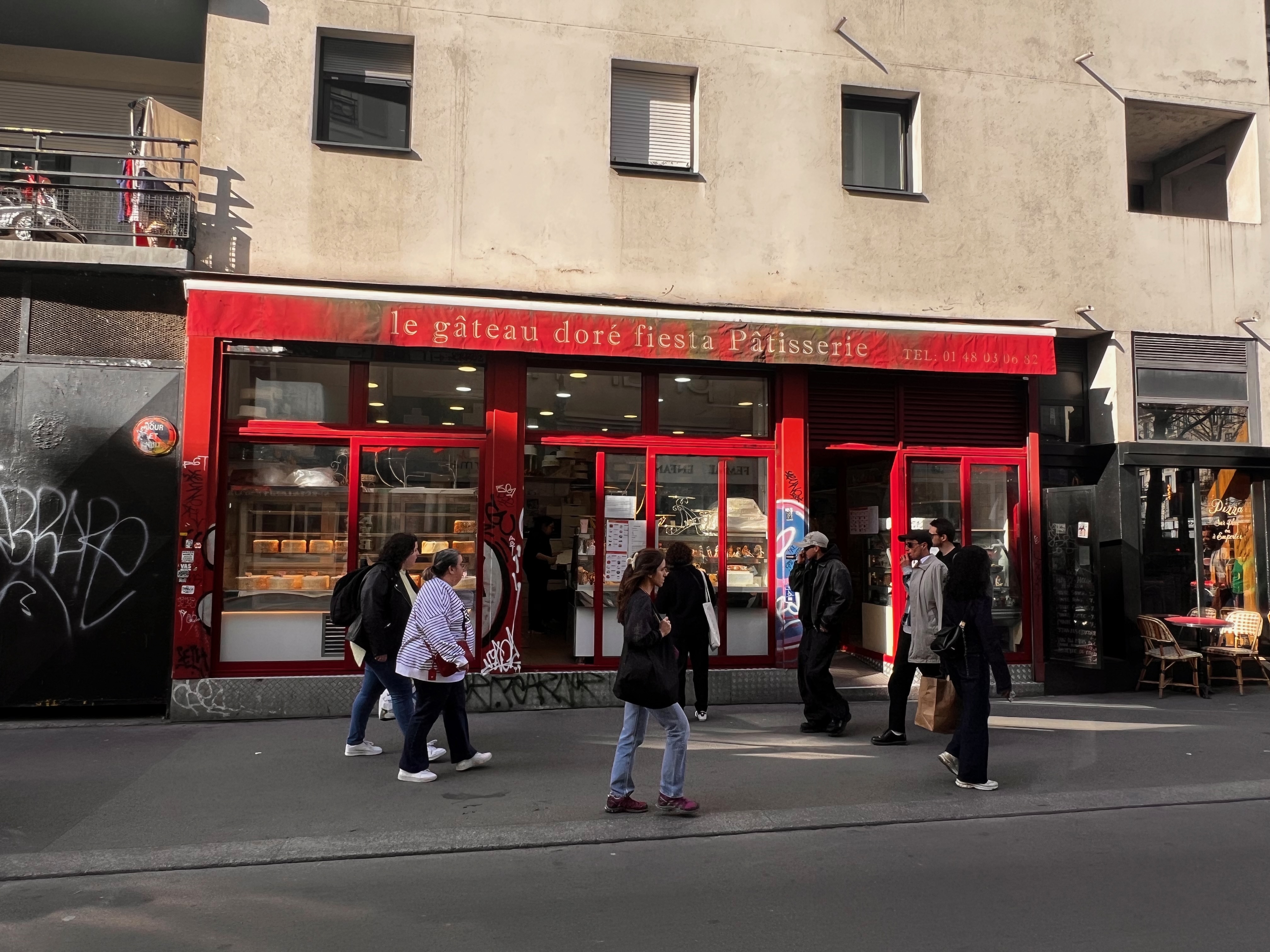
For something completely different, there’s Le gâteau doré fiesta Pâtisserie. It’s a cake shop which sells large cakes for birthdays and other events, apparently in large volumes. Its unusual feature, however, which has led me to dub it the “pornographic cake shop” is the array of scantily-clad plastic women in the window, waiting to adorn the birthday cake of your fantasies. (To be fair, there are also more conventional figures of brides and grooms, furry animals, national flags and so on).

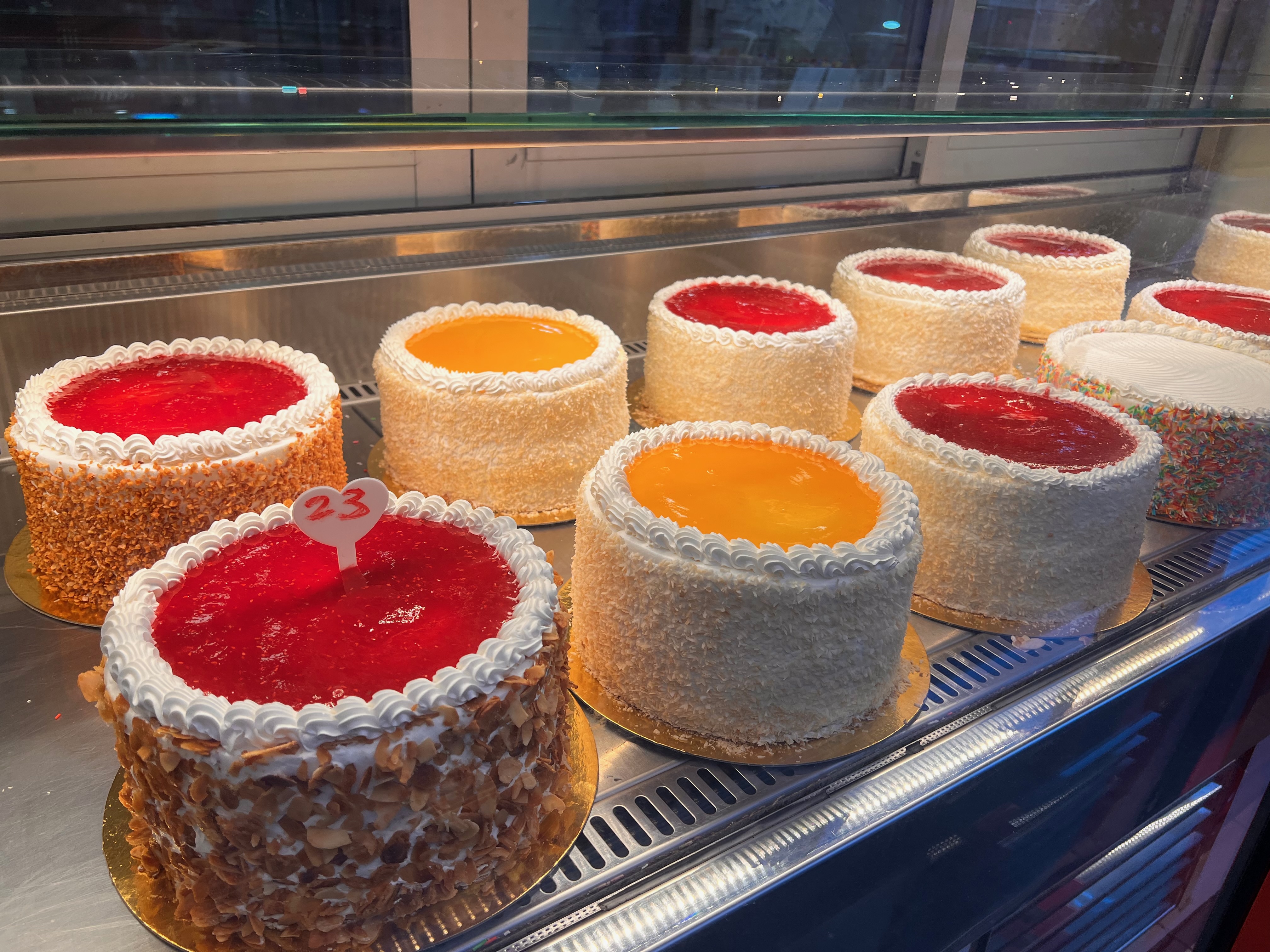
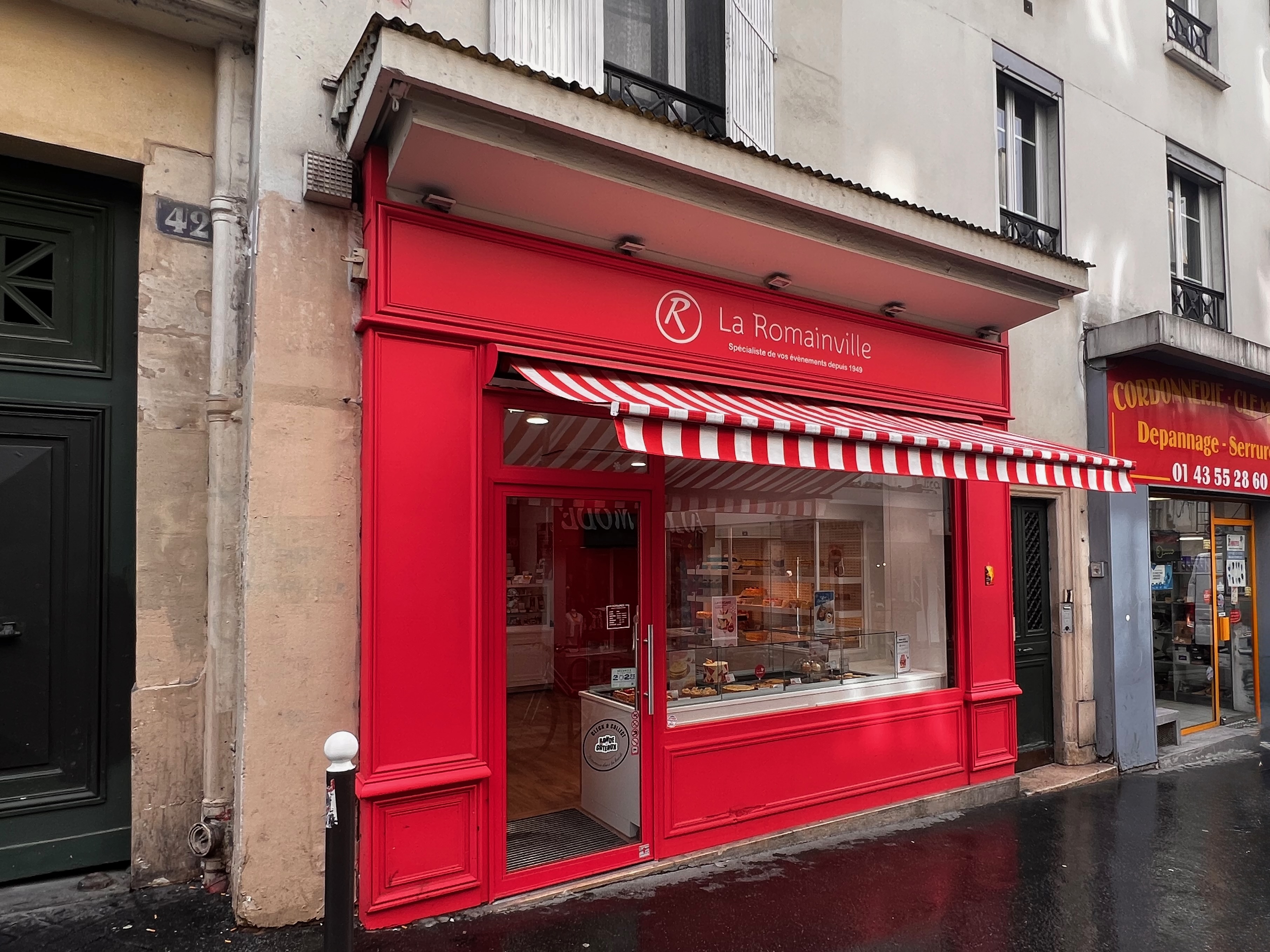
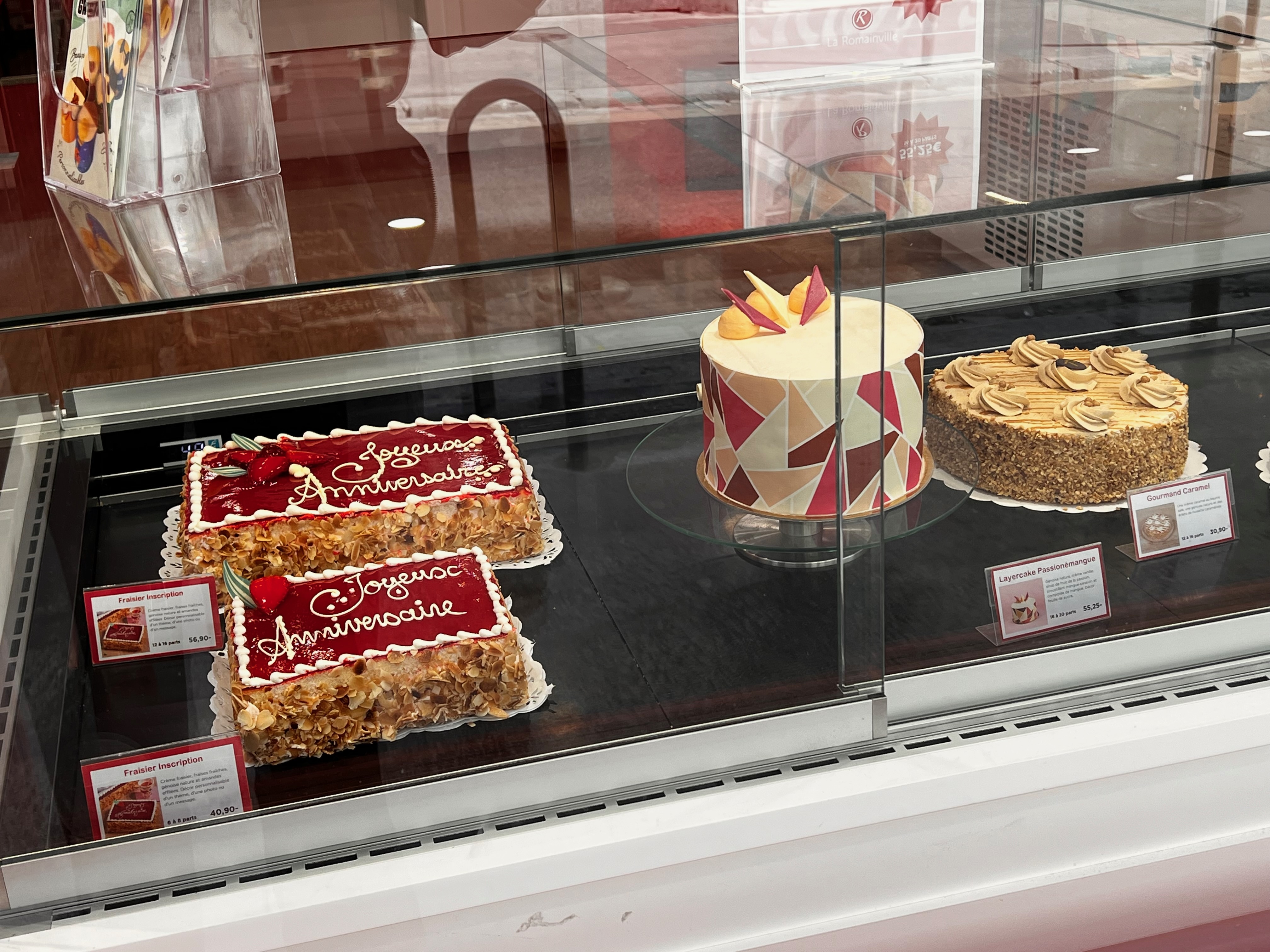
On the other side of the road from Le gáteau doré is a more demure looking (and possibly more upmarket) shop specialising in cakes for events, the Pâtisserie La Romainville. Another cake shop – the one nearest us, Délices de Belleville – is also labelled with the Chinese characters for “happy cake”.
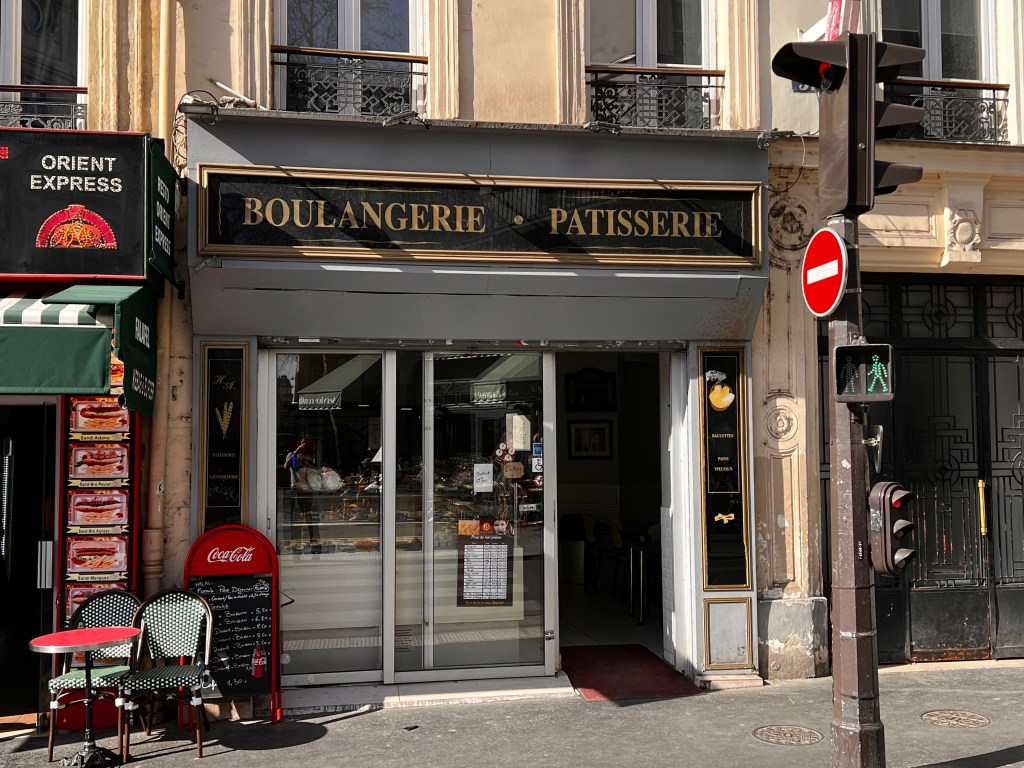
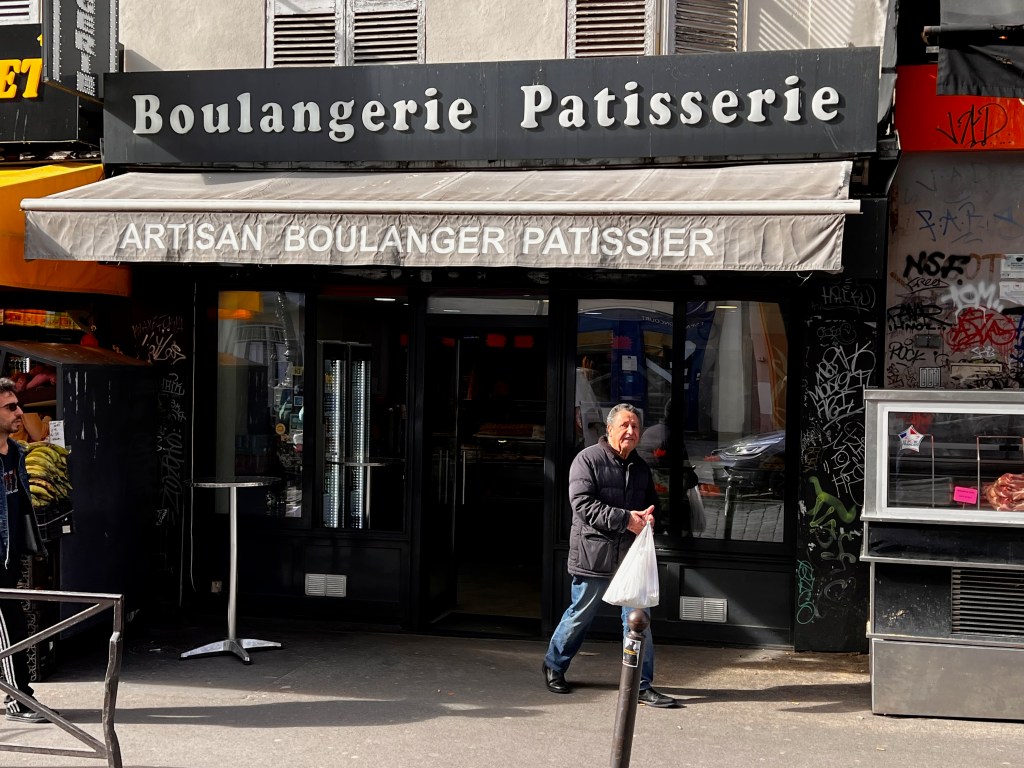
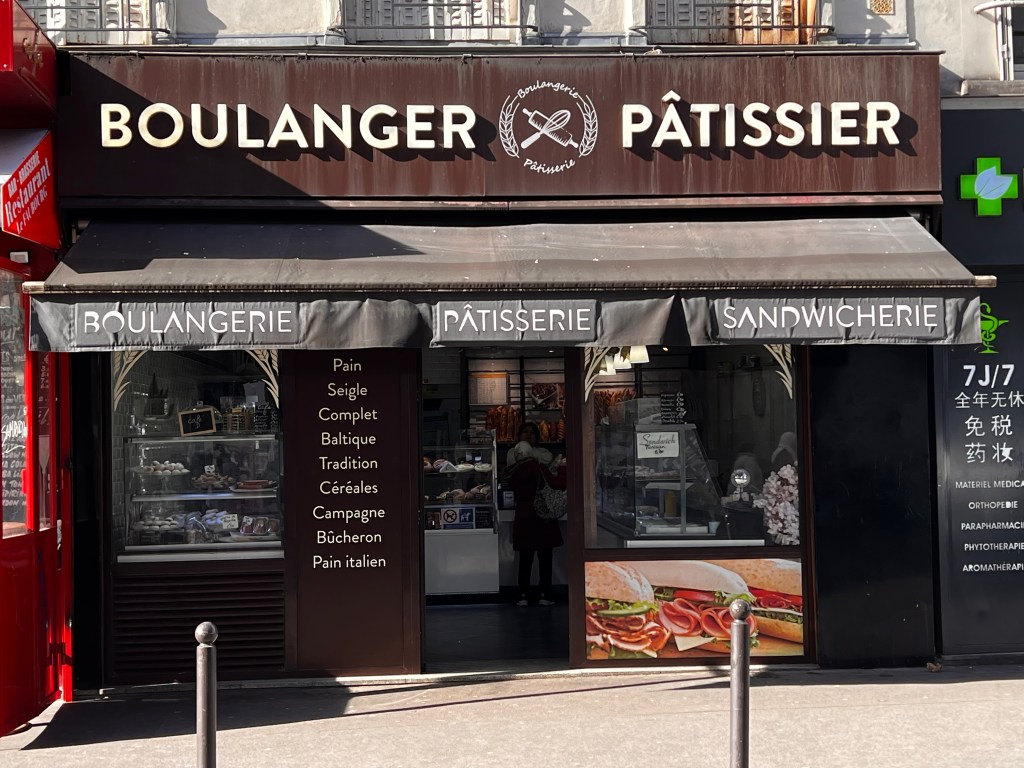
And there is no shortage of standard boulangerie-pâtisseries, the sort that will sell your morning baguettes and croissants as well as a variety of other stuff. Several of these don’t even have a brand name attached and are just labelled Boulangerie Pâtisserie or Artisan Boulanger Pâtissier or similar.

And that’s not counting the several supermarkets along the way that will sell you bread, croissants and cakes. I don’t think I’ve ever seen a place where you can’t walk for 50 metres without running into a bakery, and I’ve certainly never lived in one. And I love it.
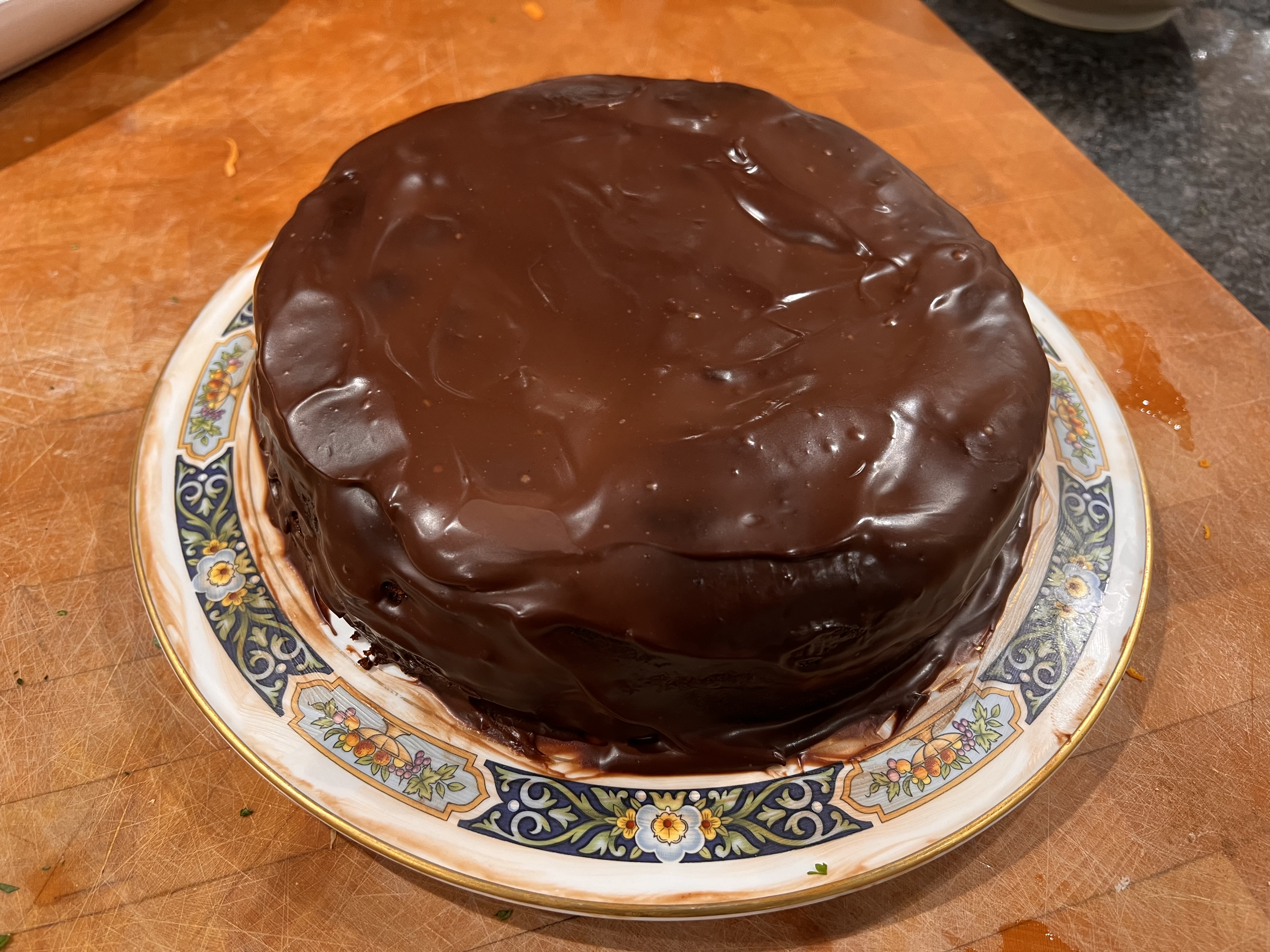
Sachertorte revisited – for diabetics

Sachertorte revisited – for diabetics

The words “diabetic baker” are something of an oxymoron: diabetics really shouldn’t be eating high carbohydrate foods, which pretty much rules out bread, cakes, biscuits, pies, pastries and just about any kind of baked goods. That makes my series of blog posts on baked goods from around the world a totally inappropriate project to have done (or, viewed more positively, a rash thumbing of my nose at the health gods).

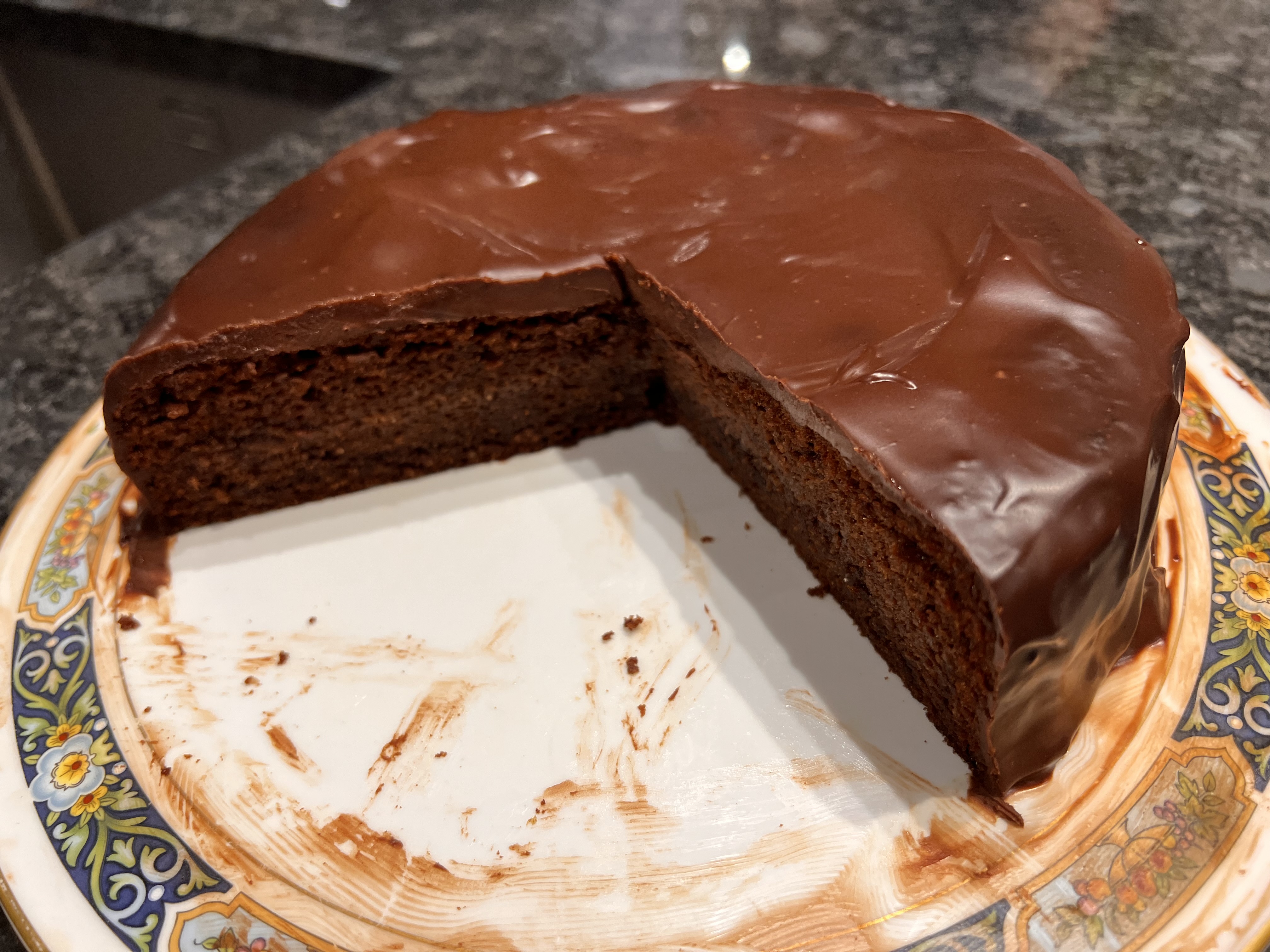
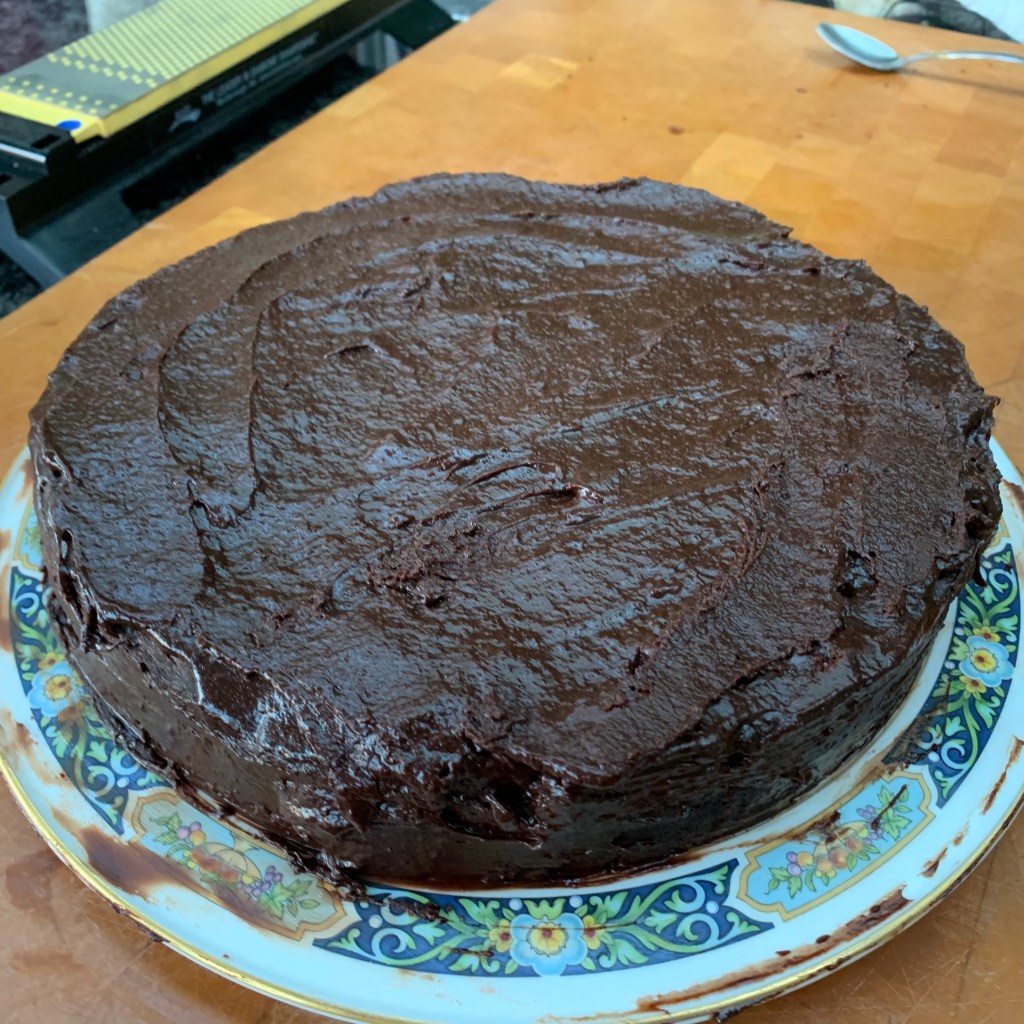
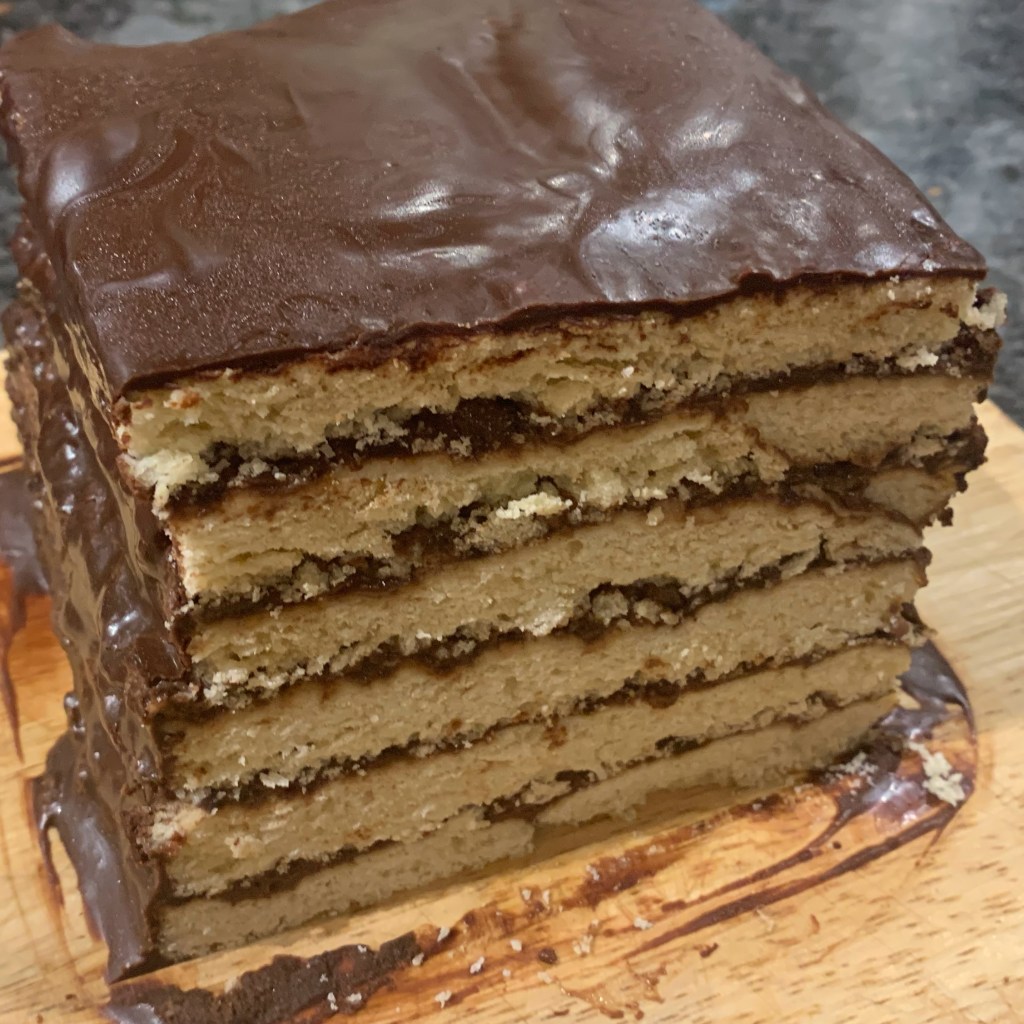
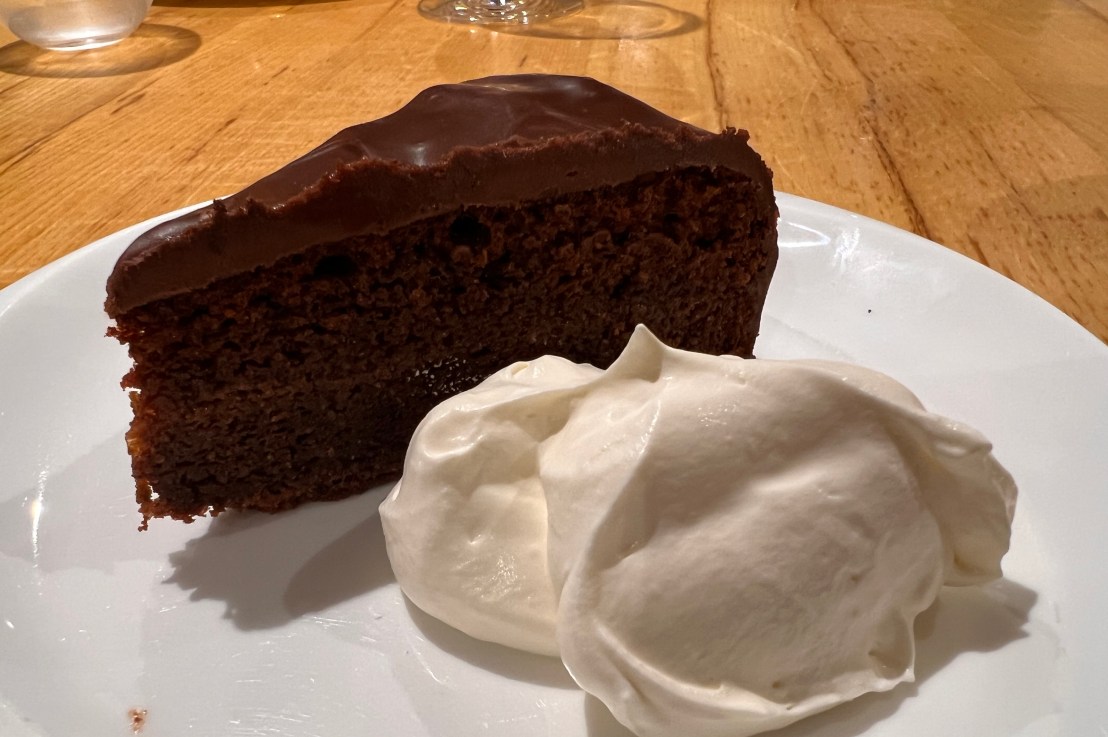
But there are times when you can cheat. I just ran an experiment to see how far I could minimise the carbohydrate content of my favourite cake – Sachertorte – and it was outstandingly successful.

Starting with my recipe for normal Sachertorte, I did four things:

  1. Replace the flour with ground almonds
  2. Replace the sugar with allulose
  3. Replace the icing with a chocolate ganache
  4. Keep careful control of the amount of apricot jam in the filling

With more time available and apricots in season, I could have made my own apricot compote with allulose, but there really wasn’t time.

If you aren’t aware of allulose (aka Psicose or D-ribo-2-hexulose): it’s a naturally occurring sugar which you can’t digest normally. It tastes something like 70% as sweet as sugar. I find that it has little or none of the aftertaste of most non-sugar sweeteners – and in a recipe with this one, with its strong-tasting dark chocolate, I could detect no aftertaste whatsoever. People have questioned whether there any health risks, but the US FDA have approved it with a maximum consumption of 33-36g per day for a 60kg adult (a portion of this cake uses under 20g, so I reckon it looks OK). 

Comparing the two recipes, the carbohydrate budget looks like this. In rough numbers, the new recipe’s carbohydrate count is a quarter of the standard one.

NormalDiabeticSaving
Dark chocolate 300g90g90g
Sugar to allulose150g0150g
Flour to ground almonds76g19g57g
Remove icing200g0200g
Apricot jam 90g to 60g53g35g18g
Total for a 1kg cake569g144g425g
Total for a (generous) 125g portion71g18g53g

I can’t fault the results. My family proclaimed this to be better than the original, which we attribute to liking the extra flavour of the almonds and preferring the creaminess of the ganache to the extra sweetness of the chocolate icing. It’s a winner.

For completeness, here’s the modified recipe. Make it in a greased, 8-9 inch, removable-rim pan.

Ingredients

Cake

  • 150g dark chocolate (70-80% cocoa solids)
  • 150g allulose
  • 30g granulated sugar
  • 170g butter, softened
  • 100g ground almonds
  • 6 eggs
  • 60g apricot jam mixed with the juice of half a lemon
  • 1/2 tsp baking powder
  • vanilla essence or vanilla paste to taste (different brands are so different in strength that I can’t give an amount)

Ganache

  • 150g dark chocolate (70-80% cocoa solids)
  • 200g double cream

Method

Cake

Preheat the oven to 160°C fan. Grease the sides of an 8-9 inch, removable-rim cake tin with butter and line the bottom with baking paper or parchment.

  1. Separate the eggs into yolks and whites
  2. Melt 150g of the chocolate in a double boiler. Then leave it to cool.
  3. Cream 120g of the allulose and the butter until the mixture is fluffy.
  4. Beat in the egg yolks gradually until the mixture is light in colour.
  5. Add the melted cooled chocolate.
  6. Add the ground almonds. Add the baking powder and mix everything thoroughly.
  7. Beat the egg whites until they are beginning to be stiff. Add the remaining 30g of allulose and beat on maximum speed until stiff but not dry.
  8. Fold the resulting meringue mix into the cake mixture, about a fifth at a time. The weight of the almond-rich mixture will make this trickier than for a normal cake.
  9. Bake the mixture in the pan for around 40 minutes.
  10. Remove and cool on a rack.
  11. Optionally, slice the top dome from the cake and set aside. Slice the remaining cake in half. Spread the jam on the bottom half and reassemble (optionally, spread jam on the top of the cake also).

Ganache

  1. Break or chop the chocolate into small pieces (less than 1cm square) and put in a reasonably heatproof bowl. Of course, if you’ve bought your chocolate in the form of chips/pellets, this has already been done for you.
  2. Bring the cream close to the boil, and pour it over the chocolate.
  3. Stir rapidly and continuously until the mixture is smooth.
  4. Cool enough that the ganache no longer runs really easily, but is still spreadable with a glossy finish.
  5. Spread over your cake.
  6. Leave to cool completely.
Flourless chocolate and almond cake for Passover

Flourless chocolate and almond cake for Passover

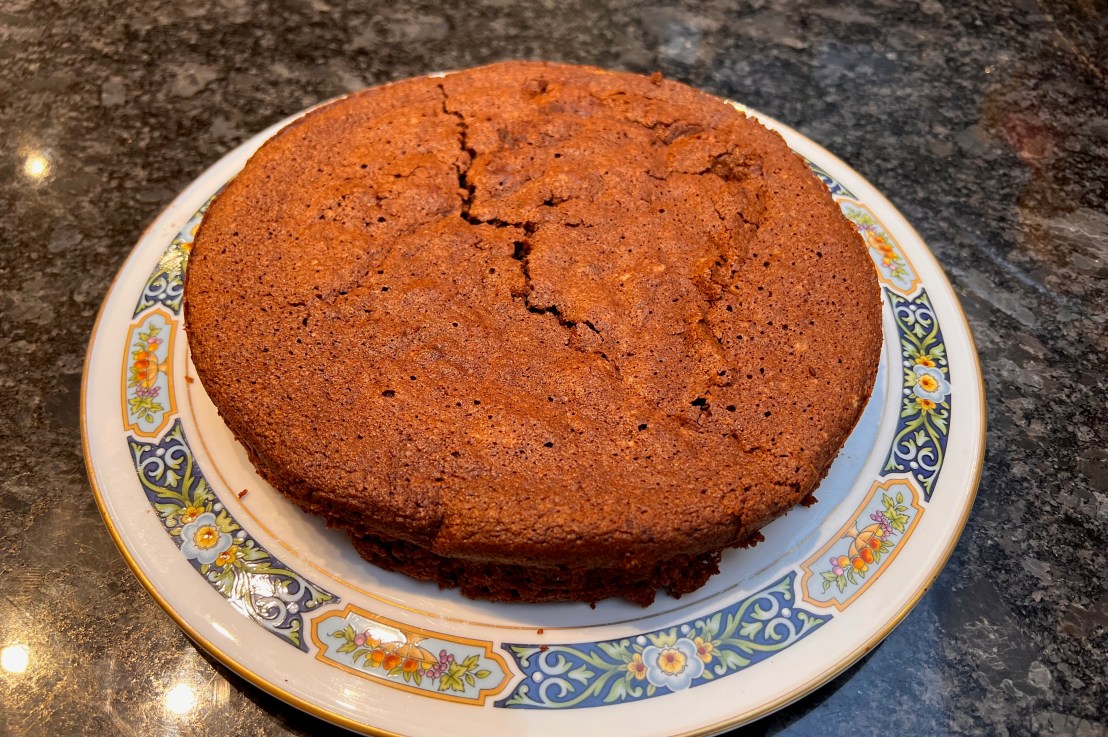
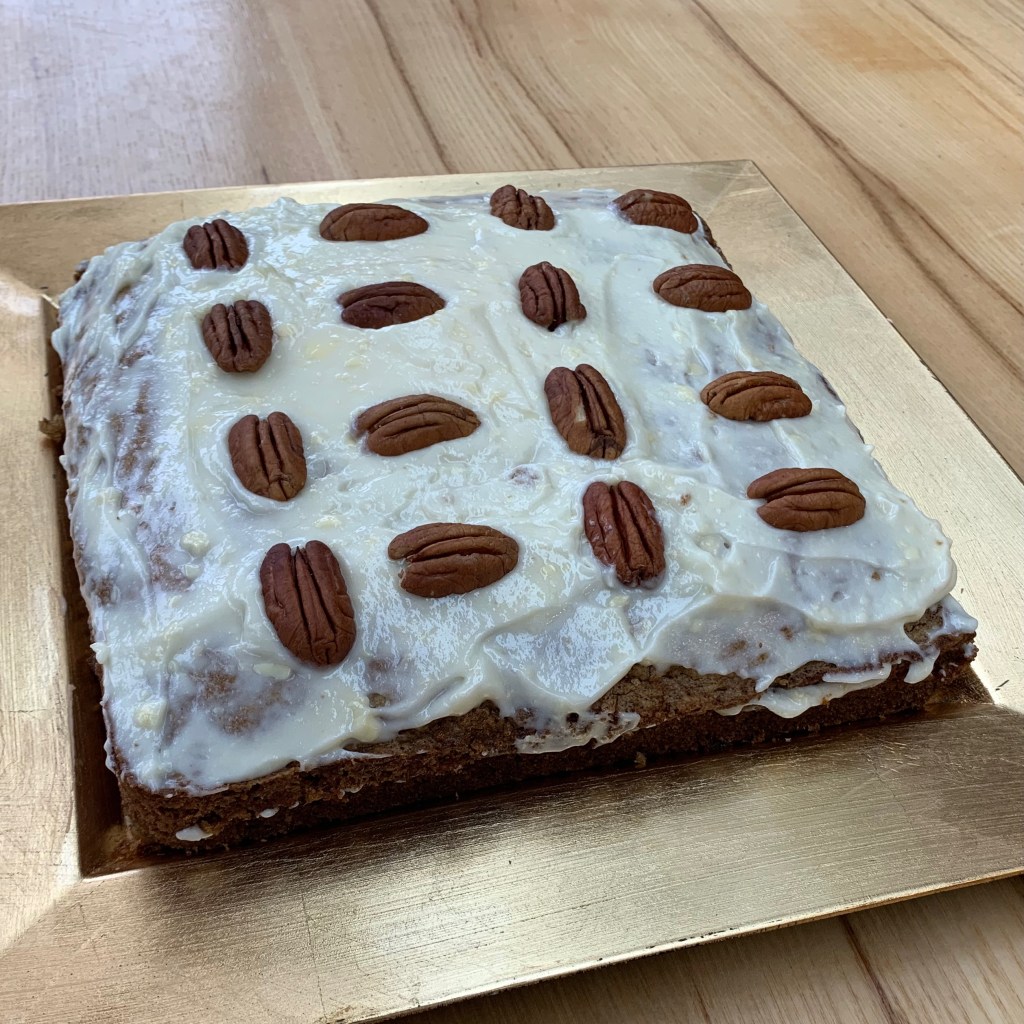
Sachertorte is my favourite chocolate cake, but since it’s based on flour, you can’t serve it at Passover. You can, however, serve this flourless chocolate almond cake, whose recipe was passed down to us by my late mother-in-law and is a firm family favourite (Joan was much loved, by the way – very much the opposite of the Les Dawson stereotype).

  • 3 eggs
  • 100g dark chocolate (as usual, my favourite is 70% Chocolat Menier)
  • 100g sugar
  • 100g ground almonds
  • 100g butter, plus some for greasing
  • 15ml (1tbsp) brandy or rum, optional
  • A small cup of espresso coffee (I made 60ml or so). An alternative would be a teaspoon of instant coffee dissolved in 30ml or so of water
  1. Preheat oven to 135℃ fan
  2. Line the base of a 23cm (or so) cake tin with baking paper, grease the sides with butter
  3. Melt the chocolate in a double boiler. If the butter is hard, chop it into small pieces.
  4. Add the butter and mix until melted
  5. Reserve 25g of the sugar in a small bowl
  6. Add the remaining 75g of sugar, ground almonds, coffee and brandy to the chocolate mixture and stir until smooth
  7. Remove the top of the double boiler from the heat. If you’re feeling impatient, cool it in an ice bath. Otherwise, just wait for it to be not too much above room temperature: you don’t want it scrambling the egg yolks.
  8. Separate the eggs into two bowls
  9. Whisk the whites until soft, add the 25g of sugar, and whisk until you have a stiff meringue
  10. Whisk the yolks until foamy, then add the chocolate mixture and stir
  11. Fold in the meringue until you’ve got rid of any blobs of egg white and any swirls of dark chocolate.
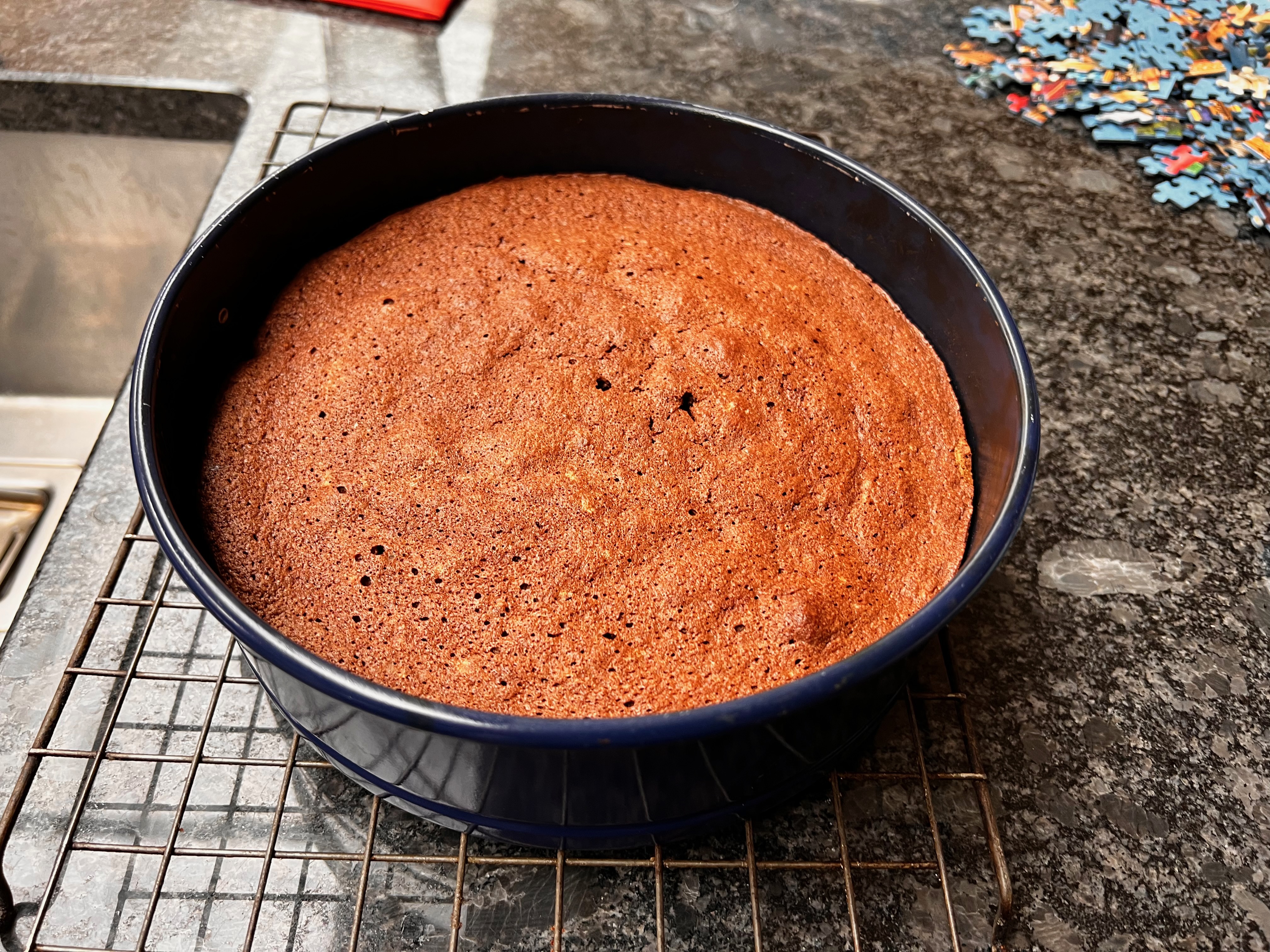
  12. Pour into your cake tin and bake. Everyone’s oven is different: I gave the cake around 40 minutes, opened to check it with a skewer, and then gave it another 10 when the skewer didn’t come out quite dry.
  13. Cool on a rack for as long as you can bear it.
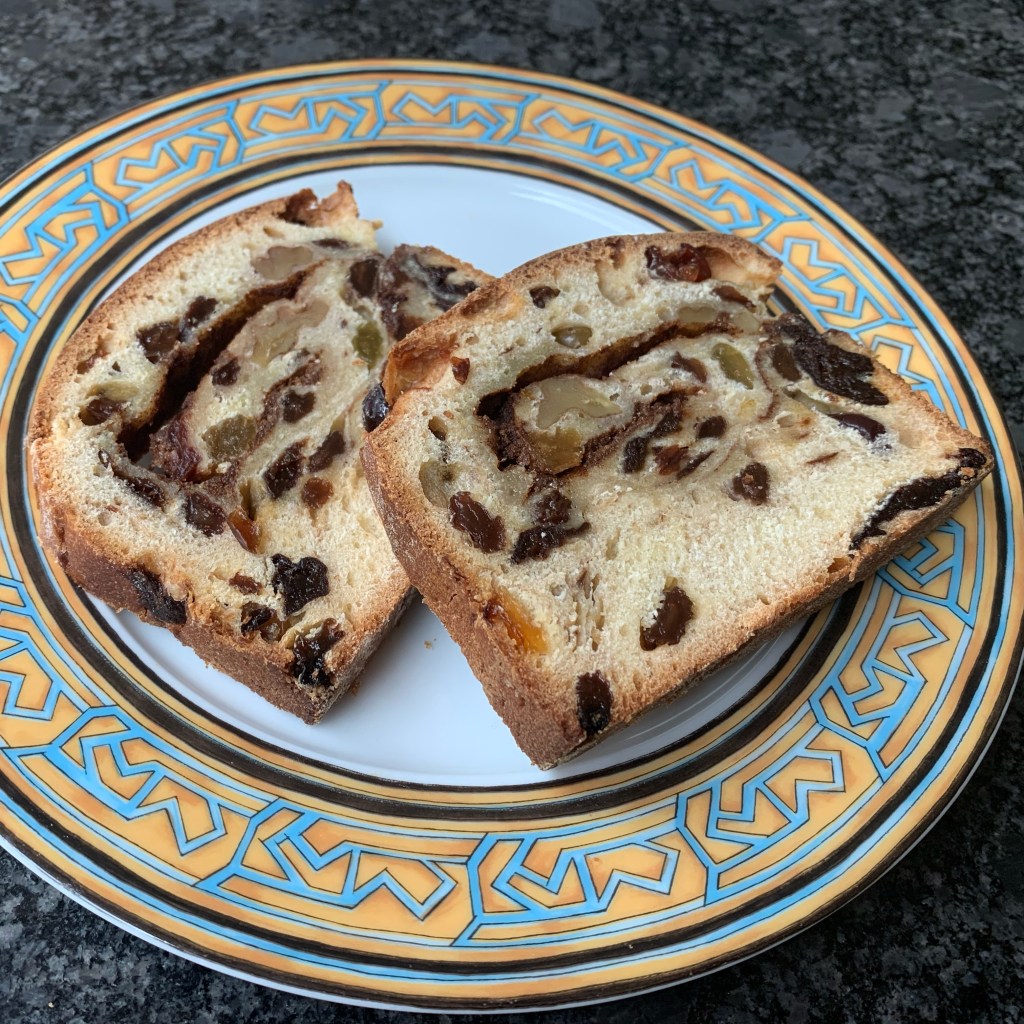
  14. Serve (with whipped cream, if you’re feeling Viennese).

Around the world in 80 bakes: the index

OK, so there are a few dubious categorisations here to make the images line up. But I’ve done my best.
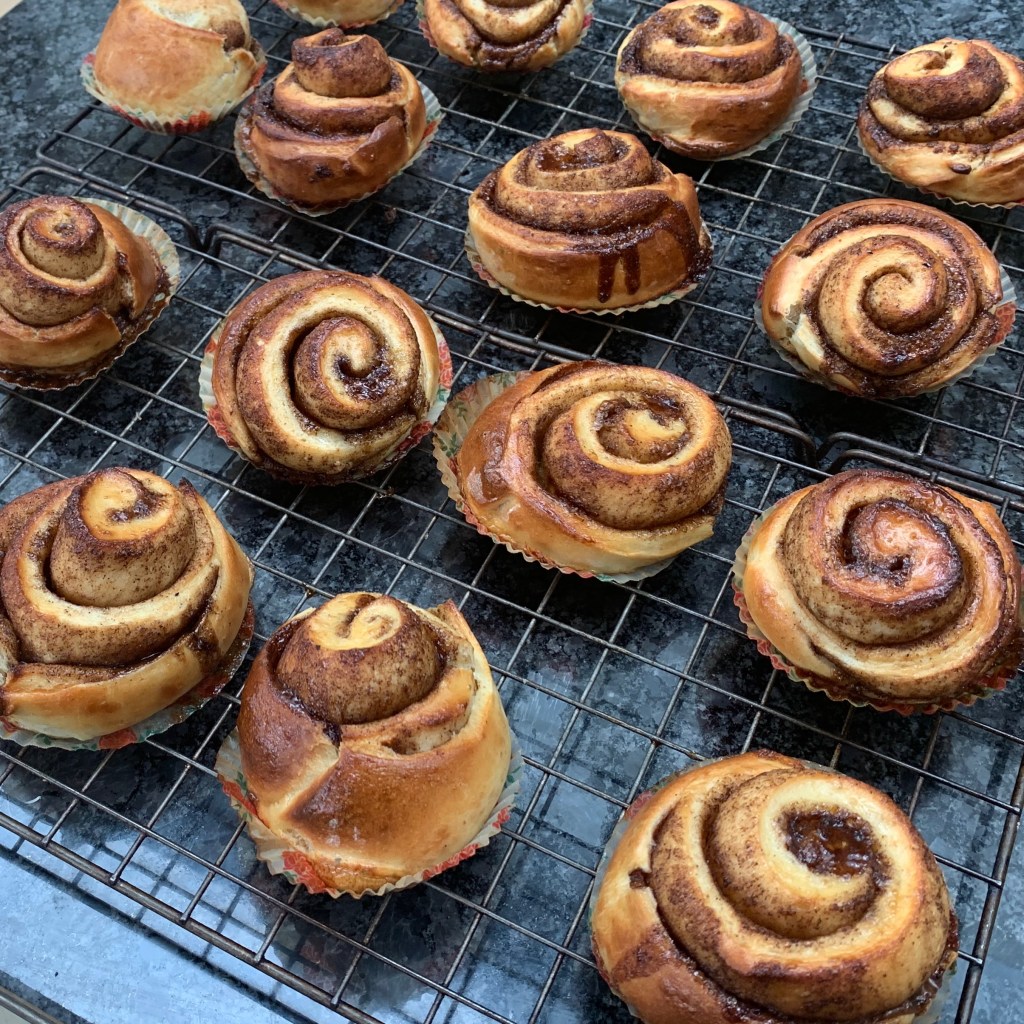
Biscuits (aka cookies)

Breads (loaves)

Breads – sweet

Cakes

Flatbreads

Pastries – sweet

Savoury dishes

Other

Around the world in 80 bakes, no.78: Potica from Slovenia

Around the world in 80 bakes, no.78: Potica from Slovenia

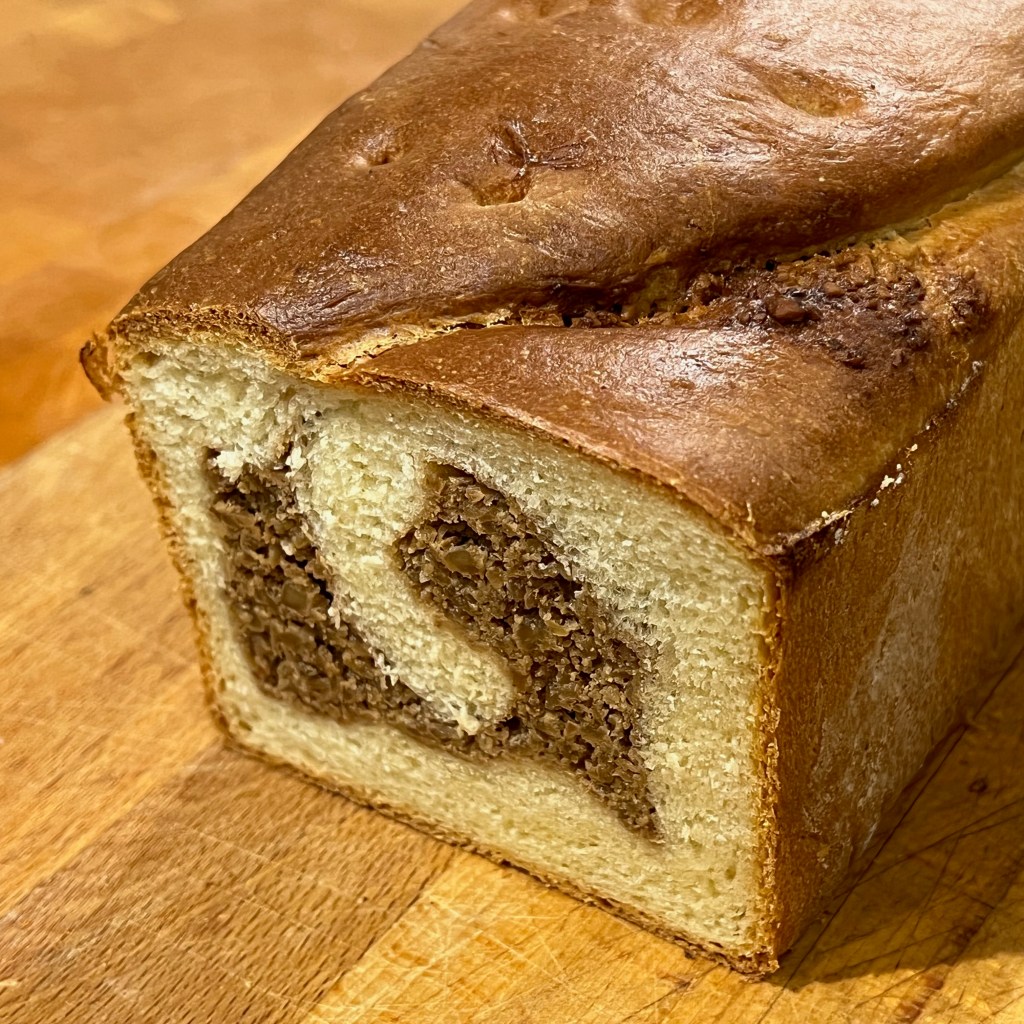
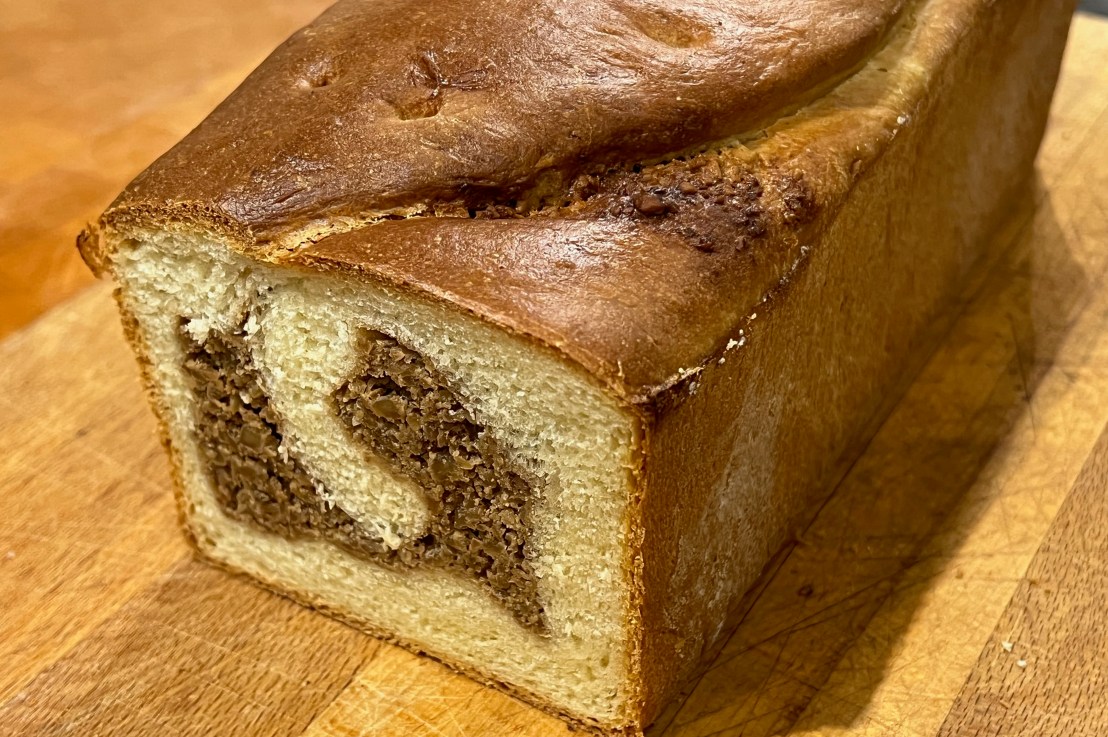
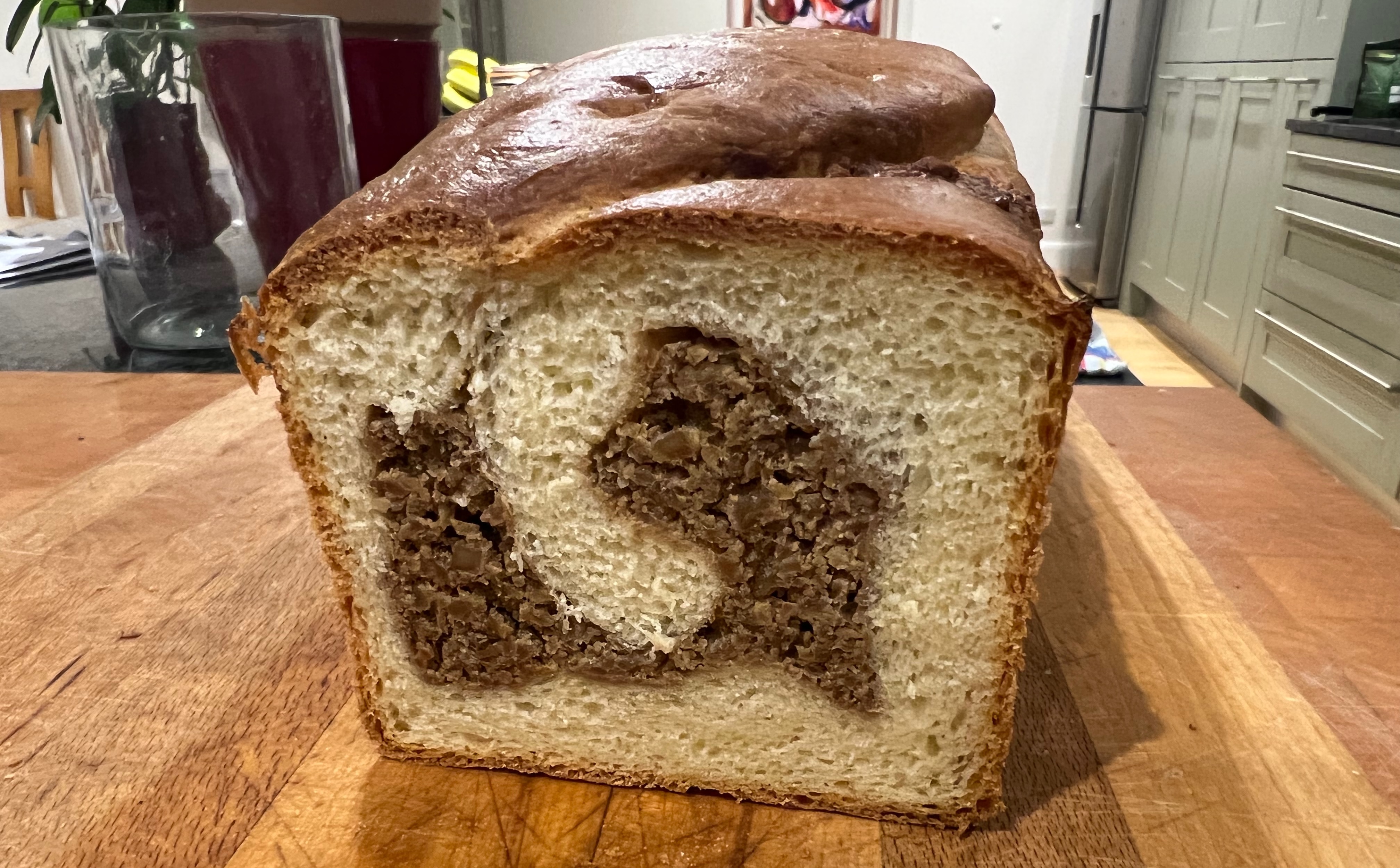
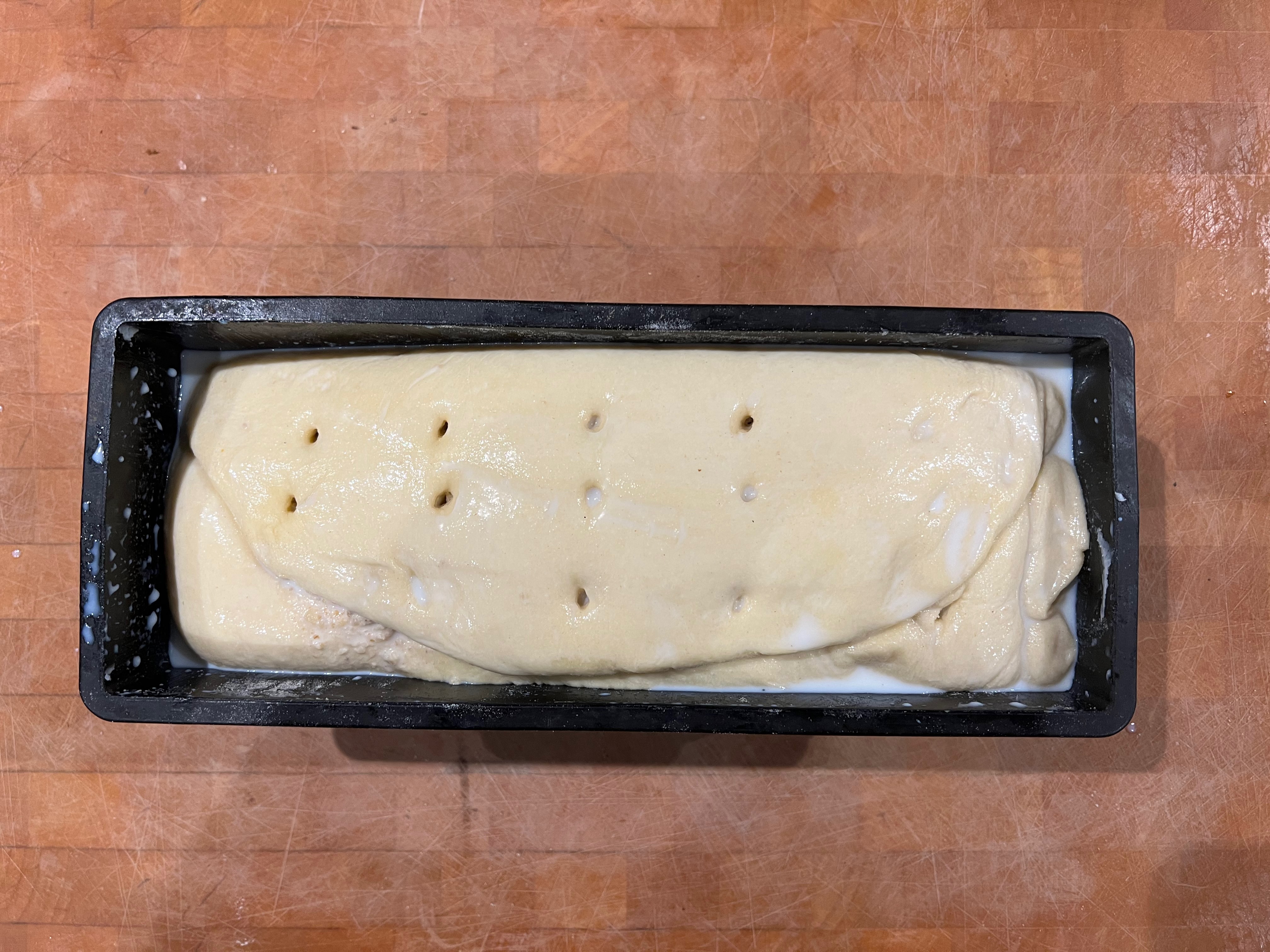
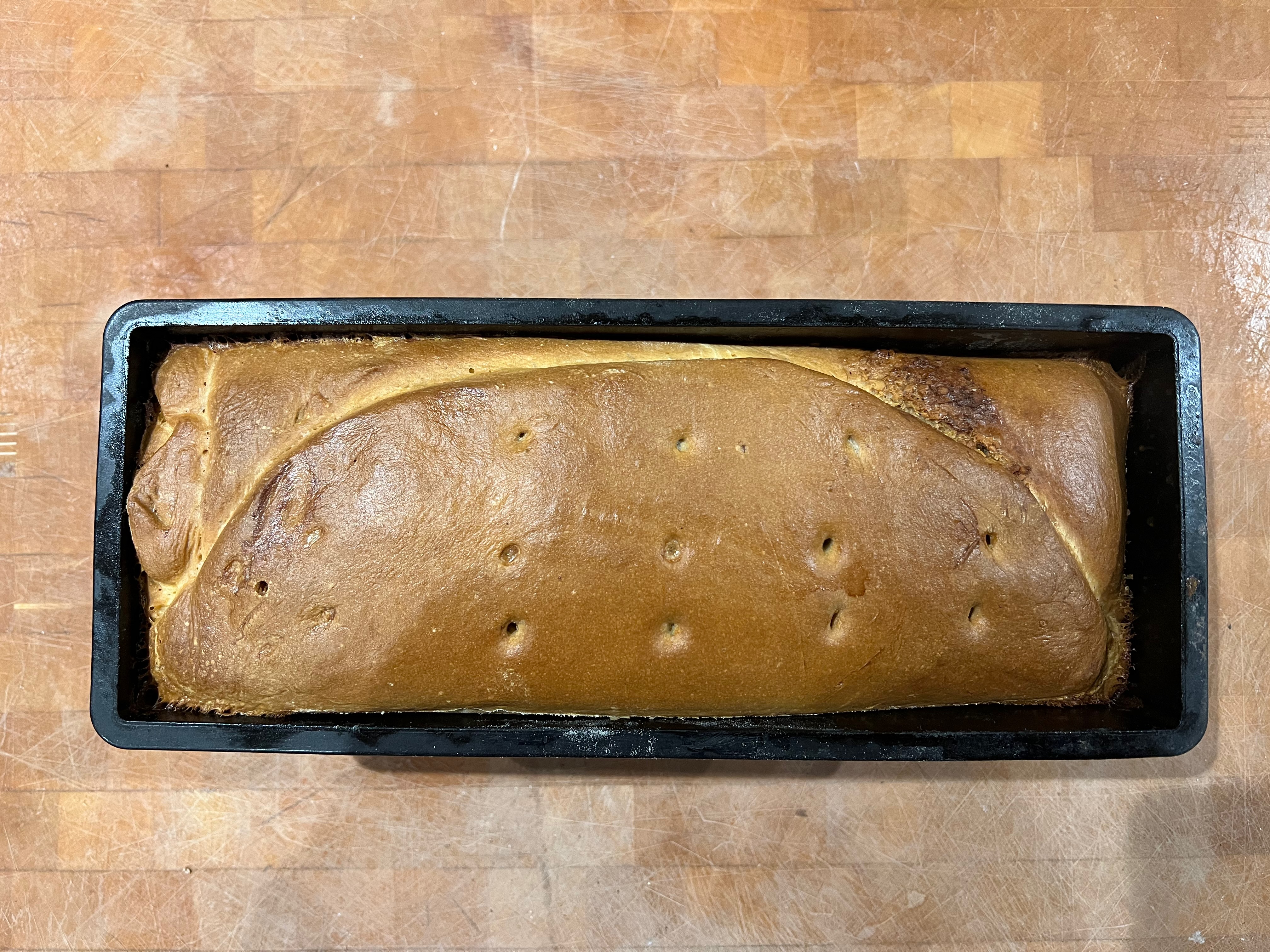
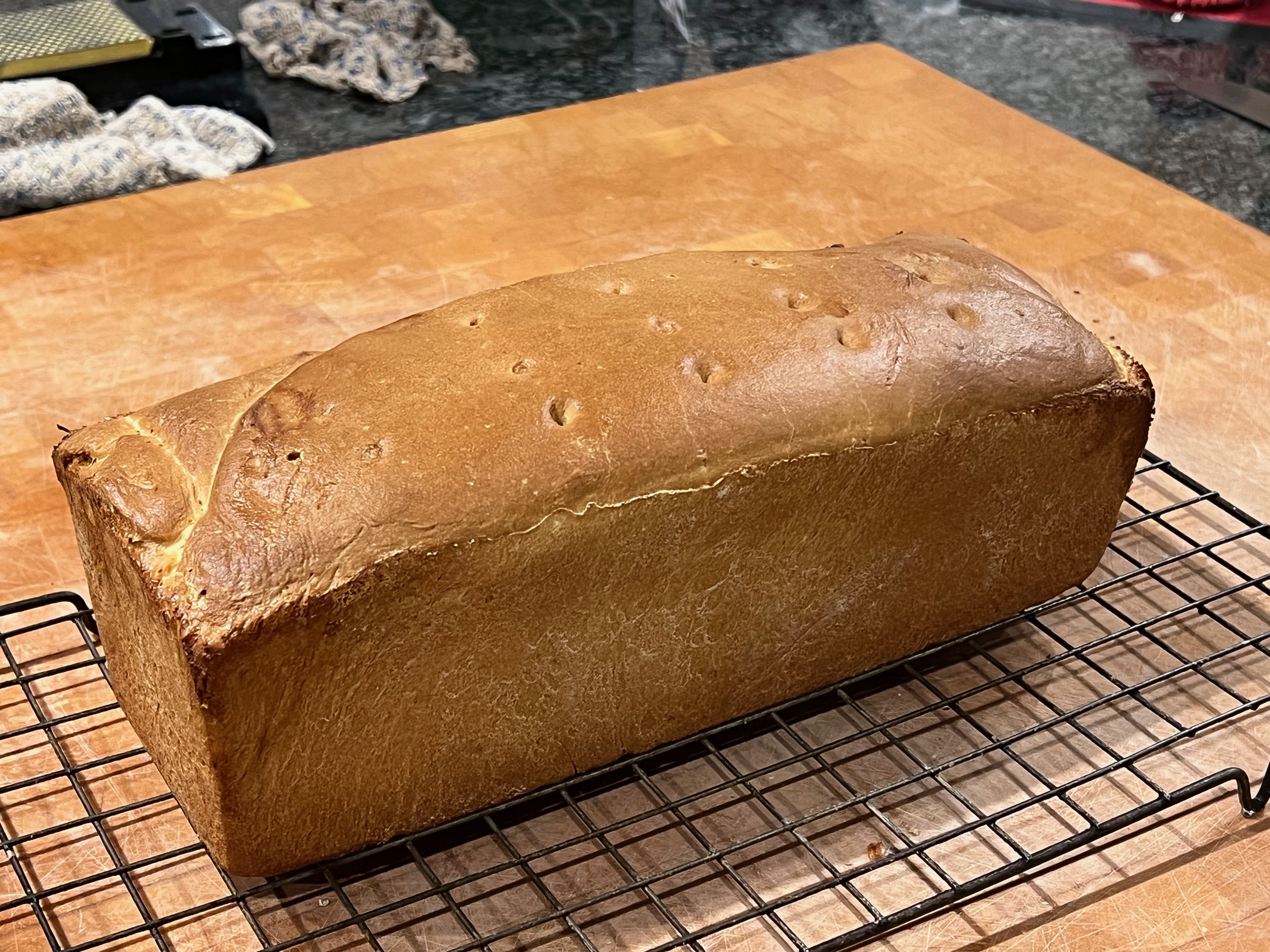
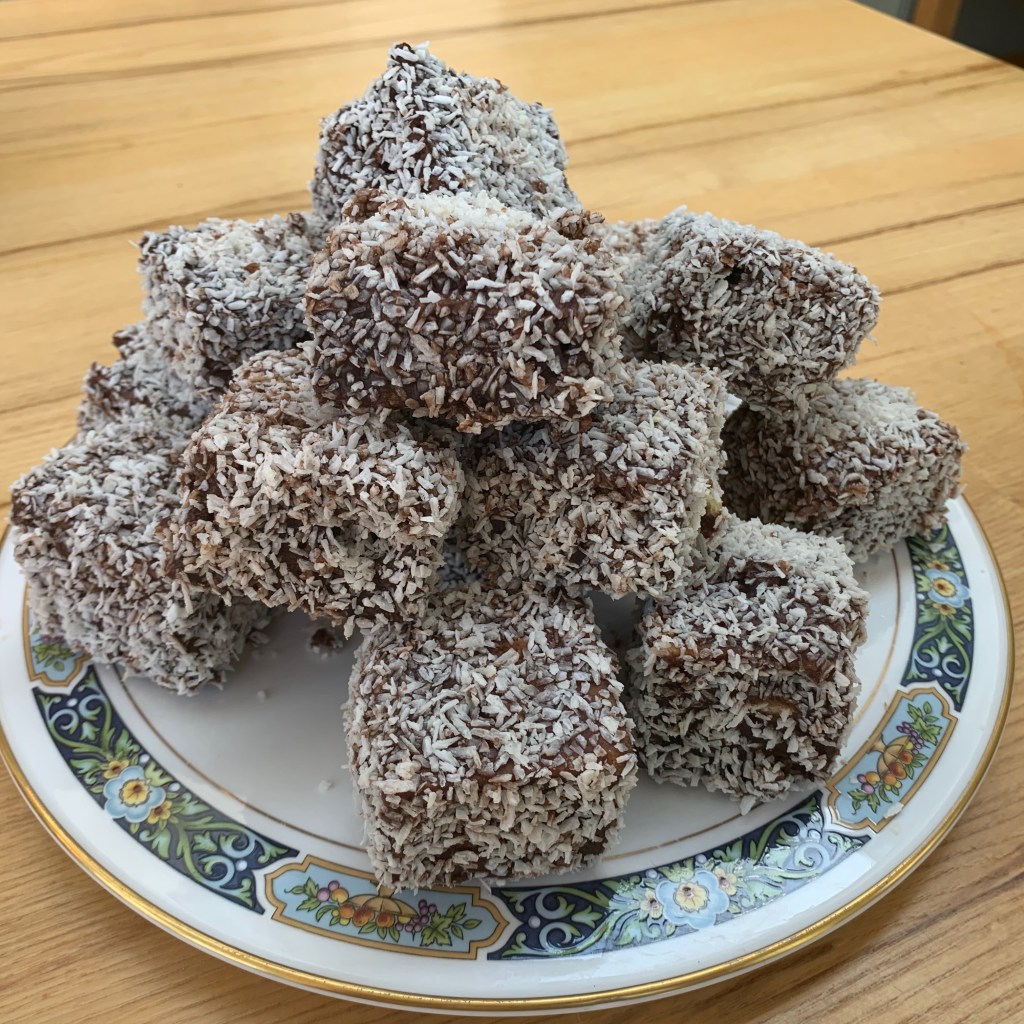
Think of it as the child of a love triangle of brioche, cinnamon bun and baklava, only with a lot less sugar. For Slovenian celebrations – Easter, Christmas, weddings, whatever – the Potica (the “c” is pronounced “ts”) is a favourite baked item. (I’m not really sure whether to call it a bread or a cake). There is even a special mould for it called a Potičnik, which is a relative of the bundt tin more commonly found in the UK or US, but with a different pattern around the top. However, if you don’t own a bundt tin, you can make a perfectly good Potica in a normal loaf tin, as I’ve done here: it just won’t be quite as striking.
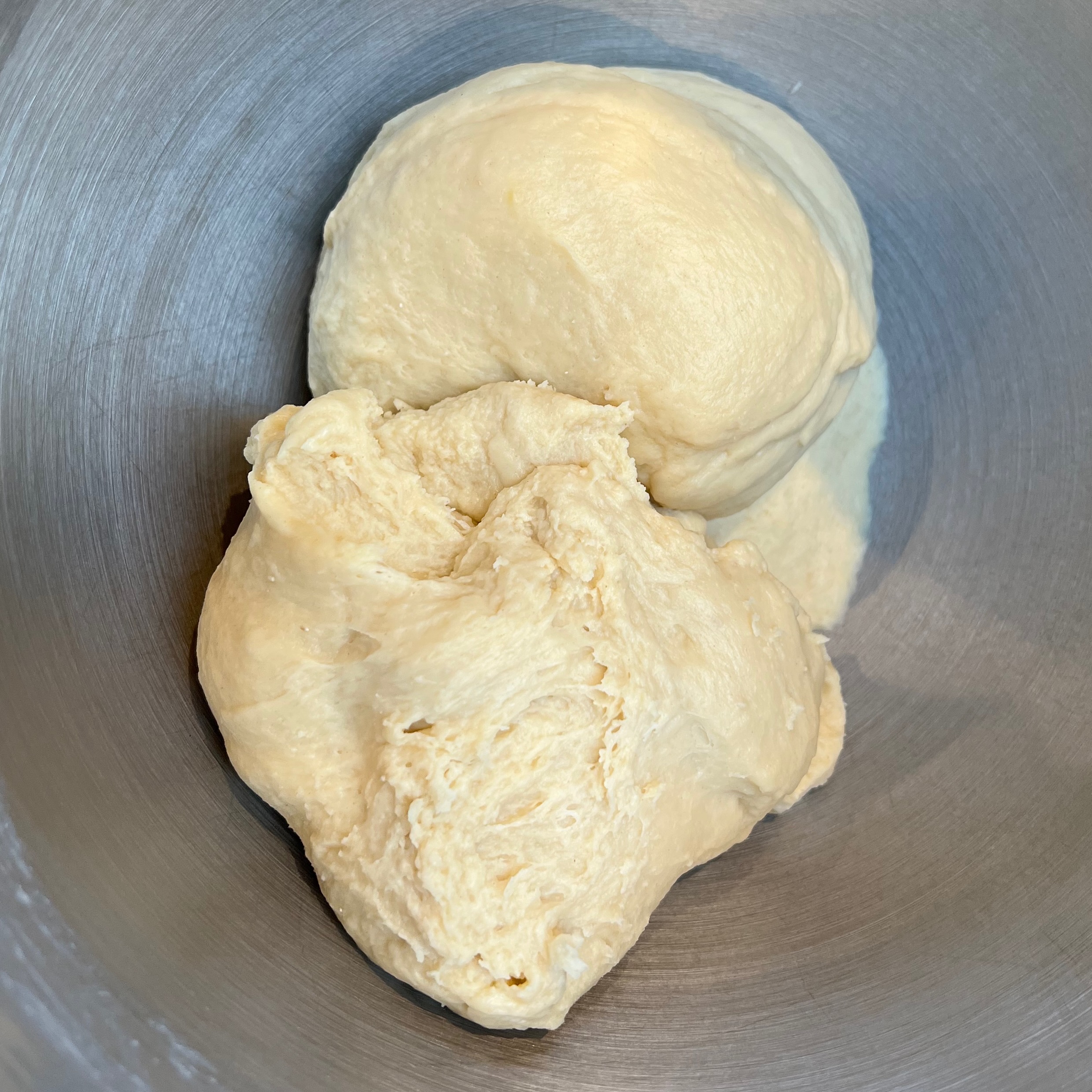
The critical part here is to make a beautifully stretchy dough enriched with eggs, butter and some sugar, although really a lot less than you might expect from similar breads around the world. I’ve started with this recipe from Jernej Kitchen and I’m really impressed: it’s resulted in a truly lovely dough: smooth, elastic, non-greasy and deeply satisfying to work with.

Next, it’s the filling. Staying with Jernej, I’ve gone for walnuts and honey, which is probably the most popular version of Potica: apparently, you can choose any of the usual things that Eastern Europeans like in pastries: poppyseeds are a favourite of mine.

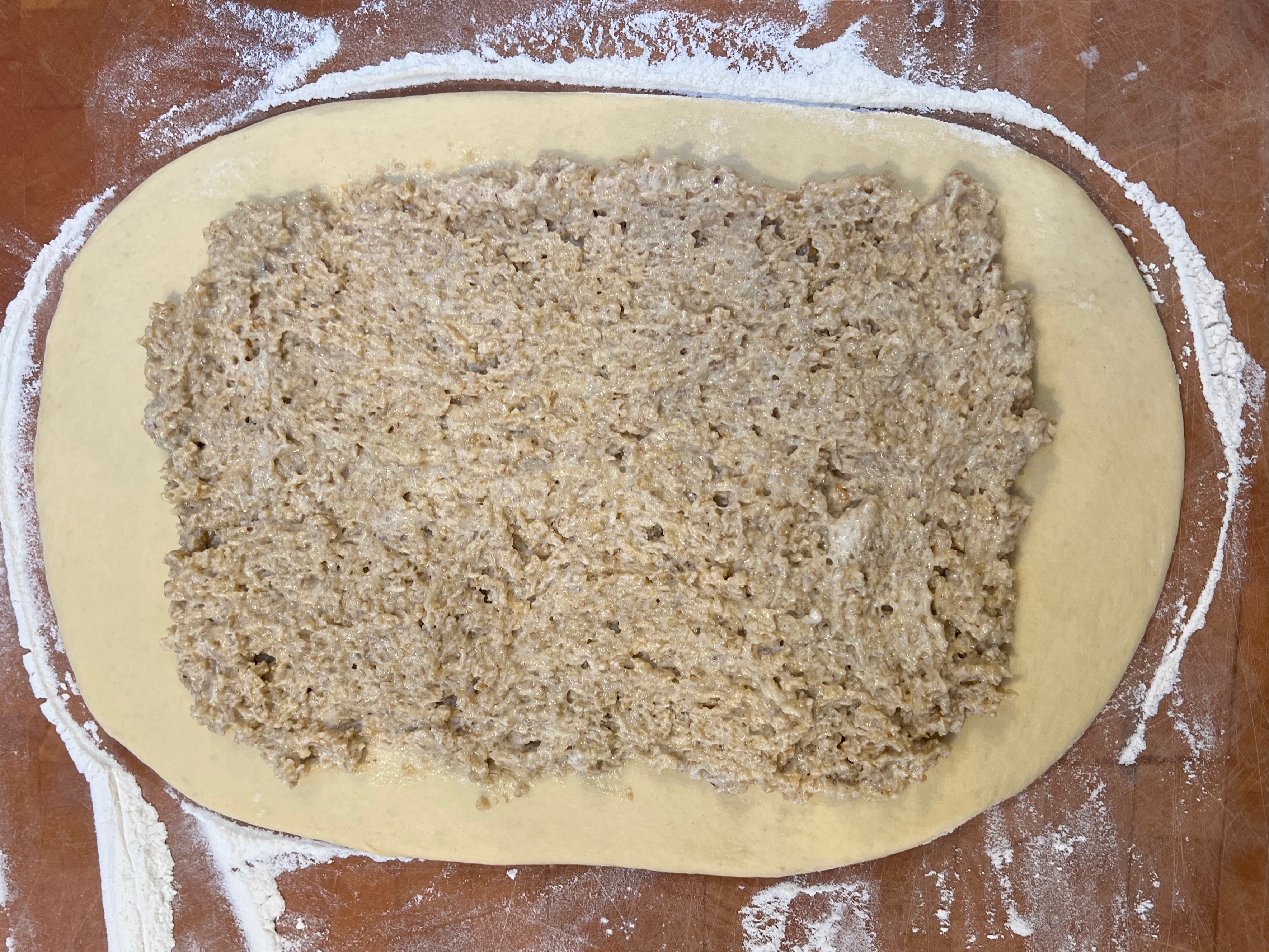
Finally, rolling and baking. Let’s be honest here: looking at the photos, it’s obvious that there aren’t nearly enough turns on my spiral of dough and filling. Partly, that’s the fault of the recipe suggesting that I roll it to 40cm long – I think doubling that would have been good – and partly, I wimped out of how thin the dough was. Next time, I’ll roll out the dough to as close as I can get to the full length of my board and then make strenous efforts to roll the whole thing as tightly as I can.

By the way, proving times are pretty flexible. Jernej gives a couple of options, both of which involve long proves in the fridge; I didn’t have time so I just proved at slightly above room temperature and watched carefully until the dough was risen how I wanted it, which I think worked fine.

The dough

  • 5g dried yeast
  • 25g sugar
  • 270ml milk
  • 500g strong white bread flour
  • 2 eggs
  • 65 g butter
  • 8g salt
  1. Put the milk into a bowl and warm until lukewarm (45s in my 900W microwave got the milk to 34℃).
  2. Put the yeast, sugar and milk into a bowl and leave until frothy (10 minutes or so)
  3. Put the flour into the bowl of your stand mixer
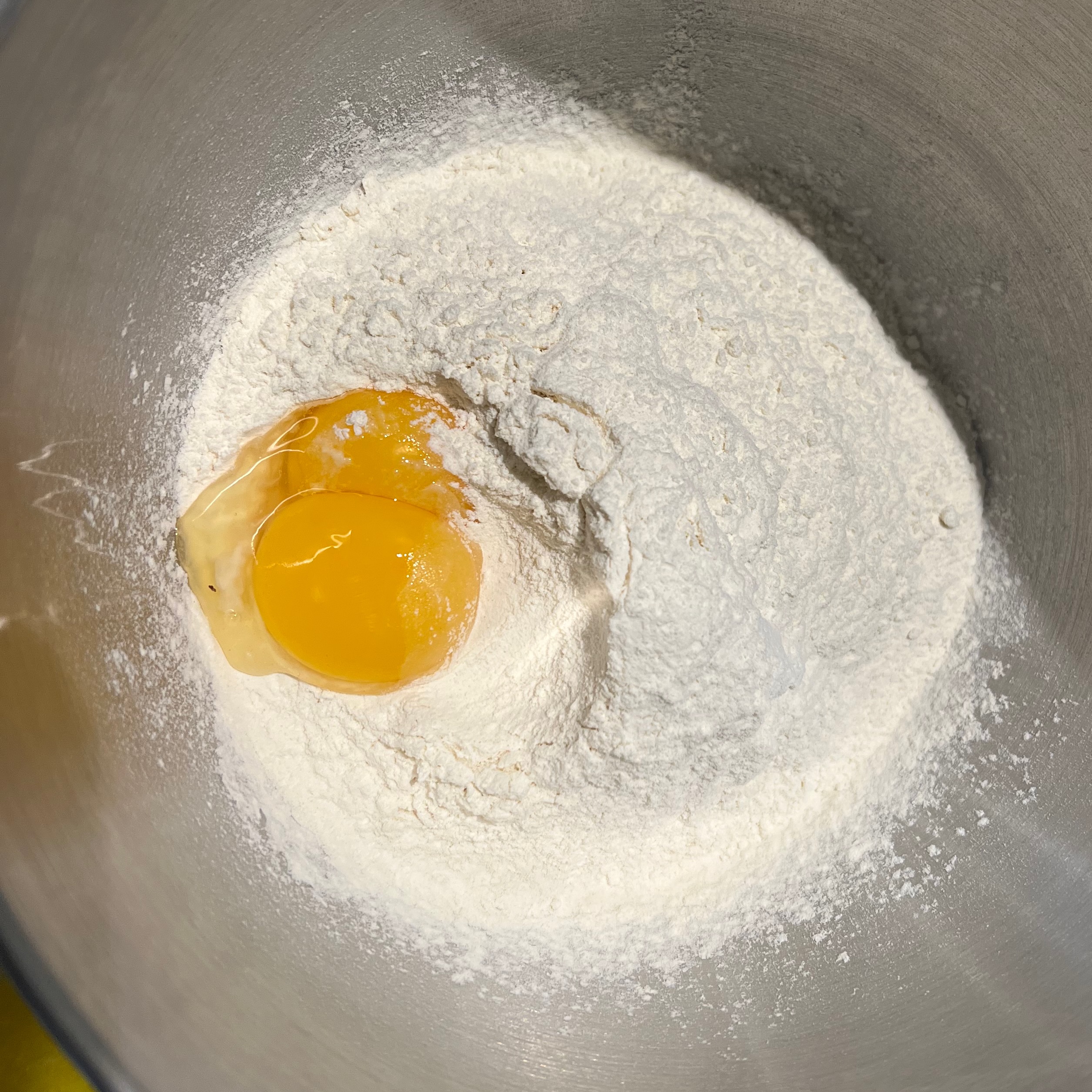
  4. Separate the eggs: place the yolks in the bowl with the flour, setting aside the whites, which you’ll use for the filling.
  5. Add the yeast mix to the bowl and mix with the standard paddle until well combined
  6. Melt the butter and add it to the bowl with the salt.
  7. Switch to the dough hook and knead at low speed until smooth and elastic – around 8-10 minutes.
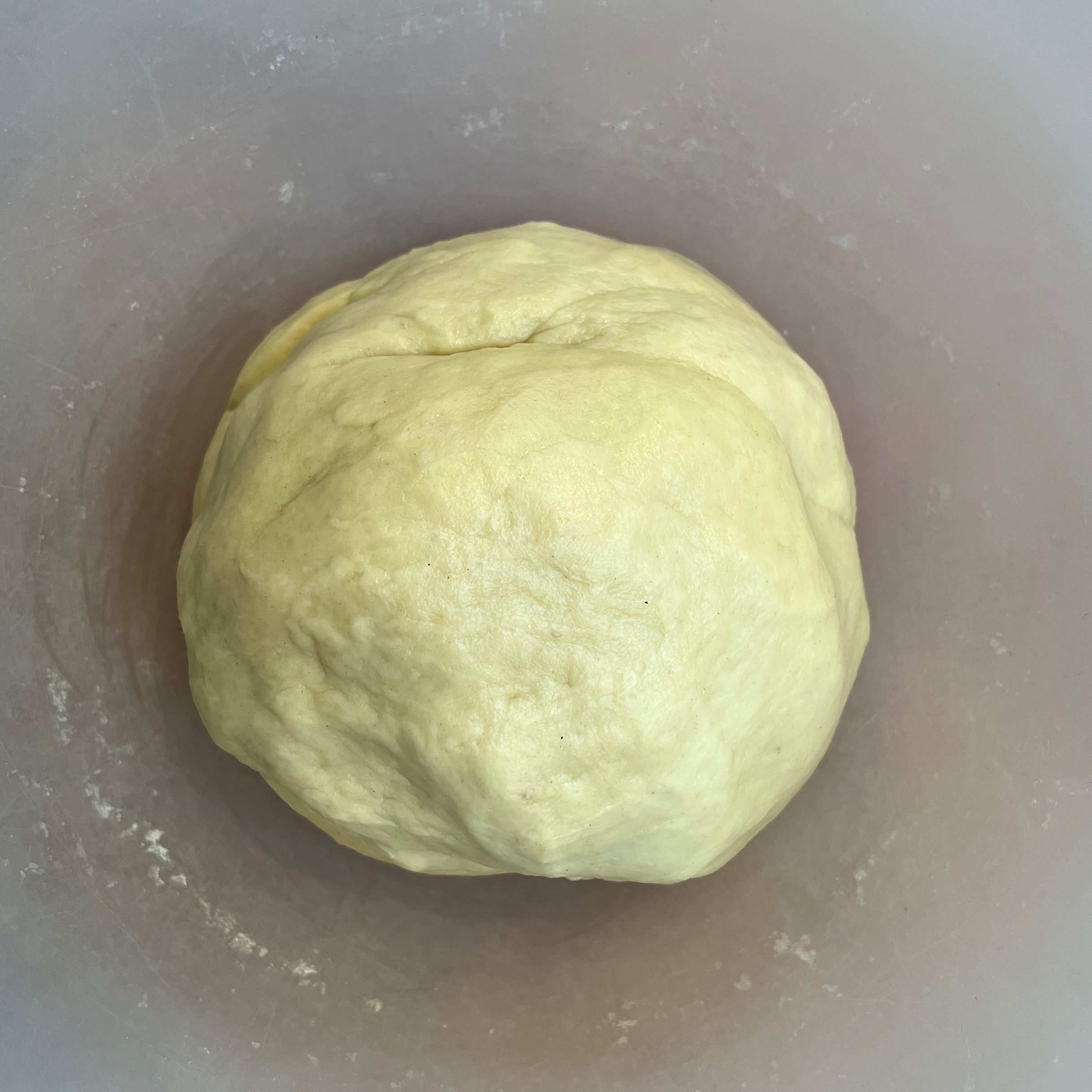
  8. Form the dough into a ball and place in a bowl and cover.
  9. Leave until risen to around doubled in size – around 1-2 hours depending on the temperature of your kitchen.

The filling

  • 300g walnuts
  • 60g honey
  • 30g granulated sugar (or caster)
  • 100g single cream (Jernej went for 75 g heavy cream – single was what I had)
  • 20g butter
  • 20ml rum
  • ½ tsp ground cinnamon
  • Zest of half a lemon
  • 2 egg whites reserved from above
  • 25g caster sugar
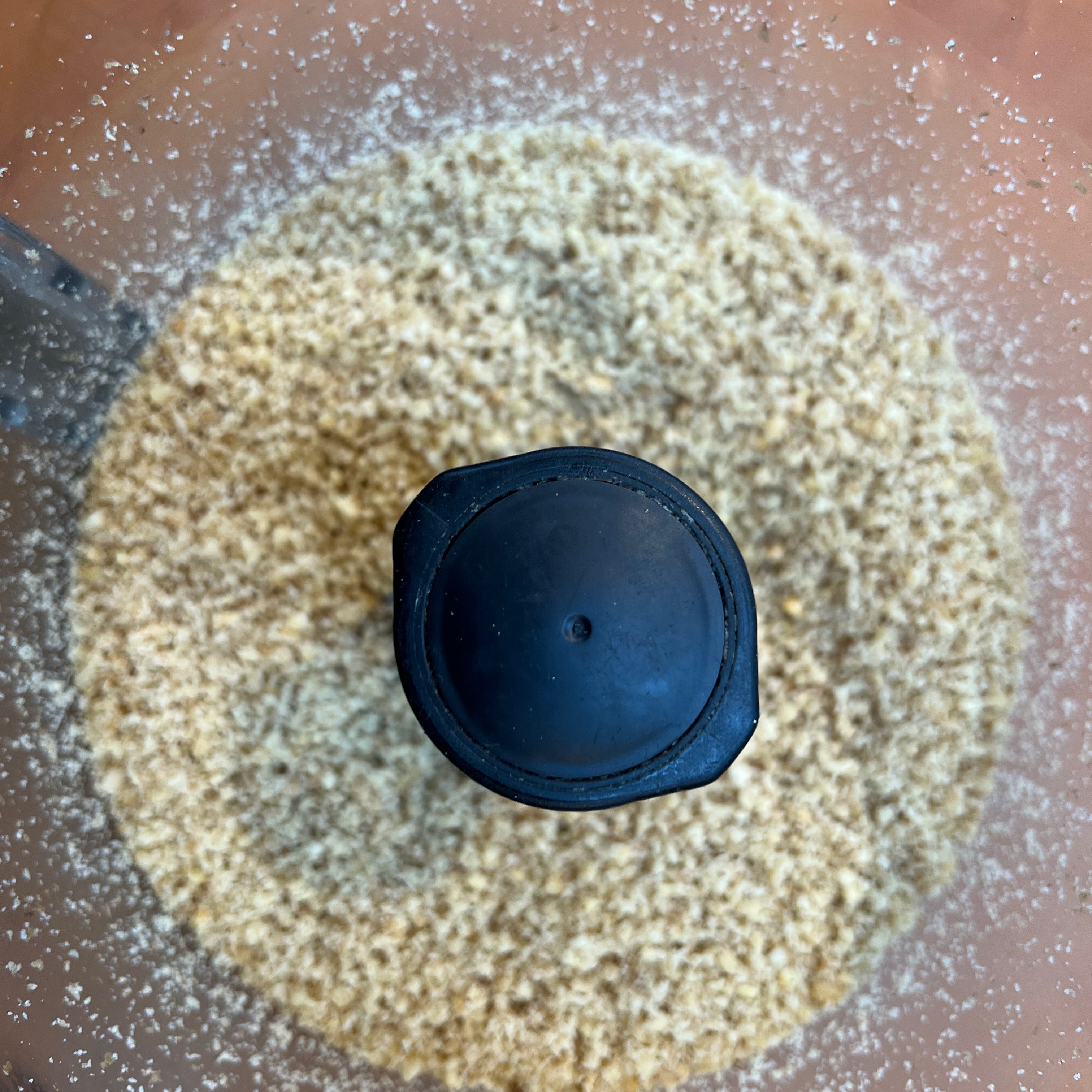
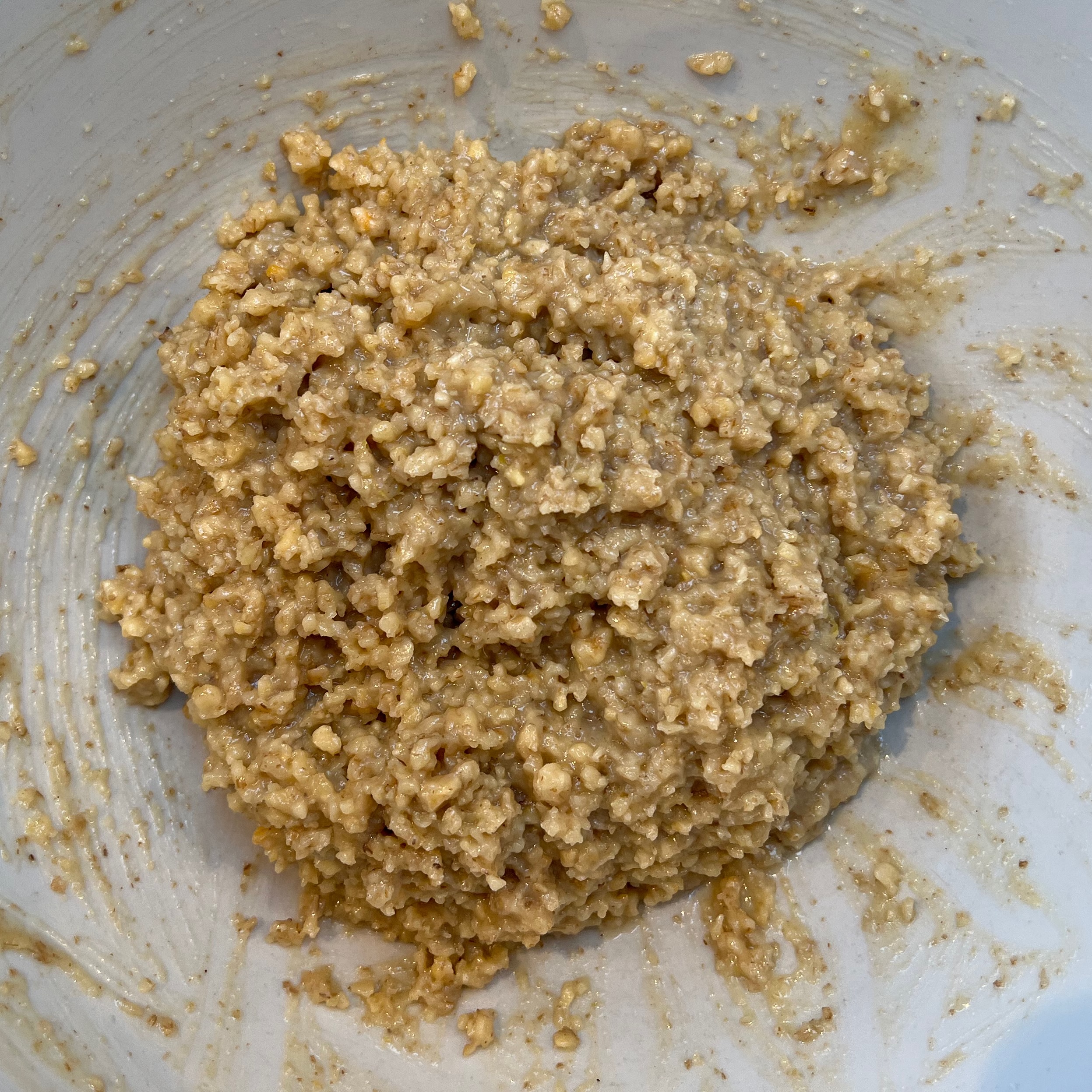
  1. Put the walnuts into a food processor and grind until fine – but don’t overdo it: you don’t want oil coming out of the walnuts.
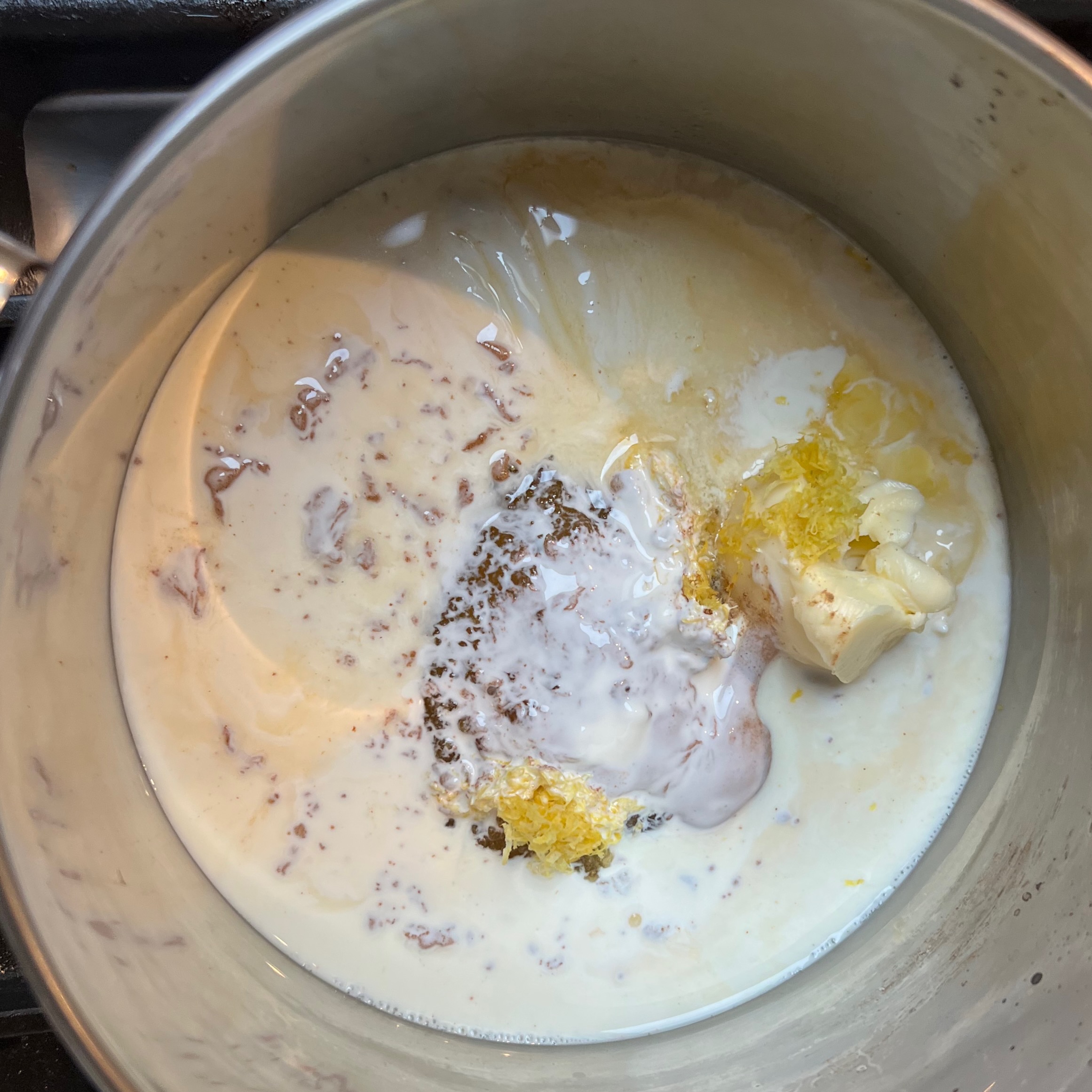
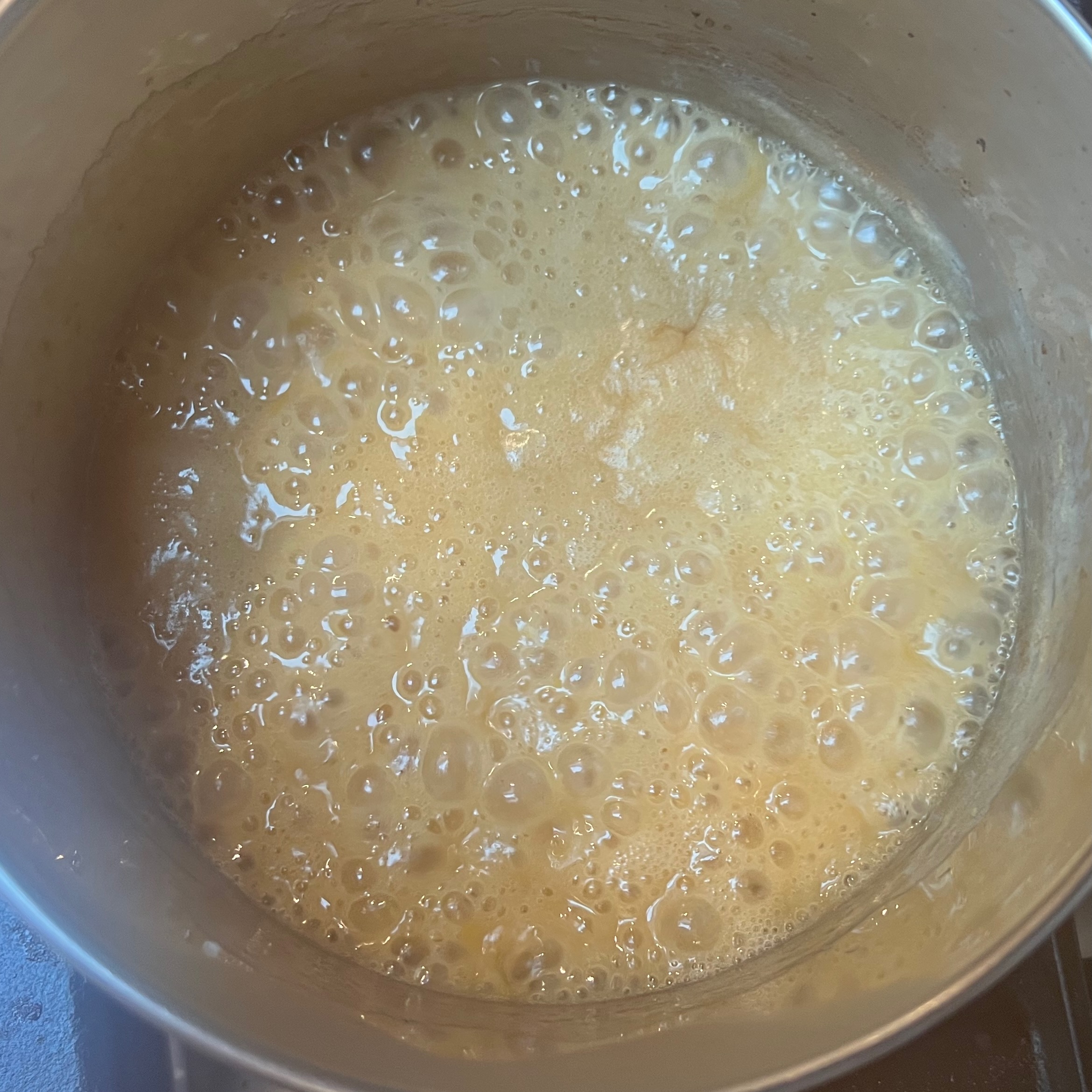
  2. Put the honey, granulated sugar, cream, butter and rum into a saucepan and bring to the boil; simmer for a minute or so.
  3. Add the mixture into your bowl with the walnuts, add the cinnamon and lemon zest and stir thoroughly.
  4. Wait until around 10 minutes before your dough is sufficiently risen before the next step, which is to make a meringue.
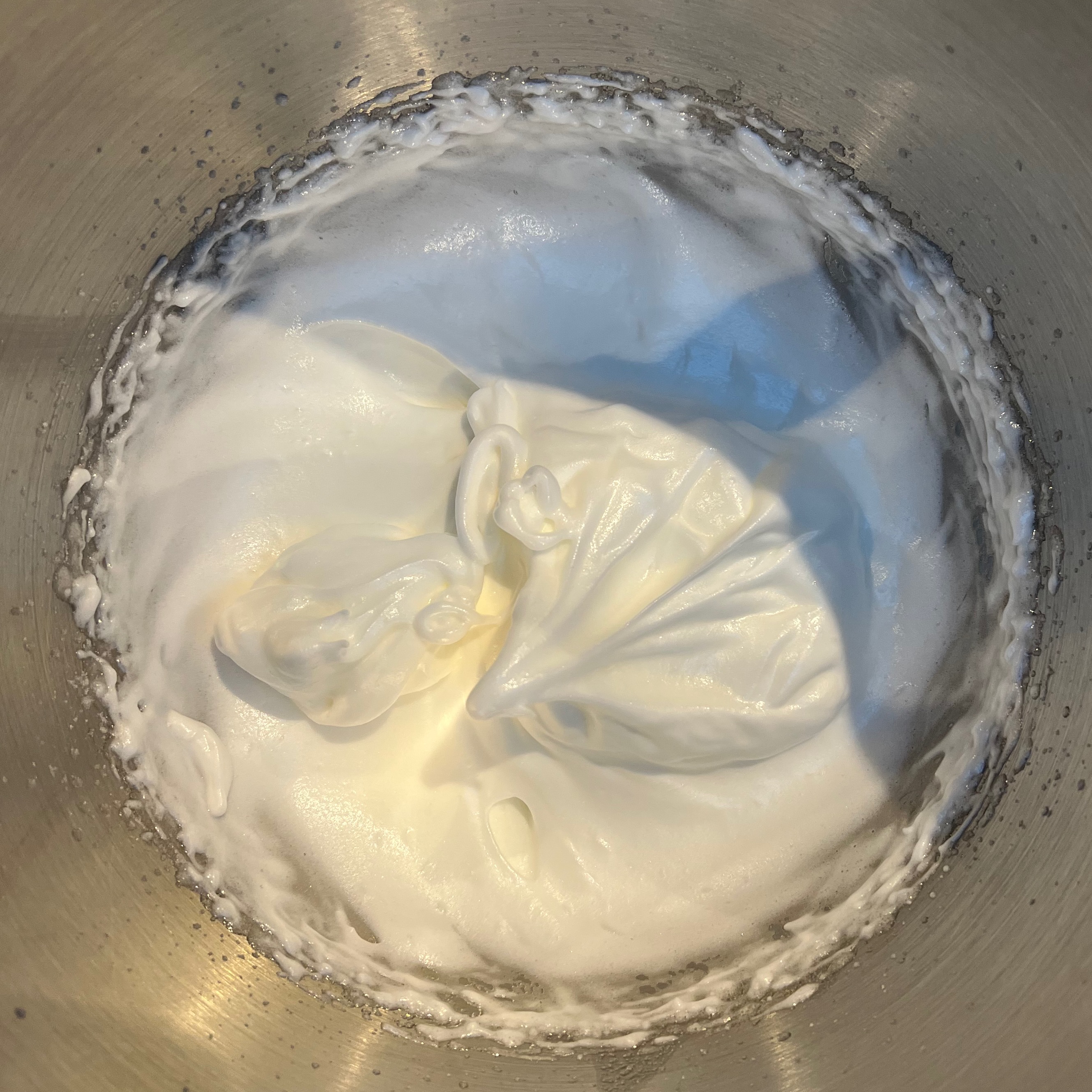
  5. Beat the egg whites at high speed. Once they are soft and beginning to fluff, add the sugar gradually as you beat.
  6. Continue beating at high speed until you have a stiff meringue.
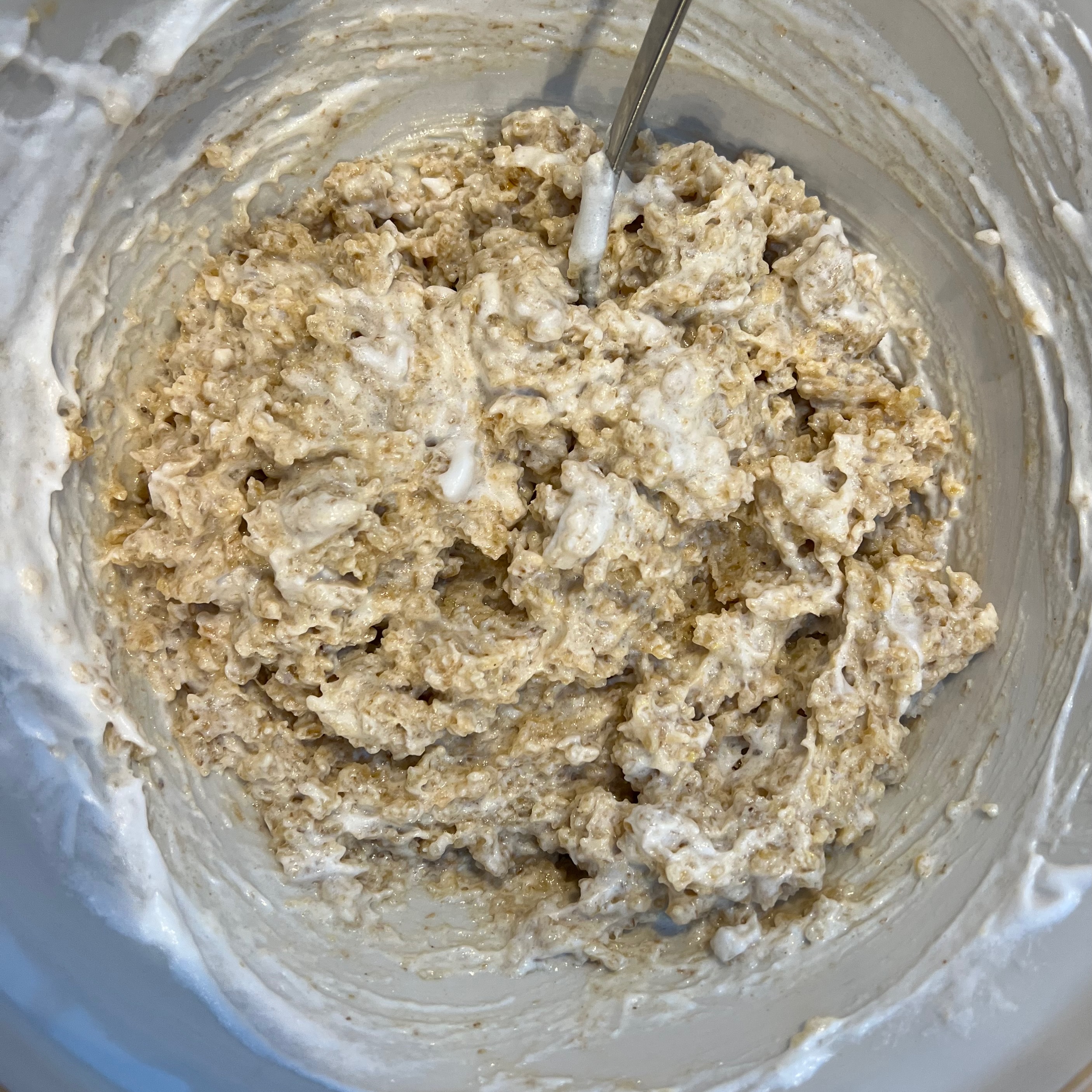
  7. Fold the meringue into the walnut mixture until smoothly combined.

Putting it together 

  • A little milk for brushing
  1. Preheat oven to 165℃ fan.
  2. Grease your baking tin – a bundt tin if you have one, or a loaf pan if you don’t.
  3. Flour your board.
  4. Roll out the dough into a rectangle. The width should be the length of your loaf tin, or around twice the width of your bundt tin. The length should be as long as you can reasonably make it without tearing the dough.
  5. Spread the filling over the dough, leaving around 3-5cm around the edge.
  6. Roll the dough up into a spiral, as tightly as possible: the more turns the better. Pinch the ends to stop the filling leaking out.
  7. Transfer the dough to your tin, seam side up.
  8. Cover and leave to rise until most of the way to the top of the tin. This took me 2 hours: it will take you more or less, depending mainly on the ambient temperature. Jernej suggests overnight in the fridge.
  9. Poke holes in the dough with a skewer to allow moisture from the filling to escape with lower risk of the layers separating;  I probably poked a dozen holes in total.
  10. Brush with milk.
  11. Bake for 45 min; then reduce the heat to 140℃ and bake until a deep gold colour – around 20 minutes more.
  12. Remove from the oven, cool for a couple of minutes, then remove the loaf from the pan and leave to cool.
Around the world in 80 bakes, no.70: Kue Lapis Legit – “thousand layer cake” from Indonesia

Around the world in 80 bakes, no.70: Kue Lapis Legit – “thousand layer cake” from Indonesia

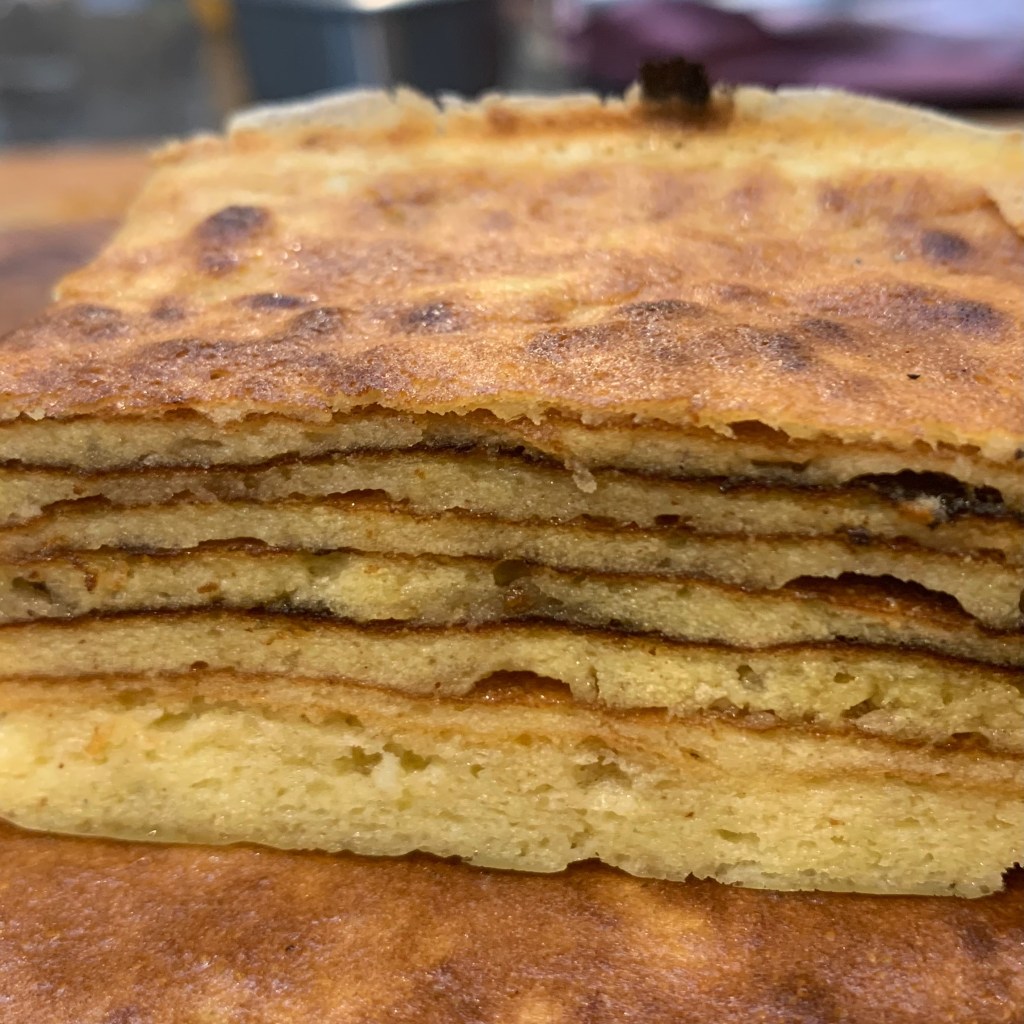
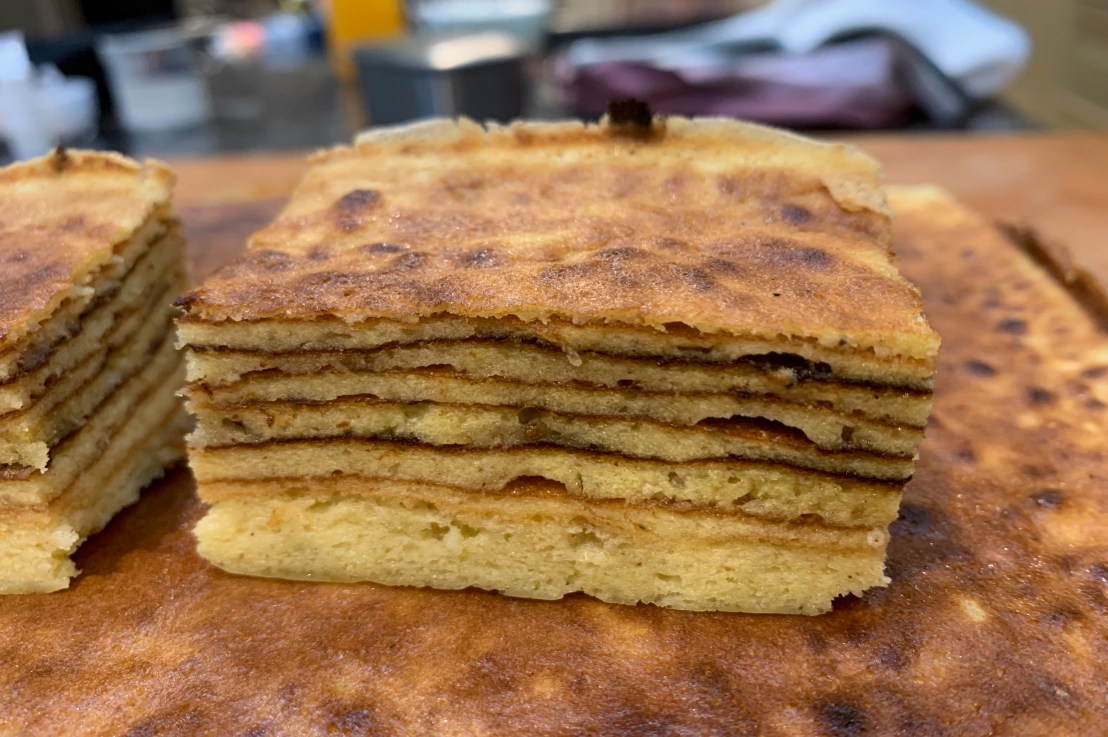
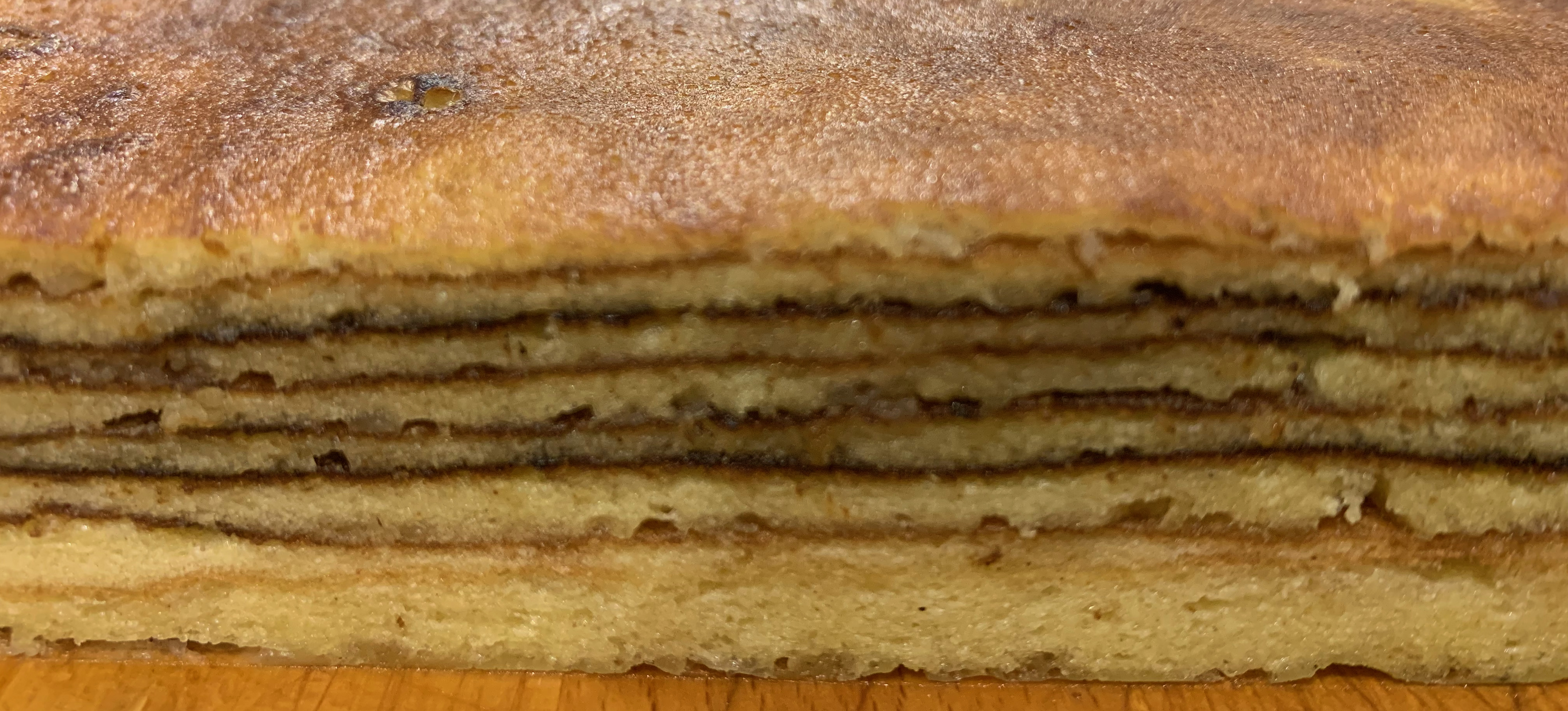
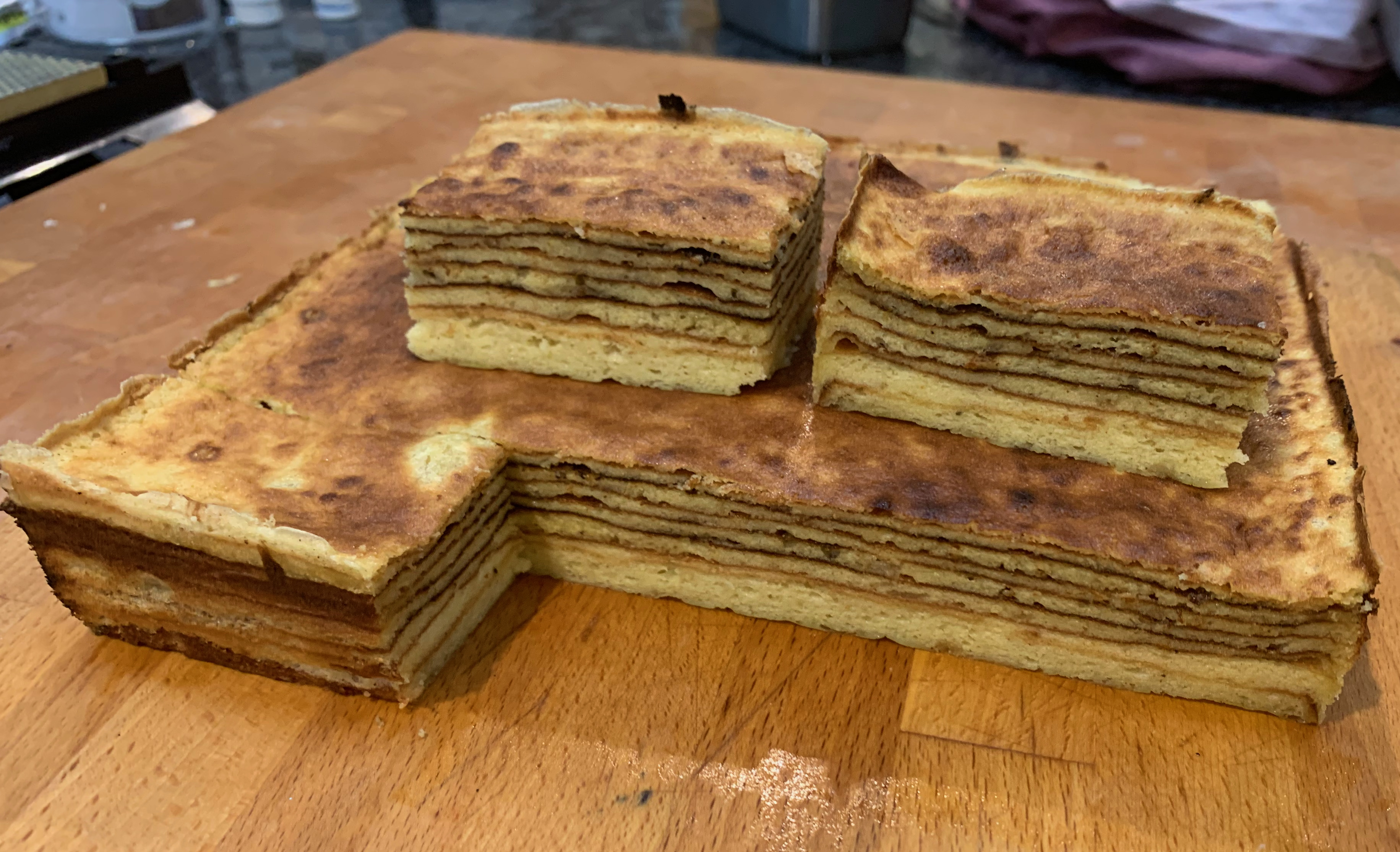
Several multi-layer cakes have featured in this series. But there’s one multi-layer cake to rule them all, which is distinguished by the thinness of the layers and the deliciousness of the caramelisation of each. It’s from the unlikely provenance of Indonesia, where it was originally baked by Dutch colonists, and it goes under several names. In Indonesian, it’s Kue Lapis Legit (Lapis Legit for short); in Dutch, its Spekkoek, named because the stripy layers that you see in cross-section reminded the Dutch of the layers in pork belly (“spek”).

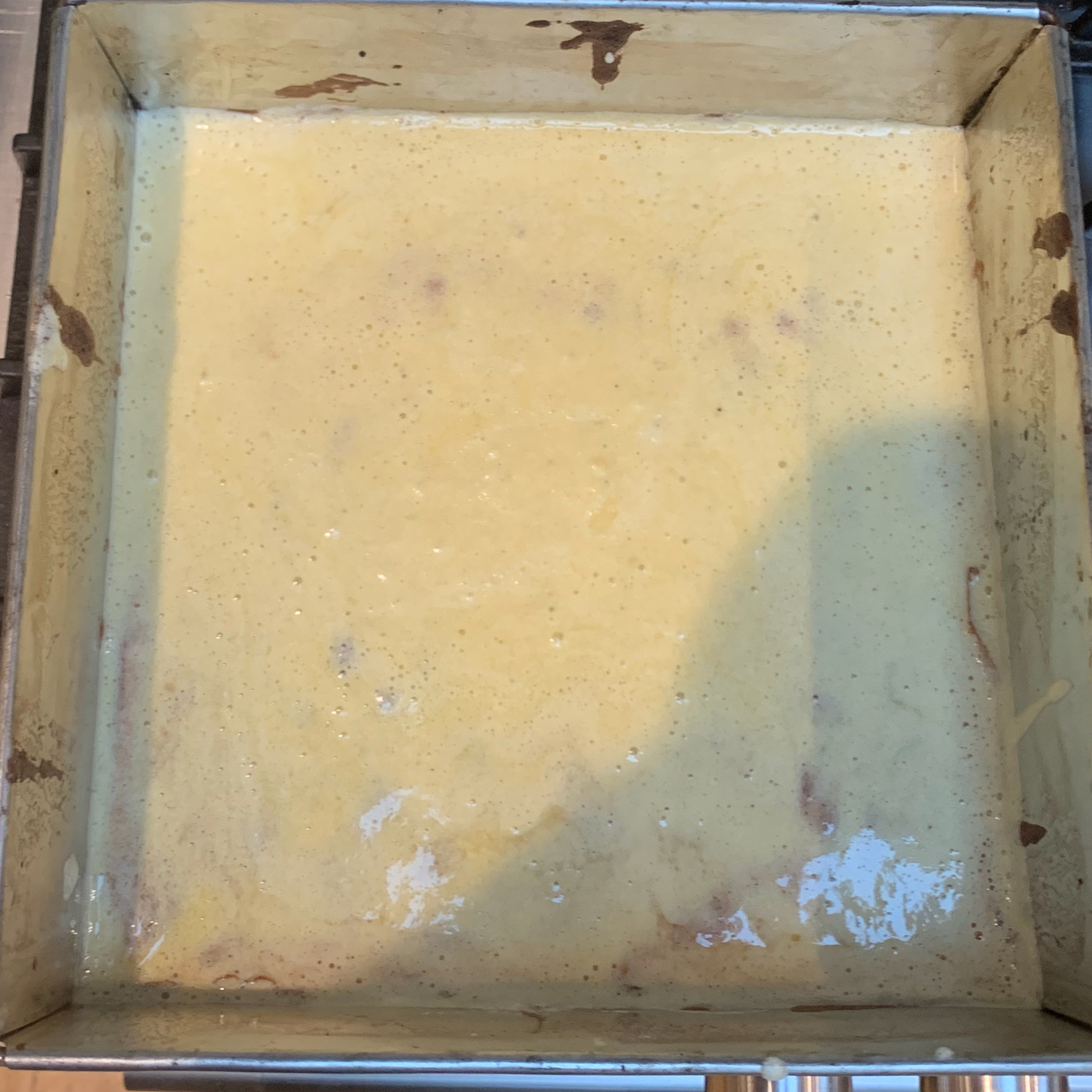
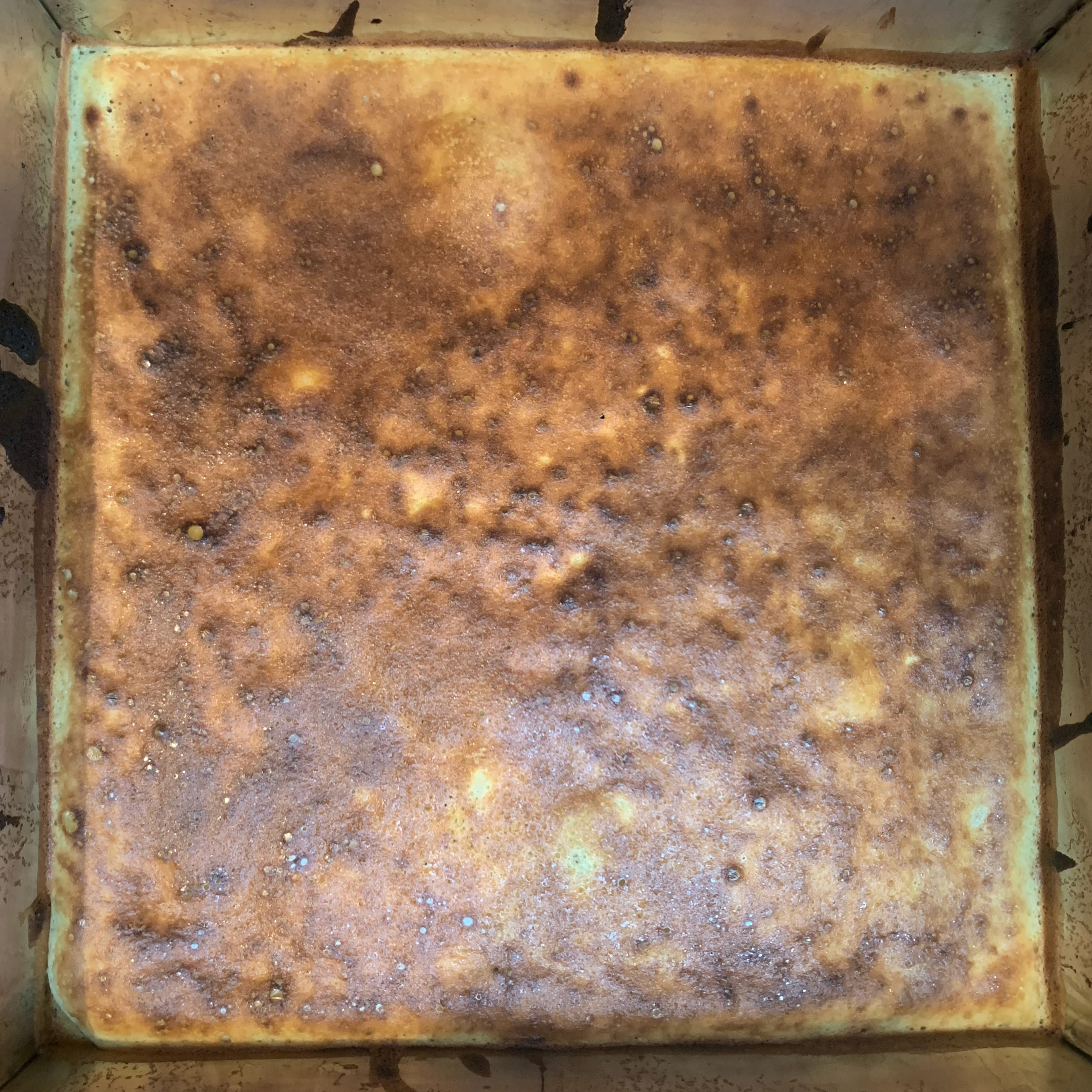
What makes Lapis Legit unique is the cooking method: you spread a thin layer of fairly liquid batter over the cake and cook it under the grill (Americans: broiler) until brown and caramelised, repeating this many times to form the characteristic brown and yellow stripes of the cake’s cross section.

In neighbouring Sarawak (the half of Borneo that is in Malaysia rather than Indonesia), they have elevated Kek Lapis (as they call it there) to a fine art, using multiple colours for the layers and cutting the blocks to form intricate patterns. I’m sticking to the basic yellow-and-brown version, starting from this recipe in “Daily Cooking Quest” by Minnesota-based Indonesian cook Anita.

Although the cake looks complex, it’s not excessively time-consuming, certainly not so by comparison with some of the bread and patisserie items in this blog: it took me around two hours end-to-end plus half an hour’s cooling time. However, unlike normal cakes, that’s two hours of constant attention – there are virtually no periods of down time in which you can do something else while the cake is in the oven.

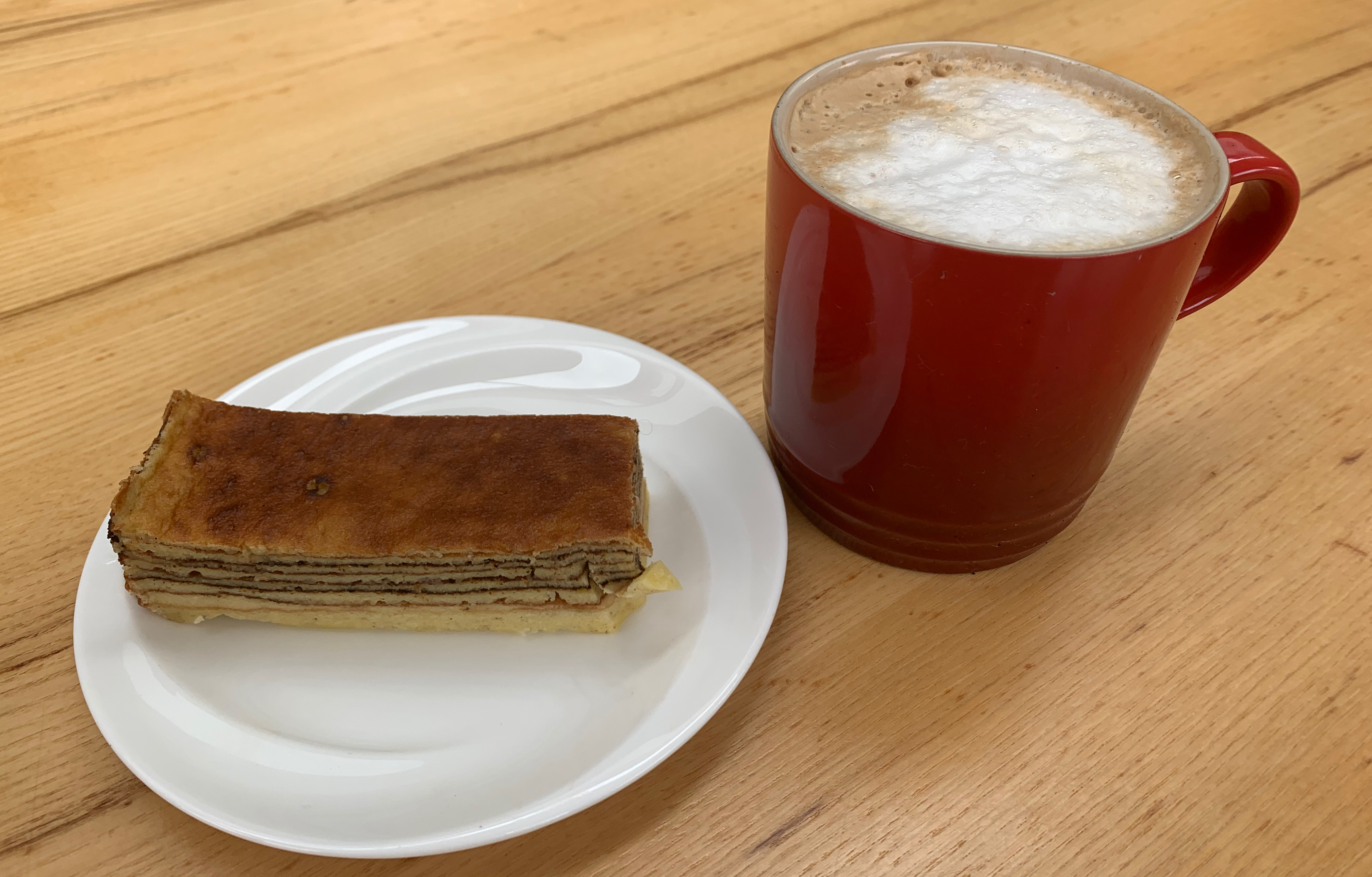
And the results, even on a first attempt, were absolutely worth it – one of the best and most interestingly different cakes I’ve made.

Setting up

  1. Preheat your oven to 200℃ fan.
  2. Use a cake tin with a removable base. If possible, use a square tin, because the cake cuts into rectangles really nicely: mine is 22cm square and worked OK, but 18-20cm would work better, giving you the opportunity for more layers. Line the bottom with baking paper, grease the sides with butter.
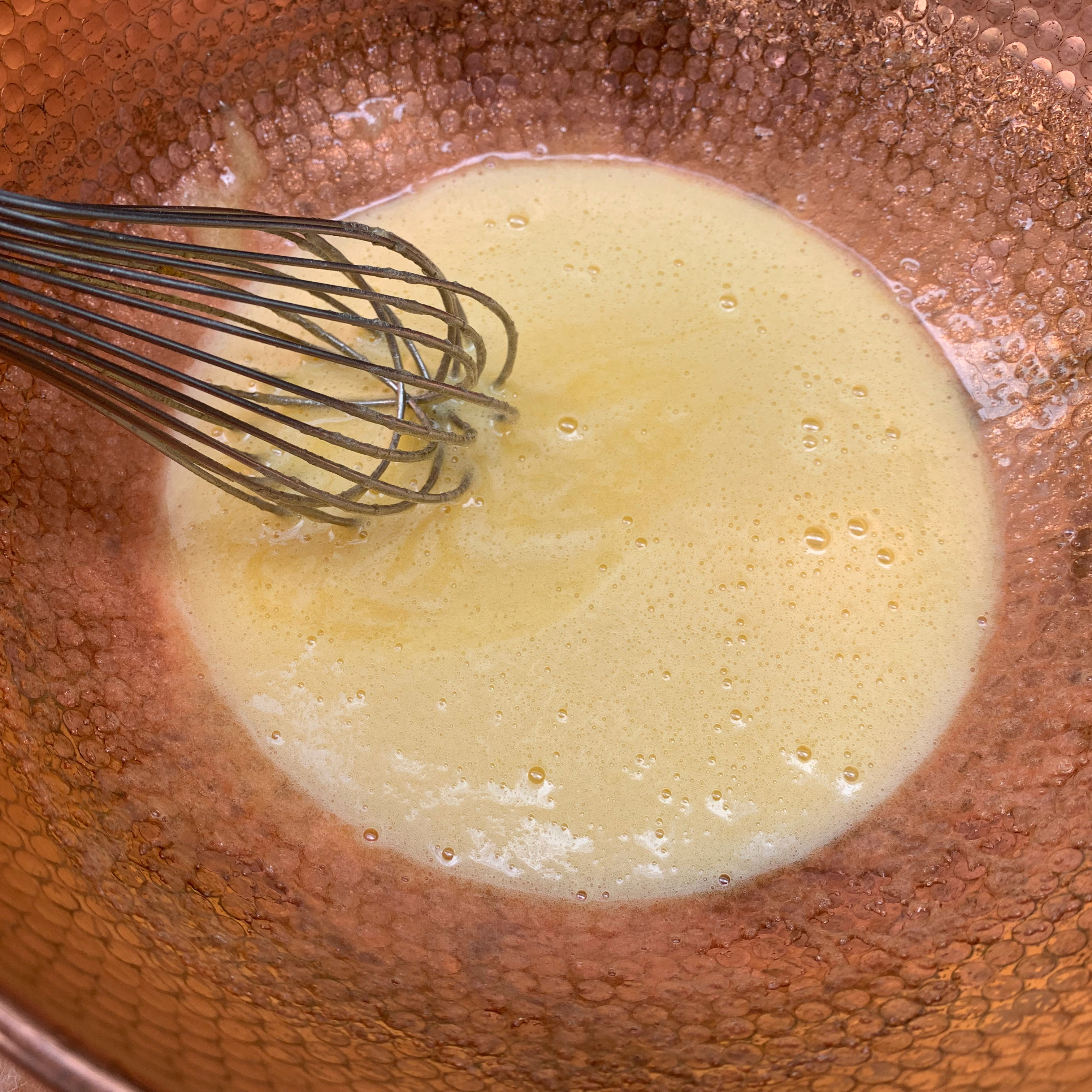
  3. You will need three bowls for your stand mixer. I only have two, so I improvised by making the sabayon mix in a separate copper bowl and using a hand mixer to whisk it, thus avoiding scraping and washing up in mid process.

The butter base

  • 300g butter
  • 120g sweetened condensed milk
  • 1 tbs rum
  • 90g plain flour
  • ¼ tsp salt
  • ¼ tsp ground cinnamon
  • ¼ tsp ground nutmeg
  • ¼ tsp ground mace (if you have it – I didn’t)
  1. If your butter isn’t yet at room temperature, chop it into small pieces and leave it for a few minutes to soften.
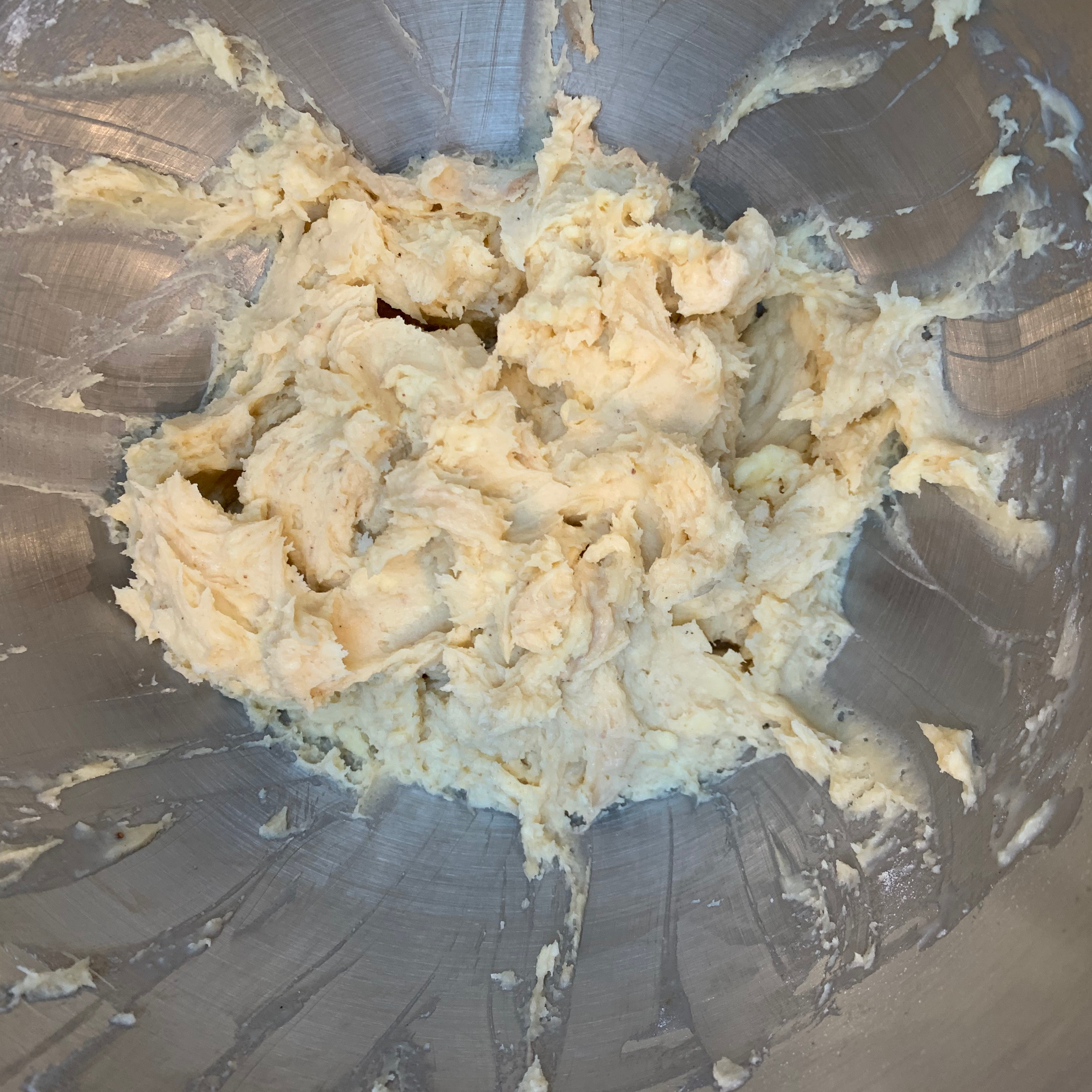
  2. In your first mixing bowl, combine the butter, condensed milk and rum. With the standard beater, mix at medium speed until fluffy (Anita says 8 minutes – mine took half that).
  3. Mix flour salt and spices and add to the bowl, mix for another minute or so until smoothly combined.

The sabayon mix

  • 12 eggs
  • 85g caster sugar
  1. Separate the eggs: put 12 yolks in one bowl and 6 whites into another, which ou’ll be using for the meringue part of the cake mix (discard the other 6 whites, or keep them for making other stuff).
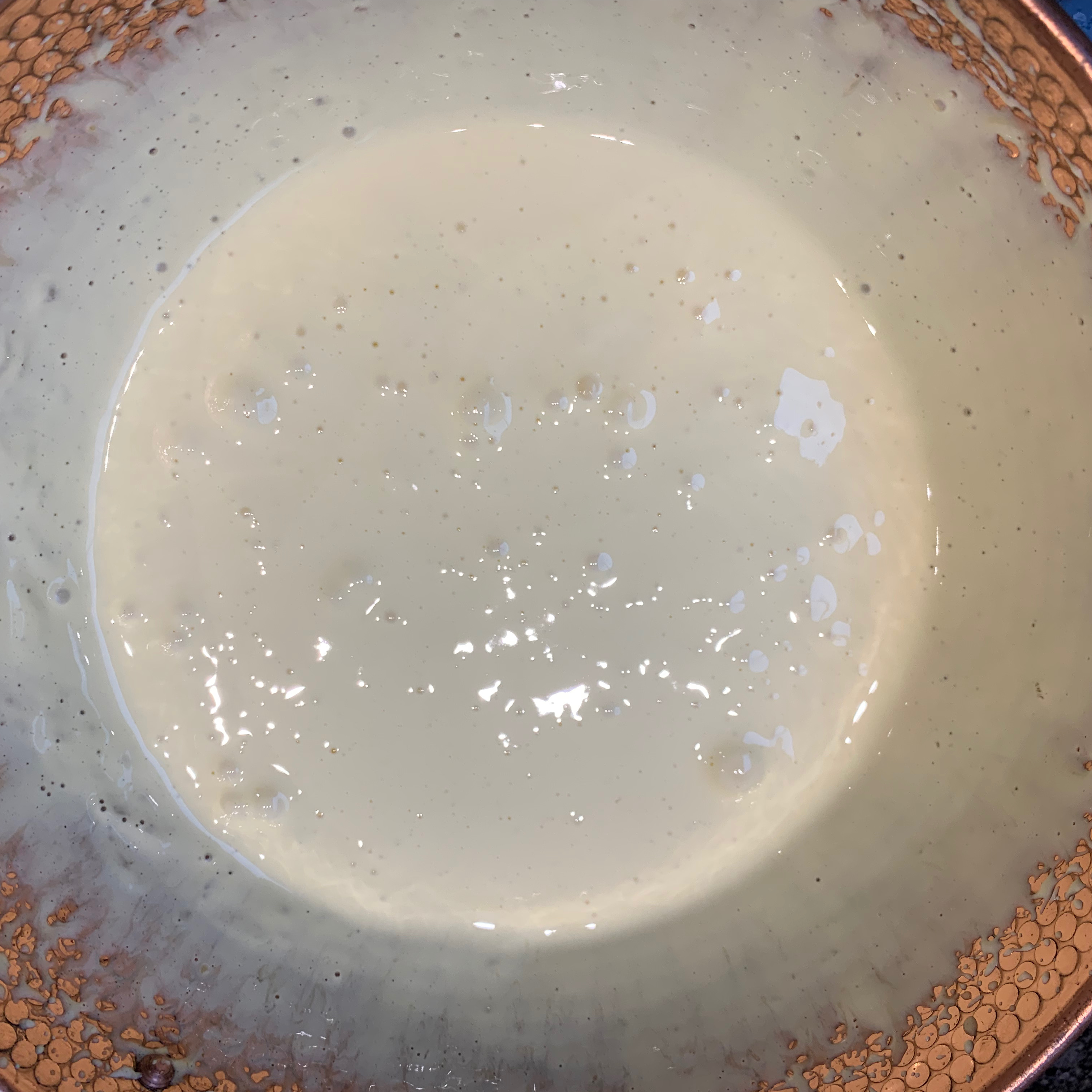
  2. Add the sugar to the egg yolks and whisk at high speed until the reach the consistency of thick cream. They’ll never quite achieve the stiffness of whipped cream, but you can get close.

The meringue mix

  • 6 egg whites from above
  • 55g caster sugar
  • ¼ tsp cream of tartar
  1. Using the whisk of your stand mixer, beat the eggs at high speed until soft and frothy
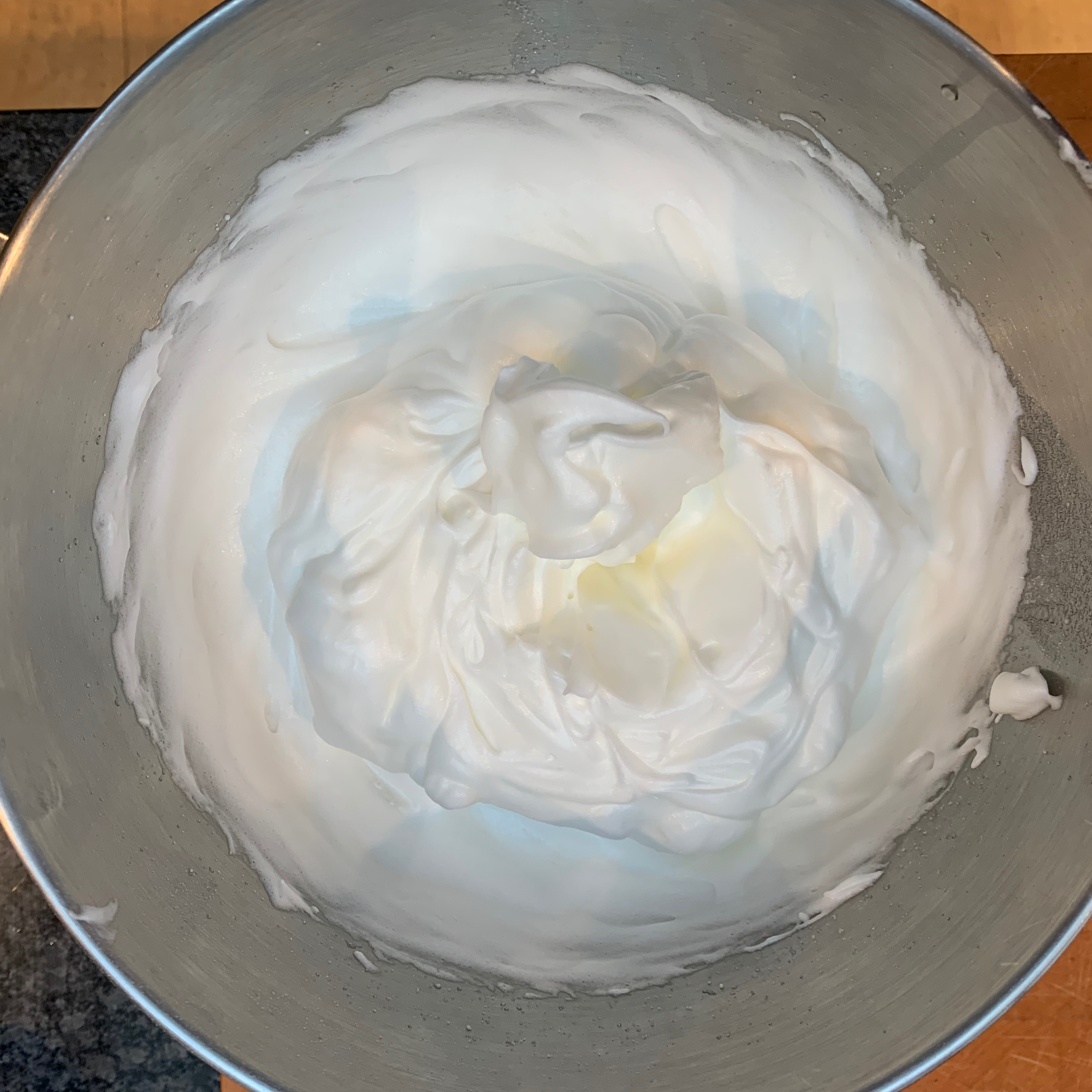
  2. Add the sugar and cream of tartar, and beat at high speed until you have a stiff meringue

Putting it together

  1. If the sabayon mix has gone a bit liquid while you were making the meringue, whisk it for another minute or so.
  2. Add the sabayon mix into your butter base and mix using the standard beater until smoothly combined.
  3. Fold the meringue into your mixture until smoothly combined, with no bits of unmixed egg white left.
  4. Pour a couple of ladelfuls of mix into your cake tin and spread it so that you have a thin, even layer. Ideally, you want around 3-4mm thickness (on the photos here, I was somewhat over that).
  5. Put in the middle shelf of the oven and bake until the top is golden. You’ll need something like 8 minutes, but check it after 5-6, because it really depends on your oven and on the thickness of your mixture.
  6. Take the cake out of the oven and switch it to its top grill setting at maximum temperature (or set up your separate grill if that’s what you have). Move the oven shelf to its highest position.
  7. Pour another ladelful or so of mixture into the tin. It will go more liquid as it contacts the hot surface. Your objective now is to get the thinnest possible layer of mixture that completely covers the whole cake: I achieved this by the combination of using an offset spatula and by tilting the tin in different directions until the coverage was smooth.
  8. Put the cake under the grill, and cook until golden brown. This will take between one and two minutes: you need to watch it like a hawk because the difference between uncaramelised yellow and burnt can be as little as 20 seconds.
  9. Take the cake out and repeat until you have run out of mixture. You’re trying to get as many layers as you can – I managed around 8.
  10. Once you’ve grilled the last layer, take the cake out and cool it in the tin for around half an hour.
  11. Finally, put a knife around the sides to make sure the cake has come away from all four sides, and take the cake out of the tin (if the tin has a removable base, this should be very easy).
  12. Enjoy…
Around the world in 80 bakes, no.62: Medovik – Ukranian honey cake

Around the world in 80 bakes, no.62: Medovik – Ukranian honey cake

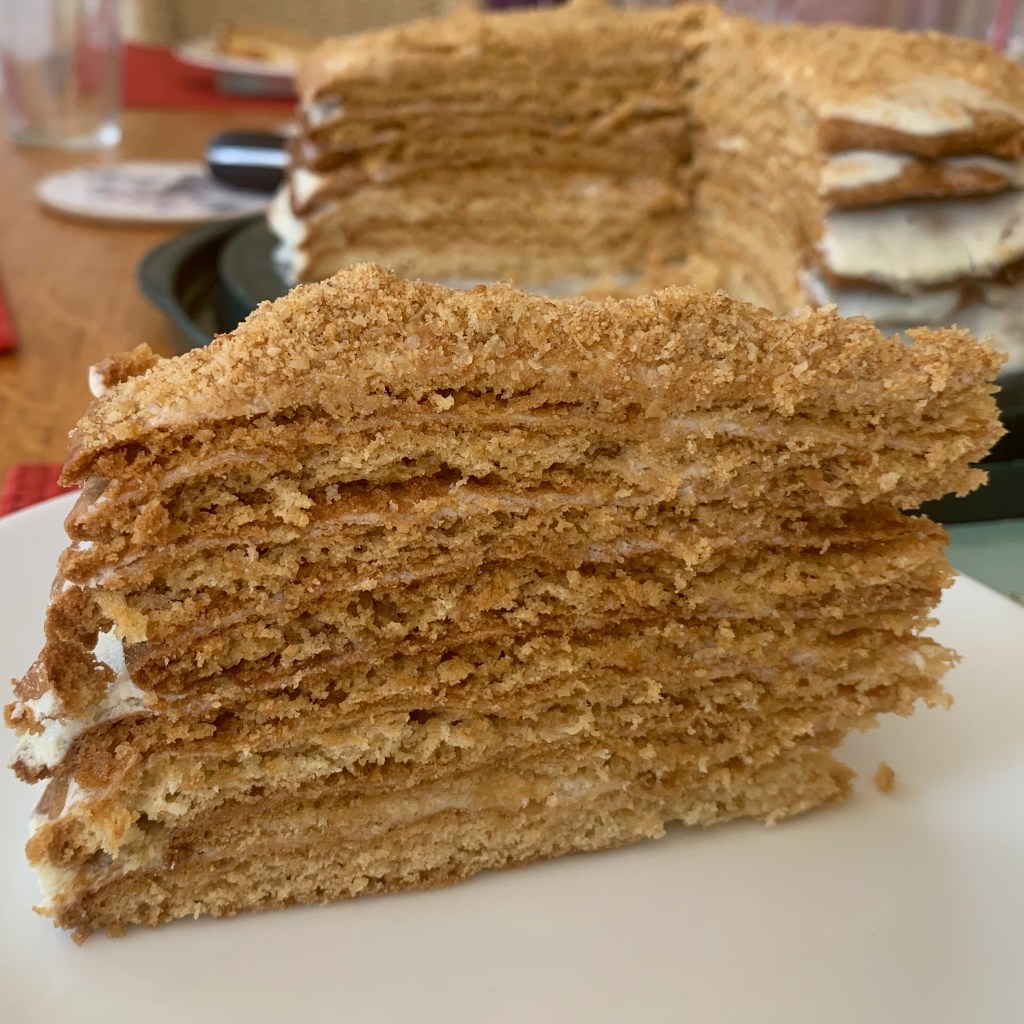
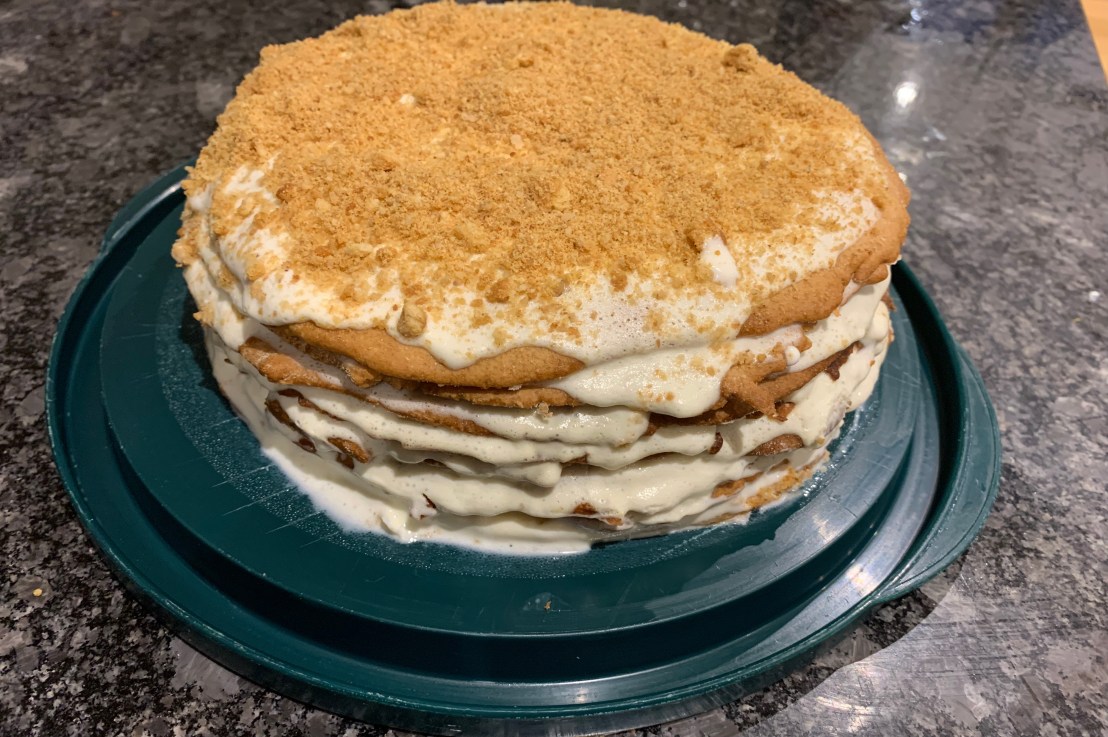
 Many countries have their own versions of a cake made of a large number of very thin layers: the Hungarian Dobos torte is probably the most famous, the Czechs have Marlenka (originally from Armenia), the Croatians have Mađarica, there are various Asian versions like the Indonesian kek lapis. The Ukranians go for a multilayered honey cake called Medovik (which is originally Russian and popular in much of Eastern Europe).

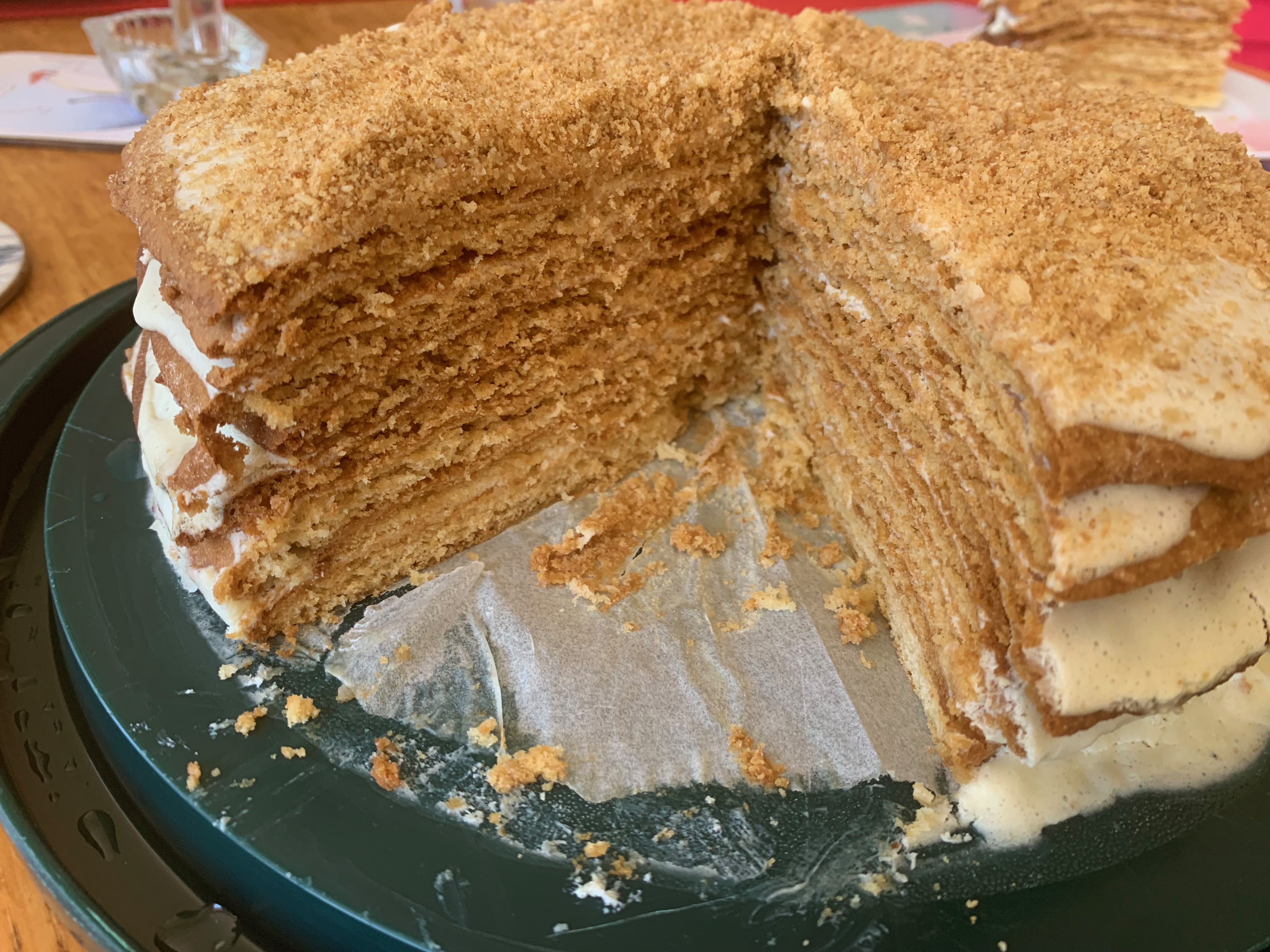
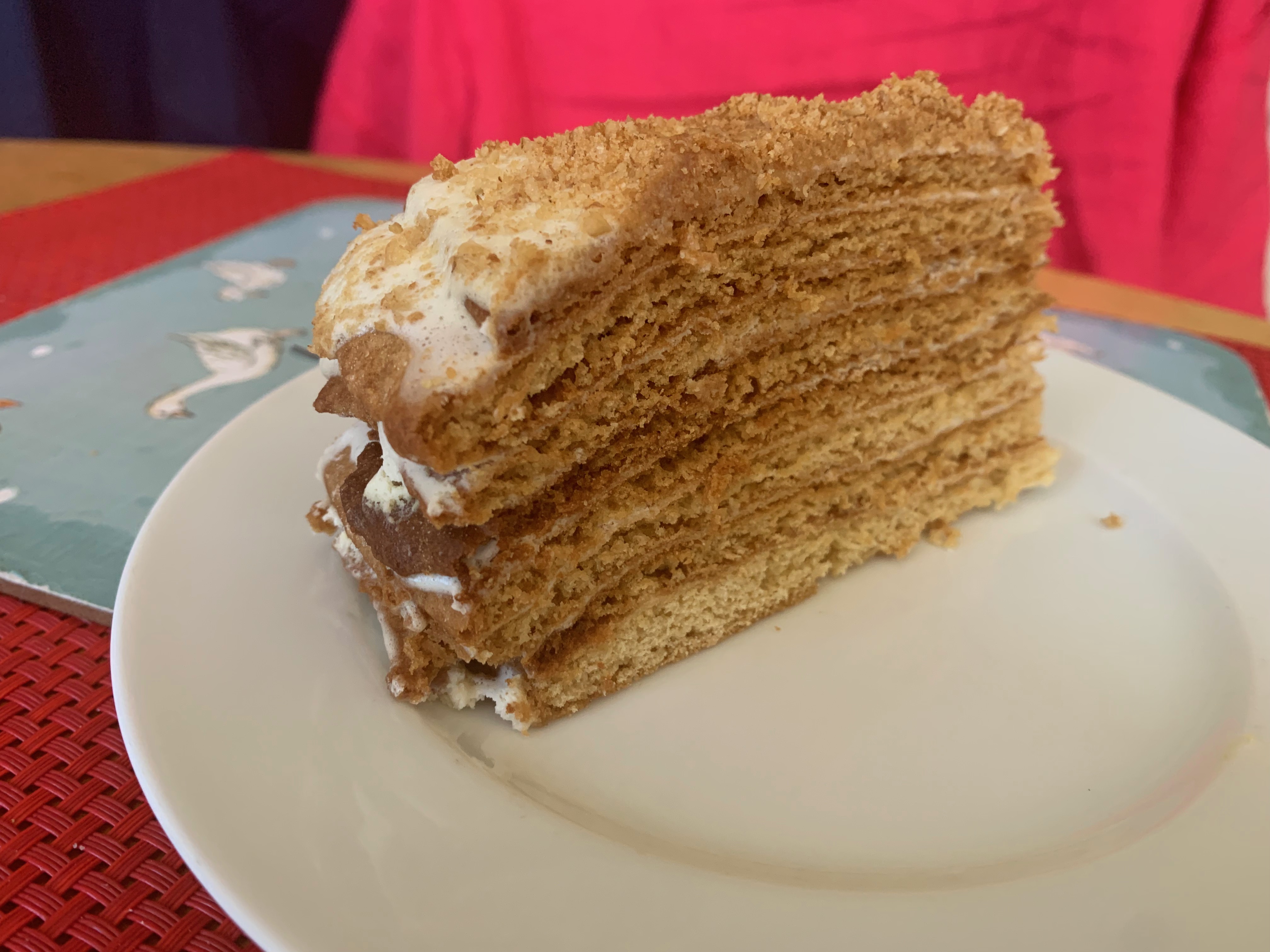
Medovik consists of alternating layers of cake and a cream filling. Recipes for the cake are fairly consistent: they come out closer to a biscuit or pastry than to a normal sponge cake. Recipes for the filling vary more: the base ingredient can be sour cream or whipped ordinary cream or an egg custard.

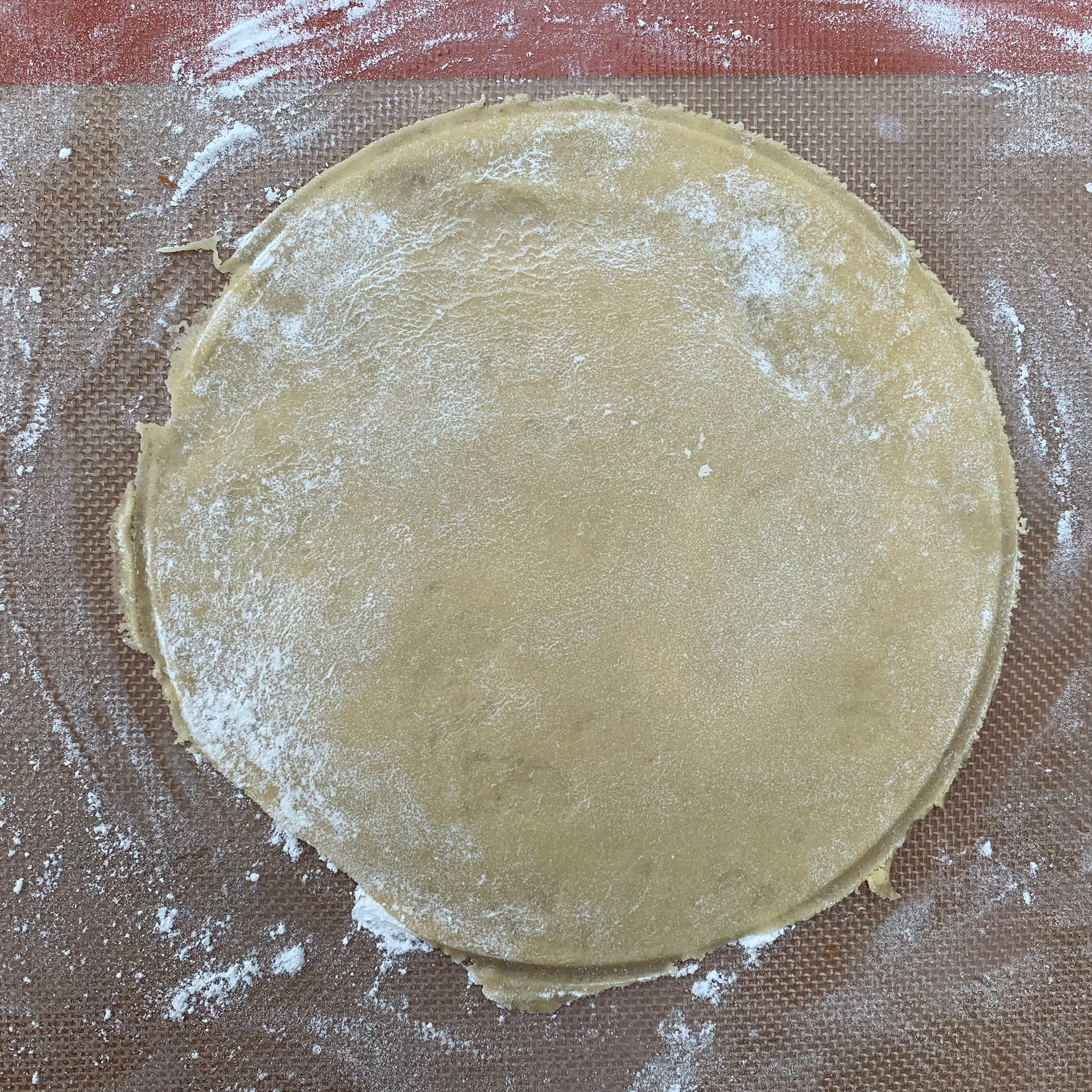
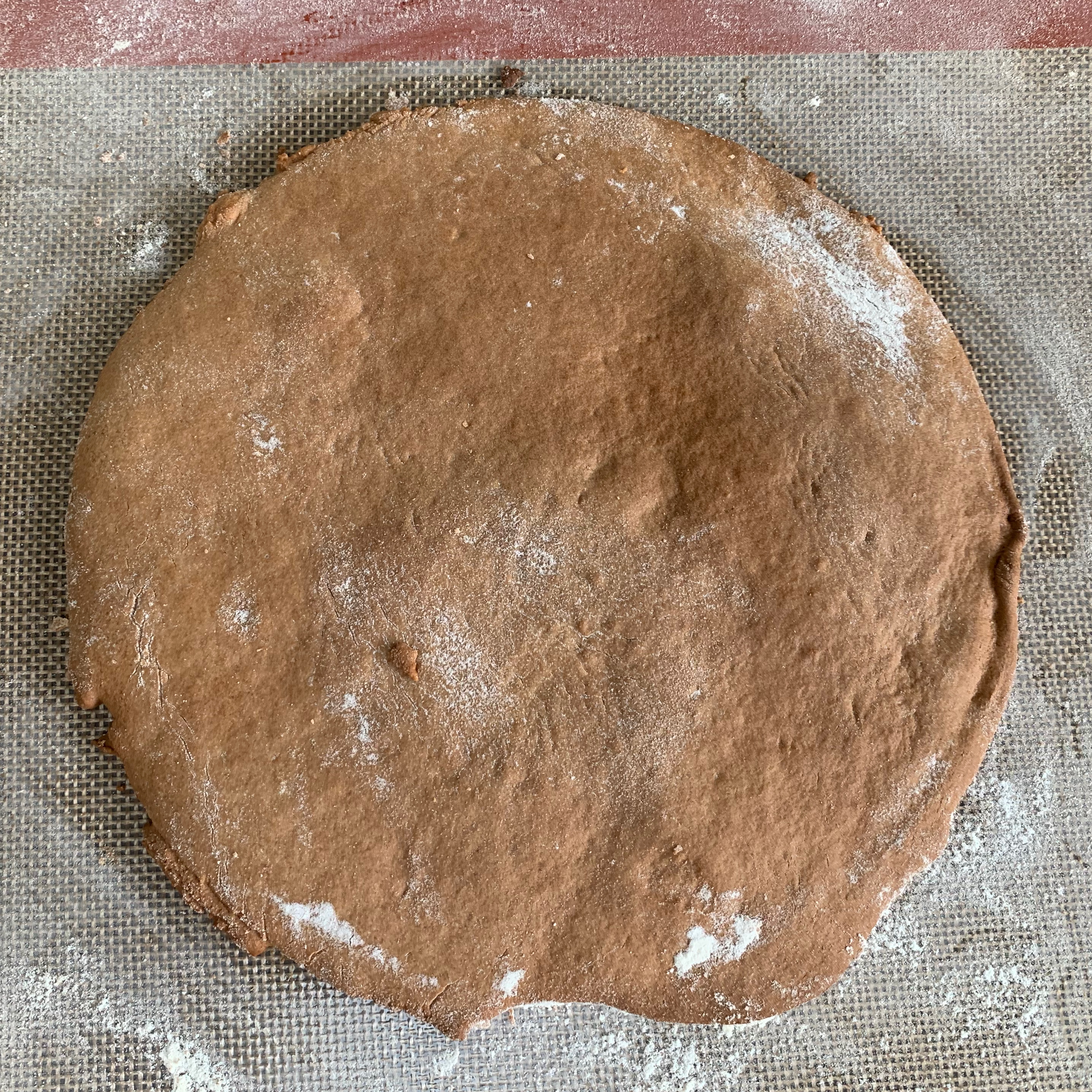
There are two keys to Medovik, one of which is easy and one of which is decidedly not so. The easy part is to remember, when you’ve made your layers, to give the cake a long time in the refrigerator during which each wet cream layer soaks into the relatively hard biscuit layer below it, which is what results in a delightfully spongy feel to the whole assembly. The hard part is rolling the cake dough out as thinly and evenly as possible. You need to keep your rolling pin constantly floured to stop it lifting the dough, you need a careful touch to maintain evenness and you need to do your best to create a circle rather than the heart shape that I always end up with when I’m not concentrating. Picking up a finished circle is an impossibility, so I rolled my dough directly onto a silicone sheet: I suspect that it might be easier if I put a layer of cling film on top before rolling, but I didn’t try this.

I used the batter and the basic technique from a recipe on Ukrainian website ukrainefood.info, and used a simple sour cream and condensed milk filling as recommended by Smitten Kitchen (which may or may not change the cake’s name to smetannik – “sour cream cake” rather than “honey cake”).

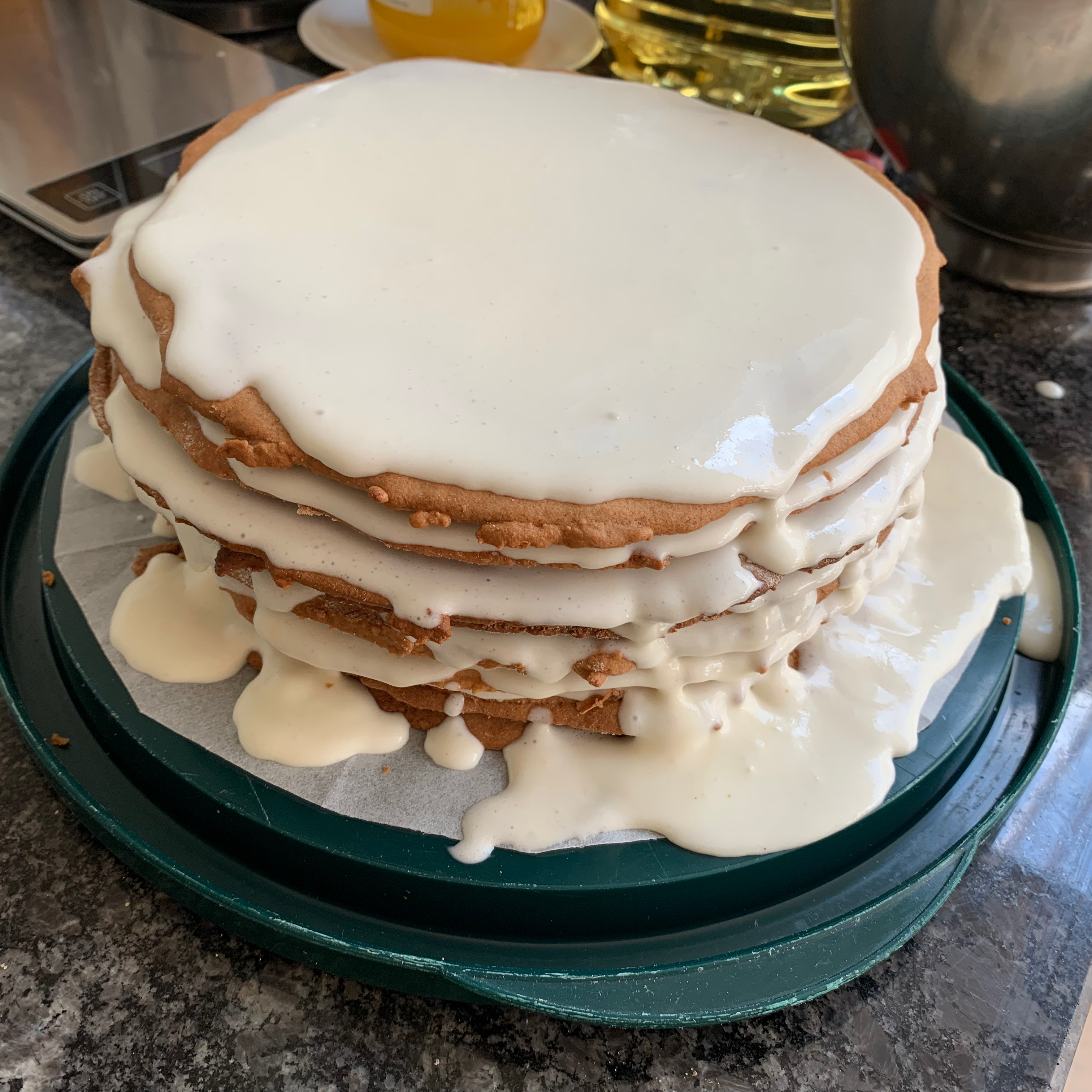
Most of the recipes I’ve seen expect you to frost the sides of the cake in order to produce a beautiful round cylinder. I can’t see the point of doing this, so I made less filling and just put it between layers and on the top of the whole cake. I still had plenty to spare.

The cake layers

  • 60g honey
  • 50g butter
  • 200g sugar
  • 2 eggs
  • 350g flour, plus plenty more for rolling
  • 1 tbsp bicarbonate of soda
  • Vanilla essence to taste
  1. Improvise a double boiler by using a metal bowl over a pan of boiling water.
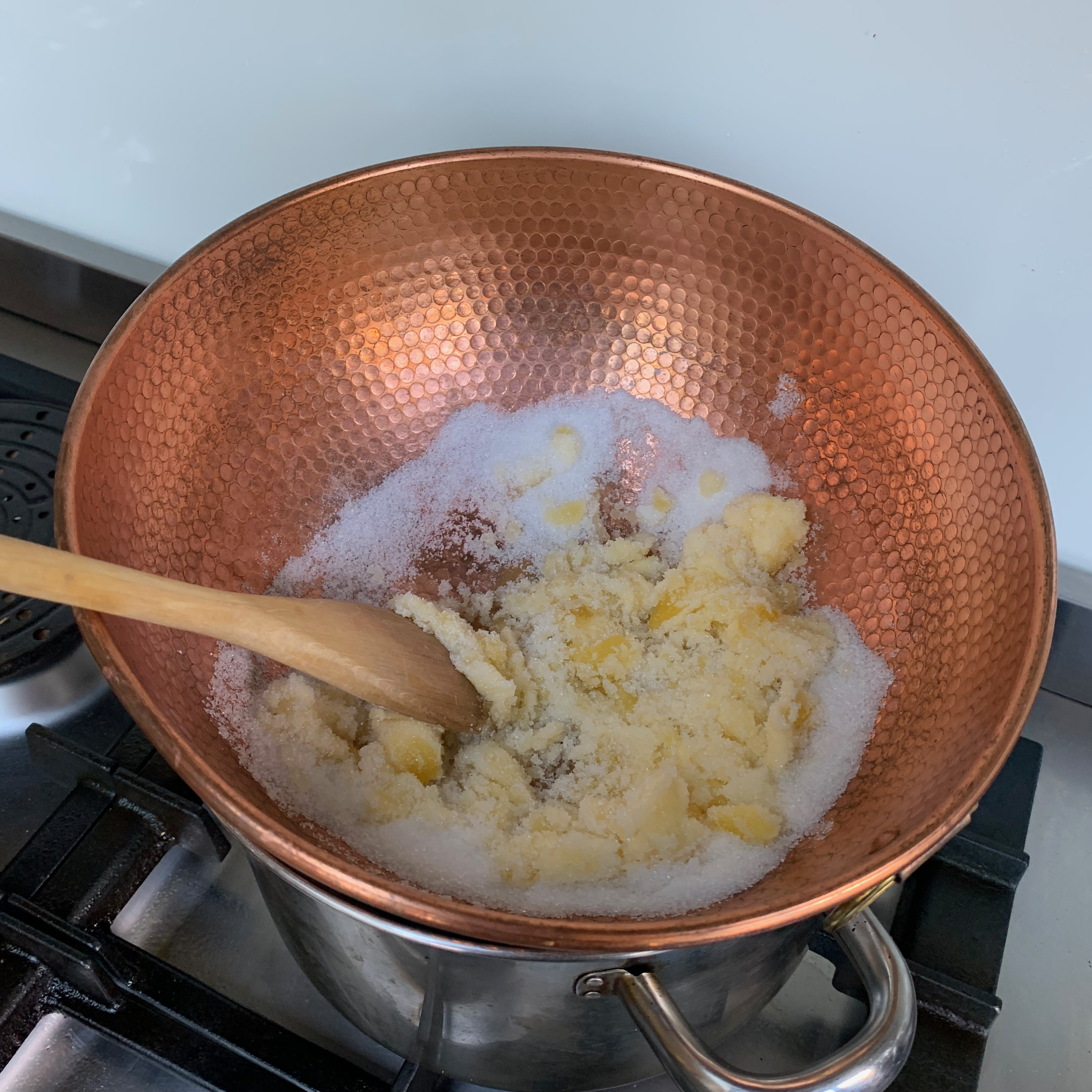
  2. Put the honey, butter and sugar into the double boiler. Cook it until smooth, stirring continuously.
  3. Add the bicarbonate of soda and vanilla, and cook for another minute.
  4. Remove from the heat and leave to cool for around 4 minutes. You are about to add eggs and you don’t want them to be scrambled.
  5. Beat two eggs in a jug with a spout. Add the beaten egg very slowly to the mixture, continuing to beat as you go.
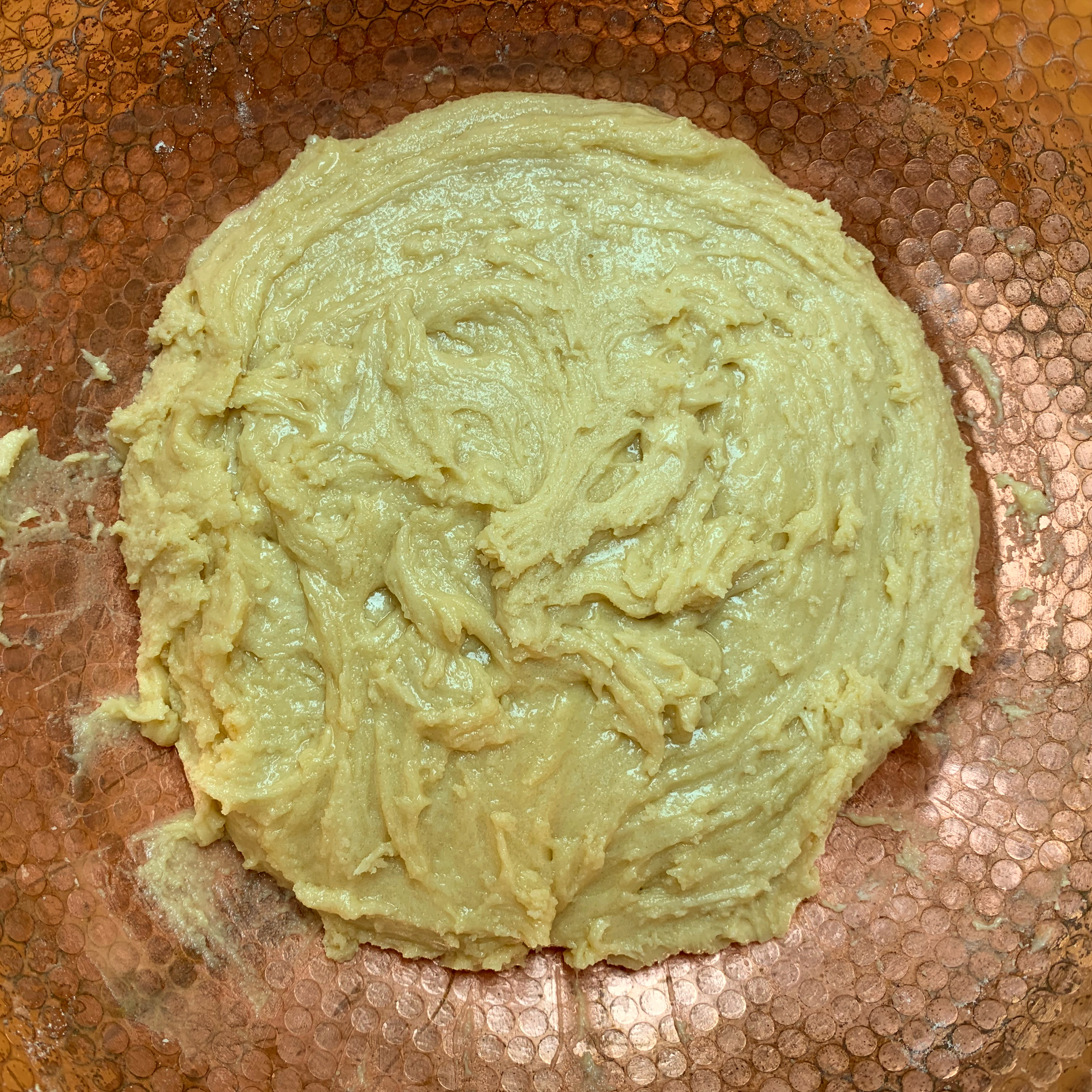
  6. Add the flour and stir until mixed thoroughly.
  7. Preheat oven to 200℃ fan.
  8. Form the dough into a ball, wrap with cling film, and place in a freezer for around 15 minutes.
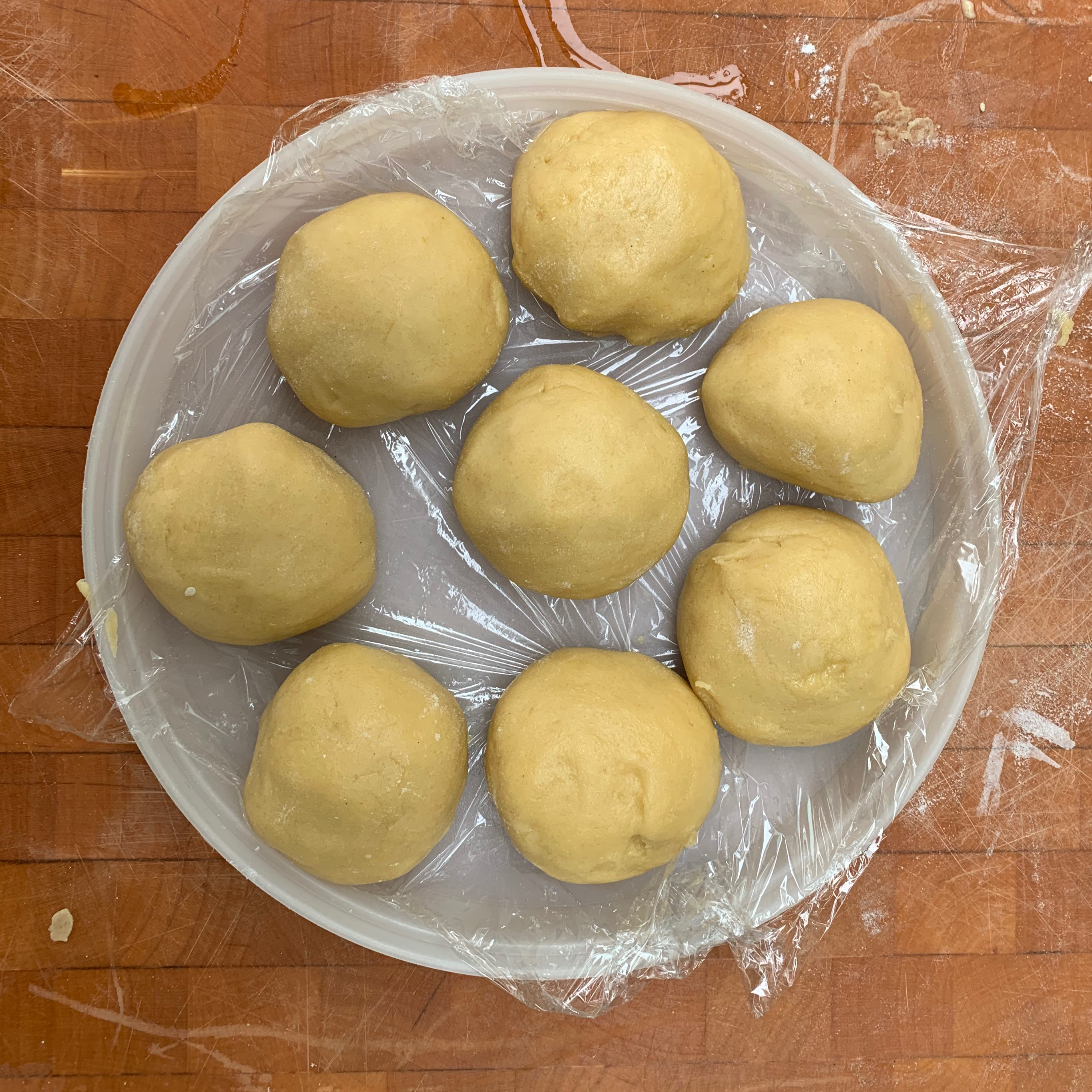
  9. Remove the dough from the freezer, cut into 8 equal pieces (make the weights as even as you can, they should be around 90g each). Form each piece into a ball, cover with cling film and replace in the freezer for another 5-10 minutes.
  10. Have a pile of flour ready to flour your rolling pin.
  11. Remove the dough from the freezer. Place a ball of dough out on a silicone baking sheet and roll it out until it is larger than a 20cm circle. The dough will be very thin, so you really need to take care that the rolling process doesn’t cause it to tear – although you can patch it and re-roll if you have to.
  12.  Cut out the circle and set aside the offcuts from around the edge (the best way of doing this is to use the base of a springform tin as a template).
  13. If you have two silicone sheets, do another one.
  14. Place the sheet(s) in your oven and bake for around 5 minutes until golden.
  15. Cool on a rack. When sufficiently cool, place in a pile.
  16. Repeat until all 8 sheets are done. Roll out the offcuts of pastry and bake them alongside your last cake layer (or couple of cake layers, if you have a lot). You may want to put the unused balls of dough back in the freezer occasionally to keep them cool during the process.

The filling

  • 600ml sour cream
  • 400g condensed milk
  1. Whisk the sour cream and condensed milk together until smooth.

Final assembly

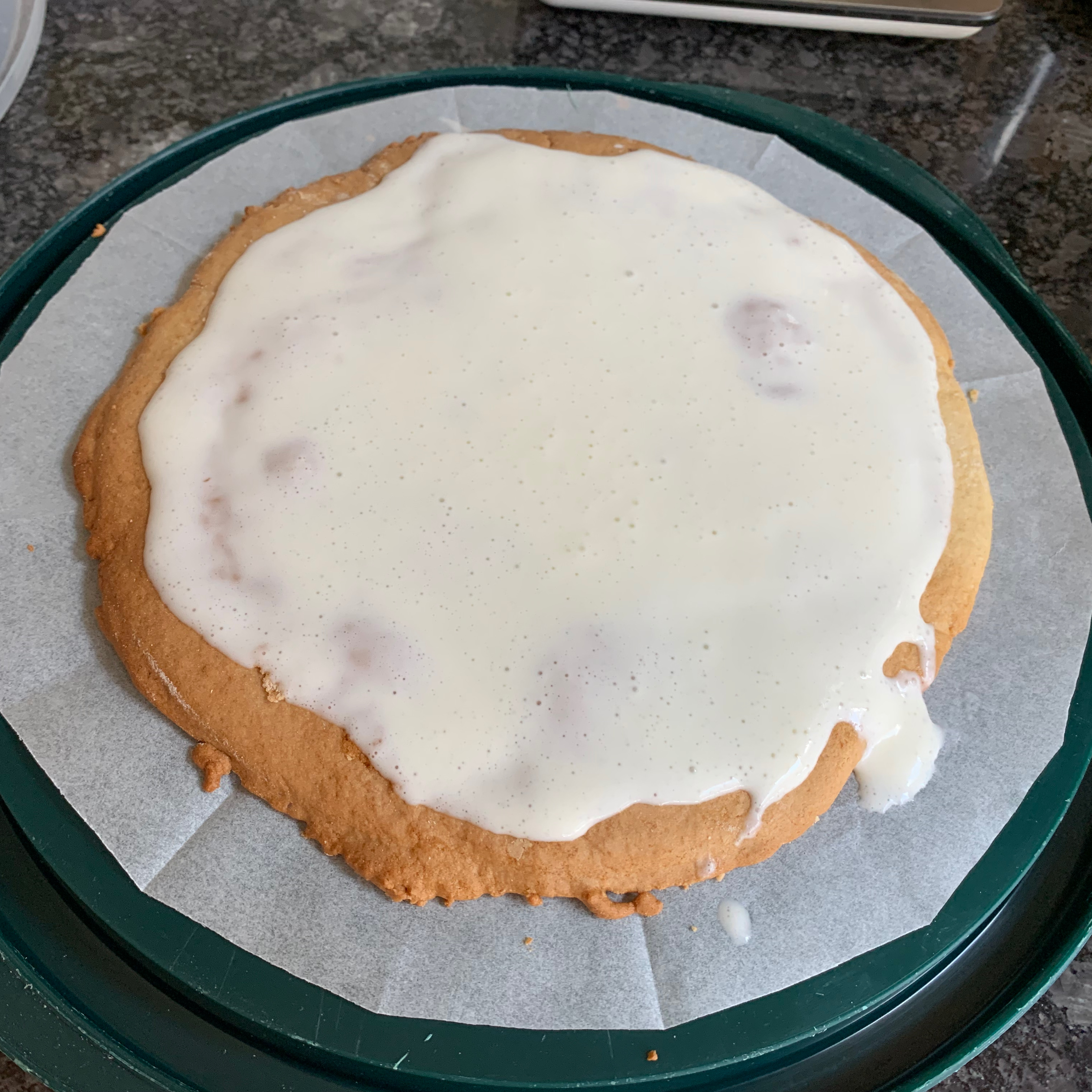
  1. Cut a circle of baking paper somewhat larger than your cake – perhaps 24cm in diameter. Place it on your cake plate, and dab a small amount of filling in the middle.
  2. Place a cake layer in the middle, then spread it thoroughly with frosting. This will dribble down the sides – that’s why you made the paper larger than the cake.
  3. Repeat until all the layers are done.
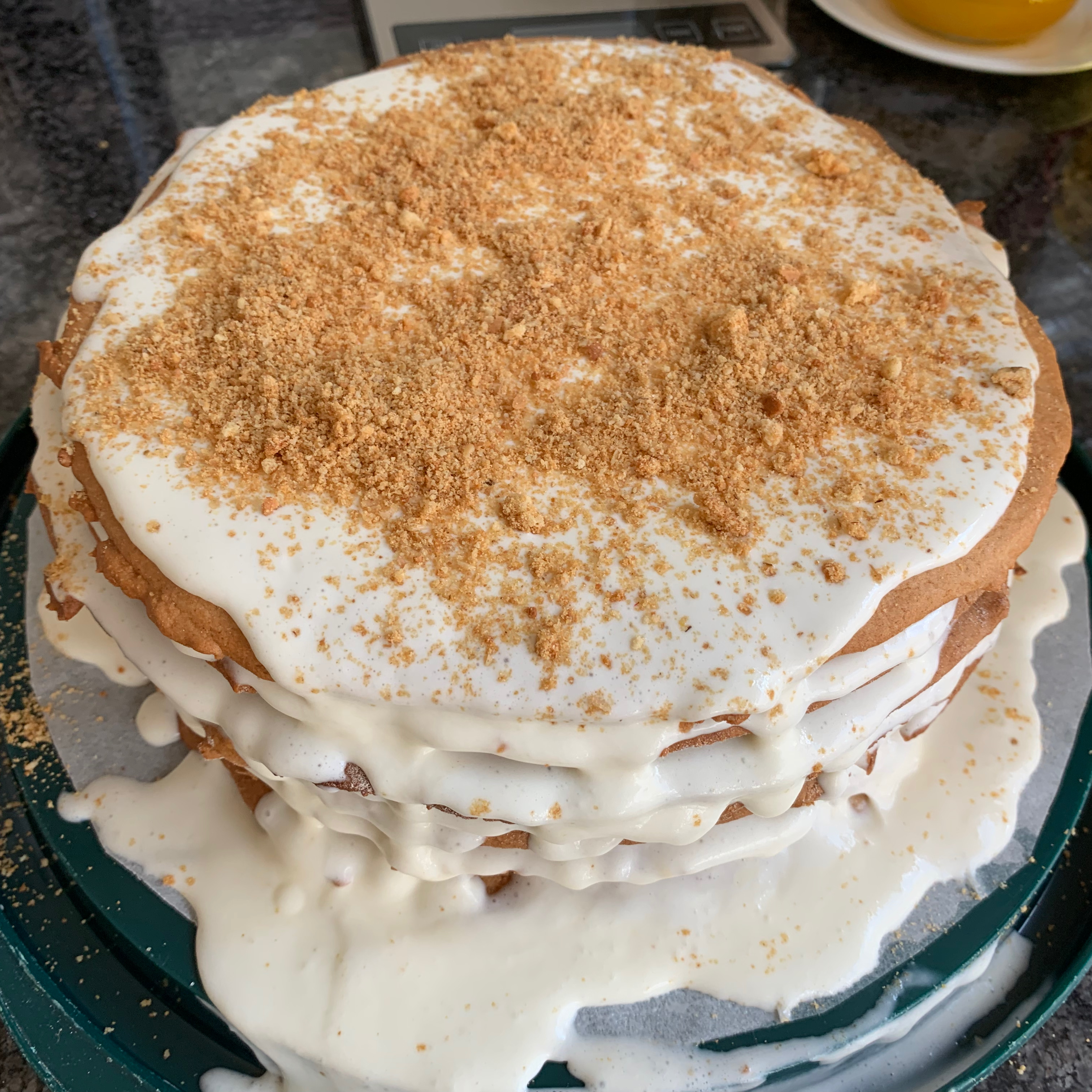
  4. Blitz the offcut pastry to crumbs (I didn’t have enough, so I supplemented mine with ordinary biscuits). Scatter crumbs over the top of the cake.
  5. Cover (I have a plastic cake plate with a matching cylindrical cover, which was ideal) and leave in the refrigerator overnight.
  6. Around 30 minutes before serving, take the cake out of the refrigerator and tidy up the edges, cutting the baking paper to the size of the cake and removing the surplus frosting which has dribbled down.
  7. Serve with coffee. OK, the coffee isn’t technically essential, just highly desirable.
Around the world in 80 bakes, no.60: Khobzet borgden – Tunisian orange cake

Around the world in 80 bakes, no.60: Khobzet borgden – Tunisian orange cake

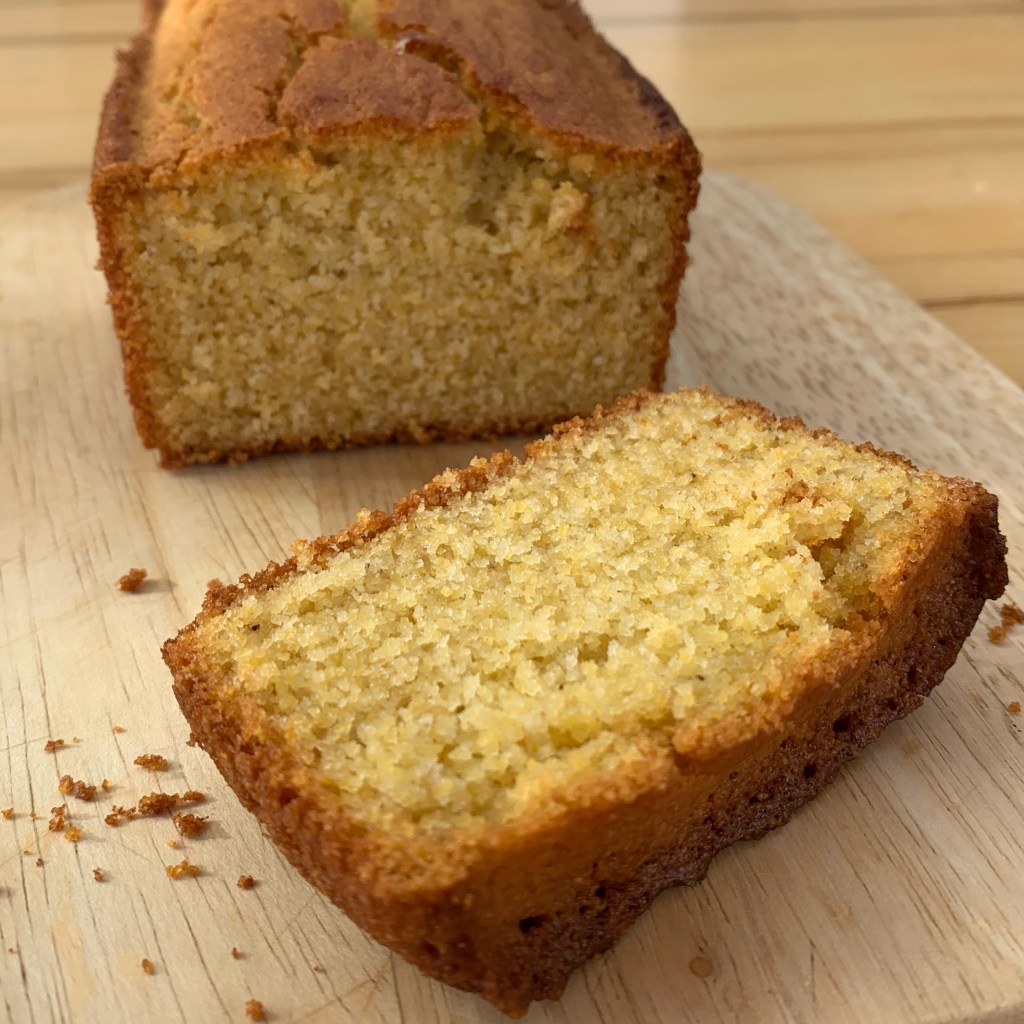
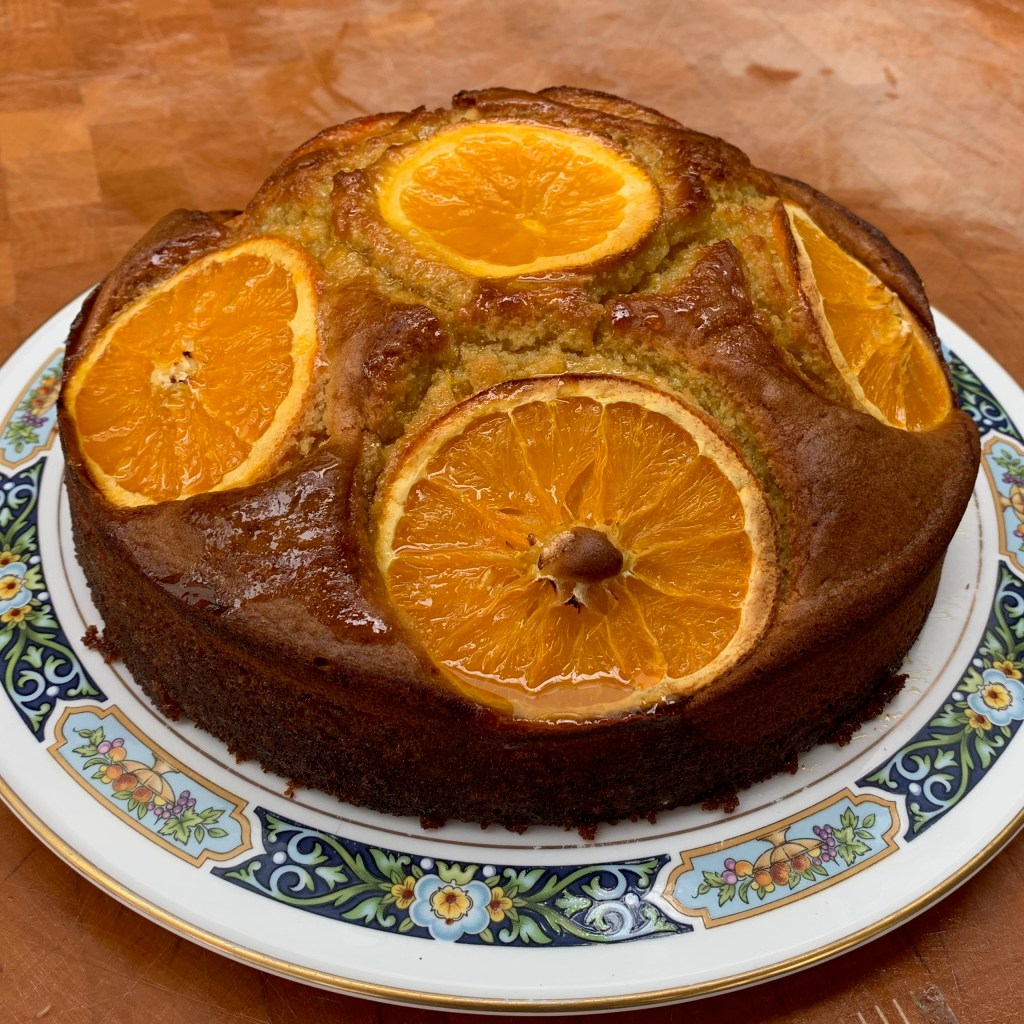
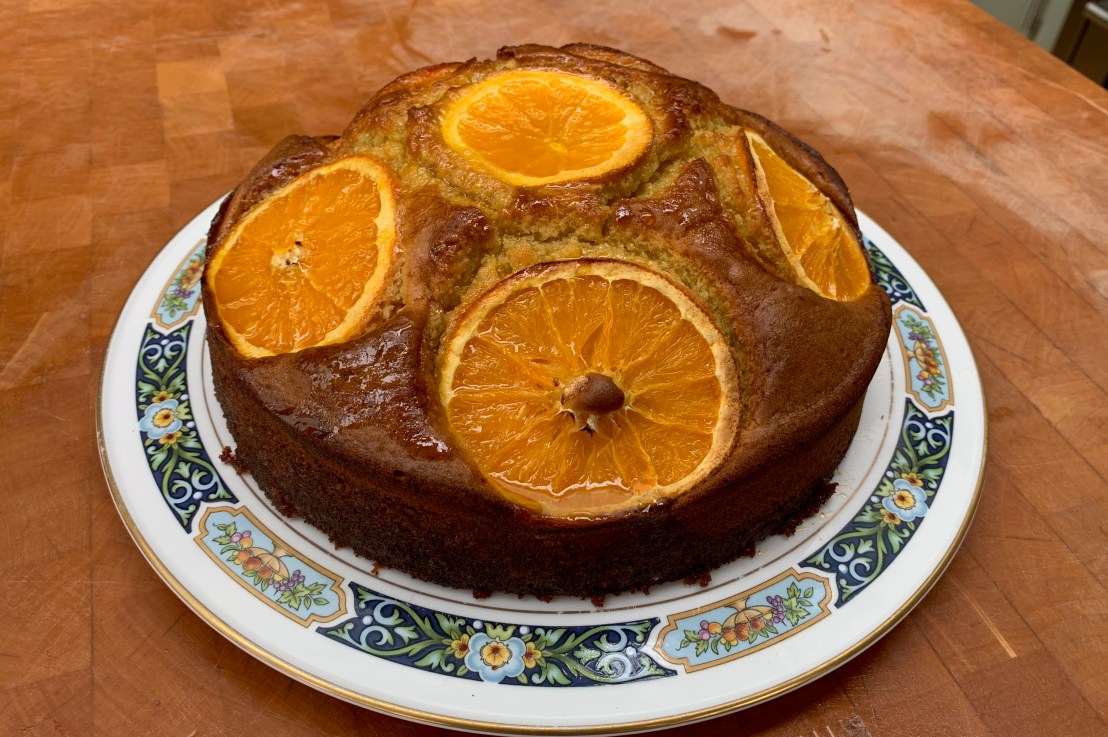
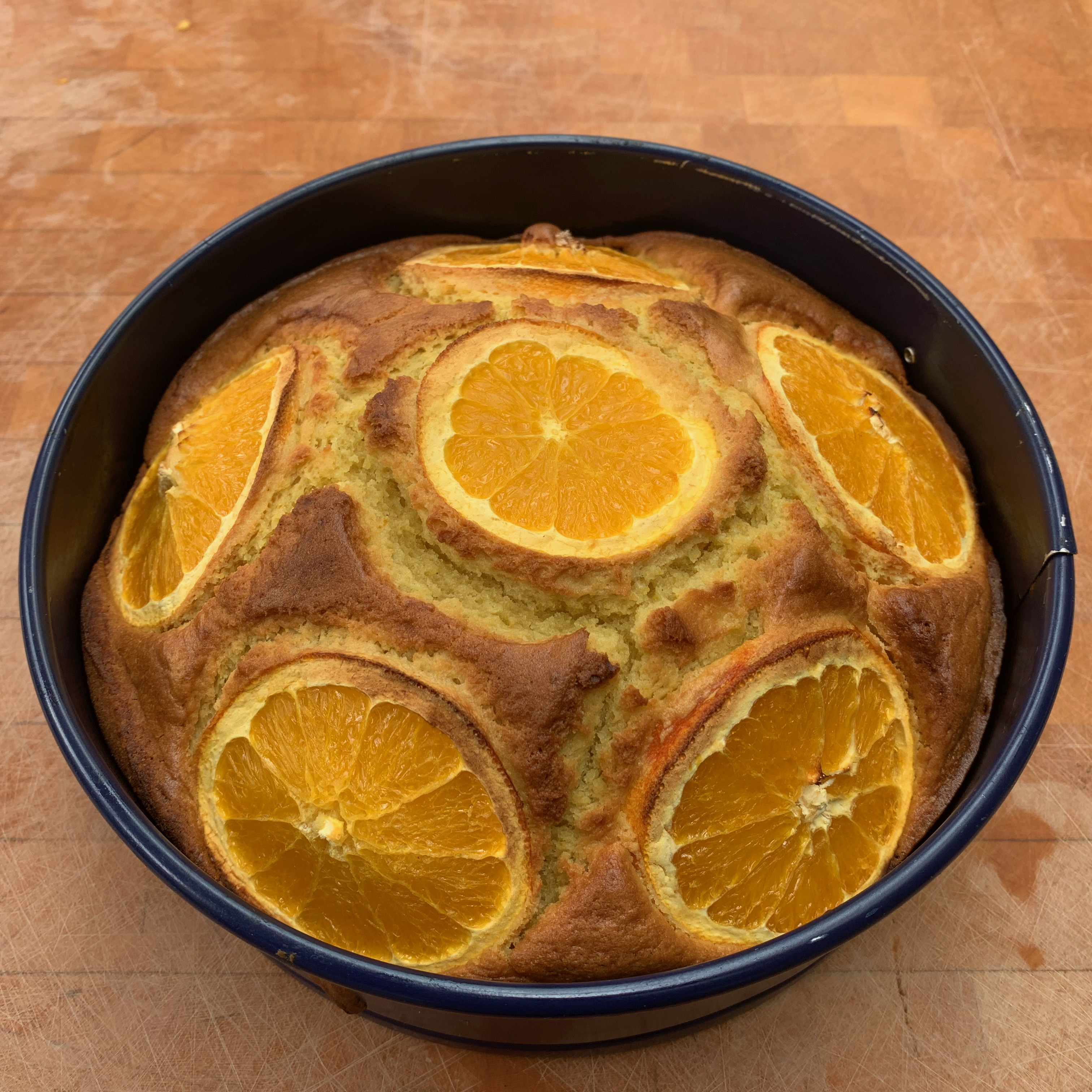
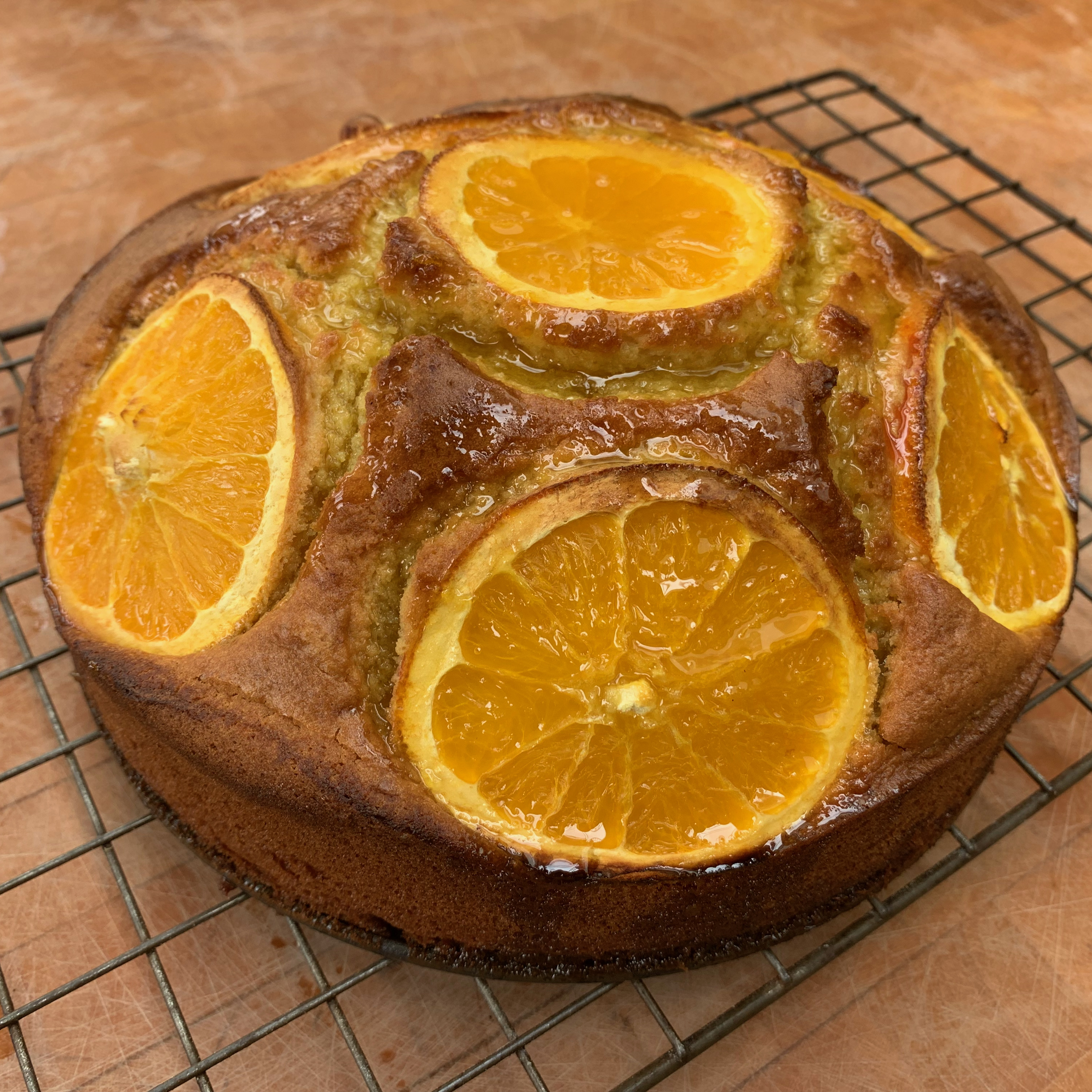
Tunisia grows a lot of oranges. Over 550,000 tonnes, according to The Guardian, in what was admittedly a freak year – apparently, 200-400,000 is more normal. Anyway, you have to do something with all that fruit, and one of things the Tunisians do is to make orange cake – or “Khobzet borgden”, as it’s called in Arabic.

If you look up English language recipes for Tunisian Orange Cake, you tend to get something different, often involving stale breadcrumbs and a lot of ground almonds. These are also very good – my wife has been making her mother’s orange almond cake recipe for years and it’s a winner – but I can’t find any evidence that they’re authentically Tunisian: the closest I got was a recipe where the cake was decorated with flaked almonds.

So I’ve gone for one of the many recipes for Khobzet borgden on Tunisian websites, generally in French. Variations include choice of fat (butter / olive oil / vegetable oil) and how to treat your oranges: the most extreme one I’ve seen involved blitzing whole oranges – skin, pips and all – and adding the resulting purée to your cake mix. Just about all the recipes involve drizzling your finished cake with an orange syrup. I’ve started with one from tunisienumerique.com (translation: digital Tunisia), which uses oil (I chose olive – it doesn’t specify) and lots of orange zest as well as decorating the top of the cake with slices of orange.

A couple of notes on my adaptation: (1) the suggested baking time of 20-25 minutes wasn’t even close. Either their oven or their baking tin is very different from mine. (2) my cake domed hugely in the middle. The original recipe specifies one sachet of baking powder, and I have no idea how much you get in a Tunisian baking powder sachet. So I went with around 12g, which may have been a bit excessive.

  • 300g plain flour
  • 12g baking powder
  • 3 oranges
  • 3 eggs
  • 150g granulated sugar
  • 100g olive oil
  1. Preheat oven to 180℃ fan.
  2. Grease with butter a 20cm springform tin (or other cake tin of similar size).
  3. Sift your flour and baking powder into a bowl.
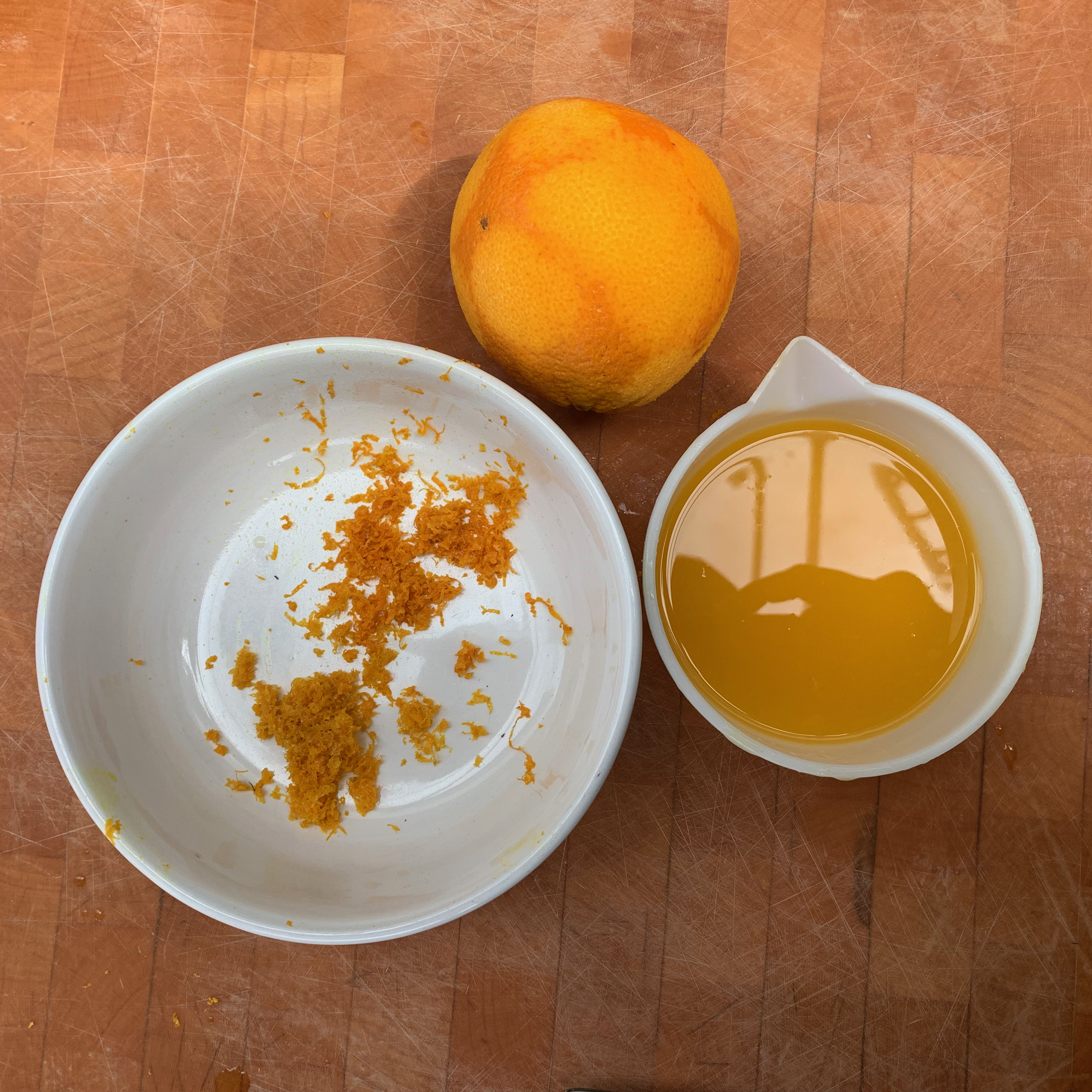
  4. Zest at least two of the oranges (all three if you really want a bitter orange flavour).
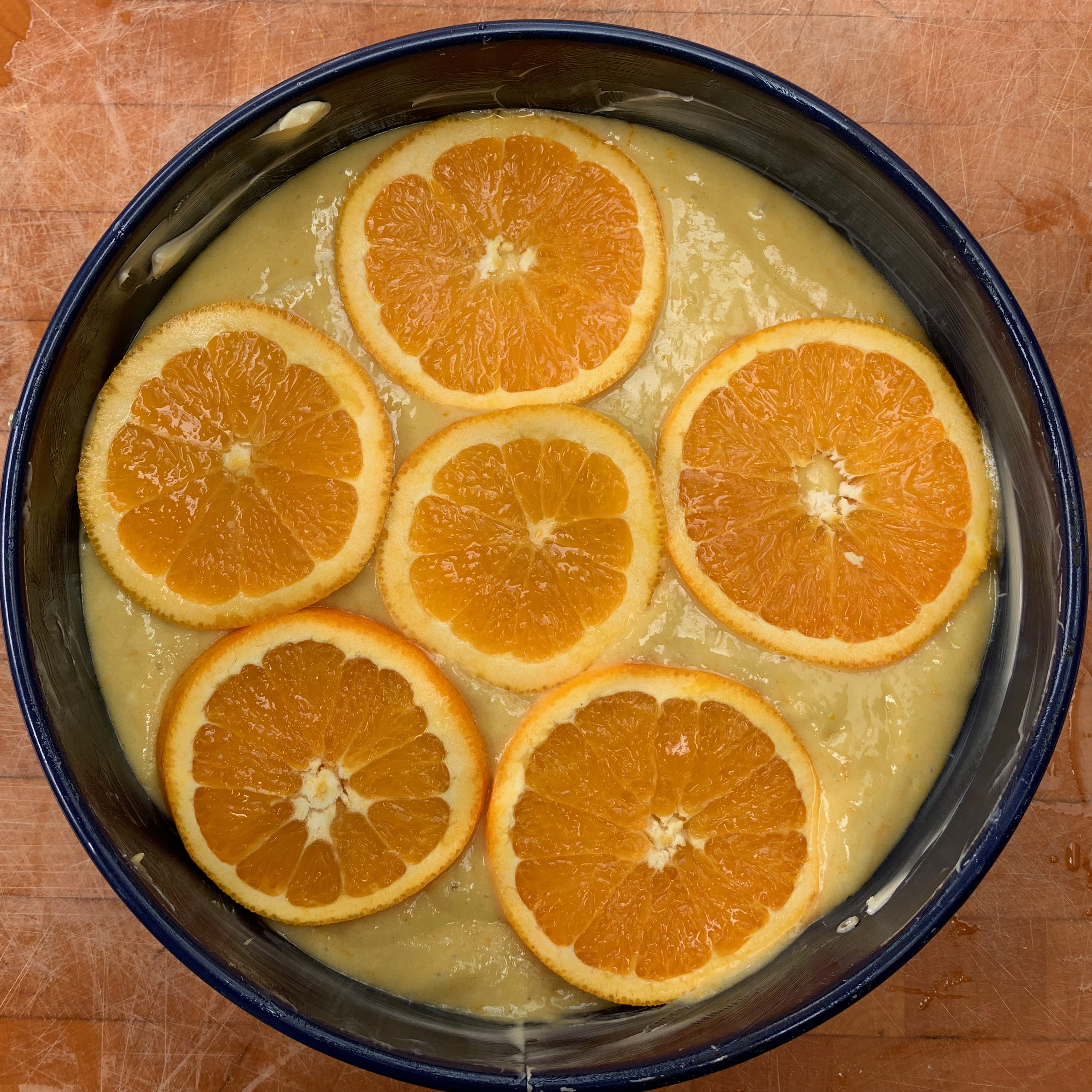
  5. Slice one of the zested oranges into rounds (I needed five rounds to fit onto my 20cm springform tin). Squeeze the juice out of the rest of this orange and the other two: you should get around 200ml. If the yield is substantially less, you might want to add some orange juice from elsewhere (or from a fourth orange if you have one).
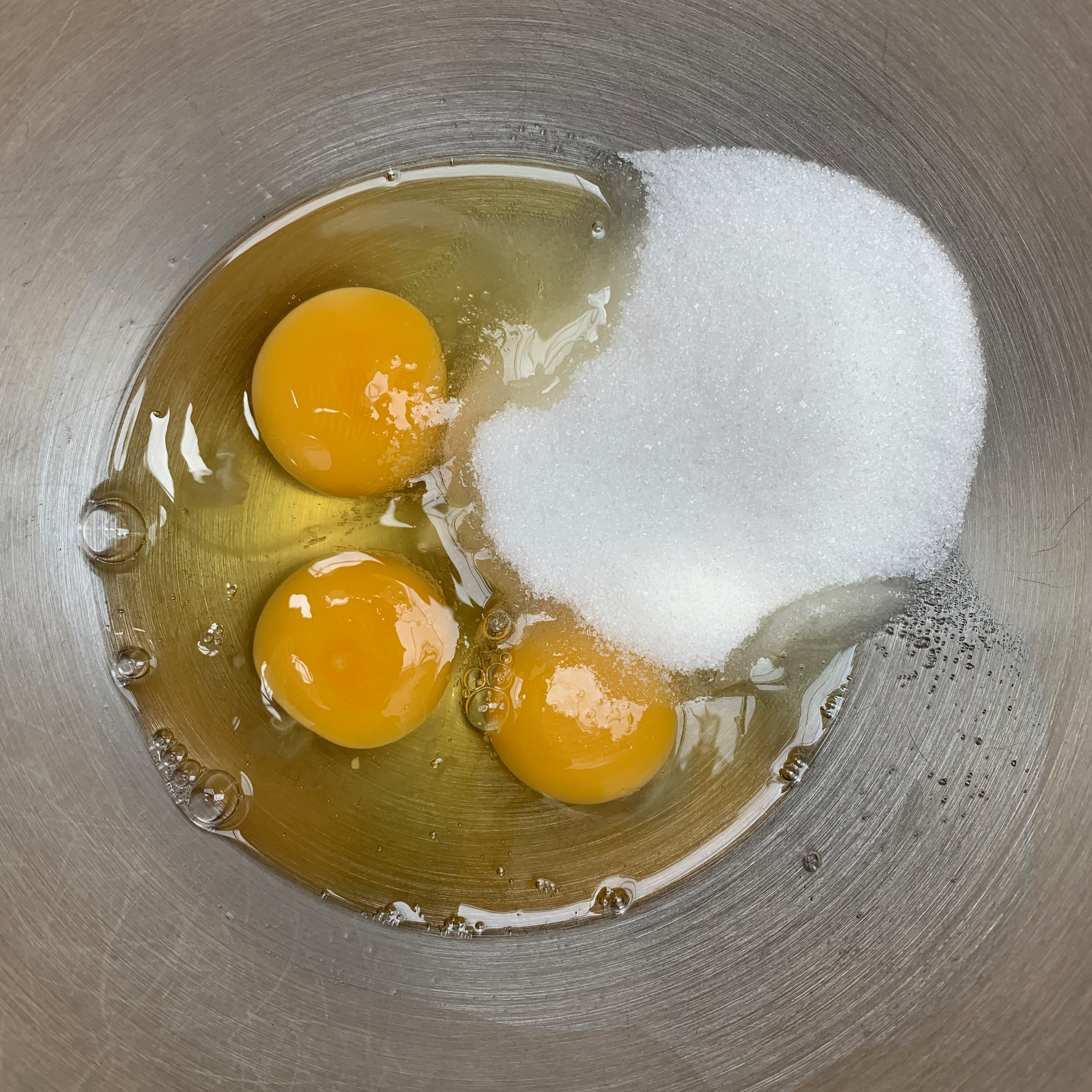
  6. Put the eggs and 100g of granulated sugar into the bowl of your stand mixer and mix at high speed until well blended.
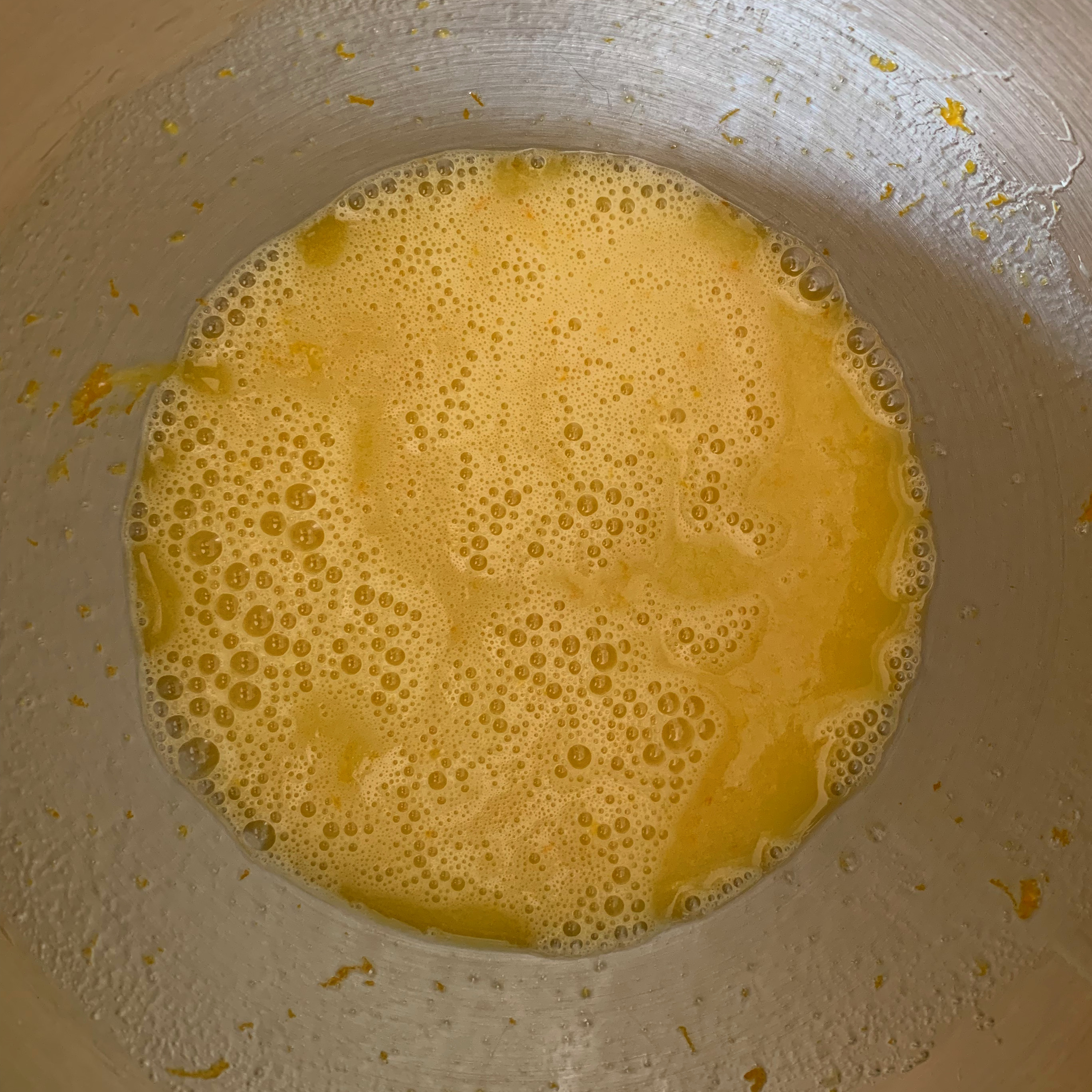
  7. Add the orange zest and 100g of the orange juice and mix until well blended.
  8. Add the oil and mix until well blended.
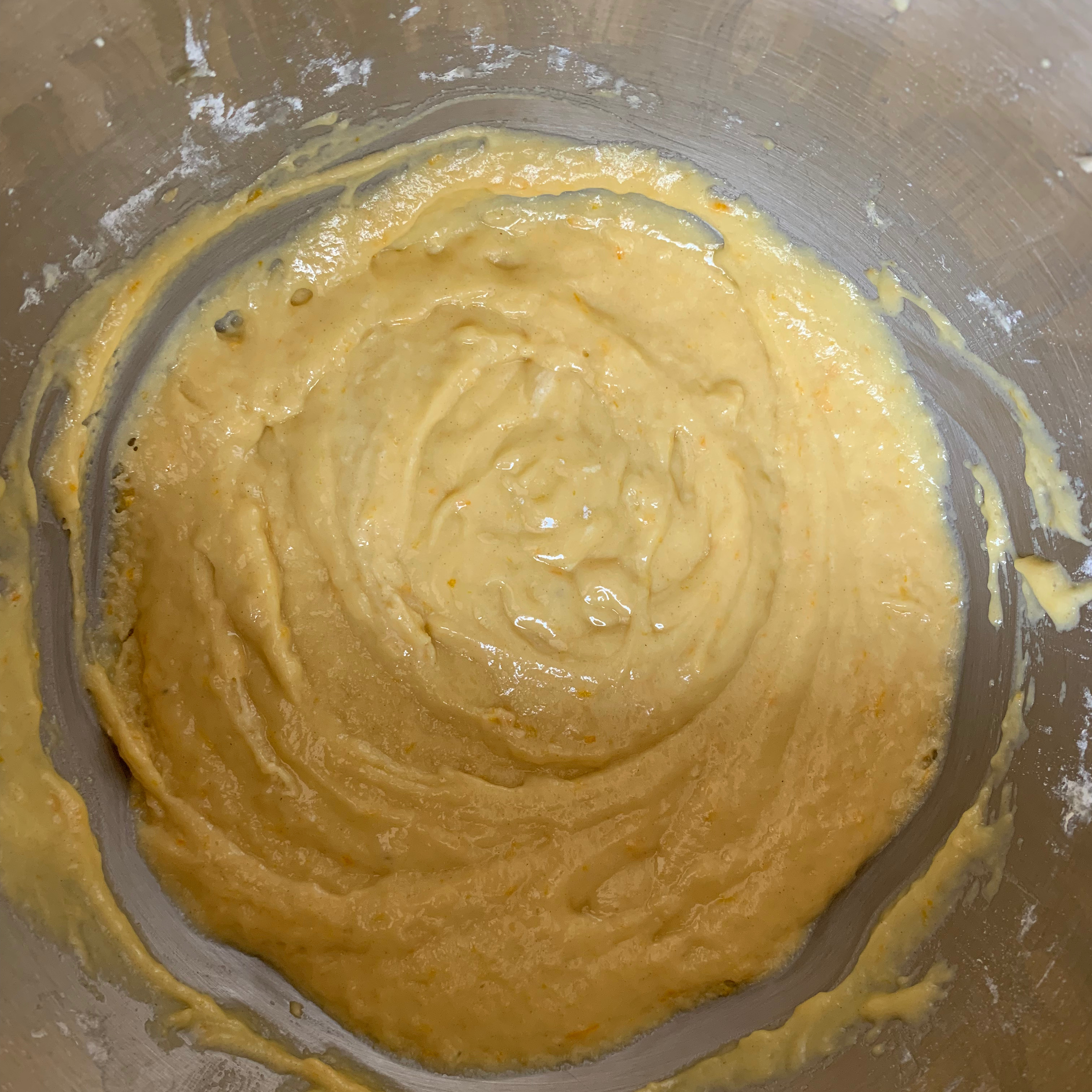
  9. Add the flour and baking powder and mix until you have a smooth batter.
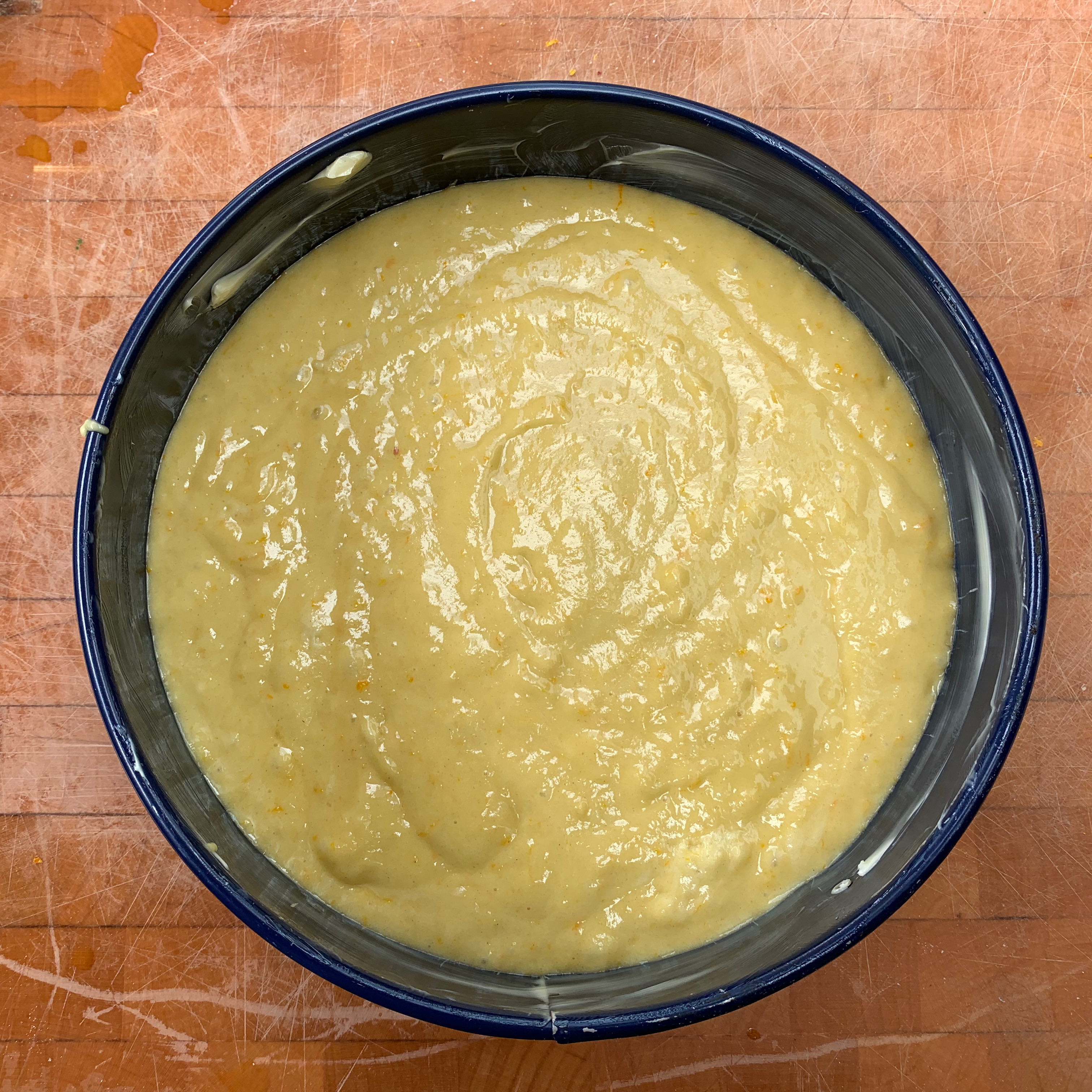
  10. Pour the batter into your tin. Arrange the orange slices over the top, pressing each slightly in so that it’s level with the batter.
  11. Put your tin into the oven and bake for around 30-35 minutes until a skewer comes out clean.
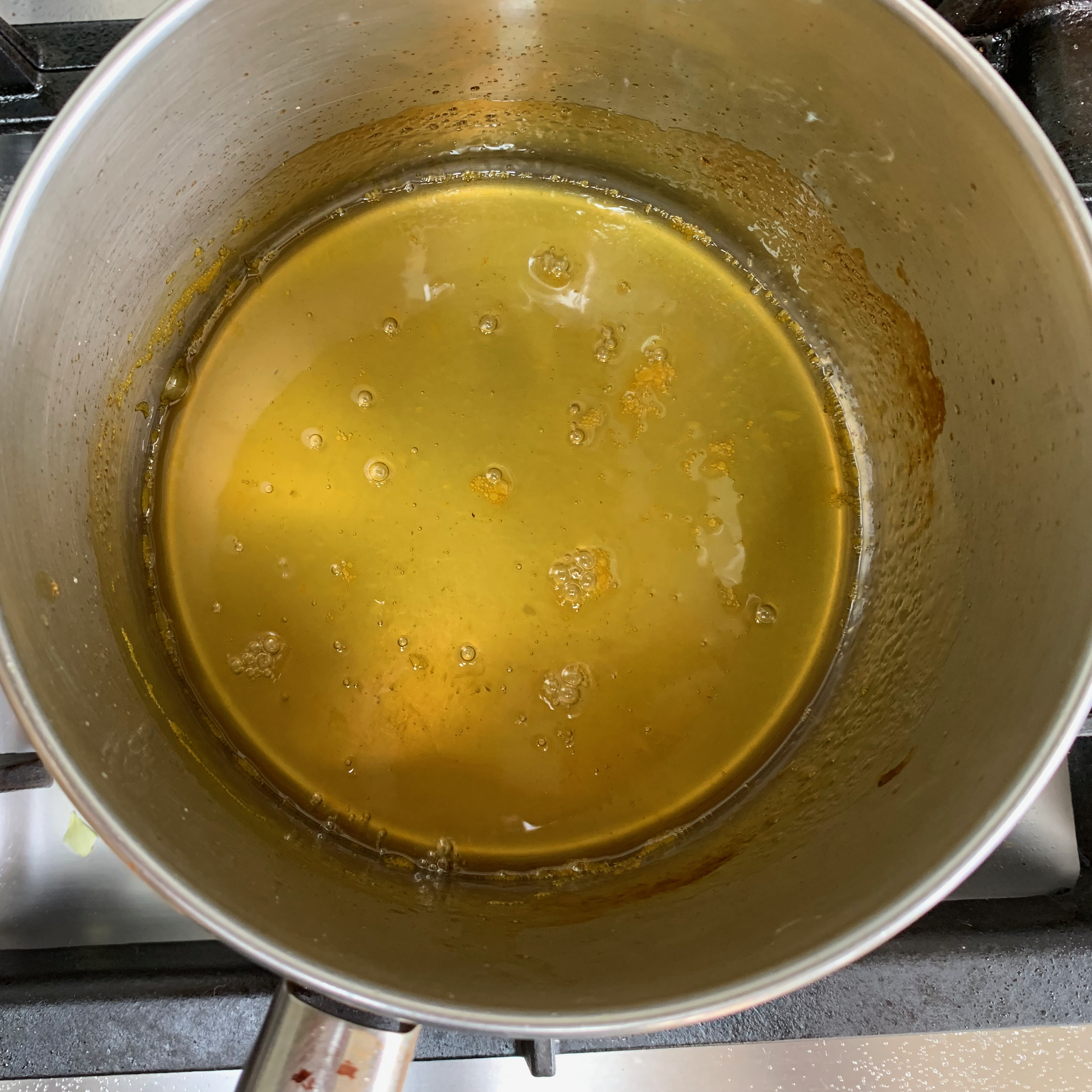
  12. Meanwhile, make a syrup: put your remaining 50g of sugar and 100ml (approximately) of orange juice into a saucepan, bring to the boil, stirring frequently.
  13.  Cook until the syrup is thick (if you’re using a sugar thermometer, aim for around 105℃).
  14. When the cake is done, leave it to cool for a couple of minutes, then drizzle the syrup you should try to get the rest absorbed into the cake.
  15. Take off the outside of the springform tin and then cool the cake on a rack.

Tunisians would accompany this with black coffee. Personally, I’d go for both black coffee and a scoop of pistachio ice cream. But the choice is yours…

Around the world in 80 bakes, no.54: Basler Kirschenbrottorte from Switzerland

Around the world in 80 bakes, no.54: Basler Kirschenbrottorte from Switzerland

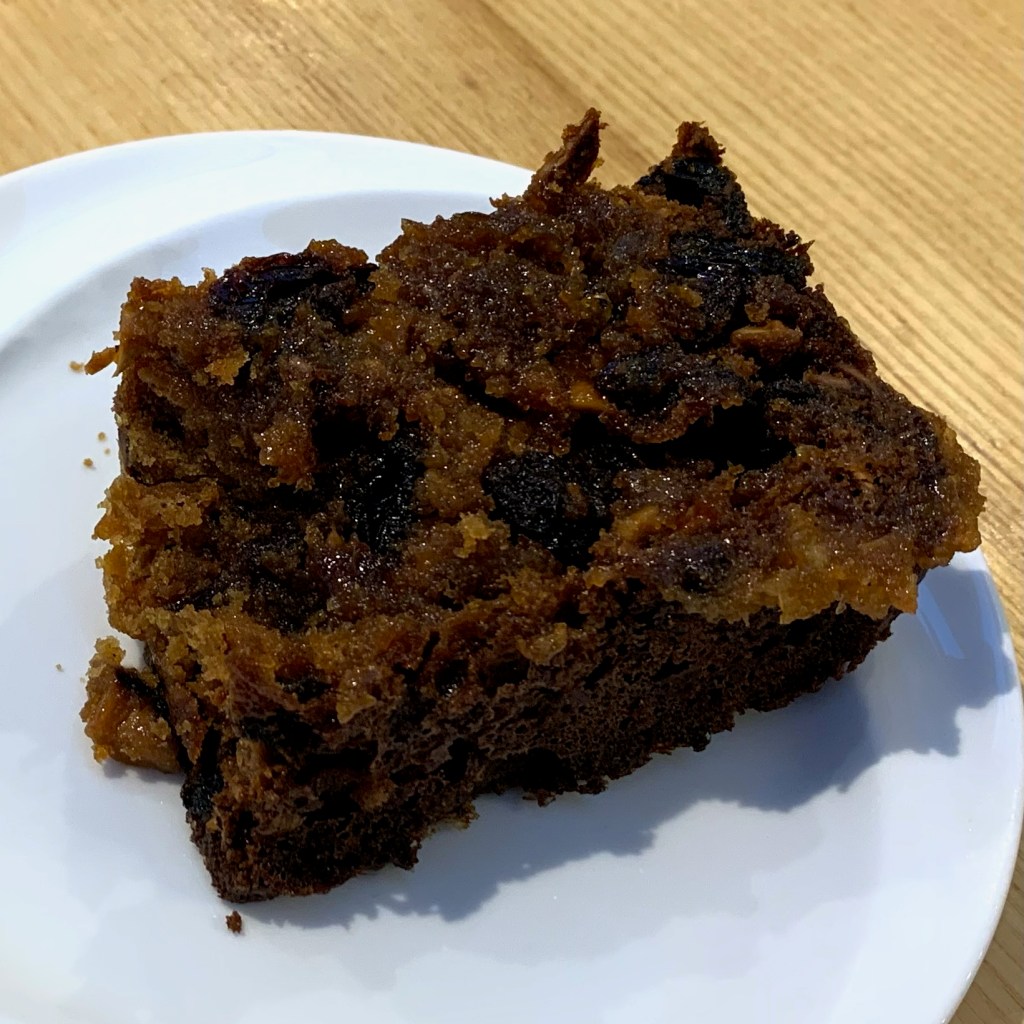
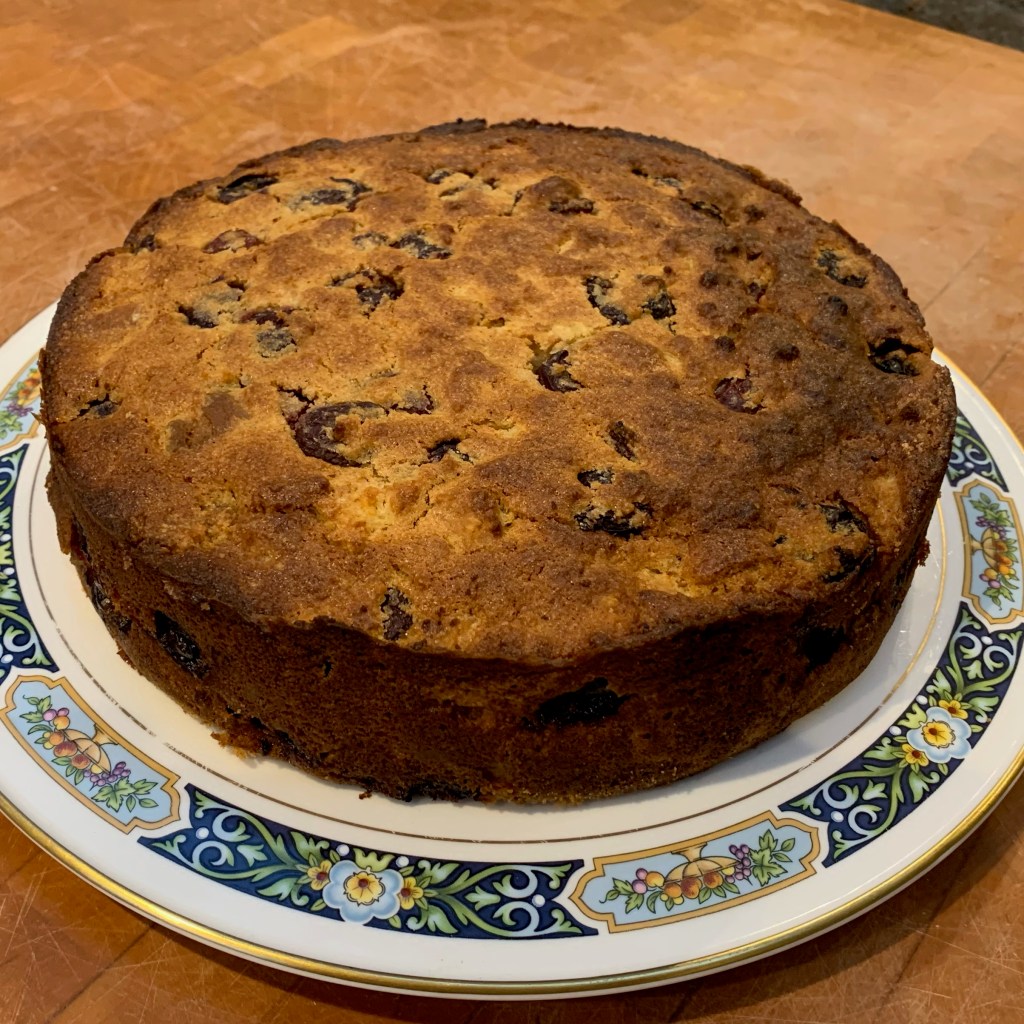
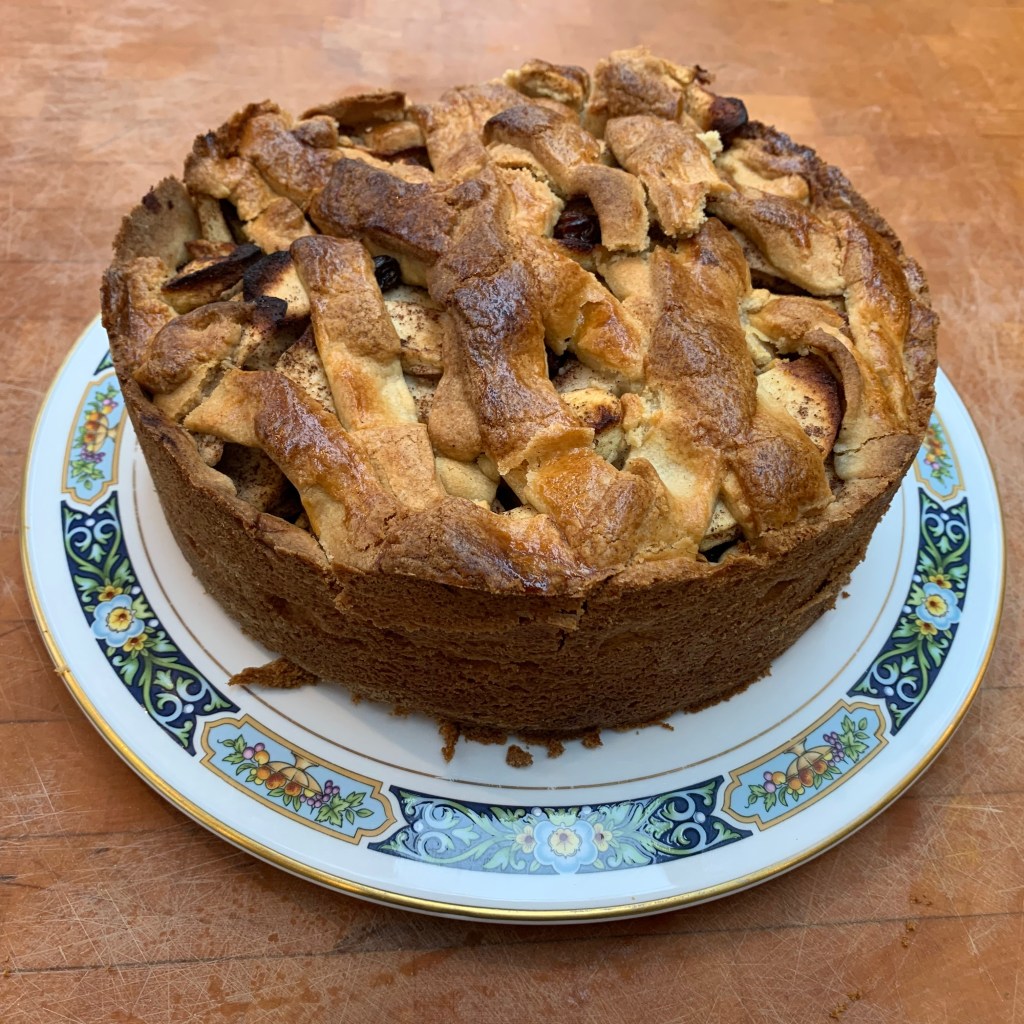
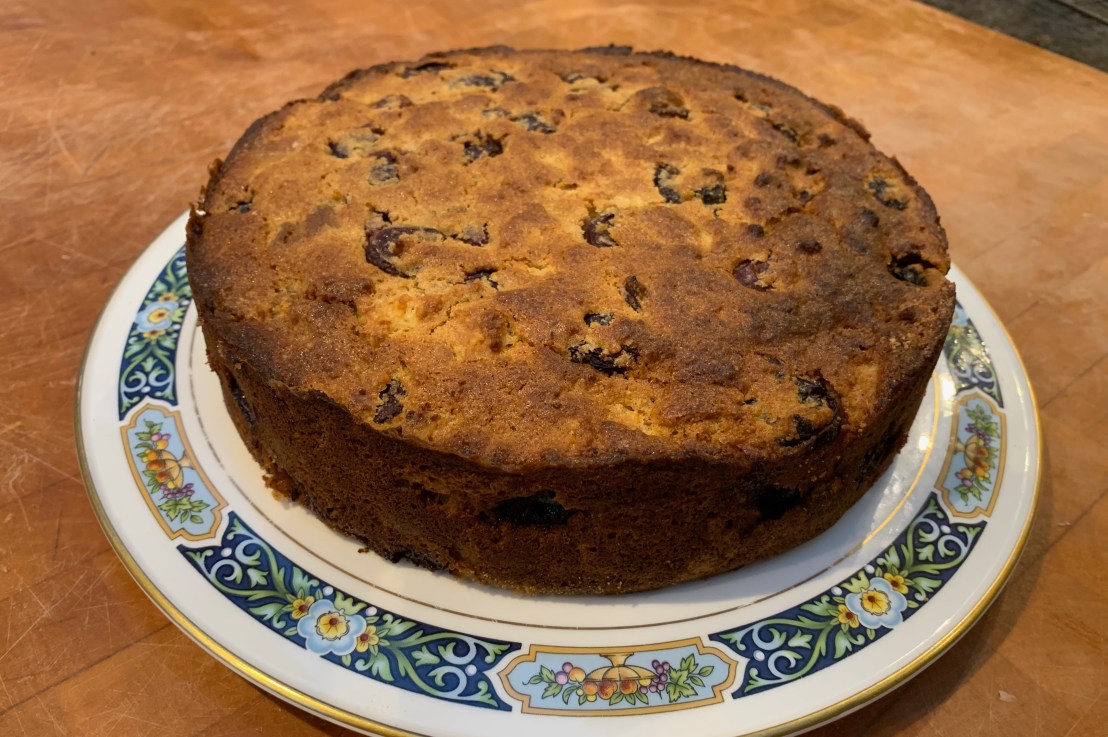
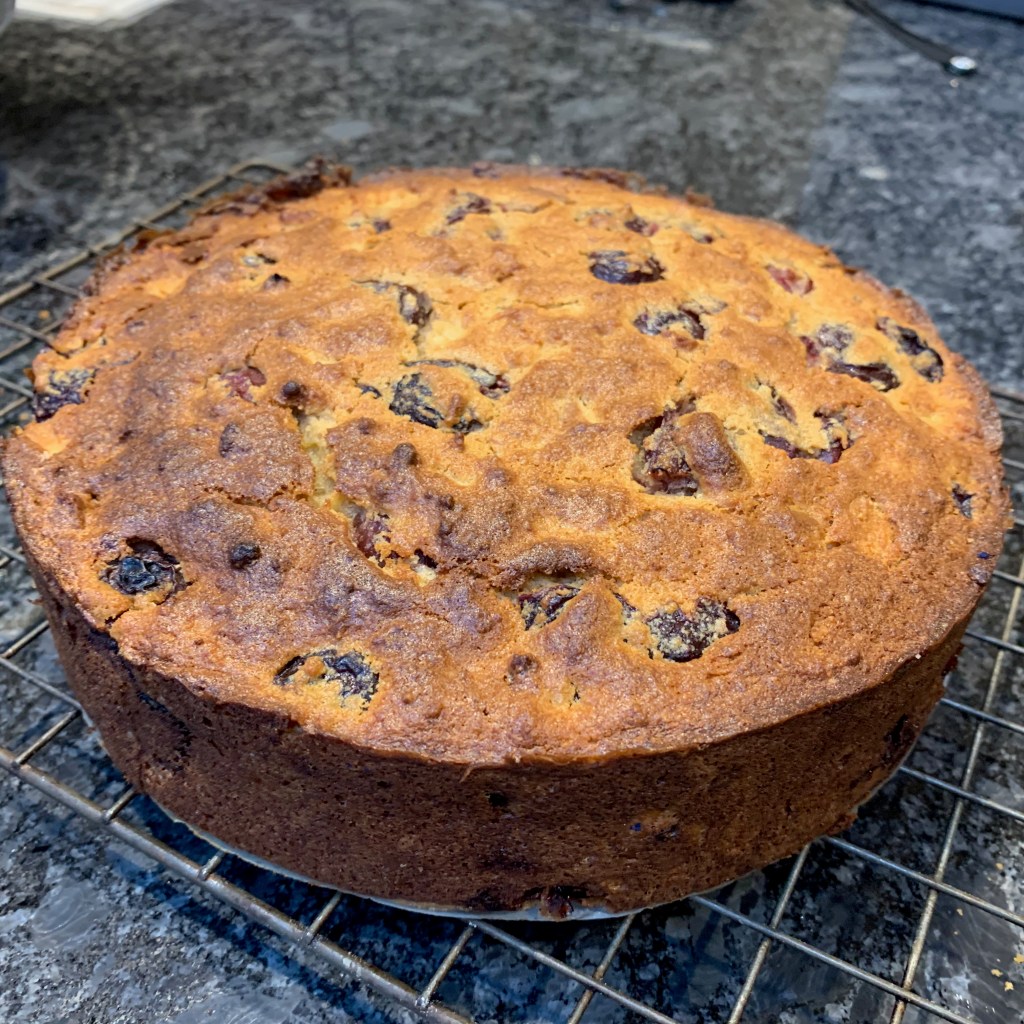
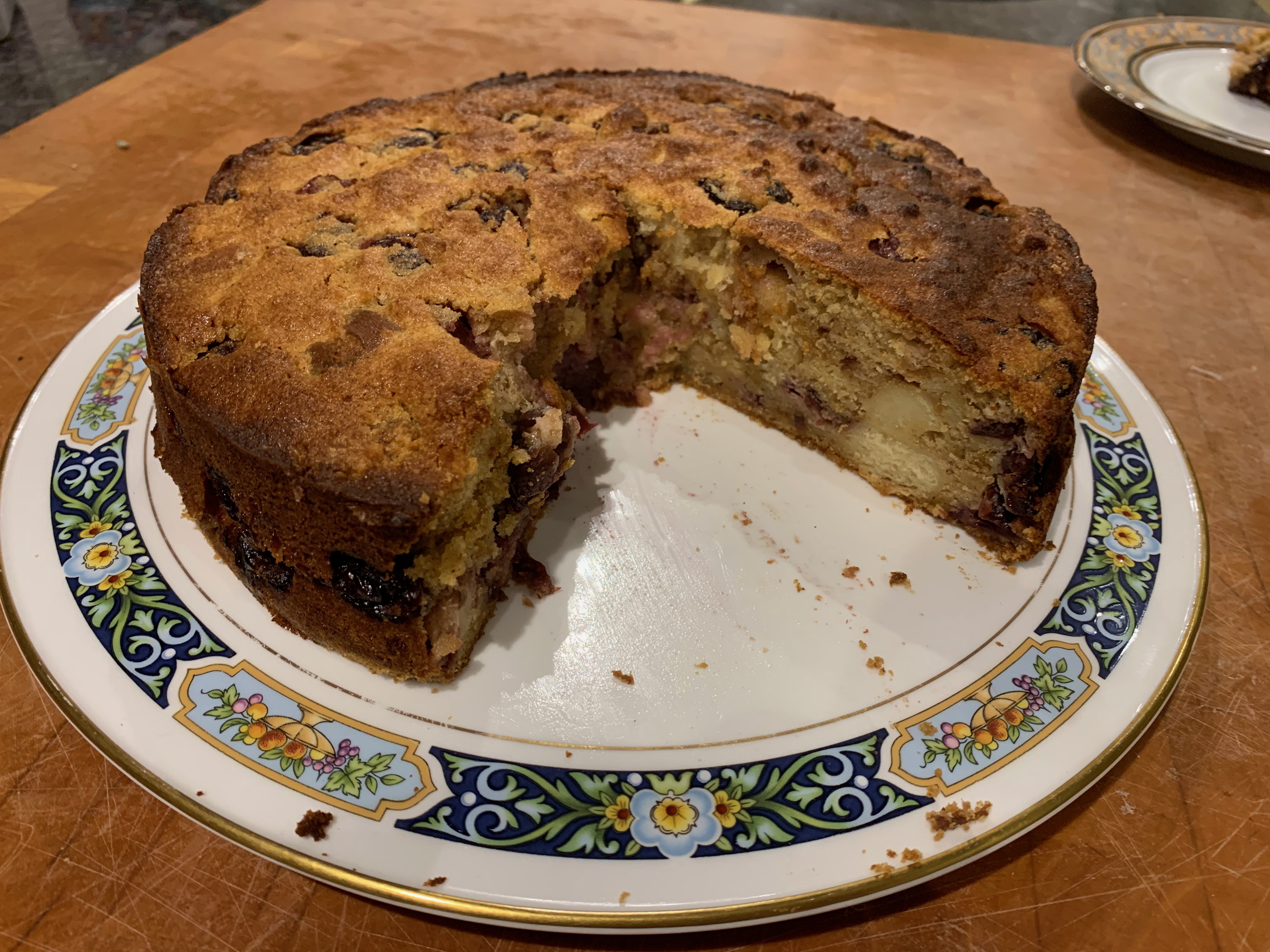
The German (or, in this case, Swiss-German) habit of running nouns together does sometimes lead you to a recipe that does exactly what it says on the tin: Basler Kirschenbrottorte (cherry-bread-cake from Basel) is, er, a cake whose two main ingredients are bread and cherries. And which comes from the city on the triple border between Switzerland, France and Germany. It’s surprisingly light for something which is not so far from a bread pudding, it’s fruity, cinnamon infused and bursts with flavour. This recipe comes from the food blog Helvetic Kitchen, where it’s accompanied by a nice family story to go with. I’ve halved the quantities.

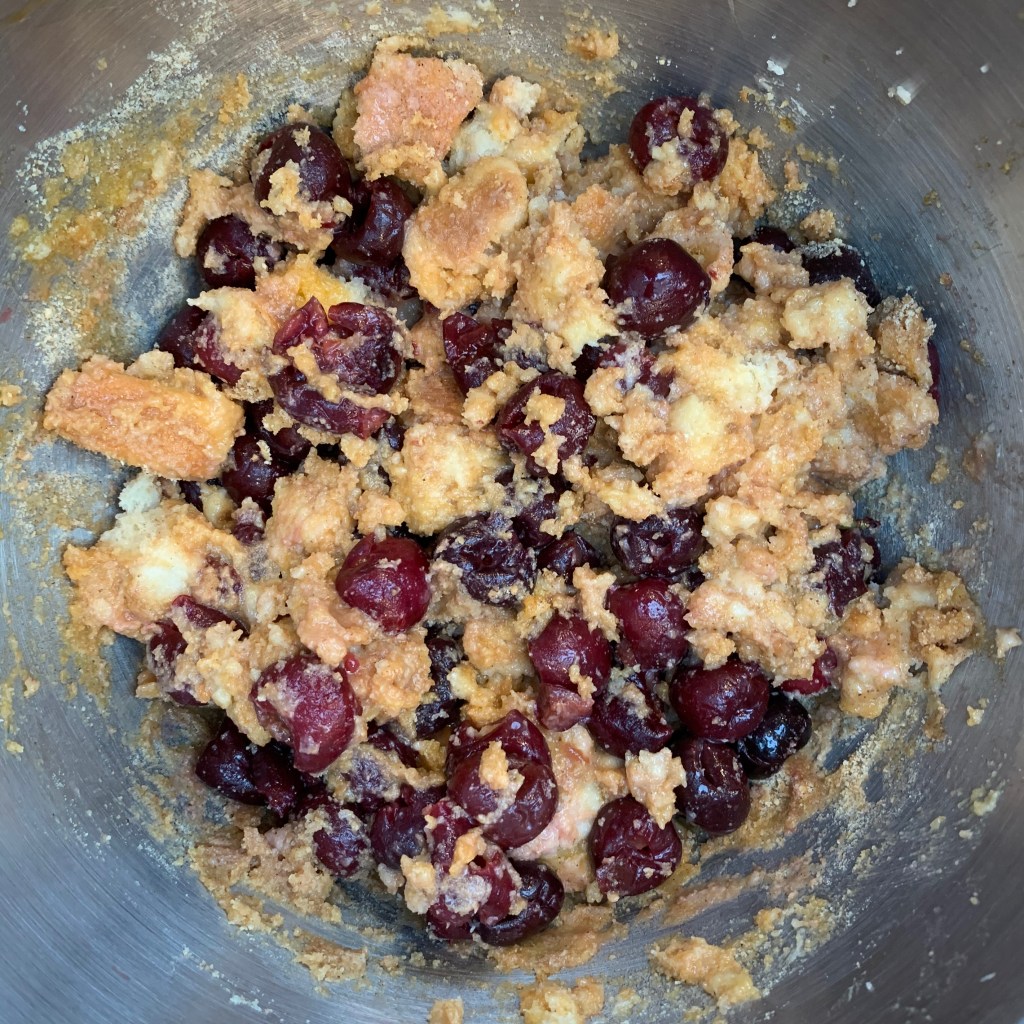
To state the bleeding obvious, it isn’t cherry season in London right now, so I’ve gone for a 500g pack of frozen black cherries. This seemed to do the job OK, with the advantage that the cherries arrive already stoned, albeit with care needed to ensure that they were properly defrosted and with most of the surplus water dried off. However, I’m going to suggest that if you have fresh cherries growing anywhere near you, the way to go is definitely going to be to make this in season.

Warning: this recipe uses a lot of bowls. I can’t see an obvious way around this.

  • 500g cherries
  • 250 g leftover bread (in my case, this was the last of my Antiguan Sunday Bread)
  • 200 ml milk
  • vanilla paste or extract to taste
  • 100 g biscuit crumbs – I used Digestive biscuits; in the US, one would probably go for Graham Crackers.
  • 60 g butter
  • 100 g sugar
  • 3 large eggs (around 200g total)
  • pinch of salt
  • 50 g ground almonds
  • 10 g flour
  • 1 tsp baking powder
  • 1 tsp cinnamon
  • kirsch or fruit schnapps to taste
  1. If using frozen cherries, defrost them.
  2. Preheat oven to 180℃.
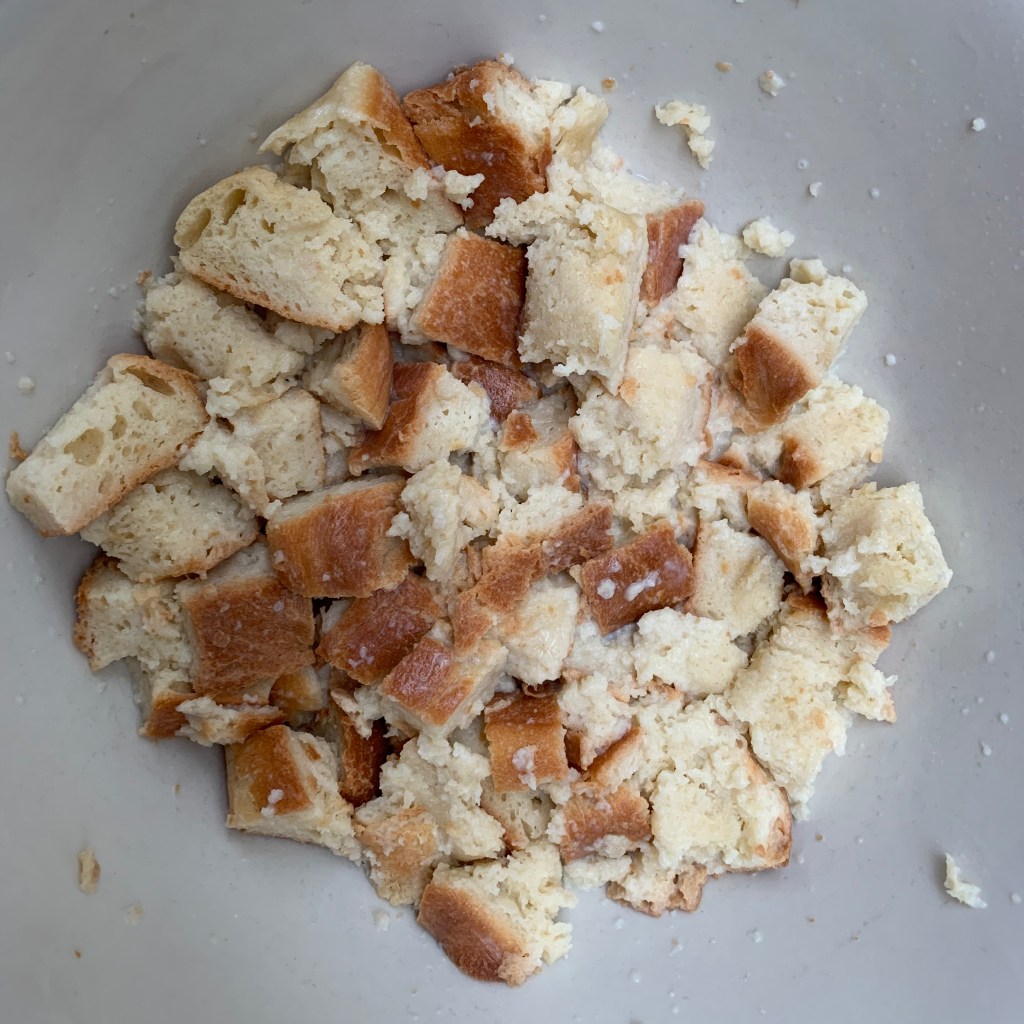
  3. Cut the bread into 1 cm cubes and put in a bowl.
  4. Put the milk and vanilla into a saucepan and scald until very warm (80-90℃). Take off the heat and pour into a bowl to cool.
  5. Remove the stones from the cherries, if this hasn’t been done for you already
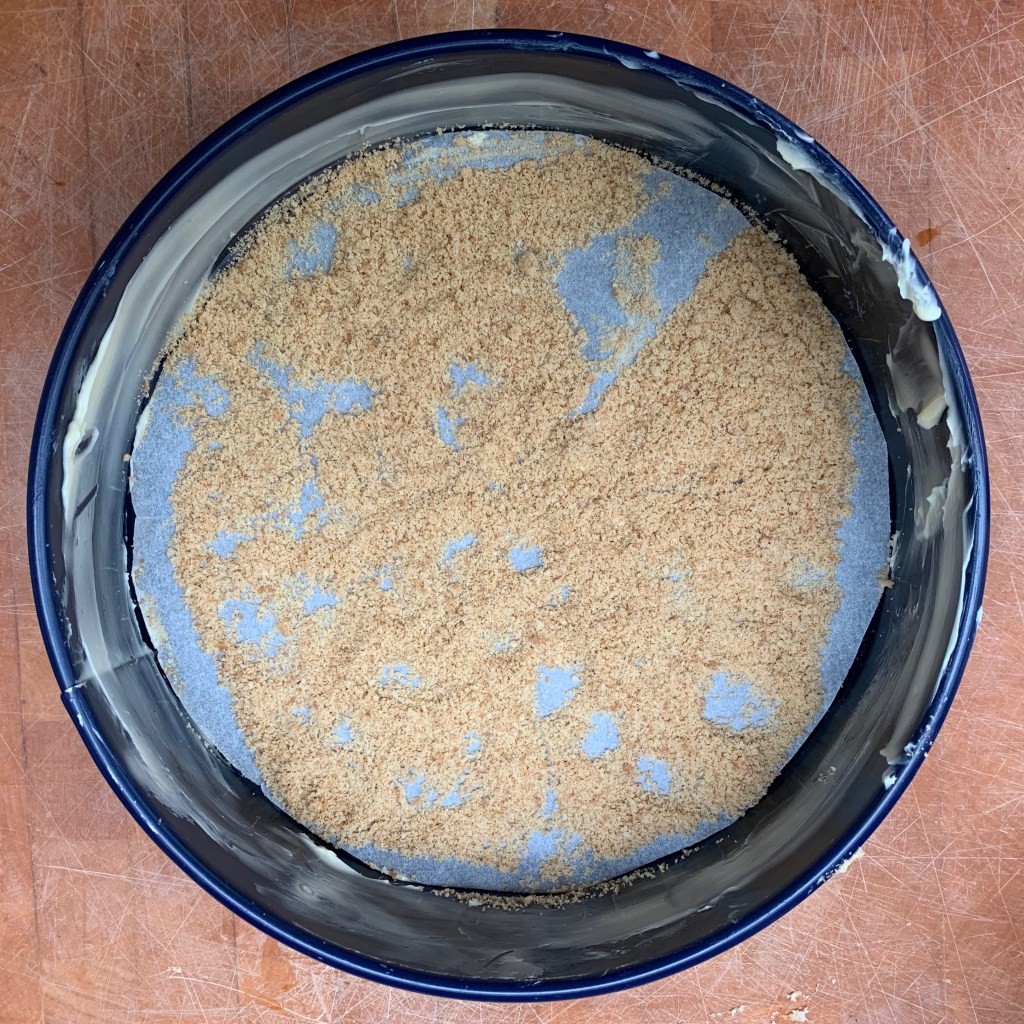
  6. Prepare a 20cm springform tin: line the bottom with baking paper, grease the sides generously with butter. 
  7. Once the milk is at room temperature, pour it over the bread and squeeze it down so that all the bread has soaked up some milk.
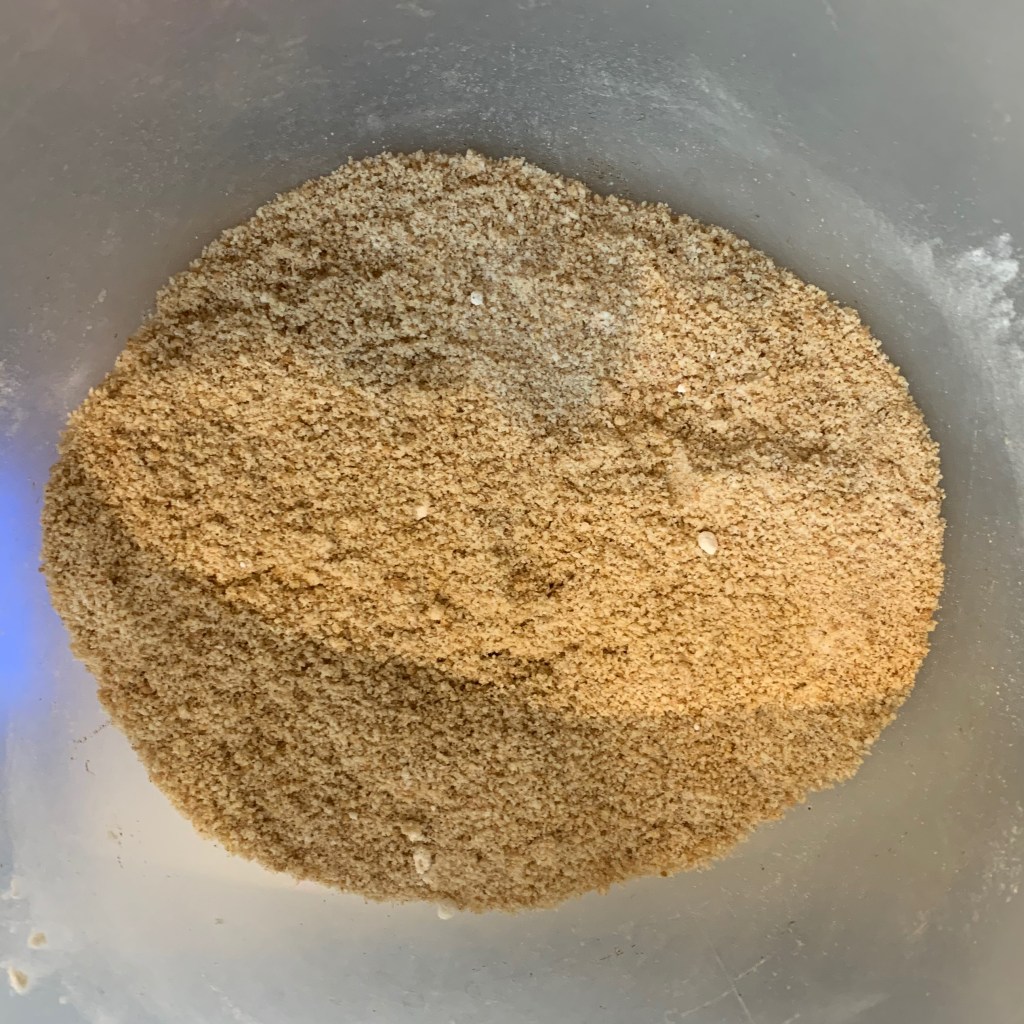
  8. Blitz your biscuits to a powder. Take about half the crumbs and spread them evenly over the base of the tin.
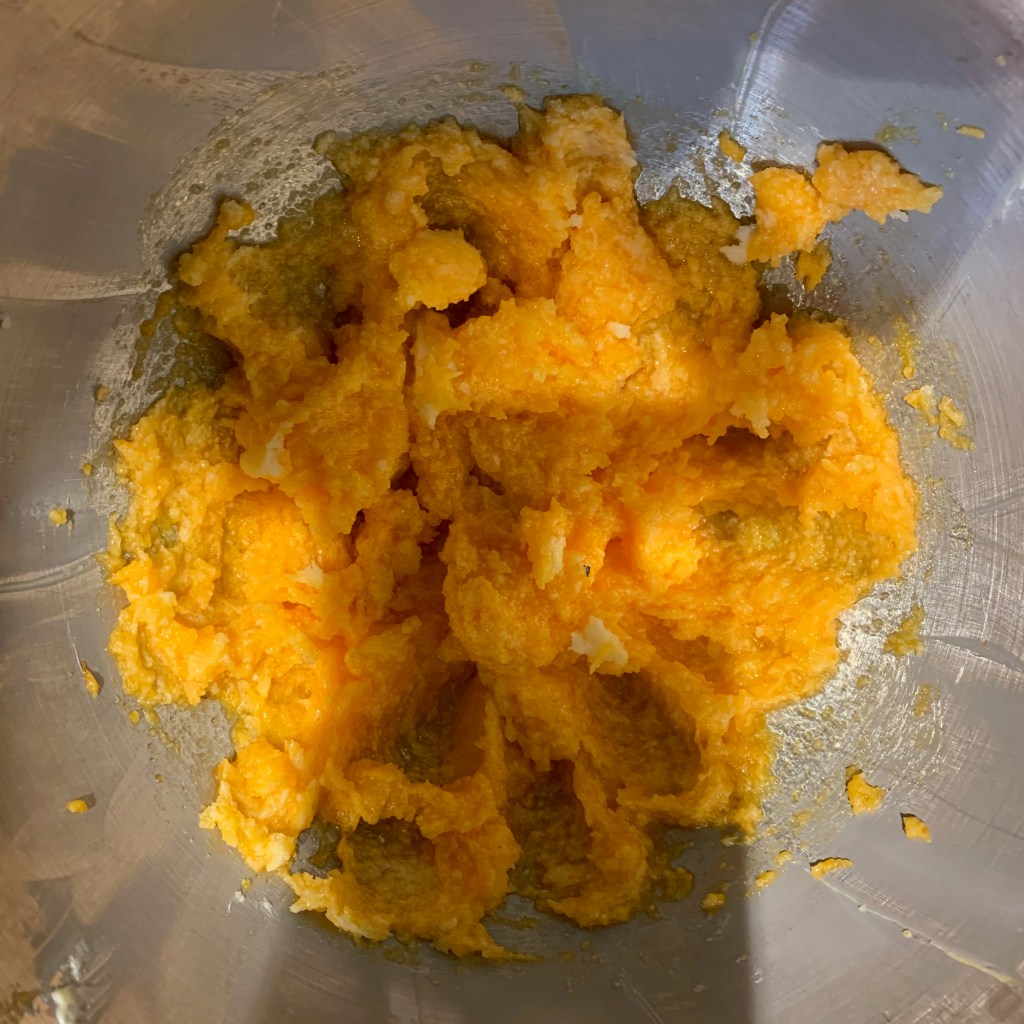
  9. Cream the butter and sugar together.
  10. Separate the eggs, pouring the whites into a bowl of your stand mixer, and the yolks into the butter-sugar mixture.
  11. In yet another bowl, mix the remaining biscuit crumbs, ground almonds, flour, cinnamon and salt; stir until blended evenly.
  12. Add the bread mixture into the butter-sugar mixture and mix.
  13. Add in the flour mixture and mix until everything is very even.
  14. Add the cherries and kirsch and mix.
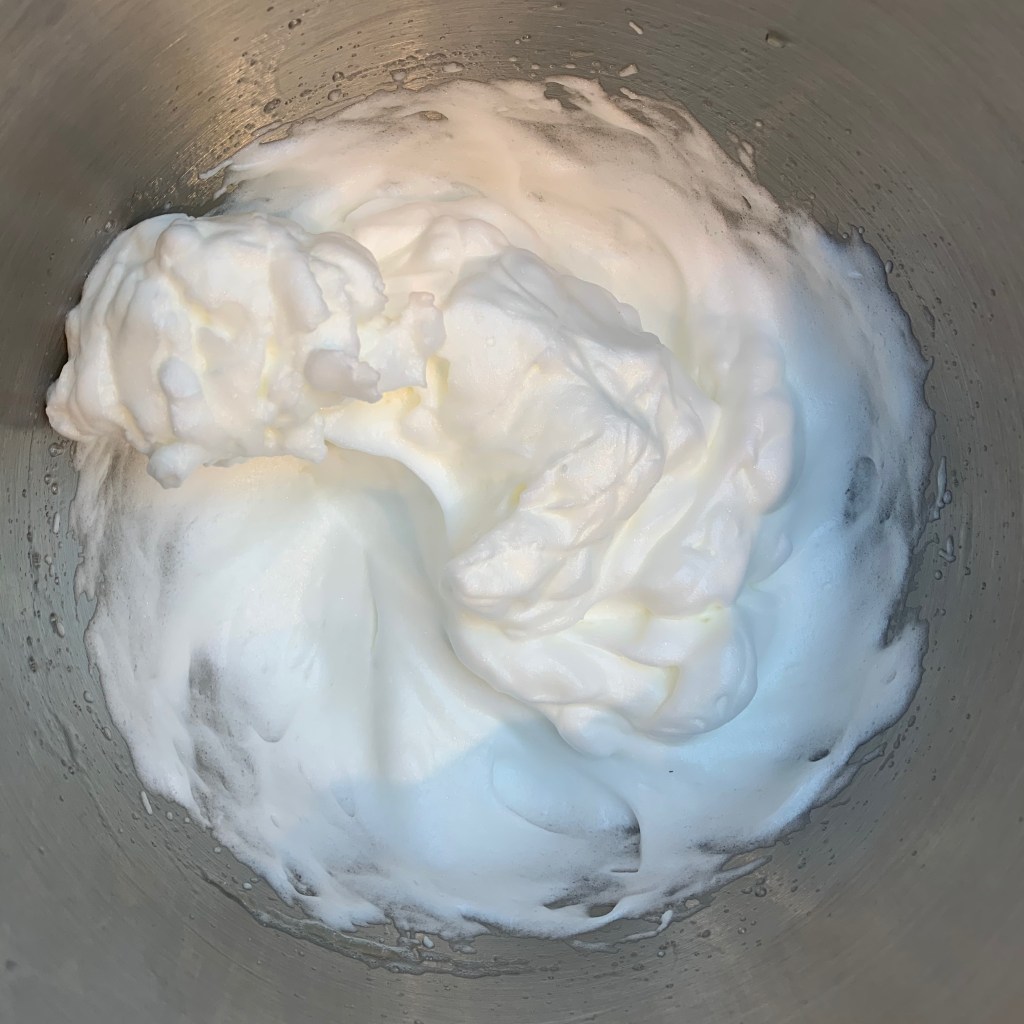
  15. Beat the egg whites until stiff and fold in.
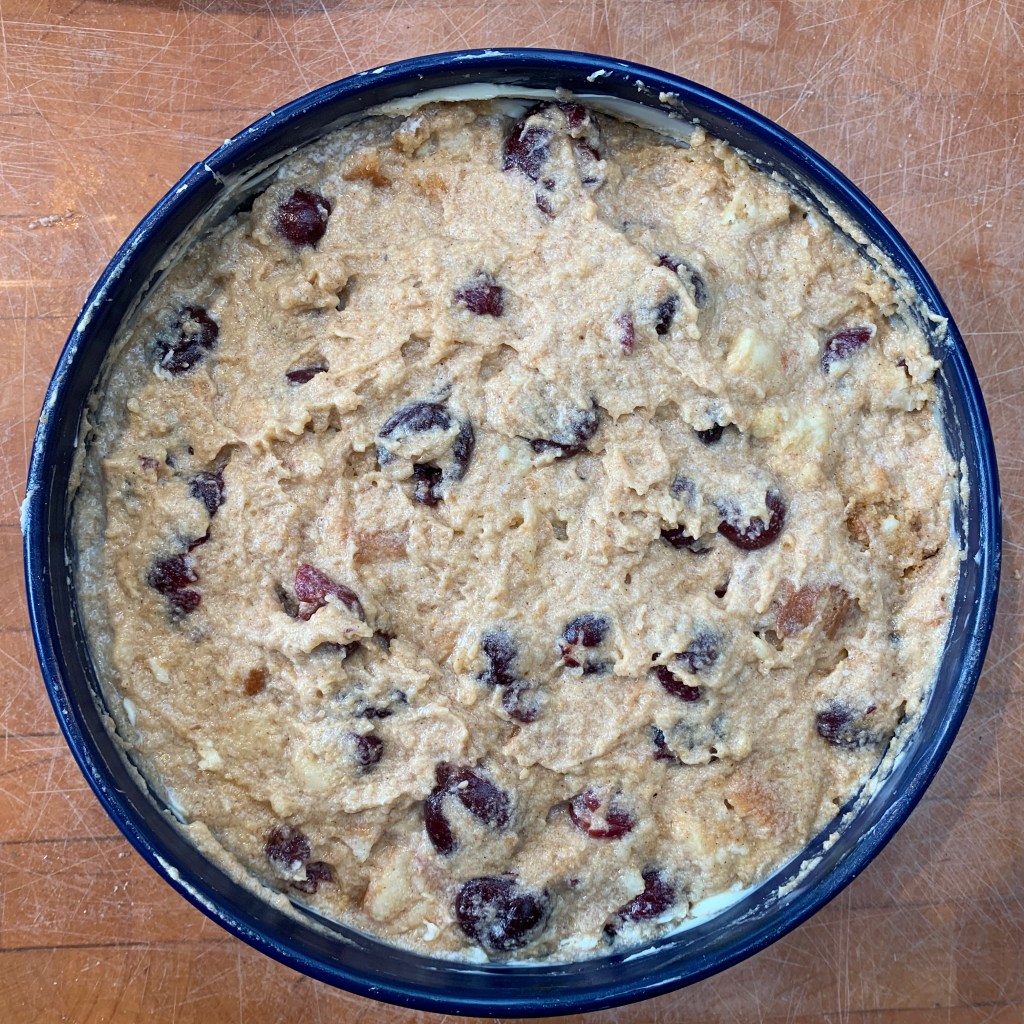
  16. Pour the cake mix into your tin and bake for 40-45 minutes. If the cake looks like browning too far before the middle is cooked, cover it with foil for the last 5-10 minutes.
  17. Remove and cool on a rack.
Around the world in 80 bakes, no.49: Vaisių pyragas, fruit cake from Lithuania

Around the world in 80 bakes, no.49: Vaisių pyragas, fruit cake from Lithuania

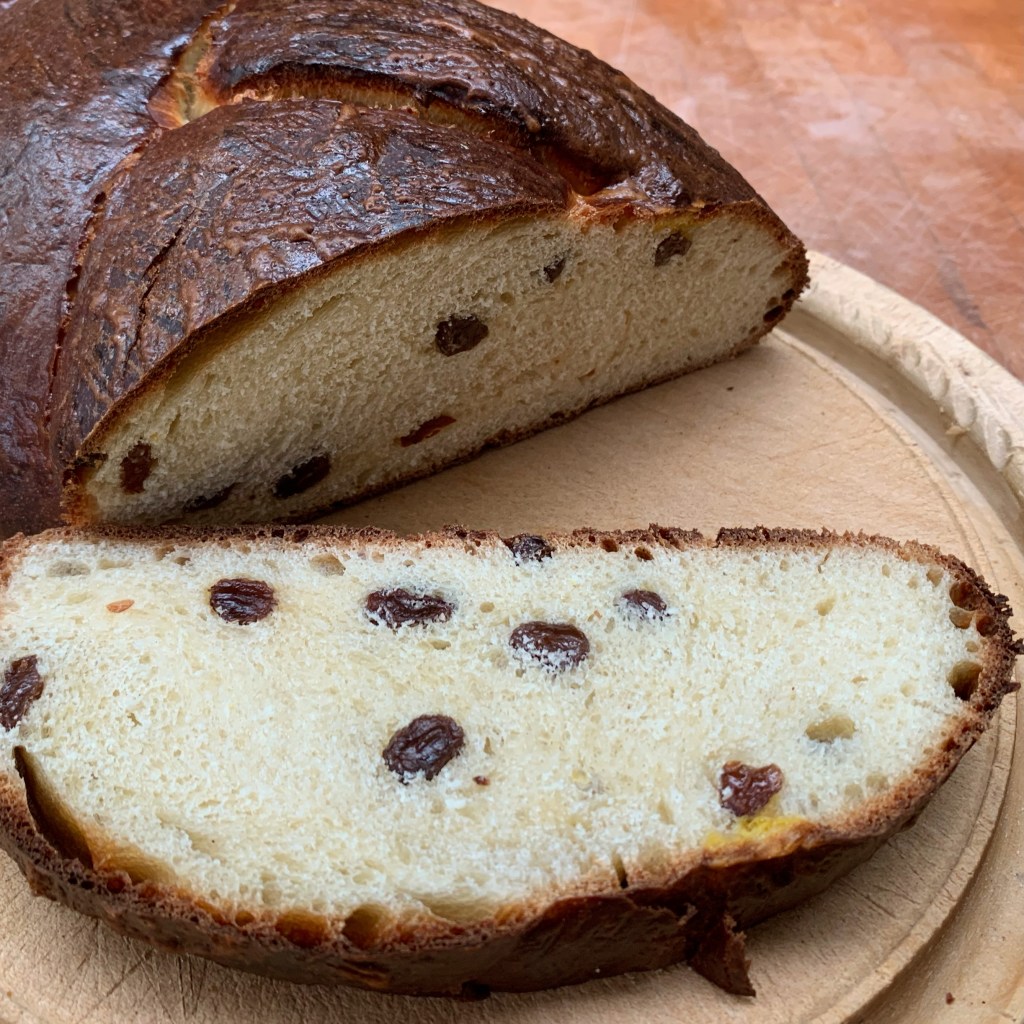
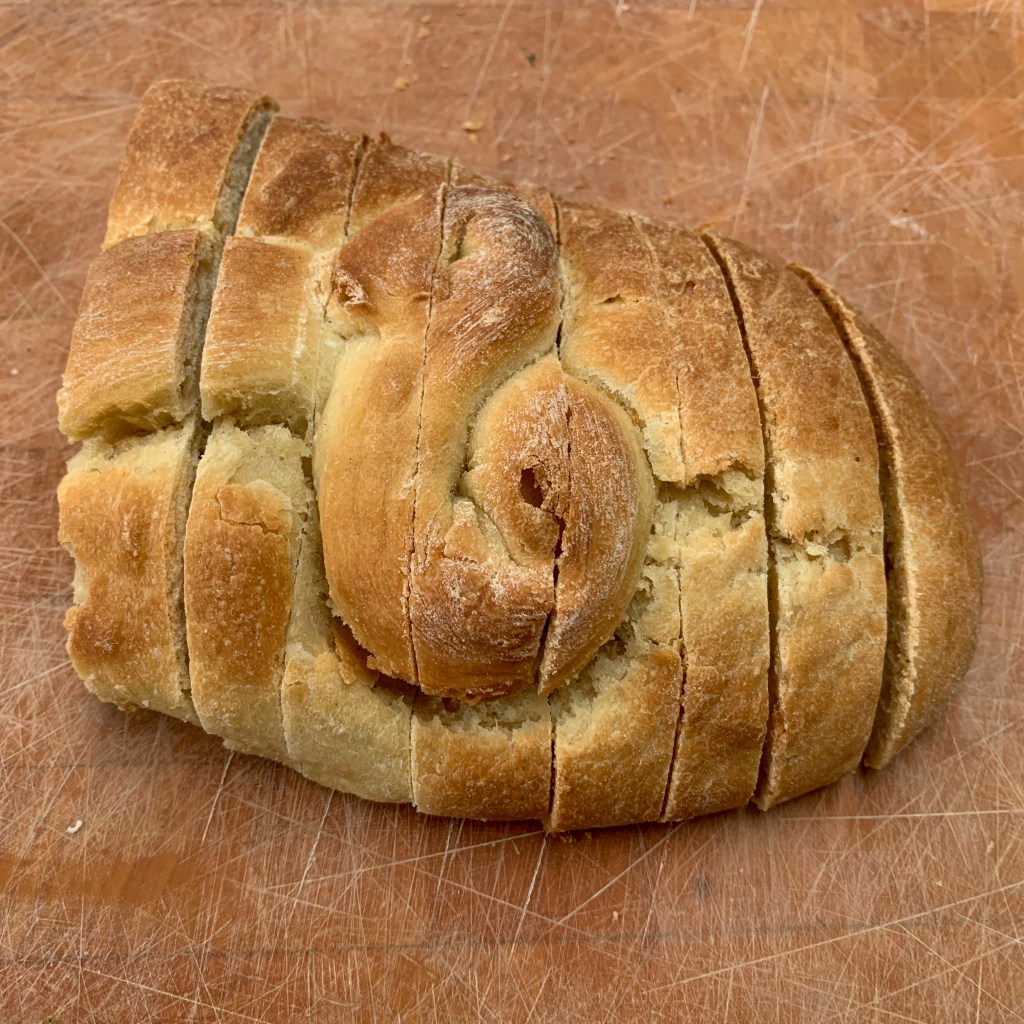
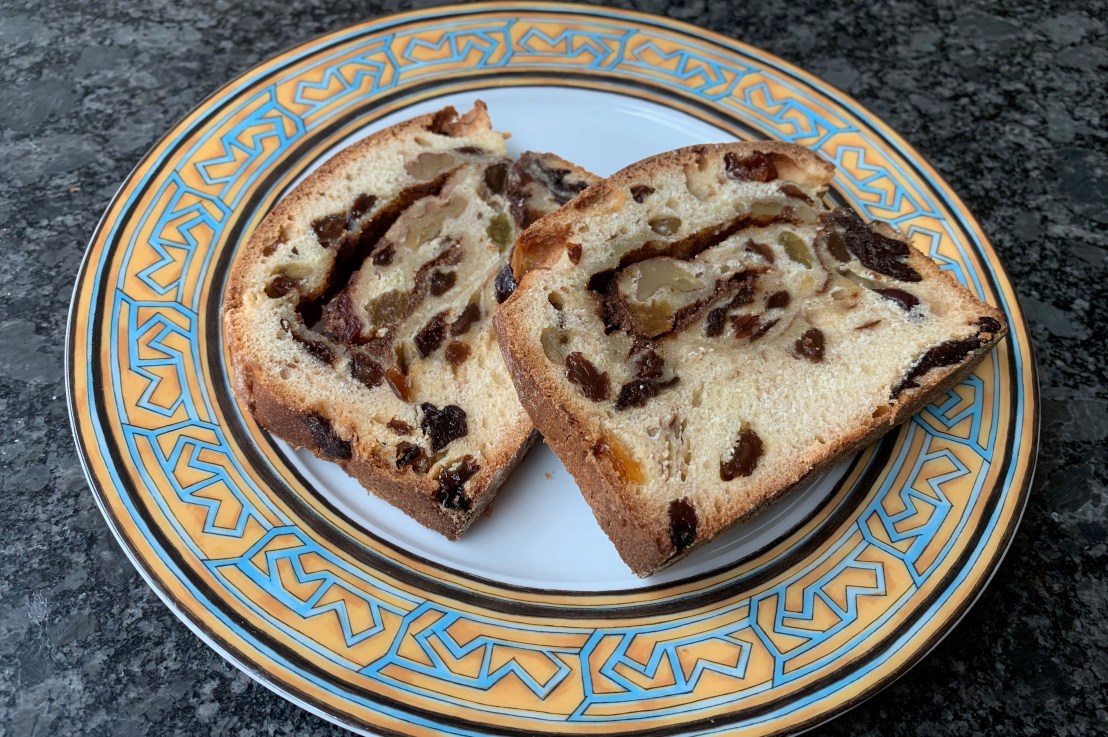
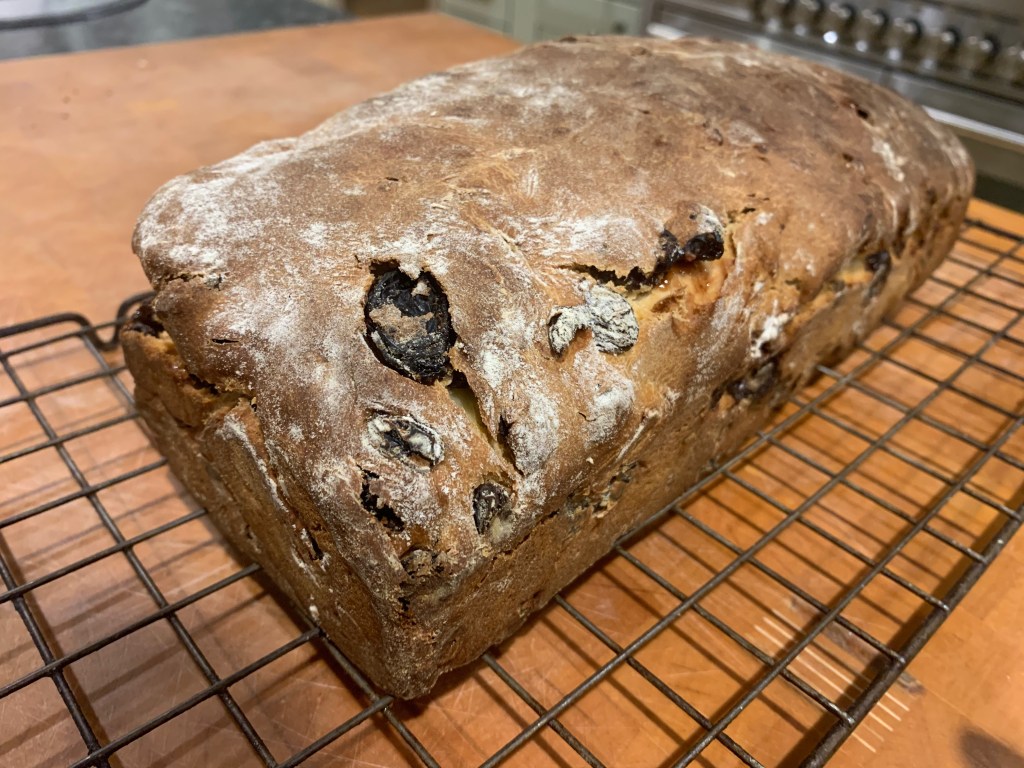
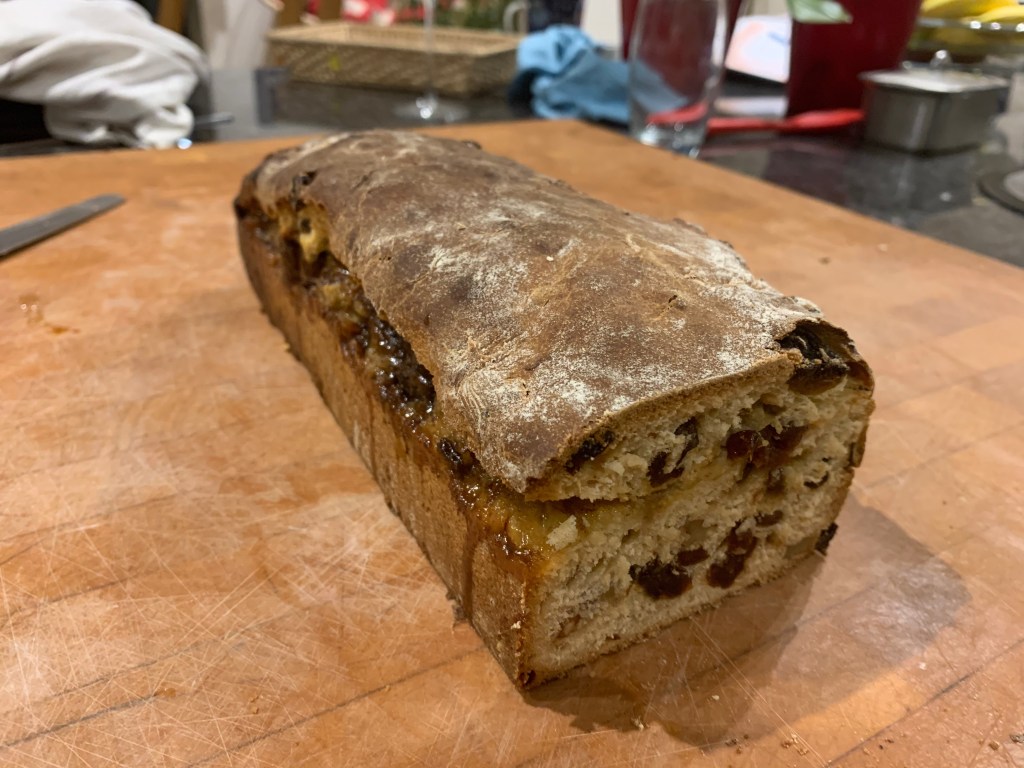
Time for a different kind of bake altogether: a yeasted fruit cake, which is a lovely afternoon snack somewhere between a cake and a bread. This one is from Lithuania and comes to us all via food writer Barbara Rolek: the same recipe seems to surface in lots of different US websites. I first spotted it on The Spruce Eats; I’ve halved and metricised the quantities, as well as tweaking a few things.

The result is a bit like a giant, fruit studded cinnamon bun. It’s great for slicing and storing in the freezer for a ready supply of snacks. The recipe doesn’t need excessive amounts of work, but it needs a lot of elapsed time – there are multiple rises which can each take a couple of hours, depending on the temperature of your kitchen. Start early.

A couple of caveats, especially if you’re looking at the photos:

  • You can use pretty much any dried fruit you like. I couldn’t get glacé cherries, which looked nice in the original recipe. 
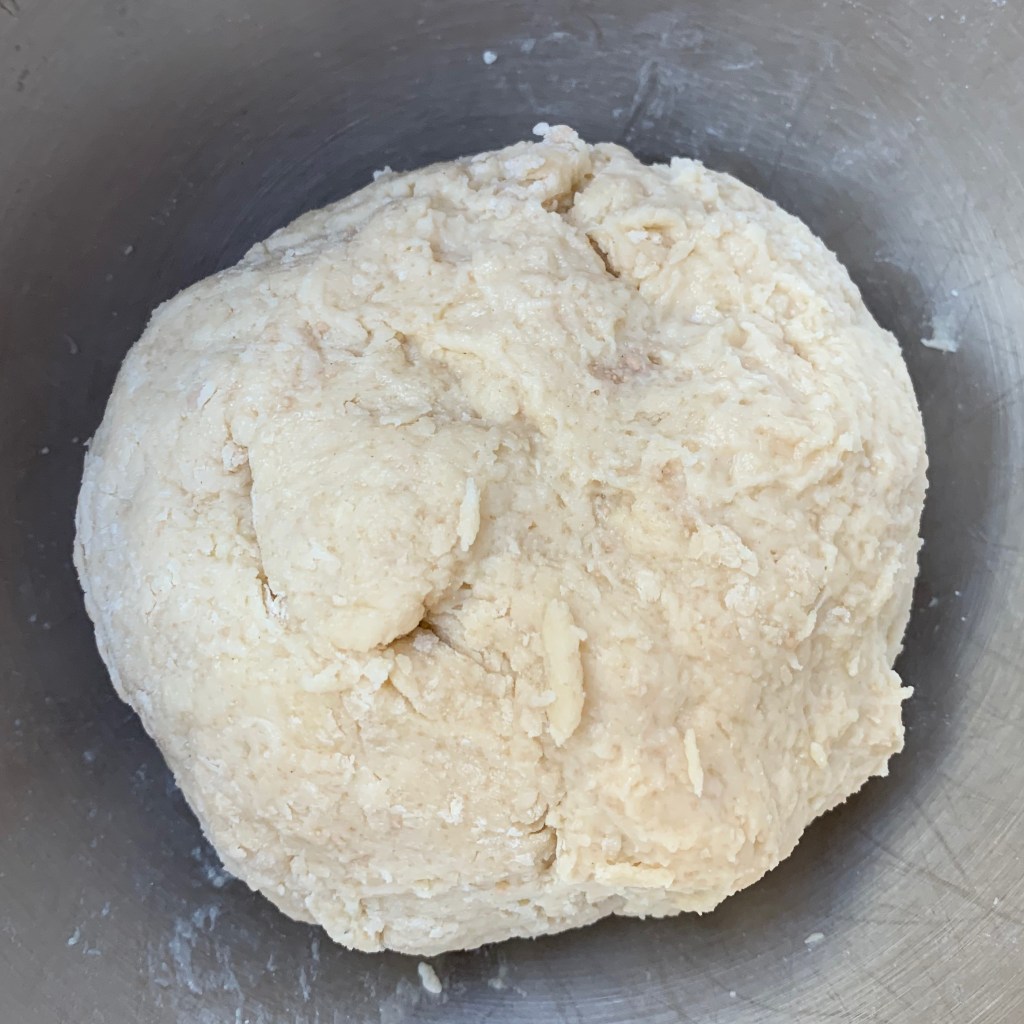
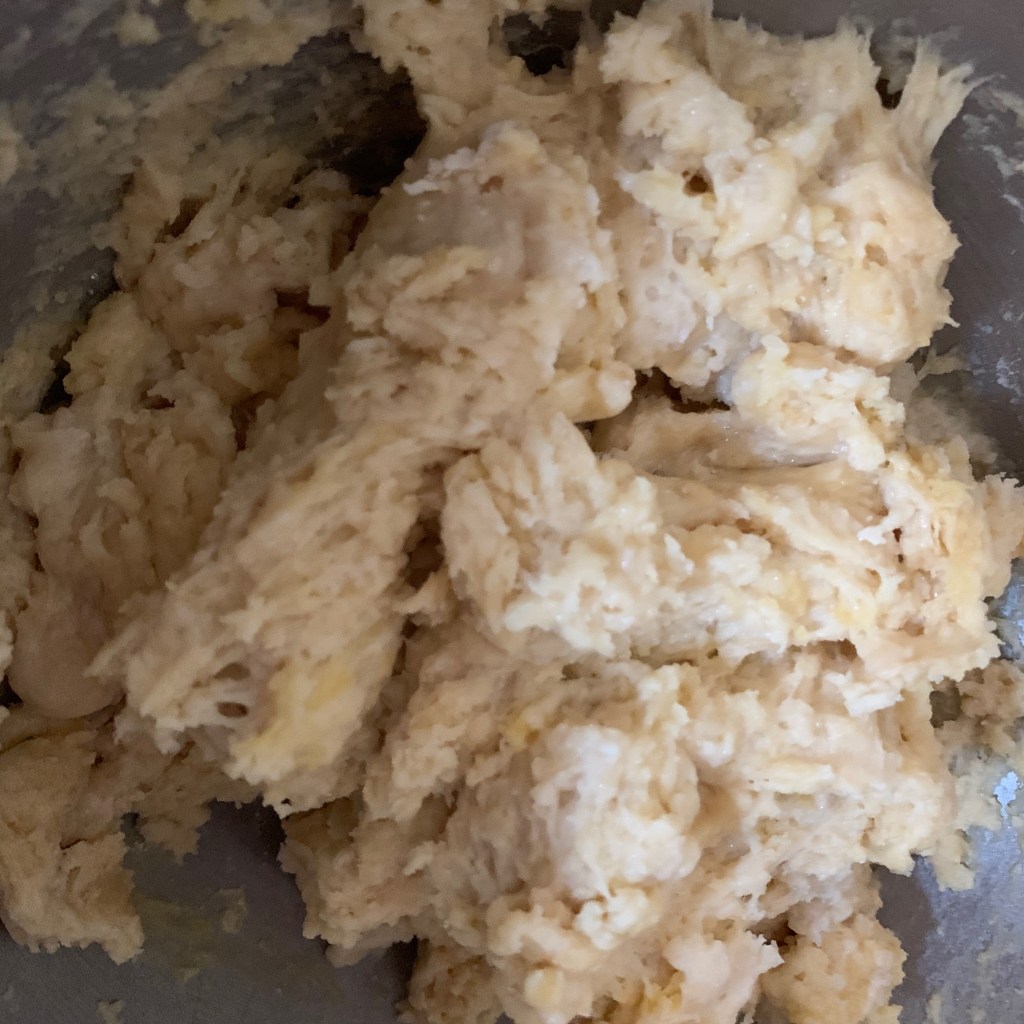
  • The dough on mine came out very stiff indeed, so you may find you want to increase the amount of milk.
  • I used bread flour, which was probably a mistake. I’d stick with plain flour next time.
  • Also next time, I’d probably start by activating the yeast in some warm water (or milk) and sugar. The recipe doesn’t suggest this, but not doing it meant that my dough took an eternity to rise.

The dough

  • 8g yeast
  • 120g sugar
  • 180 ml milk
  • 550g plain flour
  • 4g salt
  • 60g butter
  • 1.5 large eggs
  • 180g mixed fruit
  • 120g raisins
  • 40g walnuts
  • 30 ml rum
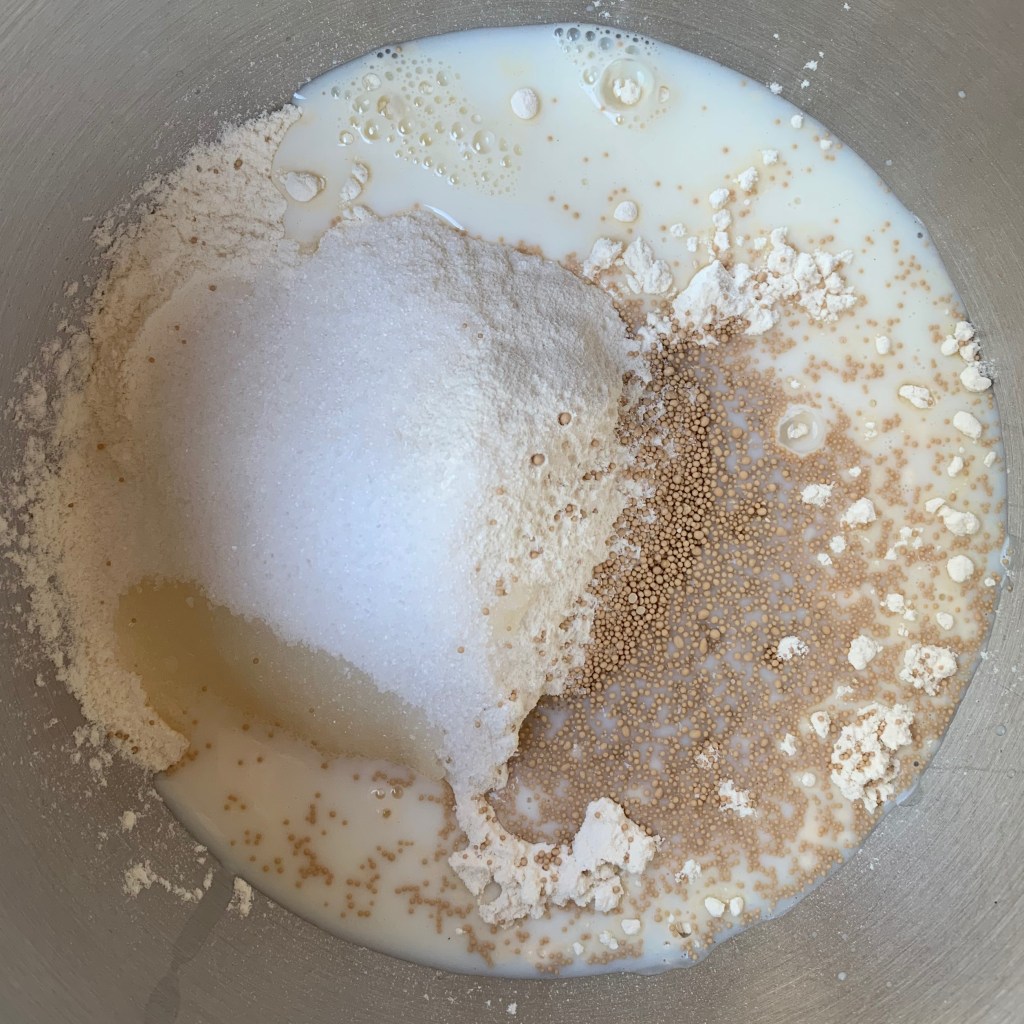
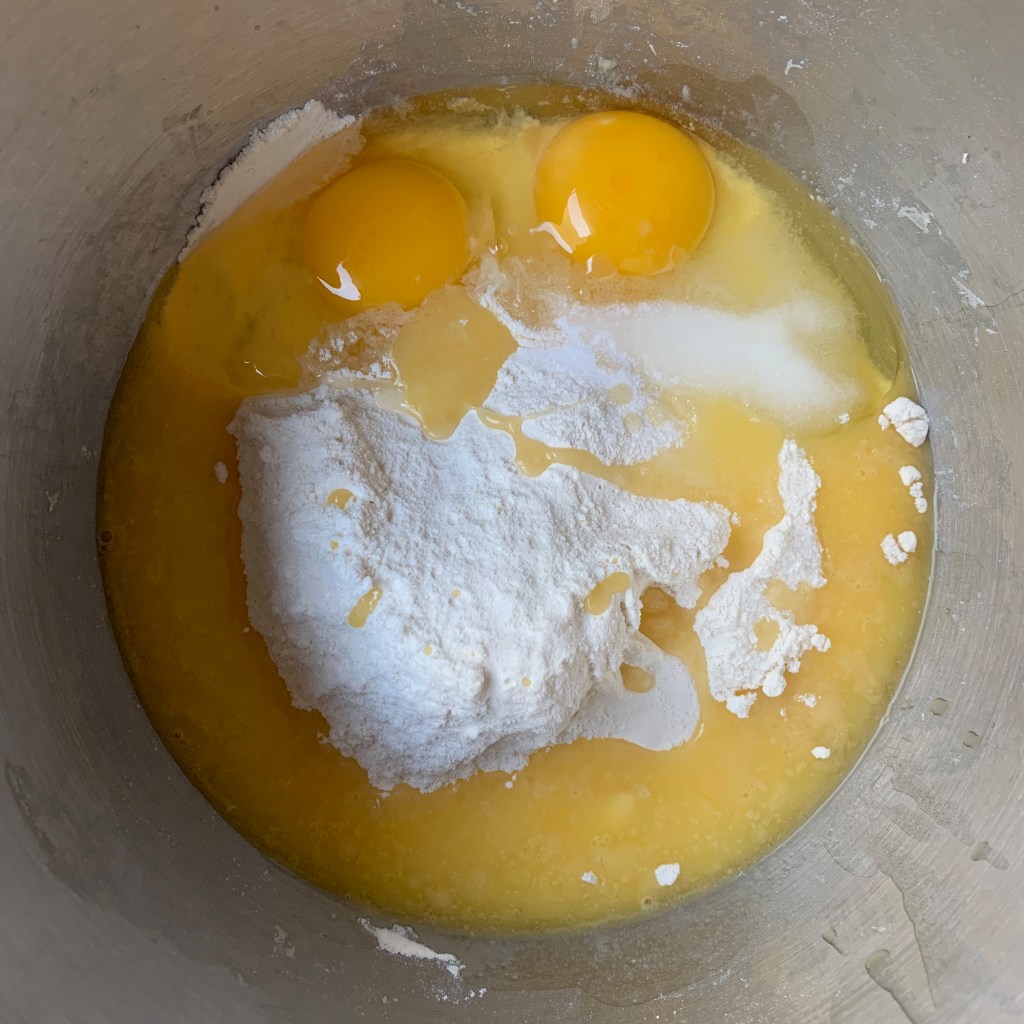
  1. In your stand mixer, combine 300g of the flour, 60g of the sugar, the yeast and milk and mix until reasonably smooth. Cover and leave to rest for an hour.
  2. Melt the butter. Add it to the mix with the eggs, the salt and the rest of the sugar and the flour. With the dough hook, knead for 5-7 minutes.
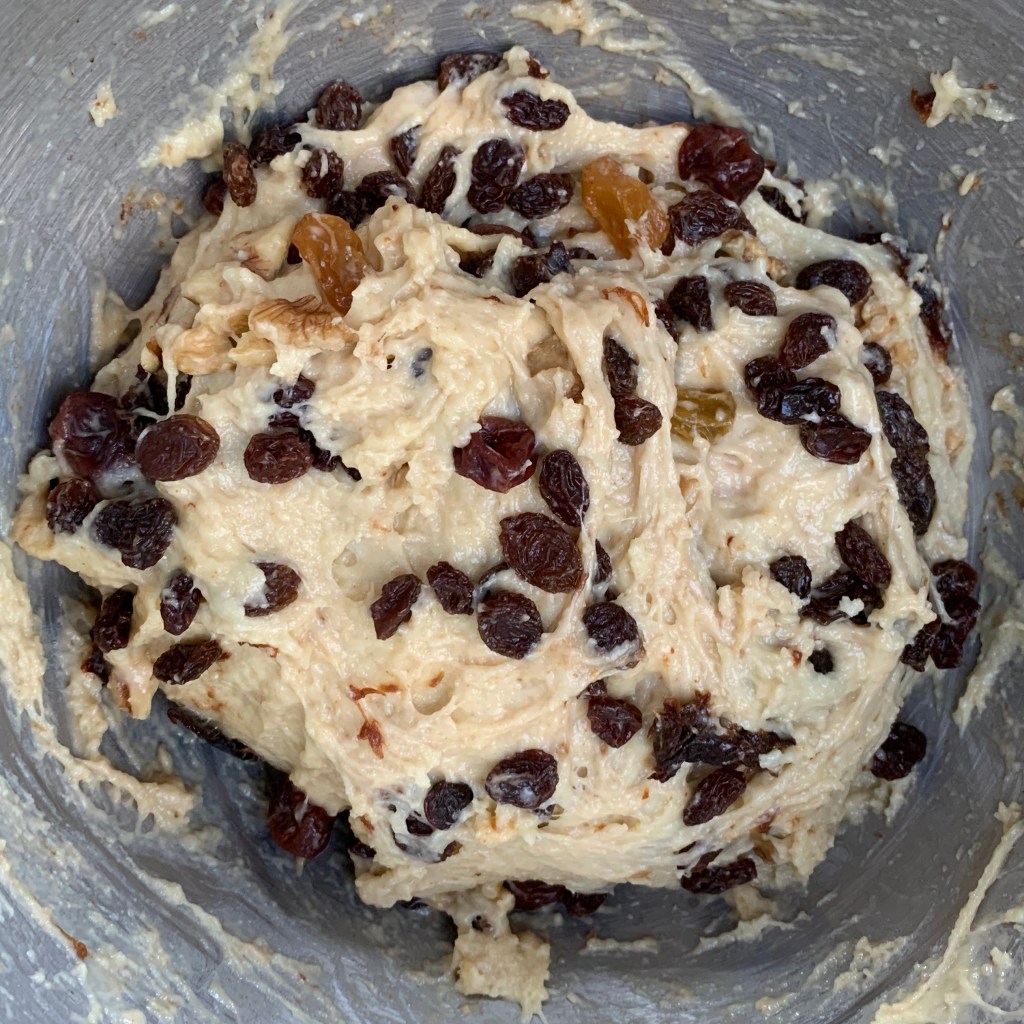
  3. Add the fruit, raisins, walnuts and rum. Mix thoroughly.
  4. Leave to rise until doubled in size. Expect this to take an hour or two.

The filling

  • 30g butter
  • 60g sugar
  • 6g cinnamon
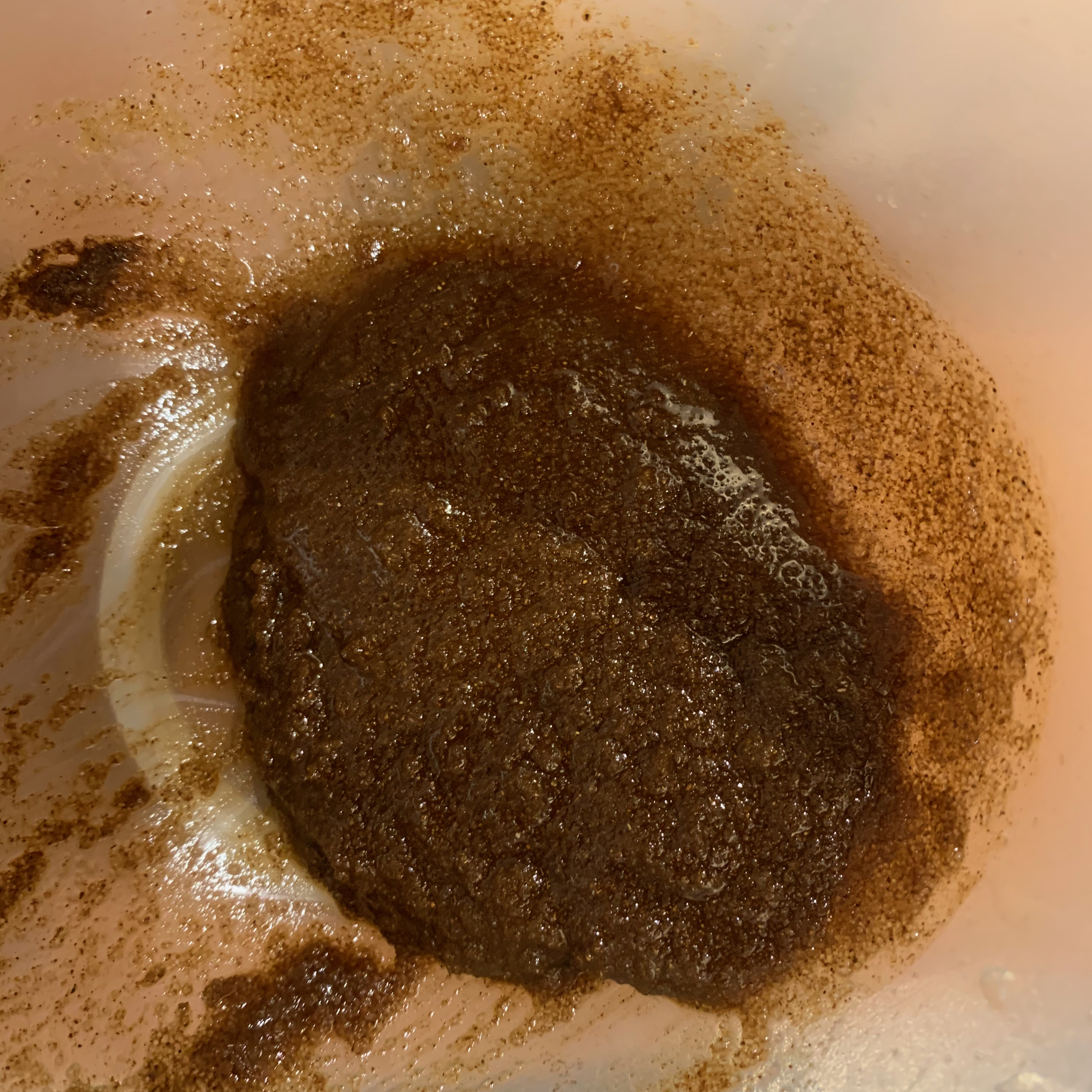
  1. Melt the butter. 
  2. Mix with the sugar and cinnamon. Leave to cool somewhat.

Putting it together

  1. Grease a loaf tin.
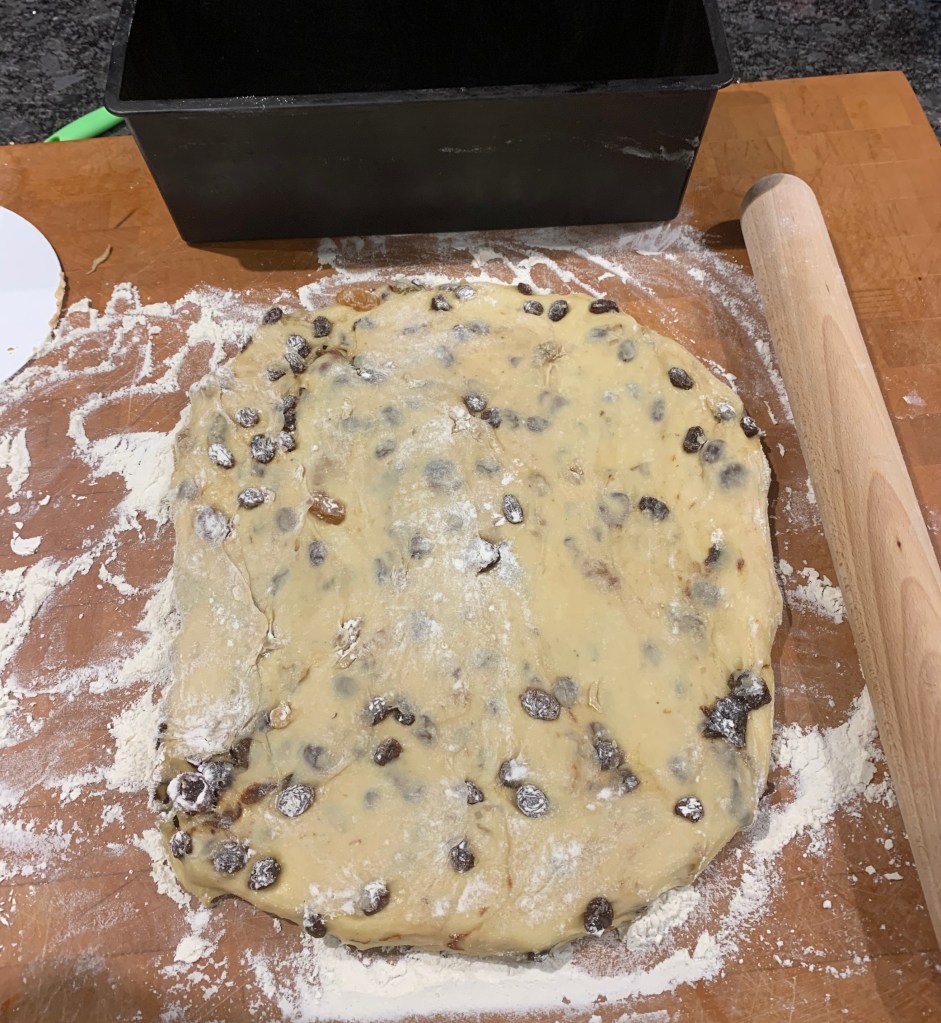
  2. Flour a surface and roll out your dough into a rectangle. The width of your rectangle should be somewhat under the length of your loaf tin; the length around 1½ times the width.
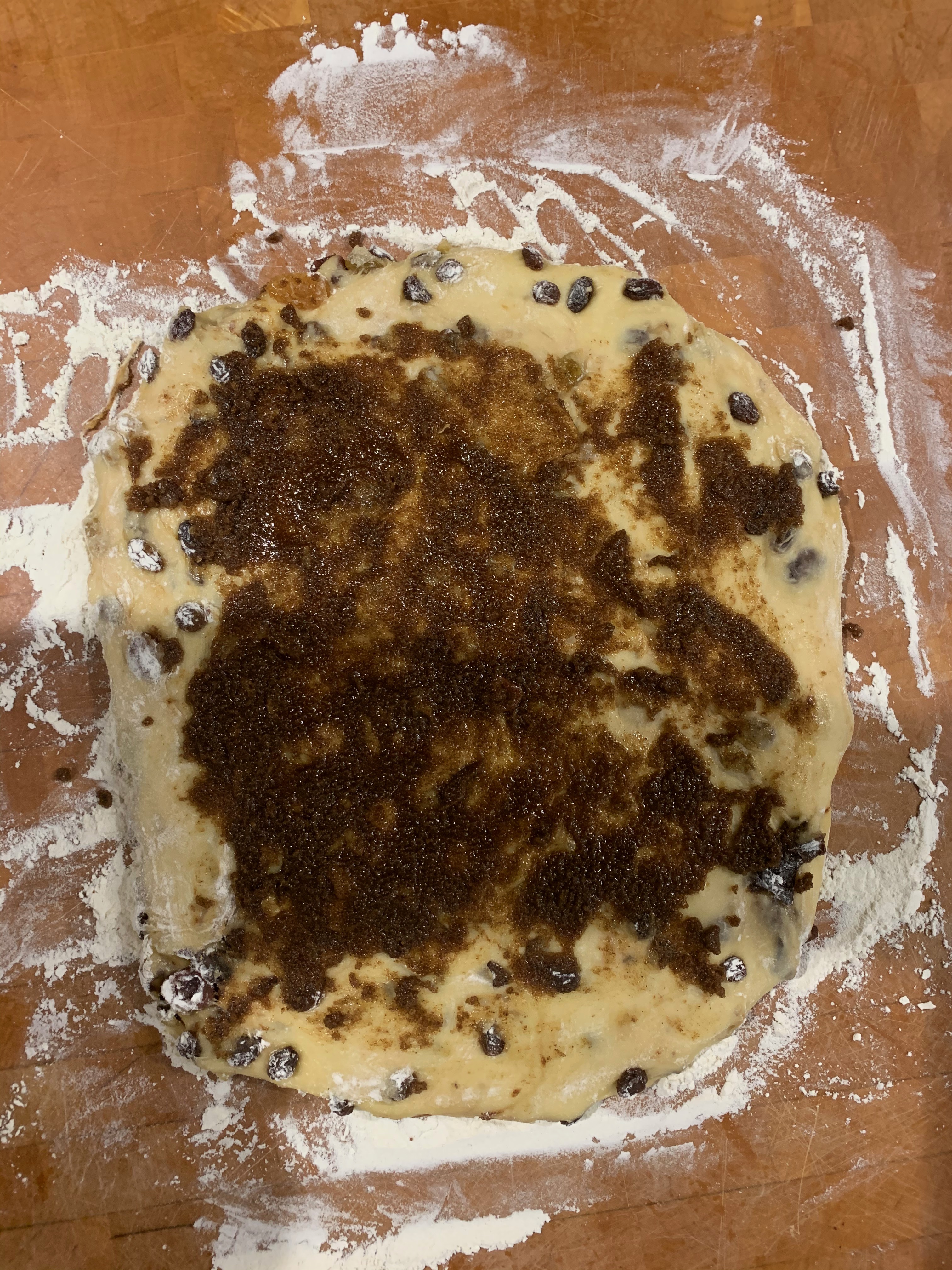
  3. Spread your rectangle of dough with the filling. Don’t go too close to the edges – you won’t want filling leaking out.
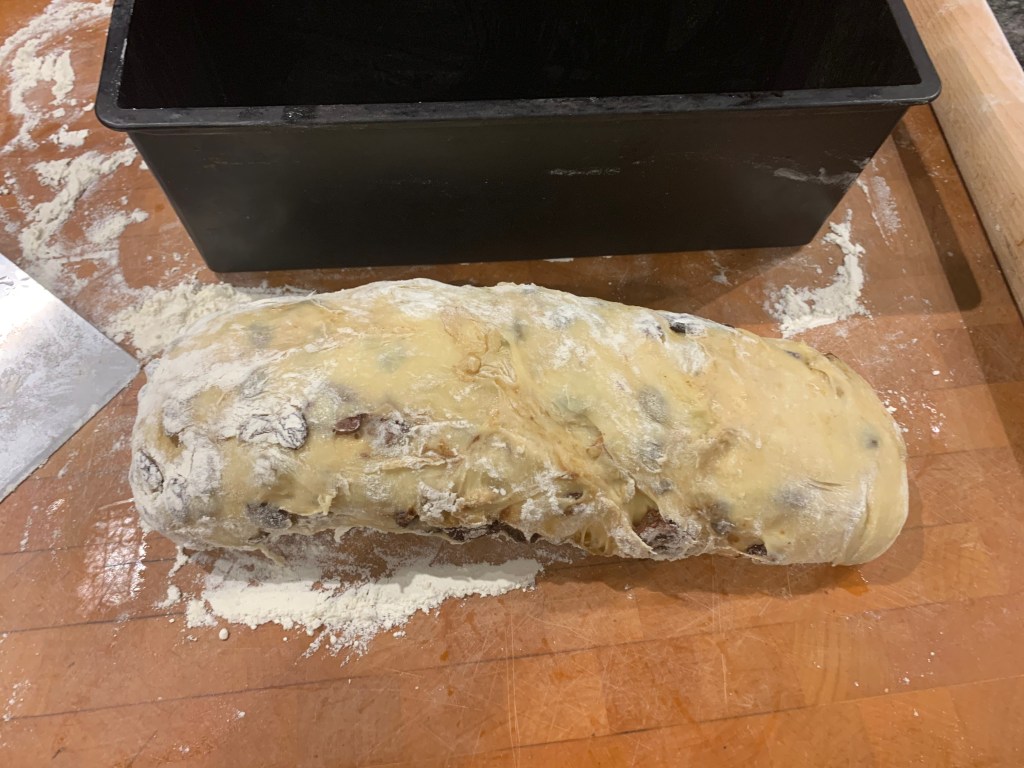
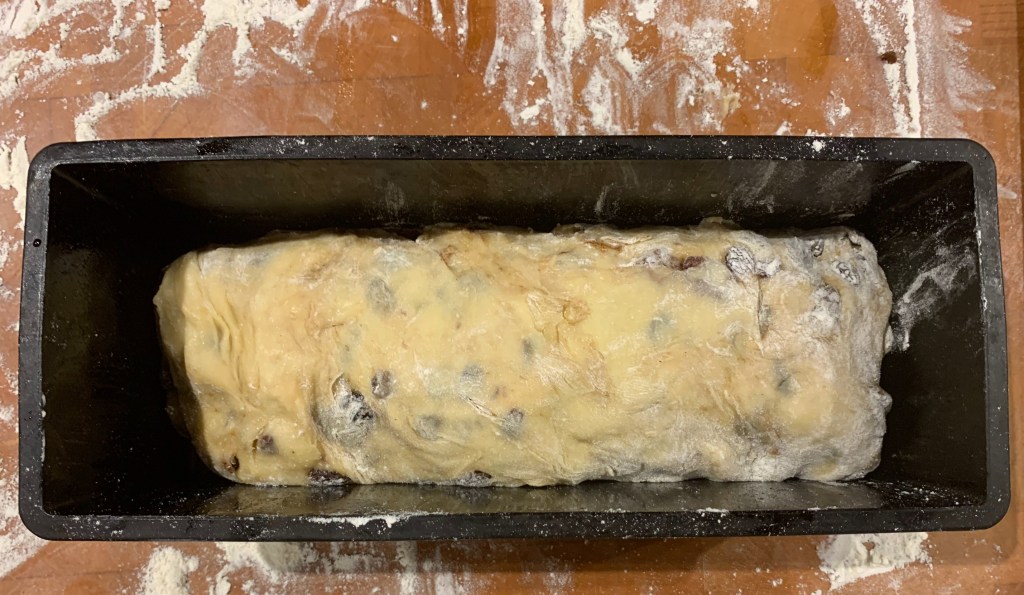
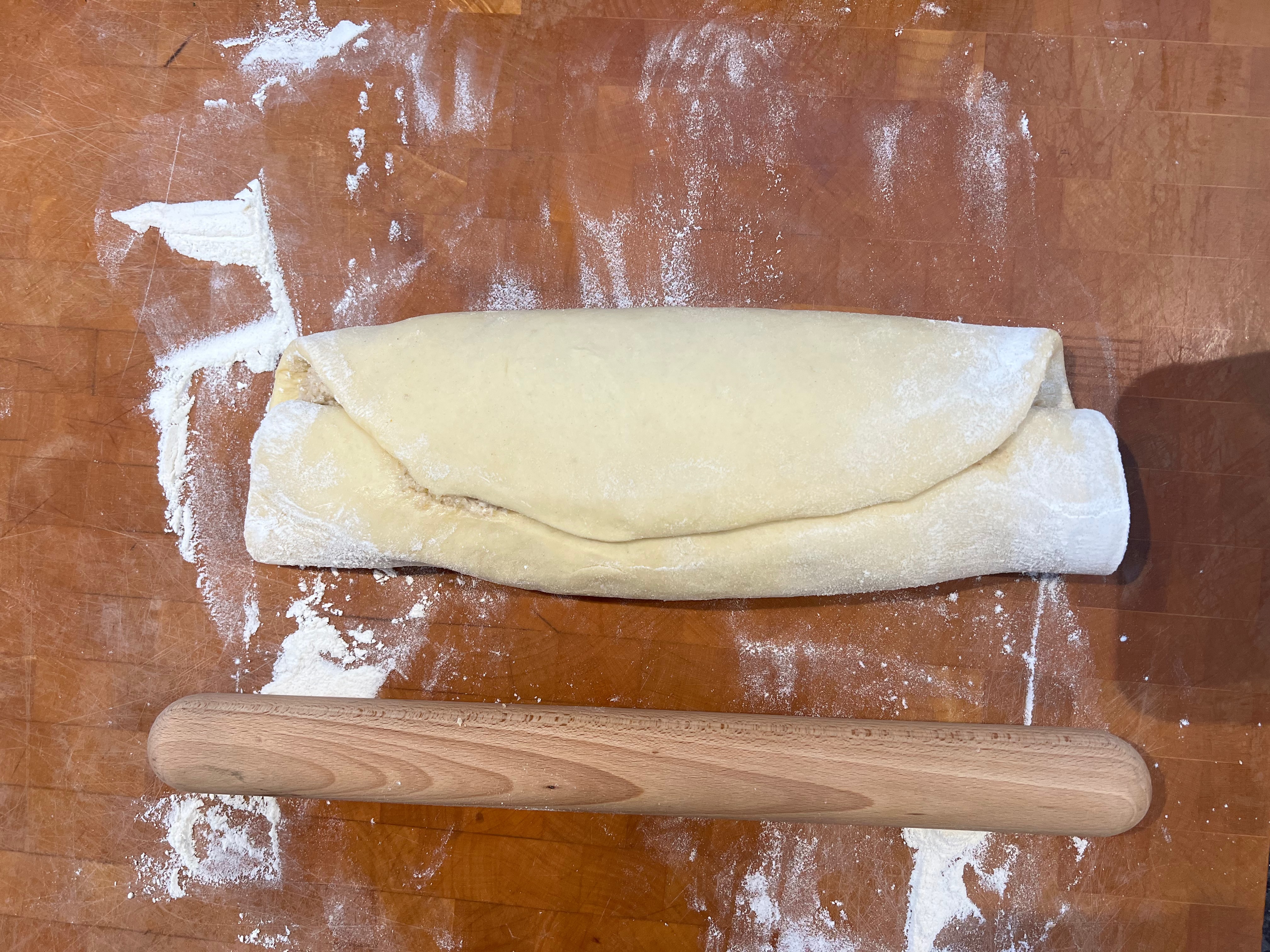
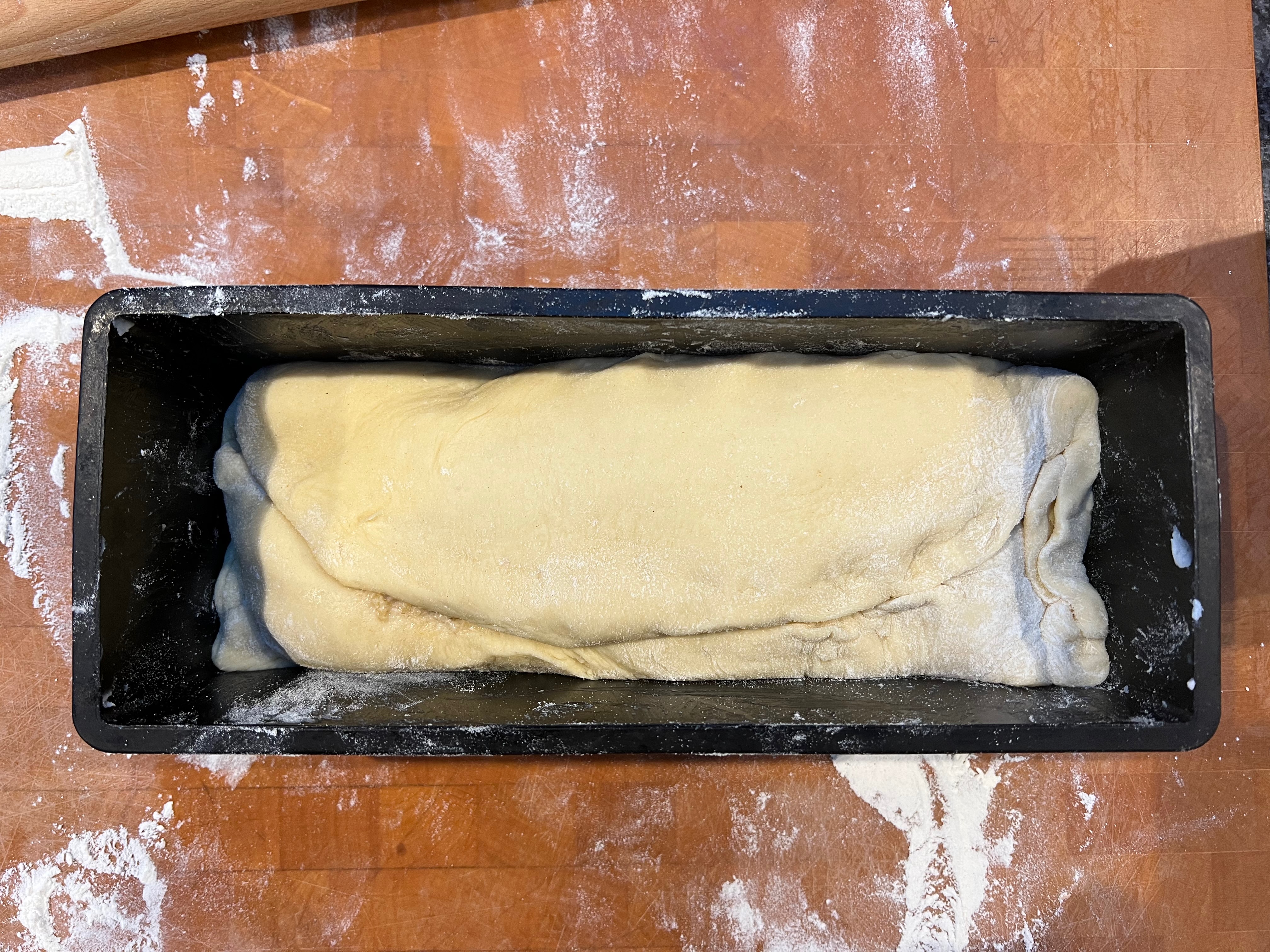
  4. Roll up the dough into a thick sausage, ensuring the filling is sealed inside. Transfer the sausage into your loaf tin.
  5. Leave to rise until doubled in size. Again, this could easily take 1-2 hours. If this hasn’t happened after a couple of hours, give up and bake it anyway.
  6. Preheat oven to 200℃ fan
  7. Bake for 10 minutes, then reduce temperature to 175℃, then bake for around another 40 minutes.
  8. Leave to cool on a rack. If you want, sprinkle with icing sugar (I didn’t).