Tag: Europe

Visiting Greece – Nafplio, Corinth, Mycenae, Epidaurus

Visiting Greece – Nafplio, Corinth, Mycenae, Epidaurus

To my shame: prior to planning the itinerary for this first trip to Greece, I’d never even heard of Nafplio (Ναύπλιο), the ancient seaport that nestles in the northeast corner of the Argolid Gulf in the Pelopponese. In the itinerary, we had it planned as the base from which to explore; the reality was that were too bewitched by its charm to spend all our time driving away from it.

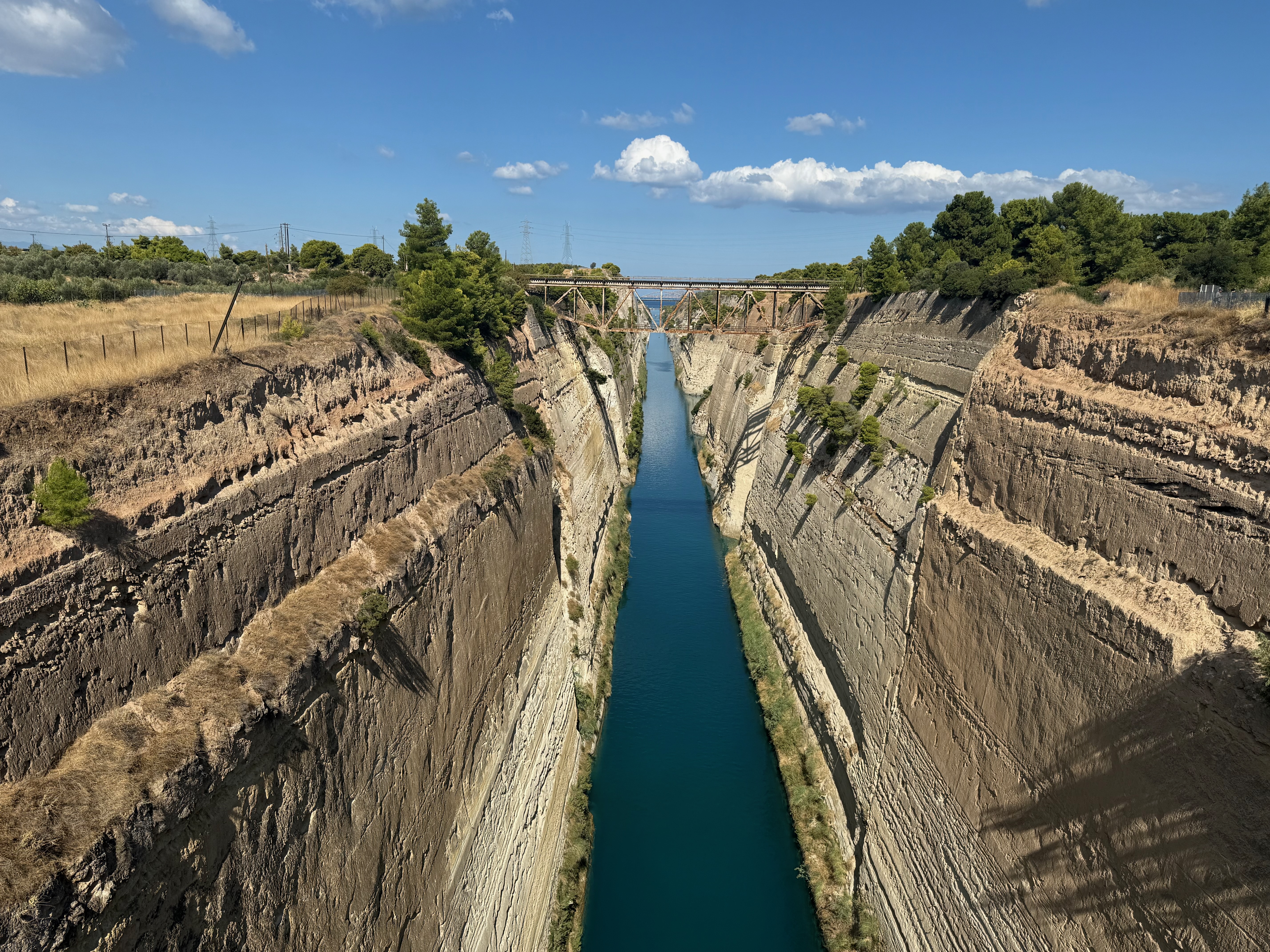
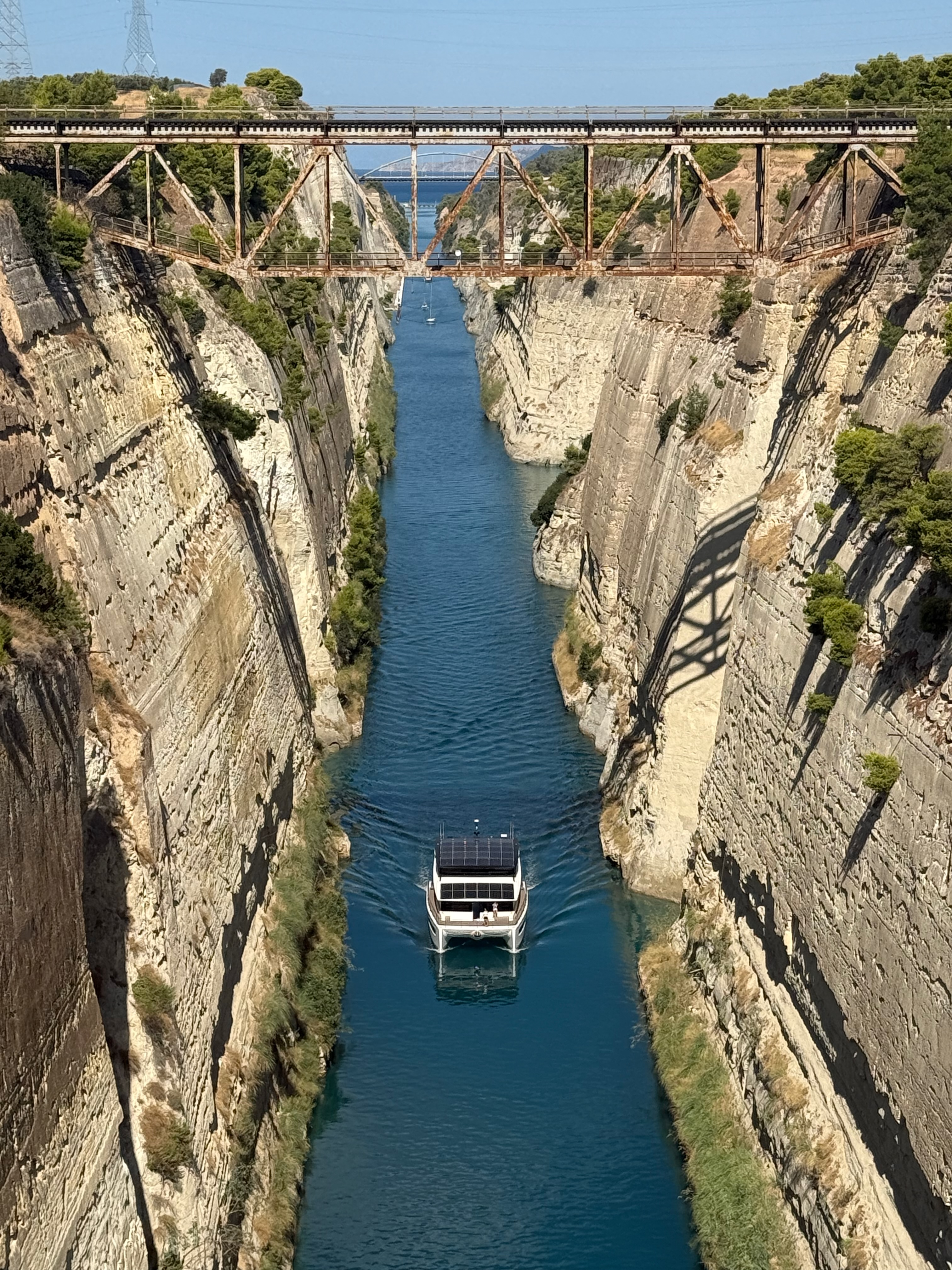
But first, to reach Nafplio from Athens, you have to cross the Corinth Canal. It was well worth taking a short detour from the motorway to the old road bridge, where we had a good gawp: this is a deep gash in the rock that joins Attica  to the Pelopponese. Completed in 1893, it’s a truly spectacular piece of civil engineering: over 6 km long, up to 80m deep, with 80° sides. The back story is even more impressive: Periander, the tyrant of Corinth, proposed building the canal 2,500 years earlier, during his reign in the seventh century BCE. The project was far too difficult to be undertaken with the limited technology of the time, so Periander built the next best thing: the Diolkos, a slipway allowing boats to be dragged across. So great was the appeal of being able to cross between the Aegean and Ionian seas while avoiding the perilous sea voyage around the Pelopponese that the Diolkos is thought to have contributed significantly to Corinth’s commercial success in the years that followed.

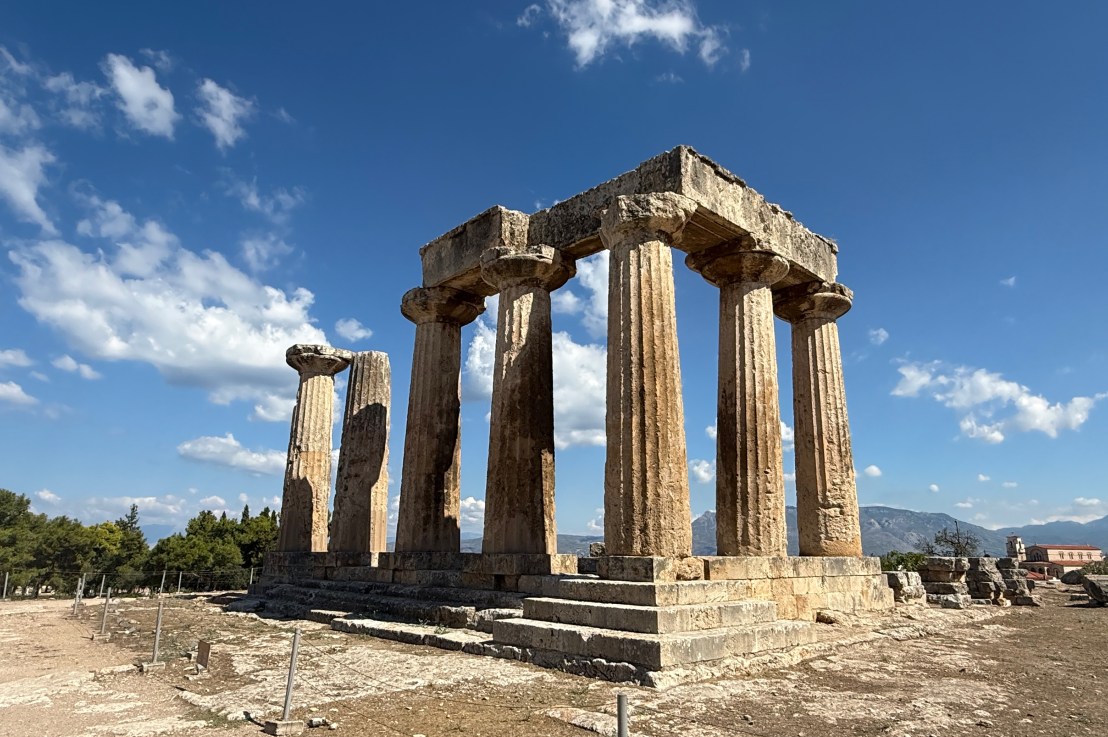
While in Corinth, a second worthwhile detour is the Temple of Apollo (the photo at the top), which dates from 560 BCE, built over an earlier temple created in the 7th century BCE by Periander’s father Cypselus, the first tyrant of Corinth. There are only seven Doric columns remaining, but this is the oldest surviving archaic temple in Greece and it’s another of those places where you can smell the history.
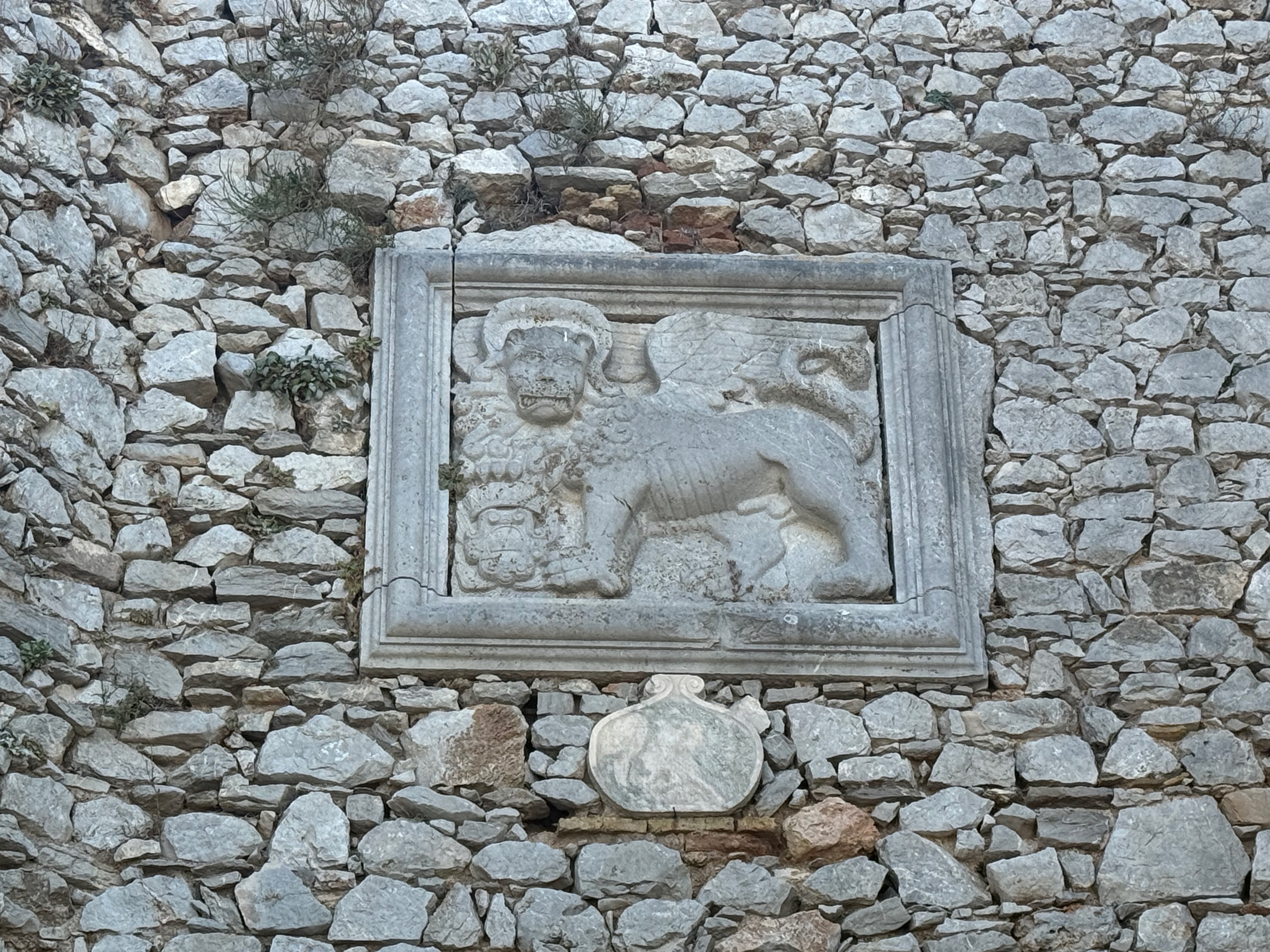
Nafplio itself smells of a very different period in history: it’s one of those places that ping-ponged between the Venetian and Ottoman empires. The old town’s architecture is eclectic mix, but the most prevalent component is the Venetian one, largely because the city was Venetian for most of the late Middle Ages and the Renaissance. The buildings, streets and piazzas are very attractive, making this a lovely city simply to wander round in.

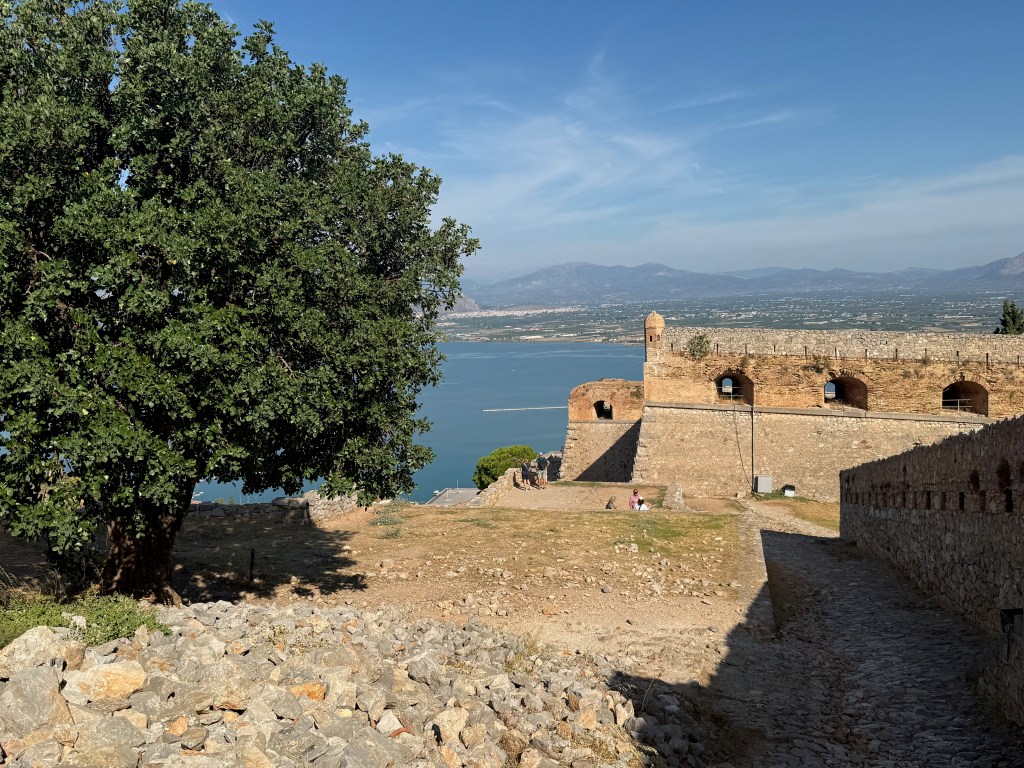
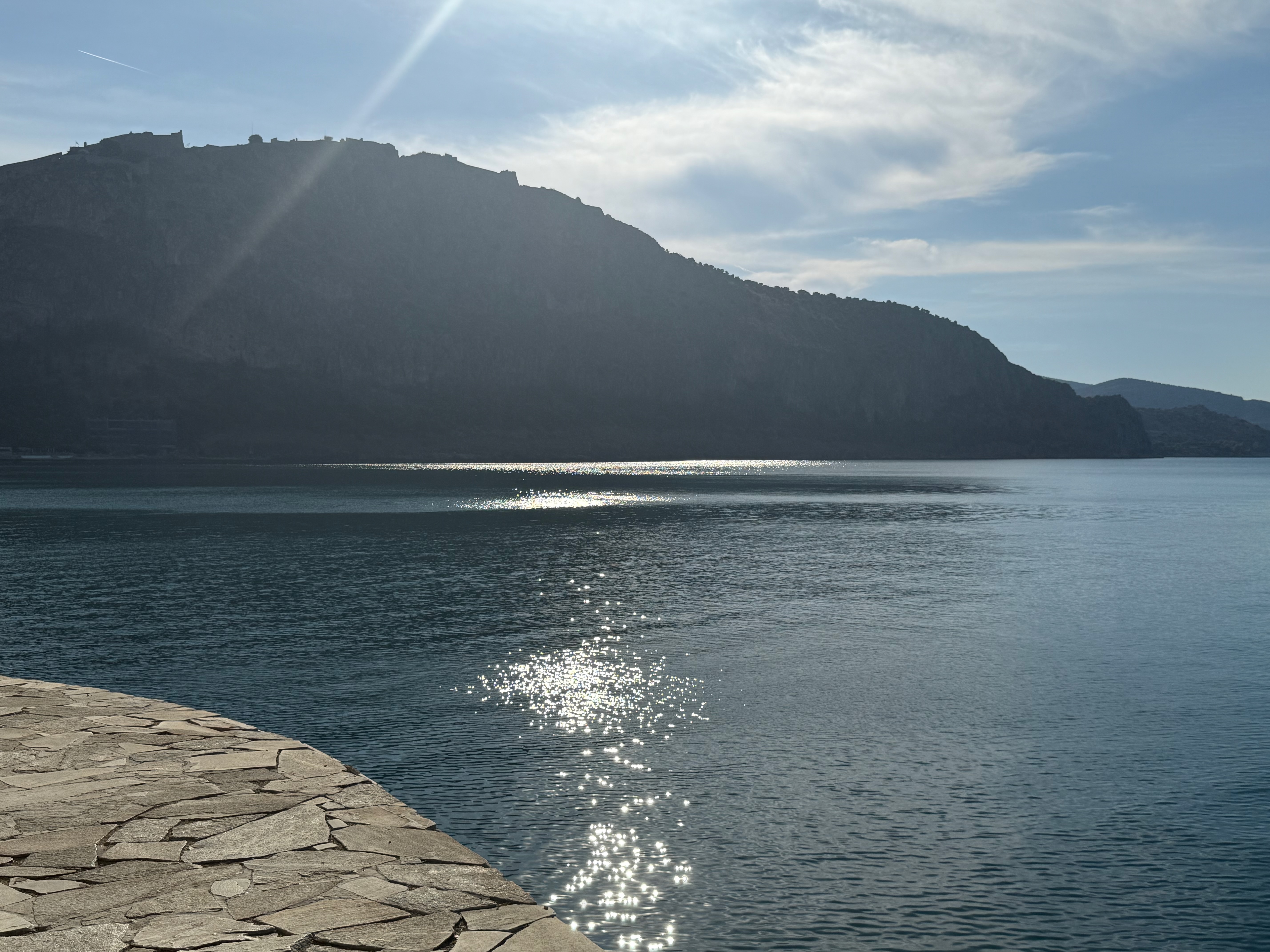
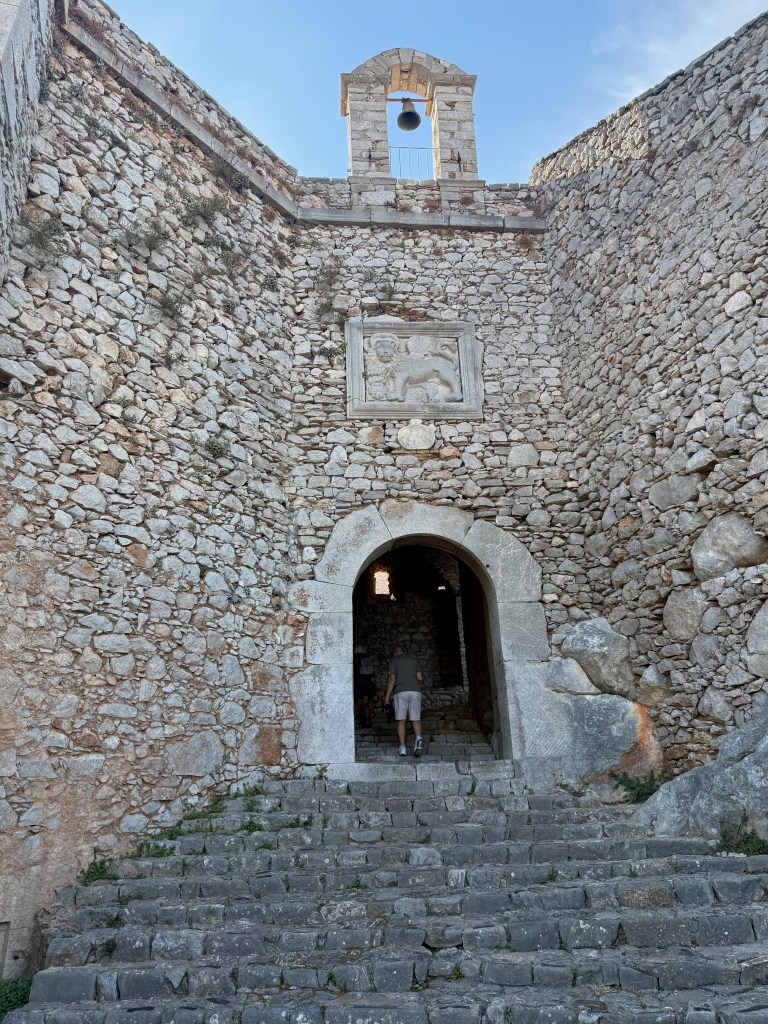
The most impressive construction is the feat of military engineering that is the Palamidi Fortress, a collection of eight bastions, seven of them linked by a single connecting wall, high on a vertiginous cliff overlooking the sea to north, west and south. Sadly, it turned out to be something of a white elephant. It was largely complete in 1714, but the Venetians could only afford a garrison of 80 (if you visit, you’ll realise how ludicrous this is) and the Turks captured the fortress with no difficulty the following year. The stairway up is a great workout  (originally 999 steps, but somewhat less since some of the bottom steps were removed) and the views from the top are outrageously spectacular.
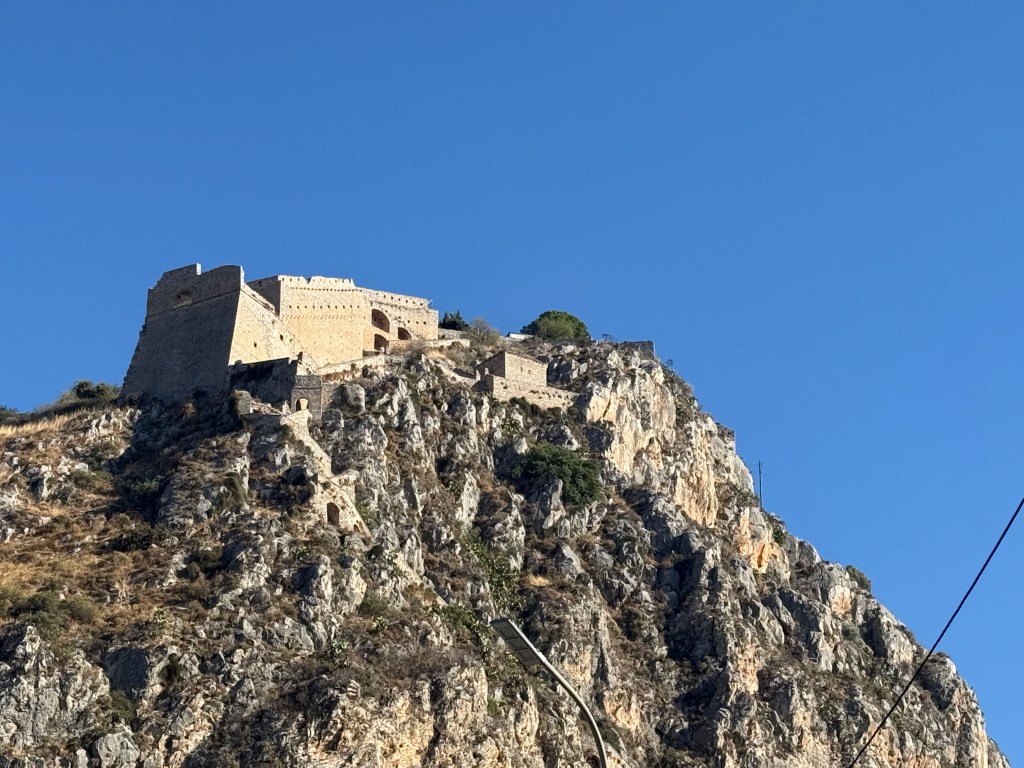
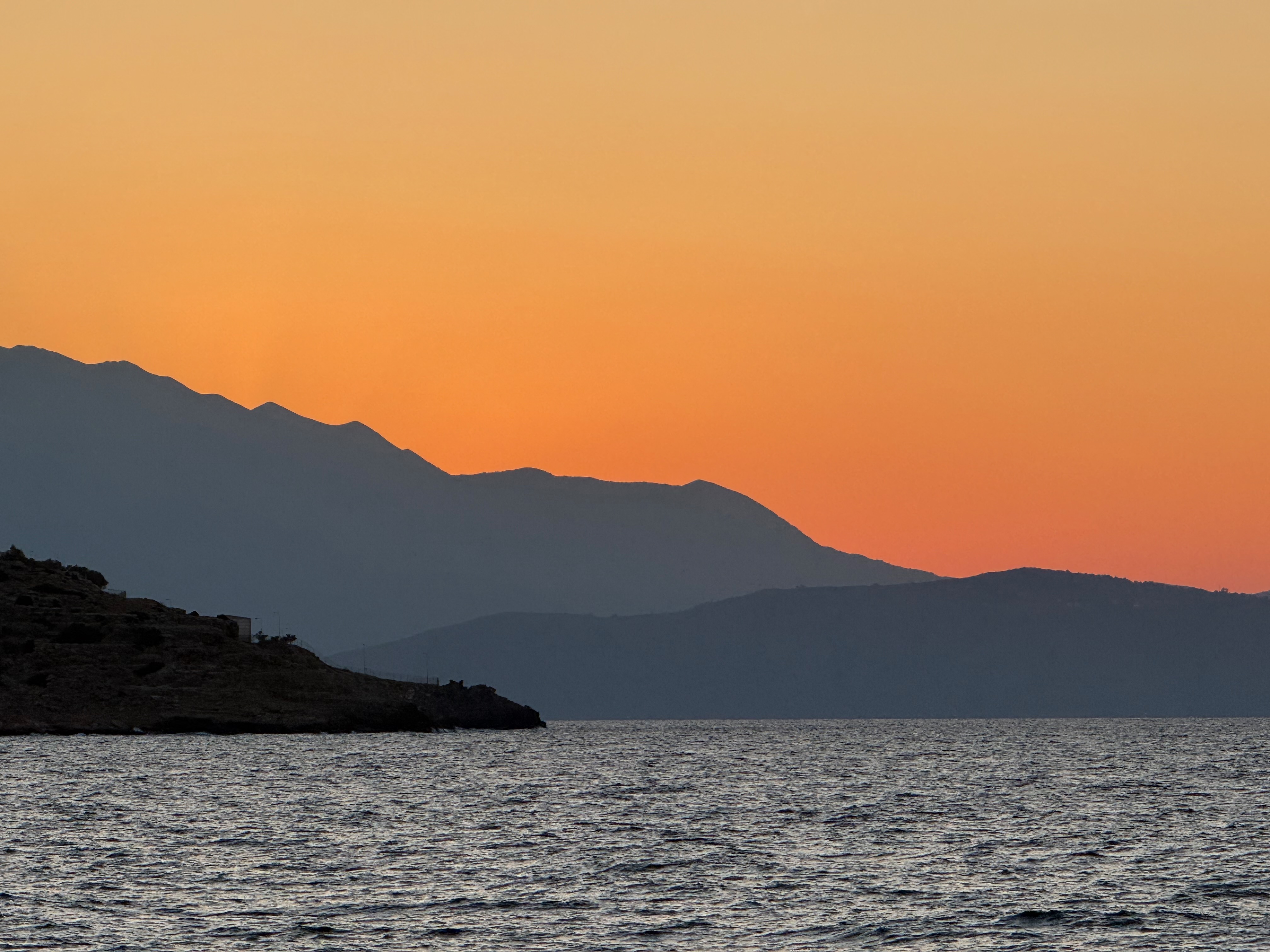
Looking east from the Palamidi Fortress, you see the old town of Nafplio, a spur of land jutting westwards into the gulf. On a (much) lower cliff to the west are the two top spots for sunset-viewing in September: the Valaora restaurant and the Omilos bar, the site of the former Yacht Club. The Valaora is reputed to be one of the best in town, but we failed to get in because it was hosting a big wedding. The Omilos bar is a pleasant spot and is above one of the more improbable bits of the city: an area of water almost totally enclosed by rocks and set up as an Olympic sized swimming pool – apparently, it used to be a training pool for the local water polo team. Follow the cliff from Omilos and you reach one of the most spectacular cliff-side walks you could wish for, leading round the promontory to the beautiful beach of Paralia Arvanitias. In another oddity, this one particularly Greek, the path is in immaculate condition, but to get onto it, you have to work your way round locked gates at each end with dire “Keep out” warnings, which are apparently there because the government, who own the path, didn’t want anyone suing them if they were hurt by rocks falling from the cliff above. Given the number of far more lethal hazards if you walk around Nafplio without keeping an eye on where you’re going, you have to wonder.
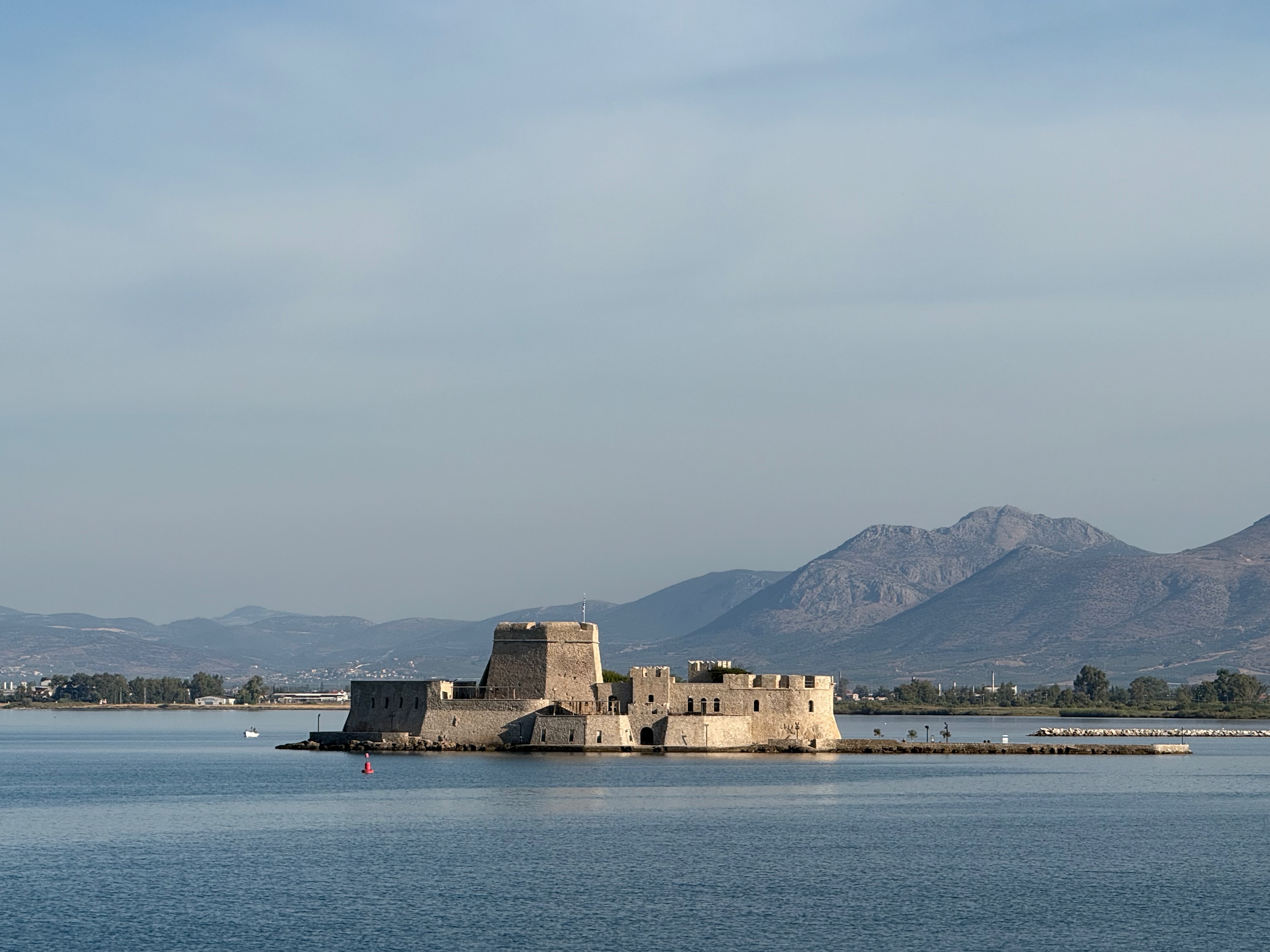
To the north of the old town is the harbour, which serves boats of all sizes and functions: pleasure boats for rent (we had a delicious half day sail to a protected cove next to the nearby island of Rómvi), yachts ranging from the smallest to gigantic oligarch-level gin palaces, ferries to the Cyclades and beyond and, further from the old town, container ships and other commercial vessels. The promenade is a favoured spot for an evening passeggiata, also with a view to the old fort of Bourtzi, which occupies an island in the middle of the harbour.

Nafplio attracts a lot of tourists and therefore, like Plaka in Athens, has more than its fair share of tourist-oriented shops, tavernas and restaurants. The visitor profile, however, would seem to be very different, with fewer cruise ships and bus tours, and a large number of Athenians who spend a week-end there. For whatever the reason, the average quality of the Nafplio establishments is a fair cut above what you see in Plaka: there’s still tourist tat, but a great deal less of it, and it’s a lot easier to find authentic local crafts and products: a weaver making gorgeous scarves on a loom in her shop, clothing that’s made in Greece and not in China, a shop selling honey from the 1,200 beehives it owns. We tasted olive oil from a place where the owner and her husband have both inherited olive groves (this is common, in Greece, apparently): when we asked where the olives were from, the reply was “up there” with a gesture to the hill behind her. Also, comparing Nafplio with Plaka, the menu in any given restaurant is far more likely to be individual than a bog standard “Greek cuisine’s greatest hits” (Greek salad, taramasalata, dolmades, spanakopita, etc).

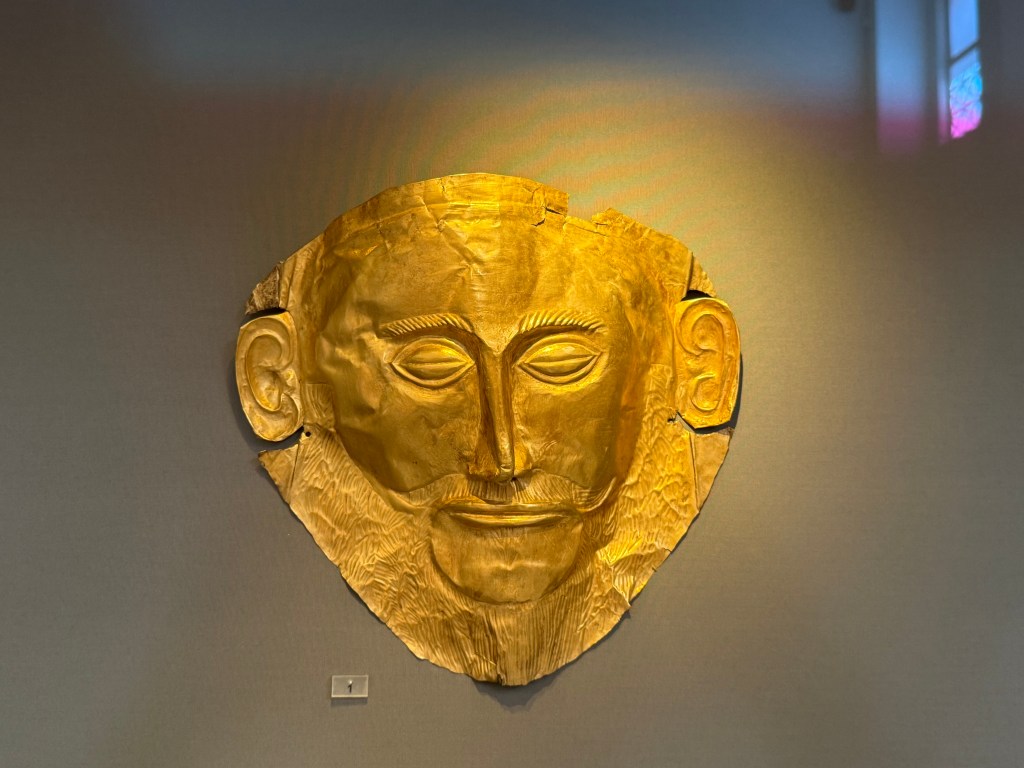
Coming back to Nafplio as a centre for visiting the antiquities of the Pelopponese, two trips are unmissable: Mycenae (Μυκήνες) and Epidaurus (Ἐπίδαυρος). Both trips follow the “archaeological site and associated museum” combination, each is a half hour or so out of  Nafplio. The name Mycenae will be familiar to anyone with even a smattering of Homer as the kingdom of Agamemnon, the high king of the Greeks (or, more strictly, Achaians). So it’s not surprising that in 1876, when the Homer-obsessed archaeologist Heinrich Schliemann uncovered a massive grave circle with hundreds of gold objects including a spectacular gold mask, he immediately decided that he had found the grave of Agamemnon. He was wrong (more recent and detailed measurement and scholarship now shows the dates to be out by several hundred years), but it was still an extraordinary find and the sheer size of the grave circle is impressive in itself.
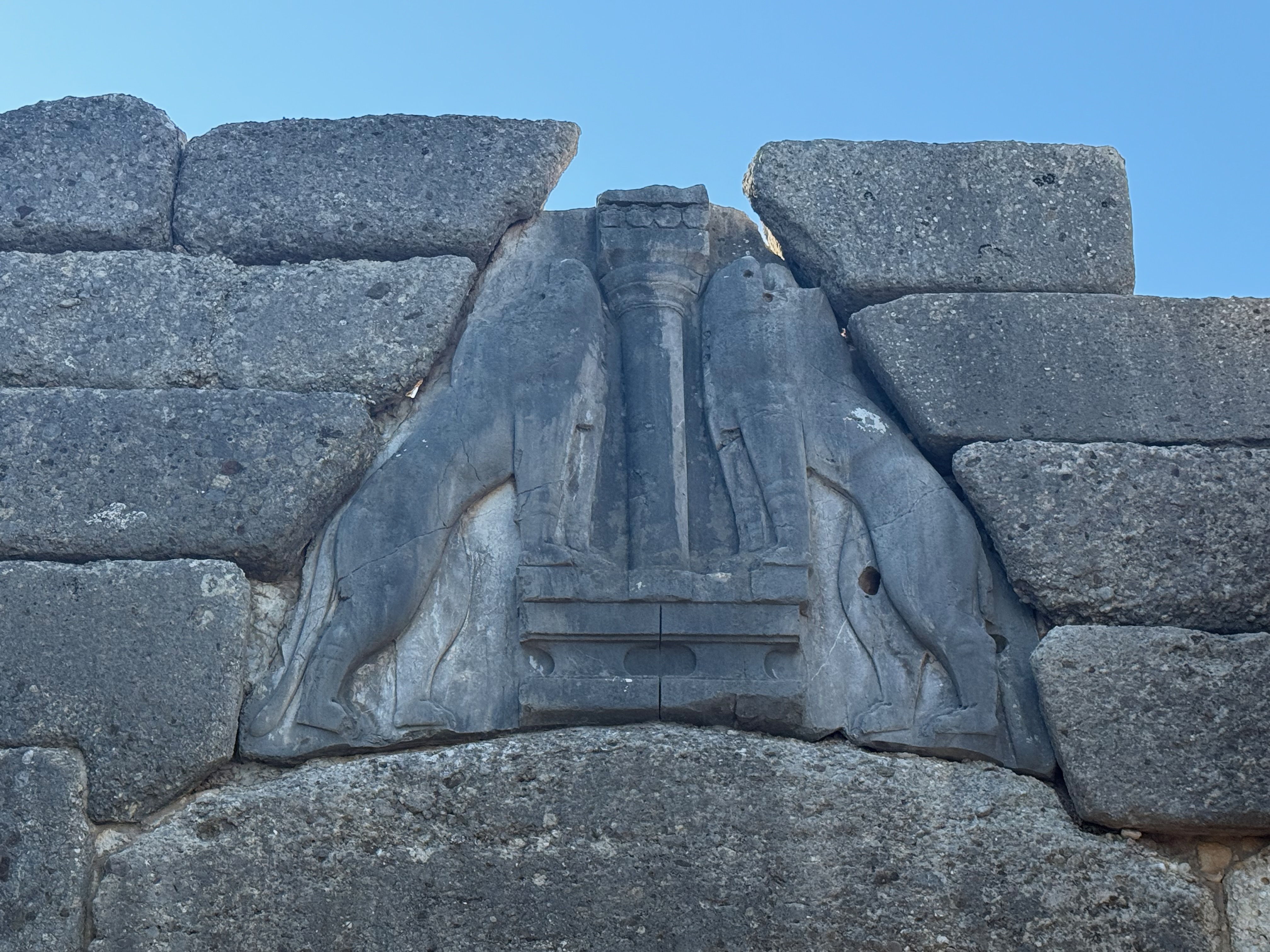
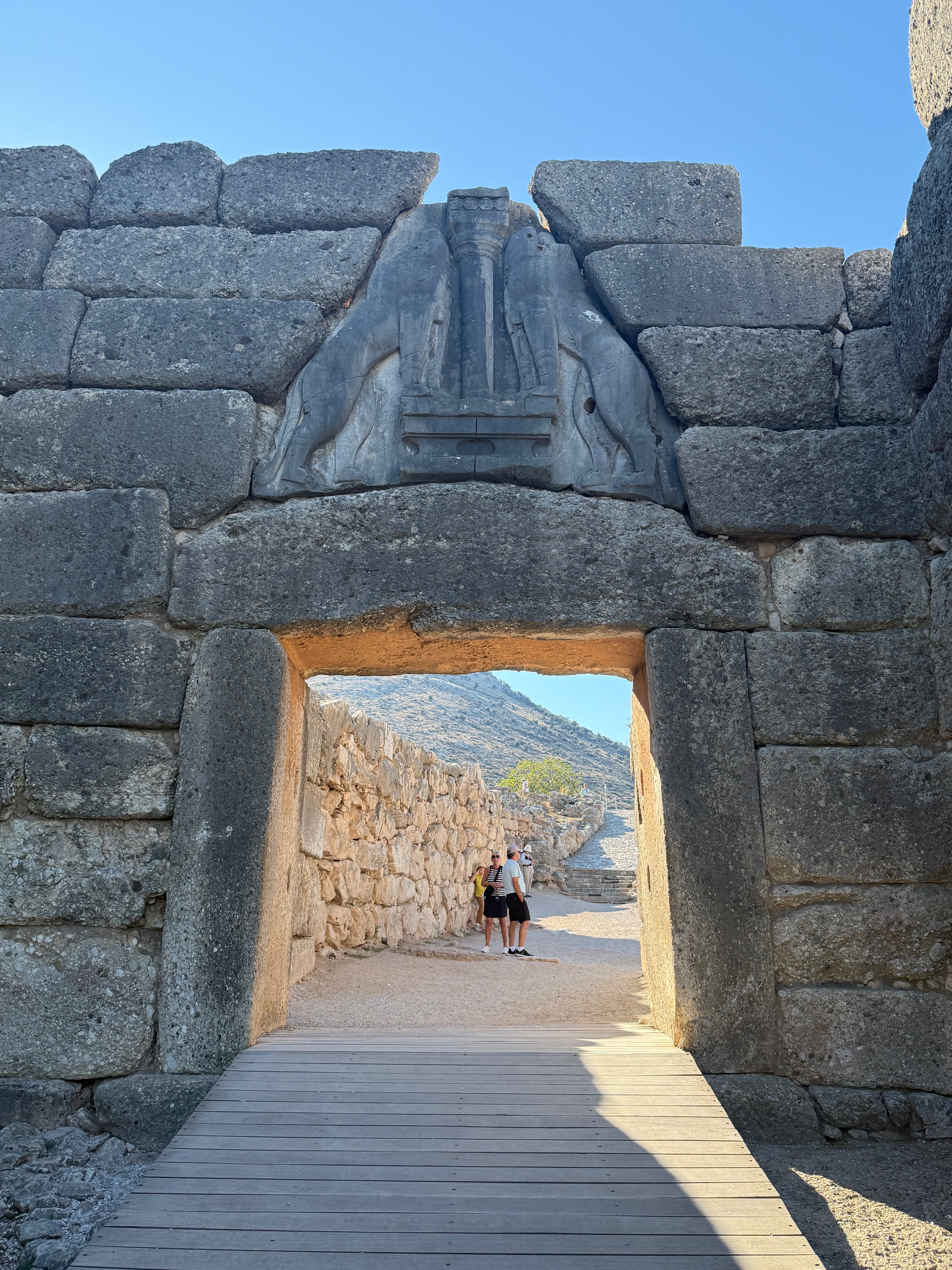
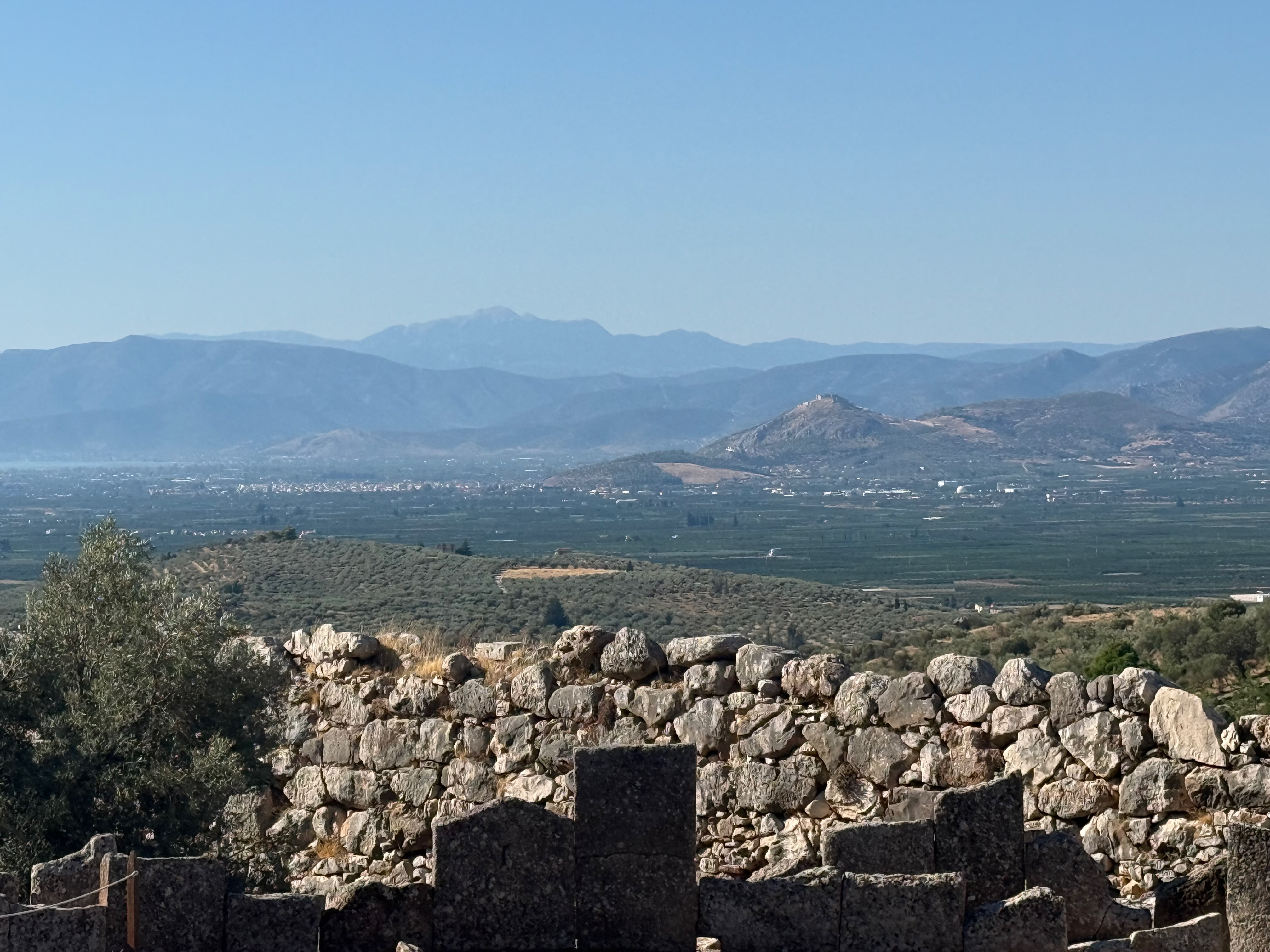
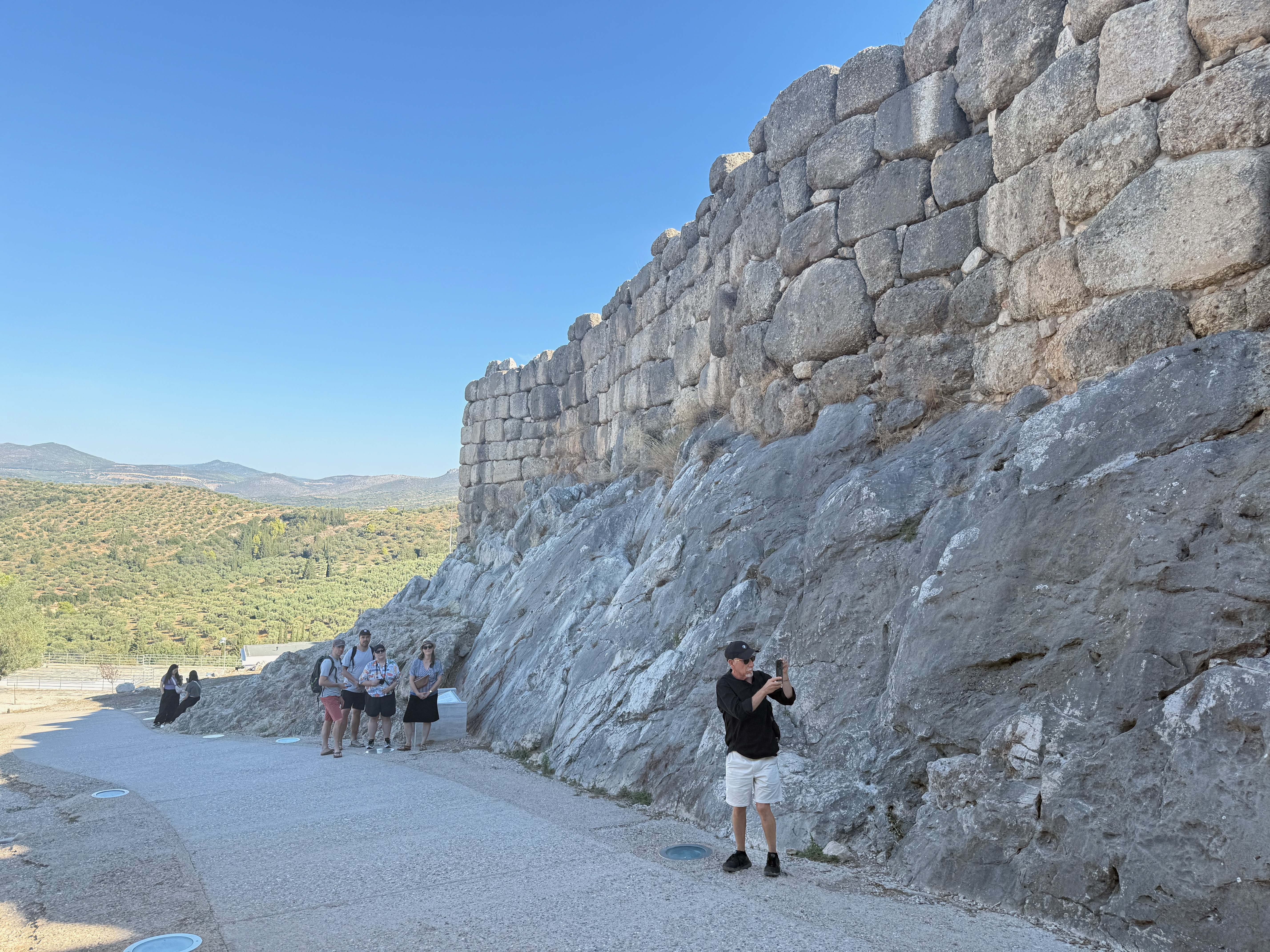
Mycenae was one of a pair of hill fortresses (the other, Argos, can be seen across the valley, bringing to mind Tolkien’s Minas Tirith and Minas Ithil). The fortifications and the palace complex bear testament to what vast resources the Mycenaean kings commanded. The walls were dubbed “Cyclopean” because the stones that make them are so big that people thought that only the Cyclopes could have shifted them. The Lion gate alone shows that the Mycenaeans could build with excellent accuracy on an enormous scale: it’s not just the superb lions that sit atop the gate, their heads sadly absent, but the sheer size and precision of the stones that form the entrance way. These artifacts are between 3,000 and 4,000 years old, reminding us of how advanced bronze age humans were.

Epidaurus is famous for its Greek theatre, built a millennium later, towards the end of the fourth century BCE. It’s estimated to have had a capacity of 13-14,000 seats and remains in sufficiently good condition to be still in use for an annual festival at a capacity of 11,000 (the uppermost are too dangerous to use). It’s in the classic Greek mould of semicircular seating carged into the hillside; the stage is still in the place, but almost nothing remains of the proscenium. Stand on the stone in the middle of the stage and declaim a few lines of poetry or sing a few notes (quickly, before one of the local guides tells you that it’s not permitted) and you can be heard with perfect clarity at the very top of the seating, several dozen metres away. The level decreases rapidly as you move away from the centre, though, leading one to the conclusion that ancient Greek theatre directors must have engaged in some careful choreography to get their actors into the right places at the right times.
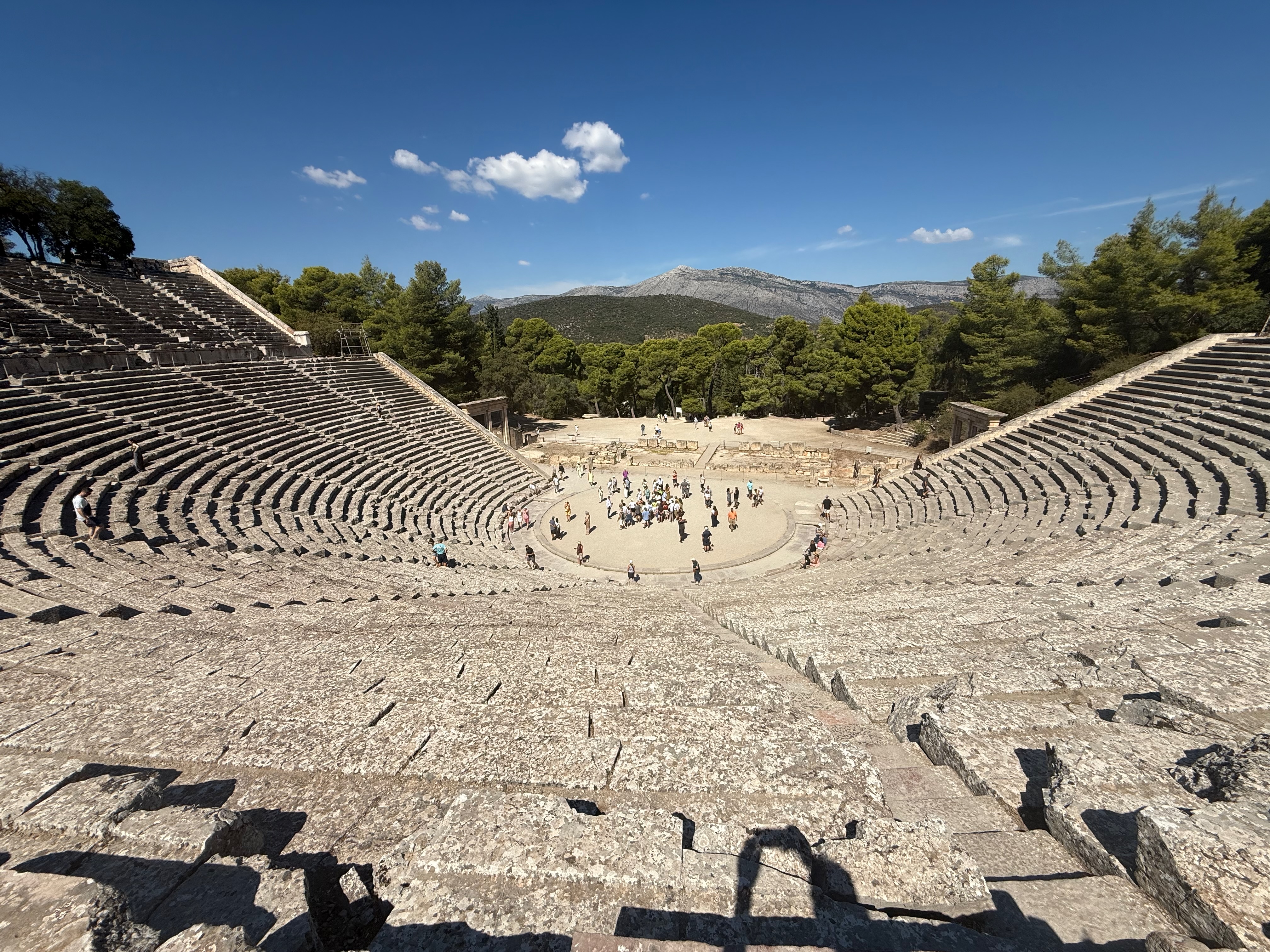
What makes the theatre more interesting is that the whole thing was part of a holistic healing process, operated by priests dedicated to Asklepios, god of healing and medicine. The surrounding complex is huge – essentially a giant hostelry for the patients, together with the obligatory temples to house the offerings they brought, often a stone carving of whichever body part they wanted the gods to heal.

We had a decent guide taking us round the sites, so I didn’t feel that their associated archaeological museums added all that much to the experience. In any case, the originals of a fair amount of the best stuff has been taken to Athens, with only copies remaining on site. But then I’m an amateur at this: if you’re an ardent antiquarian, you’ll find plenty to round out your knowledge.

Overall, I enjoyed our stay in Nafplio more than I possibly imagined I would. The sites of Corinth, Mycenae and Epidaurus were absolutely worth the visit, and with more time and staying power, we could have visited Argos, Tiryns or even Sparta, or wineries in Nemea. It’s been a great part of this trip.
Visiting Greece – Athens

Visiting Greece – Athens

There’s one reason to visit Athens that trumps the rest: this city genuinely is the cradle of much of our Western culture: our philosphy, our politics, our art, even our sport. For centuries, both autocrats and revolutionaries have sought to embrace the words and symbols of Greek civilisation and the Roman empire that followed it, so to take a deep draught of that civilisation, a visit to Athens is essential.
We took our drink from that wellspring in two key museums, the Museum of Archaelogy and the Acropolis Museum, and in two areas of old stones, the Agora and the Acropolis. Unquestionably, that set of sites delivers on the promise of giving a deep understanding of the ancient history of the Greek people.

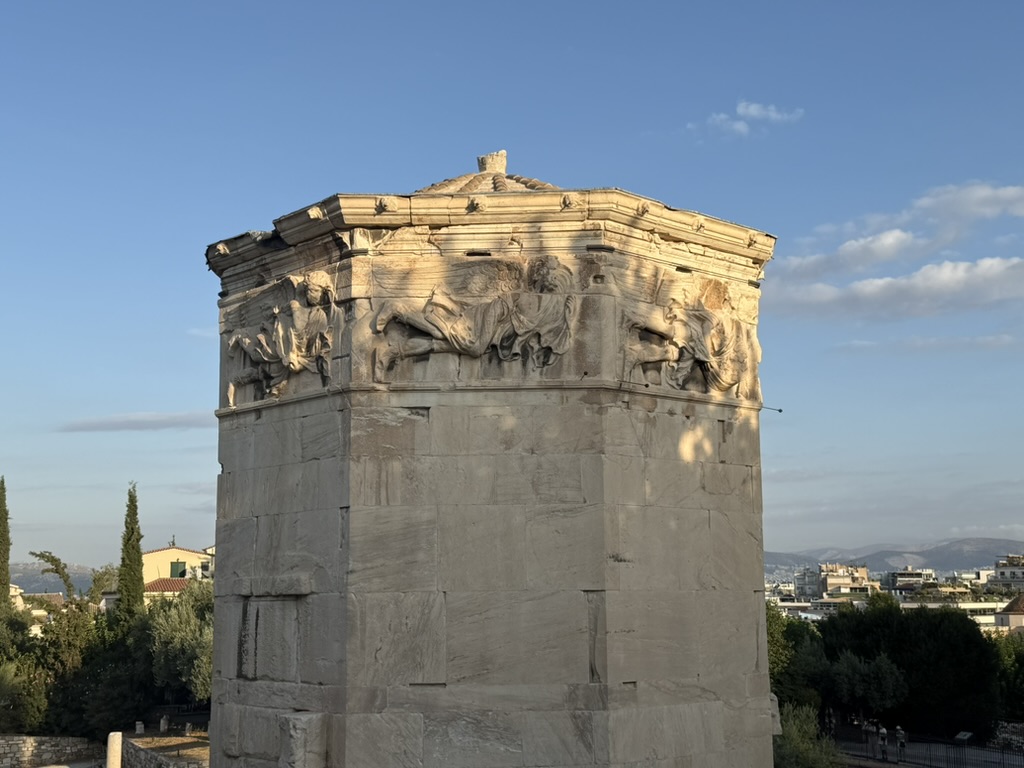
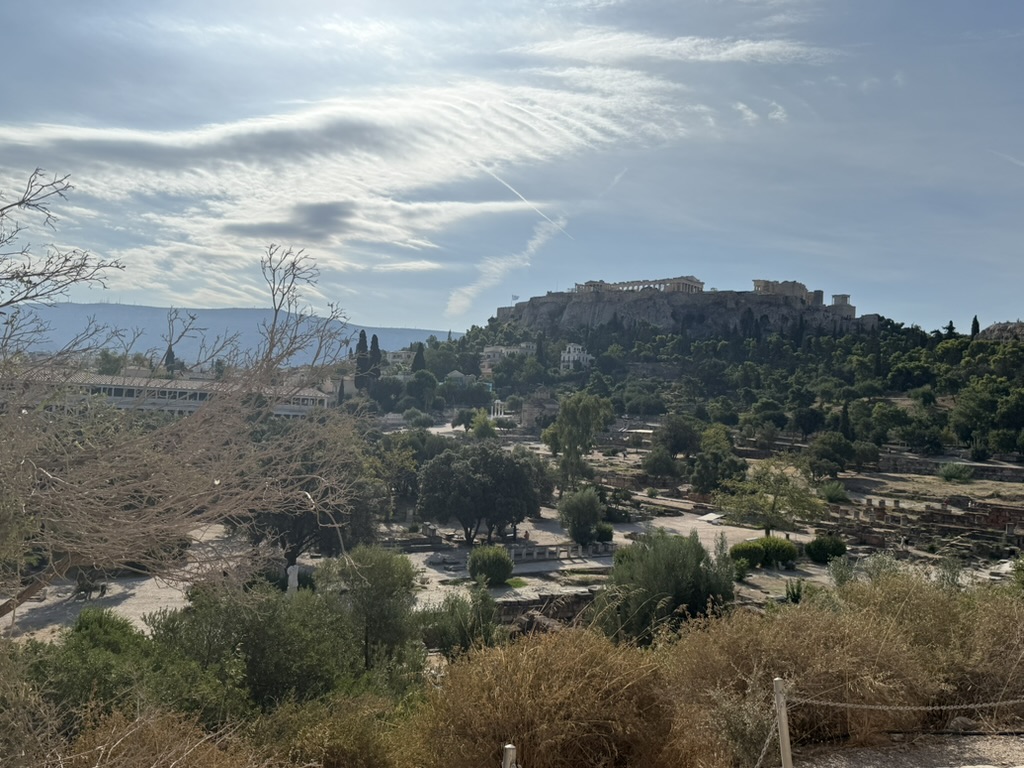
In each case, we visited the old stones first and the museum next, starting with the Agora (and the Roman Forum that took over from it). The Agora is best seen if you’ve done a bit of reading about classical civilisation in advance and you have a good guide – otherwise, it’s just a bunch of ruins – and we got lucky with Nikos, who was a veritable fount of knowledge of all eras. The project to excavate the Agora is an extraordinary story in itself: there was a perfectly normal residential district of central Athens above the Agora, whose houses needed to be expropriated and demolished for work to begin. The scale of the project was enormous (the are is some 30,000 m2 in size), and the Greek government could not possibly have financed it, but in the 1930s, the American School of Classical Studies at Athens received the necessary funding from John D. Rockerfeller. The excavated and partly restored ruins are interspersed with trees planted during the excavations, which are now mature and give an attractive (if slightly odd) rural tinge to the whole area.

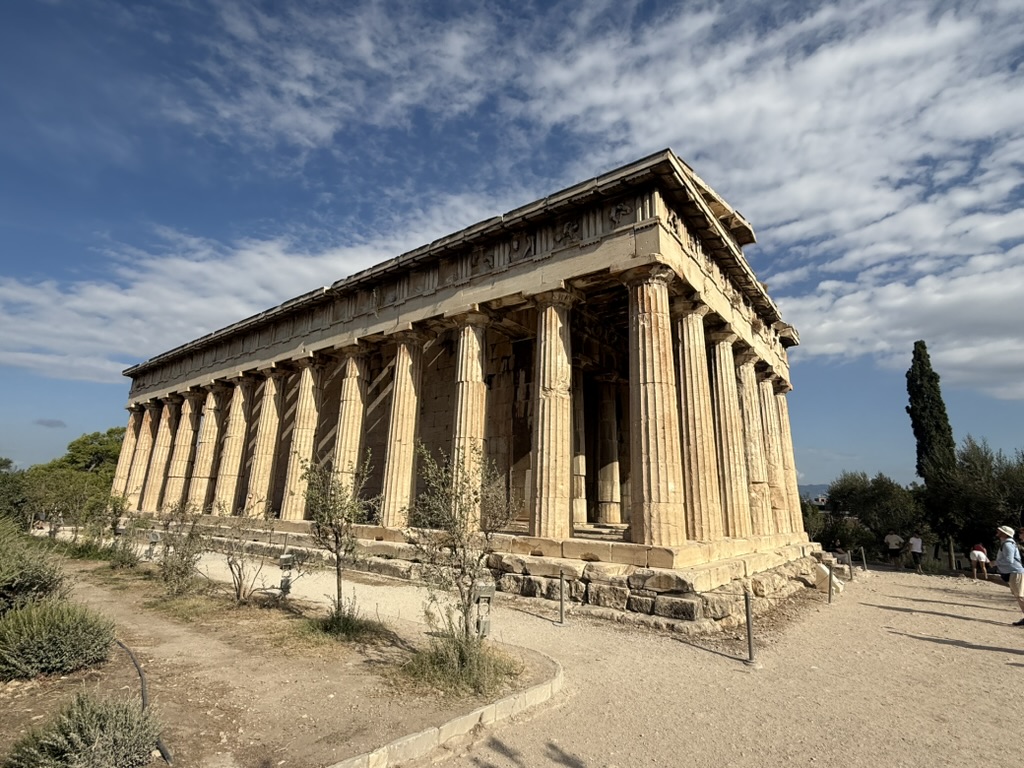
Temple of Hephaestus

There’s something unique and magical about standing next to the house of Simon the Shoemaker, where Socrates debated with his pupils, perhaps the most important birthplace of philosophy. Or hearing about the political skill with which Cleisthenes sidelined the Athenian aristocracy to create the system of democracy, standing alongside the Bouleterion, the assembly house where it functioned. The tissue of checks and balances which Cleisthenes created is a mind-boggling achievement, and for all its failings, that system inspires every genuine democracy to this day. The constructions from the period and later – monuments, temples, libraries and so on – are wonderful, of course, but it’s that feeling of being immersed in history that makes the experience unforgettable.

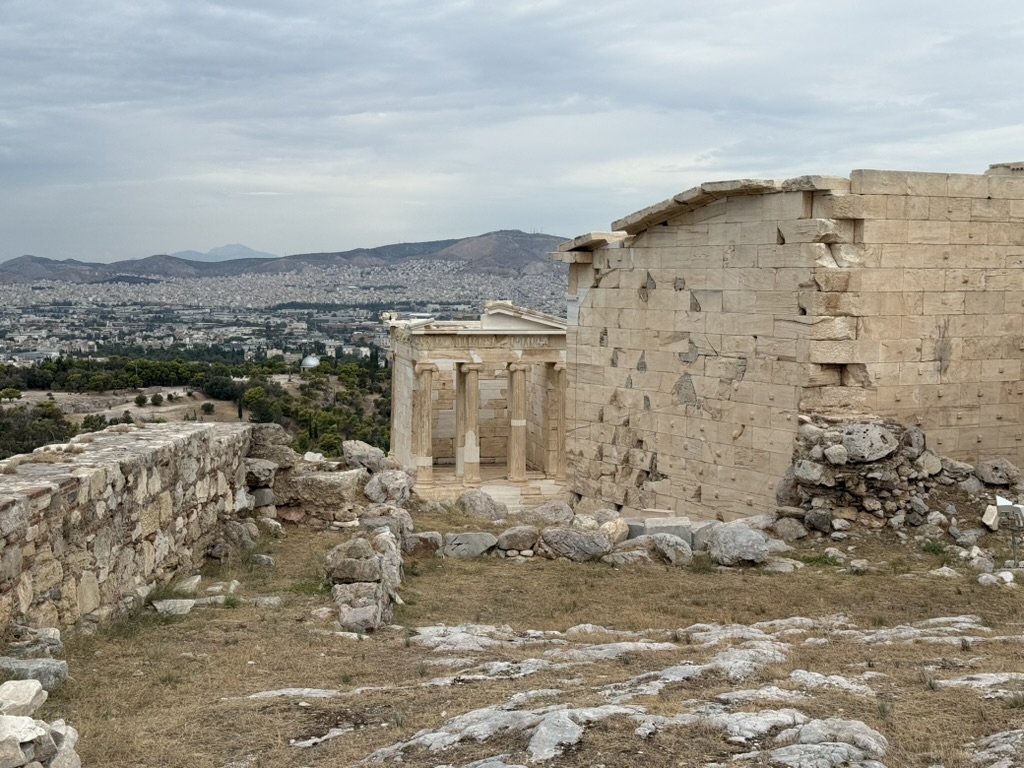
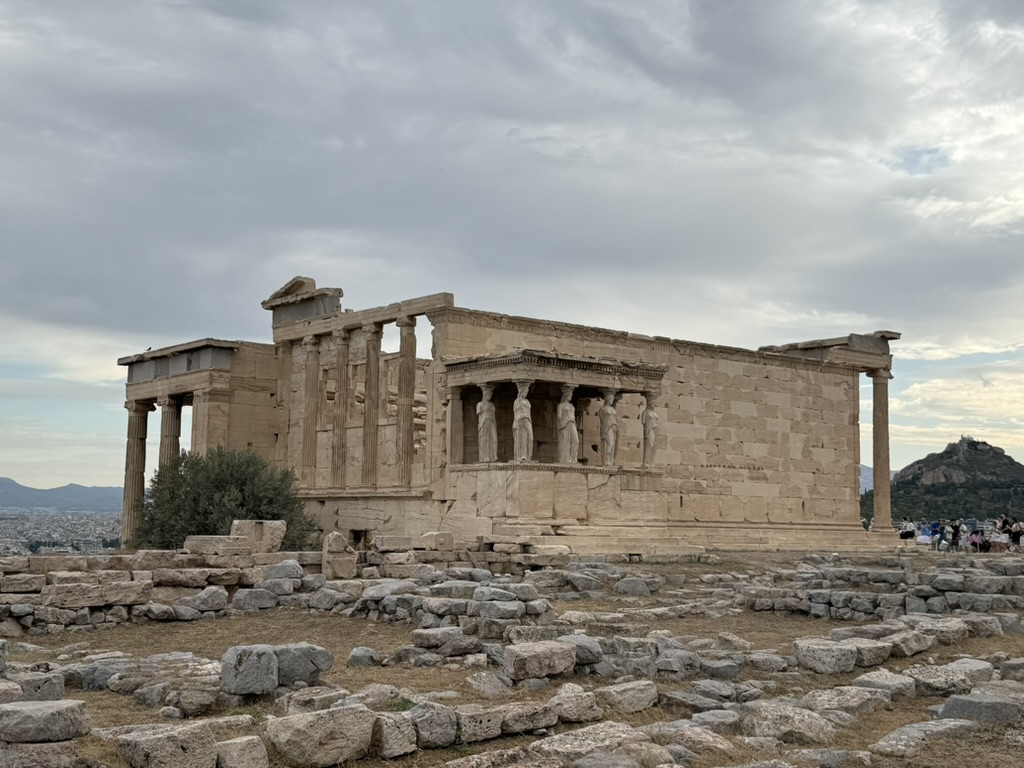
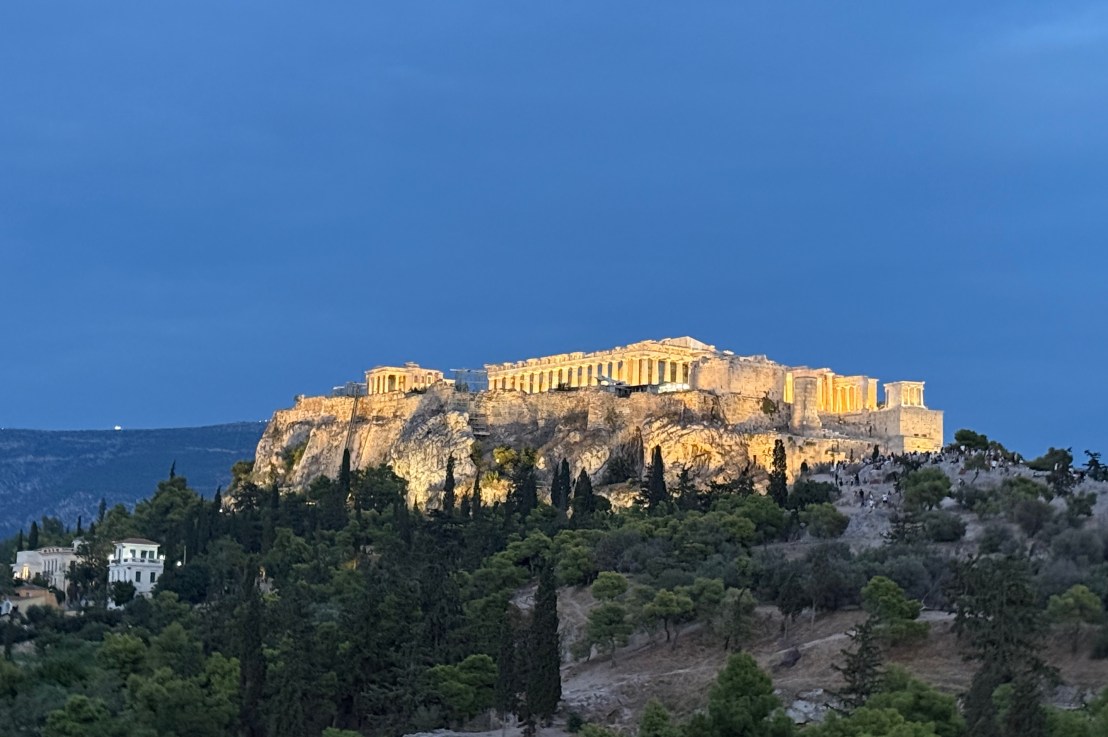
Contrary to my expectations before the trip, the Acropolis didn’t have the same emotional impact on me. From a standpoint of pure art and architecture, it’s magnificent, of course. But with all the heavy equipment that’s in place, the Parthenon feels like a permanent building project. The temple is so famous that I have a perfectly strong mental image of what it looks like, whether in its present day incarnation or in reconstructions of how it looked originally – and that image doesn’t include it being filled with giant cranes. I enjoyed the smaller temples far more – the Erichtheion and the Temple of Athena Nike, along with the Propyleia, the  splendid entrance gate. But at the end of the day, the Acropolis is a site of religious ritual, whereas the Agora is a site of history, politics and philosophy. For me, the latter wins every time.

Acropolis Museum
Acropolis Museum

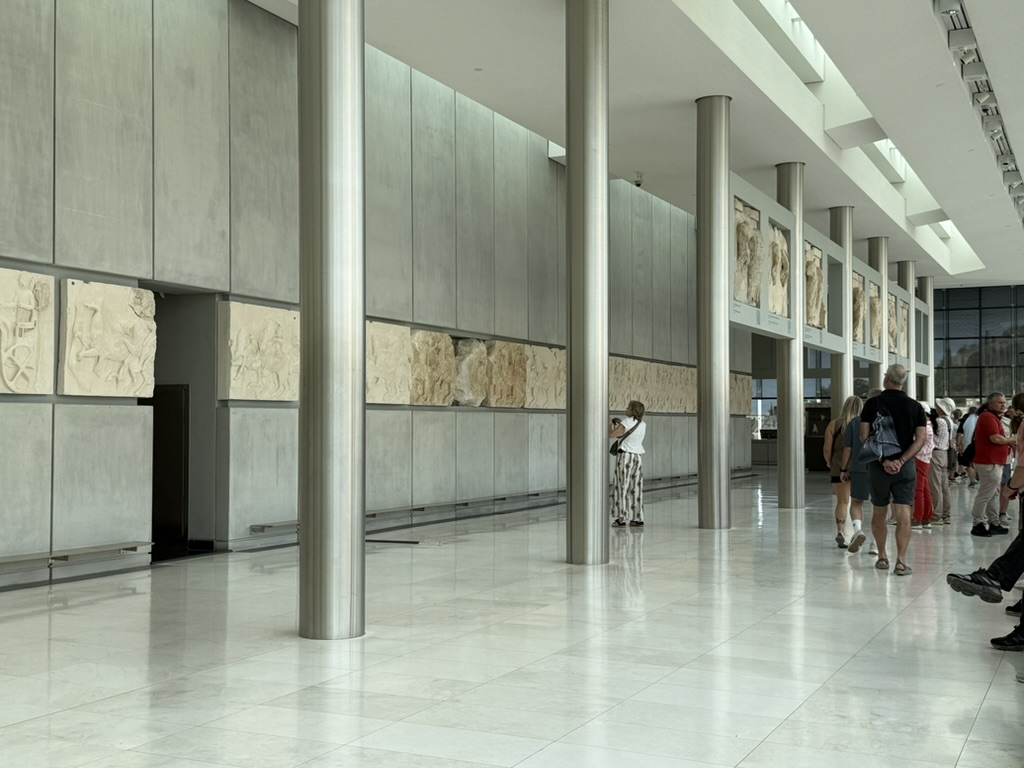
The Acropolis Museum is a magnificent piece of modern museum architecture, above all for its sublime use of natural light. Its signage is great; the way it displays the Parthenon marbles – as close as they can get to their original layout around the building, is excellent. For what it’s worth, I agree with the Greeks that it’s now time for the British Museum to send back the marbles they hold to reunite the collection – even if I’m not massively comfortable with the giant-sized chip on Greek shoulders about Lord Elgin, their glossing over of inconvenient truths of the story and the cartoonish way in which they depict Elgin as the archetypal British villian and Byron as the archetypal hero.

At some level, though, I’m dubious about whether it’s worth all the fuss. These are not the greatest examples of classical sculpture on the planet – their artistic quality is decidedly variable – nor are they the best preserved. Their main virtue lies in the sheer scale of the project and in the beauty of the building they once adorned. It makes sense to emphasise that scale by having them in one place, but I find can’t find it in me to be part of the fervour with which it’s debated.

The National Archaeological Museum, on the other hand, blew me away. The building isn’t the greatest – in fact, we were lucky to see it at all because a giant refurbishment project will is slated to start next year. But the collection… Nikos guided us expertly through every era and civilsation, from ones with which I was familiar, such as the gold-obsessed Mycenaeans with the Mask of Agamemnon (mis-named, sadly, the dates being wrong by several centuries) to the ones of which I had no knowledge, like the bronze age Cycladic civilisation, whose art constitutes a bridge between the Egyptian and Greek worlds. Statues like the Artemision Zeus (or Poseidon, no-one’s quite sure) show just how much the Greek ideals of masculine beauty has survived through the ages to influence ours.

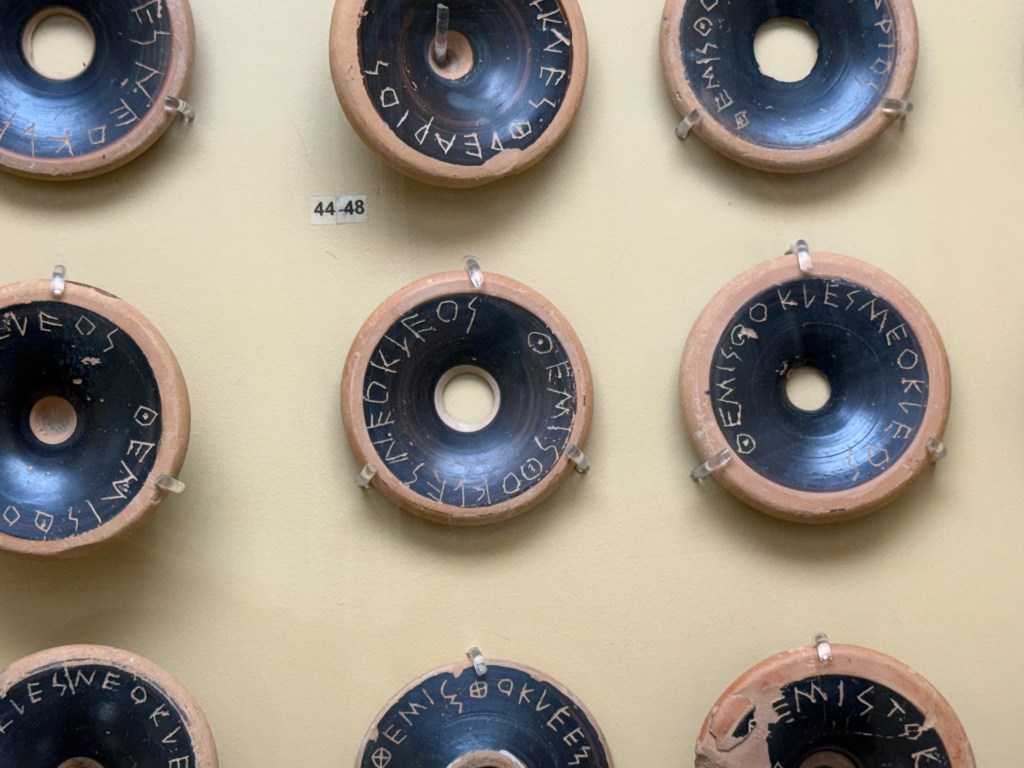
Setting aside the artistic point of view, the most telling artifacts are the political ones from Athenian democracy: the machine for random selection of people to serve as jurors or councillors, the voting apparatus, the potsherds (“Ostrakai”) engraved with the name of Themistocles to vote for his exile (“ostracism”) – in spite of his past as one of Athens’ greatest heroes.

In order to be within easy walking distance from all these sites, we chose to stay in a hotel in Plaka, the historic city centre immediately to the north of the Acropolis. This may not have shown Athens at its best, and almost certainly has little in common, for better or for worse, with the rest of the city.

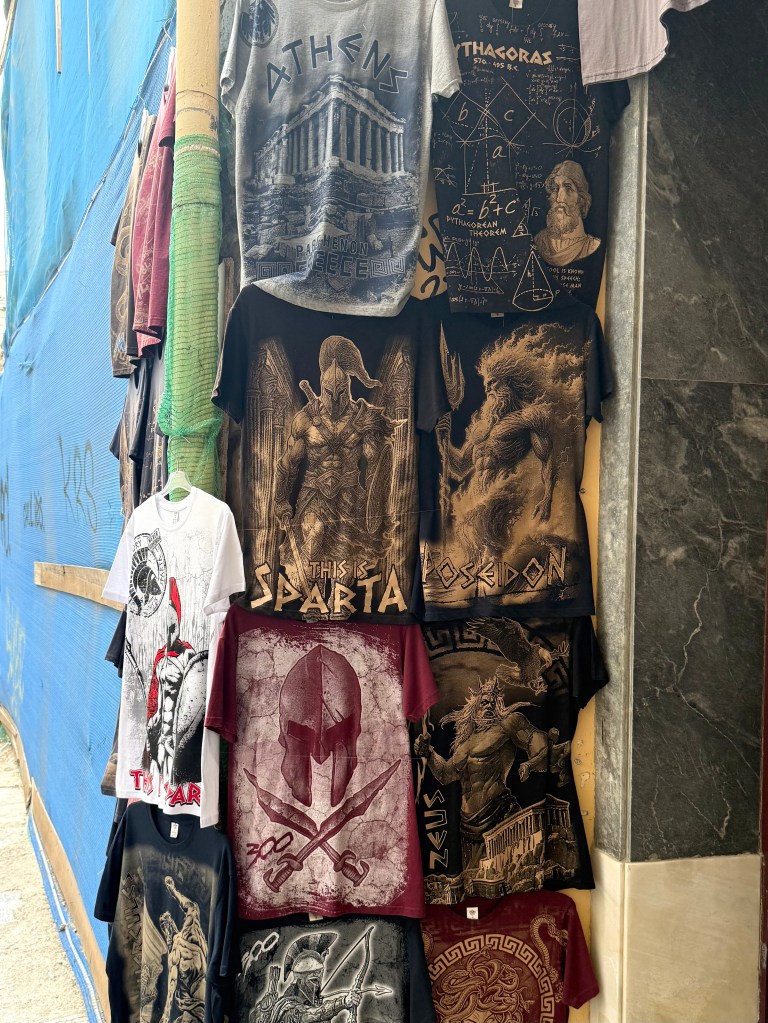
Many modern European cities are afflicted by the twin blights of mass cruise ship tourism and AirBnb. Amsterdam, Barcelona, Budapest, Prague: all have several million tourists per year and all suffer from these problems. What makes Athens stand out is the sheer concentration of tourism in the Plaka district, which feels like an uninterrupted swathe, half a kilometre wide by one kilometre long, of closely packed mass tourist eateries and shops. What’s extraordinary is the homogeneity: souvenir shops with T-shirts of Homeric figures (the interchange between the imagery of the Trojan wars and modern fantasy literature is striking), jewellery and clothing stores of indifferent quality, restaurants serving the same menu of moussaka, souvlaki, Greek salad and the odd pasta dish for the less adventurous. These include the largest mass tourism restaurant I’ve ever seen, Thanasis, which on its own takes up nearly 100 metres of Mitropoleos Street.

A few of the streets in Plaka escape this, with rows of elegant houses in the “Greek Revival” style of architecture. Some of these have been refurbished beautifully. Some are derelict, their owners waiting (we were told) for them to fall down so that they can rebuild them without having to comply with the tangle of restrictions on heritage buildings imposed by the Culture Ministry. Others show the mild decay of properties rented out for short lets.

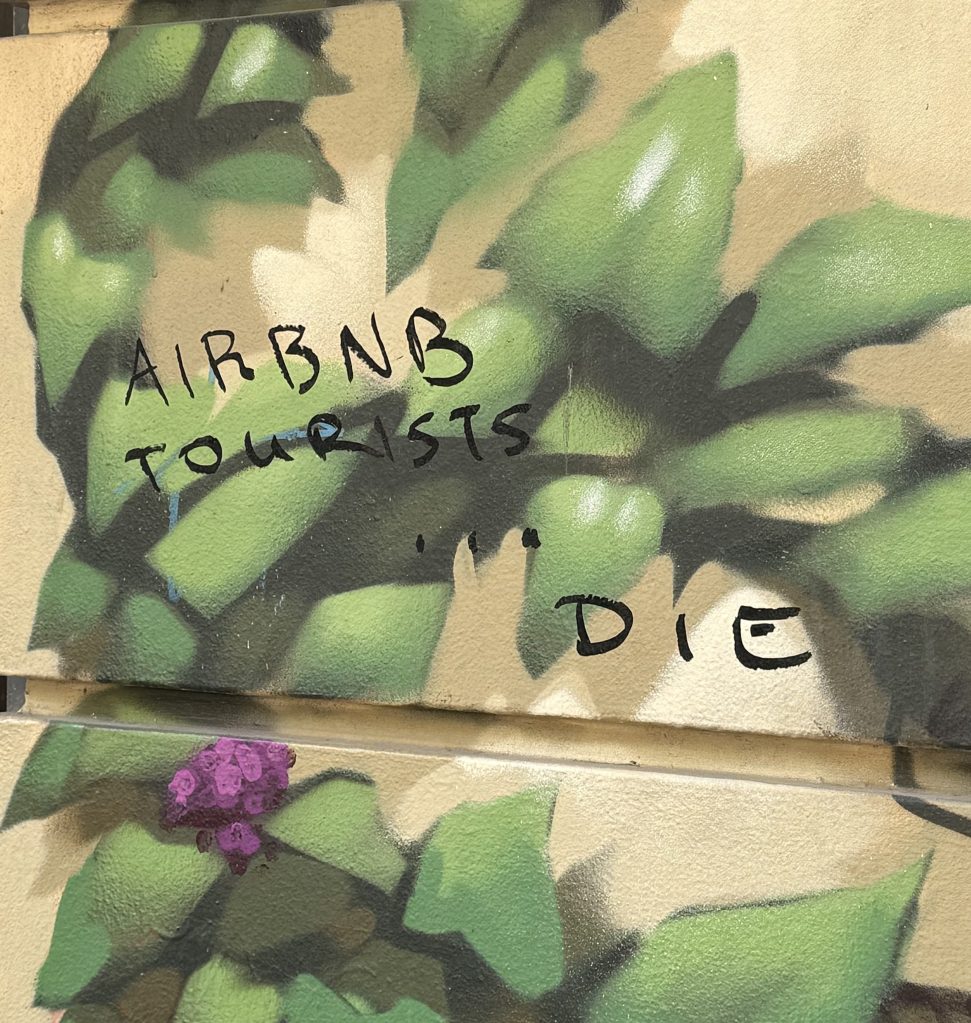
It’s not that there isn’t quality to be found here: if you look hard, there is good jewellery and clothing to be found amongst the tat, and we had some lovely meals in secluded gardens, helped by some memorable Cretan wine (clearly, Greek wine has come on by leaps and bounds in recent decades). But if the “AirBnB tourists die” graffiti is anything to go by, not all Athenians are happy with what tourism is doing to their city.

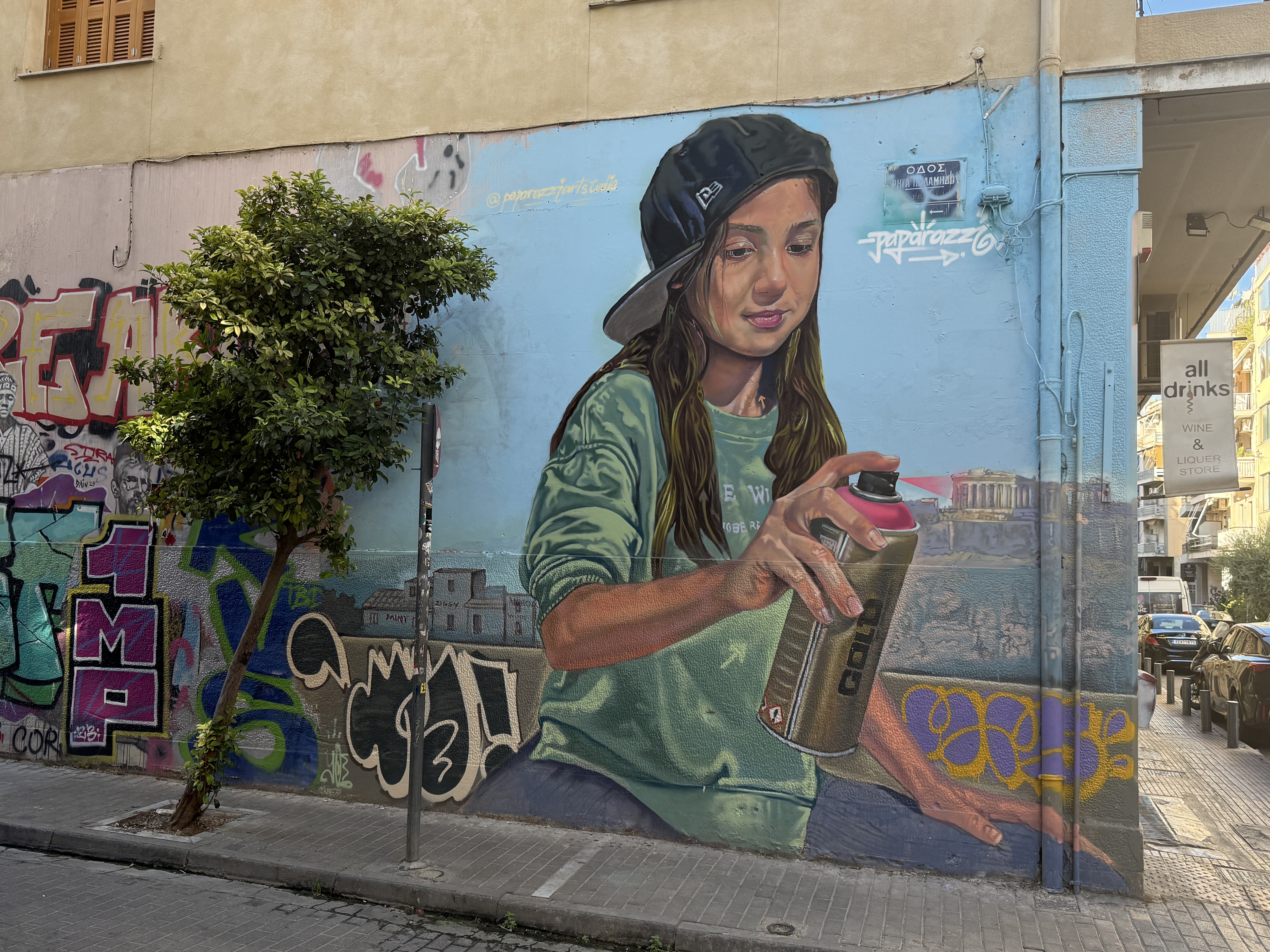
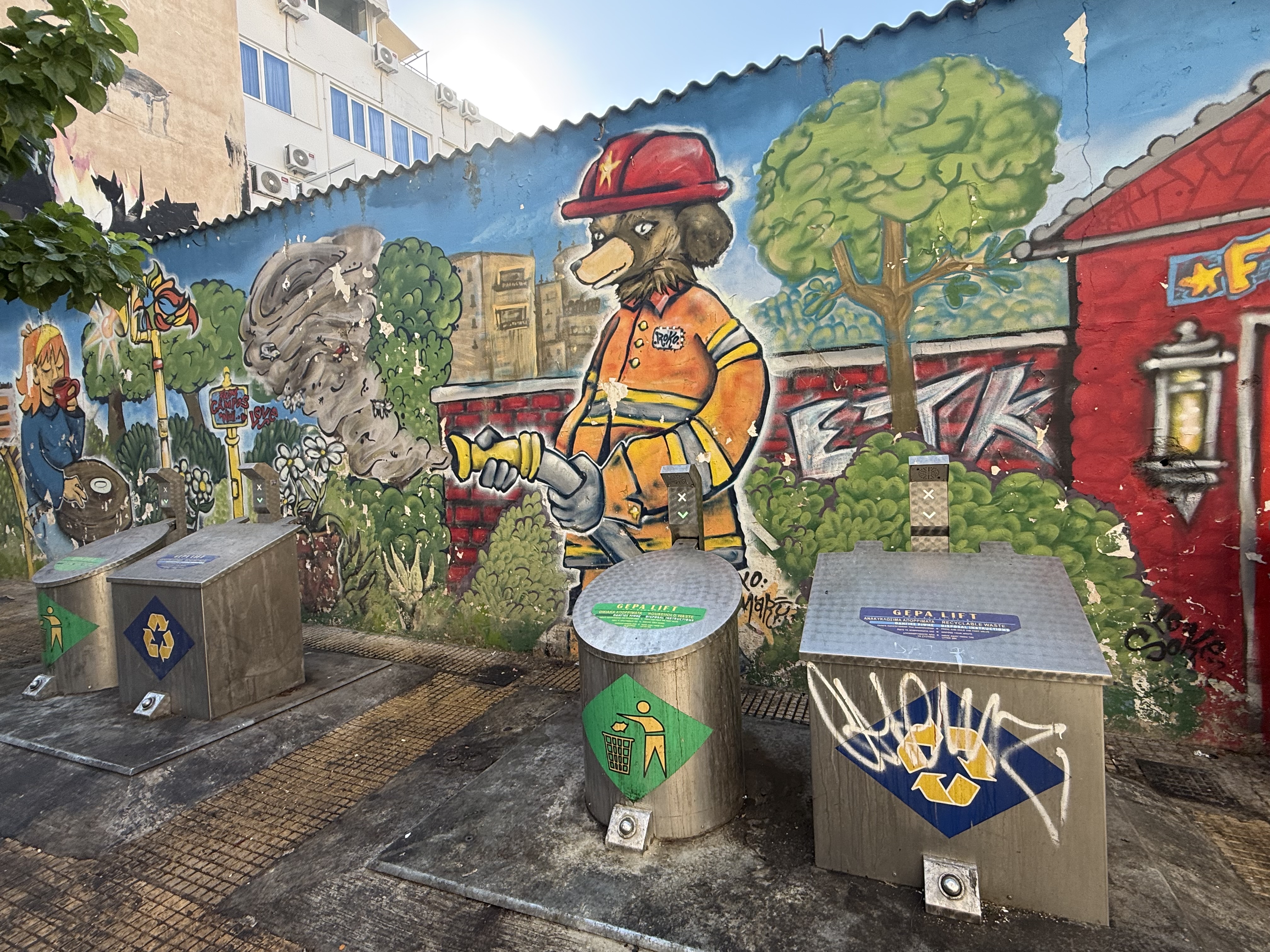
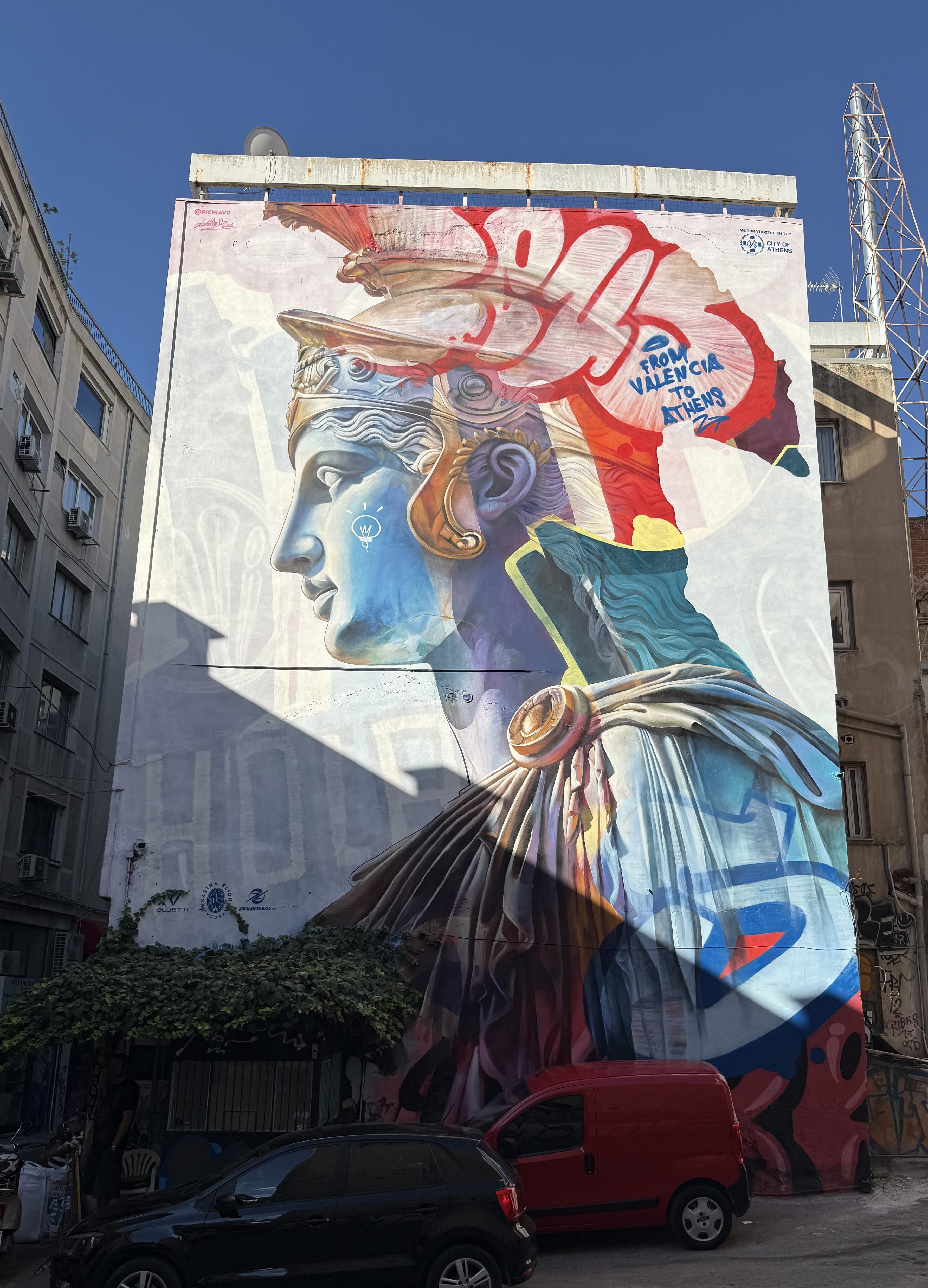
To the west side of Plaka, in Psyrri, there are some awesome pieces of street art. At the other end, across Syntagma Square, the National Garden provides a blissful escape from the hurly burly. Created at the behest of Queen Amalia, wife of King Otto, the Bavarian prince chosen by the Great Powers to be King of Greece in 1832, after the country’s independence, it’s a park of your dreams – more a forest than a park, really – with an untold number of exotic trees, and shady places to sit and relax, breathe some fresh air and let your mind wander.

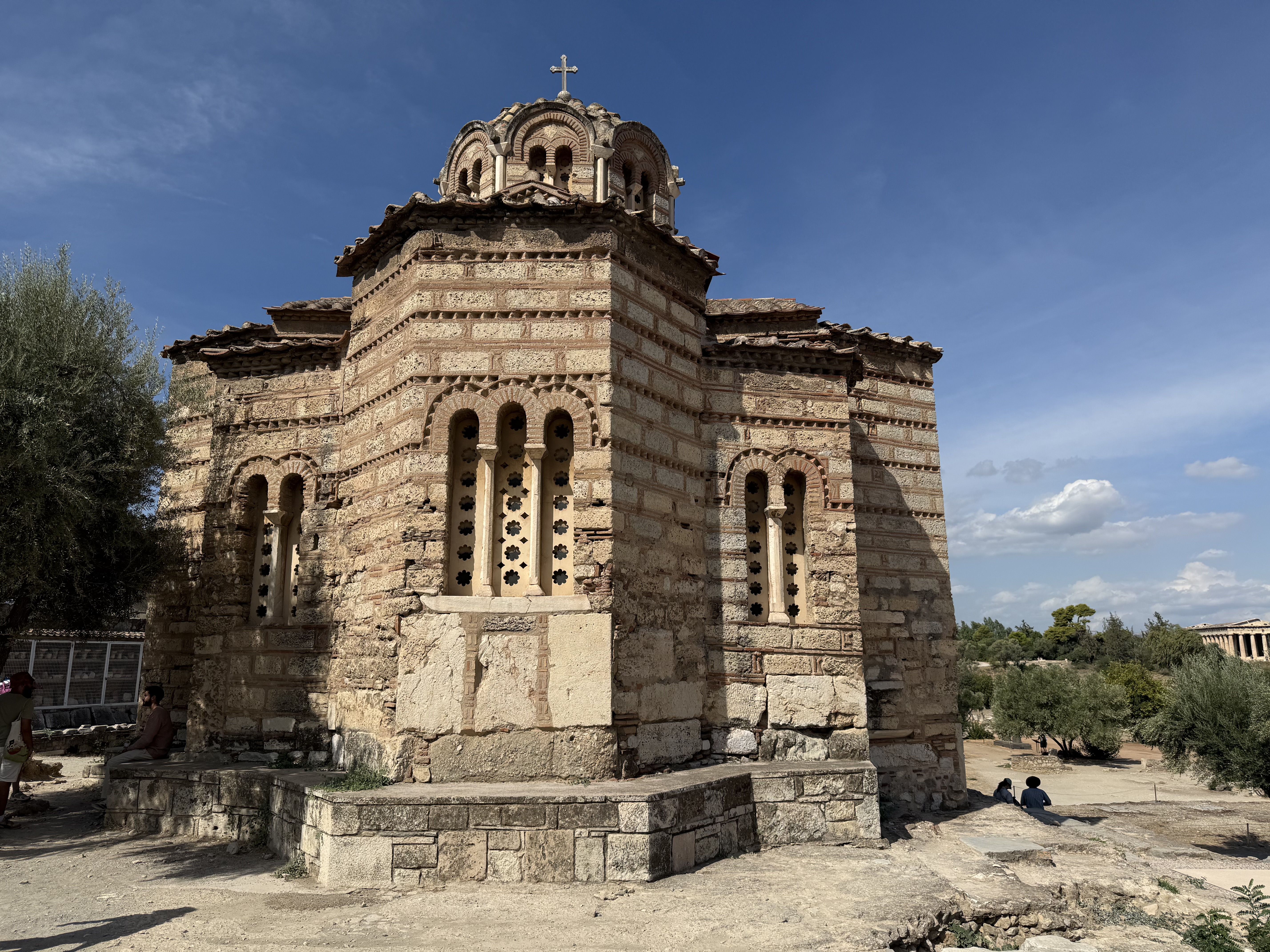
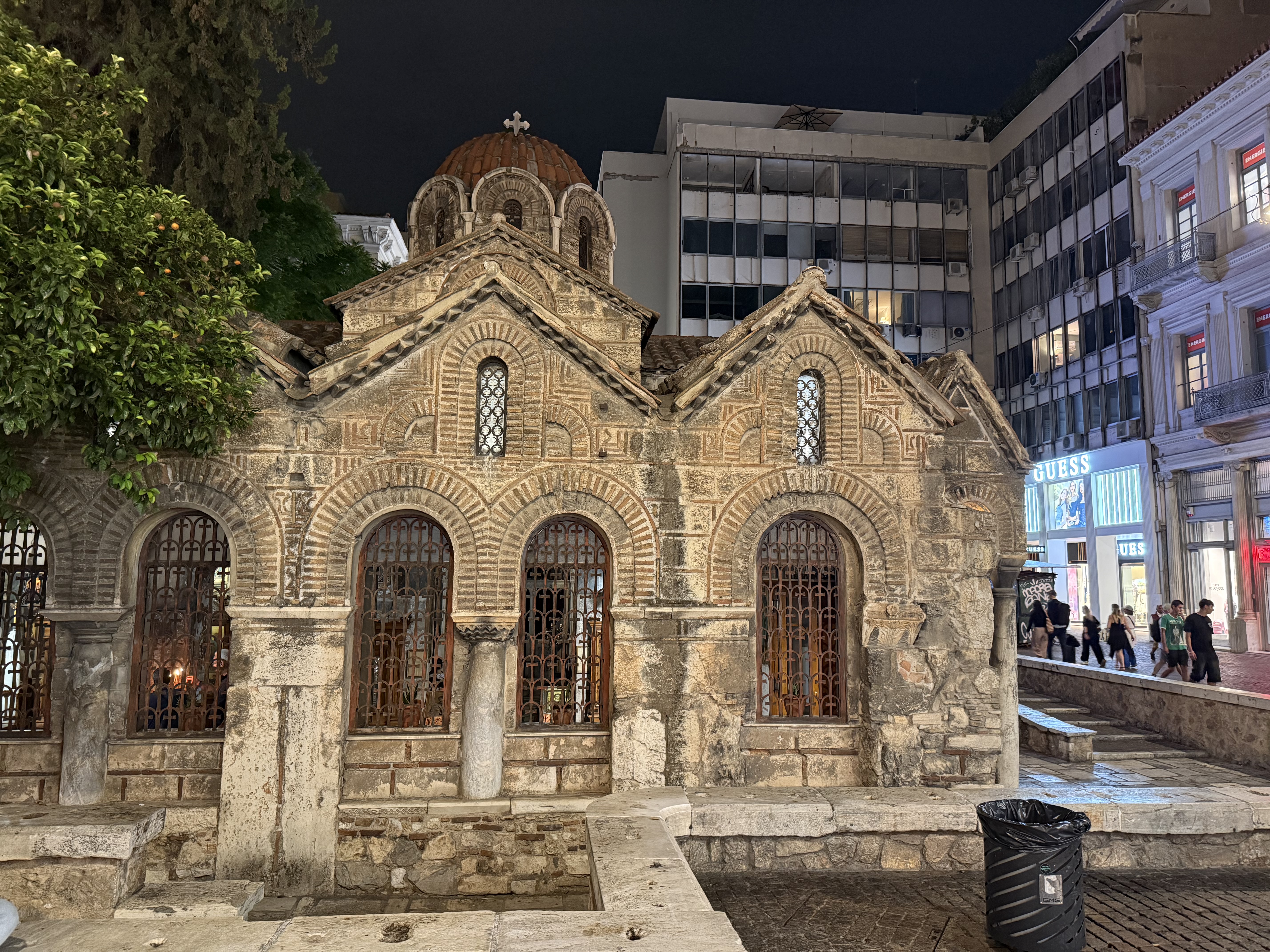
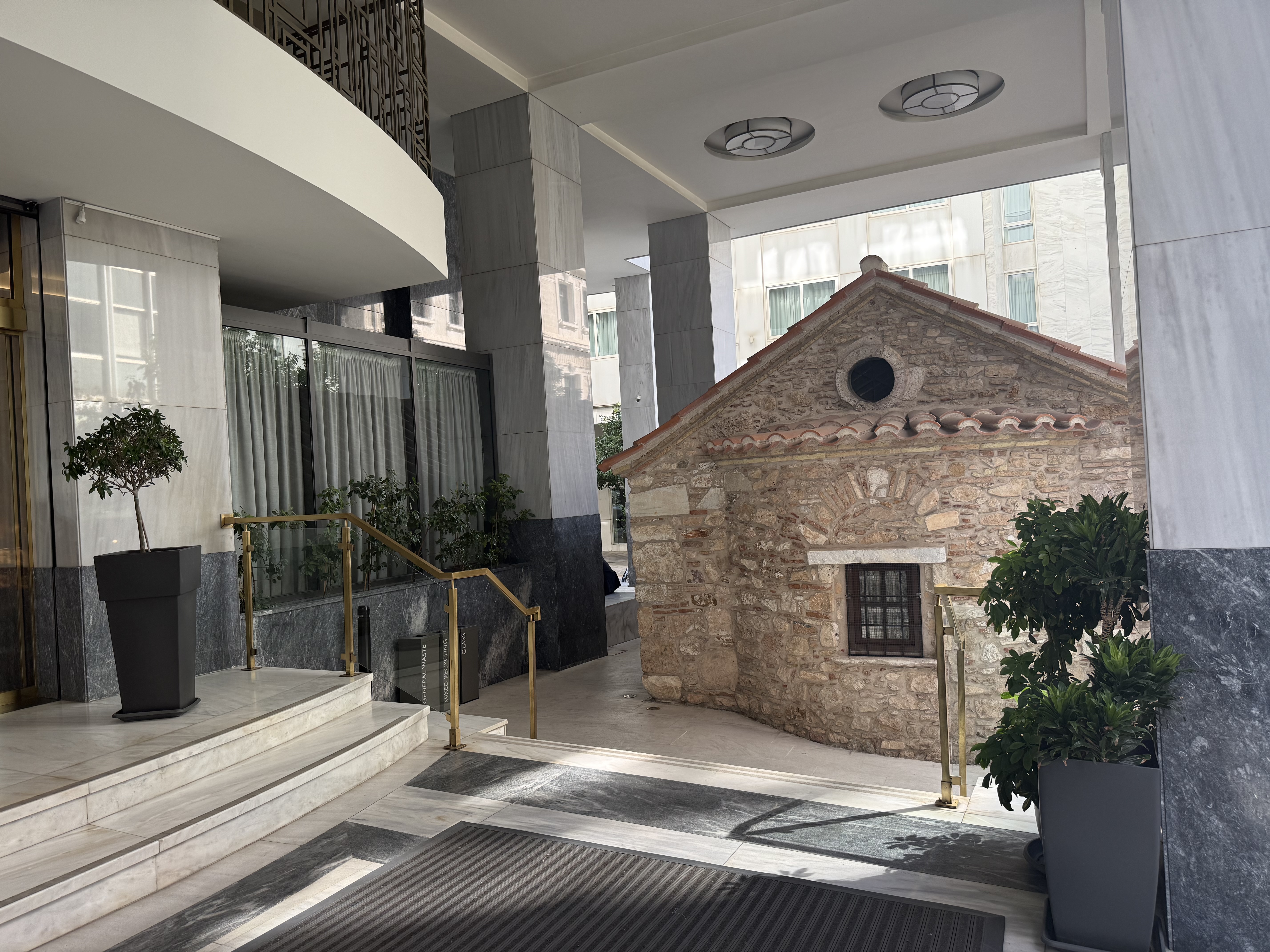
Another joy of Athens lies in the Orthodox churches that bespeckle the city, whether the ancient (the 10th century Chuch of the Holy Apostles on the edge of the Agora), the grand (The Metropolitan Cathedral – although the Greek Orthodox church never approaches the bling levels of baroque Catholic churches) or the intimate (a tiny chapel nestling in the columns that prop up the Electra Metropolis hotel).

A less good side is a syndrome of things that “nearly work but not quite” – even in a few days, we suffered our share of traffic nightmares, taxis who refuse to give you a ride, non-working hotel equipment and what appear to have been kitchen disasters in otherwise excellent restaurants.

For a visitor, Athens has a huge amount going for it, and not just its twin statuses as cradle of civilisation and gateway to the islands of the Aegean. With the Acropolis at its heart, its topography is spectacular. Its climate is gorgeous. Its culture is a true crossroads between East and West. And its food revolves around an abundant supply of superb local ingredients (if such things interest you, a visit to the Municipal Food Market, and particularly its fish market, is well worth while). Let’s hope it can make its peace with mass tourism.

We finished our trip on a high, with one of the best restaurant meals in memory at a place called Zohós (part of a different Electra hotel). In a lovely courtyard, with everything beautifully designed to the finest detail, charming and attentive staff served us five of the best meze I’ve ever had: every one a flavour bombing surprise – and at prices not so much higher than the bog standard places. I’ll be back.

Discovering and observing Skopje, North Macedonia

Discovering and observing Skopje, North Macedonia

It’s been a constant feature of my travelling life that whenever I visit a small country for the first time, the kind of country that I and most of my friends know very little about, I always find far more of interest than I could possibly have imagined beforehand. And so it has proved in my first visit to Skopje, capital of the Republic of North Macedonia.

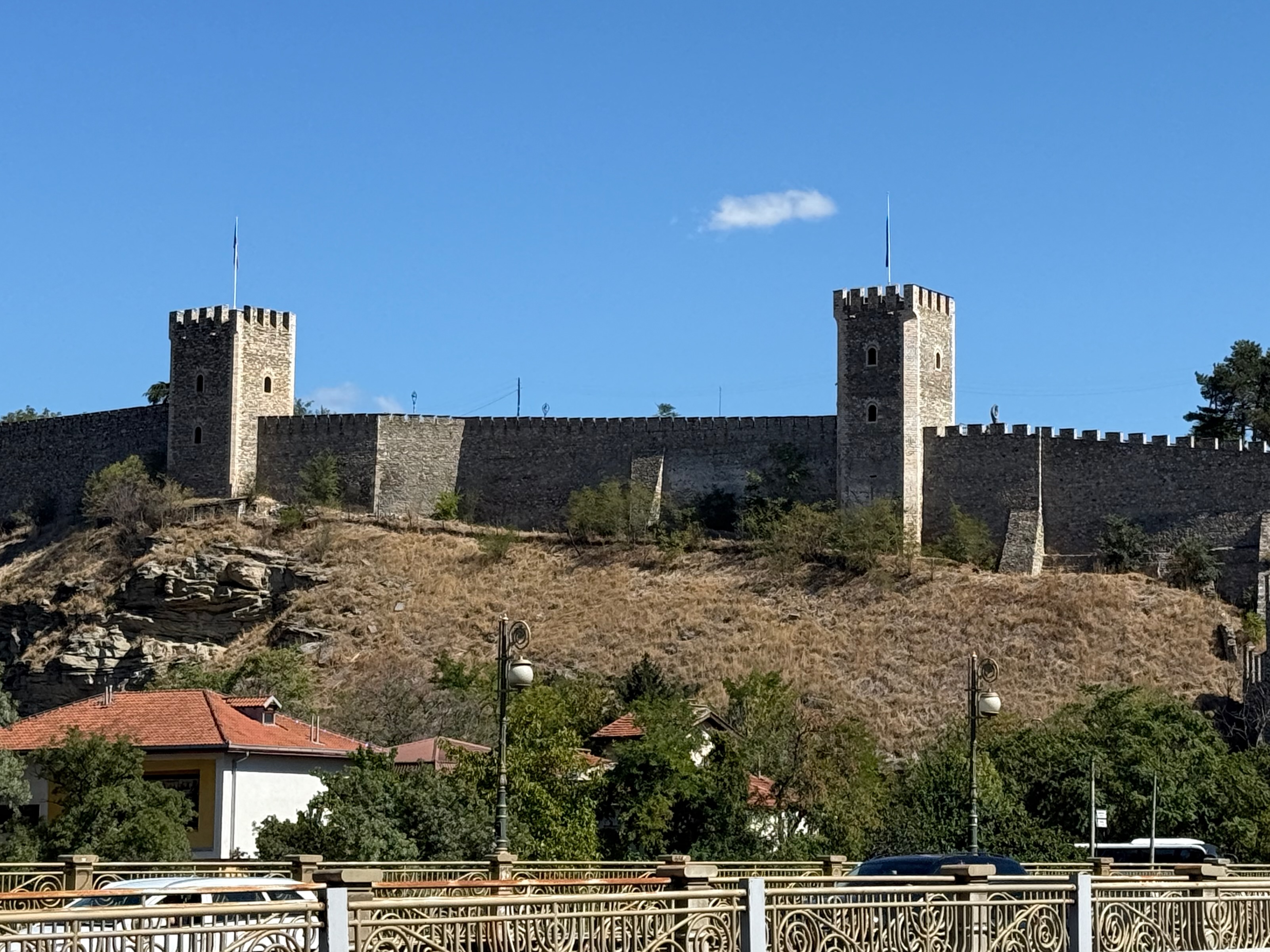
Skopje Fortress

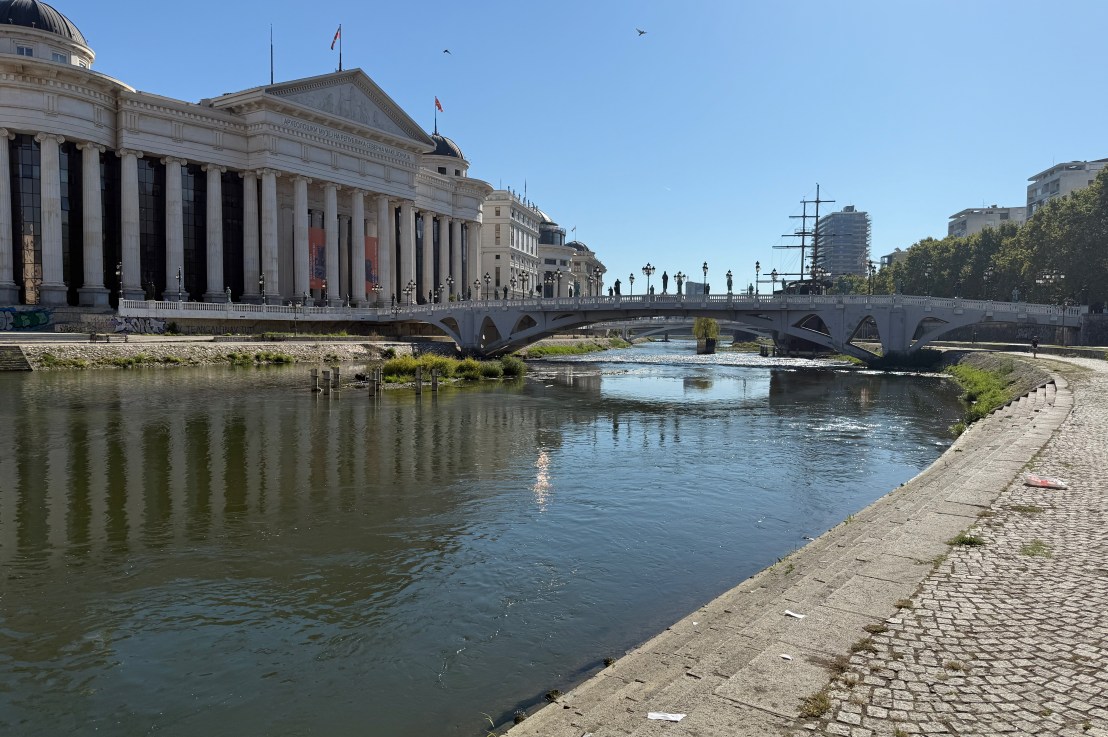
Skopje has the unusual geometry of being long and thin – over 30 km long but mostly less than 5 km wide. That’s because it’s built along the length of the Vardar river, snaking gently from East to West along the river’s course and surrounded by mountains. The imposing Skopje Fortress  is situated atop a substantial bluff immediately north of the Goce Delčev Bridge, the main river crossing point for car traffic. The Kale (the Macedonian word for fortress) has been there, in various forms and various levels of repair, since the sixth century CE, which makes it one of the oldest castles in Europe.

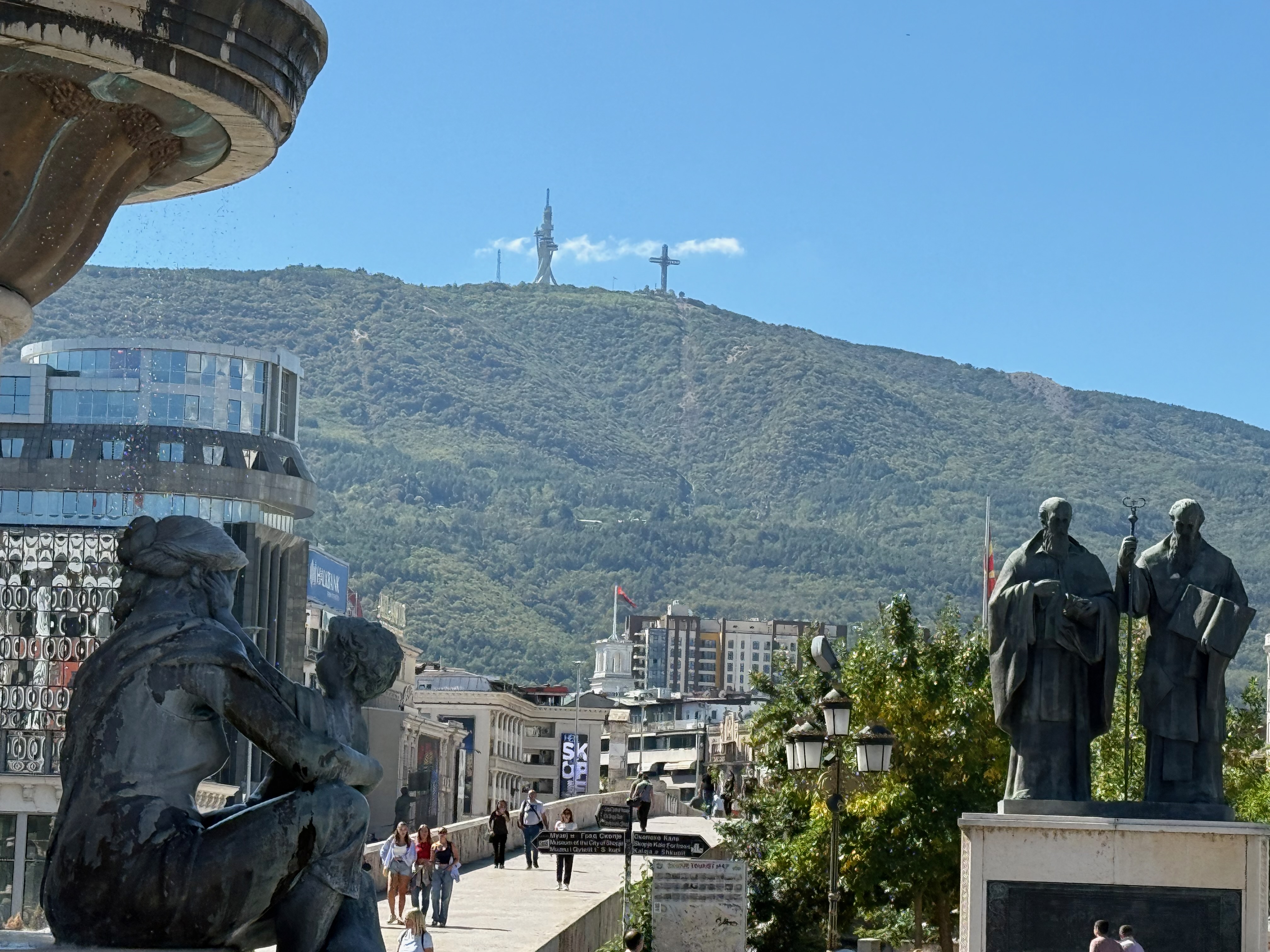
The Stone Bridge with Mount Vodna in the background

From the city’s river valley position, mountains are visible from most sides (which makes orientation straightforward). Kossovo and its capital Pristina are behind the Skopska Crna to the north. Closer and to the west the, Šar Mountains separate Macedonia from Albania. In the south, within the official city limits, is Mount Vodno, whose summit, named Krstovar peak, has been dominated since 2002 by the enormous Millennium Cross, a landmark that’s unmissable from just about anywhere in the city. Below the summit is a most extraordinary place to visit: the Byzantine Church of Saint Panteleimon, founded in 1164.

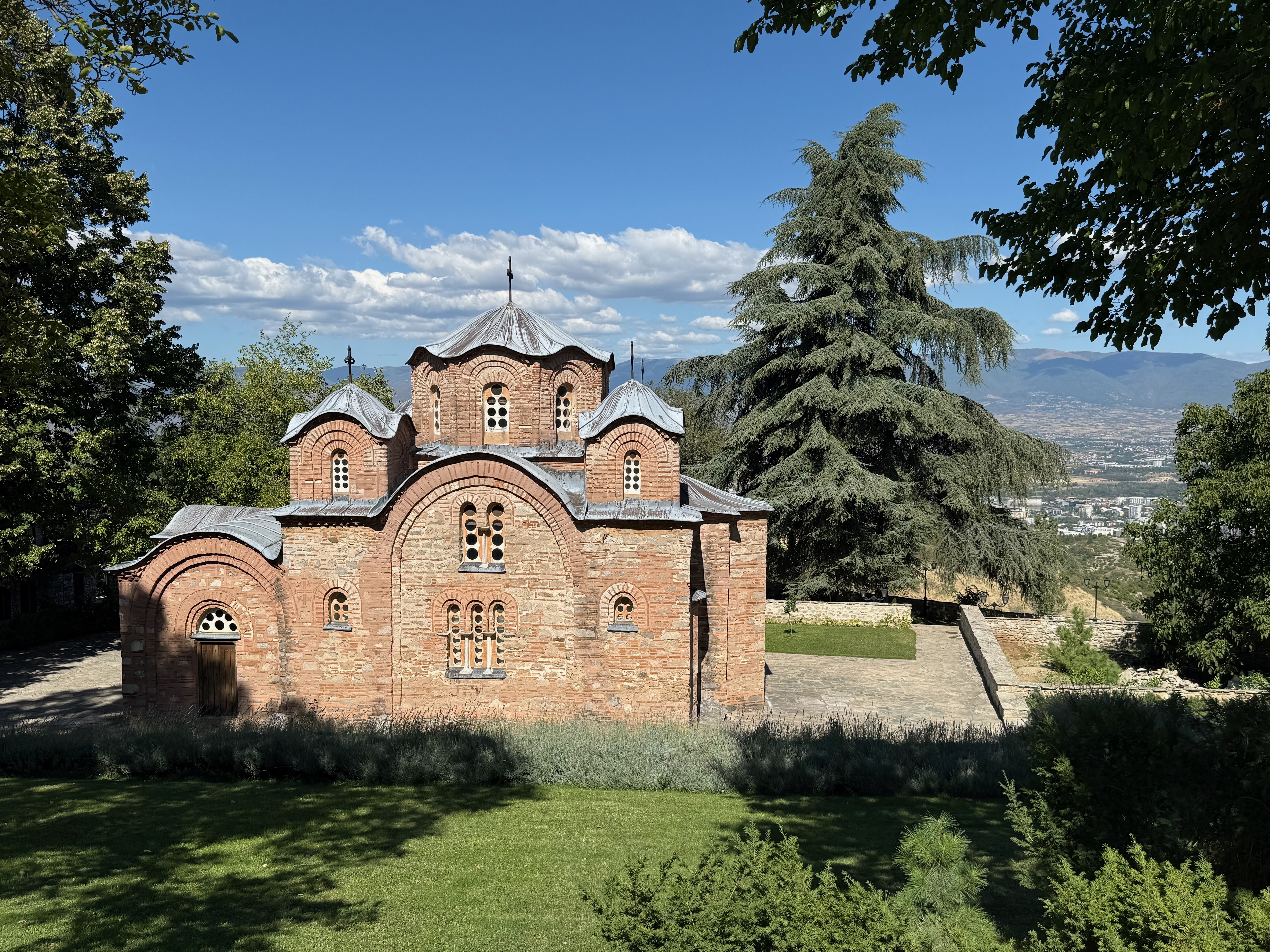
Skopje: St Panteleimon Church

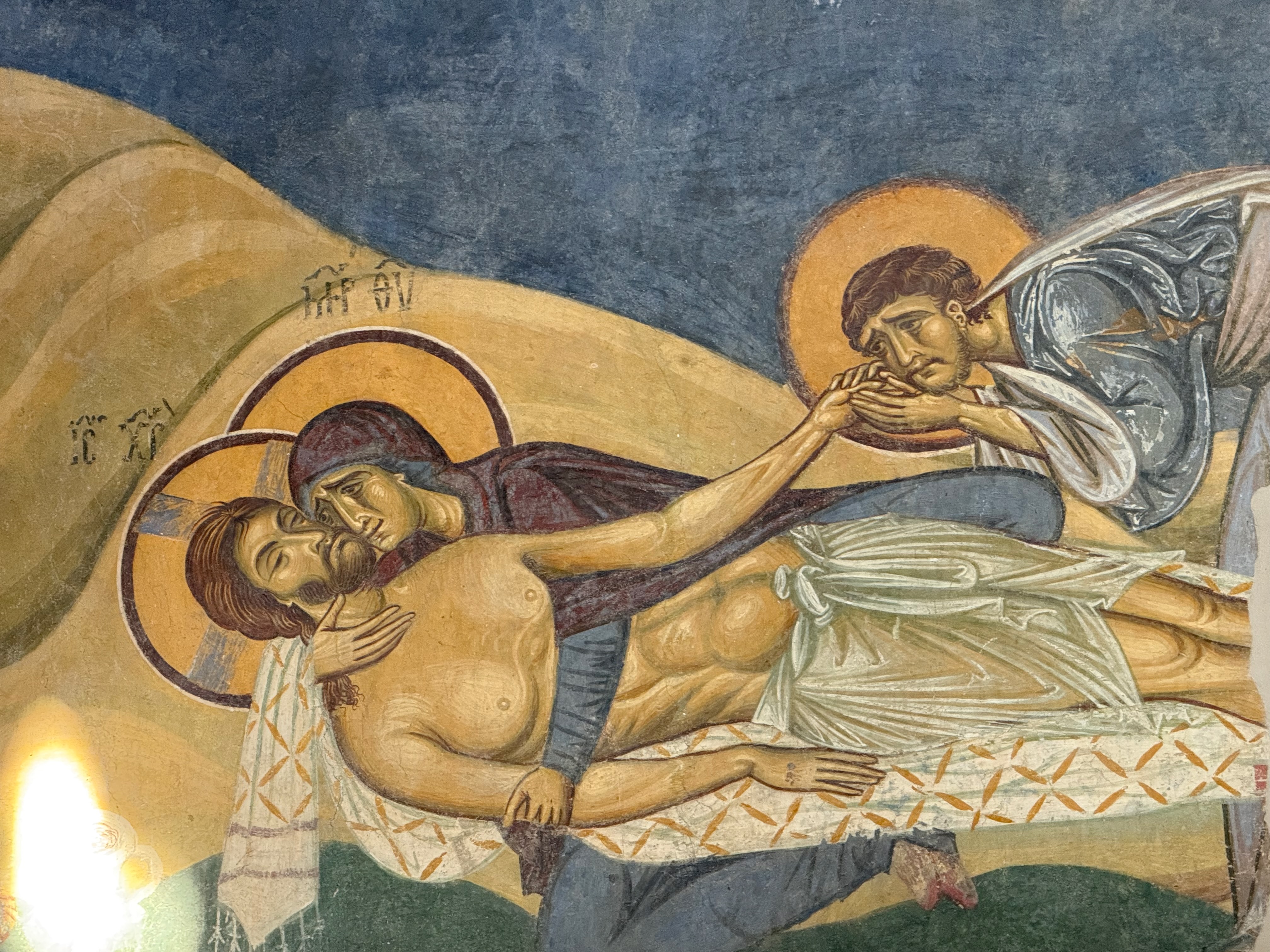
The church building, which has been lovingly restored, is of great elegance and beauty, with graceful symmetric proportions, domed towers and a combination of brick, stone and rendering, glowing pink in the autumn sunshine when we visited. Inside is an even more exciting sight: the many original frescoes which have been cleaned up to shine brightly even in the subdued light. The Pietà is an eye-opener with its clear depiction of Christ and the Virgin Mary as flesh-and-blood human beings, making a nonsense of the western Art History idea that Giotto was the first artist to do so – it would be 150 years before the world would see the Italian master’s frescoes in the Scrovegni Chapel in Padua.

Skopje: St Panteleimon Church - Fresco of Pietà

We were shown around by the man in charge of the church and of the monastery of which it forms part, who calls himself simply Father Panteleimon. He is a phenomenon in himself: a deeply devout man, but one who has clearly had a life before taking holy orders. He spared no effort in probing us to find points of connection with his world and his experience: in our case, this turned out to be an improbable combination of beekeeping, mountain herbs, the music of Arvo Pärt and a church in Kent with windows by Marc Chagall (we were less enthusiastic about his love of Depeche Mode, whose lead singer Dave Gahan, it turns out, is also an Orthodox Christian).

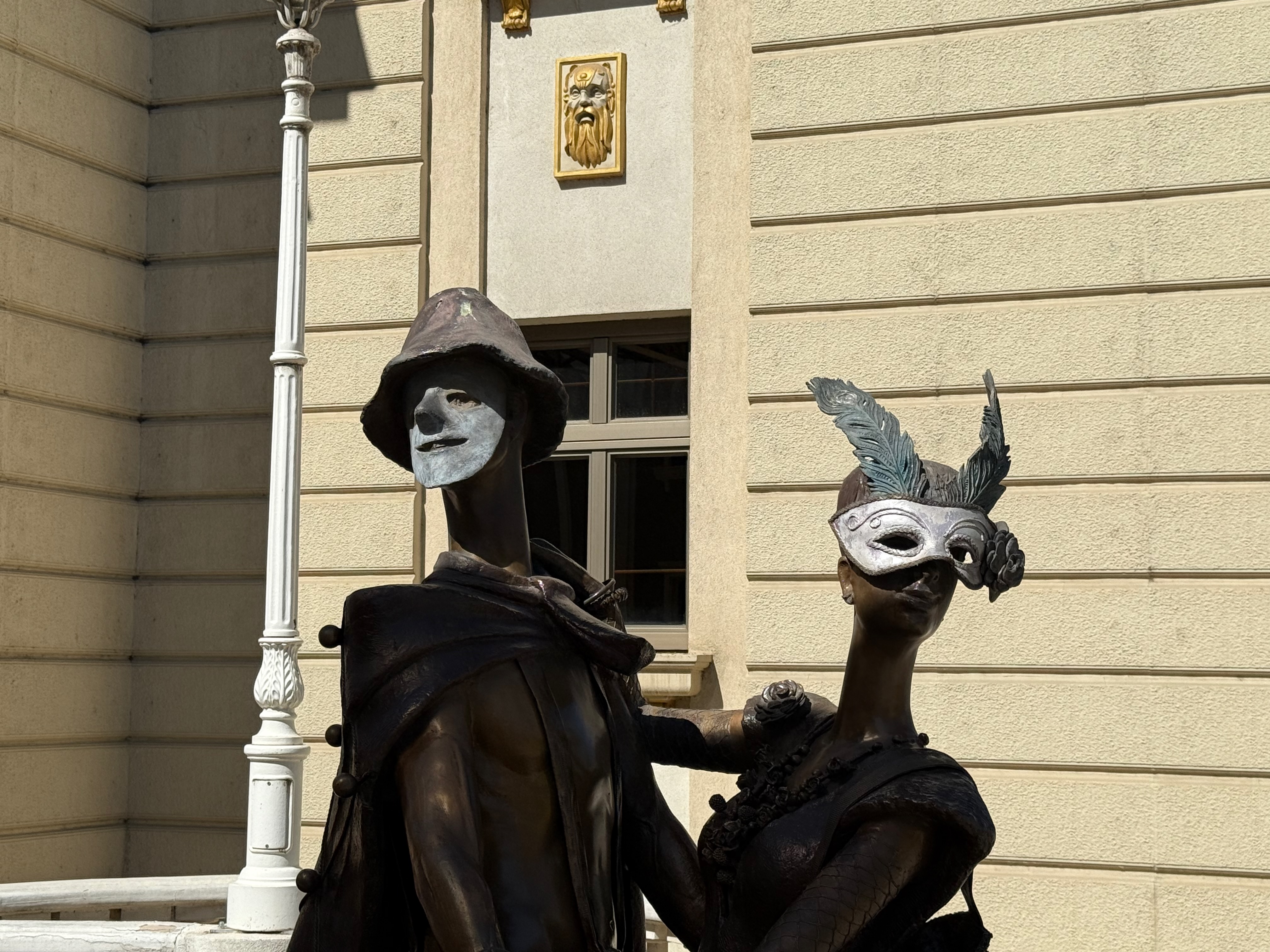
While Skopje is a very old city, it is also – in a sense – a brand new one: that’s because a massive earthquake in 1963 flattened the place almost completely. The ensuing international appeal enabled the city to be completely rebuilt, which was done in a consistently modernist style. This was not necessarily to everyone’s taste, and in 2014, a massive project was launched to rebuild or re-facade buildings into a neo-classical style, with much white plasterwork and many classical-looking columns. It’s been divisive, to say the least: cheap frippery to the modernists, welcome relief to the traditionalists. Since I didn’t see what it looked like before 2014 and since I’m not as commited to modernism as the architect friend who showed us around the city, I won’t pass judgement except to say that I found it perfectly pleasant to walk round, with the National Theatre particularly appealing – although I have to confess that the rows of statues which lined the “Bridge of Civilizations in Macedonia” and the “Art Bridge” next to it were grim.

Skopje: Figures outside National Theatre

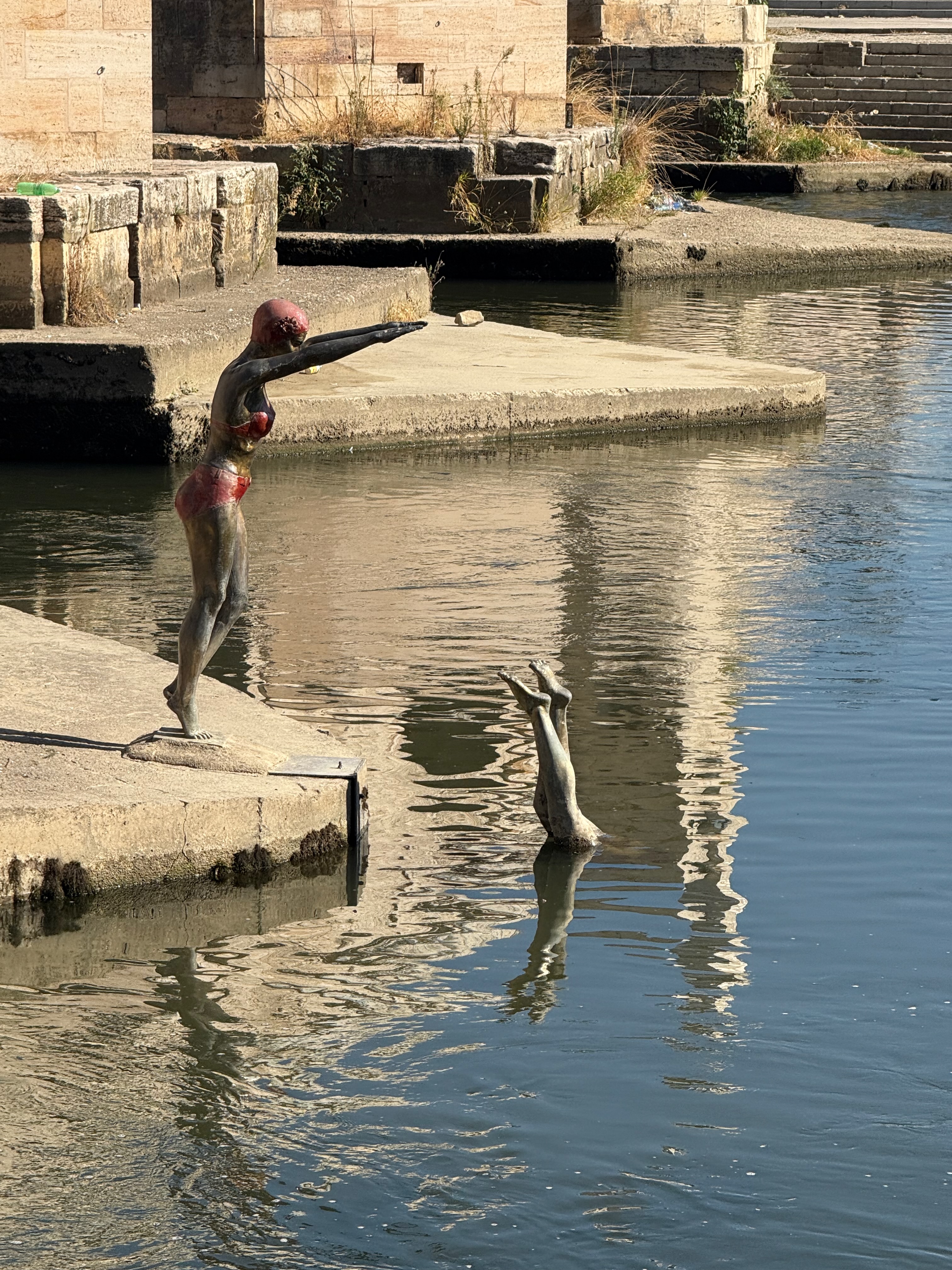
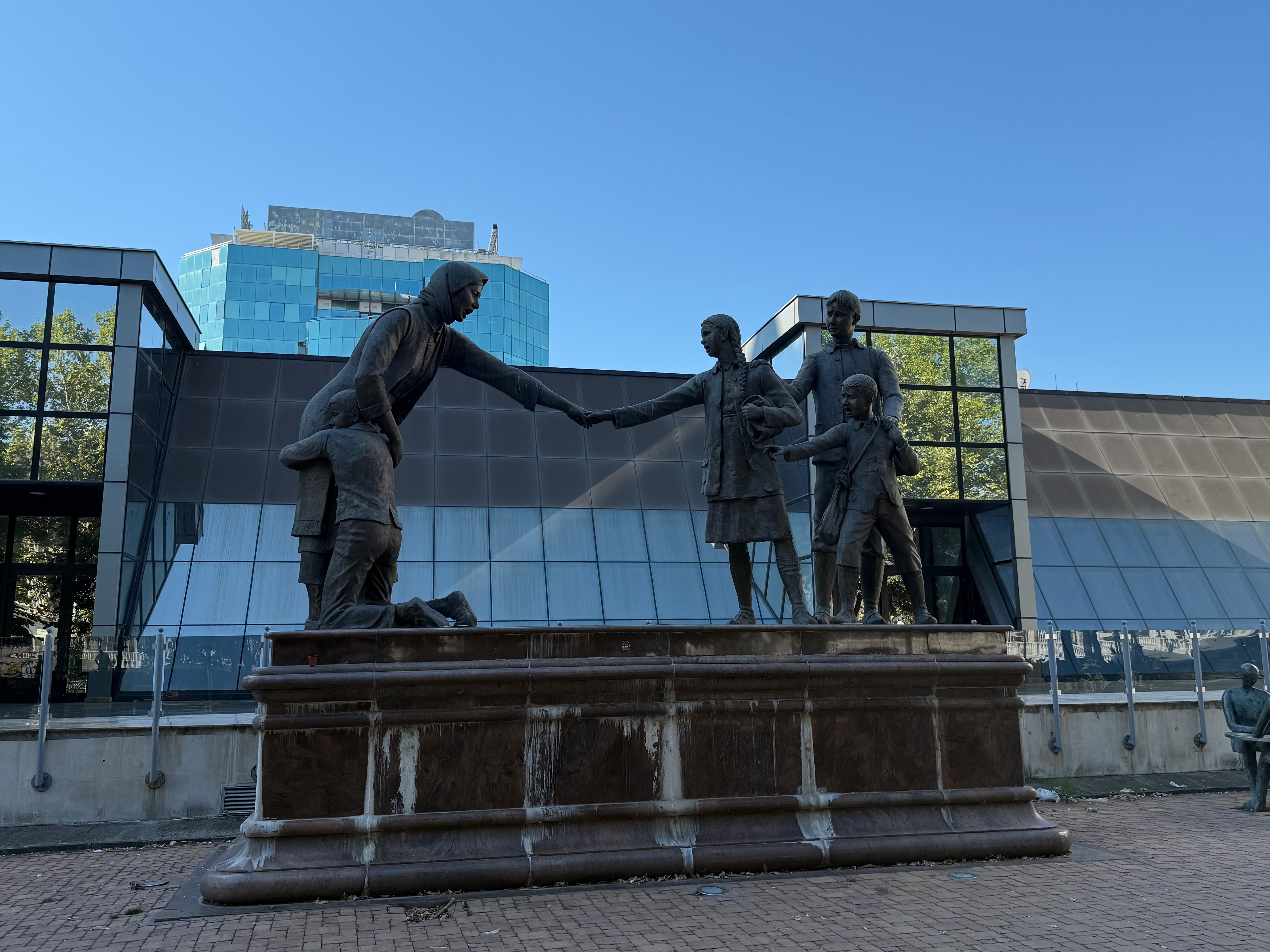
There’s a lot of street sculpture in Skopje, much of which I really enjoyed. I loved some of the statues outside the National Theatre, as well as a pair of women diving into the Vardar just by the Stone Bridge and a group of figures on its south bank near the Holiday Inn. The two pairs of lions which guard the Goce Delčev Bridge – one pair classically figurative, the other more abstracted – are controversial, not because of their quality, which is rather good, but because the lion is the symbol of the ruling party at the time they were erected, so this was a blatant piece of grandstanding.

Divers by the pillars of the Stone Bridge

And you can’t miss the two truly blatant examples of grandstanding that are the giant statues of Alexander the Great, on horseback in Macedonia Square, and his father Philip, on foot across the river. The pair were clearly intended as a two-fingered salute to the Greeks in the long-running dispute over Macedonia’s name: the problem is that both nations are desperate to claim Alexander the Great as being their own. The Macedonian claim is territorially correct, given that Alexander’s birthplace is inside the country’s borders; the Greek one is culturally valid in that he was clearly a product of the Hellene civilisation and clearly predated the Slavic and Ottoman civilisations that form the Macedonian people today. The dispute was eventually settled in 2018 by the solution (which I personally find rather childish) of changing the country’s name from “Former Yugoslav Republic of Macedonia” to “Republic of North Macedonia”). The statues, I’m sorry to say, are completely tasteless, although the nearby Fountain of the Mothers of Macedonia, which incarnates Philip’s mother Olympia as four stages of motherhood, is an altogether better effort.

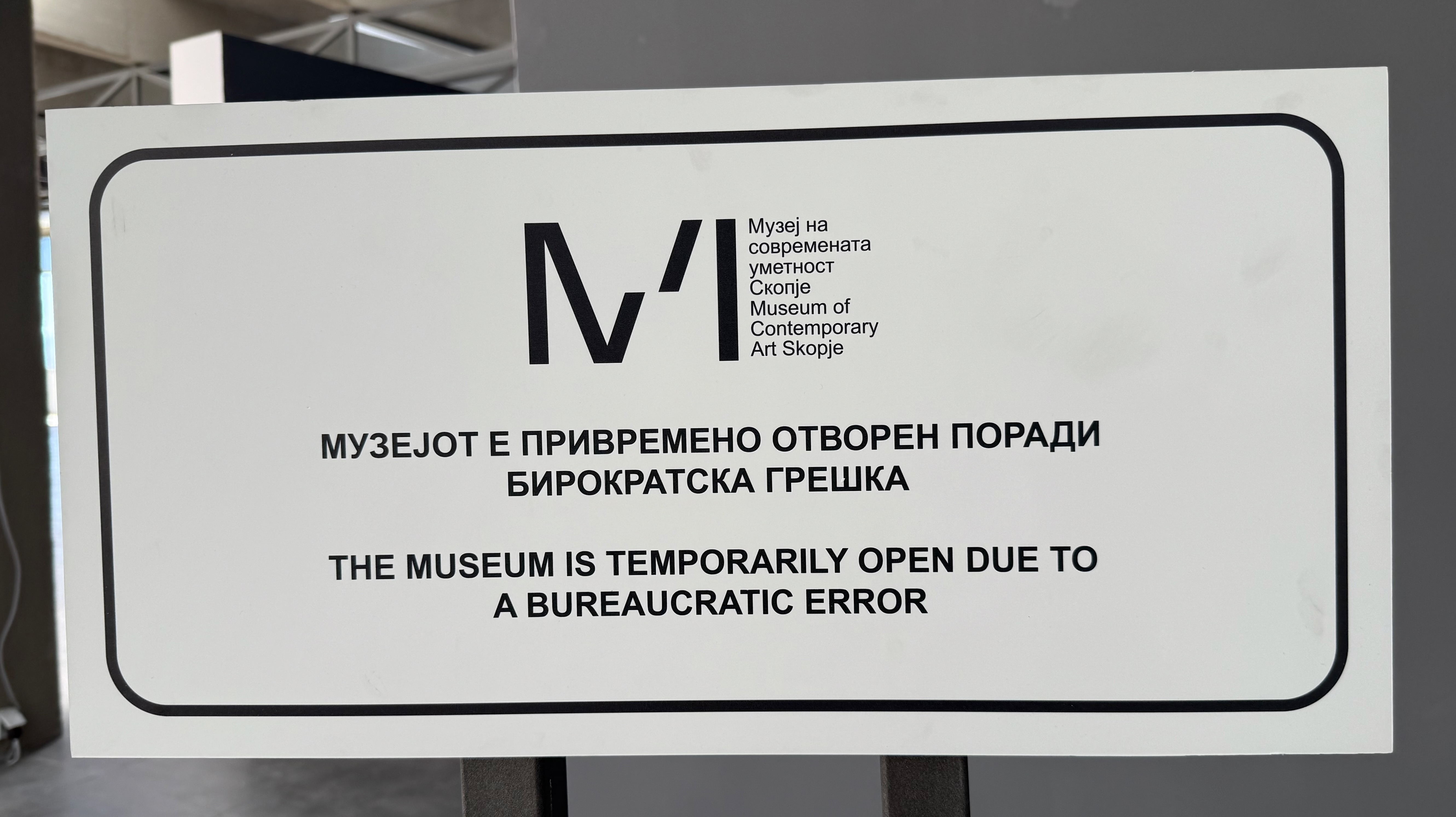
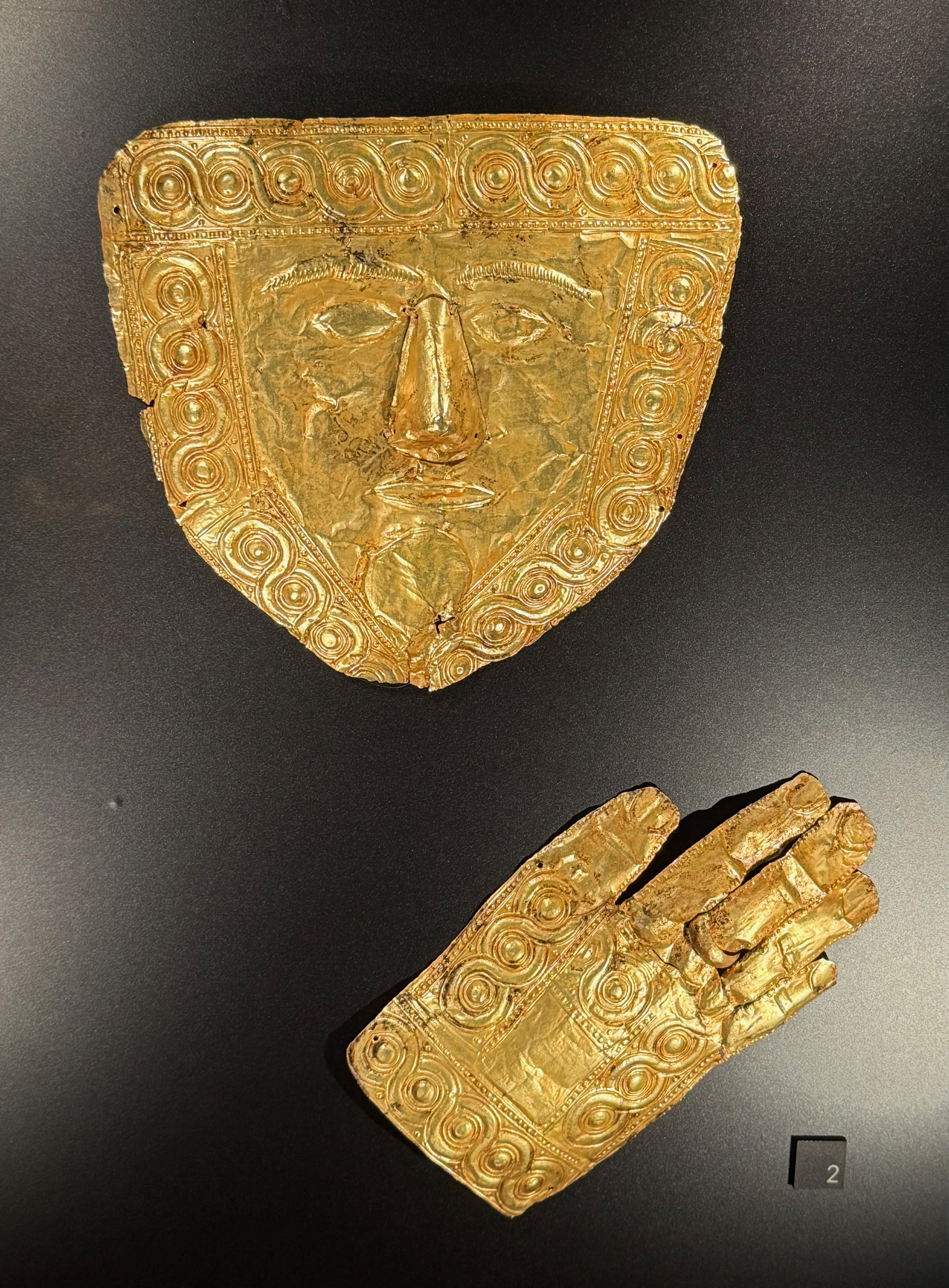
We just had time for two of the city’s many museums. The airy Museum of Contemporary Art, on the same bluff as Skopje Fortress, holds regularly changing temporary exhibitions and boasts panoramic views of the city from the terrace outside. Slightly spookily, they were preparing to host a conference of 250 FBI operatives when we arrived: I’m not sure what the Feds would have made of “Museum open until further notice”, a collection of hilariously sarcastic anti-establishment memes by artist Cem A (with delicious irony, as I write this, the museum is actually closed to host a different conference). The second was the Archaeological Museum of Republic of North Macedonia, packed with artifacts through the ages, such as the superb funerary gold mask and glove pictured here, from the Trebenishte necropolis near Ohrid in the south of the country, probably from the 6th-5th century BCE. Lake Ohrid, we are told, is seriously worth visiting, but we didn’t have time for the two-and-a-half-hour drive each way.

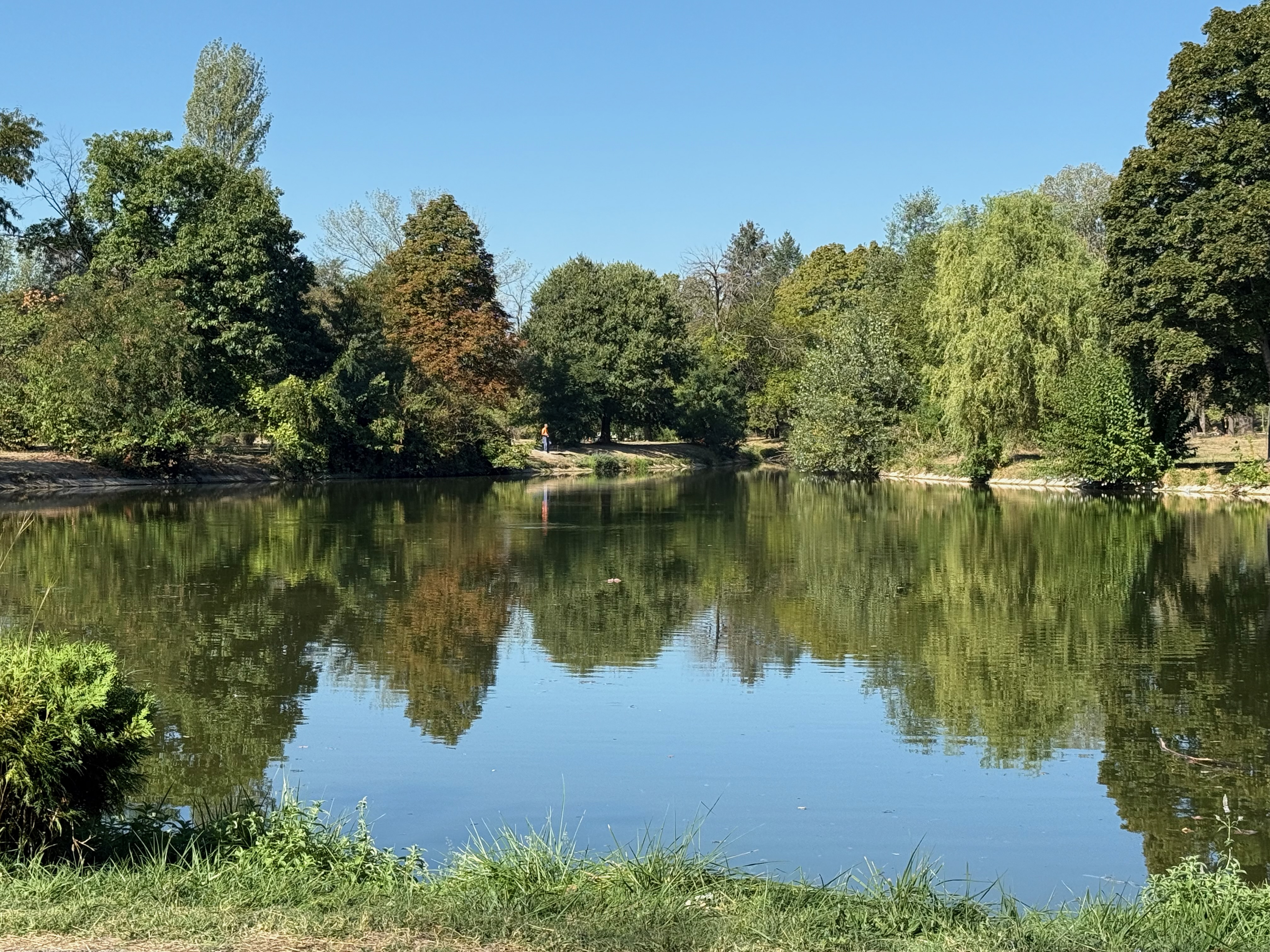
In addition to all this public stuff, Skopje’s broad riverbank walks, extensive City Park (surprisingly green in September after a long, dry summer) and its lively old bazaar make it a pleasant place to visit. However, the city and the country have a dark secret: corruption. Transparency International’s Corruption Perceptions Index for 2024 ranks Macedonia as 88th out of the 180 countries it studies, and locals point to cronyism and siphoning of funds from government projects. The results are visible on the streets of the city: perfectly decent buildings are undermined by poor maintenance, while green spaces are marred by insufficiently frequent rubbish collection. What we didn’t experience (being there in September) was the winter pollution: apparently, too many people burn coal or wood, and the ensuing smog lingers because the spaces for wind to blow it away, as envisaged by the post-earthquake town planners, were filled in by buildings. Effects of corruption are also visible in net migration statistics, with far too many young Macedonians leaving the country to seek better opportunities elsewhere.

Skopje City Park

Which is sad, really. Skopje is an attractive city in a fertile country. The climate is broadly lovely. The food is great, within a fairly typical Balkan range of dishes, in which the stars are Macedonian tomatoes, which rival the best in Italy for utter deliciousness. Some of the local wines were really quite impressive. The vast majority of people we met were utterly charming. The ethnic tensions between Macedonians, Albanians, Turks and others, seem broadly contained, at least by comparison with the norm in this part of the world. Let’s hope that the gap between Macedonia’s potential and its current reality will be narrowed in years to come.

What I learned about Paris

What I learned about Paris

We spent the months of April and May in Paris – a mixture of pleasure and business, giving us the chance to see many clients throughout France. It’s a city in which I spent several years as a child – but that was over half a century ago, so it was a chance to rediscover the city.

Some of what we found agreed with what our expectations from previous visits or from things we’ve read. But here are some things that surprised us. I should point out, of course, that anything in here is a result of our own experience – other people visiting other parts of the city might feel very differently.

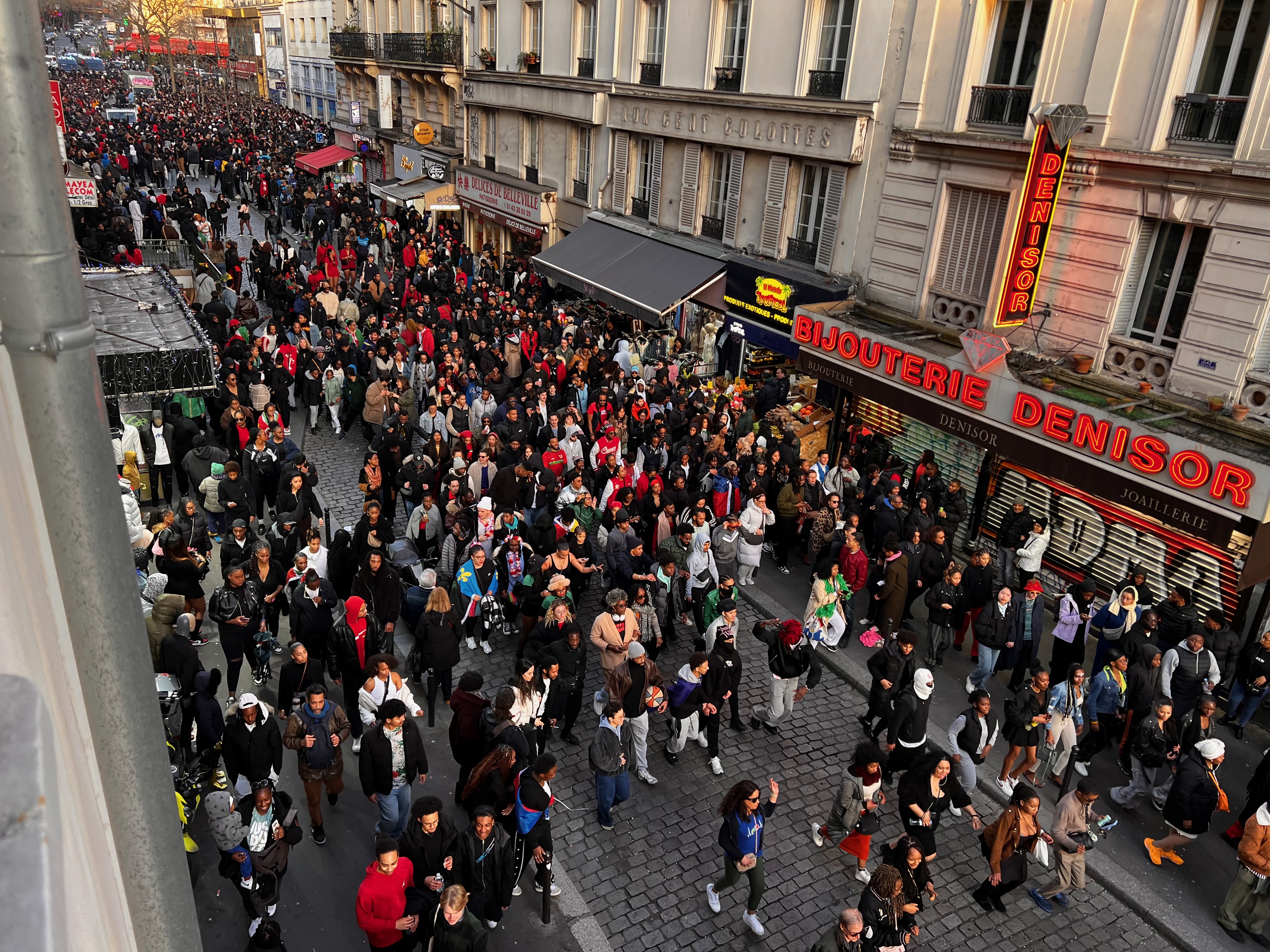
Belleville Carnival
Carnival at Belleville

Living in a residential area is an eye-opener

On previous visits, we’ve stayed in places where tourists go: the Marais, the area around the Opéra or the Champs-Élysées. My childhood was in the ritzy 16ème (yes, I know this signals heavy over-privilege).  This time, somewhat by accident, we ended up in an apartment in Belleville, of Rendezvous/Triplets fame. It’s a residential area that attracts few tourists and is very racially mixed – lots of Africans, lots of Chinese and Vietnamese, some South American, some indigenous French, a smattering of others. And we loved every minute.

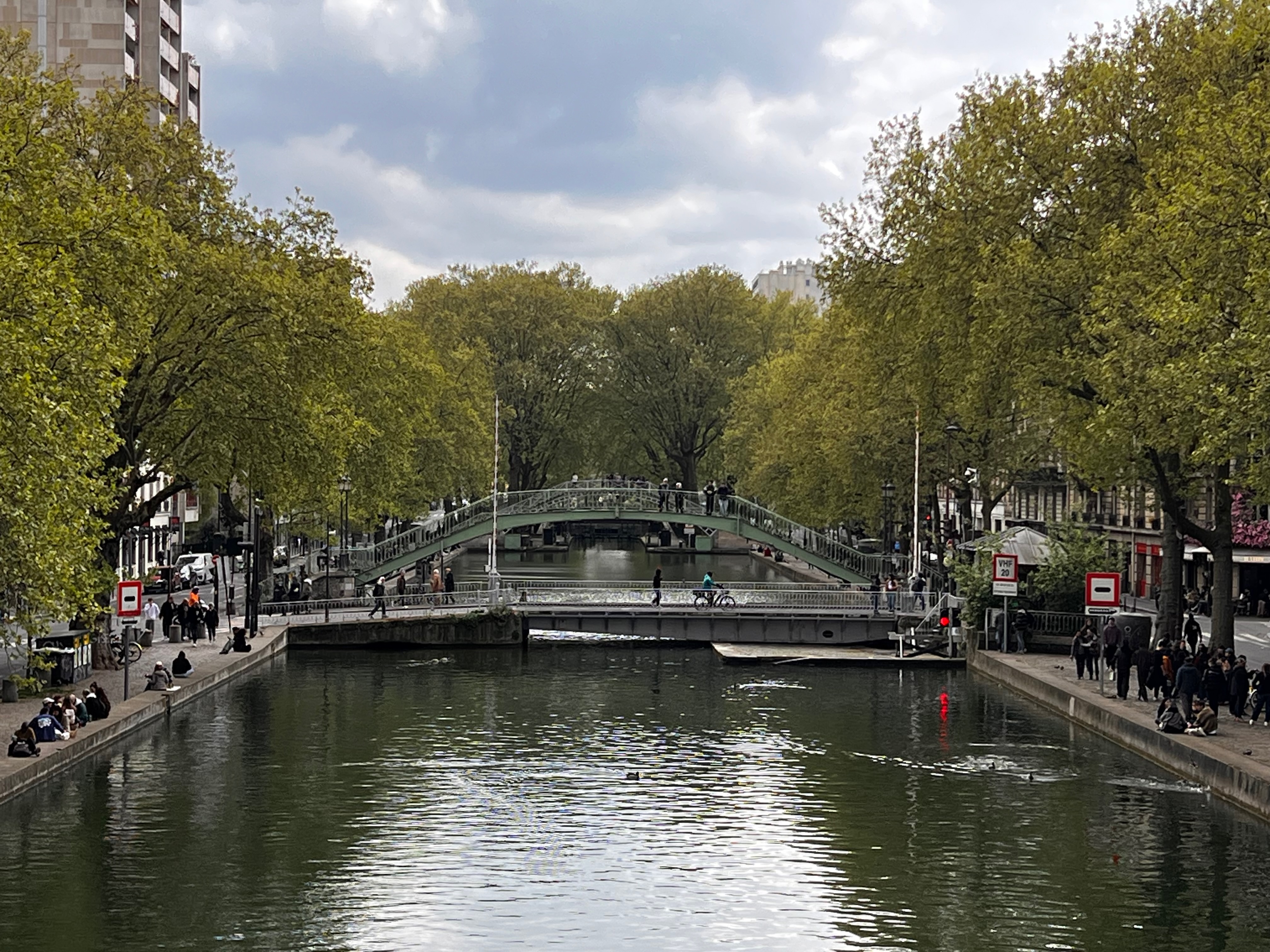
We could step out of our apartment, be swamped by a riot of colours and scents and be surrounded by the kind of shops where normal people go to buy everyday stuff (food, clothing, housewares, electronics). The whole place was unbelievably lively with the buzz of people going about their daily lives. The banks of the pretty Canal Saint-Martin were almost permanently rammed with young people hanging out, picnicking, drinking or just chatting.  You just don’t get that sense of really living in the city in an area where most of the people are tourists and most of the shops are oriented to them.

Canal Saint Martin
Canal Saint Martin

People are strong on minor courtesies

Parisians have a reputation for being brusque and surly, but with very few exceptions, that wasn’t our experience. People in shops varied from generally welcoming to seriously charming. The degree of pushing and shoving was far lower than in London, either on crowded pavements or in the Metro, where people readily gave up their seats, especially to women older than them (the same rule doesn’t seem to apply for men). This seemed particularly to be enforced by non-white mothers with their occasionally-reluctant children.

The major exceptions here are the cyclists and e-scooter riders, many of whom travel fast and ignore traffic lights. To cross a street, look them in the eye and walk predicatably so they know how to avoid you.

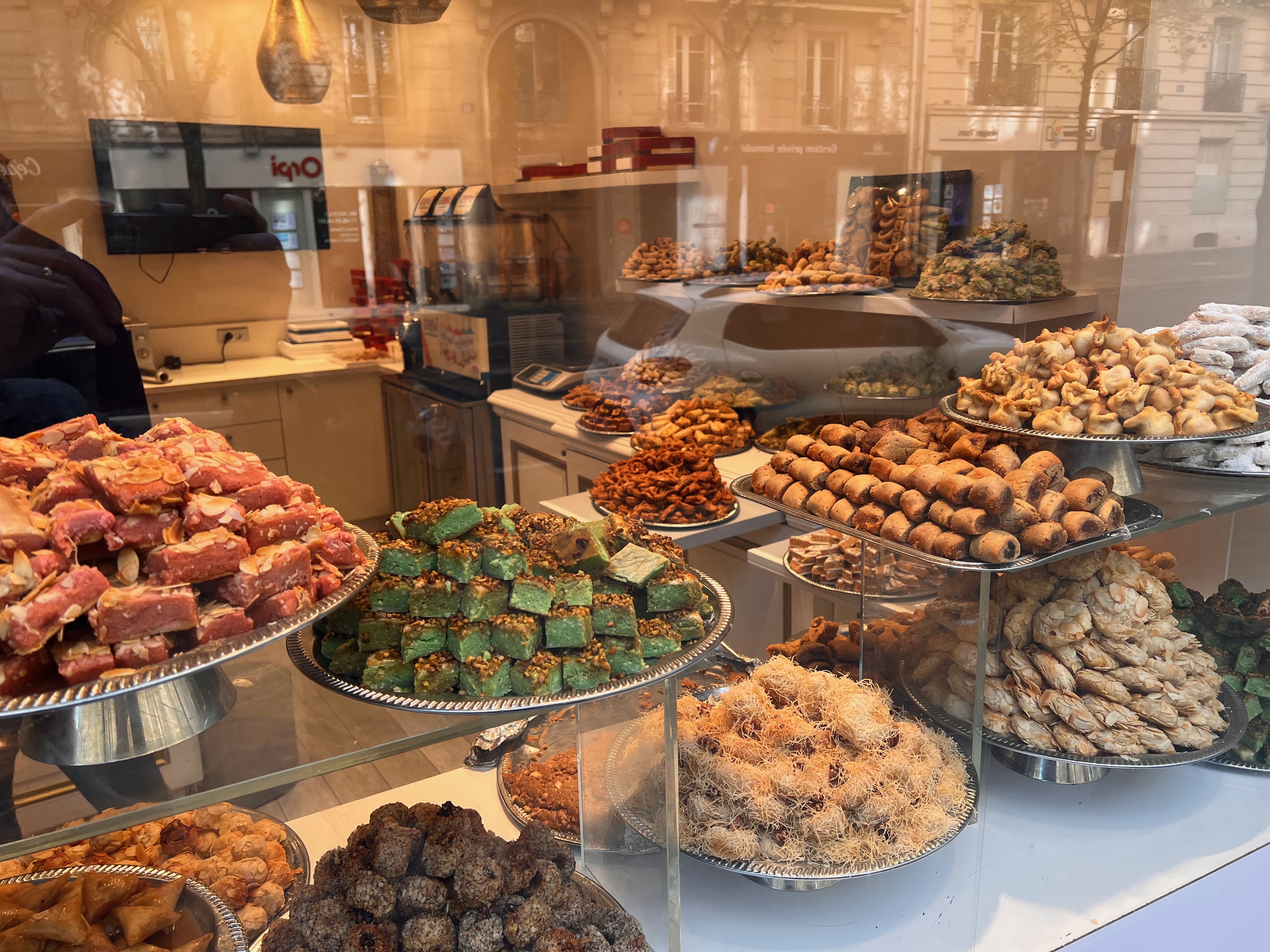
Middle Eastern pastries in 16e

Parisian street cleaning is awesome

Parisians are fond of a good whinge when it comes to their public services. But our experience of their street cleaning was uniformly excellent. We were on the Rue du Faubourg du Temple, a street choc-a-bloc with food shops and cafés. By 11pm every day, there was a quantity of rubbish on the streets. Overnight, however, an army of hose-equipped trucks and broom-equipped cleaning staff would roam the street. By 7am, the place was sparkling. 

The swimming pools are also awesome

We swim most mornings. The availability of public pools was extraordinary, with 41 across the city (the coverage is variable, but our apartment was within a 10 minute walk of two 25 metre pools in excellent shape). A short metro ride would have taken us to various 50 metre pools, including Piscine Suzanne Berlioux, improbably located underneath Les Halles, the giant shopping centre in the centre of town. And the prices are jaw-droppingly low: 44 € gets you a three month pass valid in all 41 pools – or 22 € if you’re over 65. 

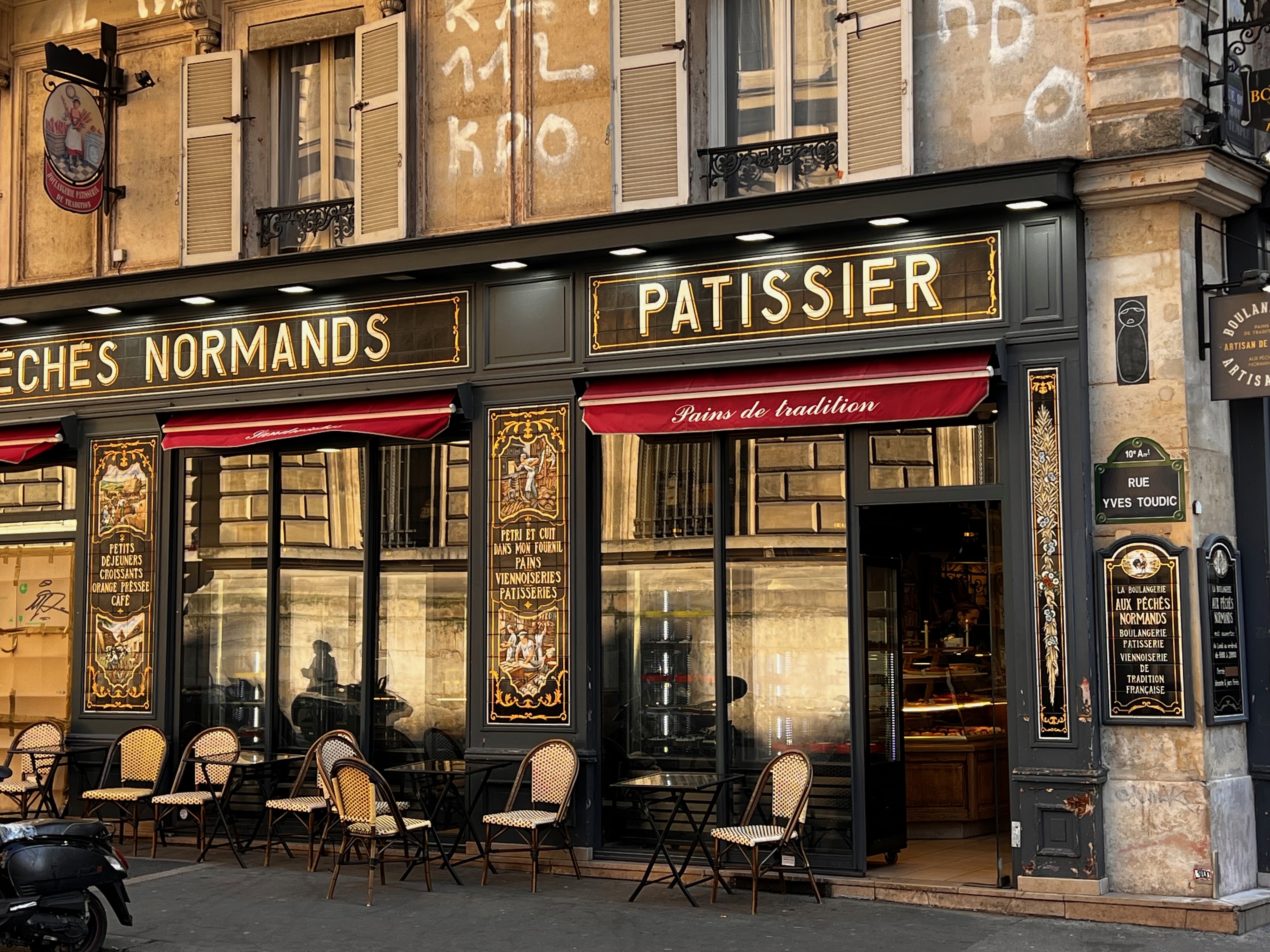
The changing rooms are mixed, with cubicles for changing – which was perfectly fine and sidesteps what is currently a political hot potato in the UK. However, the showers only have individual cubicles for the disabled, so you have to shower with your swimming costume on. And during school periods, the early morning time slots available to the public are restricted. But we rapidly embraced our morning drill of “get up at 7am, swim, buy croissants on the way home”.

Aux Péchés Normands bakery

The dark side: there’s a lot of homelessness and begging

Sadly, we couldn’t walk too far without coming across someone sleeping rough, or someone asking for a few coins. The begging was usually pretty gentle and surprisingly polite, although there were instances of beggars who got aggressive. Several, we suspected, were mentally ill. And to judge by the number of ads and fundraisers for food banks, there are also a bunch of people who can’t feed themselves.

I don’t honestly know how this compares to other cities. My gut feel/memory says it’s worse than London and not as bad as San Francisco, but that’s a pretty unreliable guide.

The melting pot approach to multiculturalism is beginning to work

When a country has large a immigrant population, there are two main ways to approach multiculturalism. The approach promoted by many on the left of UK politics is the maintenance of identity, the idea that people have a right to their ancestral culture and heritage, which should not be “appropriated” from them. Faith schools and ethnically unmixed areas contribute to that.

The French do the opposite: what they call la mixité. It’s closer to the US idea of a “melting pot” but more extreme – religion and race are excluded from the public sphere. One is encouraged to be “colour-blind”, so that people of all races get the same upbringing and the same opportunities.

Or at least, that’s the theory. The reality has been very different, as expressed in the horrific treatment of immigrants from the Maghreb, by recruitment outcomes which varied wildly according to whether or not you had a Muslim-sounding name, and in Paris, by the concentration of immigrants in the impoverished parts of the banlieue (the suburbs outside the Périphérique ring road), leaving “Paris intramuros” to French whites.

But I saw and heard evidence that la mixité is beginning to become a reality. I saw many more mixed race couples than on previous visits to Paris. I saw black customer-facing staff in some very smart shops that wouldn’t have dreamed of having them in the past. And the “Grand Paris” project, the extension of the Metro into the suburbs, is beginning to break down the previously hard border between the city and the banlieue. 

It’s baby steps at this point, but the signs are promising.

Bois de Vincennes
Bois de Vincennes

 The green side: we discovered the Coulée Verte and the Bois de Vincennes

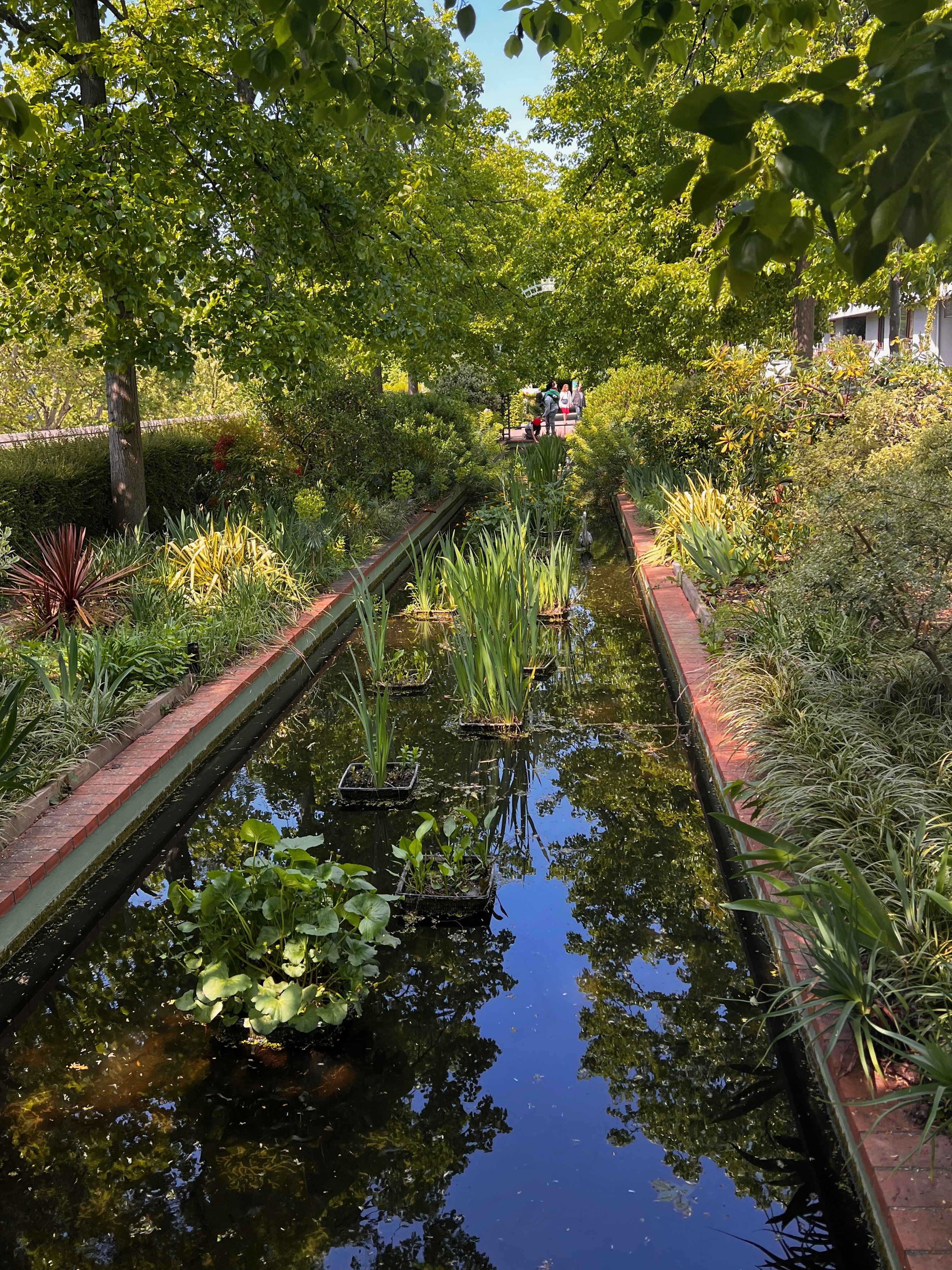
Paris isn’t celebrated for its green spaces, but there are a some real gems. The one we discovered on this trip was the Coulée Verte (formerly the Promenade Plantée), a narrow strip of land high above the streets that run from Bastille towards the Bois de Vincennes, the former royal hunting forest at the South-East of Paris. The Coulée Verte is about an hour’s walk end to end and is gorgeously landscaped: it’s like having a very long and thin botanical garden, interspersed with little nooks to chill out or gaze down at city outside. It’s blissful.

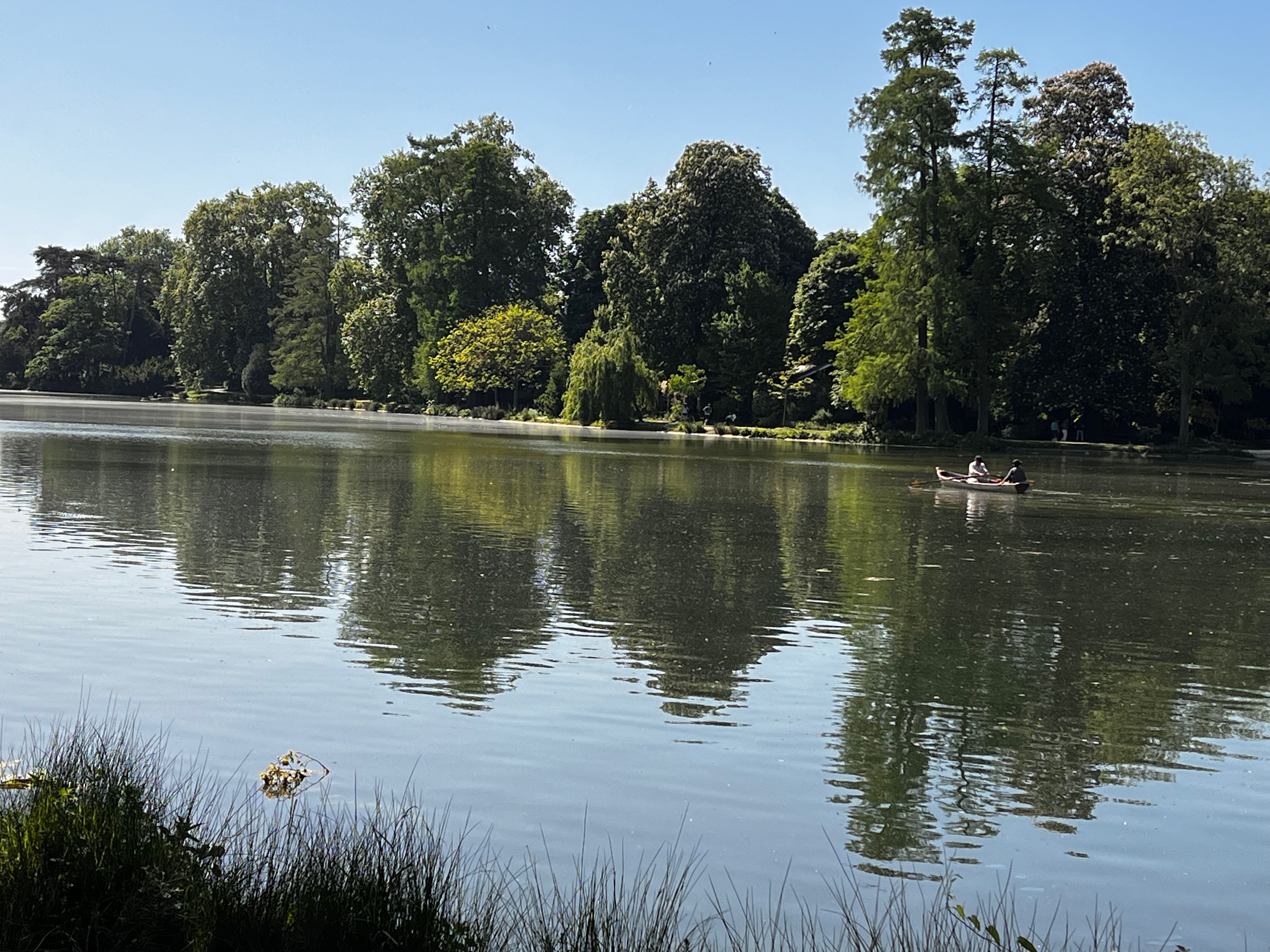
The Bois de Vincennes itself is huge and very beautiful. We didn’t make much of a dent in its overall size, but managed a long walk alongside the boating lake. I’ll be back.

Pond on the Coulée Verte

The city is ever shifting

The status of different areas of Paris isn’t fixed. On the Left Bank, back in the 70s, the Boulevard St Germain and the Boulevard St Michel were the hippest of the hip, celebrated both in popular culture and in literature and the home of cool new fashions from Yves Saint Laurent and others.

We found it rather sad, the streets mainly populated by guided parties of tourists there to relive its former glories. The fashion world has moved elsewhere: the Avenue Montaigne for brands favoured by the high rollers – Dior, Chanel, Prada and the like – and the Marais for a younger, more boho crowd (or bobo, as the French call it).

The Marais is changing, also. At one time, it was very much populated by younger professionals, with many foreign students or people early on their career. That’s been changing: the eclecticism is still there, but one senses that it’s catering to tourists far more than to locals, heading towards becoming a theme park of its former self. Personally, I suspect it’s a result of AirBnB and (to a lesser extent) Brexit, but I can’t be sure.

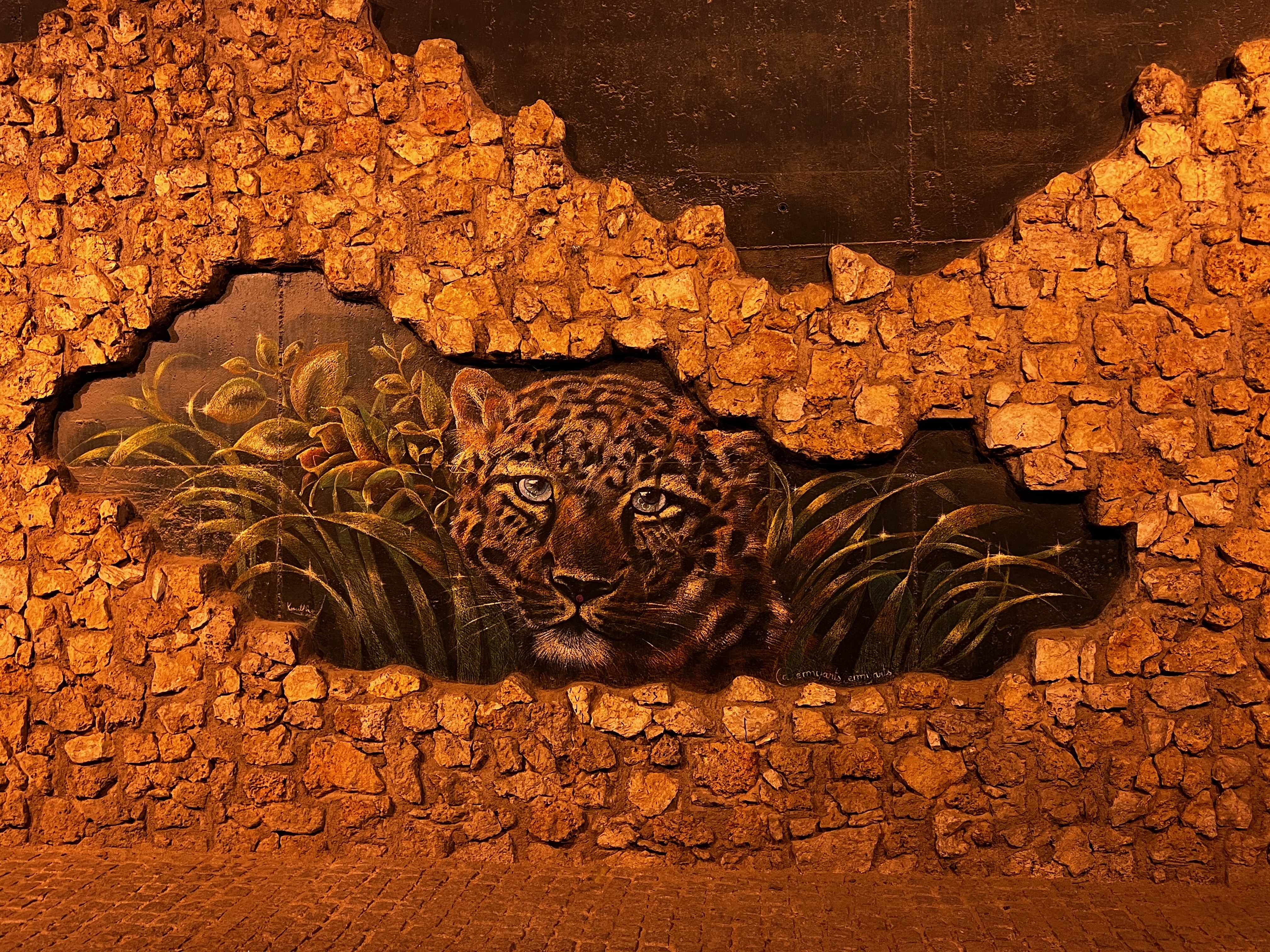
Mural in tunnel by the Coulee Verte

And the stuff you know…

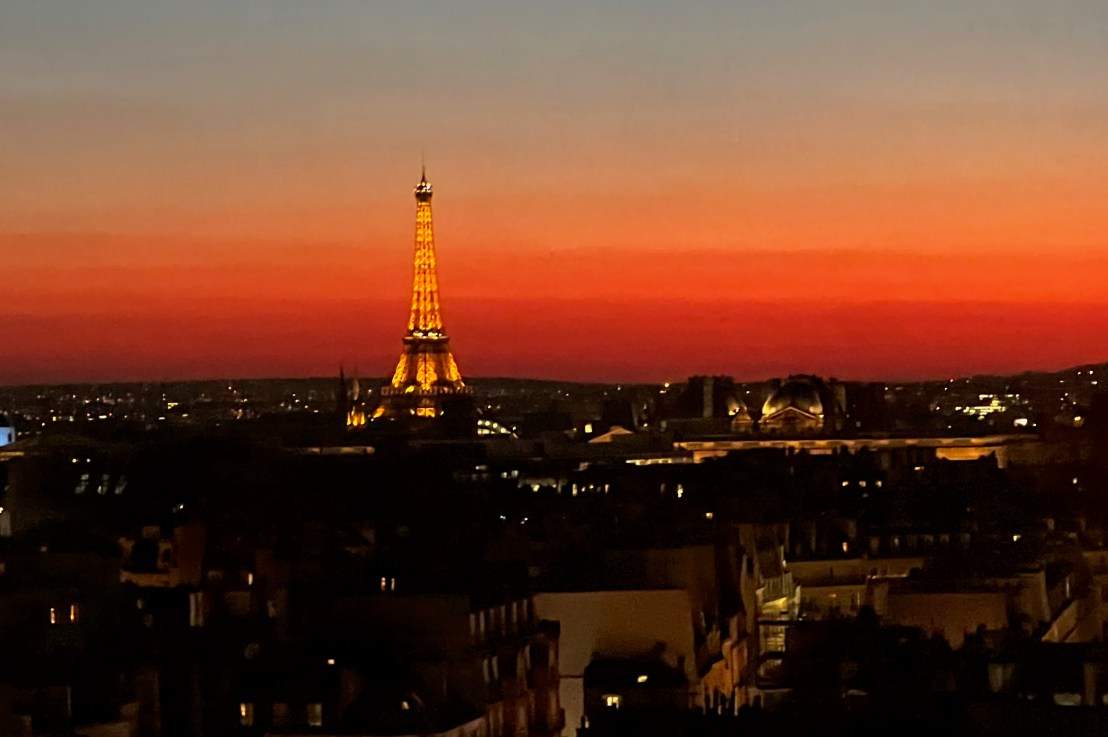
I haven’t even mentioned the things you already know all about – the phenomenal food, both restaurant meals and produce for cooking at home, the breadth of the cultural offering in both visual and performing arts, the cityscape with its famous monuments and that incredible light. Suffice to say that I’ve fallen in love with the city all over again.

Around the world in 80 bakes, no.26: Shaker churek from Azerbaijan

Around the world in 80 bakes, no.26: Shaker churek from Azerbaijan

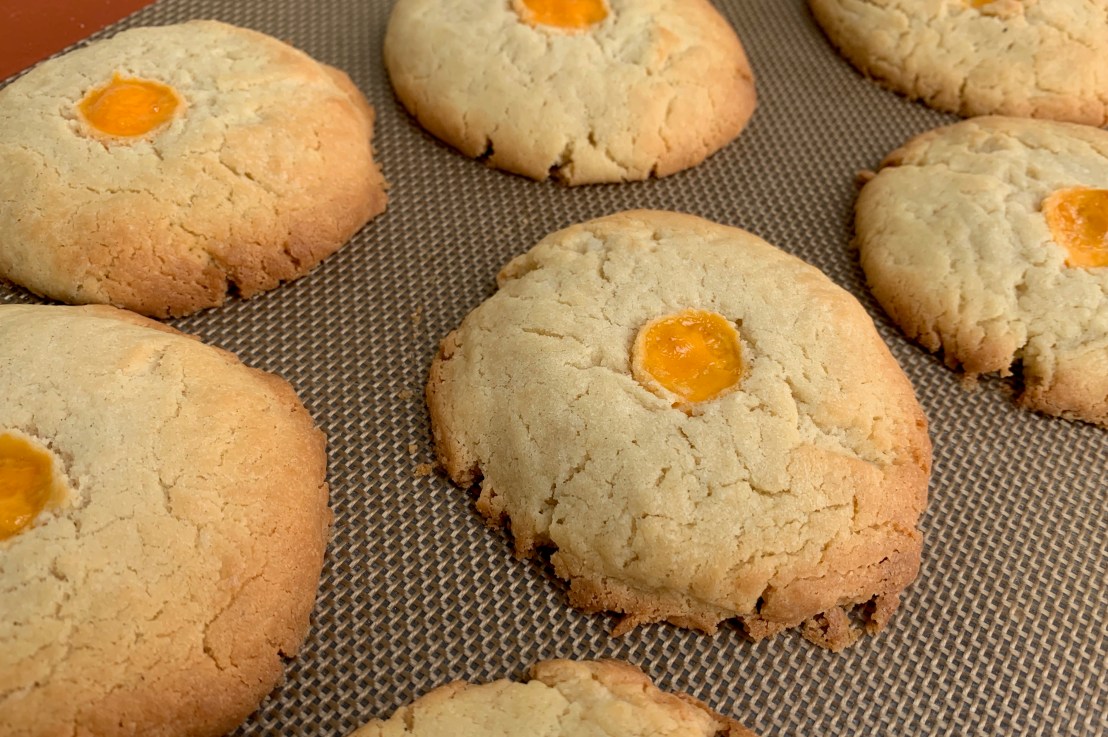
After taking on a bake with a serious degree of difficulty with make-your-own-strudel-pastry last week, it was time for something at the opposite end of the scale: a simple, unpretentious cookie that takes minimal effort and skill to prepare but delivers lovely flavour and texture. In short, Azerbaijan’s butter cookies called Shaker churek (to my shame, I have no idea how to pronounce the name).

This recipe comes from a splendid Dutch blog called the cookie companion. It’s the simplest version I found: there are other recipes that use yeast.

  • 14og butter
  • 100g icing sugar
  • 225g flour
  • 1 egg
  • vanilla essence to taste
  1. In a bowl, weigh out the icing sugar
  2. Melt the butter, not letting it get too hot, and add it to the icing sugar: mix until smooth
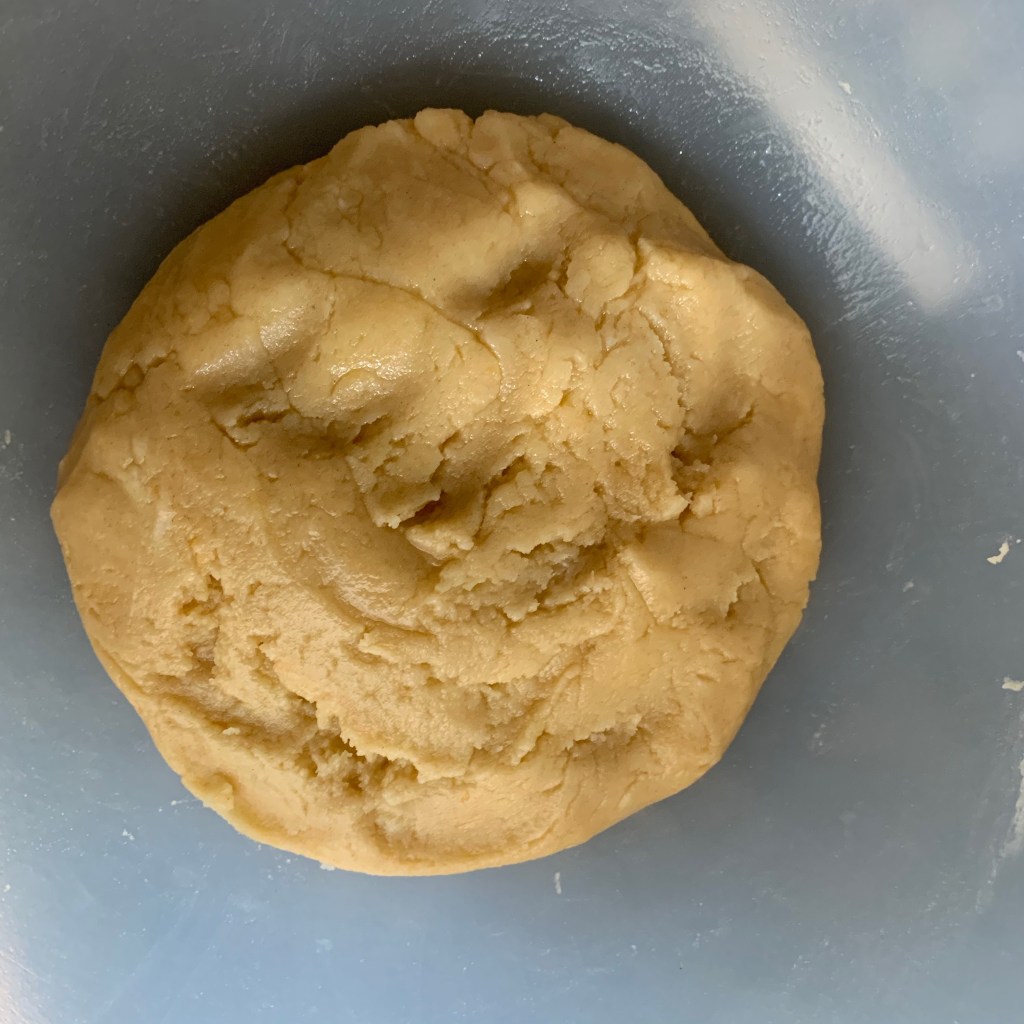
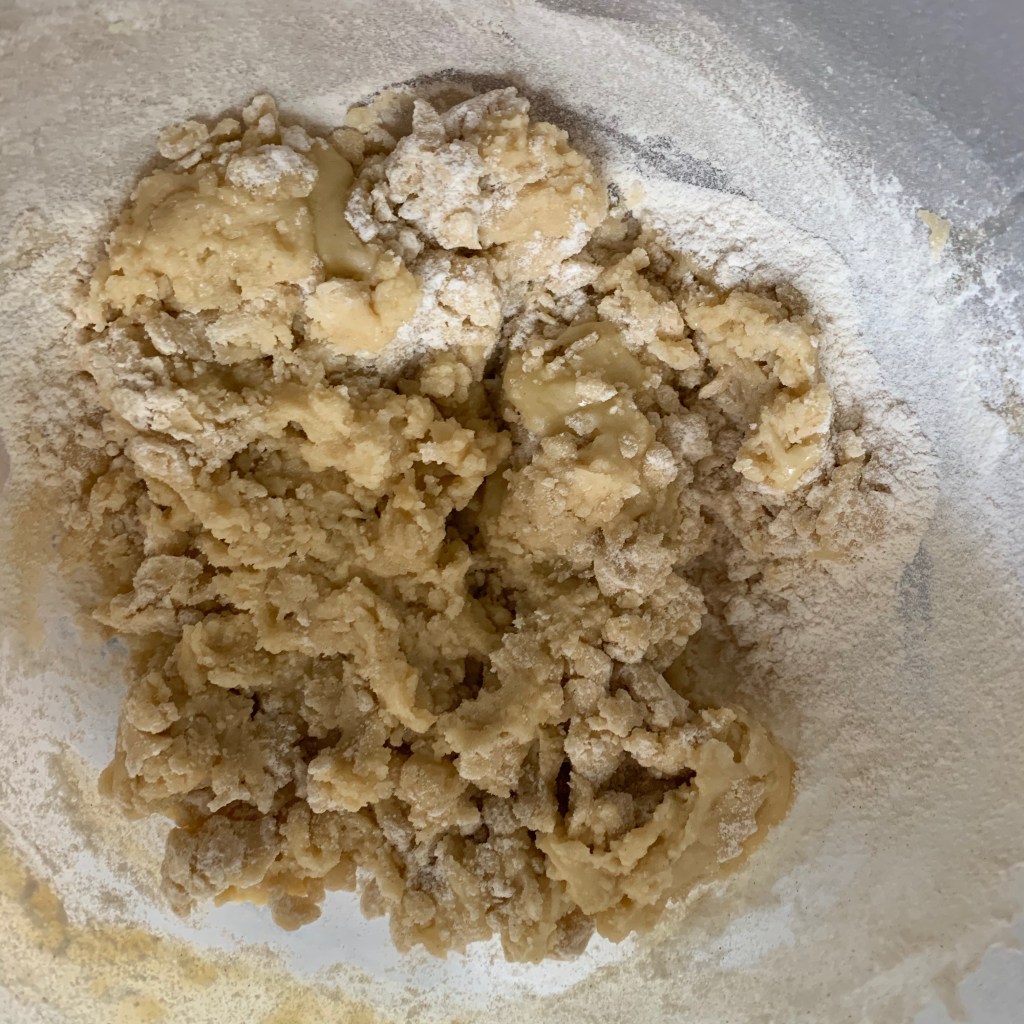
  3. Add the flour and mix thoroughly – you will get a dough that’s far too dry, which is fine at this stage
  4. Separate the egg; keep half the yolk aside and add the other half yolk and all the white to your mix.
  5. Add the vanilla essence, and mix thoroughly until you have a smooth, slightly damp dough
  6. Cover and leave in the refrigerator for around an hour
  7. Preheat oven to 180℃
  8. Line a baking tray with a silicone sheet or baking paper
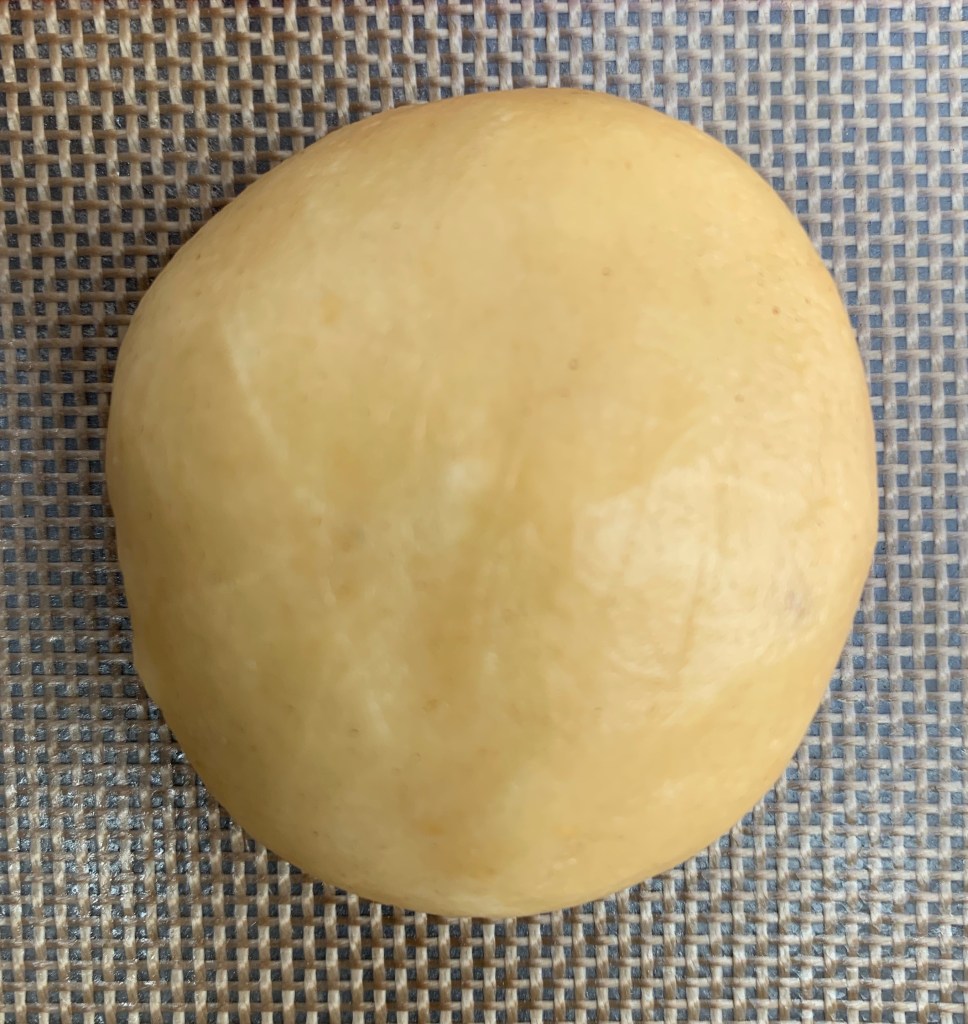
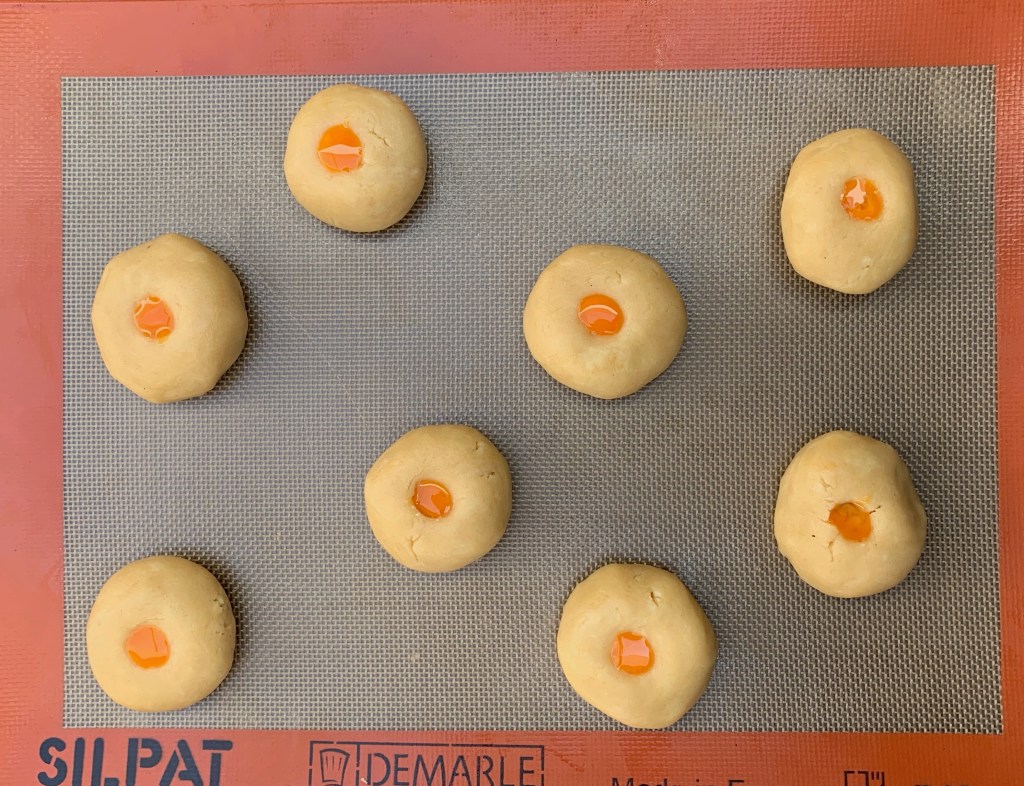
  9. Divide the dough into eight equal parts (they should be just over 60g each). For each part into a ball, flatten slightly and place it on your baking sheet. Warning here: the cookies spread, so make sure you leave plenty of space around them. 
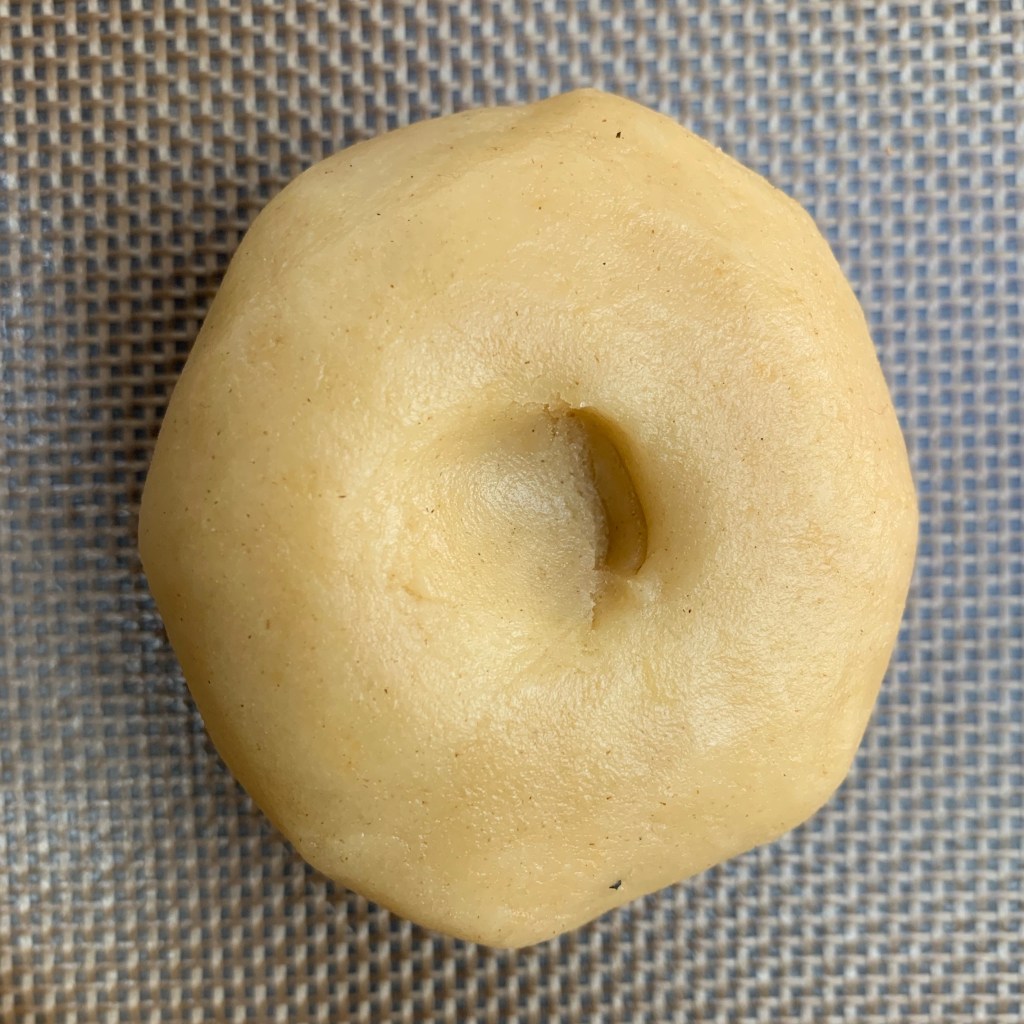
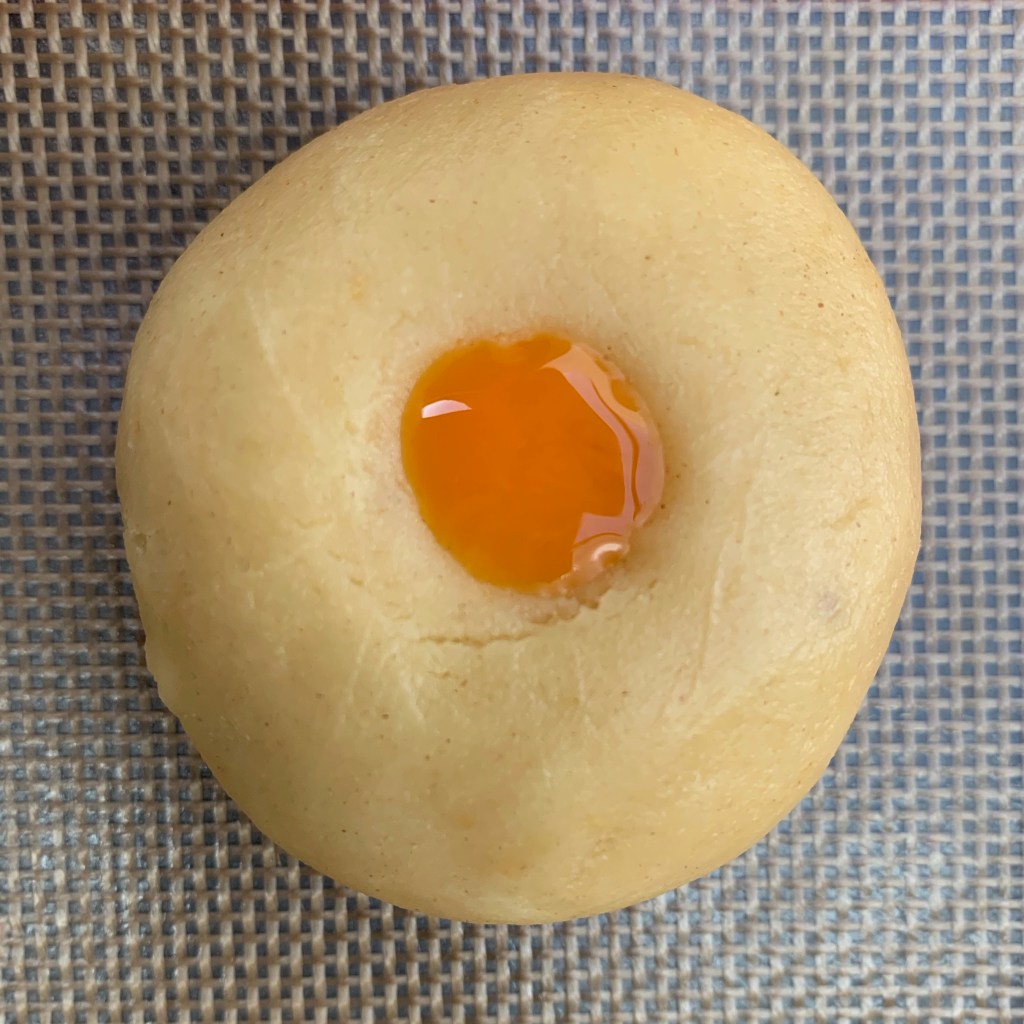
  10. With the end of a finger or some other implement (like the end of a rolling pin, if you have that kind of rolling pin), make a small depression in the middle of each cookie. Fill the depression with the reserved egg yolk.
  11. Bake for around 15 minutes

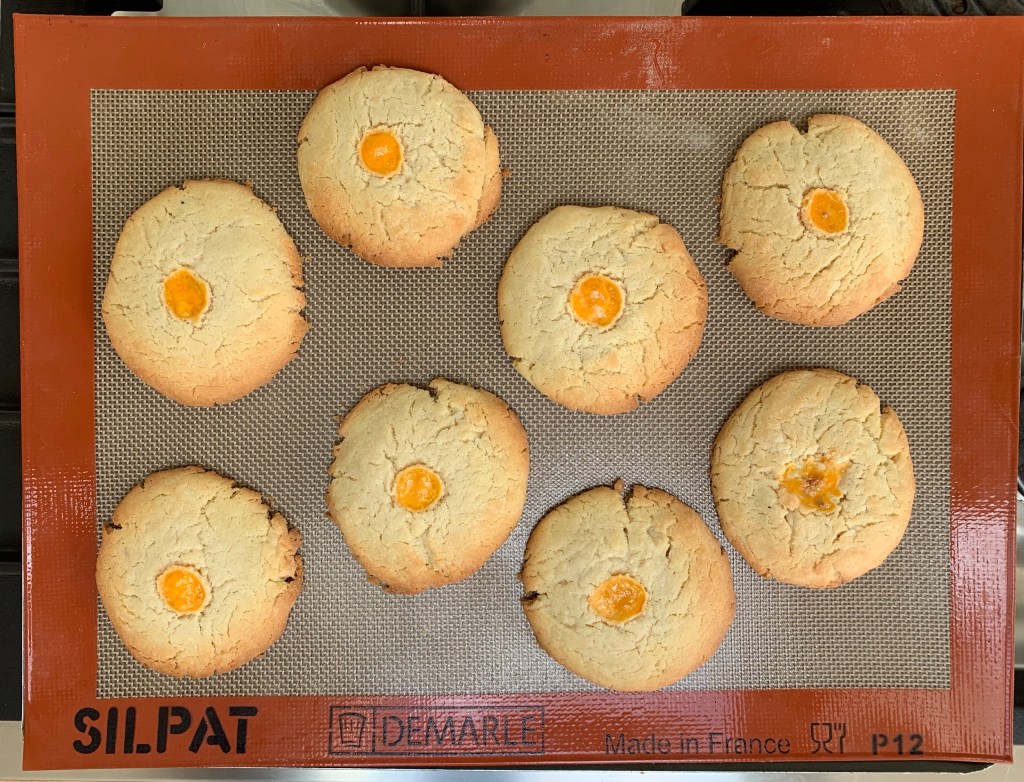
Like most cookies, shaker churek are really, really good straight out of the oven: but leave them to cool for a few minutes so that they don’t actually burn your mouth!