To my shame: prior to planning the itinerary for this first trip to Greece, I’d never even heard of Nafplio (Ναύπλιο), the ancient seaport that nestles in the northeast corner of the Argolid Gulf in the Pelopponese. In the itinerary, we had it planned as the base from which to explore; the reality was that were too bewitched by its charm to spend all our time driving away from it.
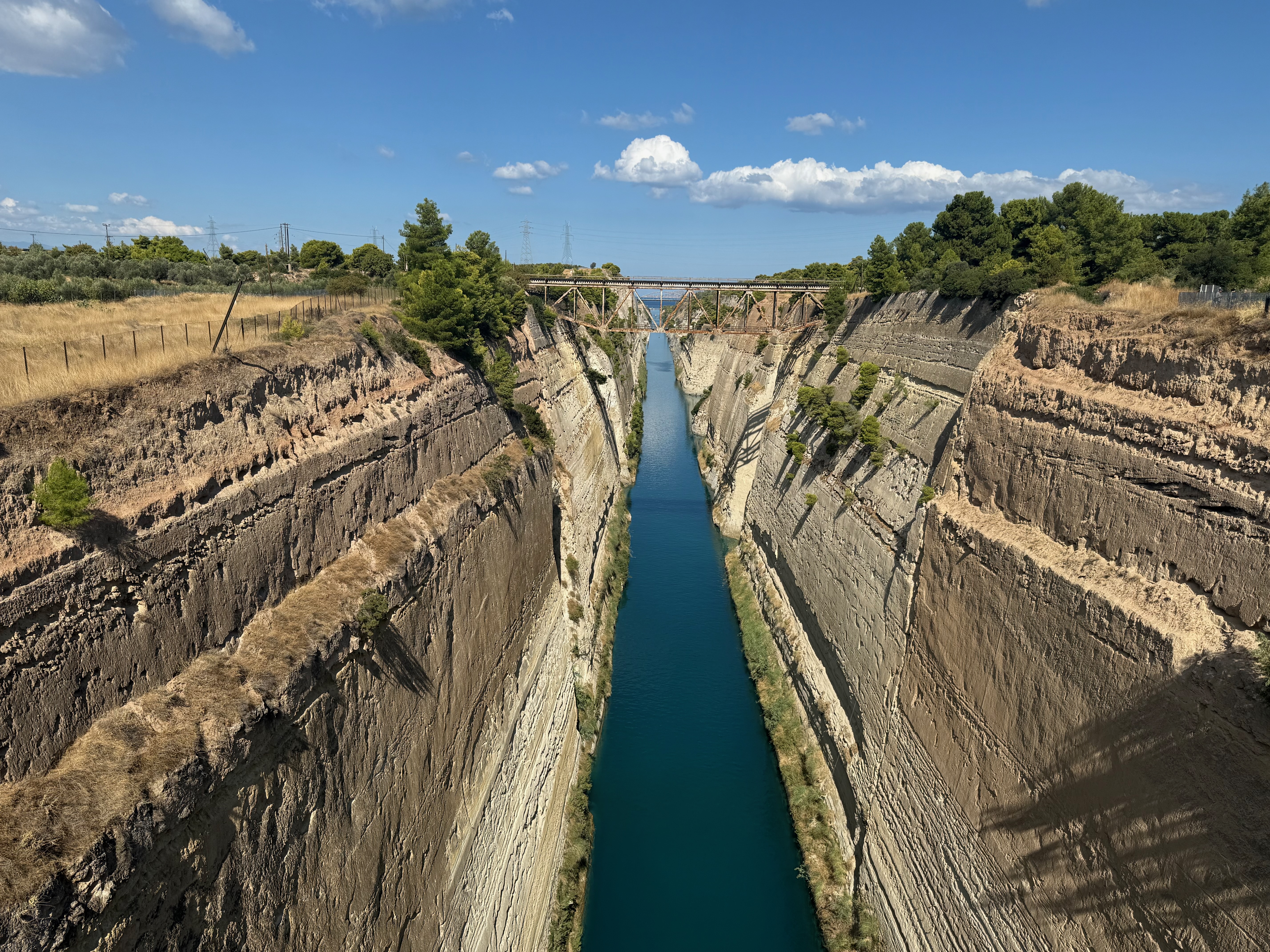
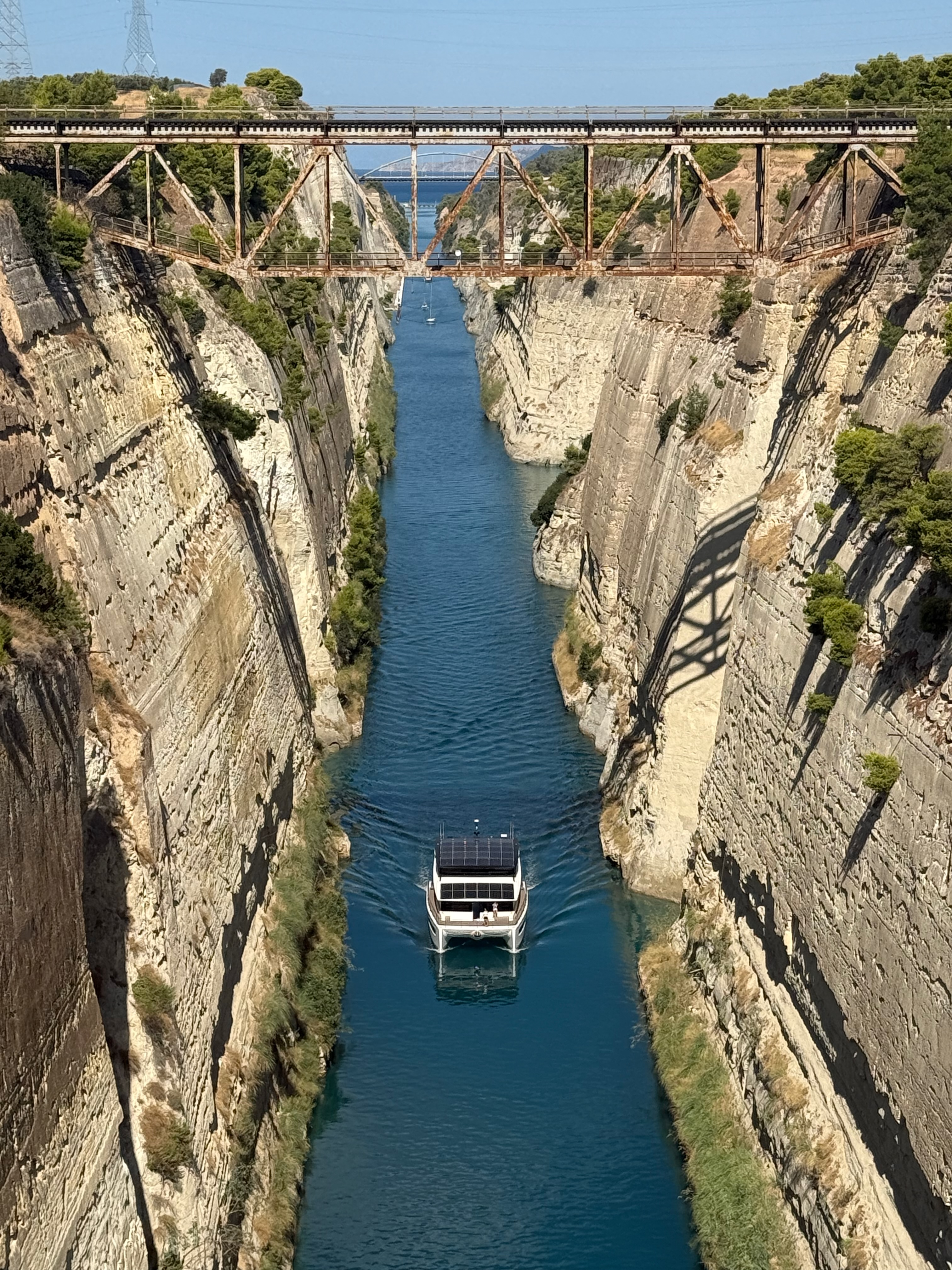
But first, to reach Nafplio from Athens, you have to cross the Corinth Canal. It was well worth taking a short detour from the motorway to the old road bridge, where we had a good gawp: this is a deep gash in the rock that joins Attica to the Pelopponese. Completed in 1893, it’s a truly spectacular piece of civil engineering: over 6 km long, up to 80m deep, with 80° sides. The back story is even more impressive: Periander, the tyrant of Corinth, proposed building the canal 2,500 years earlier, during his reign in the seventh century BCE. The project was far too difficult to be undertaken with the limited technology of the time, so Periander built the next best thing: the Diolkos, a slipway allowing boats to be dragged across. So great was the appeal of being able to cross between the Aegean and Ionian seas while avoiding the perilous sea voyage around the Pelopponese that the Diolkos is thought to have contributed significantly to Corinth’s commercial success in the years that followed.
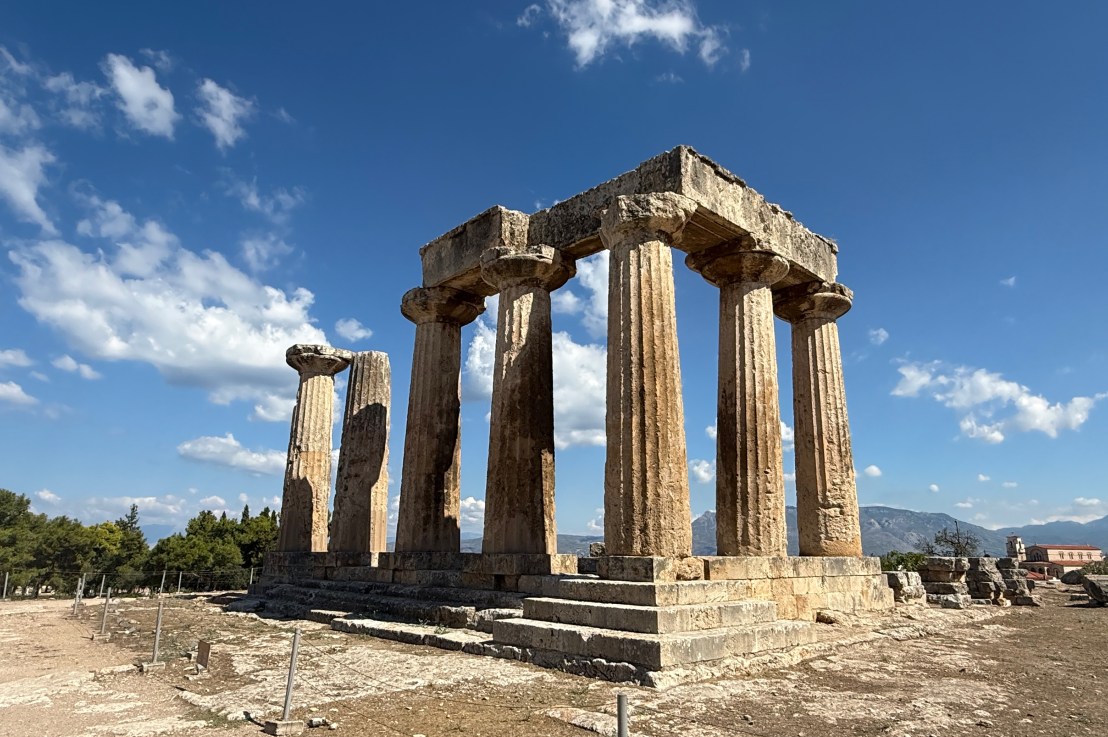
While in Corinth, a second worthwhile detour is the Temple of Apollo (the photo at the top), which dates from 560 BCE, built over an earlier temple created in the 7th century BCE by Periander’s father Cypselus, the first tyrant of Corinth. There are only seven Doric columns remaining, but this is the oldest surviving archaic temple in Greece and it’s another of those places where you can smell the history.
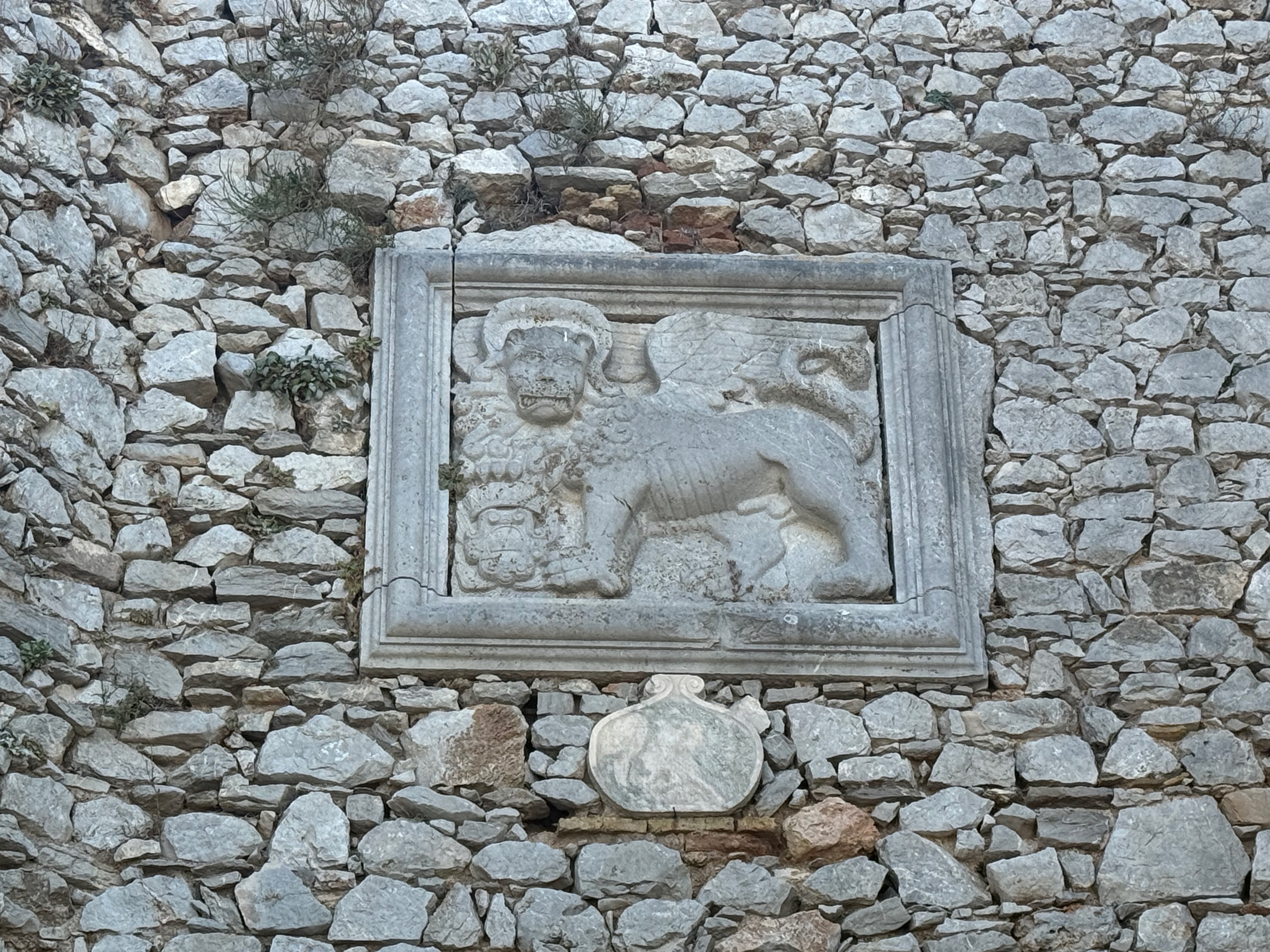
Nafplio itself smells of a very different period in history: it’s one of those places that ping-ponged between the Venetian and Ottoman empires. The old town’s architecture is eclectic mix, but the most prevalent component is the Venetian one, largely because the city was Venetian for most of the late Middle Ages and the Renaissance. The buildings, streets and piazzas are very attractive, making this a lovely city simply to wander round in.
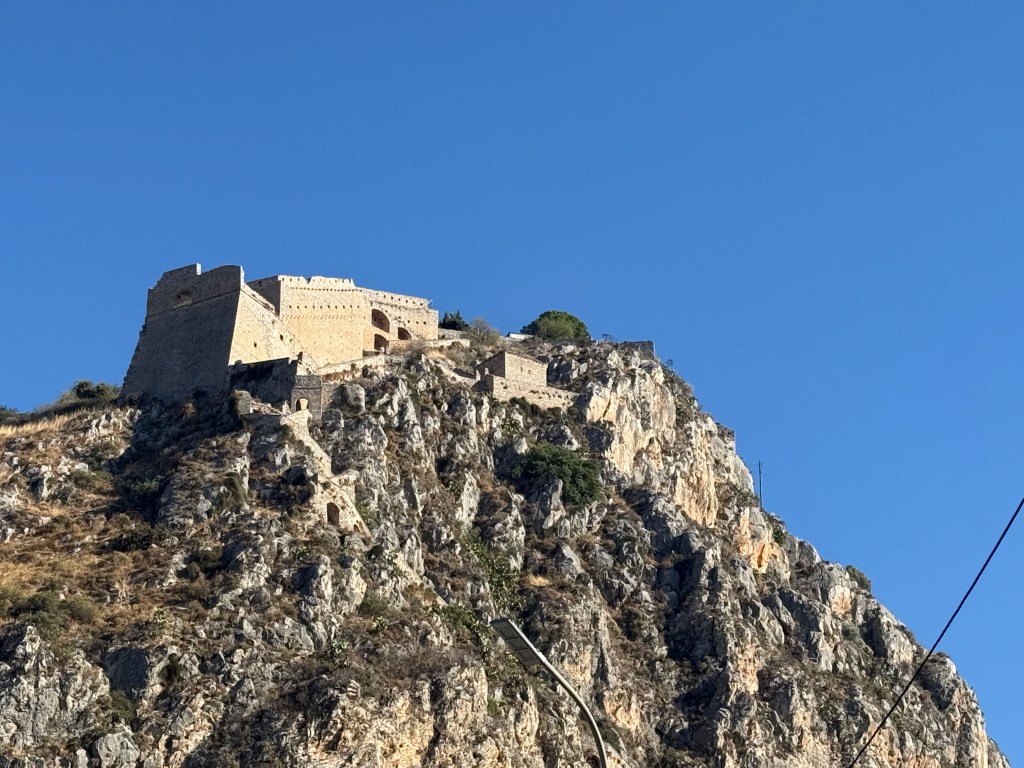
The most impressive construction is the feat of military engineering that is the Palamidi Fortress, a collection of eight bastions, seven of them linked by a single connecting wall, high on a vertiginous cliff overlooking the sea to north, west and south. Sadly, it turned out to be something of a white elephant. It was largely complete in 1714, but the Venetians could only afford a garrison of 80 (if you visit, you’ll realise how ludicrous this is) and the Turks captured the fortress with no difficulty the following year. The stairway up is a great workout (originally 999 steps, but somewhat less since some of the bottom steps were removed) and the views from the top are outrageously spectacular.
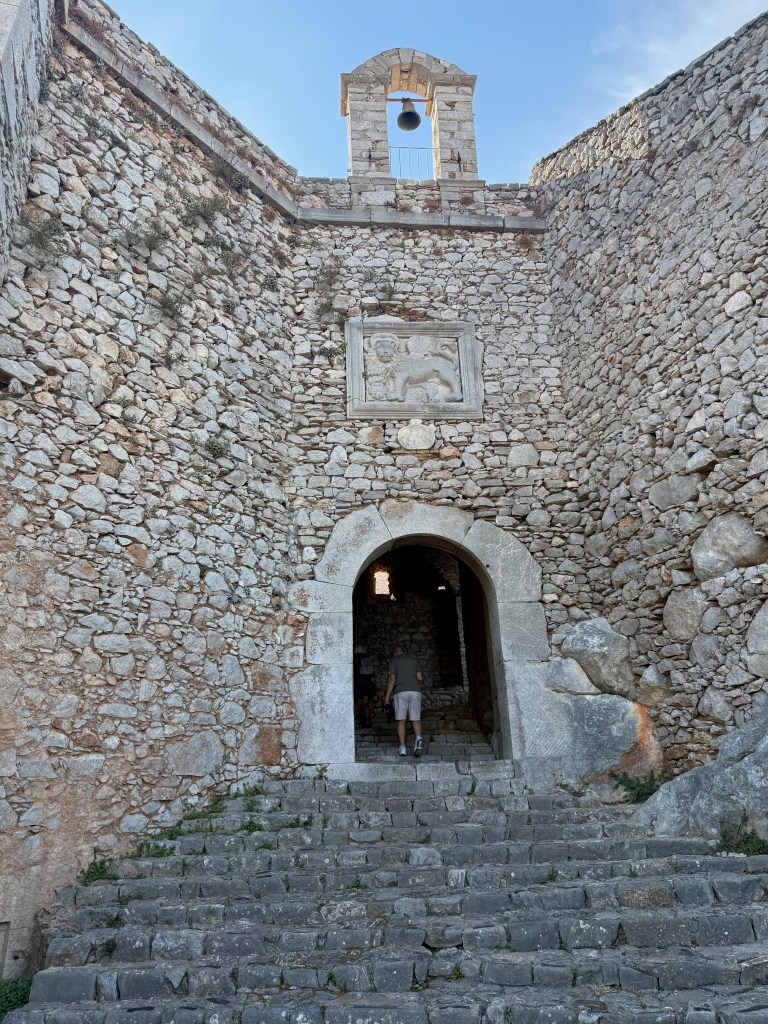
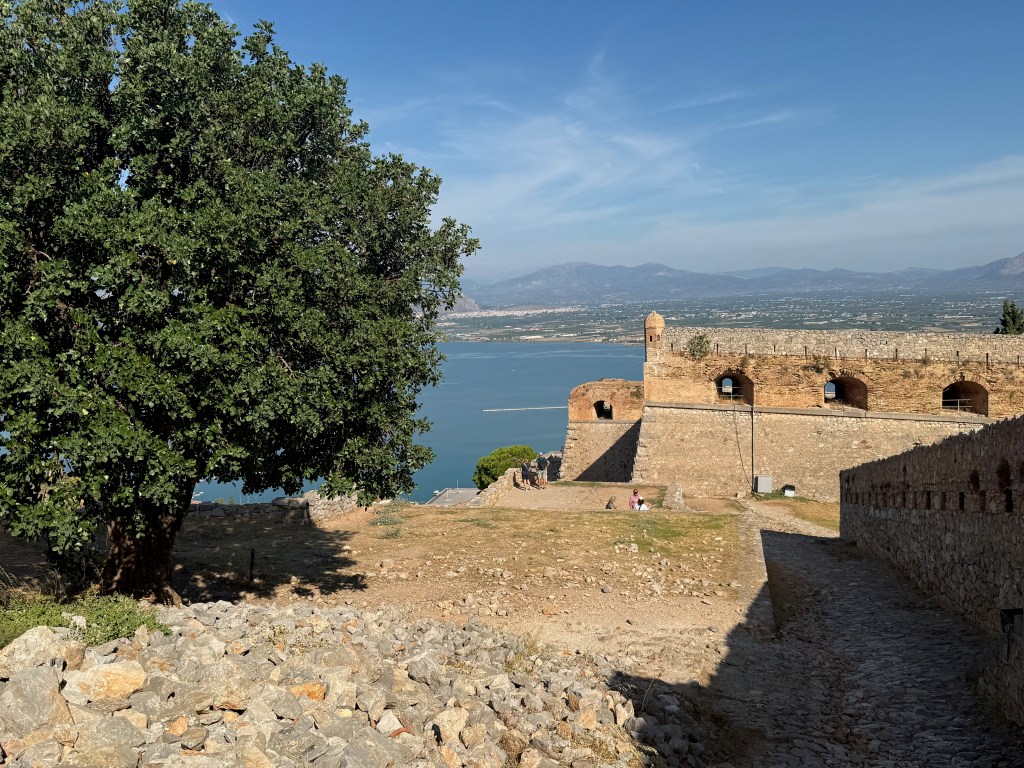
Looking east from the Palamidi Fortress, you see the old town of Nafplio, a spur of land jutting westwards into the gulf. On a (much) lower cliff to the west are the two top spots for sunset-viewing in September: the Valaora restaurant and the Omilos bar, the site of the former Yacht Club. The Valaora is reputed to be one of the best in town, but we failed to get in because it was hosting a big wedding. The Omilos bar is a pleasant spot and is above one of the more improbable bits of the city: an area of water almost totally enclosed by rocks and set up as an Olympic sized swimming pool – apparently, it used to be a training pool for the local water polo team. Follow the cliff from Omilos and you reach one of the most spectacular cliff-side walks you could wish for, leading round the promontory to the beautiful beach of Paralia Arvanitias. In another oddity, this one particularly Greek, the path is in immaculate condition, but to get onto it, you have to work your way round locked gates at each end with dire “Keep out” warnings, which are apparently there because the government, who own the path, didn’t want anyone suing them if they were hurt by rocks falling from the cliff above. Given the number of far more lethal hazards if you walk around Nafplio without keeping an eye on where you’re going, you have to wonder.
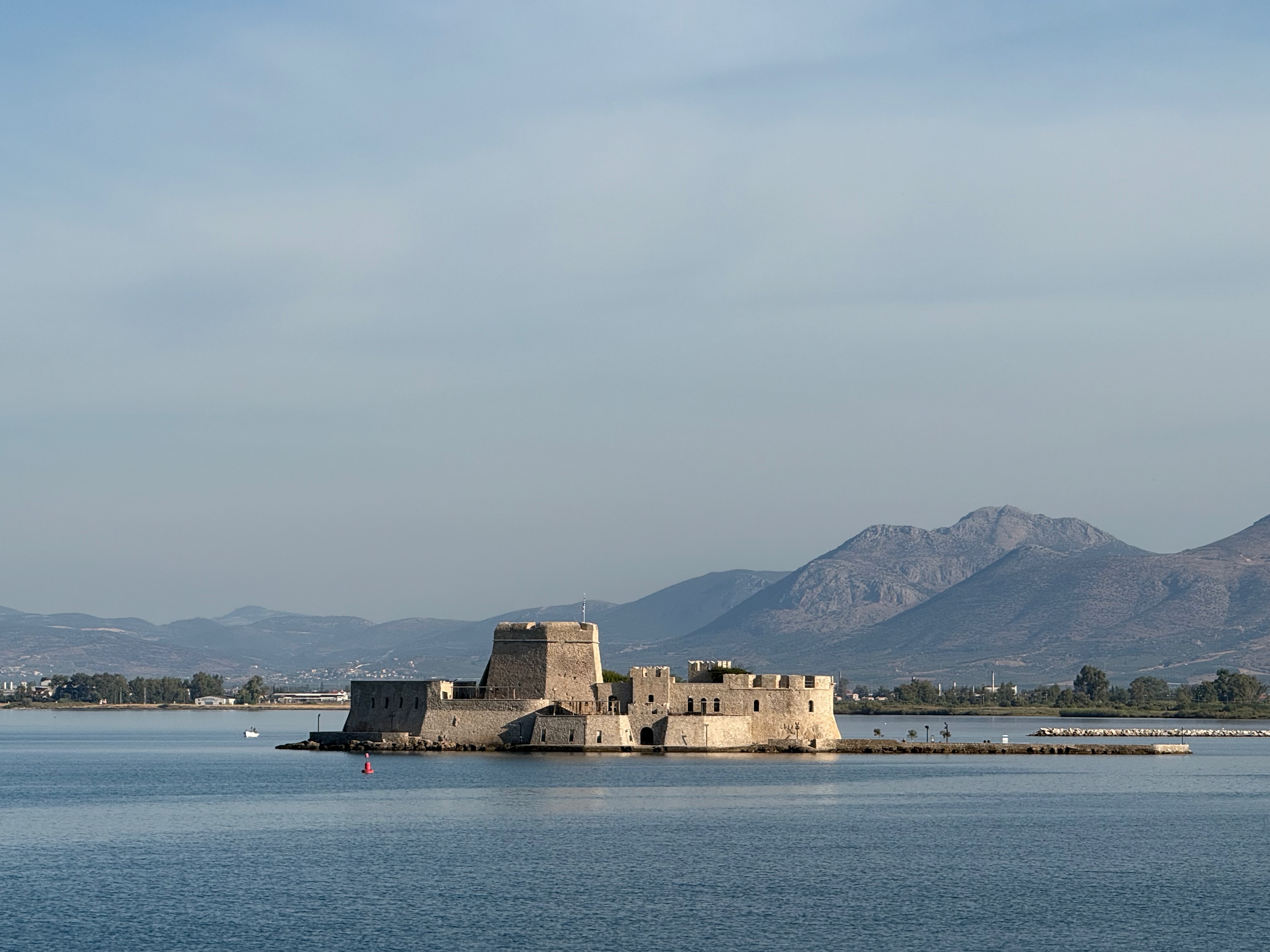
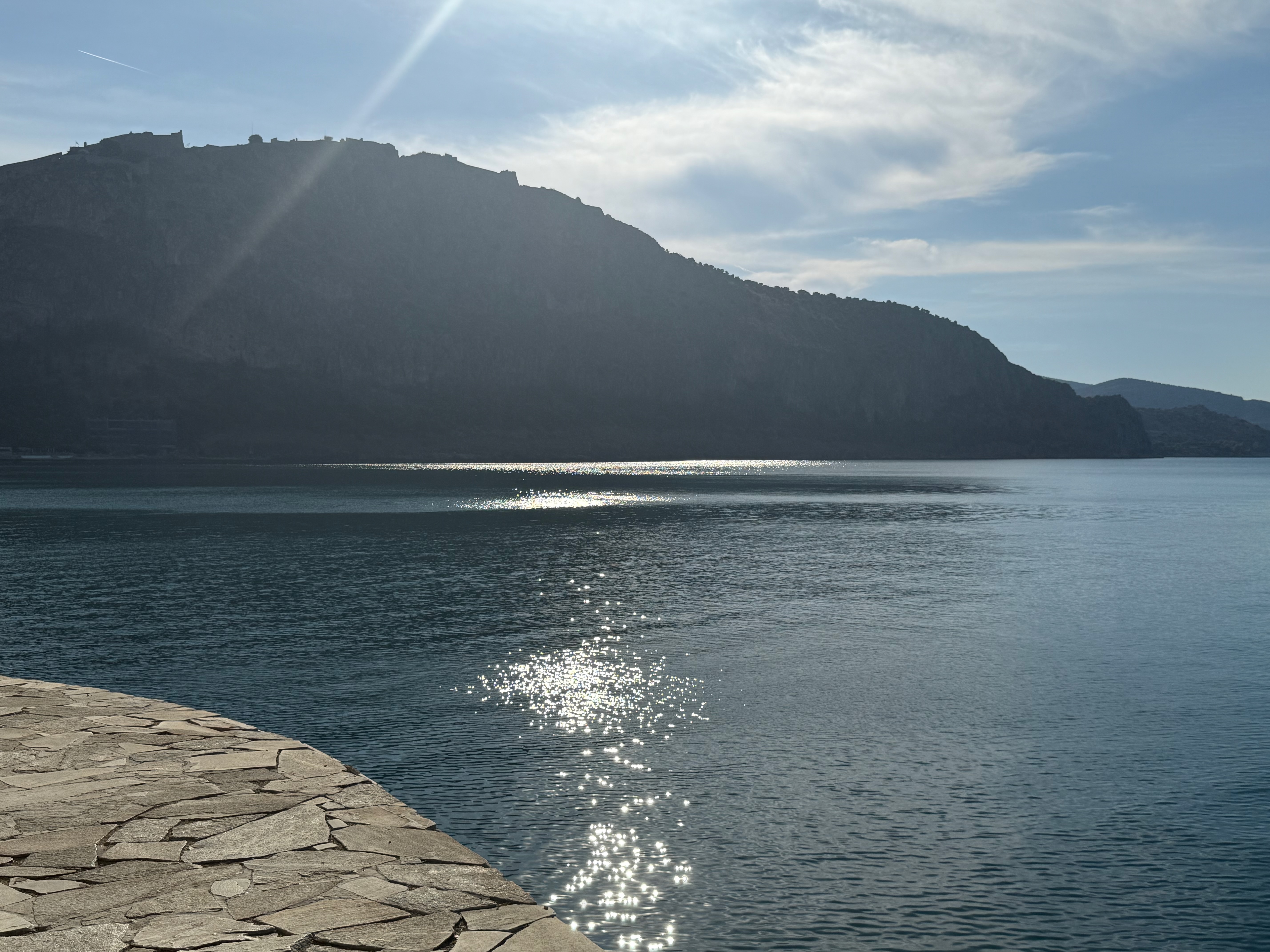
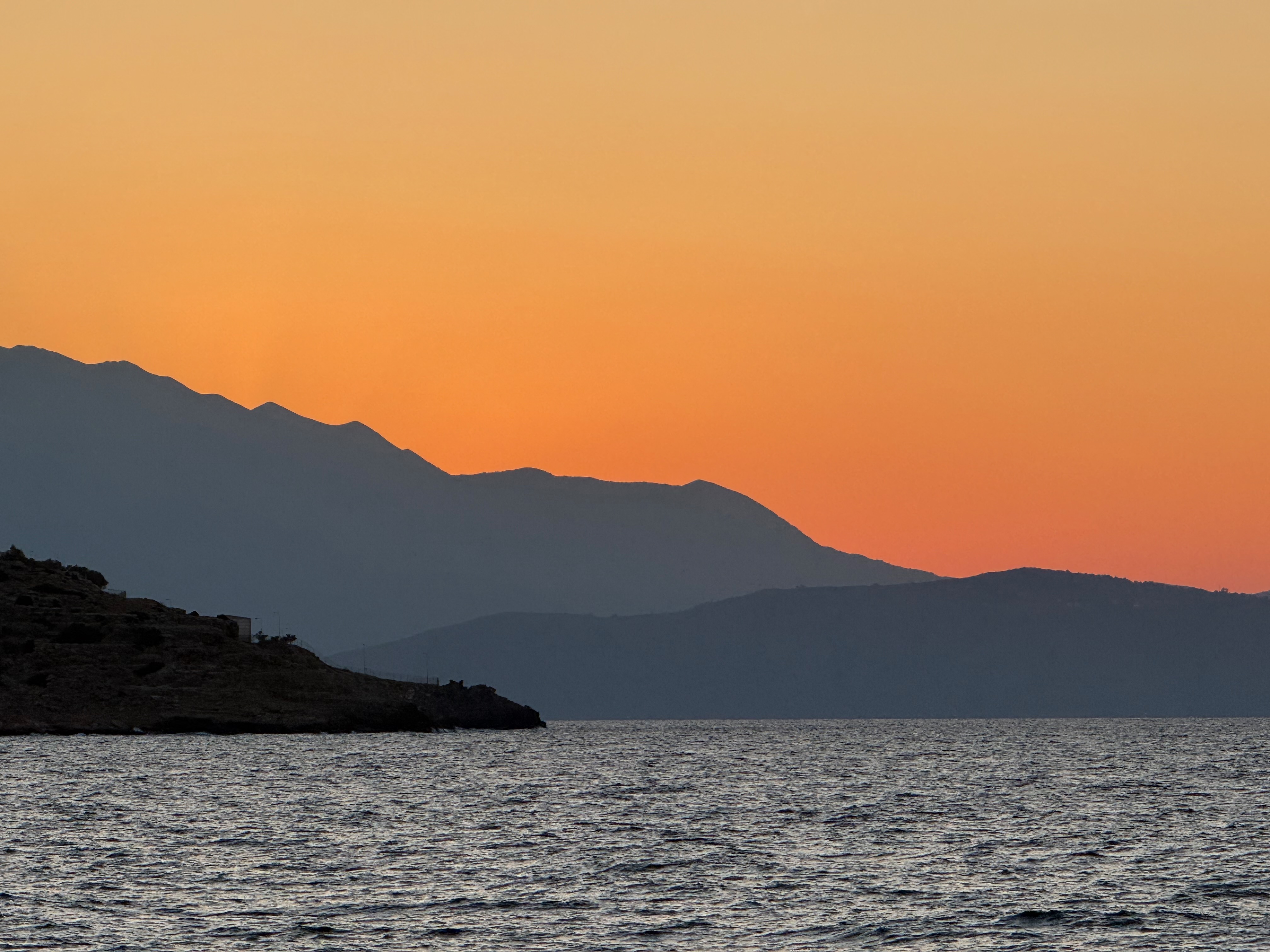
To the north of the old town is the harbour, which serves boats of all sizes and functions: pleasure boats for rent (we had a delicious half day sail to a protected cove next to the nearby island of Rómvi), yachts ranging from the smallest to gigantic oligarch-level gin palaces, ferries to the Cyclades and beyond and, further from the old town, container ships and other commercial vessels. The promenade is a favoured spot for an evening passeggiata, also with a view to the old fort of Bourtzi, which occupies an island in the middle of the harbour.
Nafplio attracts a lot of tourists and therefore, like Plaka in Athens, has more than its fair share of tourist-oriented shops, tavernas and restaurants. The visitor profile, however, would seem to be very different, with fewer cruise ships and bus tours, and a large number of Athenians who spend a week-end there. For whatever the reason, the average quality of the Nafplio establishments is a fair cut above what you see in Plaka: there’s still tourist tat, but a great deal less of it, and it’s a lot easier to find authentic local crafts and products: a weaver making gorgeous scarves on a loom in her shop, clothing that’s made in Greece and not in China, a shop selling honey from the 1,200 beehives it owns. We tasted olive oil from a place where the owner and her husband have both inherited olive groves (this is common, in Greece, apparently): when we asked where the olives were from, the reply was “up there” with a gesture to the hill behind her. Also, comparing Nafplio with Plaka, the menu in any given restaurant is far more likely to be individual than a bog standard “Greek cuisine’s greatest hits” (Greek salad, taramasalata, dolmades, spanakopita, etc).
Coming back to Nafplio as a centre for visiting the antiquities of the Pelopponese, two trips are unmissable: Mycenae (Μυκήνες) and Epidaurus (Ἐπίδαυρος). Both trips follow the “archaeological site and associated museum” combination, each is a half hour or so out of Nafplio. The name Mycenae will be familiar to anyone with even a smattering of Homer as the kingdom of Agamemnon, the high king of the Greeks (or, more strictly, Achaians). So it’s not surprising that in 1876, when the Homer-obsessed archaeologist Heinrich Schliemann uncovered a massive grave circle with hundreds of gold objects including a spectacular gold mask, he immediately decided that he had found the grave of Agamemnon. He was wrong (more recent and detailed measurement and scholarship now shows the dates to be out by several hundred years), but it was still an extraordinary find and the sheer size of the grave circle is impressive in itself.
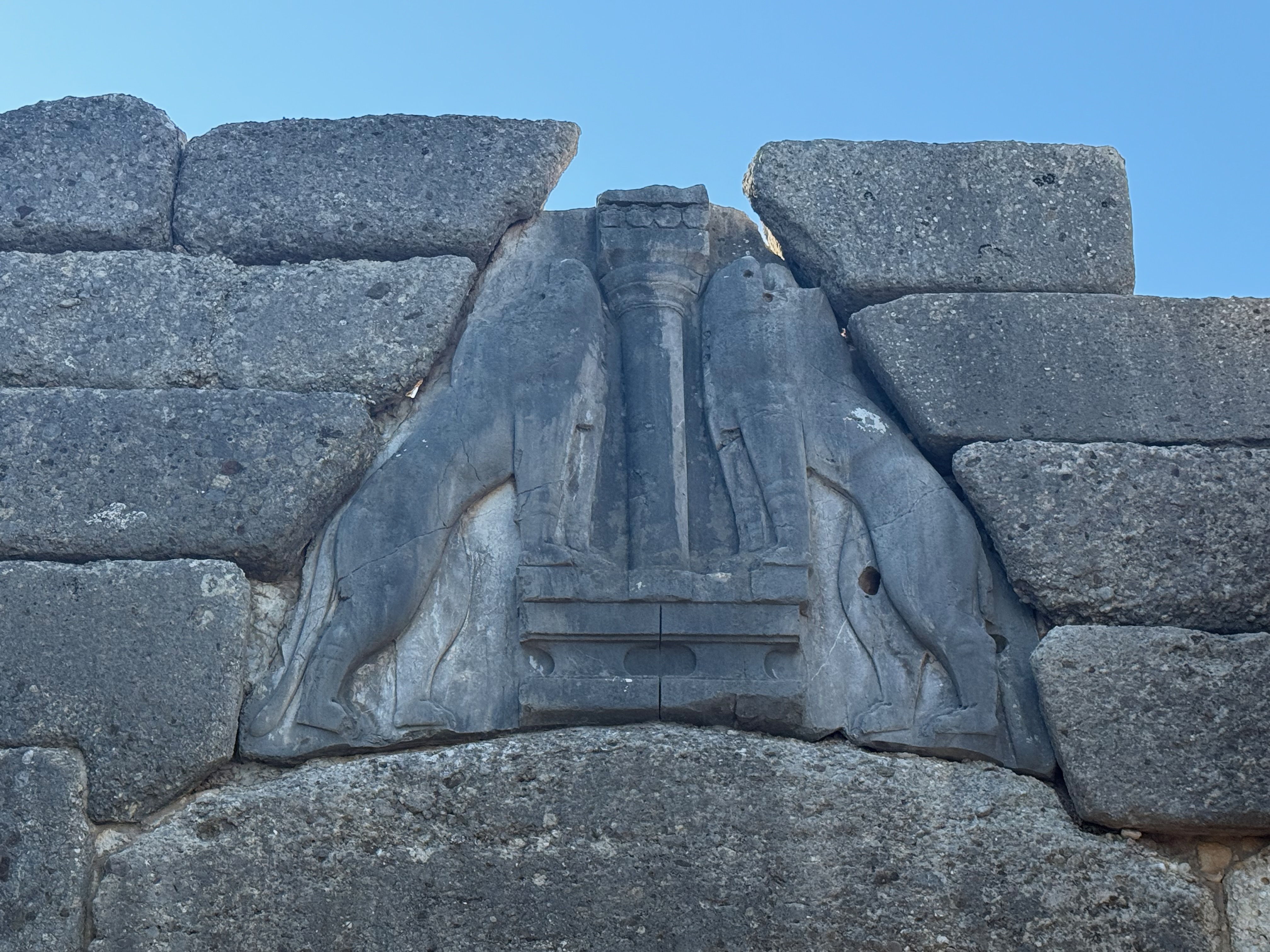
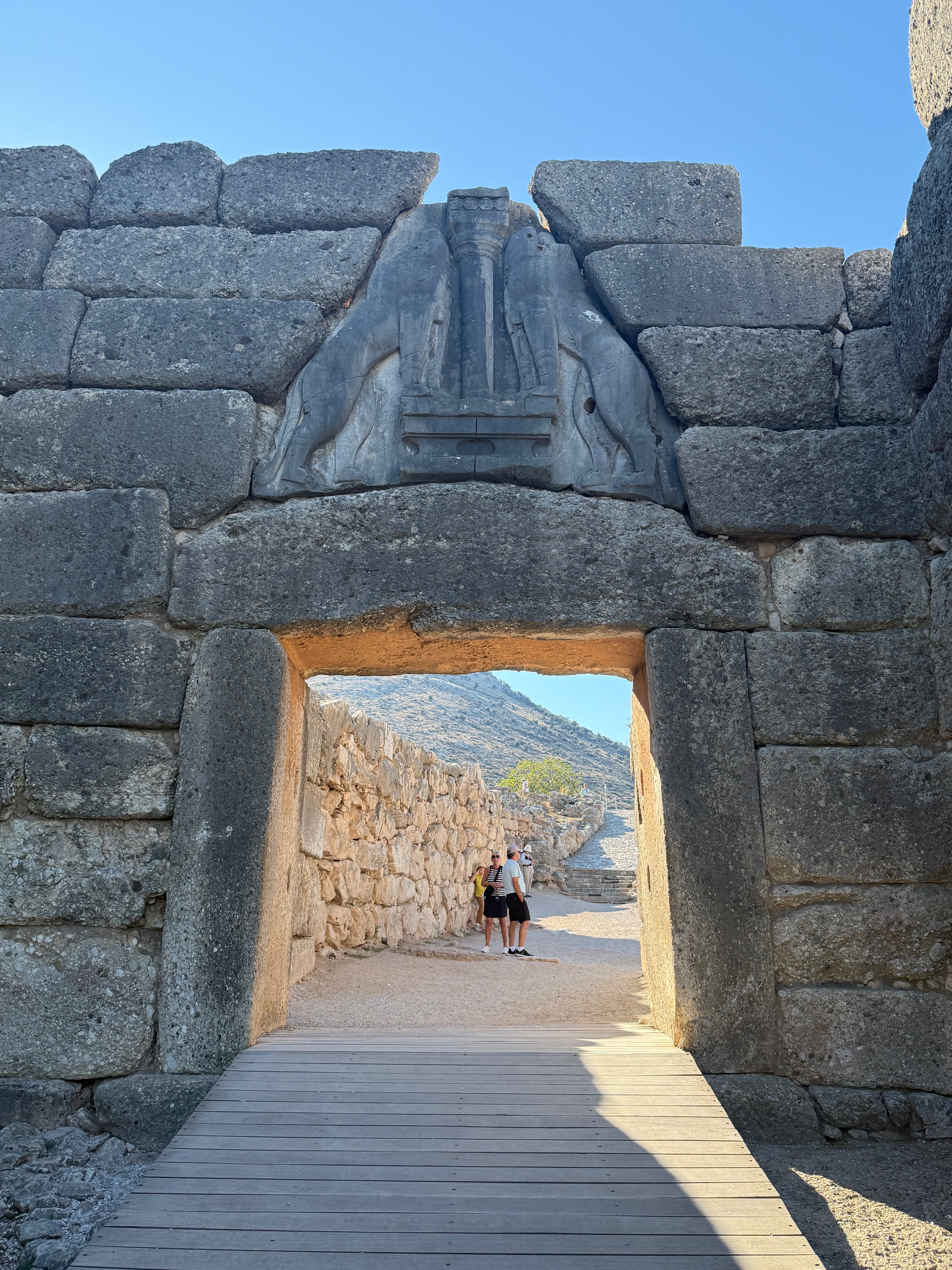
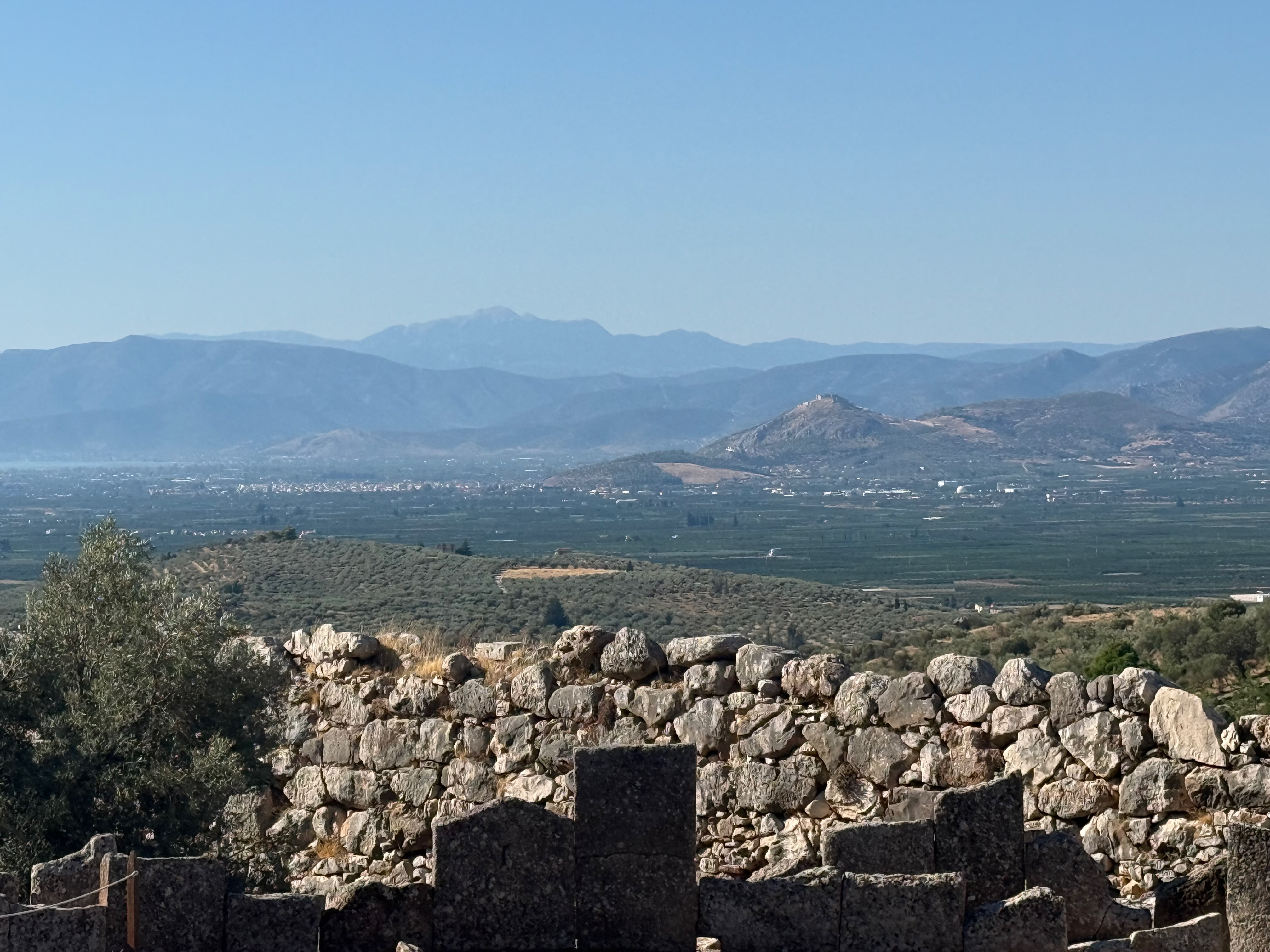
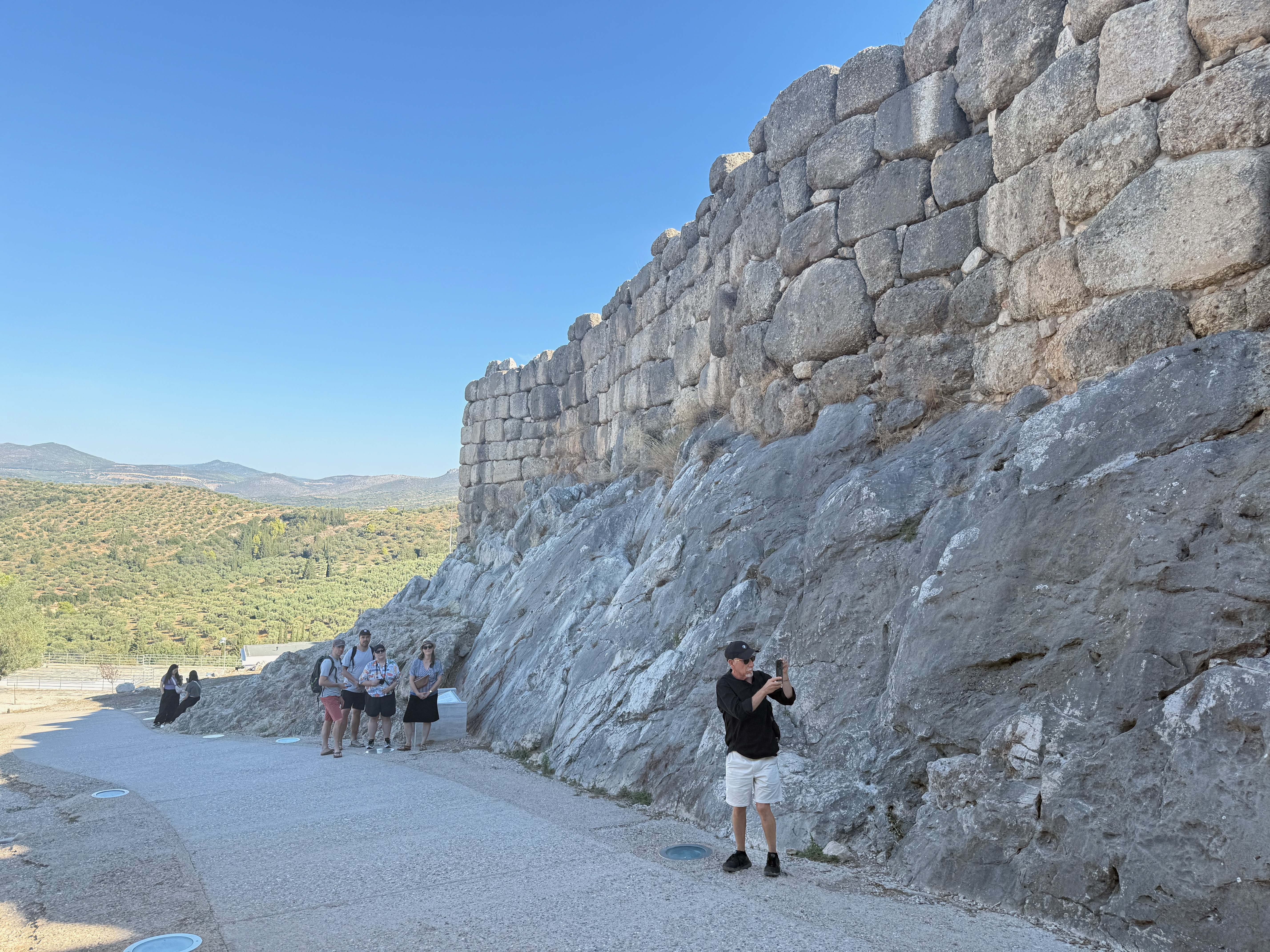
Mycenae was one of a pair of hill fortresses (the other, Argos, can be seen across the valley, bringing to mind Tolkien’s Minas Tirith and Minas Ithil). The fortifications and the palace complex bear testament to what vast resources the Mycenaean kings commanded. The walls were dubbed “Cyclopean” because the stones that make them are so big that people thought that only the Cyclopes could have shifted them. The Lion gate alone shows that the Mycenaeans could build with excellent accuracy on an enormous scale: it’s not just the superb lions that sit atop the gate, their heads sadly absent, but the sheer size and precision of the stones that form the entrance way. These artifacts are between 3,000 and 4,000 years old, reminding us of how advanced bronze age humans were.
Epidaurus is famous for its Greek theatre, built a millennium later, towards the end of the fourth century BCE. It’s estimated to have had a capacity of 13-14,000 seats and remains in sufficiently good condition to be still in use for an annual festival at a capacity of 11,000 (the uppermost are too dangerous to use). It’s in the classic Greek mould of semicircular seating carged into the hillside; the stage is still in the place, but almost nothing remains of the proscenium. Stand on the stone in the middle of the stage and declaim a few lines of poetry or sing a few notes (quickly, before one of the local guides tells you that it’s not permitted) and you can be heard with perfect clarity at the very top of the seating, several dozen metres away. The level decreases rapidly as you move away from the centre, though, leading one to the conclusion that ancient Greek theatre directors must have engaged in some careful choreography to get their actors into the right places at the right times.
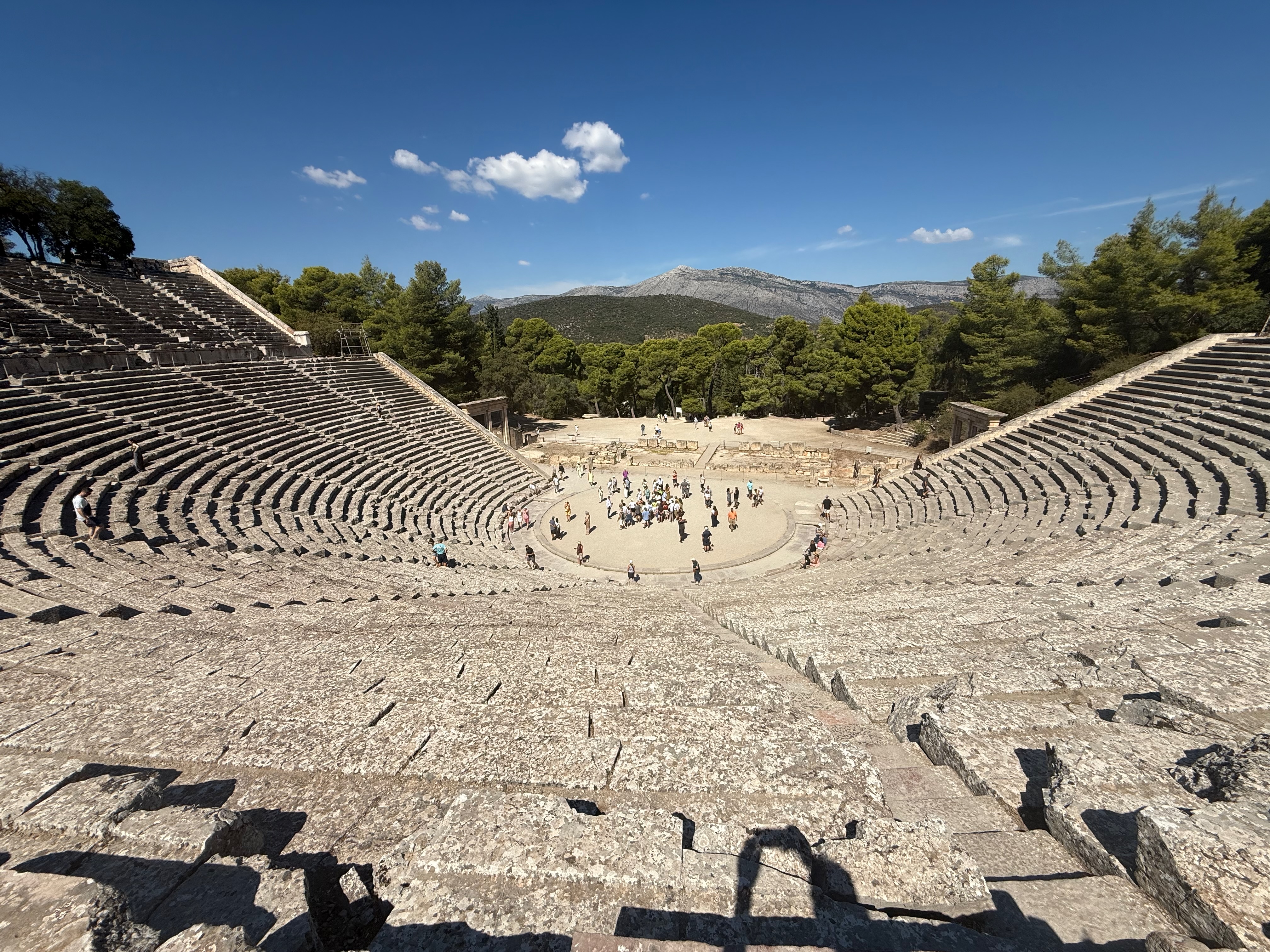
What makes the theatre more interesting is that the whole thing was part of a holistic healing process, operated by priests dedicated to Asklepios, god of healing and medicine. The surrounding complex is huge – essentially a giant hostelry for the patients, together with the obligatory temples to house the offerings they brought, often a stone carving of whichever body part they wanted the gods to heal.
We had a decent guide taking us round the sites, so I didn’t feel that their associated archaeological museums added all that much to the experience. In any case, the originals of a fair amount of the best stuff has been taken to Athens, with only copies remaining on site. But then I’m an amateur at this: if you’re an ardent antiquarian, you’ll find plenty to round out your knowledge.
Overall, I enjoyed our stay in Nafplio more than I possibly imagined I would. The sites of Corinth, Mycenae and Epidaurus were absolutely worth the visit, and with more time and staying power, we could have visited Argos, Tiryns or even Sparta, or wineries in Nemea. It’s been a great part of this trip.

