Tag: Recipe

Chocolate mousse

For anyone planning a Seder night (the Jewish celebration of Passover eve), the question raises itself of how to make a flourless dessert. There are various standard tricks, like using ground almonds or matzo meal to substitute for the flour, but here is a fabulous, indulgent dessert that avoids the tricks altogether.

This chocolate mousse started life as one of my mother’s standards, taken from the classic American cookbook Joy of Cooking (still in print and being revised, 93 years after its first edition – my own copy is now so tattered that it needs replacing). I’ve made things metric and changed various quantities, mainly to suit what you buy in English supermarkets, although, to be honest, it’s incredibly forgiving: the recipe will still work OK even if you change the ratios of cream to chocolate to eggs sugar, so you can make sweeter, lighter or more intensely chocolatey at will.

Recently, I’ve been making a more substantial change: making the egg whites into an Italian meringue before folding them into the rest of the mixture. The result is a far lighter, stable consistency which, in my view, is well worth the extra effort. This needs a thermometer – if you don’t have one, just go for standard sweetened beaten egg whites.

By the way, I tend to use the egg yolks for crème pâtissière, for use in éclairs or fruit tarts.

The Italian meringue

  • 4 large egg whites
  • 200g sugar (this is less than most recipes, so you can up it to 300g if wanted)
  • 5oml water
  • Juice of half a lemon
  1. Pu the egg whites into the bowl of your stand mixer, equipped with the whisk attachment.
  2. Put the sugar and water into a small saucepan and heat: for the first part of the process, make sure you mix things until the sugar is properly dissolved. 
  3. Monitor the temperature regularly with a thermometer: you will be using the syrup when it reaches 121℃.
  4. Well in time for the syrup to be complete (I tend to start when it’s at around 90℃), whisk the egg whites until they form soft peaks. Stop the mixer.
  5. When the syrup reaches 121℃, restart the mixer on full speed, and slowly pour the syrup into the bowl, in as thin a dribble as you can manage.
  6. Add the lemon juice, then continue mixing for at least 10 minutes while the meringue cools.
  7. Remove the whisk – you meringue is now ready to use.

The mousse

  • 50g sugar 
  • 80g rum
  • 350g dark chocolate, at least 70% cocoa solids
  • 500ml cream
  1. Put the sugar and rum into a saucepan and warm gently until dissolved into a syrup. You do NOT want the syrup to caramelise.
  2. Take the syrup off the heat and leave to cool somewhat.
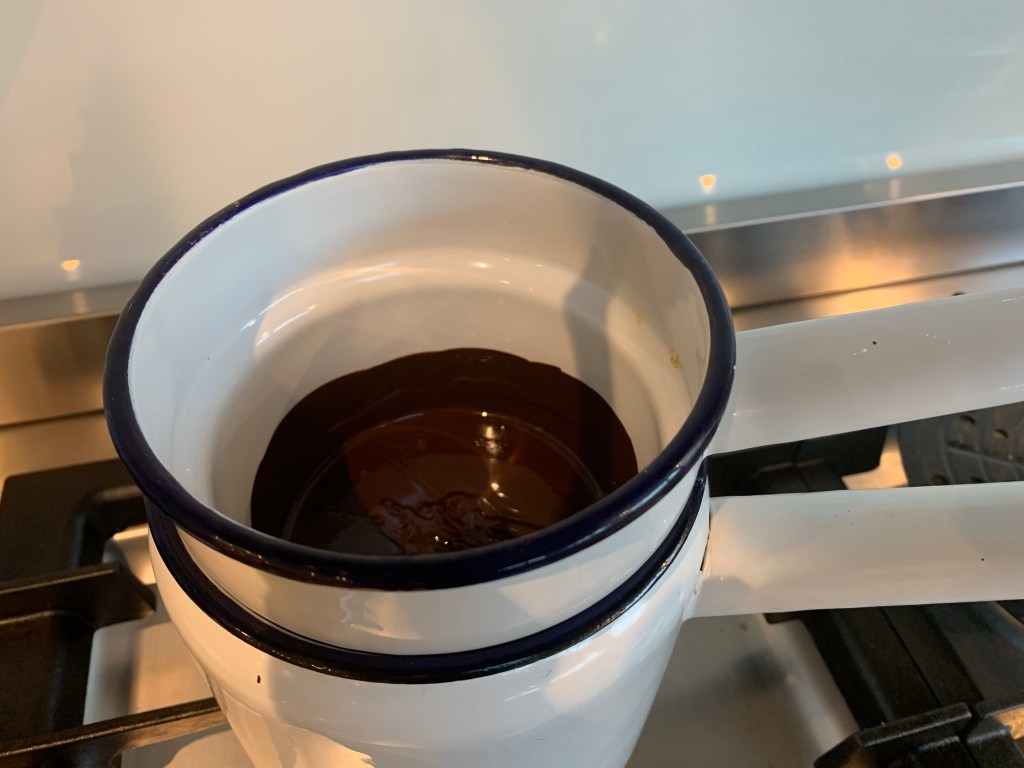
  3. Break up the chocolate, then heat in a double boiler until melted
  4. Mix in the syrup
  5. Mix in 100ml of the cream, a bit at a time, until everything is smoothly blended
  6. Whip the remaining 400ml of the cream until stiff
  7. Fold in the chocolate mixture until completely blended (you don’t really want white blotches).
  8. Now fold in the Italian meringue. Try to do it without overworking, which will lose the air – but at the same time, you want it completely mixed. It’s a good idea to fold in about a quarter of the meringue first, and then the remainder, which you’ll be able to do more gently.
  9. Put the mousse into a large bowl for serving, or into individual ramekins or glasses if you prefer.

I like serving this with a red fruit coulis, made from reducing and sieving frozen red fruit and sugar, with a bit of lemon juice added. The sharpness of the coulis cuts through the richness of the mousse, and anyway, raspberries and chocolate are a marriage made in heaven.
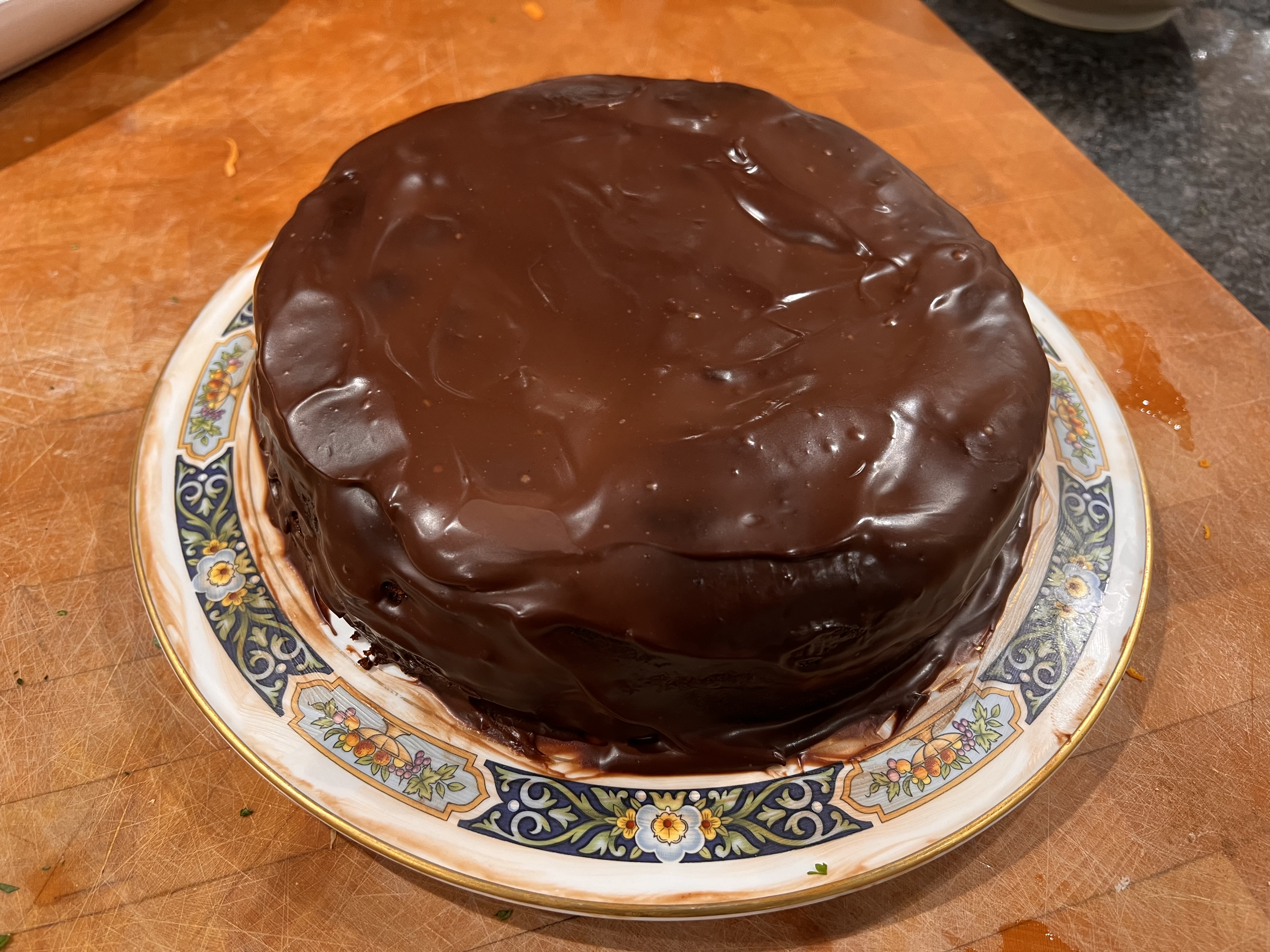
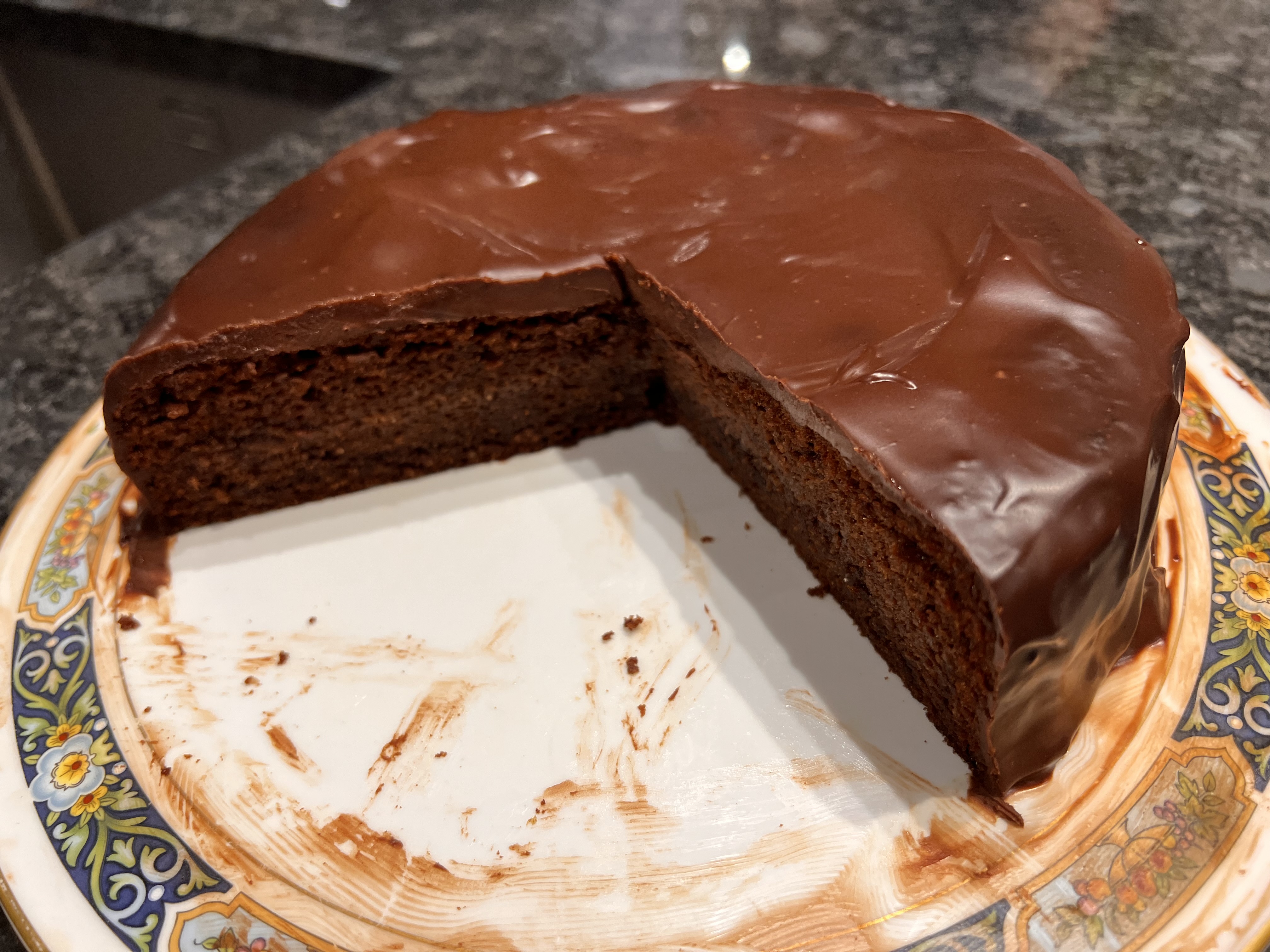
Sachertorte revisited – for diabetics

Sachertorte revisited – for diabetics

The words “diabetic baker” are something of an oxymoron: diabetics really shouldn’t be eating high carbohydrate foods, which pretty much rules out bread, cakes, biscuits, pies, pastries and just about any kind of baked goods. That makes my series of blog posts on baked goods from around the world a totally inappropriate project to have done (or, viewed more positively, a rash thumbing of my nose at the health gods).

But there are times when you can cheat. I just ran an experiment to see how far I could minimise the carbohydrate content of my favourite cake – Sachertorte – and it was outstandingly successful.

Starting with my recipe for normal Sachertorte, I did four things:

  1. Replace the flour with ground almonds
  2. Replace the sugar with allulose
  3. Replace the icing with a chocolate ganache
  4. Keep careful control of the amount of apricot jam in the filling

With more time available and apricots in season, I could have made my own apricot compote with allulose, but there really wasn’t time.

If you aren’t aware of allulose (aka Psicose or D-ribo-2-hexulose): it’s a naturally occurring sugar which you can’t digest normally. It tastes something like 70% as sweet as sugar. I find that it has little or none of the aftertaste of most non-sugar sweeteners – and in a recipe with this one, with its strong-tasting dark chocolate, I could detect no aftertaste whatsoever. People have questioned whether there any health risks, but the US FDA have approved it with a maximum consumption of 33-36g per day for a 60kg adult (a portion of this cake uses under 20g, so I reckon it looks OK). 

Comparing the two recipes, the carbohydrate budget looks like this. In rough numbers, the new recipe’s carbohydrate count is a quarter of the standard one.

NormalDiabeticSaving
Dark chocolate 300g90g90g
Sugar to allulose150g0150g
Flour to ground almonds76g19g57g
Remove icing200g0200g
Apricot jam 90g to 60g53g35g18g
Total for a 1kg cake569g144g425g
Total for a (generous) 125g portion71g18g53g

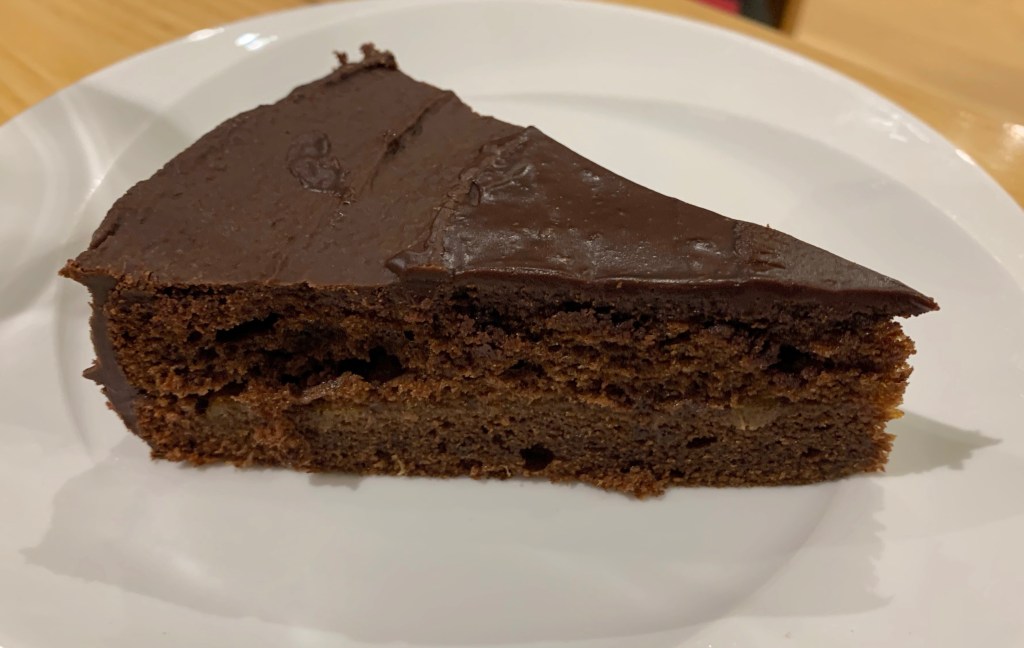
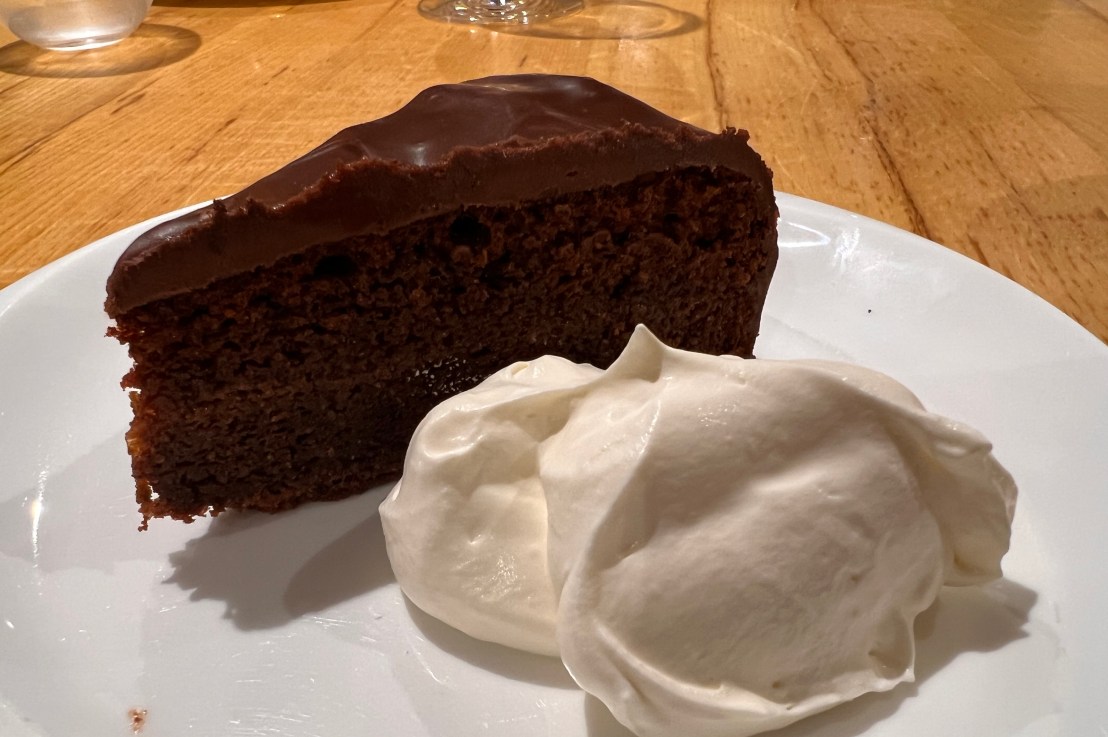
I can’t fault the results. My family proclaimed this to be better than the original, which we attribute to liking the extra flavour of the almonds and preferring the creaminess of the ganache to the extra sweetness of the chocolate icing. It’s a winner.

For completeness, here’s the modified recipe. Make it in a greased, 8-9 inch, removable-rim pan.

Ingredients

Cake

  • 150g dark chocolate (70-80% cocoa solids)
  • 150g allulose
  • 30g granulated sugar
  • 170g butter, softened
  • 100g ground almonds
  • 6 eggs
  • 60g apricot jam mixed with the juice of half a lemon
  • 1/2 tsp baking powder
  • vanilla essence or vanilla paste to taste (different brands are so different in strength that I can’t give an amount)

Ganache

  • 150g dark chocolate (70-80% cocoa solids)
  • 200g double cream

Method

Cake

Preheat the oven to 160°C fan. Grease the sides of an 8-9 inch, removable-rim cake tin with butter and line the bottom with baking paper or parchment.

  1. Separate the eggs into yolks and whites
  2. Melt 150g of the chocolate in a double boiler. Then leave it to cool.
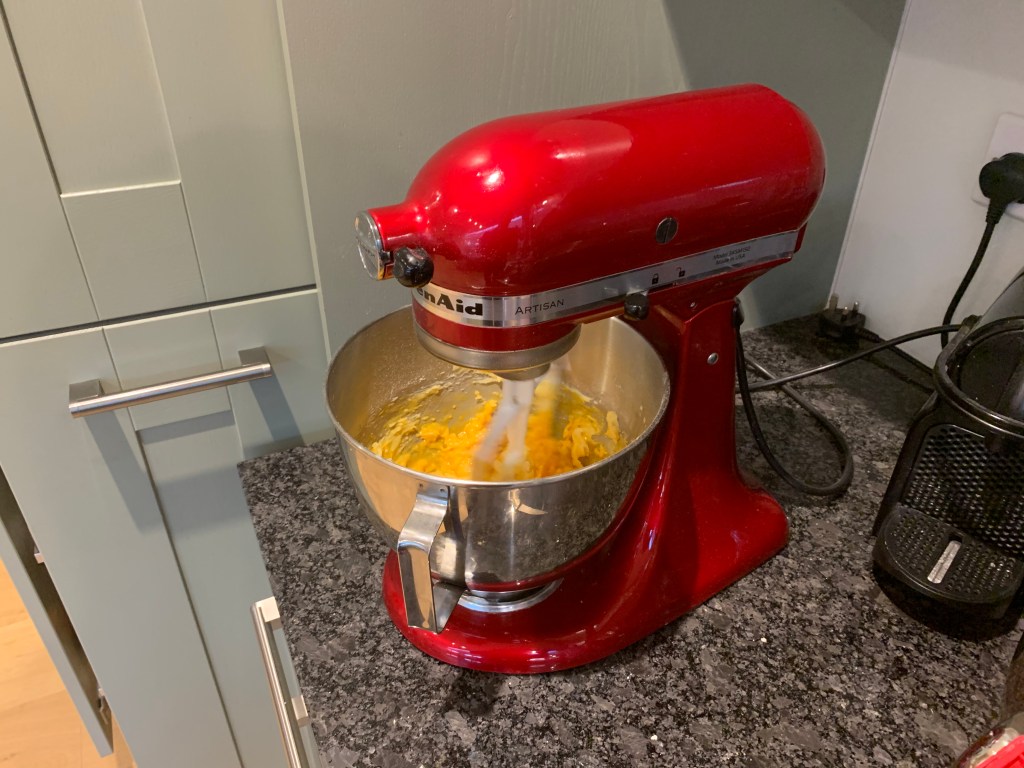
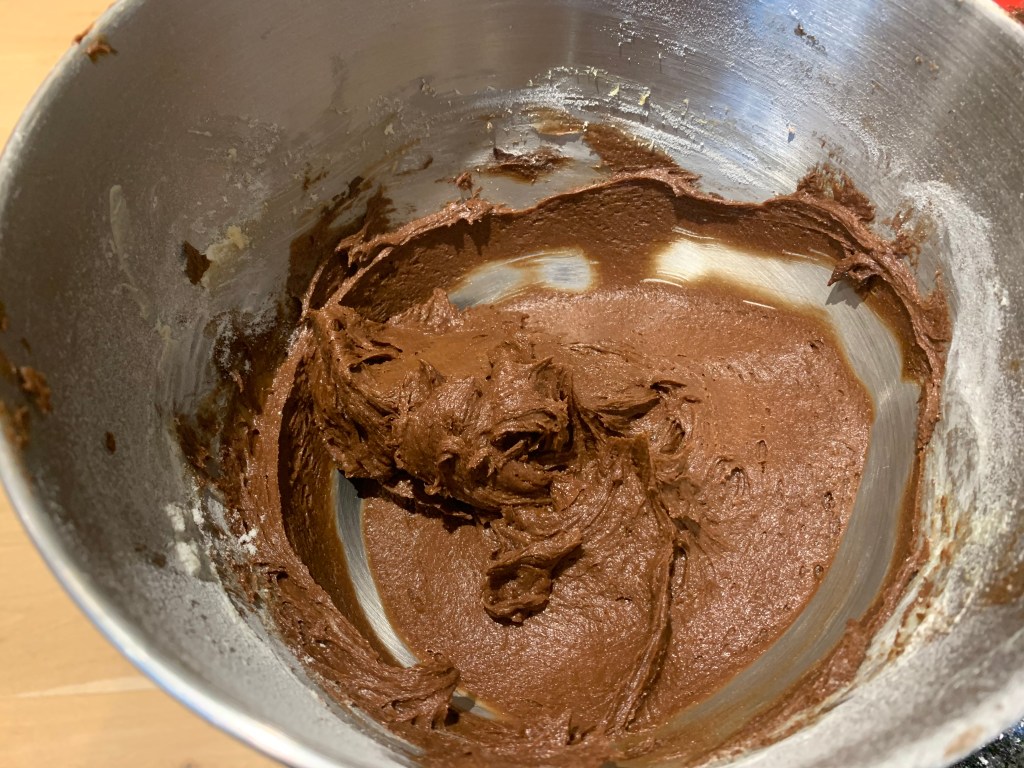
  3. Cream 120g of the allulose and the butter until the mixture is fluffy.
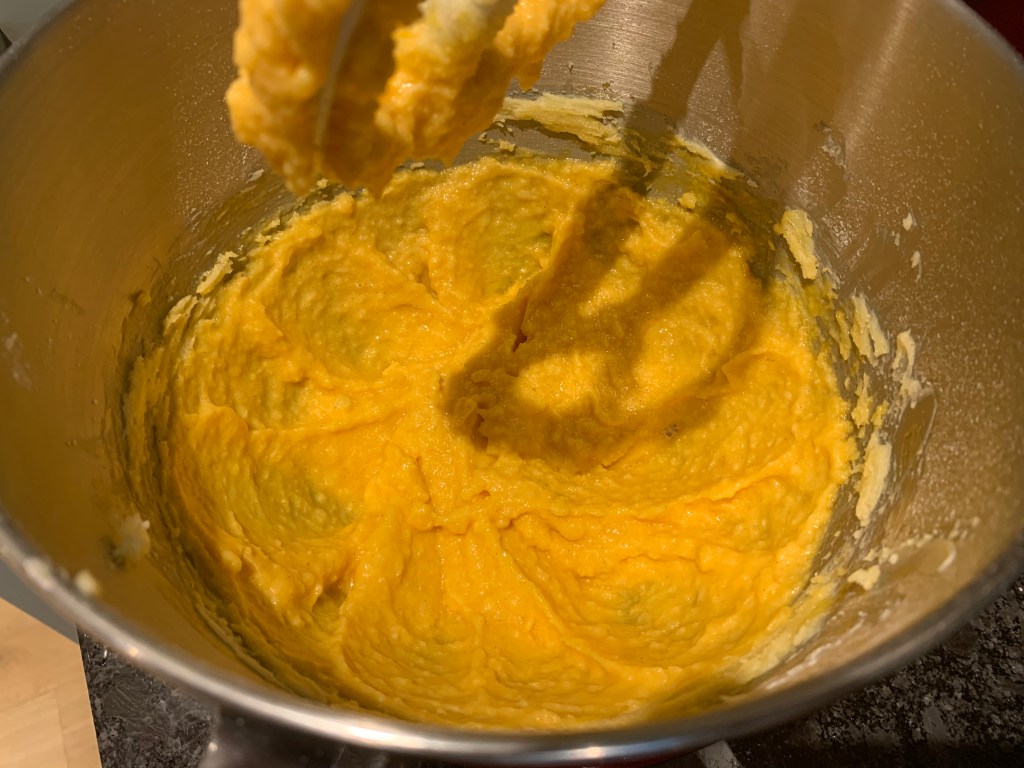
  4. Beat in the egg yolks gradually until the mixture is light in colour.
  5. Add the melted cooled chocolate.
  6. Add the ground almonds. Add the baking powder and mix everything thoroughly.
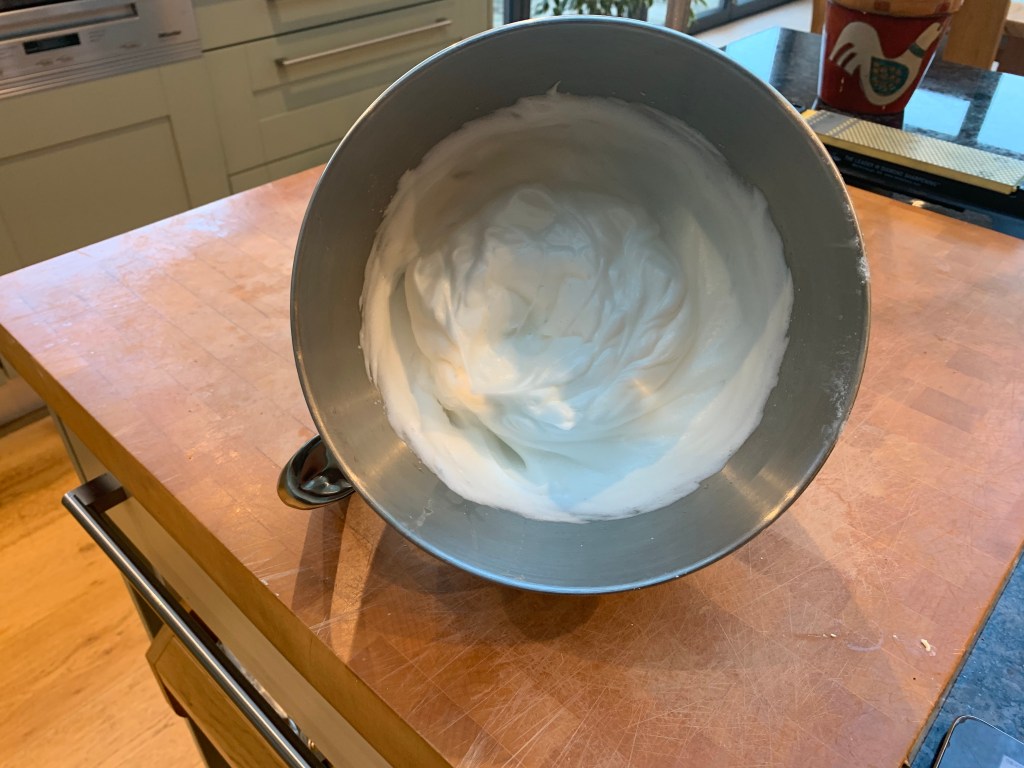
  7. Beat the egg whites until they are beginning to be stiff. Add the remaining 30g of allulose and beat on maximum speed until stiff but not dry.
  8. Fold the resulting meringue mix into the cake mixture, about a fifth at a time. The weight of the almond-rich mixture will make this trickier than for a normal cake.
  9. Bake the mixture in the pan for around 40 minutes.
  10. Remove and cool on a rack.
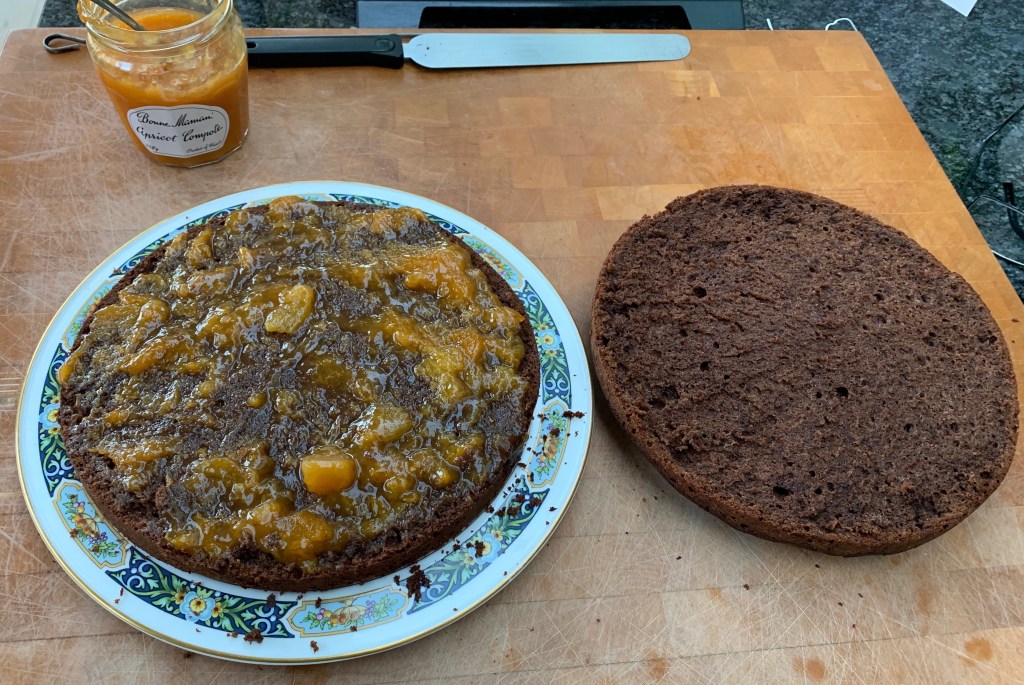
  11. Optionally, slice the top dome from the cake and set aside. Slice the remaining cake in half. Spread the jam on the bottom half and reassemble (optionally, spread jam on the top of the cake also).

Ganache

  1. Break or chop the chocolate into small pieces (less than 1cm square) and put in a reasonably heatproof bowl. Of course, if you’ve bought your chocolate in the form of chips/pellets, this has already been done for you.
  2. Bring the cream close to the boil, and pour it over the chocolate.
  3. Stir rapidly and continuously until the mixture is smooth.
  4. Cool enough that the ganache no longer runs really easily, but is still spreadable with a glossy finish.
  5. Spread over your cake.
  6. Leave to cool completely.
Luxury baking: Mushroom and Comté tart

Luxury baking: Mushroom and Comté tart

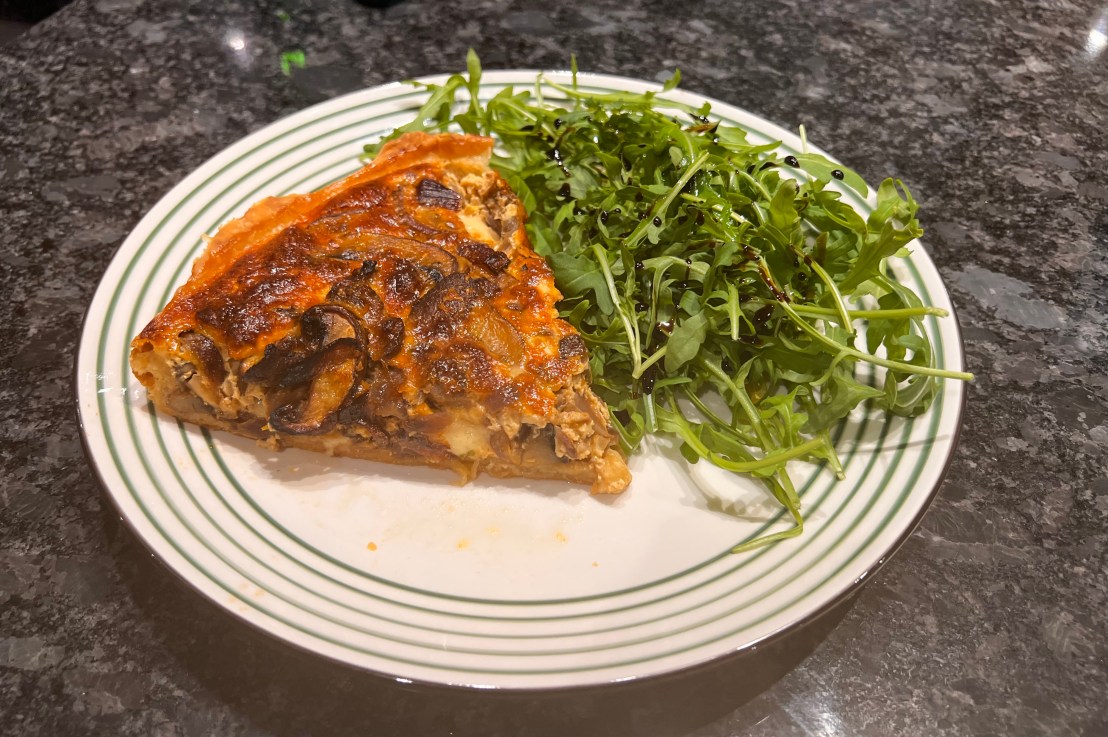
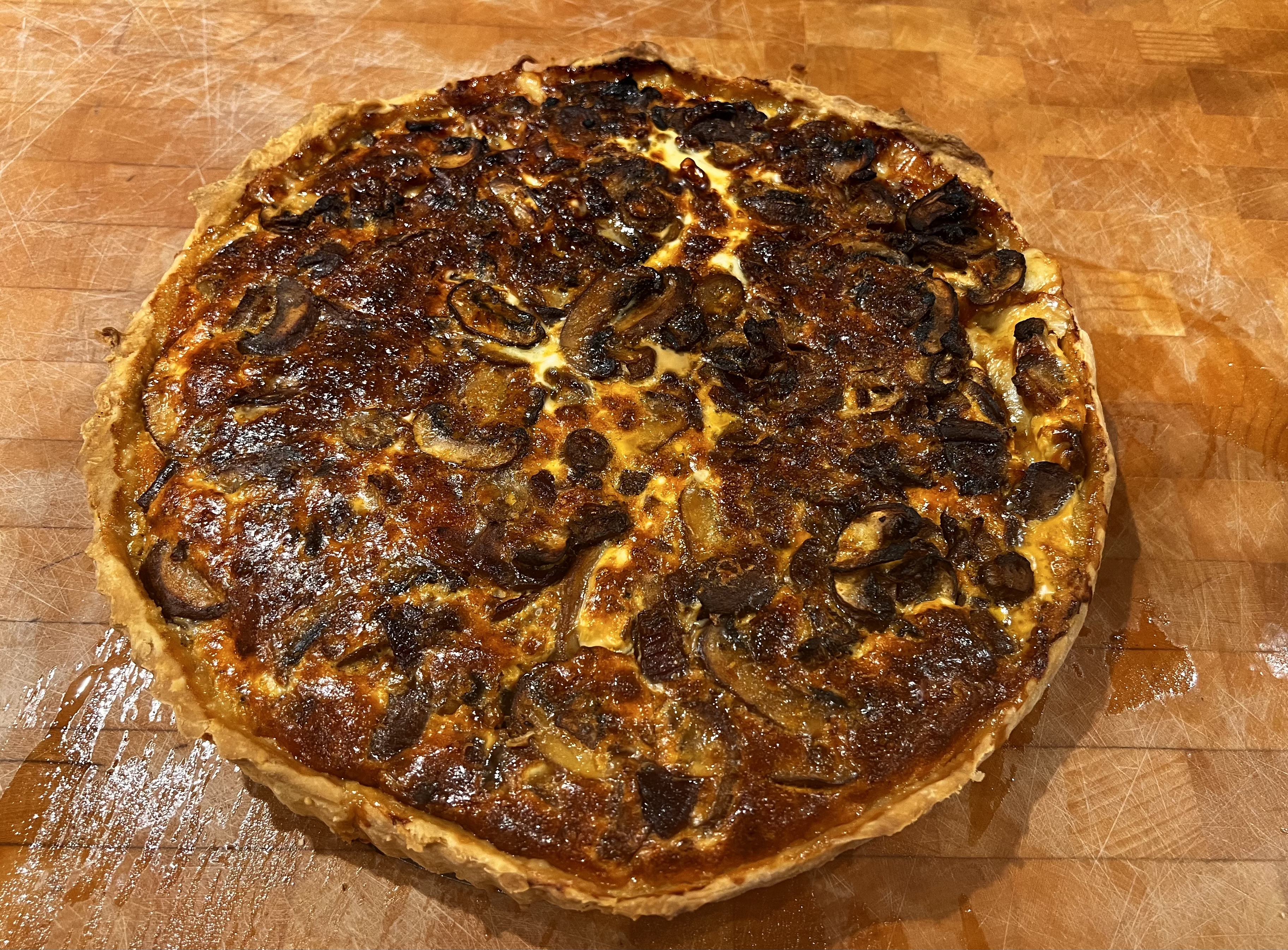
For anyone old enough to remember the 80s and Bruce Feirstein’s Real Men Don’t Eat Quiche: this particular real man not only eats quiche but also loves making them. But I’m picky about what sort of quiche: I’m not particularly fond of the thick version that’s essentially pastry-coated set custard, possibly with a few flecks of bacon. The version I love has thin, crisp pastry and is packed with flavourful ingredients (the egg binds it all together, but isn’t the principal component of the dish) and it’s backed to a gorgeous golden brown.

I make a bunch of variations on this particular theme. This Mushroom and Comté tart is my all time favourite dish to serve to vegetarian guests, but I also make versions with different cheeses and various nuts, peppers or other vegetables. If I’m not serving vegetarians, I will often add bacon or chorizo; if in the mood for spice, different chilies and peppercorns can put in an appearance.

This recipe is on the luxury end of ingredients: the truffle oil at the end is very optional; Cheddar is a perfectly good substitute for the Comté, albeit with a different flavour profile. The dried porcini can get very expensive in the UK (we buy them in bulk during trips to Italy): a teaspoon or two of white miso paste will add plenty of extra umami at noticeably lower price.

With the aid of a side salad or two, the quantities here will serve six generously as a main course and, depending on how hungry your guests are, will do 8-12 for a starter.

For the pastry, I use a stand mixer to combine the butter and flour. You can also use a food processor, or you can just use your fingers; whichever you choose, try to keep the ingredients cold.

Pastry

  • 250g plain flour (preferably OO)
  • 2g salt
  • 125g unsalted butter, cold from fridge
  • 30g yoghurt (I used Greek)
  • 2 eggs
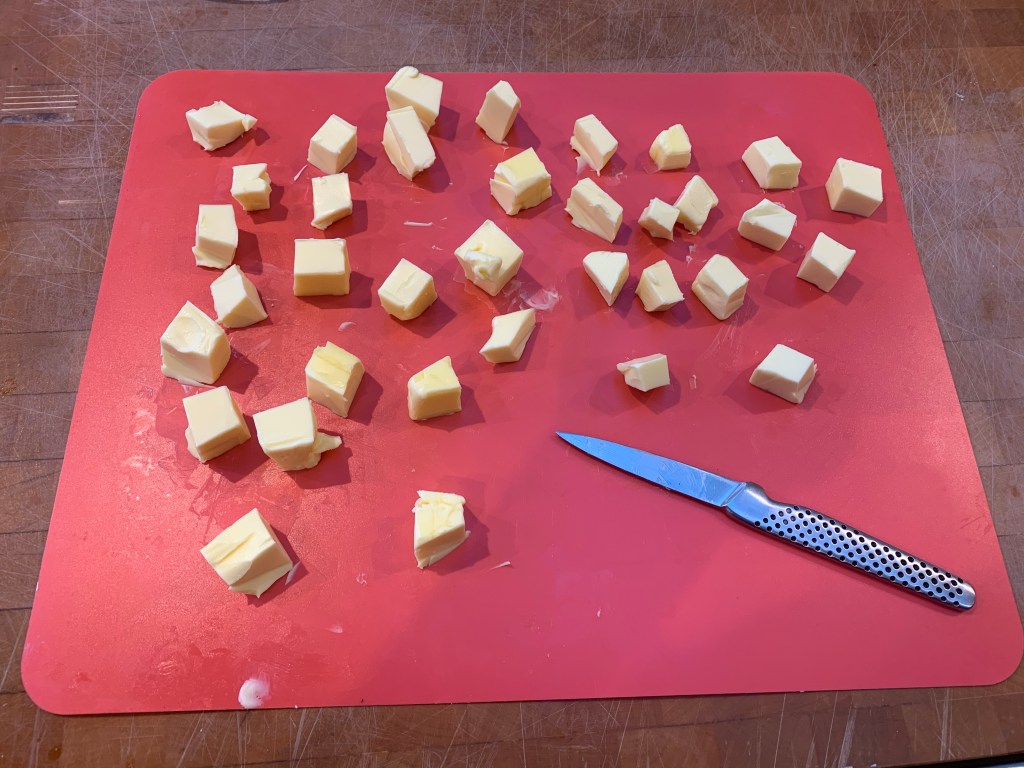
  1. Put flour and salt into a mixing bowl. Cut the butter into small cubes (perhaps 5mm) and add them.
  2. Mix the flour and butter until it reaches the texture of coarse breadcrumbs.
  3. In a small bowl, beat the eggs and yoghurt together, then add to the flour/butter mixture.
  4. Mix until well combined into a smooth dough. Knead a few times with your hands, wrap in cling film and put in the fridge, preferably for 30 minutes or more (this will develop the gluten which will make the pastry stretchy and easier to roll).

Filling

  • Dried porcini to taste (I use around 15-20g)
  • Olive oil for frying – perhaps 20ml
  • 1 medium red onion (could use brown; could use a larger onion – 200g peeled weight)
  • 400g chestnut mushrooms
  • 1 tsp paprika (or choose your favourite seasoning: I’ve used different chilies and chili flakes; the best was some peppercorns my daughter brought home from a holiday in Madagascar).
  • 1 tsp dried oregano
  • A handful of garlic chives (optional, or could choose some other herb)
  • Salt and pepper to taste
  1. Chop the onions finely
  2. Slice the mushrooms
  3. In a small bowl, cover the dried porcini in hot water and leave them for a few minutes to rehydrate
  4. In a deep frying pan or wok on medium heat, fry the onions until transparent
  5. Drain the porcini, add them and fry for another minute or so
  6. Add the sliced mushrooms, paprika and dried oregano; fry until they are cooked and most of the liquid has evaporated.
  7. Add the garlic chives, salt and pepper and mix; take off the heat

Final assembly

  • 200g Comté cheese (Gruyère works fine; so would Beaufort; Cheddar would be a good cheaper alternative)
  • 4 eggs
  • Butter for greasing the tart tin
  • Flour for rolling
  • 200 ml milk
  • 30g Parmesan, grated
  • Truffle oil (optional)
  1. Preheat oven to 200℃ fan
  2. Chop the cheese into cubes, around 1cm.
  3. Separate one egg: you’ll put the white into a small bowl and the yolk into a medium-to-large bowl. Put the other three eggs in with the yolk.
  4. Grease your tart tin with butter
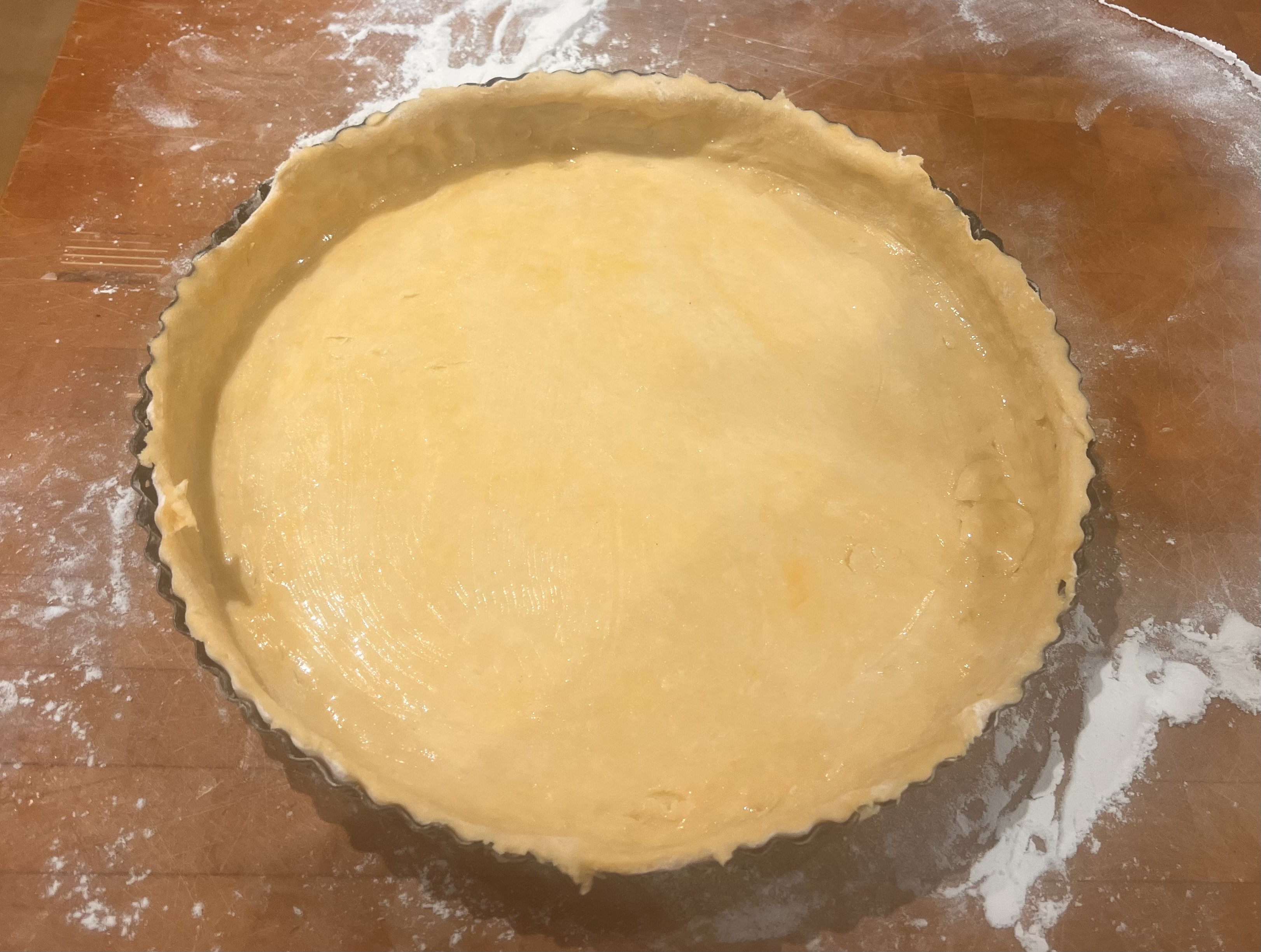
  5. Roll out your pastry and line the tart tin. Prick the bottom with a fork.
  6. Brush the pastry with the egg white, then put any left over egg white in with the rest of the eggs.
  7. Beat the eggs; add the milk and mix; add the Parmesan and mix
  8. Scatter the cheese cubes evenly across the pastry
  9. Scatter the mushroom filling evenly across the spaces pastry, discarding any excess liquid.
  10. Pour the egg/milk mixture over to fill the remaining gaps
  11. Bake until the surface is a deep golden brown, around 35 minutes
  12. Optionally: drizzle the tart with truffle oil
  13. Serve lukewarm to hot. A little rocket, oil and aceto on the side makes a good garnish.
Around the world in 80 bakes, no.11: Ranginak from Iran

Around the world in 80 bakes, no.11: Ranginak from Iran

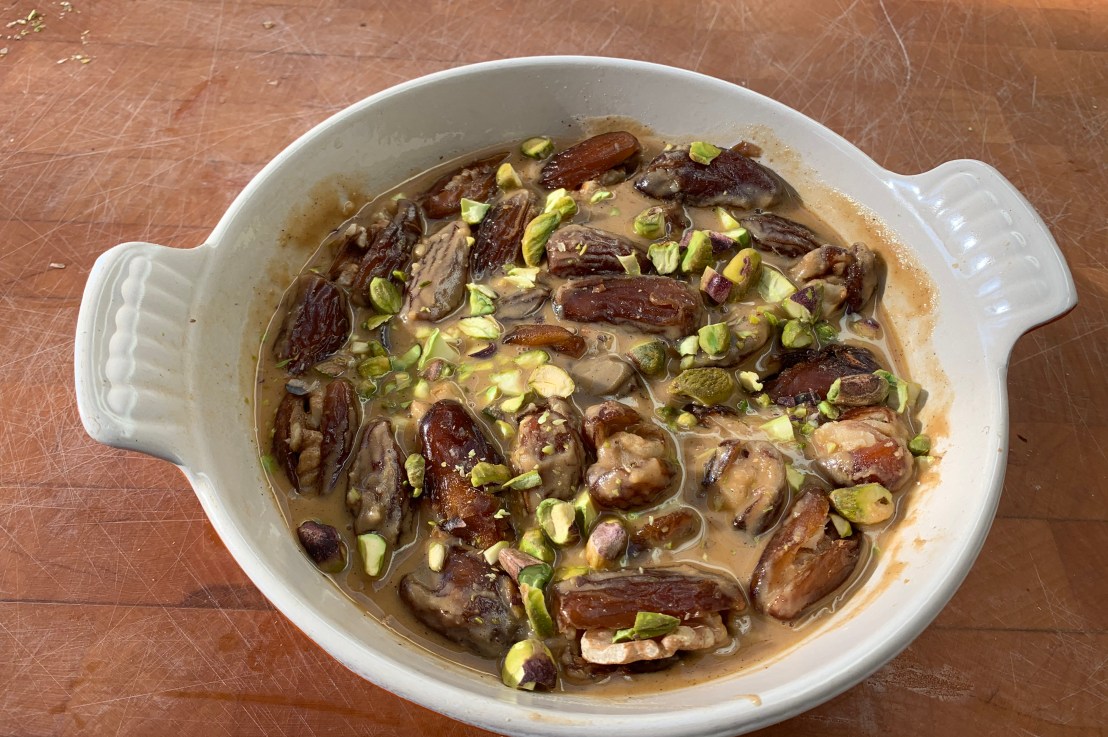
It’s time for a trip to the delicately balanced, aromatic foods of Persia. Strictly speaking, Ranginak isn’t a baked dish – it’s cooked in a skillet, not an oven – but it’s a dessert made from a flour/butter/sugar mixture as found in many Western baked goods, so I’ll stretch a point. Ranginak gets described as a sort of Persian date and walnut fudge, but it’s much better than that because it isn’t overpoweringly sugary: cut into small chunks, it makes for a lovely, scented, sweet-but-not-too-sweet bite of deliciousness.

Ranginak is famous as a festive dessert in Iran: the name means “colourful”, which is mildly dubious since it’s basically brown until you add garnish. There are many regional variations, the most improbable of which comes from a seventeenth century Isfahan recipe and involves dressing the completed product with  rice pudding. I’ve gone for a simple one, starting from a recipe in the lovely Persian website Turmeric and Saffron and adding in the odd bit from my Persian cookery bible, Margaret Shaida’s The Legendary Cuisine of Persia.  As usual, I’ve given some details and turned most measurements into metric: I just find it easier to measure things accurately with a set of digital scales than with measuring spoons and cups. 

I’ve halved the recipe, since we’re still in lockdown here in London and I don’t really want to make giant desserts if I’m not sure they’re going to freeze properly. The amounts here are about right for a round dish 15cm in diameter: adjust to suit whatever size dish you are going to use.

Ingredients, in order of use

  • 50g walnut halves
  • 200g dates
  • 125g flour
  • 125g butter
  • 20g icing sugar
  • 1/4 tsp ground cinnamon
  • 1/4 tsp ground cardamom
  • A free pistachios, shelled and unsalted, to garnish

If you talk to anyone Iranian, they will tell you that Persian produce (walnuts, dates, melons, garlic, saffron, etc) is different from everyone else’s – and, of course, superior. This starts out by being incredibly irritating until you try things out and come to the inevitable conclusion that for the most part, they are simply stating correct information. Or nearly, anyway: Omani dates are as good as the Persian products, Chilean walnuts and Kashmiri saffron likewise. But you get the idea: if you can find a Persian food shop for your dates and walnuts, it’s a good idea.

In the more likely event that you don’t have access to a Persian shop: most supermarket walnuts will be fine, but the quality of the dates is important: the rock hard ones that you often see in oblong cardboard packets will be hard to work with and yield a disappointing result. Make sure the dates are soft. If they’re pitted, that will save you effort.

Method

  1. Choose a shallow dish just large enough to hold your dates laid flat; grease it with a bit of melted butter. 
  2. In a dry pan on medium heat, toast the walnuts until fragrant but not yet burning (should be 3 minutes or so). Take them off the heat.
  3. While the walnuts are cooling, take the stones out of the dates (if this hasn’t already been done for you).
  4. In a bowl, mix the icing sugar, cinnamon powder  and cardamom powder.
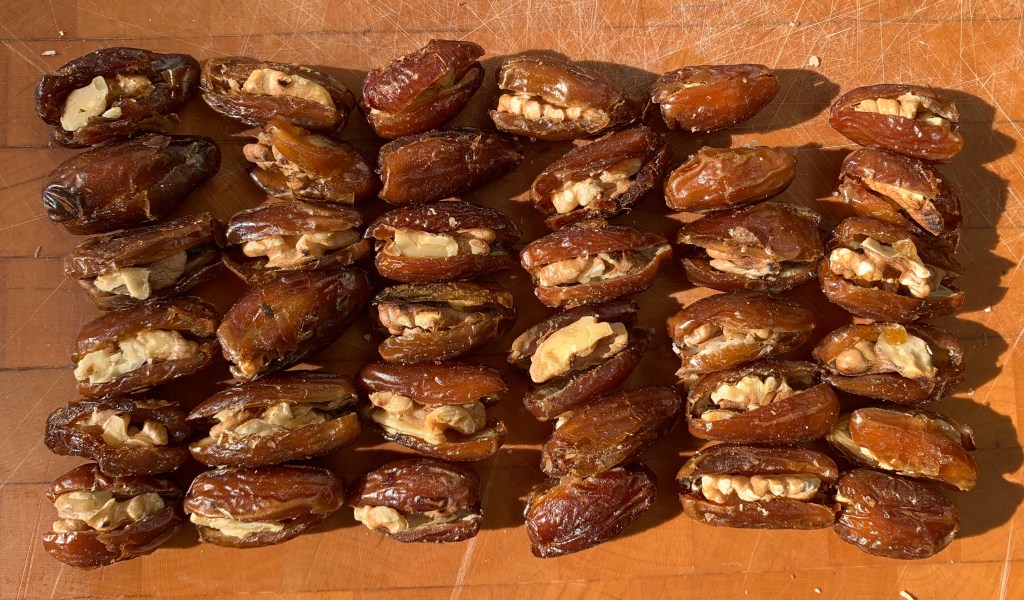
  5. Once the walnuts are no longer too hot to touch, cut each piece in half so that you now have walnut quarters. Stuff a walnut quarter into the cavity of each date.
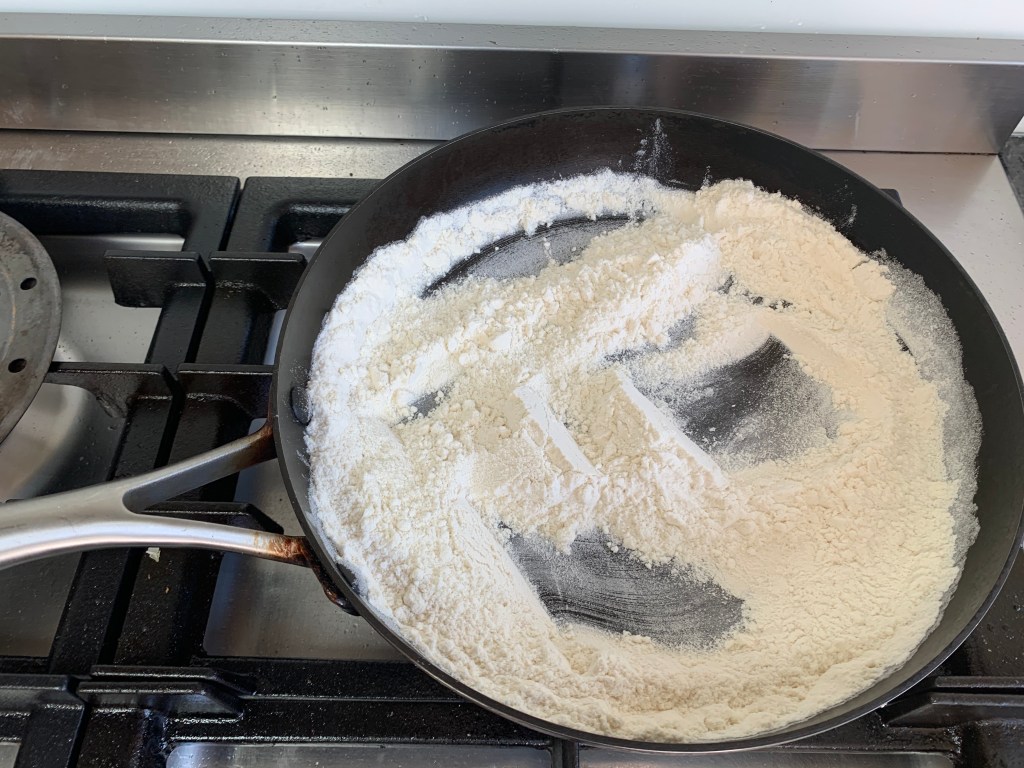
  6. In a pan on medium heat, toast the flour until it’s just beginning to go pale brown and smell aromatic (around 5 minutes).
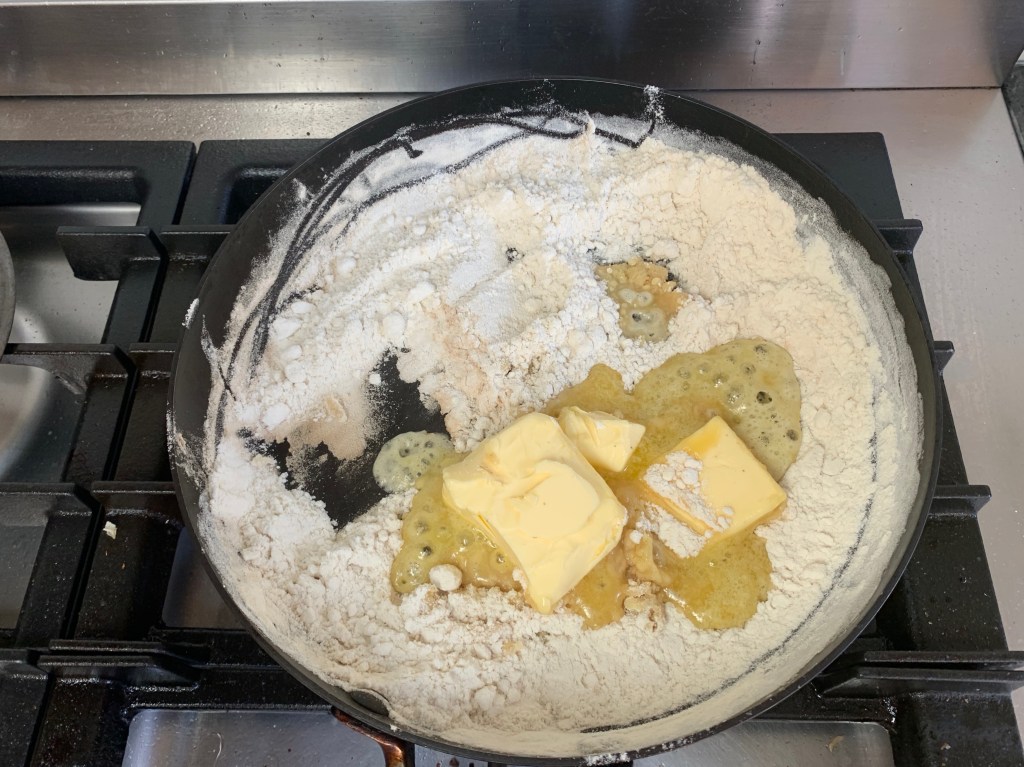
  7. Add the butter and mix thoroughly as it melts. Now cook for around 10-15 minutes until your mixture is a medium butterscotch kind of colour. Don’t let it go as far as dark brown.
  8. Add the spiced sugar and mix thoroughly, then pour the mixture into your dish. Leave to cool for long enough that you’re not going to burn your fingers in the next step.
  9. Now lay out the stuffed dates on the mixture, and sprinkle some chopped pistachios. If you’re of an artistic bent (and especially if you’re doubling or trebling this recipe), you’ve got scope for some fun here. Sadly, I’m not, but there are plenty of pretty photos online to give you the idea.
  10. Leave to set, which should take a couple of hours at normal room temperature. If it’s a hot day and you’re in a hurry, you’ll probably want the Ranginak to spend part of the time in the fridge.

Traditionally, Ranginak is served with tea. Personally, I like going cross-cultural and serving a piece with a scoop of pistachio ice-cream. But I’ll leave that one to you…

Around the world in 80 bakes, no.3: Spanakopita

If you’re thinking of Greece and baking, the chances are that spanakopita is at or near the top of your list. But what exactly is it? The most usual answer is “spinach and feta pie”, but the truth is, you can take pretty much any leafy vegetable, any set of alliums, your favourite dairy products to enrich it (or not, if you’re vegan) and your favourite herbs and spices: wrap that in filo pastry in a shape of your choice (bite-sized or pan-sized), bake it and you get something that’s arguably a spanakopita. There are probably as many recipes as there are cooks.

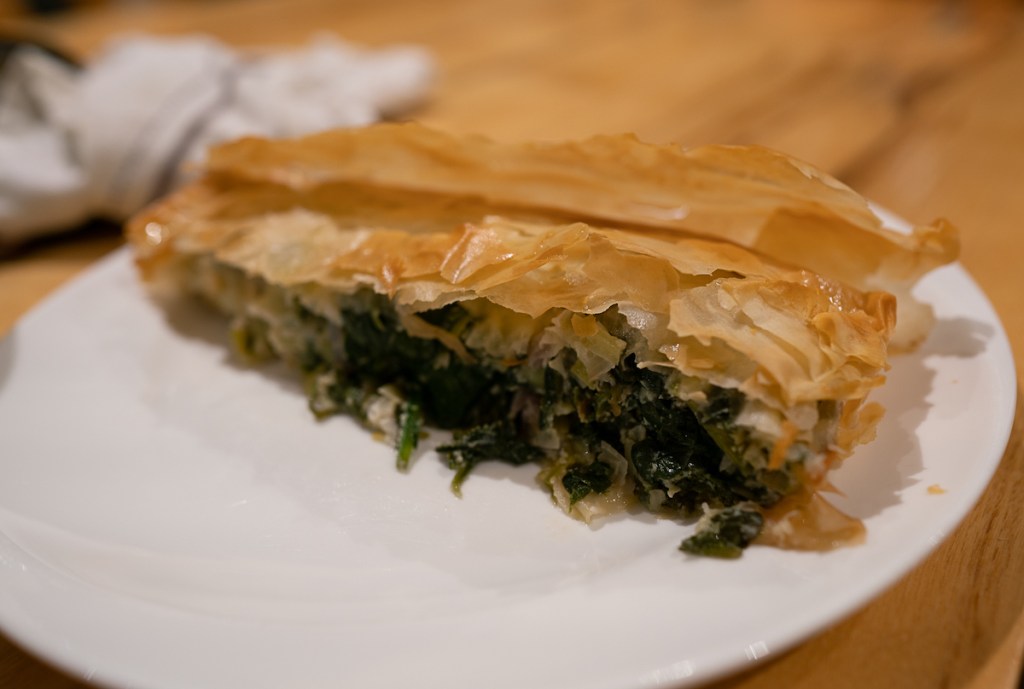
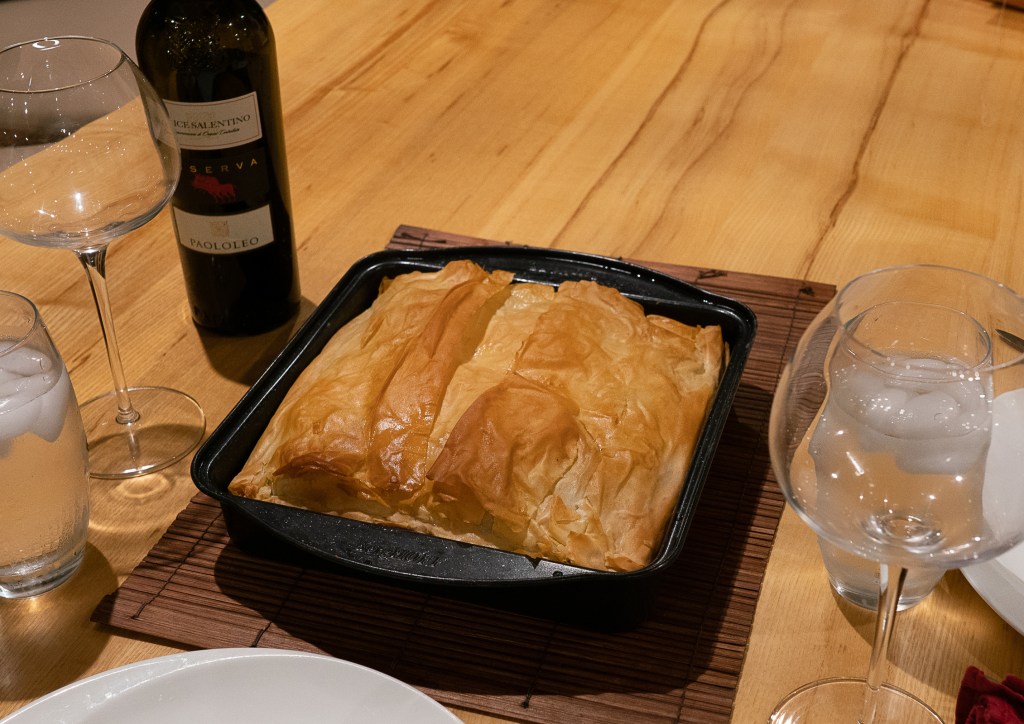
The finished article – a view of the inside…

So I’m not in any way claiming that what follows is a definitive spanakopita. But I will claim that it’s tested, it’s absolutely delicious, it’s filling, it looks good, it doesn’t take all that long to make, it’s highly tolerant of inaccurate quantities and as long as you take it out of the oven before it starts burning, you’re unlikely to ruin it. In short, whether you’re a frequent vegetarian cook or not, it’s a winner.

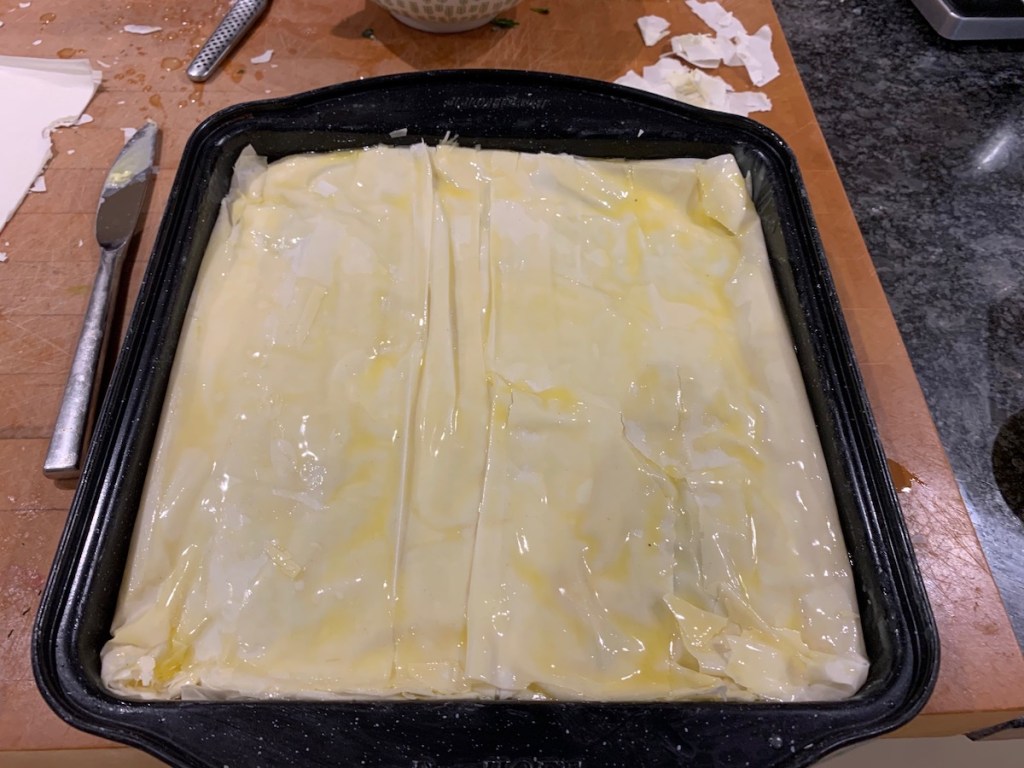
…and in context, ready to be cut and served!

The filo pastry and butter is a given, and unless you’re going to opt for kale or other leaves, so is the spinach (the recipes I’ve seen recommend fresh non-young spinach, but all I have available in my local supermarket is the young stuff, and it works fine). For alliums, I like a mixture of leek, shallot, onion and garlic – but you can leave out at least two of these. For flavourings, I go for nutmeg and lemon rind, which gives a real zing, plus a mix of dill, oregano and flat leaf parsley. But again, the first time I made this, I only had parsley in the house, and it was fine. For enriching the filling, I like eggs and feta cheese with a generous dose of grated Parmesan. But you get the idea: don’t feel overly bound to my choices and quantities. Lots of variations will work. So here goes…

The recipe serves four generously as a meal on its own, or would do a starter for at least 8.

Equipment

I used a square 23cm x 23cm metal baking tin, which probably better than a thick ceramic dish, but you can adapt the instructions for whatever you have.

You’ll need a brush of some sort for spreading the butter – otherwise, you’re likely to break the filo too much – it’s very fragile.

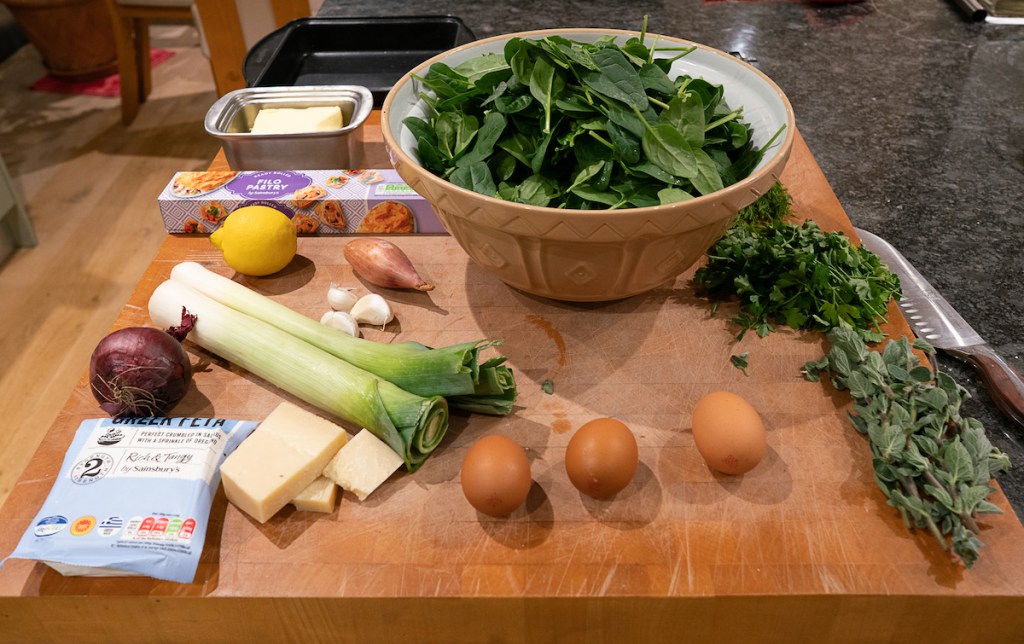
The ingredients (minus the olive oil and nutmeg, which I forgot to put in the photo)

Ingredients

  • 400g fresh spinach (frozen is said to work well, but I haven’t tried)
  • 2 leeks – around 300g, 240g after trimming
  • 1 red onion – around 120g
  • 3 cloves garlic – around 20g
  • 1 banana shallot – around 50g
  • Bunch of dill
  • Bunch of oregano
  • Bunch of flat leaf parsley
  • 3 eggs, beaten
  • 200g feta cheese
  • 120g Parmesan or similar hard cheese
  • Rind of 1 lemon, grated
  • Grated nutmeg and salt to taste
  • 12 sheets of filo pastry (around 150g)
  • Melted butter for spreading – I needed around 100-120g
  • Olive oil for frying

Method

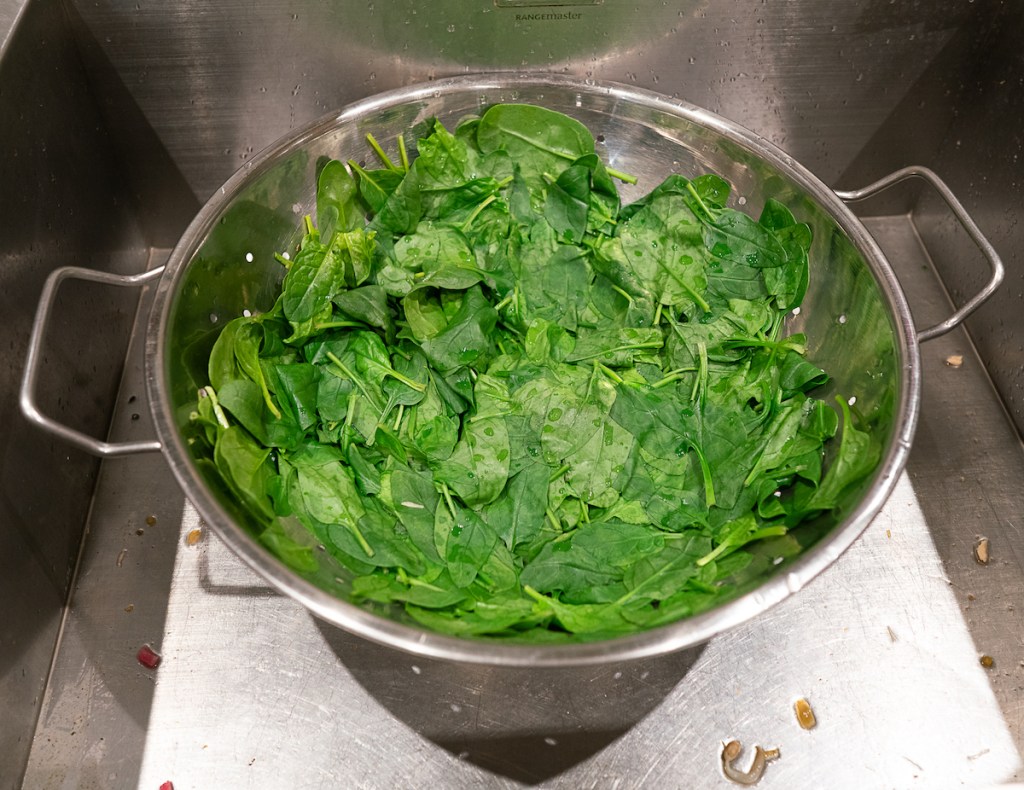
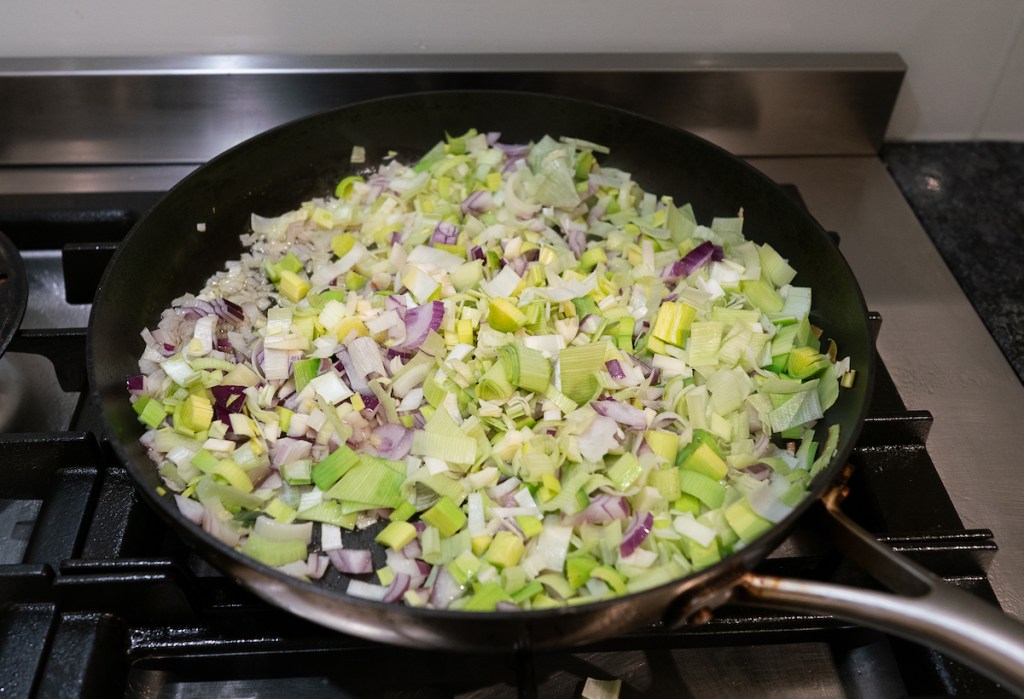
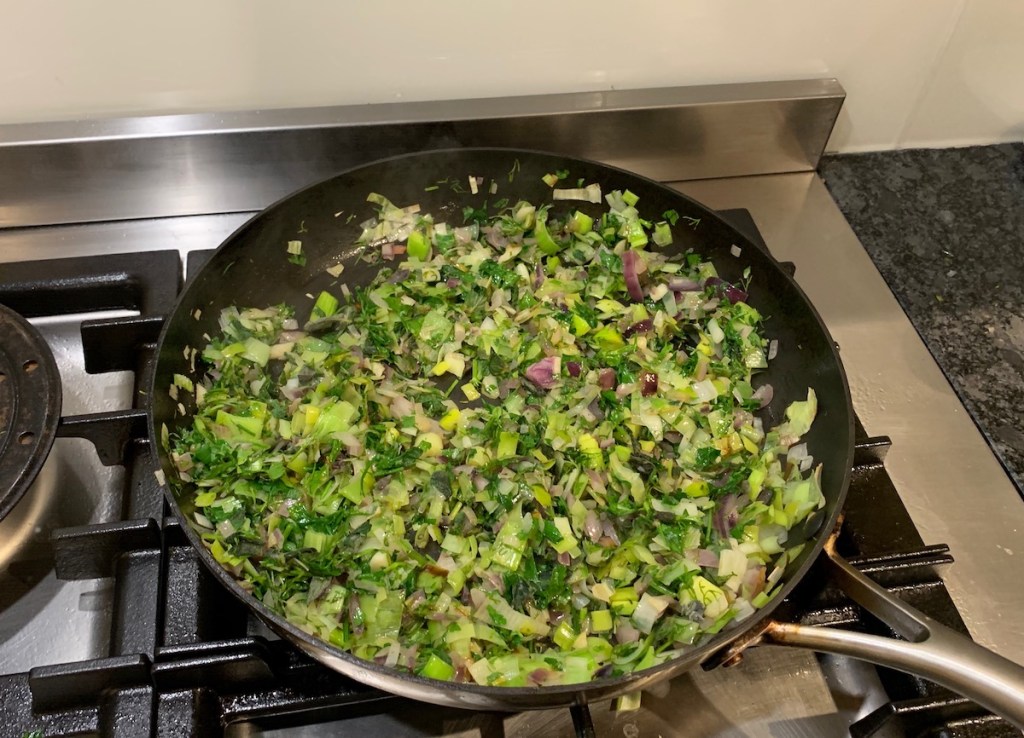
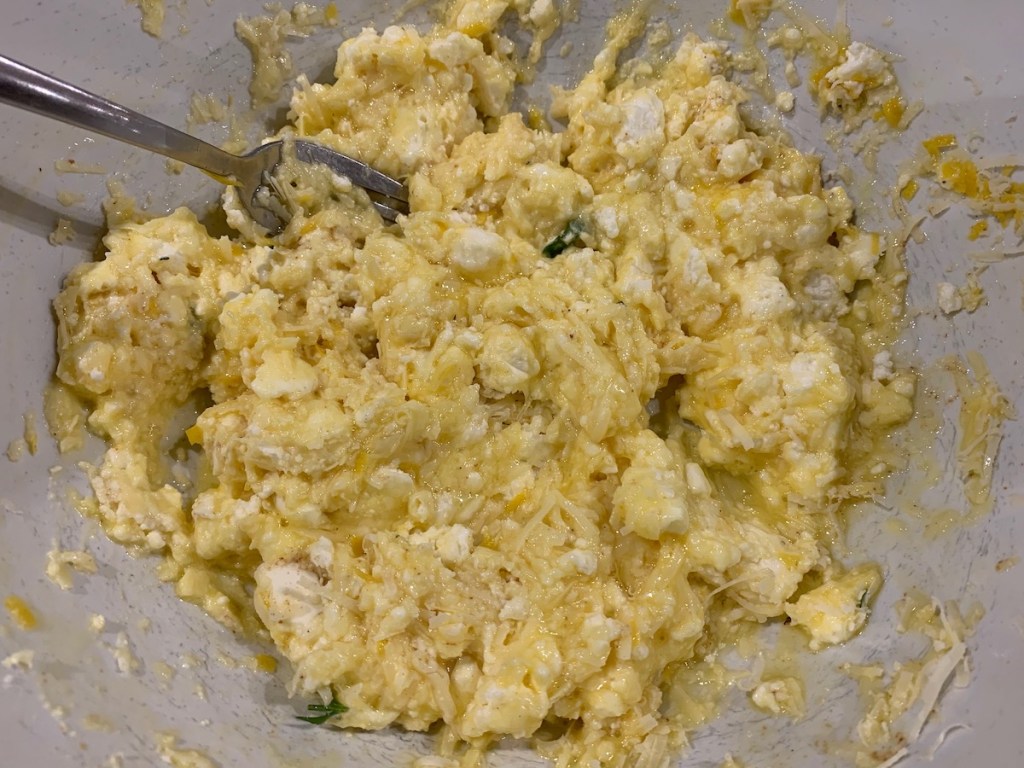
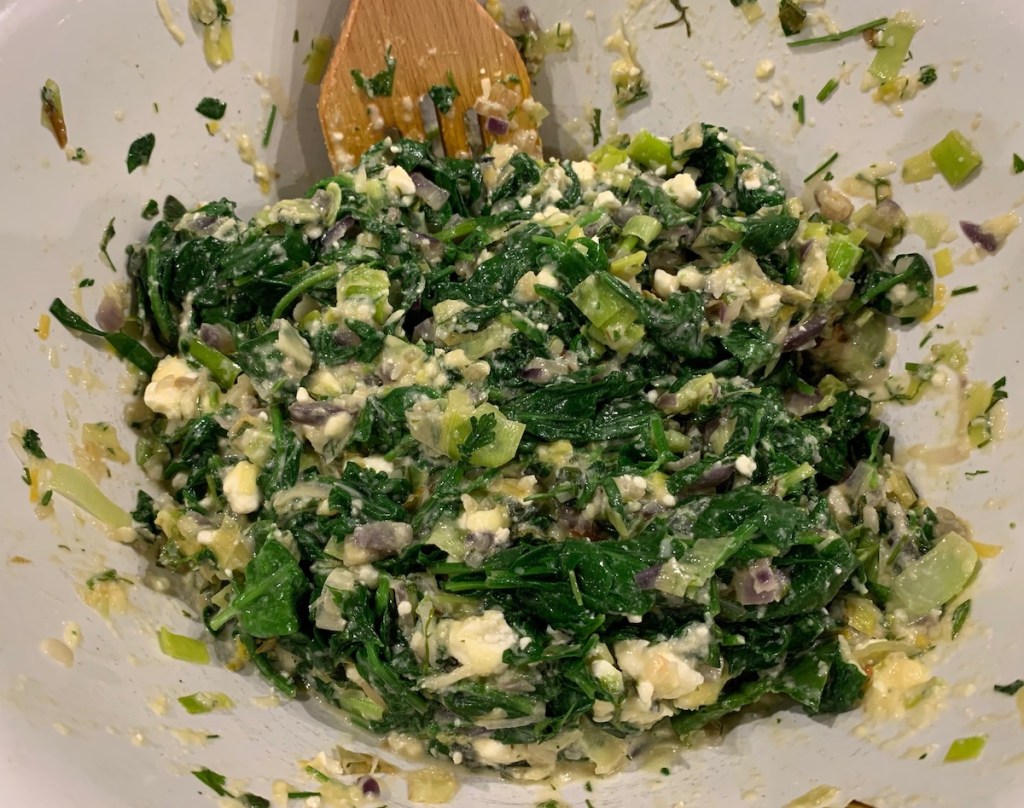
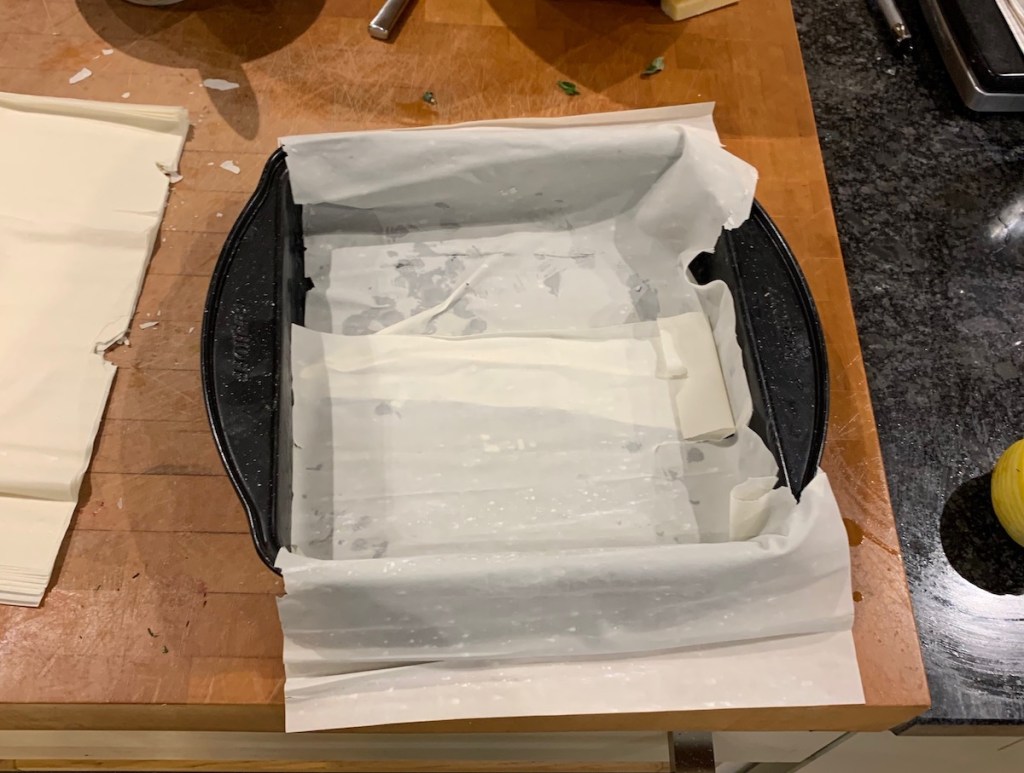
Here’s the usual collection of in-process shots:

Preheat oven to 180℃ fan.

  • Boil a kettle, put the spinach in a colander and pour the boiling water over it. Leave it to wilt and drain while you prepare the rest of the filling.
  • Chop the leeks, onion, shallot and garlic and fry gently in some oil (I add a bit of salt at this stage). Meanwhile, chop your herbs: when the mixture has gone transparent, add the chopped herbs and stir well so that everything is nicely blended. Keep frying gently for a few minutes until it’s all soft and beginning to go golden: don’t let it go dark brown. Remove from heat.
  • Crumble the feta into a large bowl, add the grated parmesan, beaten egg, lemon rind and nutmeg and mix thoroughly. Make sure the leek and onion mix is no hotter than lukewarm – you don’t want it to scramble the eggs – then combine it with the mixture. Now squeeze some water out of the spinach, add this, and stir/chop vigorously with a spoon or spatula  so that the filling is thoroughly blended – you don’t want lumps of cheese or lumps of pure spinach.
  • Spread a layer of melted butter over your oven dish or tin. Open your packet of filo and work quickly (the stuff dries out): spread two pieces across the bottom of the tin so that they hang over the sides, brush melted butter over the area lining the bottom and sides the tin now repeat this but going the opposite way. When you’ve done this, your square tin will have filo draped over each of its four sides. Repeat this twice, so you’re using 12 sheets of filo in total.
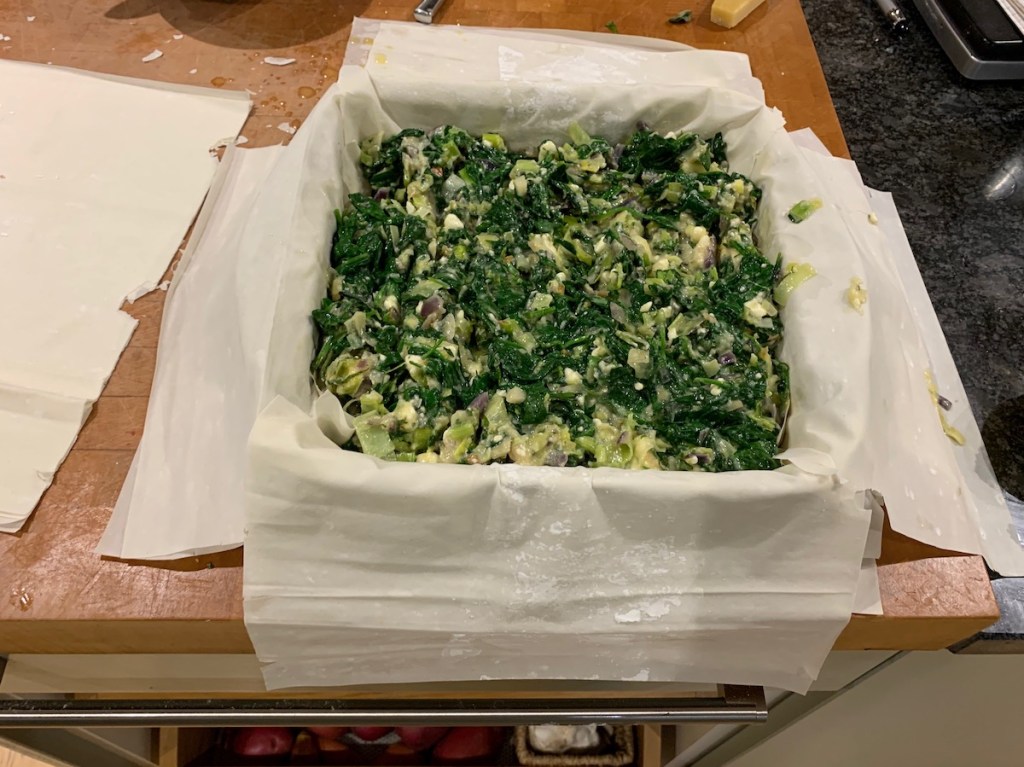
  • Pour your filling into the pastry-lined tin and even it out into a single, thick layer reaching the corners.
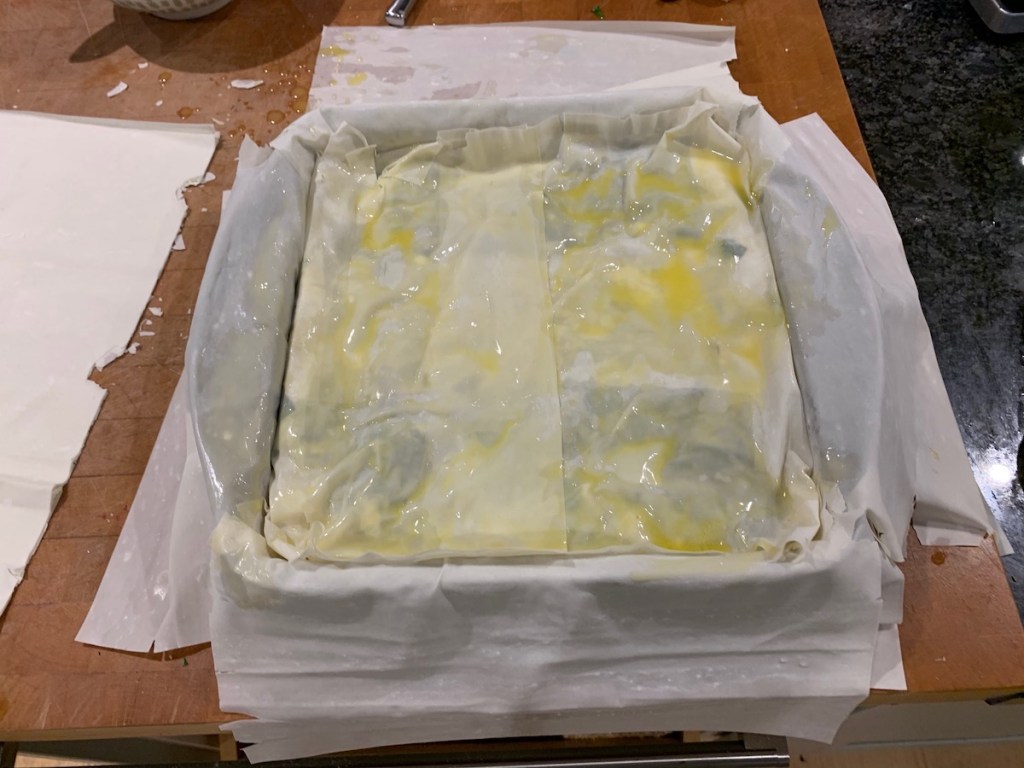
  • Take the overhanging edges of the last pair of pieces of filo you put in, wrap them back over the dish, and brush them with melted butter. Repeat for the remaining five pairs. Make sure you have enough butter left to give the top a good brushing: that’s what will make the pie go gold.
  • Bake for around 30-40 minutes, until a deep golden colour.

You can serve it straight out of the oven, cold for a picnic, or anywhere in between.

Around the world in 80 bakes, no.2: Sachertorte

The Austrians, particularly the Viennese, are serious about cake and serious about chocolate. And there’s no debate as to what is the baked item most emblematic of Vienna: it’s the apricot-laced dark chocolate cake created in 1832 by Franz Sacher and known to the world as Sachertorte (or, in the case of my family, “Sam’s birthday cake”, which it has been for several years now).

There are plenty of recipes for Sachertorte around, but the basics are common to all of them: a mixture of butter, sugar, flour, egg yolks and melted dark chocolate, folded into a meringue made with the egg whites; the baked cake is cut into layers, spread with apricot jam and topped with a chocolate icing. The variations are in the detail – the choice of icing sugar or caster sugar for the cake mix, or additions like ground almonds, vanilla, rum or baking powder. For the icing, Austrian recipes tend to favour a combination of sugar syrup and chocolate, while English ones are more likely to use a ganache made with cream.

The Hotel Sacher claims to guard the original recipe jealously, but in my honest opinion, it’s now selling the stuff to tourists in such volume that it doesn’t even make the best Sachertorte any more. Opinions differ, but my Austrian colleague Elisabeth (who is a serious baker herself as well as having an encyclopaedic knowledge of Viennese cafés) recommends Café Sperl, near the Theater an der Wien, or Café Diglas, which has four locations around the city.

My personal set of preferences, as shown in the recipe below, is to (1) follow the Austrians in using icing sugar for the cake mix, (2) use a teaspoon of baking powder to help the rise, (3) add some vanilla essence, (4) use the syrup method for the icing, (5) take the trouble to slice off the top dome of the cake to create a perfect cylinder. One Austrian tradition I don’t follow is to serve Sachertorte with whipped cream, because no-one in my family likes it. But you will undoubtedly come up with your own set of likes and dislikes.

By the way, although the instructions I’ve given are reasonably precise, don’t be intimidated, because it’s a fairly forgiving recipe. As long as you have good dark chocolate and apricot jam, your result is likely to taste just fine, even if it isn’t the last word in elegance or perfect texture.

Credits: my recipe started life as the one in the American classic “The Joy of Cooking” by Irma S. Rombauer and Marion Rombauer Becker. Since then, it has morphed and has acquired its icing recipe from austria.info.

Cook with a greased, 8-9 inch, removable-rim pan. Serves 8, generously.

Ingredients

Cake

  • 150g dark chocolate (70-80% cocoa solids)
  • 120g icing sugar
  • 30g granulated sugar
  • 170g butter, softened
  • 100g plain flour
  • 6 eggs
  • Apricot compote, or apricot jam mixed with the juice of half a lemon
  • 1/2 tsp baking powder
  • vanilla essence or vanilla paste to taste (different brands are so different in strength that I can’t give an amount)

Icing

  • 150g dark chocolate (70-80% cocoa solids)
  • 200g granulated sugar
  • 120g water

Method

  • Preheat the oven to 160°C fan. Grease the sides of the pan with butter and line the bottom with baking paper or parchment.
  • Separate the eggs into yolks and whites
  • Melt 150g of the chocolate in a double boiler. Then leave it to cool.
  • Cream the icing sugar and the butter until the mixture is fluffy.
  • Beat in the egg yolks gradually until the mixture is light in colour.
  • Add the melted cooled chocolate.
  • Sift the flour and add it gradually. Add the baking powder and mix everything thoroughly.
  • Beat the egg whites until they are beginning to be stiff. Add the 30g of granulated sugar and beat on maximum speed until stiff but not dry.
  • Fold the resulting meringue mix into the cake mixture, about a quarter first, then the rest.
  • Bake the mixture in the pan for 50 to 60 minutes.
  • Remove and cool on a rack.
  • Optionally, slice the top dome from the cake and set aside. Slice the remaining cake in half. Spread the jam on the bottom half and reassemble (optionally, spread jam on the top of the cake also).

Icing

  • Put water and sugar into a pan, heat until you have a thick syrup
  • Add the chocolate, and mix vigorously until smooth
  • Leave to cool for a few minutes (but don’t allow it to set)
  • Spread over the cake
  • Cool

Notes

Really, you want a higher and narrower tin than my one, so bear this in mind when looking at the photos.

If your butter isn’t soft, cut it small cubes and leave it at room temperature for a bit (see photo)

The part of the recipe worth taking trouble is the part with the egg white. When you fold the first bit of meringue into the mix, be robust enough to make sure that it’s fully blended, at the expense of losing some of the air in the meringue. The result will be softer and easier to fold for your second phase, when you’re trying to protect that fluffiness.

If you’ve sliced off the top of the cake to get that perfect cylinder and/or to allow an extra apricot layer, the offcuts make a magic cheesecake base when blitzed with some butter.

The home made jam I’ve had from an apricot-growing area in Austria has much more fruit and less sugar than apricot jam that I can buy in the UK: the nearest I’ve found here is Bonne Maman apricot compote. If you’re using standard apricot jam, you will need some lemon juice to thin it out or it won’t spread properly (some recipes suggest heating the jam).

The reason I’ve gone off using a cream-based ganache is that it never really stays set at room temperature and the cake never tastes as good when chilled. And although I own a sugar thermometer, I haven’t given a temperature for the syrup for the icing because I’m not convinced I’ve got it right yet. Any recommendations welcome!