Tag: Chocolate

Around the world in 80 bakes, no. 8: Brigadeiros from Brazil

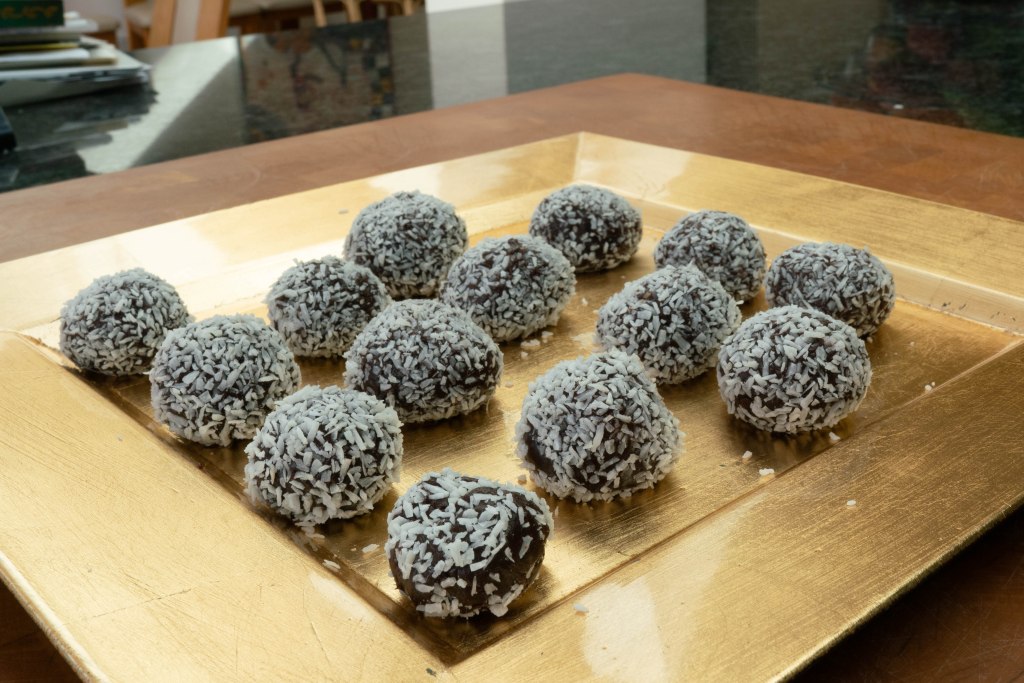
OK, so I’m cheating here: the Brigadeiro, pretty much Brazil’s national sweet, is cooked in a saucepan, not in an oven. But they’re really delicious (batch 2 was demanded immediately), really easy to make and by a long way the most Brazilian thing I could find. So here goes.

Brigadeiros have a relatively short history: they were created in Rio de Janeiro in 1946 and named after a presidential candidate, Eduardo Gomes, who happened to be an army Brigadier. Gomes lost the election, but these gooey chocolate truffles won the hearts of the Brazilian people and have been a favourite ever since.

With the possible exception of some flatbreads in posts to come, I’m unlikely to provide any recipes with a smaller number of ingredients:

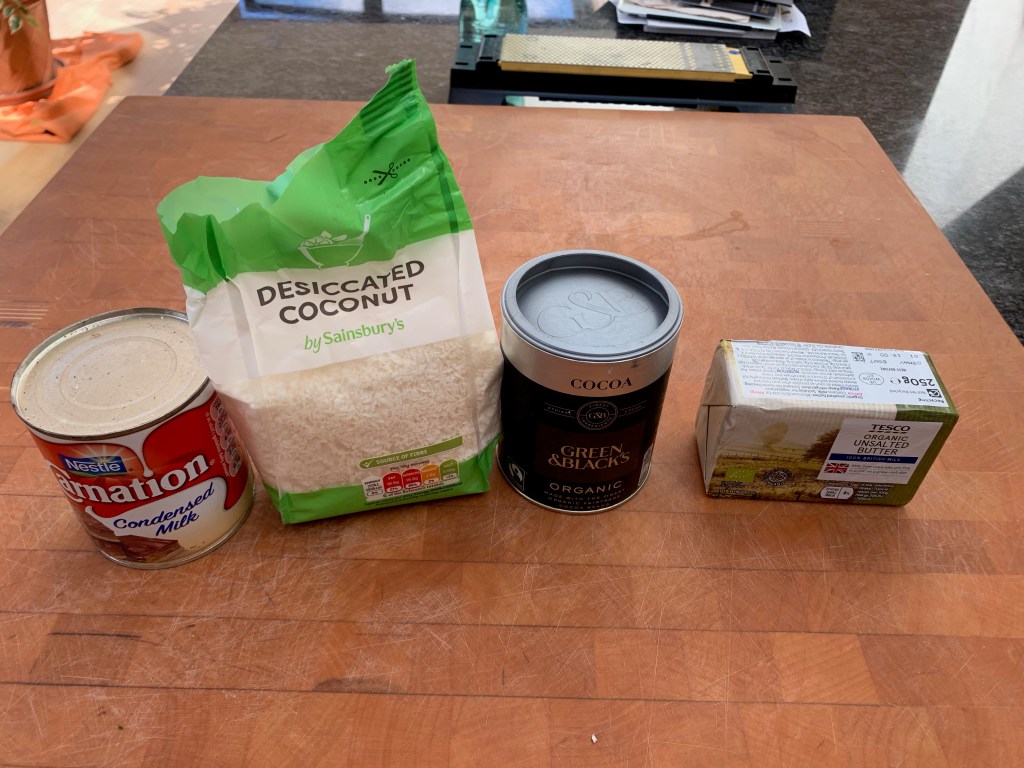
  • 1 can of sweetened condensed milk (approx 400g)
  • 30g cocoa powder (unsweetened)
  • 30g butter (if it’s unsalted, add a gramme or two of salt)
  • Dessicated coconut for rolling

In fact, you can roll your brigadeiros in anything you like: in most recipe photos you’ll see, they’re coated with chocolate sprinkles; some recipes go for chopped pistachios or almonds. I happen to love coconut and think it brings extra Brazil-ness, but the choice really is yours.

The steps in the method are just as simple:

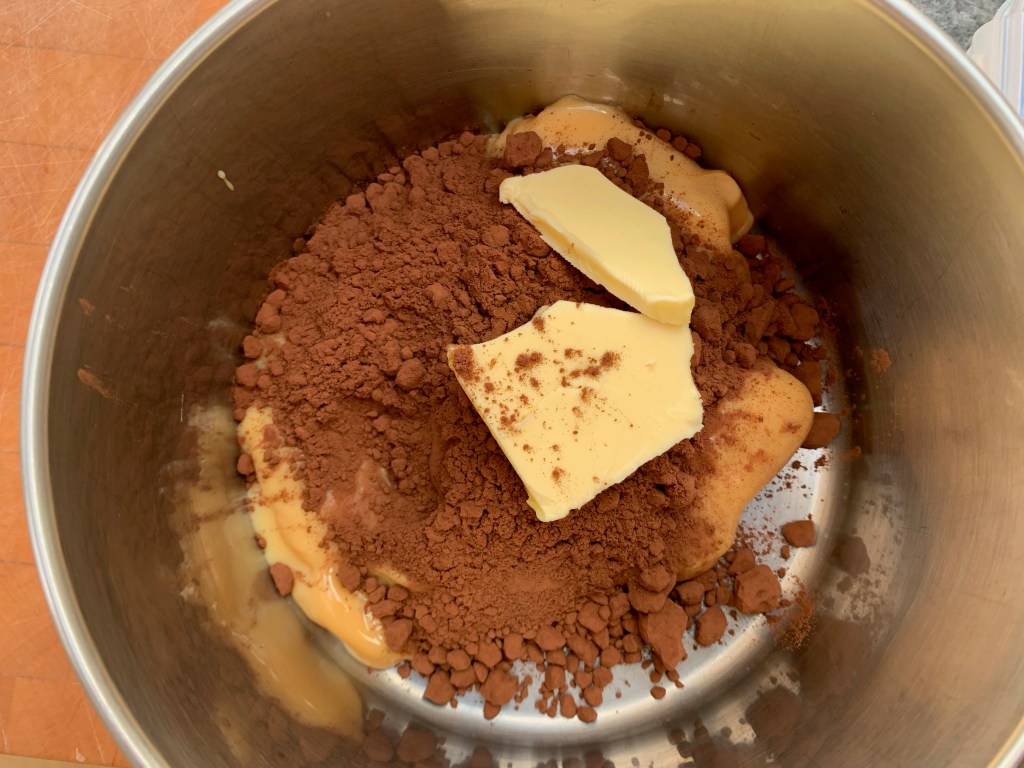
  1. Put the first three ingredients into a saucepan and mix thoroughly
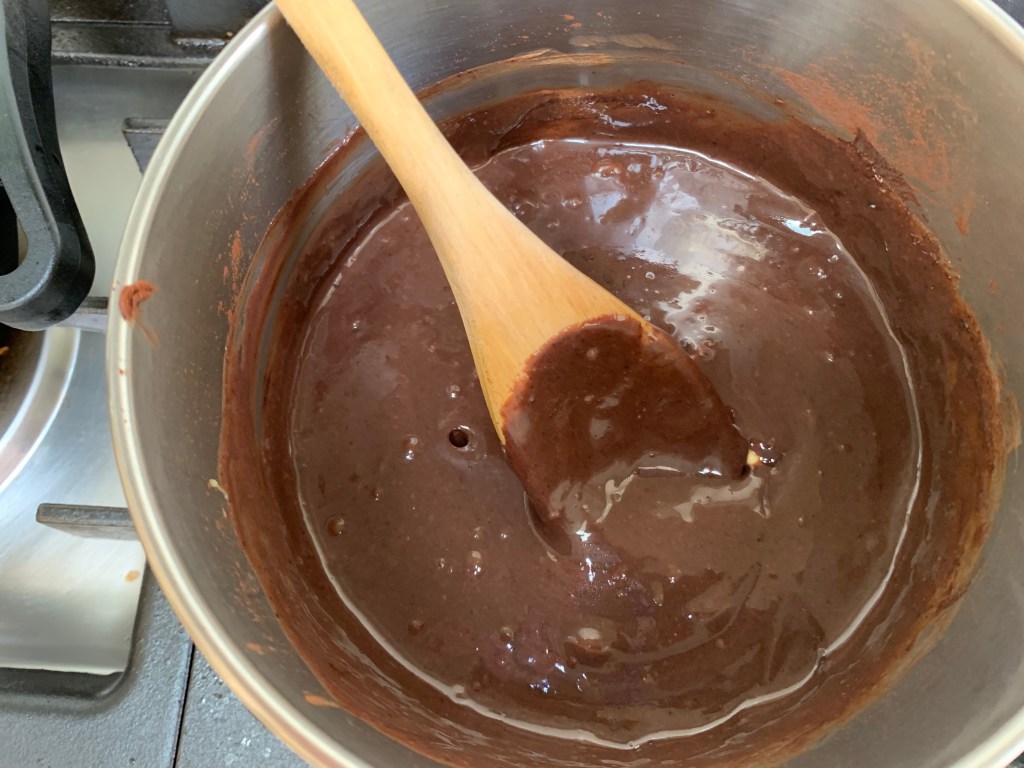
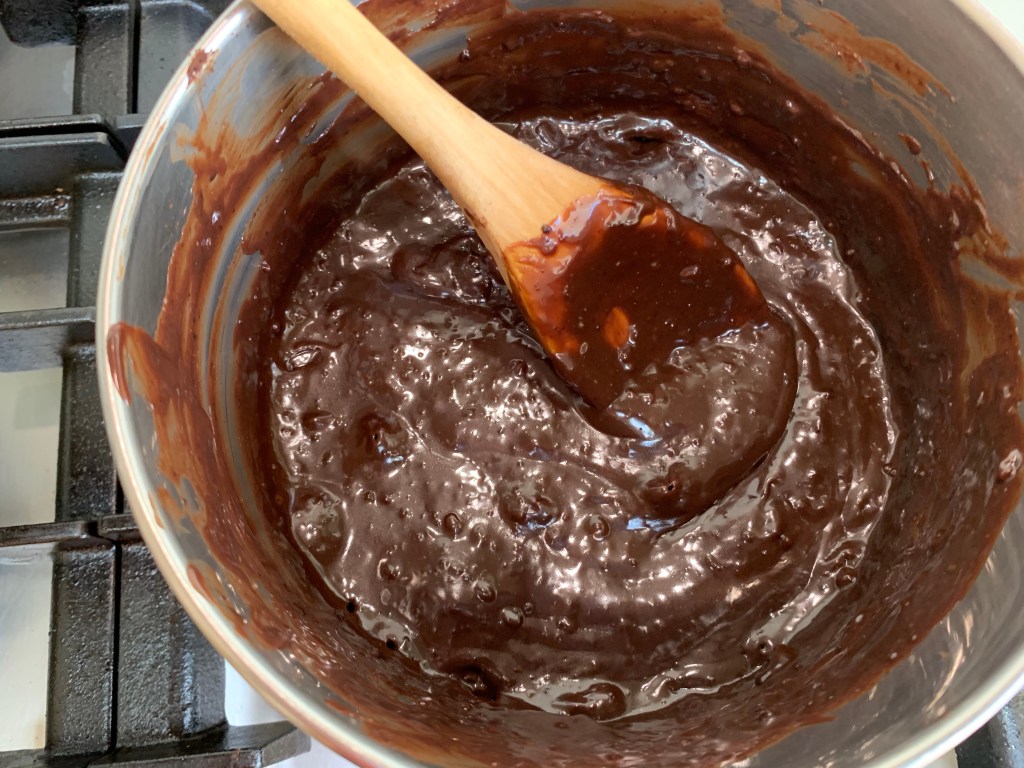
  2. Heat, mixing continually, until you have a sticky paste that comes away from the sides of the pan
  3. Leave to cool until they don’t burn your fingers
  4. Shape into balls around 3cm in diameter, and roll in your favourite topping

There are, however, some details worth mentioning:

  • Cocoa powder clumps. A balloon whisk is a good idea for the first five minutes or so until it’s really smooth, then switch to a wooden spoon. If you don’t have a balloon whisk, go for elbow-grease.
  • “Mixing continually” means what it says. Don’t leave the mixture on the heat for more than a few seconds without stirring it to get some off the sides of the pan, especially towards the end.
  • Knowing when to take the mixture off the heat is tricky. Too soon and you have a liquid chocolate sauce that you can’t mould. Too late and your brigadeiros are decidedly chewy. My guidelines for the best point: (1) wait until the point where, when you run a wooden spoon through the liquid, it flows back very slowly and reluctantly, then give it another couple of minutes, or (2) when the mixture temperature is just above 100℃. Or just keep practising until you can do it by feel, at risk to your waistline.
  • You want to cool the mixture enough so that it doesn’t burn your fingers. If you want the mixture to cool more quickly, dump your saucepan into cold water when you’ve taken it off the heat. 
  • If you’ve overcooked and then over-cooled the mixture so that it’s too stiff to mould, warm it up slightly – it won’t hurt. But if that’s happened, be kind to your tasters’ teeth and make smaller balls.

Having said which, this is relatively simple stuff. And the results are incredibly moreish…

P.S. For added Brazilian authenticity, pronounce the name with the “Bri” rhyming with “Me”, the “ei” rhyming with “hay” and the “os” rhyming with “louche”. If you can be bothered.

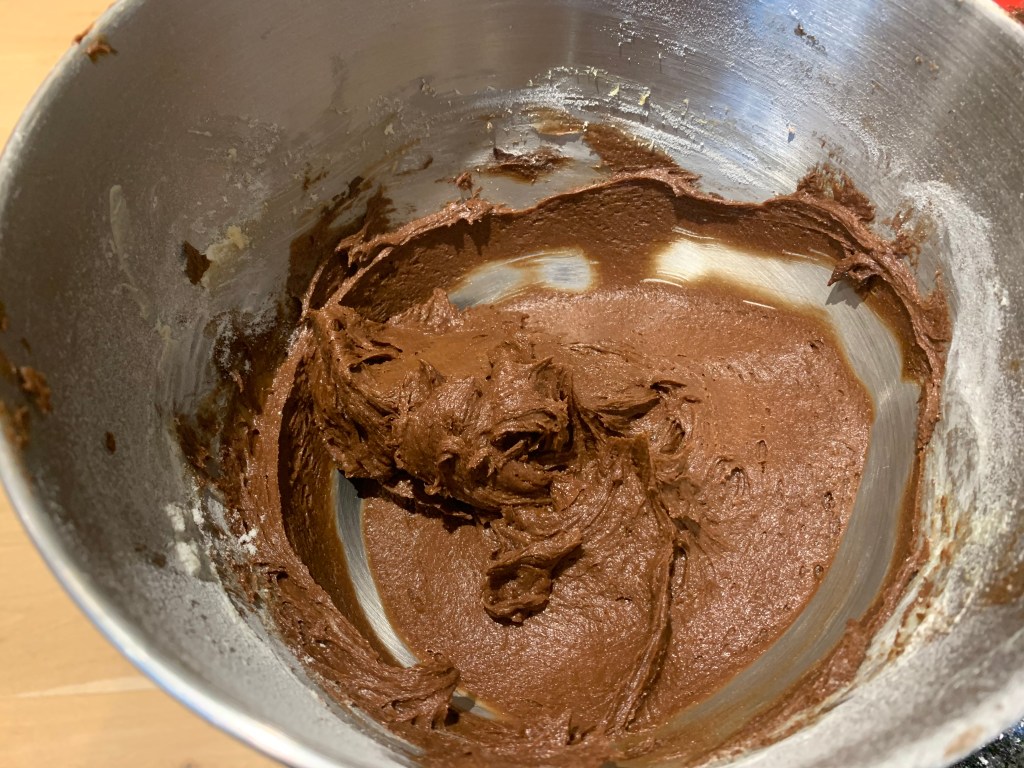
Mid-process shots follow, somewhat more boring than usual…
Around the world in 80 bakes, no.2: Sachertorte

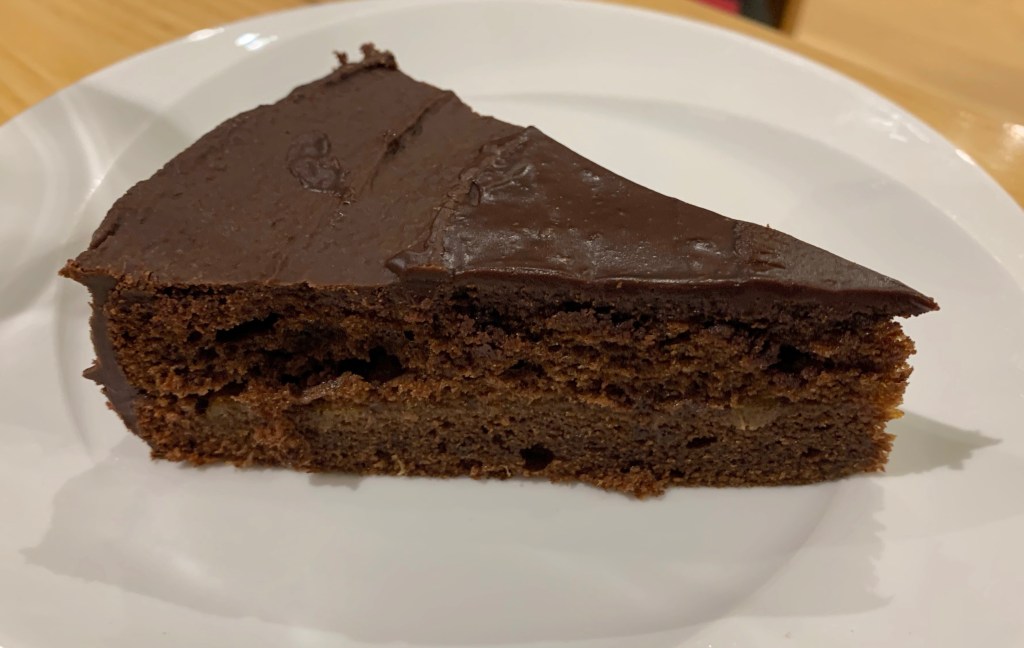
The Austrians, particularly the Viennese, are serious about cake and serious about chocolate. And there’s no debate as to what is the baked item most emblematic of Vienna: it’s the apricot-laced dark chocolate cake created in 1832 by Franz Sacher and known to the world as Sachertorte (or, in the case of my family, “Sam’s birthday cake”, which it has been for several years now).

There are plenty of recipes for Sachertorte around, but the basics are common to all of them: a mixture of butter, sugar, flour, egg yolks and melted dark chocolate, folded into a meringue made with the egg whites; the baked cake is cut into layers, spread with apricot jam and topped with a chocolate icing. The variations are in the detail – the choice of icing sugar or caster sugar for the cake mix, or additions like ground almonds, vanilla, rum or baking powder. For the icing, Austrian recipes tend to favour a combination of sugar syrup and chocolate, while English ones are more likely to use a ganache made with cream.

The Hotel Sacher claims to guard the original recipe jealously, but in my honest opinion, it’s now selling the stuff to tourists in such volume that it doesn’t even make the best Sachertorte any more. Opinions differ, but my Austrian colleague Elisabeth (who is a serious baker herself as well as having an encyclopaedic knowledge of Viennese cafés) recommends Café Sperl, near the Theater an der Wien, or Café Diglas, which has four locations around the city.

My personal set of preferences, as shown in the recipe below, is to (1) follow the Austrians in using icing sugar for the cake mix, (2) use a teaspoon of baking powder to help the rise, (3) add some vanilla essence, (4) use the syrup method for the icing, (5) take the trouble to slice off the top dome of the cake to create a perfect cylinder. One Austrian tradition I don’t follow is to serve Sachertorte with whipped cream, because no-one in my family likes it. But you will undoubtedly come up with your own set of likes and dislikes.

By the way, although the instructions I’ve given are reasonably precise, don’t be intimidated, because it’s a fairly forgiving recipe. As long as you have good dark chocolate and apricot jam, your result is likely to taste just fine, even if it isn’t the last word in elegance or perfect texture.

Credits: my recipe started life as the one in the American classic “The Joy of Cooking” by Irma S. Rombauer and Marion Rombauer Becker. Since then, it has morphed and has acquired its icing recipe from austria.info.

Cook with a greased, 8-9 inch, removable-rim pan. Serves 8, generously.

Ingredients

Cake

  • 150g dark chocolate (70-80% cocoa solids)
  • 120g icing sugar
  • 30g granulated sugar
  • 170g butter, softened
  • 100g plain flour
  • 6 eggs
  • Apricot compote, or apricot jam mixed with the juice of half a lemon
  • 1/2 tsp baking powder
  • vanilla essence or vanilla paste to taste (different brands are so different in strength that I can’t give an amount)

Icing

  • 150g dark chocolate (70-80% cocoa solids)
  • 200g granulated sugar
  • 120g water

Method

  • Preheat the oven to 160°C fan. Grease the sides of the pan with butter and line the bottom with baking paper or parchment.
  • Separate the eggs into yolks and whites
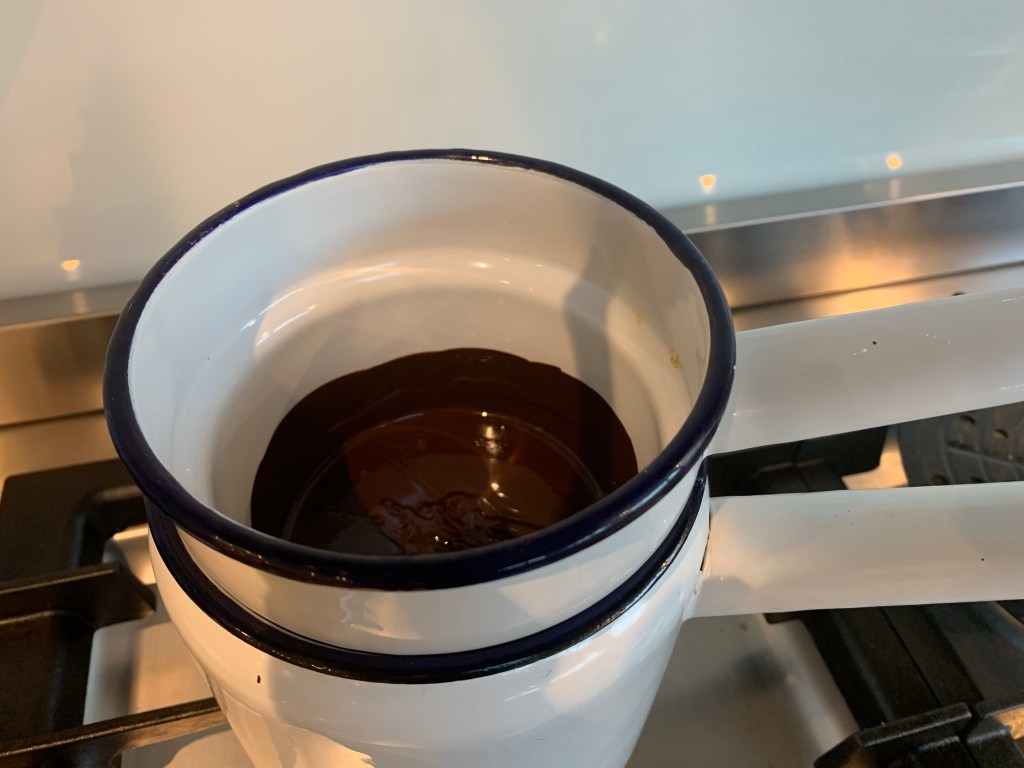
  • Melt 150g of the chocolate in a double boiler. Then leave it to cool.
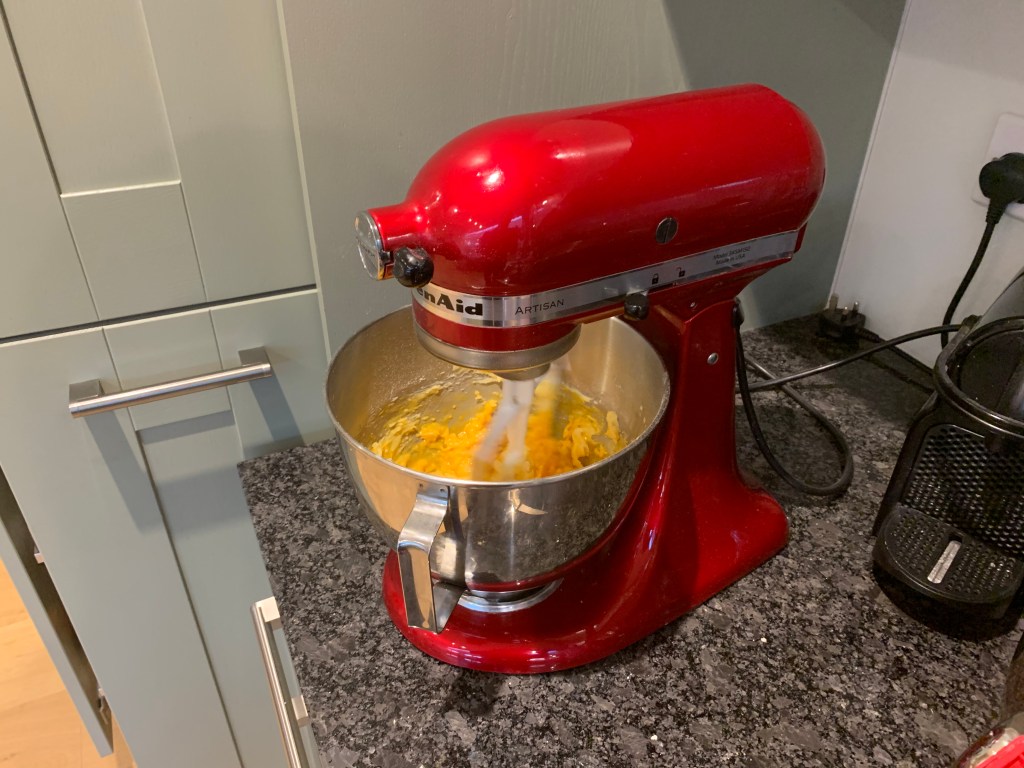
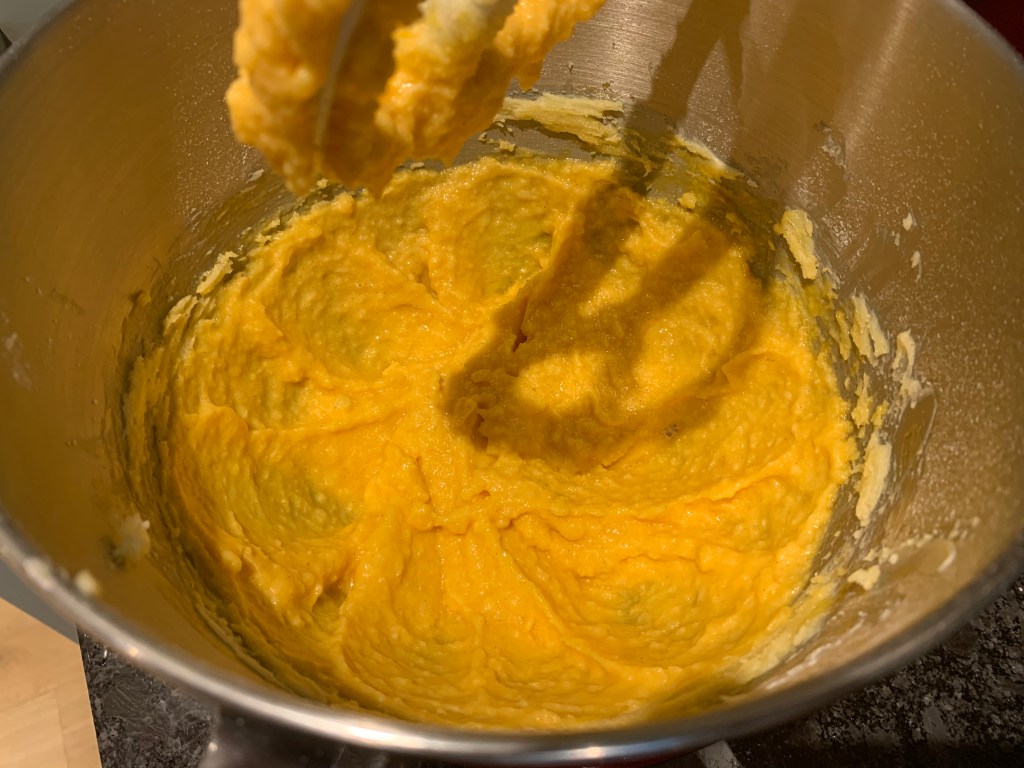
  • Cream the icing sugar and the butter until the mixture is fluffy.
  • Beat in the egg yolks gradually until the mixture is light in colour.
  • Add the melted cooled chocolate.
  • Sift the flour and add it gradually. Add the baking powder and mix everything thoroughly.
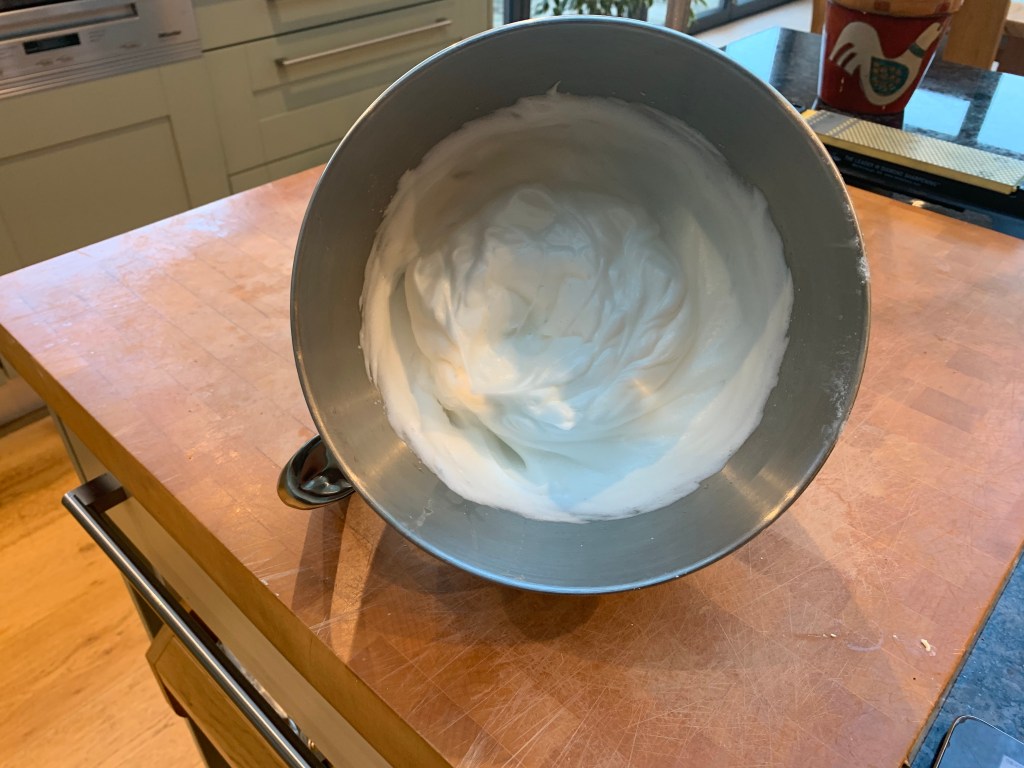
  • Beat the egg whites until they are beginning to be stiff. Add the 30g of granulated sugar and beat on maximum speed until stiff but not dry.
  • Fold the resulting meringue mix into the cake mixture, about a quarter first, then the rest.
  • Bake the mixture in the pan for 50 to 60 minutes.
  • Remove and cool on a rack.
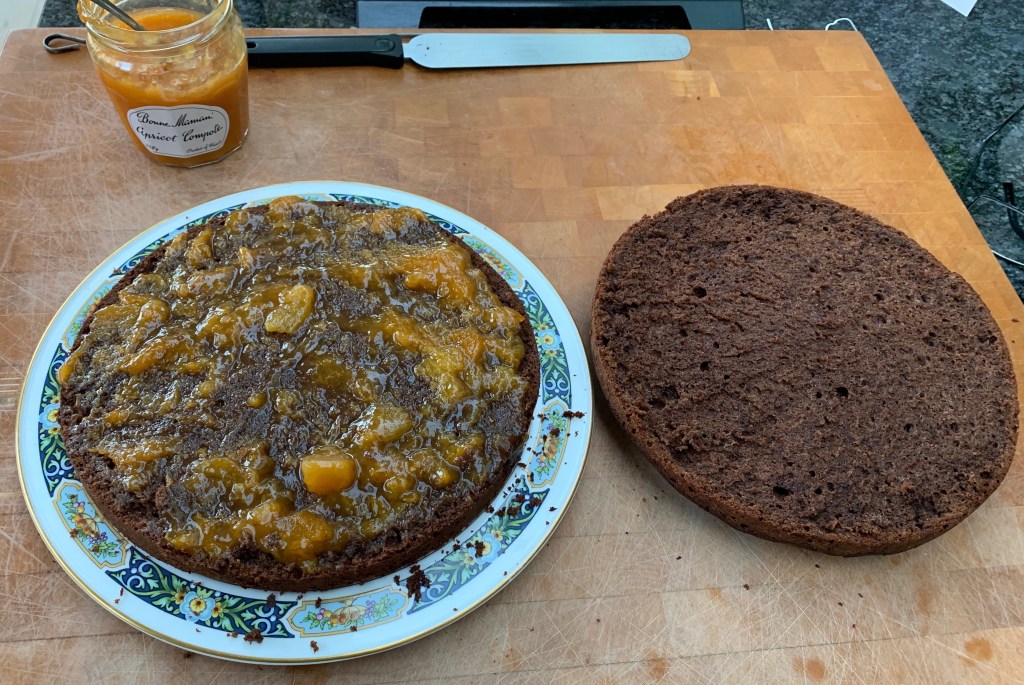
  • Optionally, slice the top dome from the cake and set aside. Slice the remaining cake in half. Spread the jam on the bottom half and reassemble (optionally, spread jam on the top of the cake also).

Icing

  • Put water and sugar into a pan, heat until you have a thick syrup
  • Add the chocolate, and mix vigorously until smooth
  • Leave to cool for a few minutes (but don’t allow it to set)
  • Spread over the cake
  • Cool

Notes

Really, you want a higher and narrower tin than my one, so bear this in mind when looking at the photos.

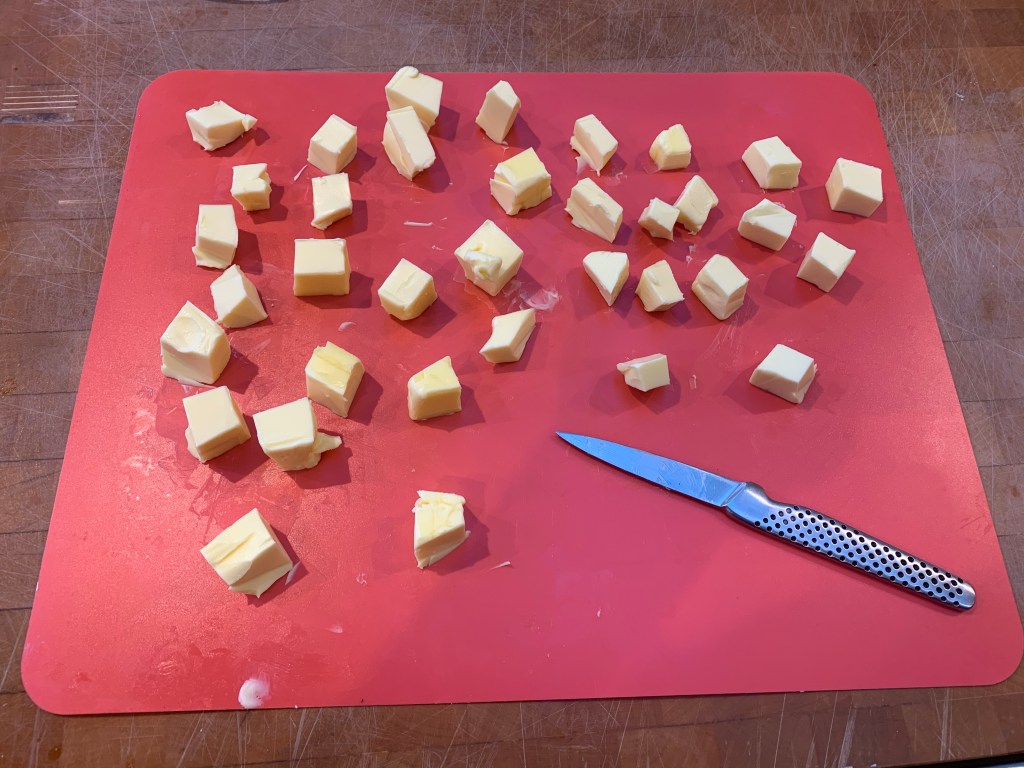
If your butter isn’t soft, cut it small cubes and leave it at room temperature for a bit (see photo)

The part of the recipe worth taking trouble is the part with the egg white. When you fold the first bit of meringue into the mix, be robust enough to make sure that it’s fully blended, at the expense of losing some of the air in the meringue. The result will be softer and easier to fold for your second phase, when you’re trying to protect that fluffiness.

If you’ve sliced off the top of the cake to get that perfect cylinder and/or to allow an extra apricot layer, the offcuts make a magic cheesecake base when blitzed with some butter.

The home made jam I’ve had from an apricot-growing area in Austria has much more fruit and less sugar than apricot jam that I can buy in the UK: the nearest I’ve found here is Bonne Maman apricot compote. If you’re using standard apricot jam, you will need some lemon juice to thin it out or it won’t spread properly (some recipes suggest heating the jam).

The reason I’ve gone off using a cream-based ganache is that it never really stays set at room temperature and the cake never tastes as good when chilled. And although I own a sugar thermometer, I haven’t given a temperature for the syrup for the icing because I’m not convinced I’ve got it right yet. Any recommendations welcome!