Tag: Europe

Discovering and observing Skopje, North Macedonia

Discovering and observing Skopje, North Macedonia

It’s been a constant feature of my travelling life that whenever I visit a small country for the first time, the kind of country that I and most of my friends know very little about, I always find far more of interest than I could possibly have imagined beforehand. And so it has proved in my first visit to Skopje, capital of the Republic of North Macedonia.
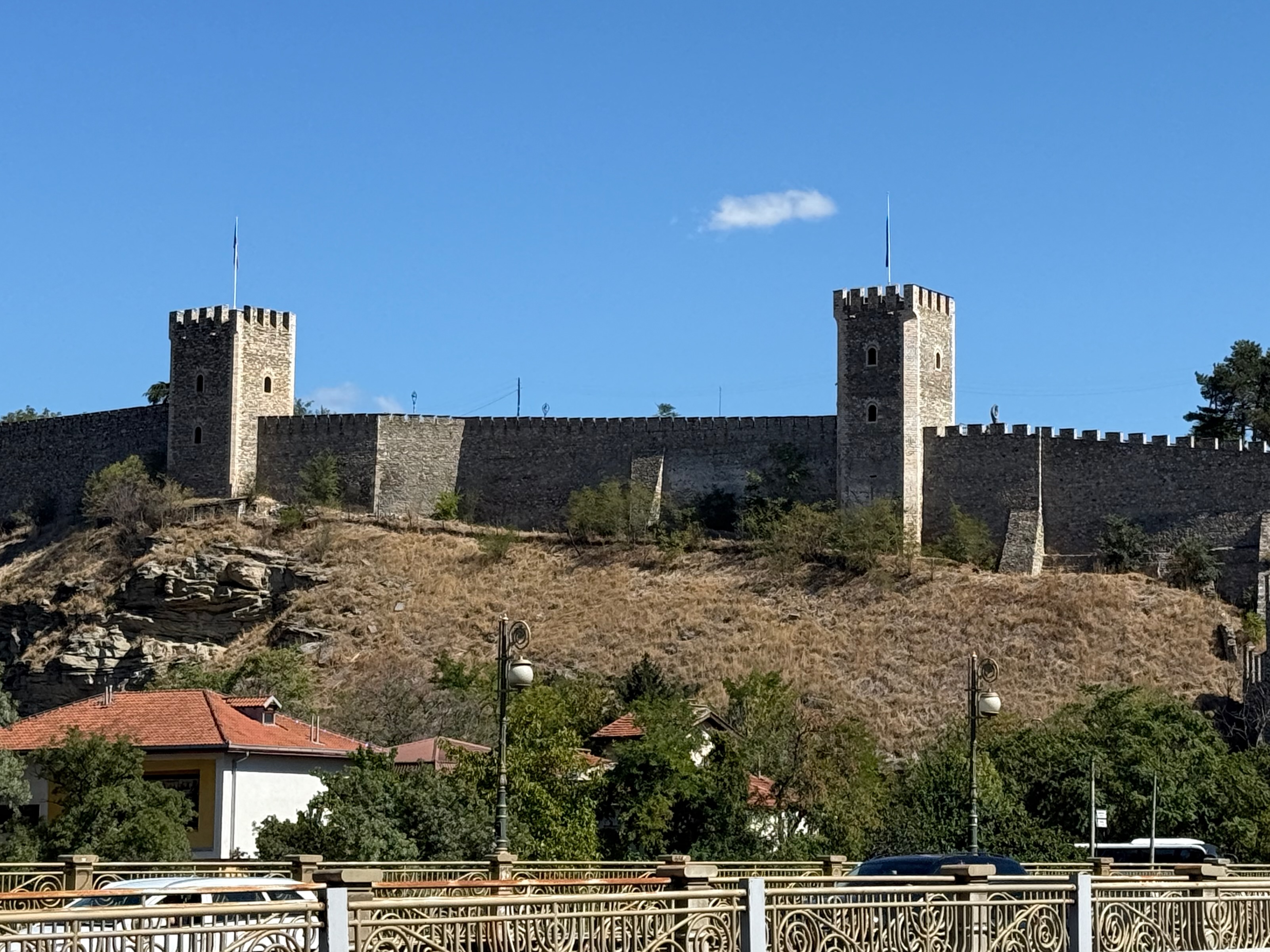
Skopje Fortress

Skopje has the unusual geometry of being long and thin – over 30 km long but mostly less than 5 km wide. That’s because it’s built along the length of the Vardar river, snaking gently from East to West along the river’s course and surrounded by mountains. The imposing Skopje Fortress  is situated atop a substantial bluff immediately north of the Goce Delčev Bridge, the main river crossing point for car traffic. The Kale (the Macedonian word for fortress) has been there, in various forms and various levels of repair, since the sixth century CE, which makes it one of the oldest castles in Europe.
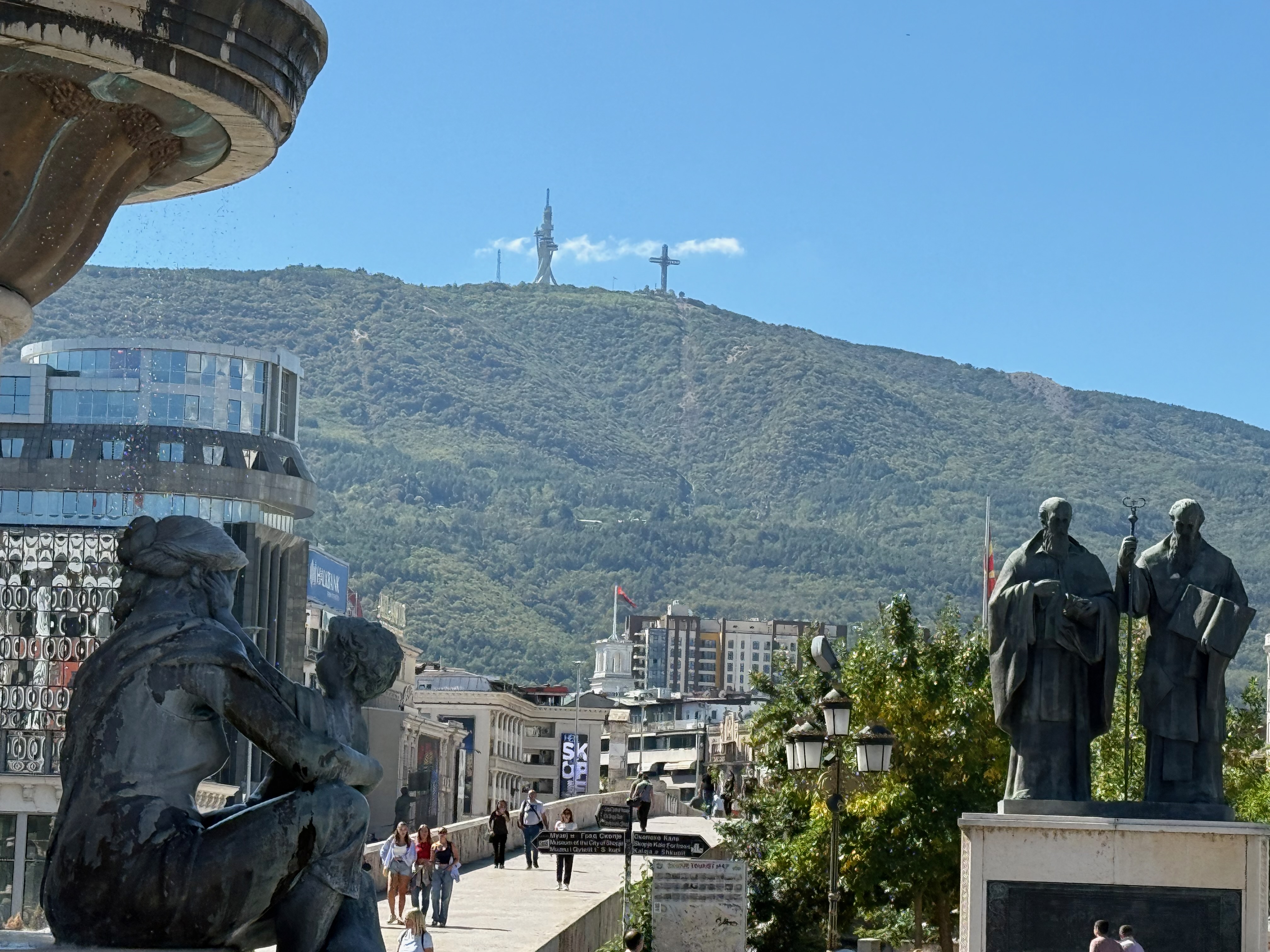
The Stone Bridge with Mount Vodna in the background

From the city’s river valley position, mountains are visible from most sides (which makes orientation straightforward). Kossovo and its capital Pristina are behind the Skopska Crna to the north. Closer and to the west the, Šar Mountains separate Macedonia from Albania. In the south, within the official city limits, is Mount Vodno, whose summit, named Krstovar peak, has been dominated since 2002 by the enormous Millennium Cross, a landmark that’s unmissable from just about anywhere in the city. Below the summit is a most extraordinary place to visit: the Byzantine Church of Saint Panteleimon, founded in 1164.
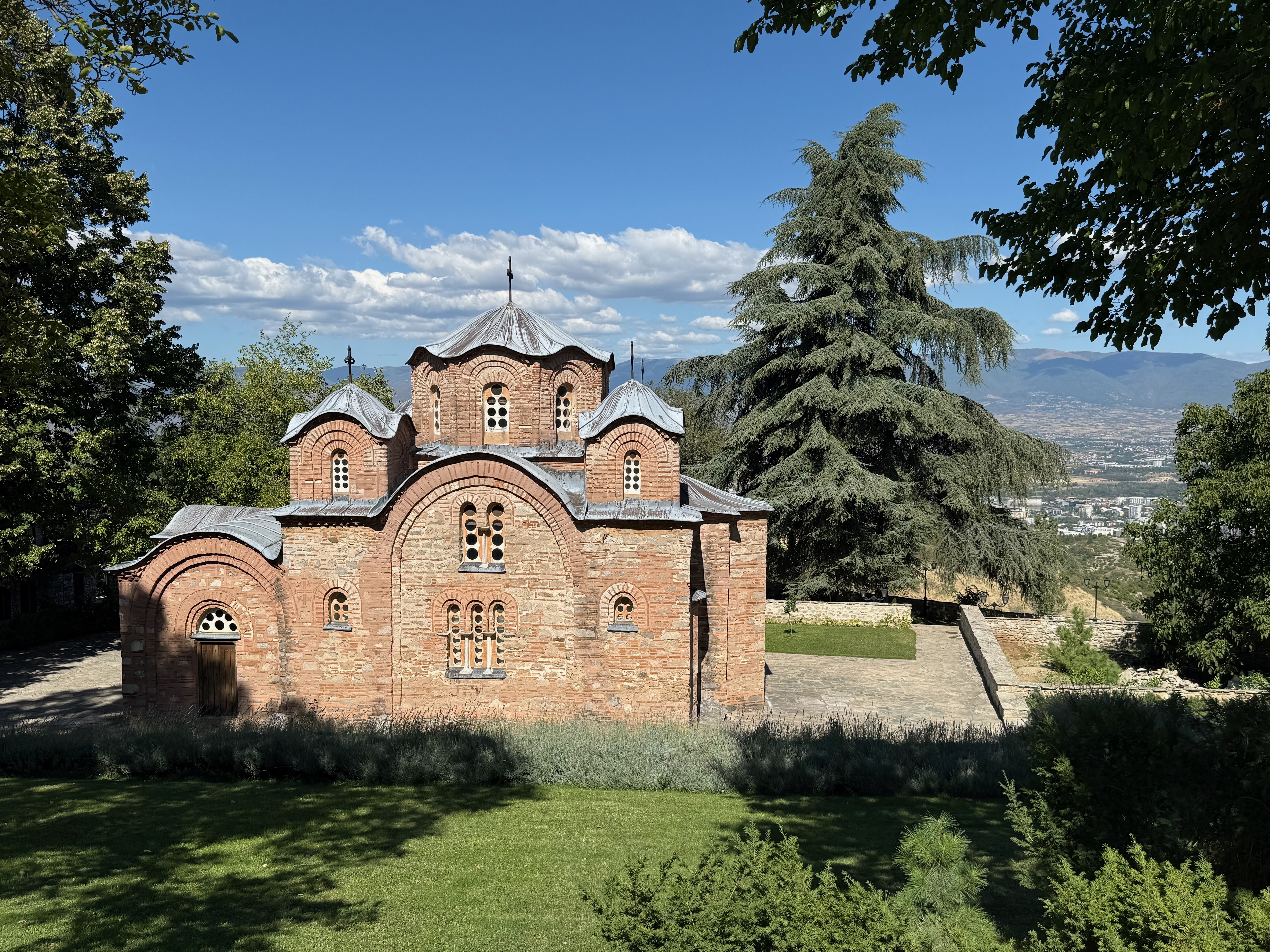
Skopje: St Panteleimon Church

The church building, which has been lovingly restored, is of great elegance and beauty, with graceful symmetric proportions, domed towers and a combination of brick, stone and rendering, glowing pink in the autumn sunshine when we visited. Inside is an even more exciting sight: the many original frescoes which have been cleaned up to shine brightly even in the subdued light. The Pietà is an eye-opener with its clear depiction of Christ and the Virgin Mary as flesh-and-blood human beings, making a nonsense of the western Art History idea that Giotto was the first artist to do so – it would be 150 years before the world would see the Italian master’s frescoes in the Scrovegni Chapel in Padua.
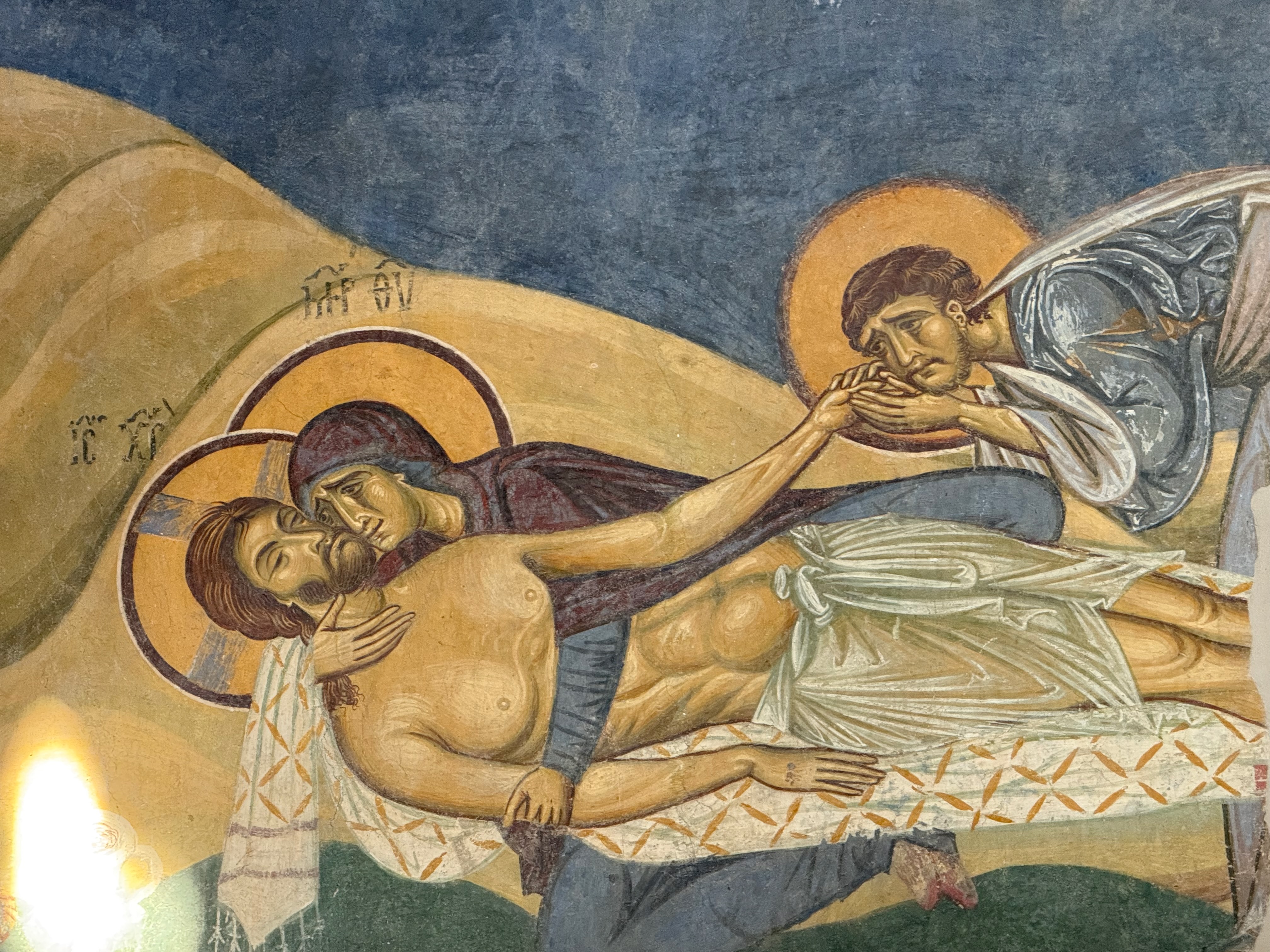
Skopje: St Panteleimon Church - Fresco of Pietà

We were shown around by the man in charge of the church and of the monastery of which it forms part, who calls himself simply Father Panteleimon. He is a phenomenon in himself: a deeply devout man, but one who has clearly had a life before taking holy orders. He spared no effort in probing us to find points of connection with his world and his experience: in our case, this turned out to be an improbable combination of beekeeping, mountain herbs, the music of Arvo Pärt and a church in Kent with windows by Marc Chagall (we were less enthusiastic about his love of Depeche Mode, whose lead singer Dave Gahan, it turns out, is also an Orthodox Christian).

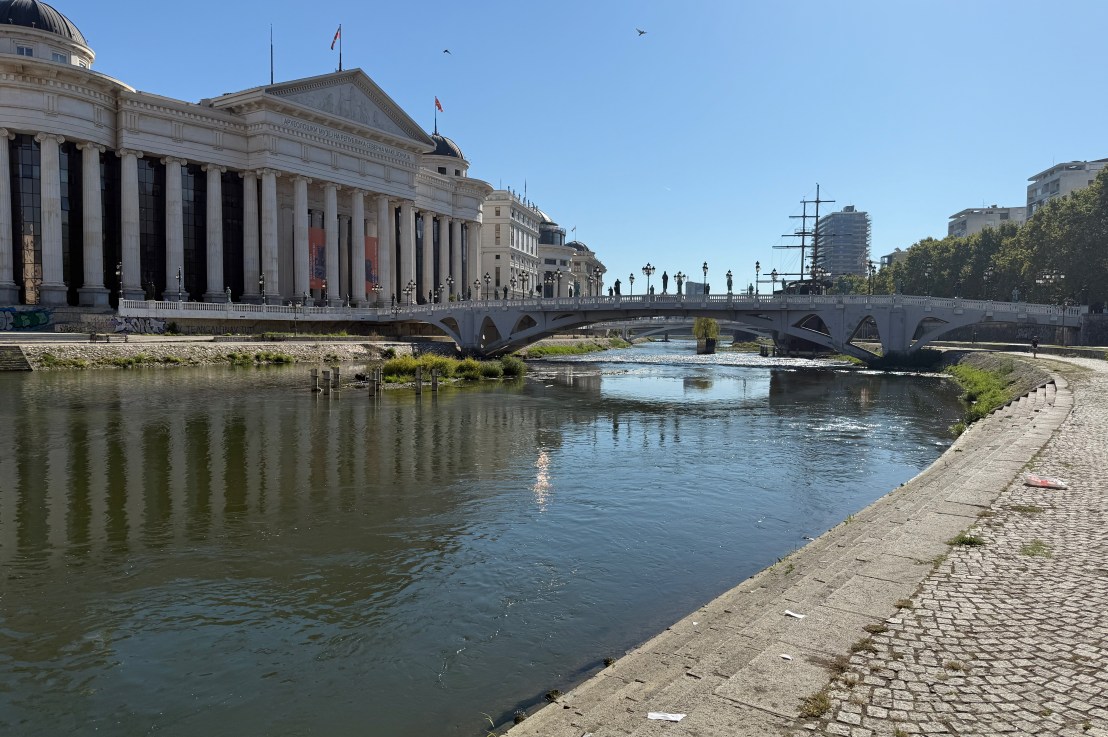
While Skopje is a very old city, it is also – in a sense – a brand new one: that’s because a massive earthquake in 1963 flattened the place almost completely. The ensuing international appeal enabled the city to be completely rebuilt, which was done in a consistently modernist style. This was not necessarily to everyone’s taste, and in 2014, a massive project was launched to rebuild or re-facade buildings into a neo-classical style, with much white plasterwork and many classical-looking columns. It’s been divisive, to say the least: cheap frippery to the modernists, welcome relief to the traditionalists. Since I didn’t see what it looked like before 2014 and since I’m not as commited to modernism as the architect friend who showed us around the city, I won’t pass judgement except to say that I found it perfectly pleasant to walk round, with the National Theatre particularly appealing – although I have to confess that the rows of statues which lined the “Bridge of Civilizations in Macedonia” and the “Art Bridge” next to it were grim.
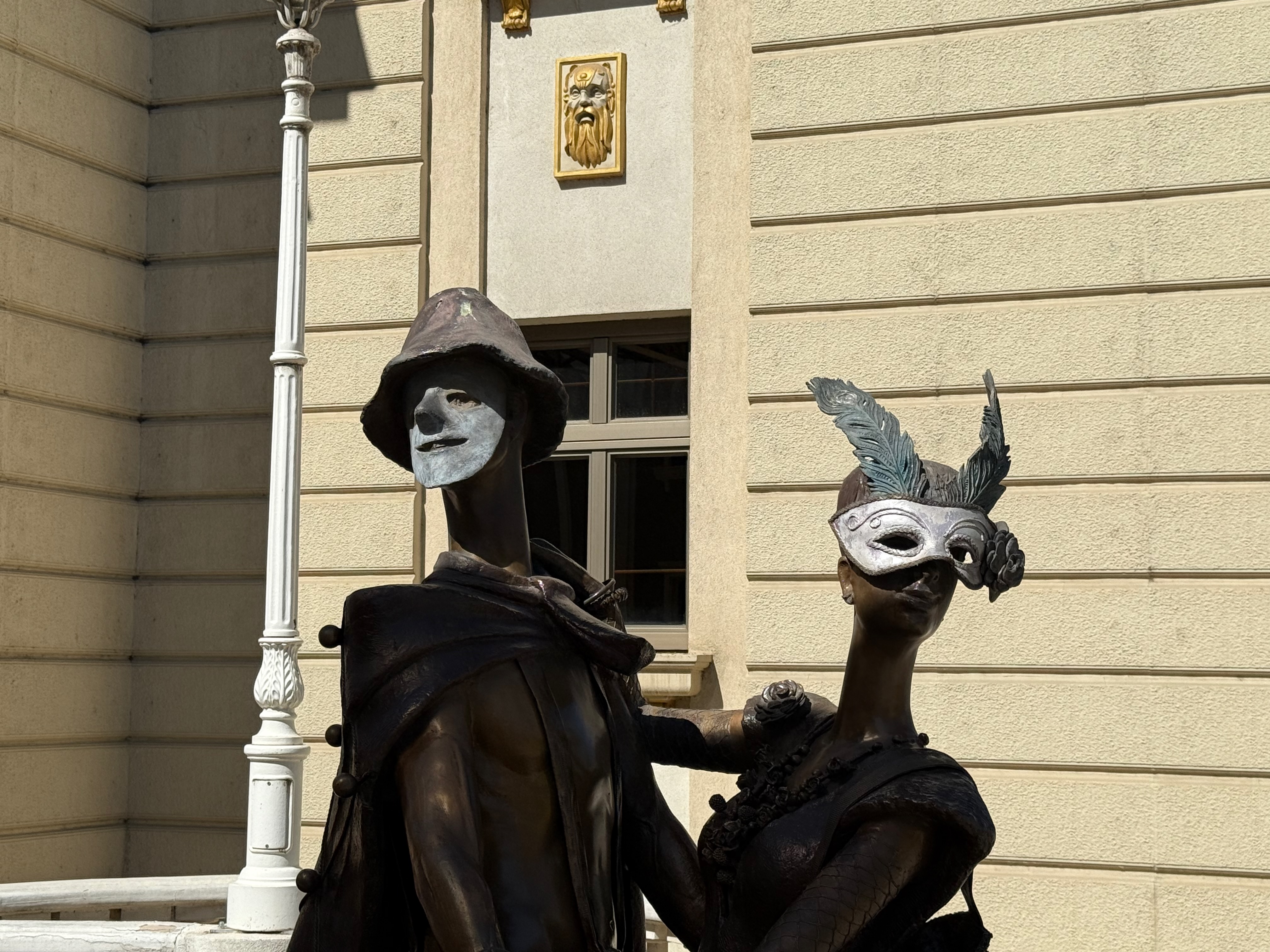
Skopje: Figures outside National Theatre

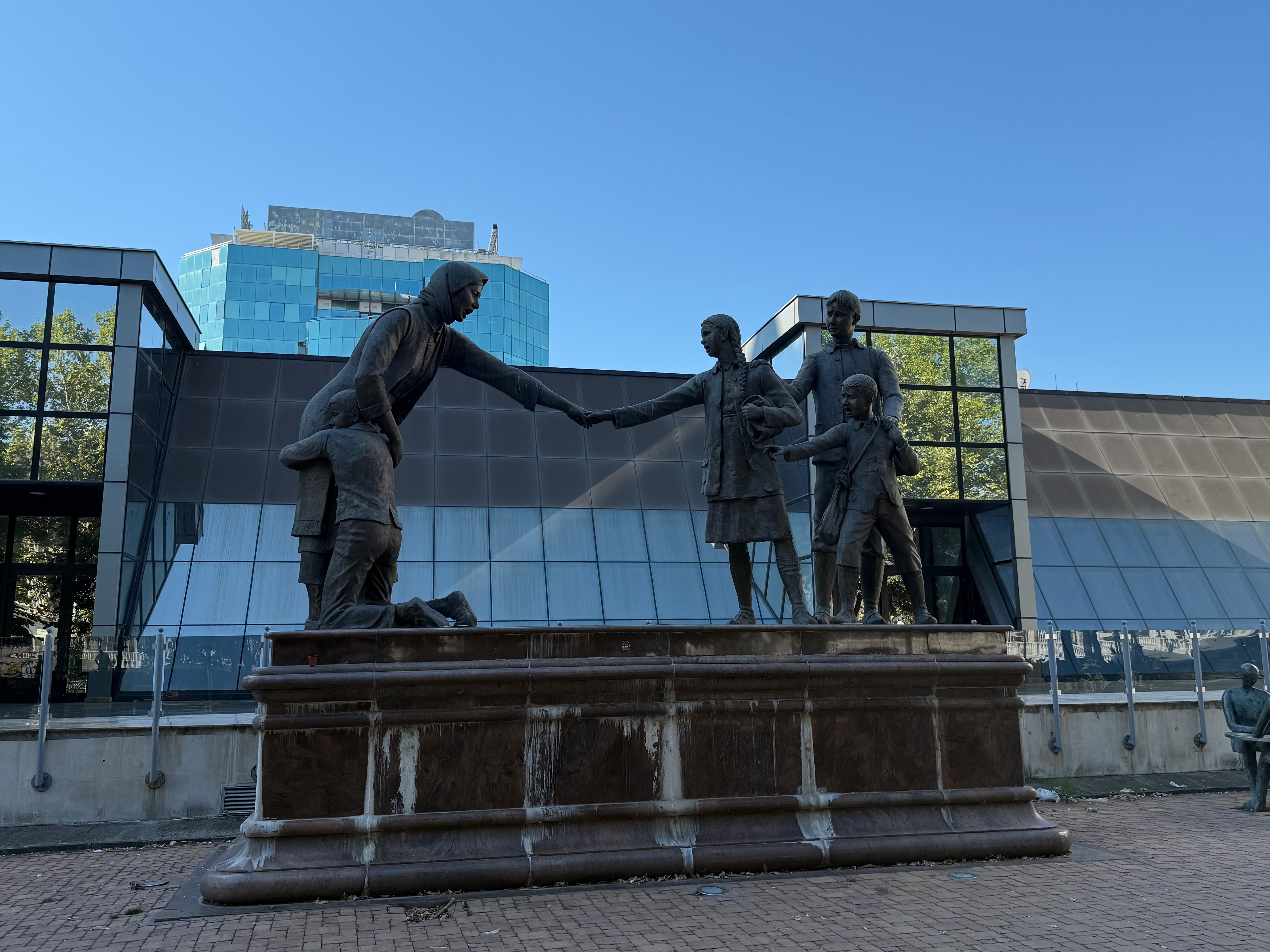
There’s a lot of street sculpture in Skopje, much of which I really enjoyed. I loved some of the statues outside the National Theatre, as well as a pair of women diving into the Vardar just by the Stone Bridge and a group of figures on its south bank near the Holiday Inn. The two pairs of lions which guard the Goce Delčev Bridge – one pair classically figurative, the other more abstracted – are controversial, not because of their quality, which is rather good, but because the lion is the symbol of the ruling party at the time they were erected, so this was a blatant piece of grandstanding.
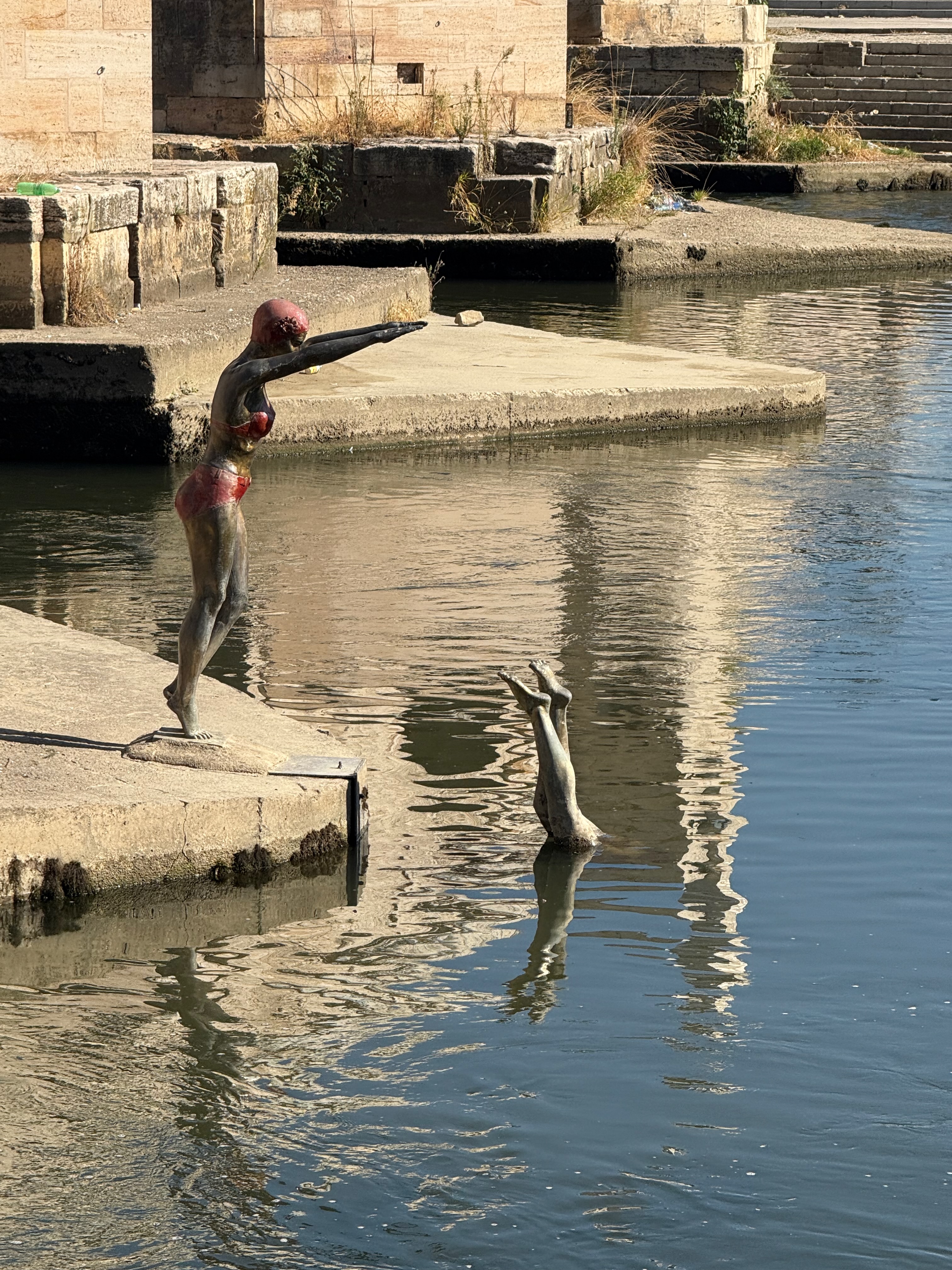
Divers by the pillars of the Stone Bridge

And you can’t miss the two truly blatant examples of grandstanding that are the giant statues of Alexander the Great, on horseback in Macedonia Square, and his father Philip, on foot across the river. The pair were clearly intended as a two-fingered salute to the Greeks in the long-running dispute over Macedonia’s name: the problem is that both nations are desperate to claim Alexander the Great as being their own. The Macedonian claim is territorially correct, given that Alexander’s birthplace is inside the country’s borders; the Greek one is culturally valid in that he was clearly a product of the Hellene civilisation and clearly predated the Slavic and Ottoman civilisations that form the Macedonian people today. The dispute was eventually settled in 2018 by the solution (which I personally find rather childish) of changing the country’s name from “Former Yugoslav Republic of Macedonia” to “Republic of North Macedonia”). The statues, I’m sorry to say, are completely tasteless, although the nearby Fountain of the Mothers of Macedonia, which incarnates Philip’s mother Olympia as four stages of motherhood, is an altogether better effort.
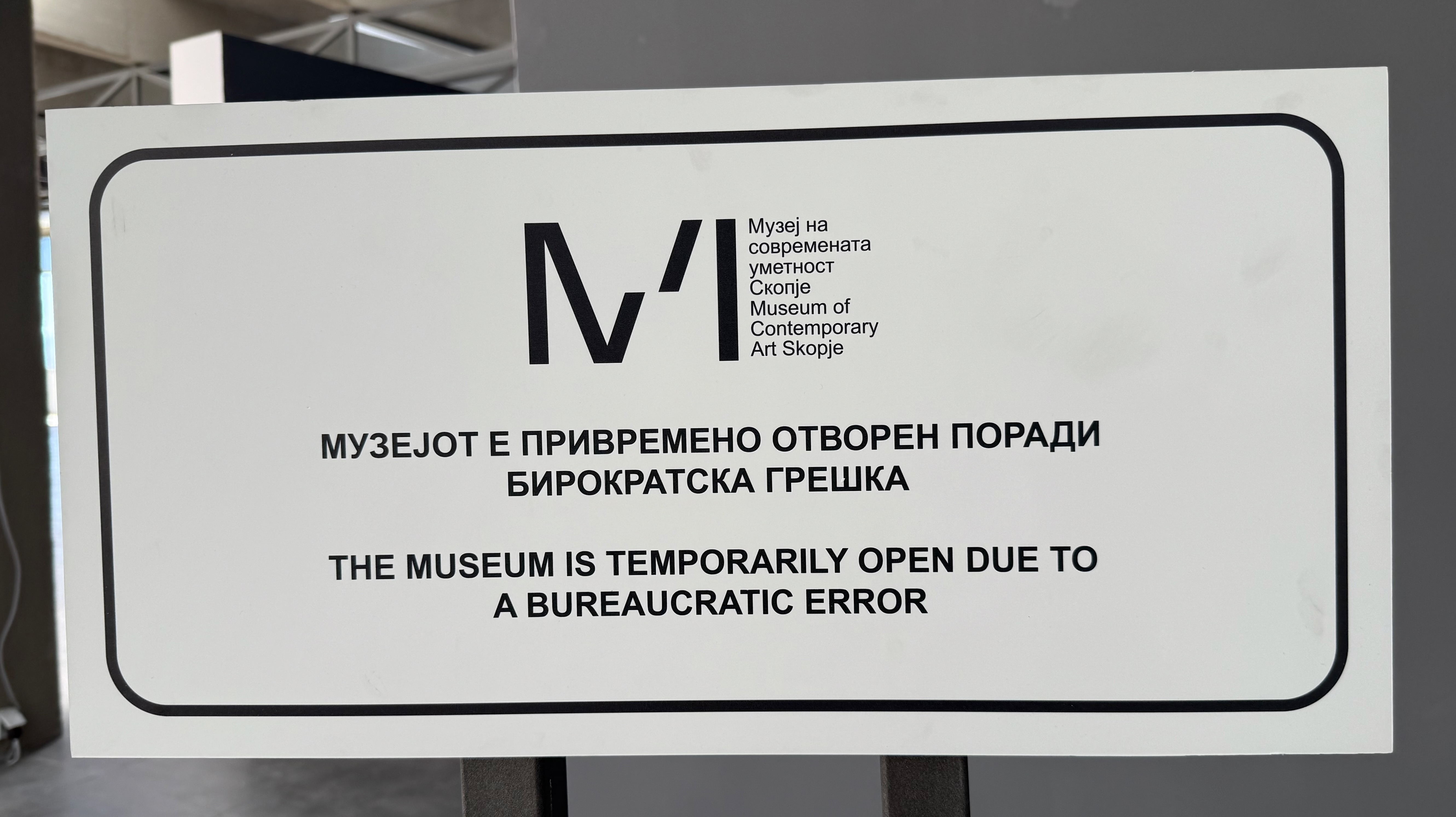
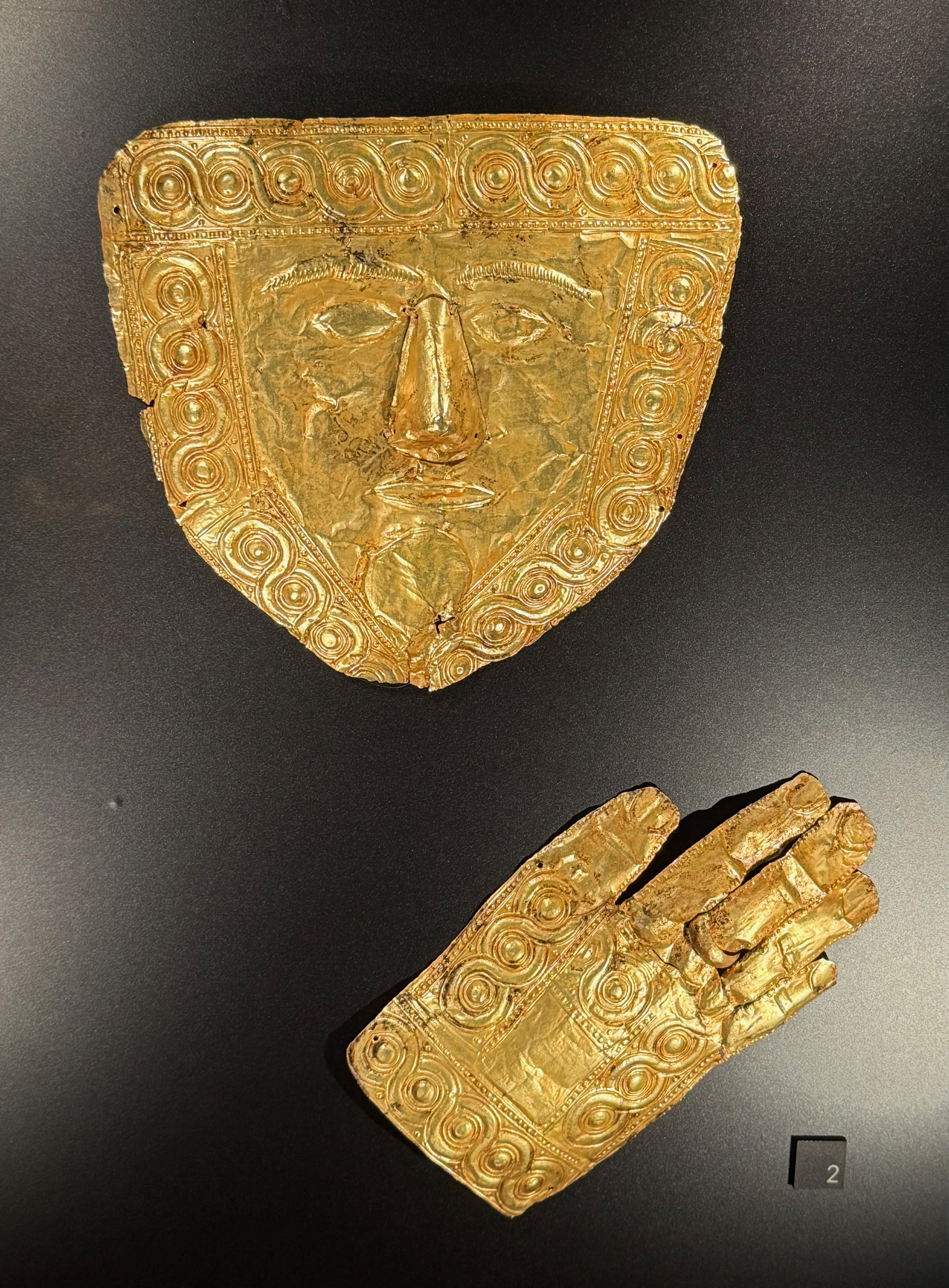
We just had time for two of the city’s many museums. The airy Museum of Contemporary Art, on the same bluff as Skopje Fortress, holds regularly changing temporary exhibitions and boasts panoramic views of the city from the terrace outside. Slightly spookily, they were preparing to host a conference of 250 FBI operatives when we arrived: I’m not sure what the Feds would have made of “Museum open until further notice”, a collection of hilariously sarcastic anti-establishment memes by artist Cem A (with delicious irony, as I write this, the museum is actually closed to host a different conference). The second was the Archaeological Museum of Republic of North Macedonia, packed with artifacts through the ages, such as the superb funerary gold mask and glove pictured here, from the Trebenishte necropolis near Ohrid in the south of the country, probably from the 6th-5th century BCE. Lake Ohrid, we are told, is seriously worth visiting, but we didn’t have time for the two-and-a-half-hour drive each way.
In addition to all this public stuff, Skopje’s broad riverbank walks, extensive City Park (surprisingly green in September after a long, dry summer) and its lively old bazaar make it a pleasant place to visit. However, the city and the country have a dark secret: corruption. Transparency International’s Corruption Perceptions Index for 2024 ranks Macedonia as 88th out of the 180 countries it studies, and locals point to cronyism and siphoning of funds from government projects. The results are visible on the streets of the city: perfectly decent buildings are undermined by poor maintenance, while green spaces are marred by insufficiently frequent rubbish collection. What we didn’t experience (being there in September) was the winter pollution: apparently, too many people burn coal or wood, and the ensuing smog lingers because the spaces for wind to blow it away, as envisaged by the post-earthquake town planners, were filled in by buildings. Effects of corruption are also visible in net migration statistics, with far too many young Macedonians leaving the country to seek better opportunities elsewhere.
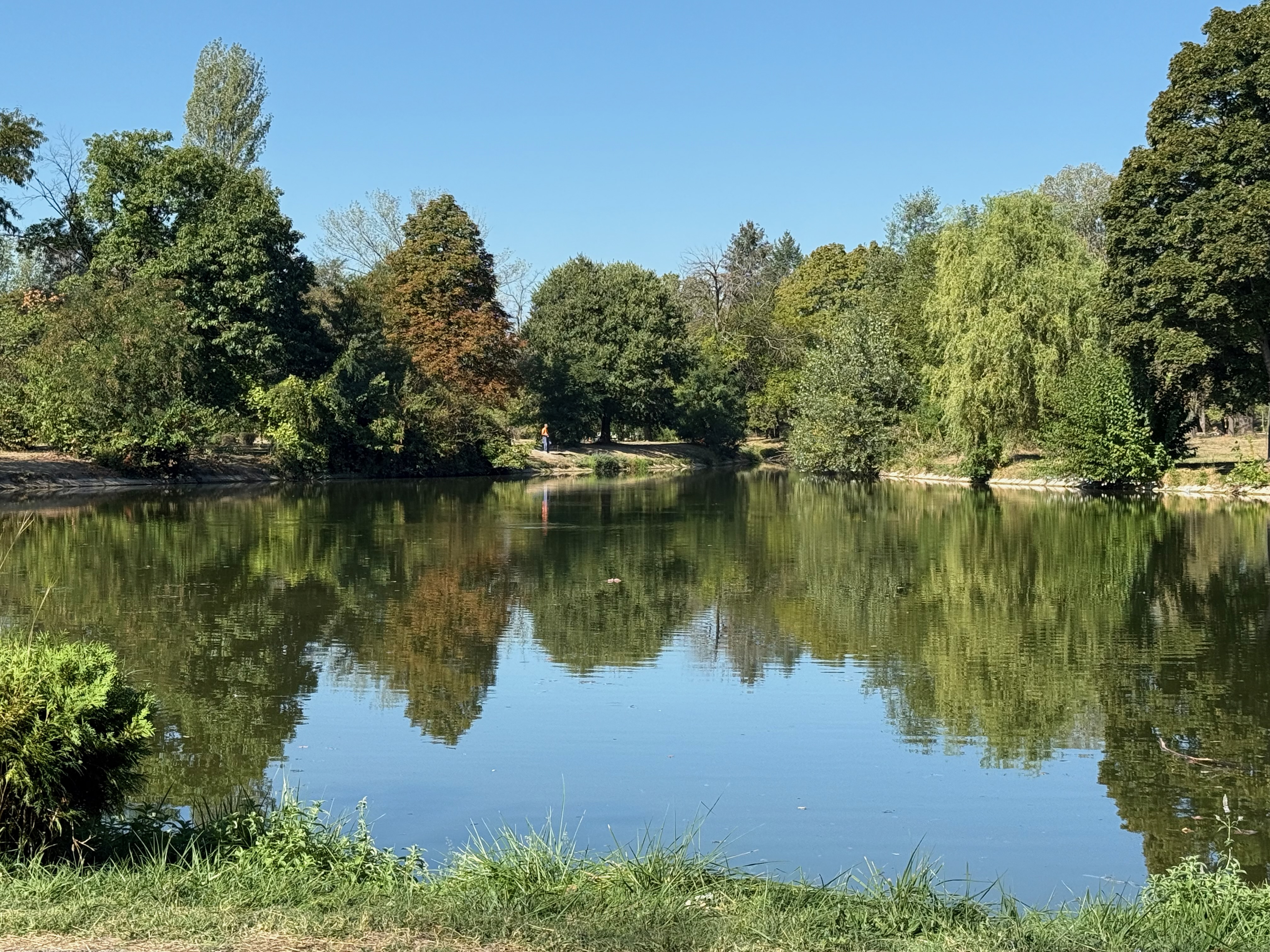
Skopje City Park

Which is sad, really. Skopje is an attractive city in a fertile country. The climate is broadly lovely. The food is great, within a fairly typical Balkan range of dishes, in which the stars are Macedonian tomatoes, which rival the best in Italy for utter deliciousness. Some of the local wines were really quite impressive. The vast majority of people we met were utterly charming. The ethnic tensions between Macedonians, Albanians, Turks and others, seem broadly contained, at least by comparison with the norm in this part of the world. Let’s hope that the gap between Macedonia’s potential and its current reality will be narrowed in years to come.
What I learned about Paris

What I learned about Paris

We spent the months of April and May in Paris – a mixture of pleasure and business, giving us the chance to see many clients throughout France. It’s a city in which I spent several years as a child – but that was over half a century ago, so it was a chance to rediscover the city.

Some of what we found agreed with what our expectations from previous visits or from things we’ve read. But here are some things that surprised us. I should point out, of course, that anything in here is a result of our own experience – other people visiting other parts of the city might feel very differently.

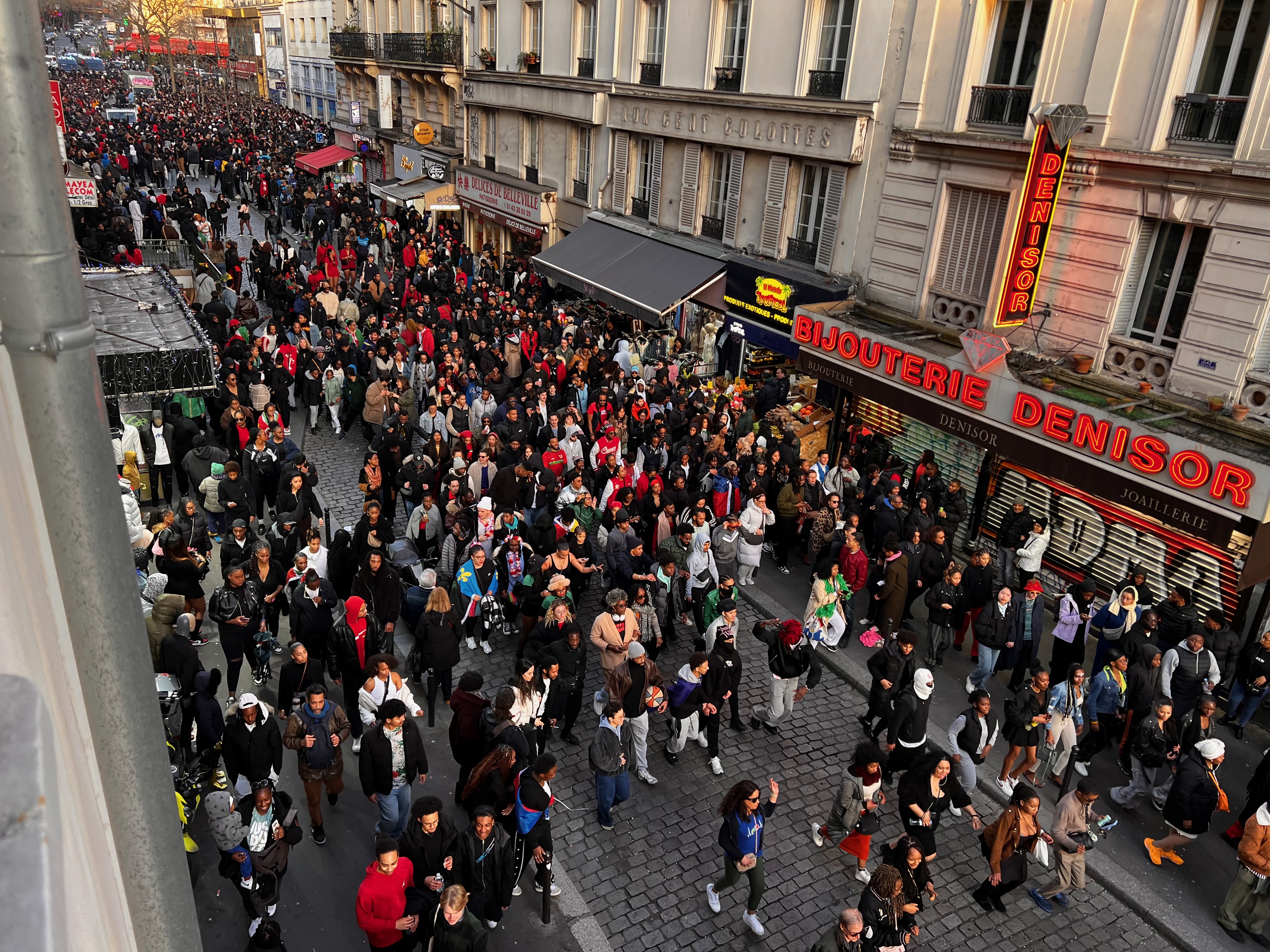
Belleville Carnival
Carnival at Belleville

Living in a residential area is an eye-opener

On previous visits, we’ve stayed in places where tourists go: the Marais, the area around the Opéra or the Champs-Élysées. My childhood was in the ritzy 16ème (yes, I know this signals heavy over-privilege).  This time, somewhat by accident, we ended up in an apartment in Belleville, of Rendezvous/Triplets fame. It’s a residential area that attracts few tourists and is very racially mixed – lots of Africans, lots of Chinese and Vietnamese, some South American, some indigenous French, a smattering of others. And we loved every minute.

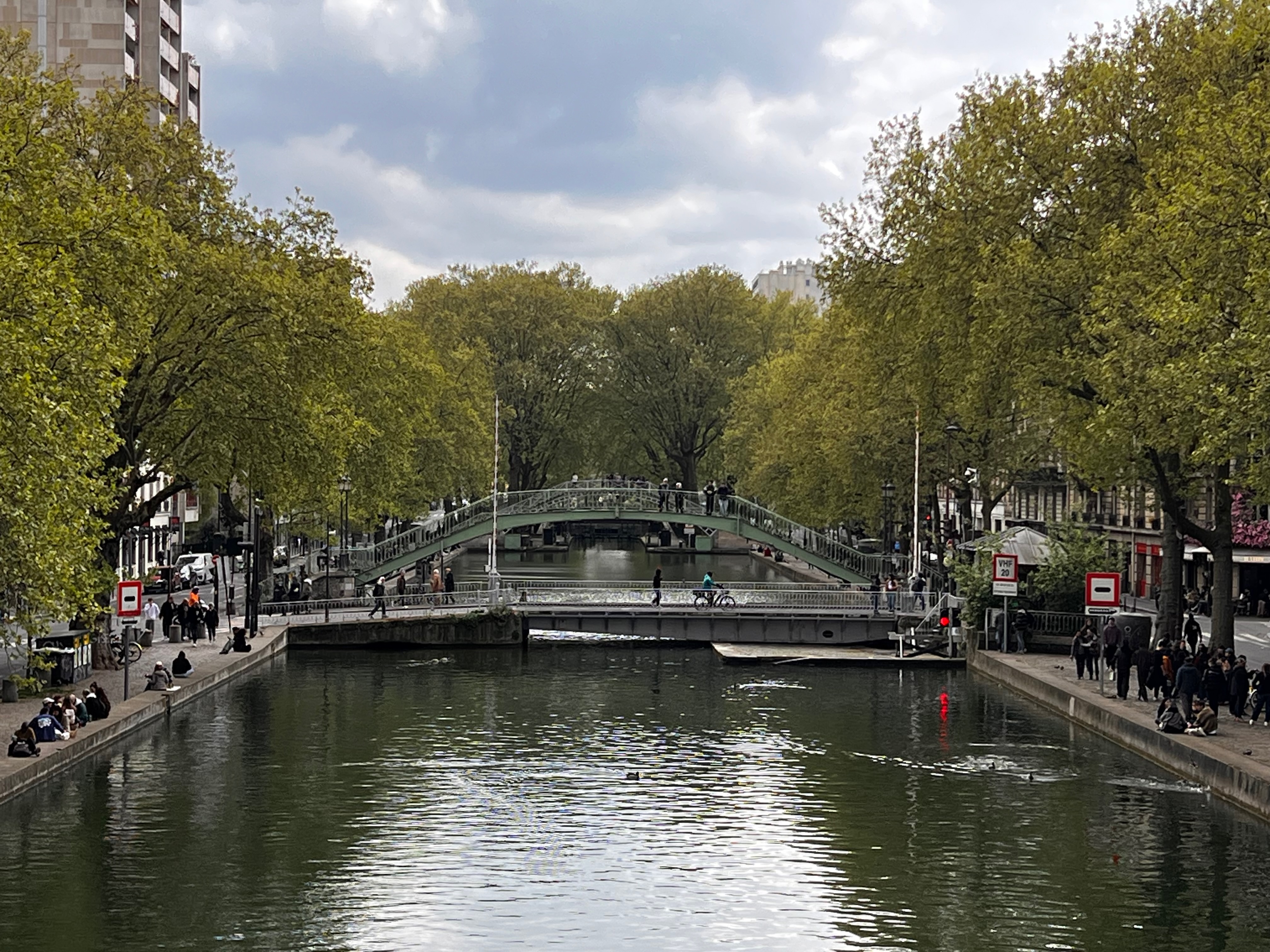
We could step out of our apartment, be swamped by a riot of colours and scents and be surrounded by the kind of shops where normal people go to buy everyday stuff (food, clothing, housewares, electronics). The whole place was unbelievably lively with the buzz of people going about their daily lives. The banks of the pretty Canal Saint-Martin were almost permanently rammed with young people hanging out, picnicking, drinking or just chatting.  You just don’t get that sense of really living in the city in an area where most of the people are tourists and most of the shops are oriented to them.

Canal Saint Martin
Canal Saint Martin

People are strong on minor courtesies

Parisians have a reputation for being brusque and surly, but with very few exceptions, that wasn’t our experience. People in shops varied from generally welcoming to seriously charming. The degree of pushing and shoving was far lower than in London, either on crowded pavements or in the Metro, where people readily gave up their seats, especially to women older than them (the same rule doesn’t seem to apply for men). This seemed particularly to be enforced by non-white mothers with their occasionally-reluctant children.

The major exceptions here are the cyclists and e-scooter riders, many of whom travel fast and ignore traffic lights. To cross a street, look them in the eye and walk predicatably so they know how to avoid you.

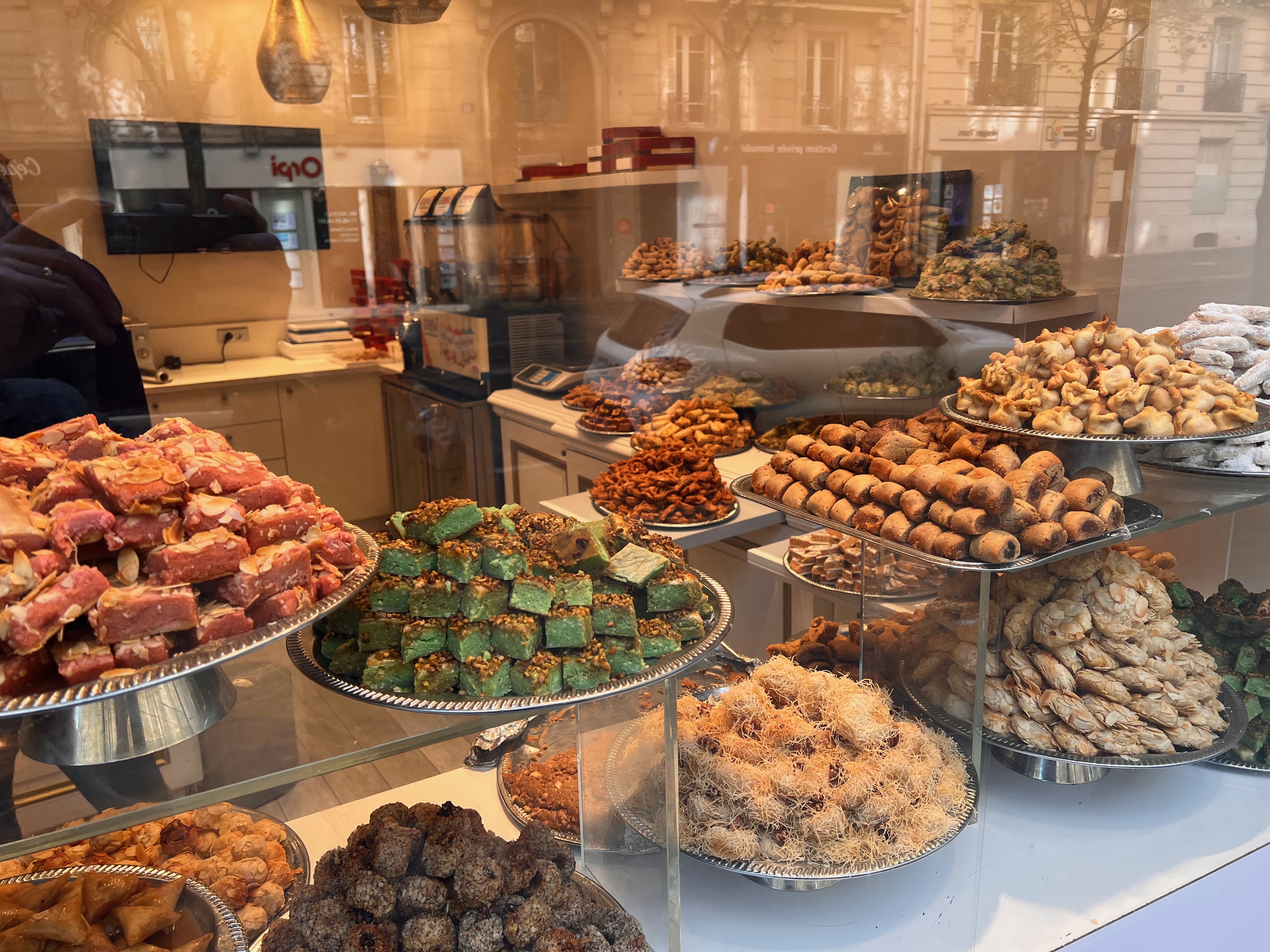
Middle Eastern pastries in 16e

Parisian street cleaning is awesome

Parisians are fond of a good whinge when it comes to their public services. But our experience of their street cleaning was uniformly excellent. We were on the Rue du Faubourg du Temple, a street choc-a-bloc with food shops and cafés. By 11pm every day, there was a quantity of rubbish on the streets. Overnight, however, an army of hose-equipped trucks and broom-equipped cleaning staff would roam the street. By 7am, the place was sparkling. 

The swimming pools are also awesome

We swim most mornings. The availability of public pools was extraordinary, with 41 across the city (the coverage is variable, but our apartment was within a 10 minute walk of two 25 metre pools in excellent shape). A short metro ride would have taken us to various 50 metre pools, including Piscine Suzanne Berlioux, improbably located underneath Les Halles, the giant shopping centre in the centre of town. And the prices are jaw-droppingly low: 44 € gets you a three month pass valid in all 41 pools – or 22 € if you’re over 65. 

The changing rooms are mixed, with cubicles for changing – which was perfectly fine and sidesteps what is currently a political hot potato in the UK. However, the showers only have individual cubicles for the disabled, so you have to shower with your swimming costume on. And during school periods, the early morning time slots available to the public are restricted. But we rapidly embraced our morning drill of “get up at 7am, swim, buy croissants on the way home”.

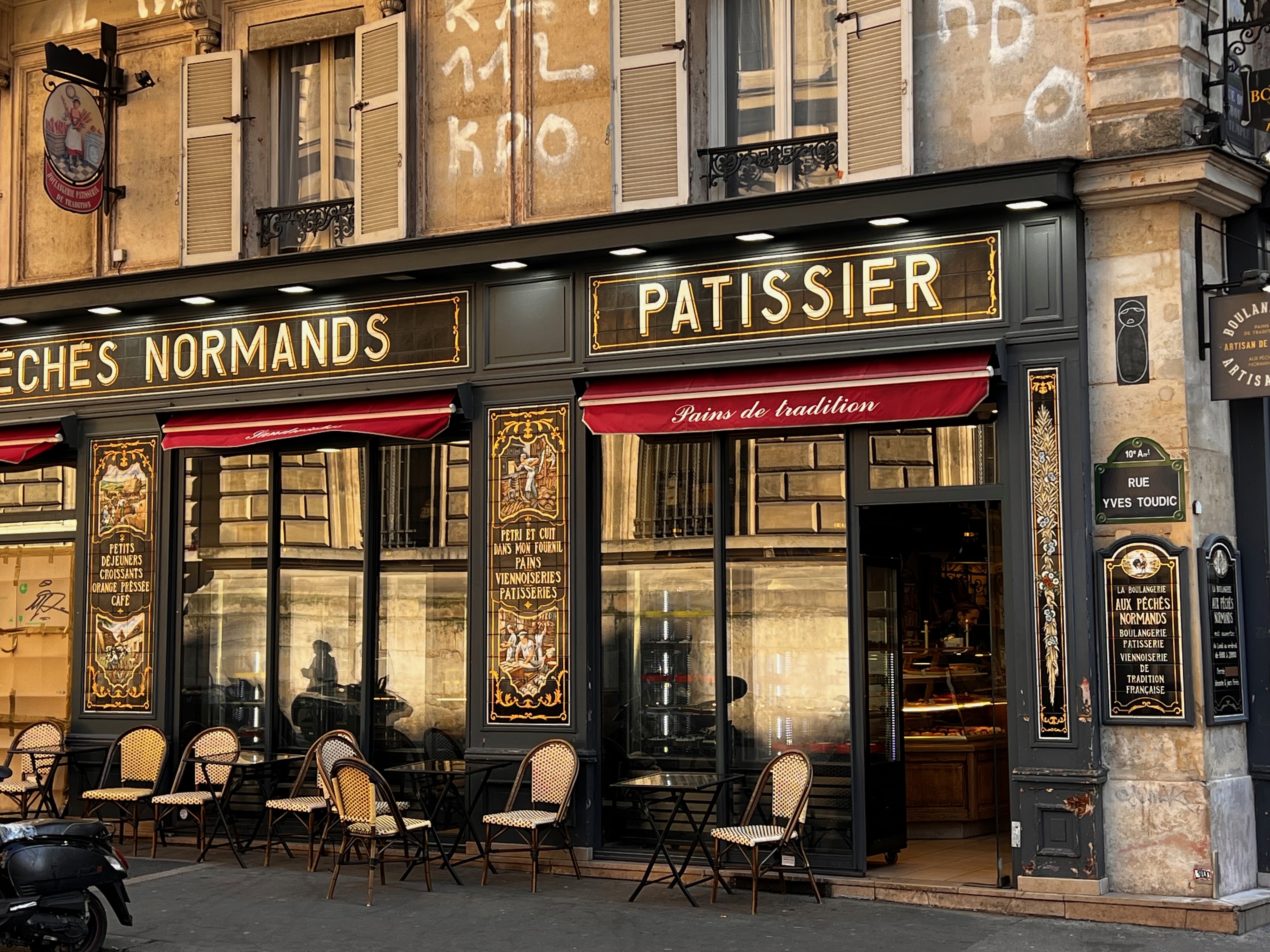
Aux Péchés Normands bakery

The dark side: there’s a lot of homelessness and begging

Sadly, we couldn’t walk too far without coming across someone sleeping rough, or someone asking for a few coins. The begging was usually pretty gentle and surprisingly polite, although there were instances of beggars who got aggressive. Several, we suspected, were mentally ill. And to judge by the number of ads and fundraisers for food banks, there are also a bunch of people who can’t feed themselves.

I don’t honestly know how this compares to other cities. My gut feel/memory says it’s worse than London and not as bad as San Francisco, but that’s a pretty unreliable guide.

The melting pot approach to multiculturalism is beginning to work

When a country has large a immigrant population, there are two main ways to approach multiculturalism. The approach promoted by many on the left of UK politics is the maintenance of identity, the idea that people have a right to their ancestral culture and heritage, which should not be “appropriated” from them. Faith schools and ethnically unmixed areas contribute to that.

The French do the opposite: what they call la mixité. It’s closer to the US idea of a “melting pot” but more extreme – religion and race are excluded from the public sphere. One is encouraged to be “colour-blind”, so that people of all races get the same upbringing and the same opportunities.

Or at least, that’s the theory. The reality has been very different, as expressed in the horrific treatment of immigrants from the Maghreb, by recruitment outcomes which varied wildly according to whether or not you had a Muslim-sounding name, and in Paris, by the concentration of immigrants in the impoverished parts of the banlieue (the suburbs outside the Périphérique ring road), leaving “Paris intramuros” to French whites.

But I saw and heard evidence that la mixité is beginning to become a reality. I saw many more mixed race couples than on previous visits to Paris. I saw black customer-facing staff in some very smart shops that wouldn’t have dreamed of having them in the past. And the “Grand Paris” project, the extension of the Metro into the suburbs, is beginning to break down the previously hard border between the city and the banlieue

It’s baby steps at this point, but the signs are promising.

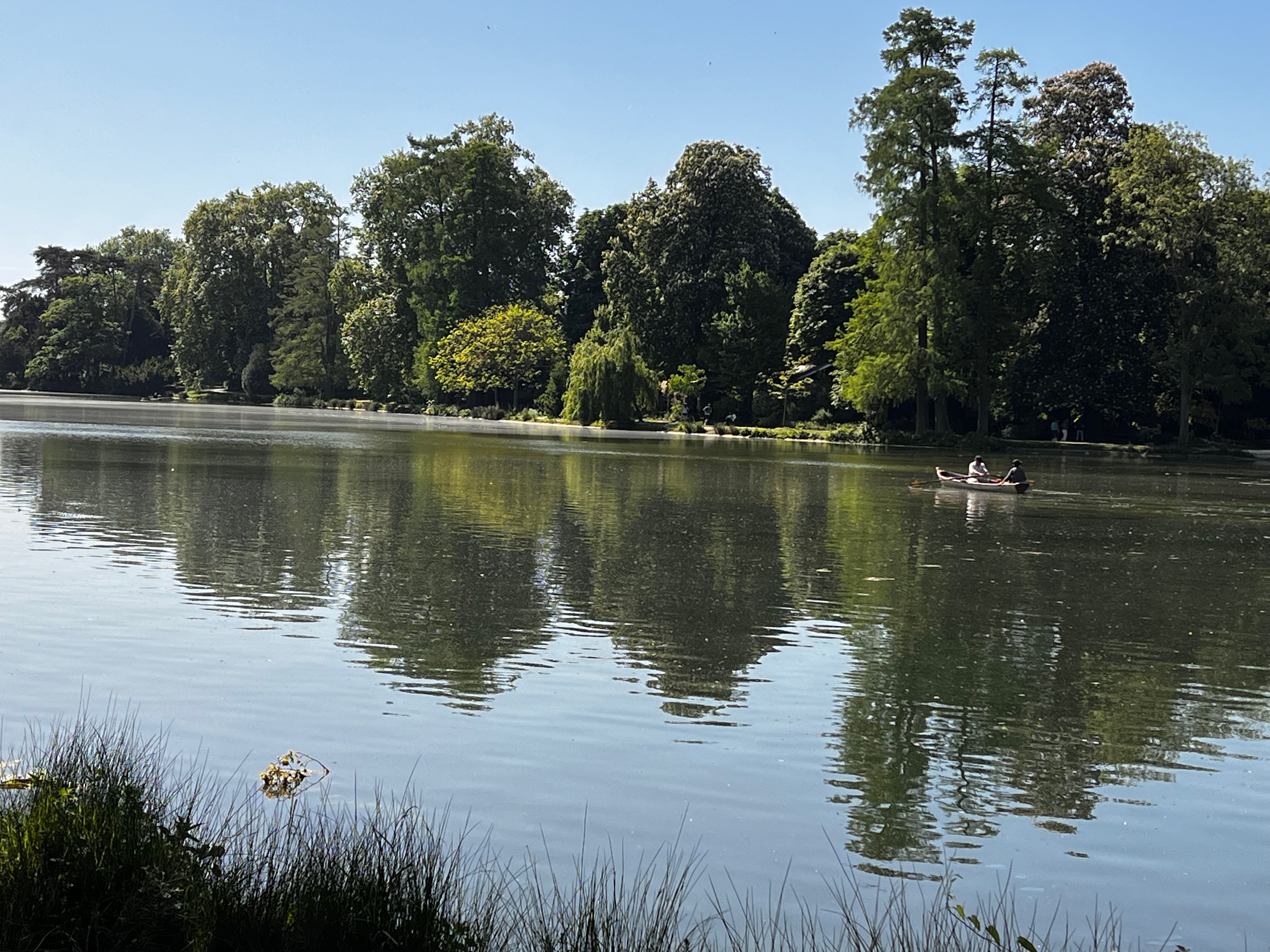
Bois de Vincennes
Bois de Vincennes

 The green side: we discovered the Coulée Verte and the Bois de Vincennes

Paris isn’t celebrated for its green spaces, but there are a some real gems. The one we discovered on this trip was the Coulée Verte (formerly the Promenade Plantée), a narrow strip of land high above the streets that run from Bastille towards the Bois de Vincennes, the former royal hunting forest at the South-East of Paris. The Coulée Verte is about an hour’s walk end to end and is gorgeously landscaped: it’s like having a very long and thin botanical garden, interspersed with little nooks to chill out or gaze down at city outside. It’s blissful.

The Bois de Vincennes itself is huge and very beautiful. We didn’t make much of a dent in its overall size, but managed a long walk alongside the boating lake. I’ll be back.

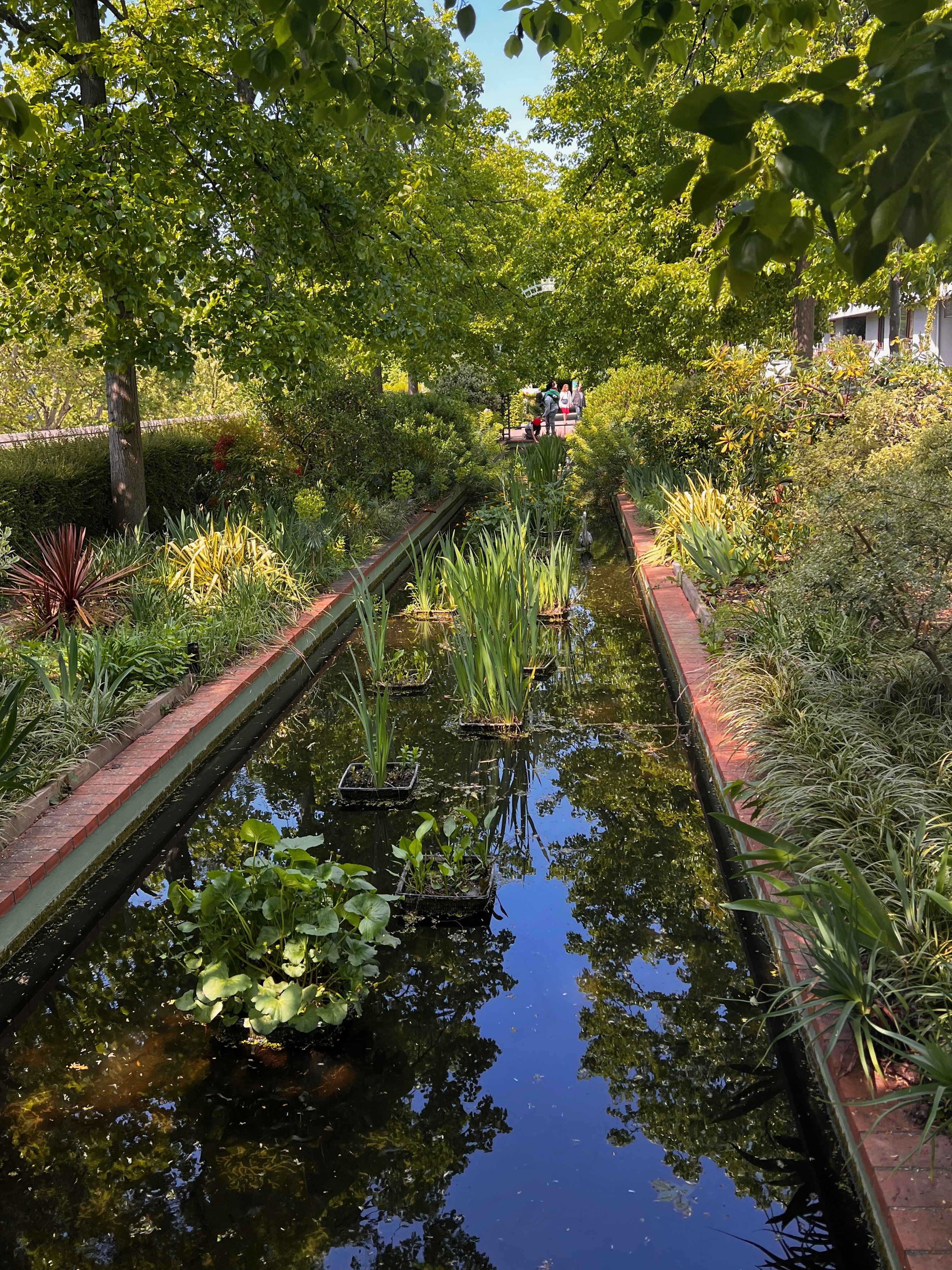
Pond on the Coulée Verte

The city is ever shifting

The status of different areas of Paris isn’t fixed. On the Left Bank, back in the 70s, the Boulevard St Germain and the Boulevard St Michel were the hippest of the hip, celebrated both in popular culture and in literature and the home of cool new fashions from Yves Saint Laurent and others.

We found it rather sad, the streets mainly populated by guided parties of tourists there to relive its former glories. The fashion world has moved elsewhere: the Avenue Montaigne for brands favoured by the high rollers – Dior, Chanel, Prada and the like – and the Marais for a younger, more boho crowd (or bobo, as the French call it).

The Marais is changing, also. At one time, it was very much populated by younger professionals, with many foreign students or people early on their career. That’s been changing: the eclecticism is still there, but one senses that it’s catering to tourists far more than to locals, heading towards becoming a theme park of its former self. Personally, I suspect it’s a result of AirBnB and (to a lesser extent) Brexit, but I can’t be sure.

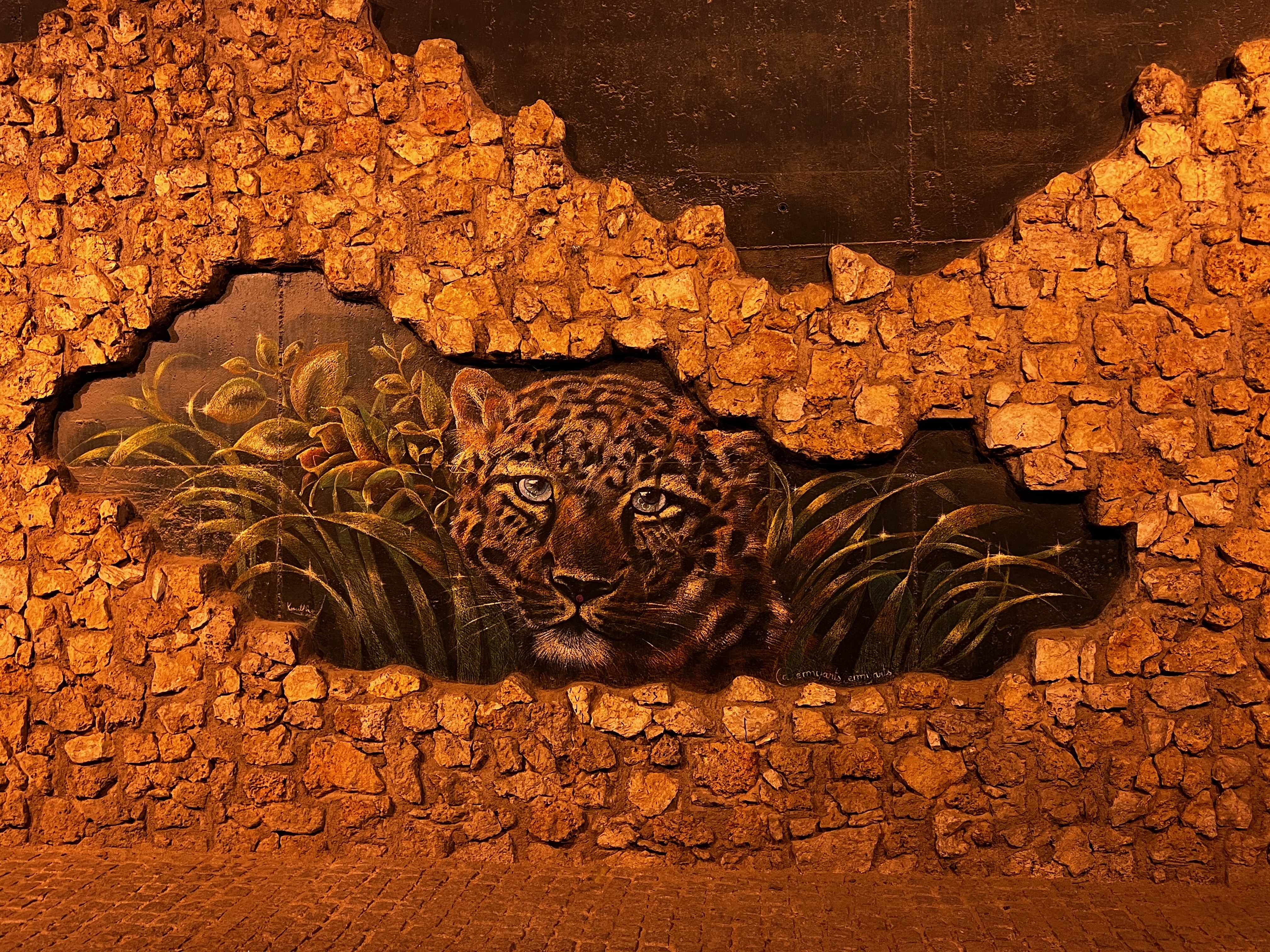
Mural in tunnel by the Coulee Verte

And the stuff you know…

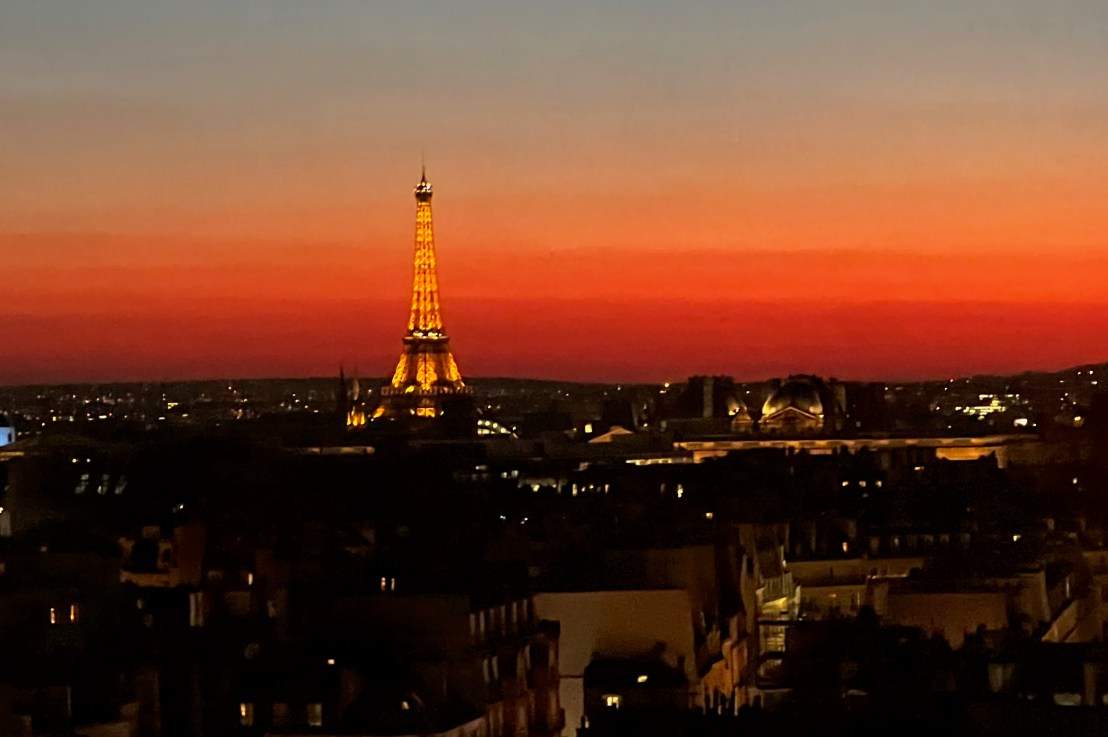
I haven’t even mentioned the things you already know all about – the phenomenal food, both restaurant meals and produce for cooking at home, the breadth of the cultural offering in both visual and performing arts, the cityscape with its famous monuments and that incredible light. Suffice to say that I’ve fallen in love with the city all over again.

Around the world in 80 bakes, no.26: Shaker churek from Azerbaijan

Around the world in 80 bakes, no.26: Shaker churek from Azerbaijan

After taking on a bake with a serious degree of difficulty with make-your-own-strudel-pastry last week, it was time for something at the opposite end of the scale: a simple, unpretentious cookie that takes minimal effort and skill to prepare but delivers lovely flavour and texture. In short, Azerbaijan’s butter cookies called Shaker churek (to my shame, I have no idea how to pronounce the name).

This recipe comes from a splendid Dutch blog called the cookie companion. It’s the simplest version I found: there are other recipes that use yeast.

  • 14og butter
  • 100g icing sugar
  • 225g flour
  • 1 egg
  • vanilla essence to taste
  1. In a bowl, weigh out the icing sugar
  2. Melt the butter, not letting it get too hot, and add it to the icing sugar: mix until smooth
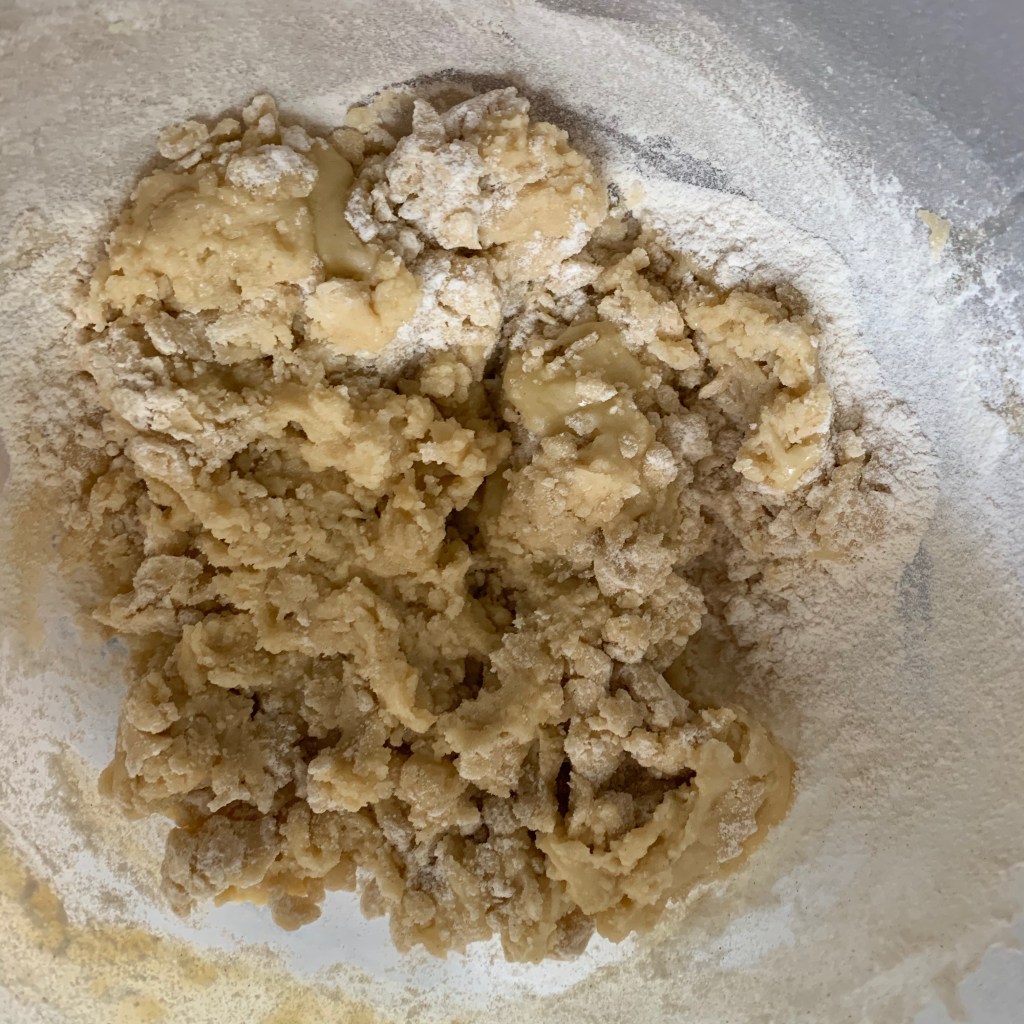
  3. Add the flour and mix thoroughly – you will get a dough that’s far too dry, which is fine at this stage
  4. Separate the egg; keep half the yolk aside and add the other half yolk and all the white to your mix.
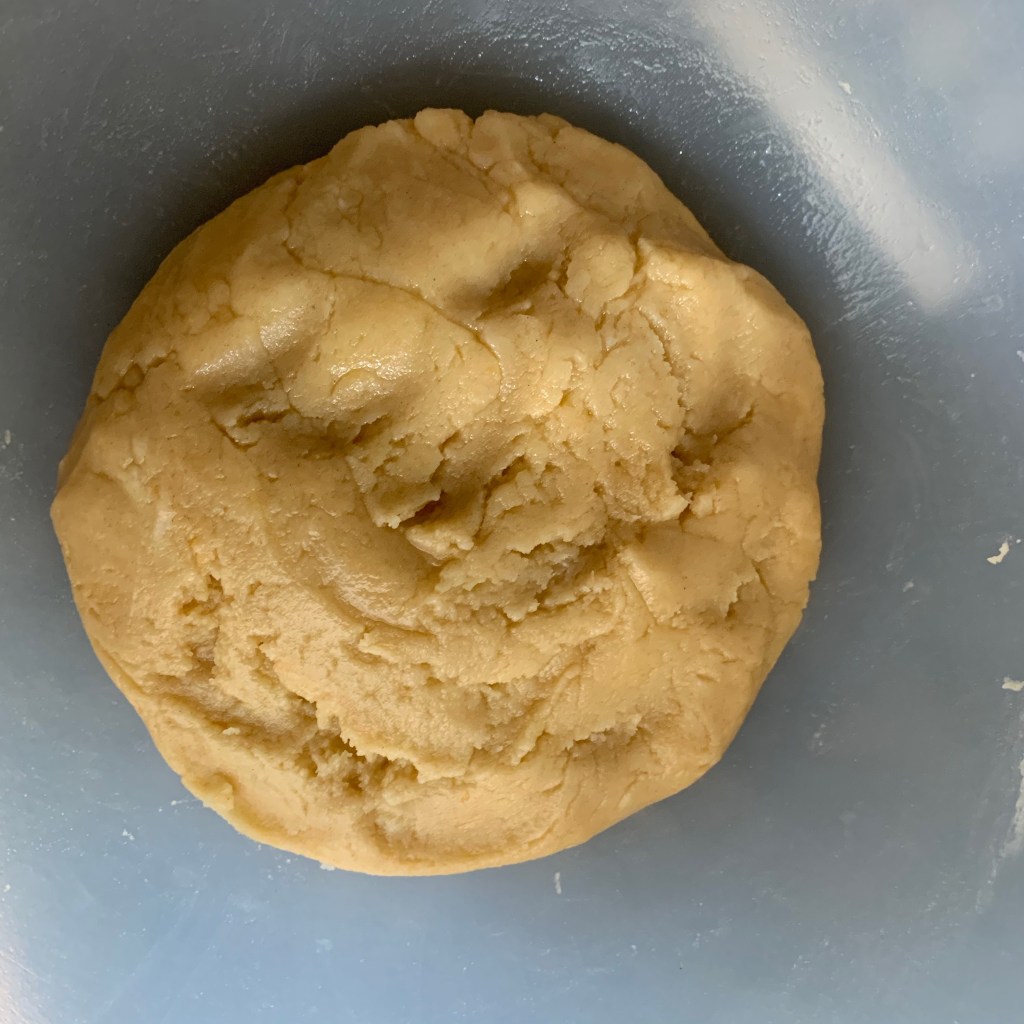
  5. Add the vanilla essence, and mix thoroughly until you have a smooth, slightly damp dough
  6. Cover and leave in the refrigerator for around an hour
  7. Preheat oven to 180℃
  8. Line a baking tray with a silicone sheet or baking paper
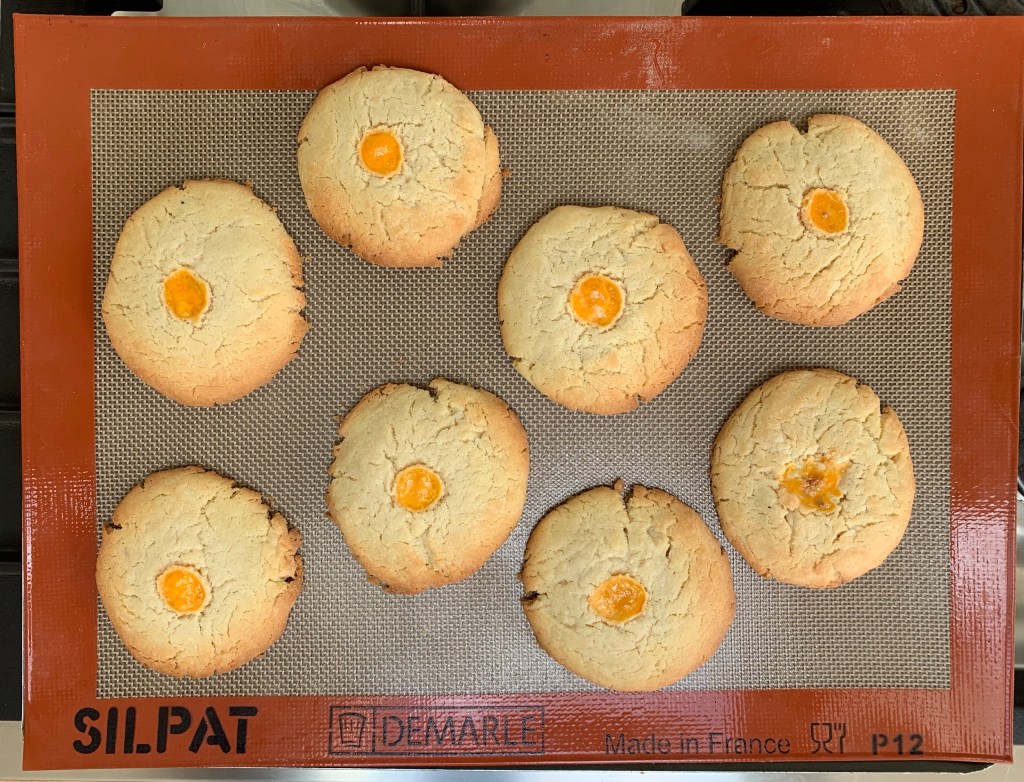
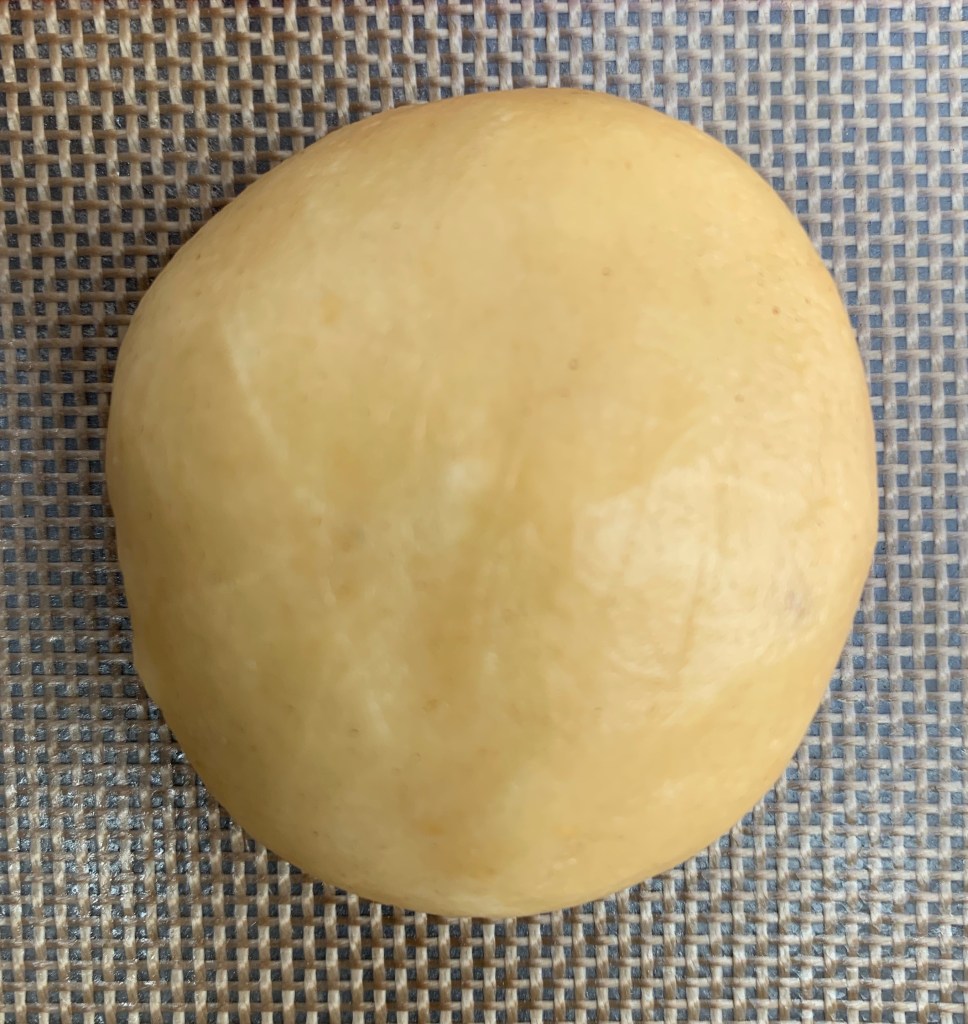
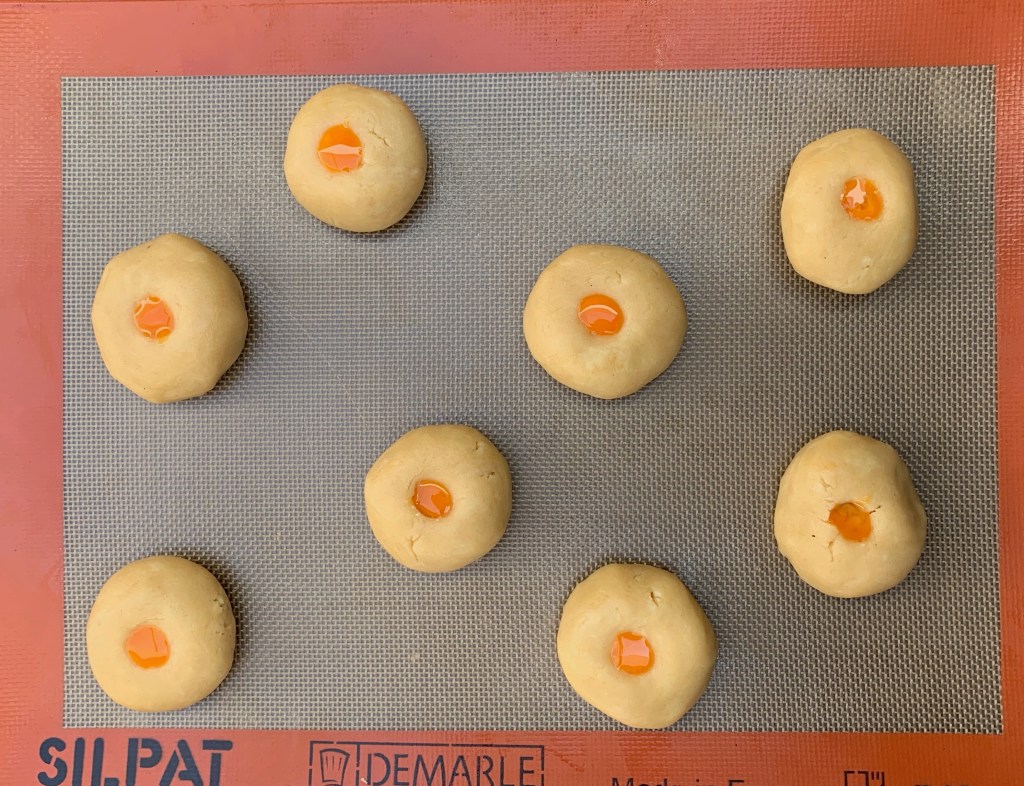
  9. Divide the dough into eight equal parts (they should be just over 60g each). For each part into a ball, flatten slightly and place it on your baking sheet. Warning here: the cookies spread, so make sure you leave plenty of space around them. 
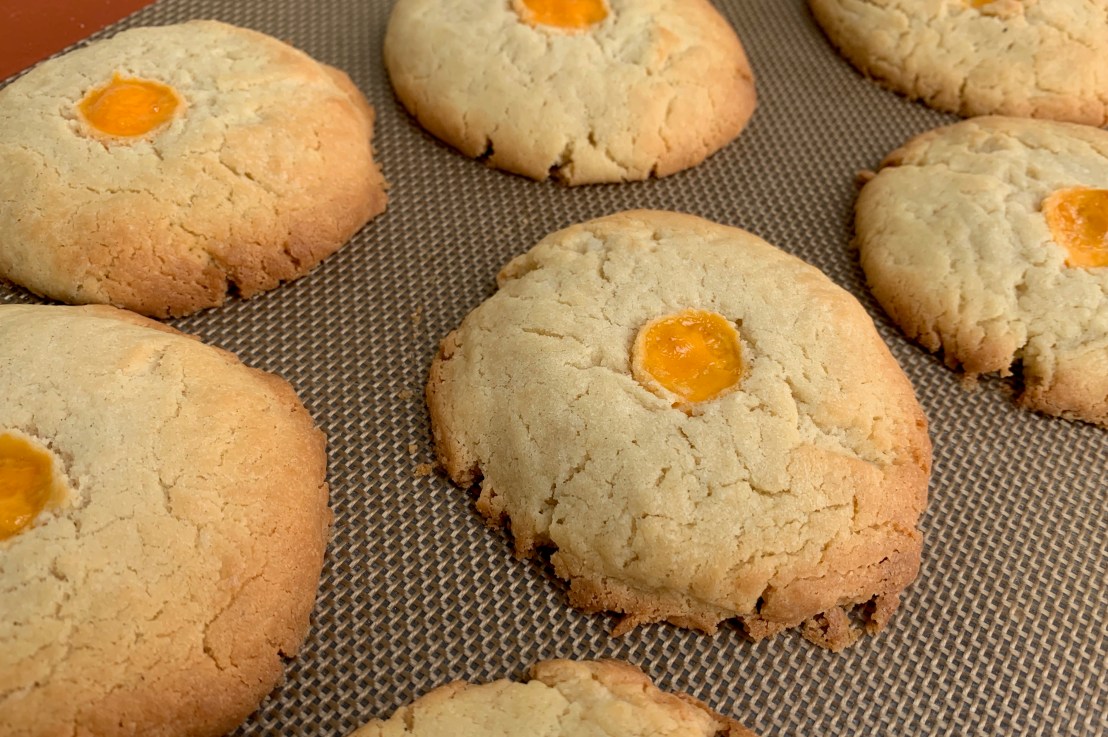
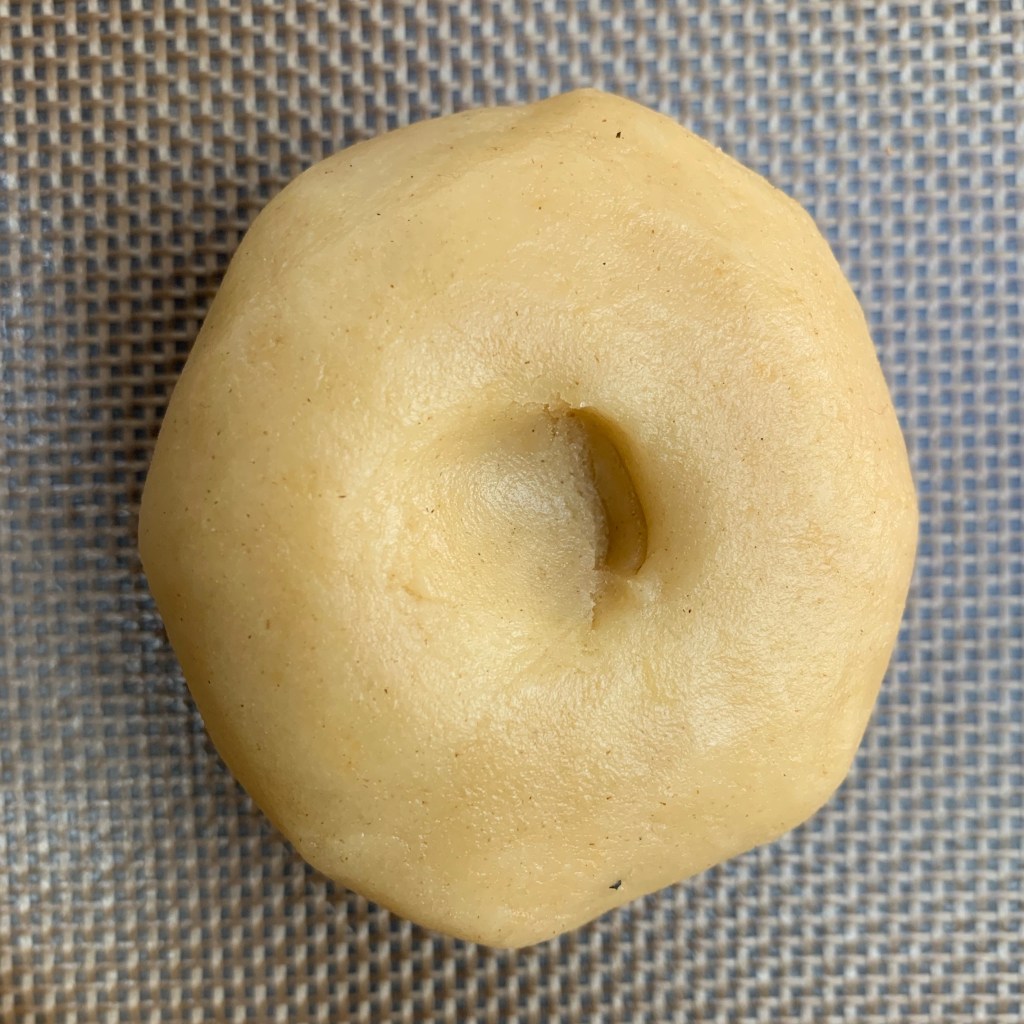
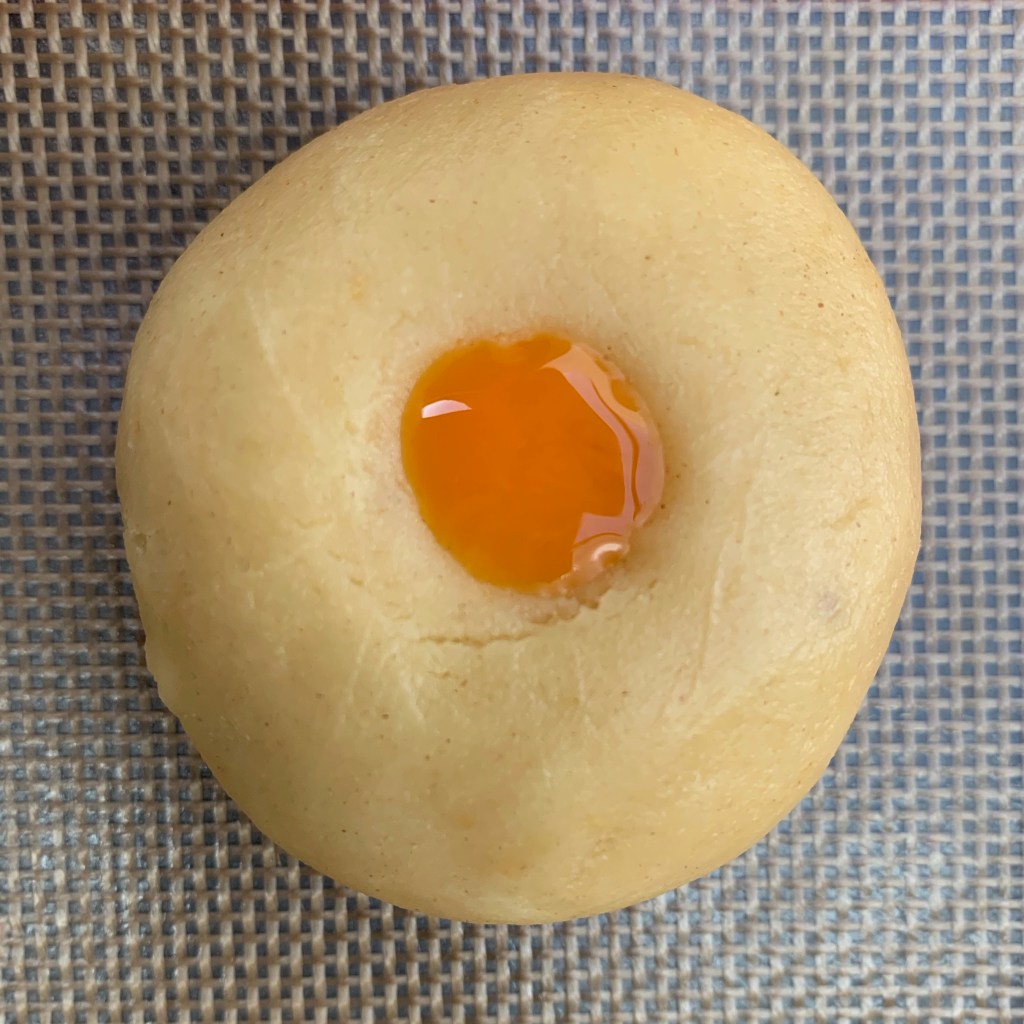
  10. With the end of a finger or some other implement (like the end of a rolling pin, if you have that kind of rolling pin), make a small depression in the middle of each cookie. Fill the depression with the reserved egg yolk.
  11. Bake for around 15 minutes

Like most cookies, shaker churek are really, really good straight out of the oven: but leave them to cool for a few minutes so that they don’t actually burn your mouth!