Month: March 2025

Discovering Haute Couture: Dolce&Gabbana’s Captivating Exhibition in Paris

Discovering Haute Couture: Dolce&Gabbana’s Captivating Exhibition in Paris

I’m not normally a follower of haute couture: the images of elaborate dresses that I can’t imagine anyone actually wearing leave me thinking of the Raymond Chandler tag “as elaborate a waste of human intelligence as you can find outside an advertising agency” (Chandler was referring to the game of chess, but we all have our own bugbears). So when someone told me that the one unmissable exhibition in Paris was the “Dolce&Gabbana: Du Cœur à la Main” show at the Grand Palais, I was dubious in the extreme.

Still, our informant was quite firm on the matter, so I took my heart in my hands and booked our tickets (which were rarer than hen’s teeth and only available for early mornings or very late nights). And thank goodness I did, because I left the exhibition with my mind completely blown, with a completely fresh understanding of what this kind of fashion can mean.
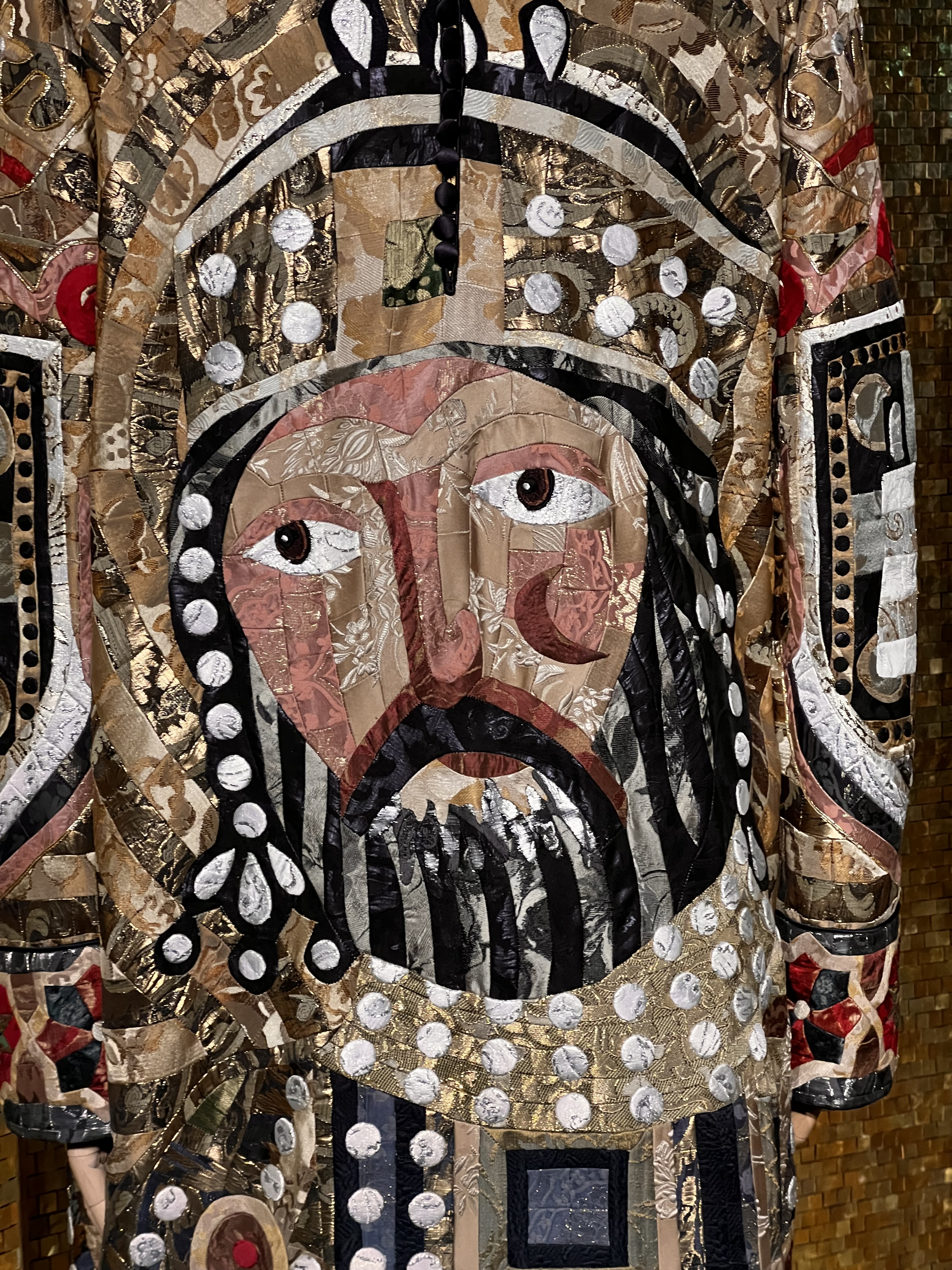
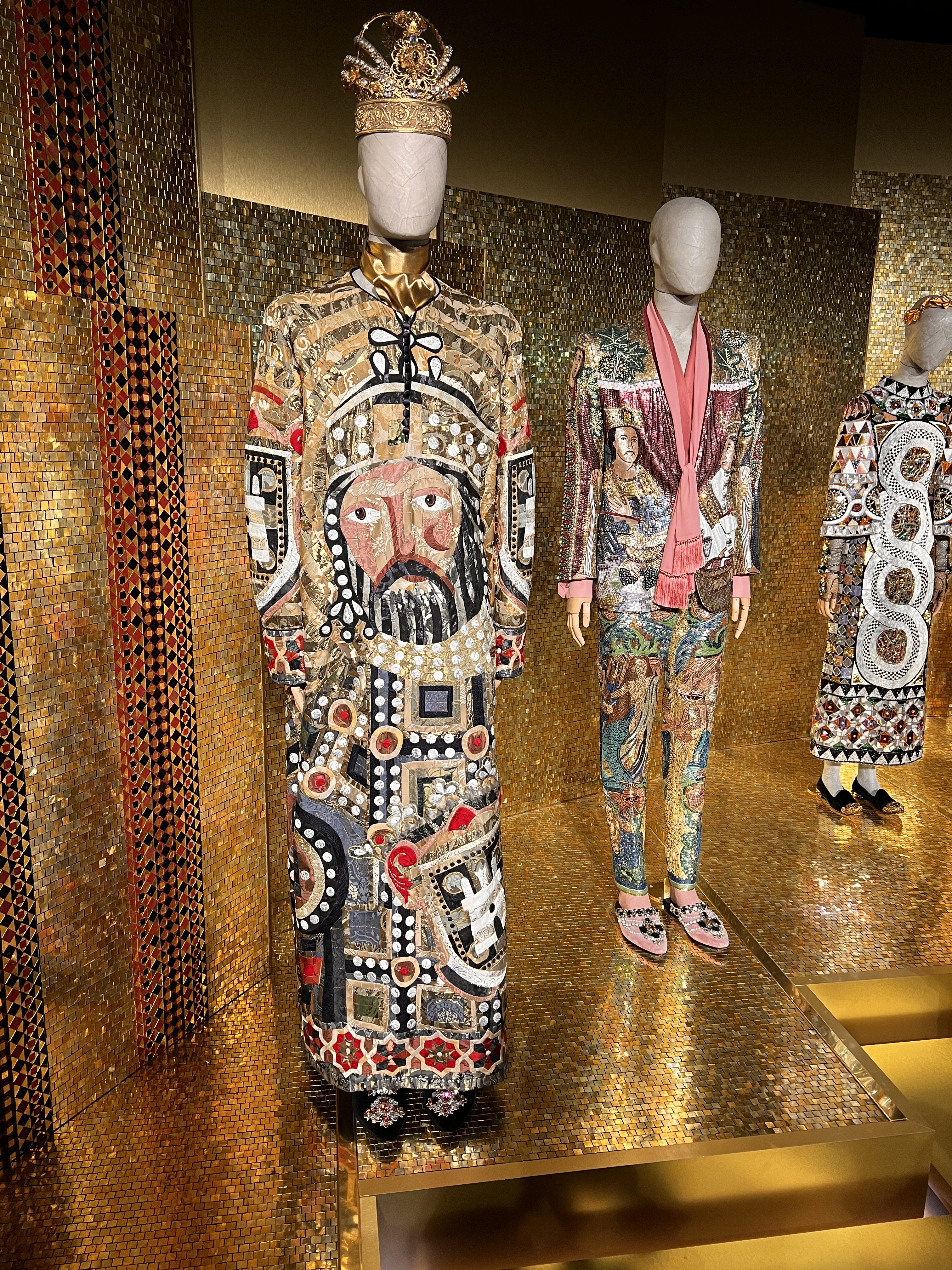
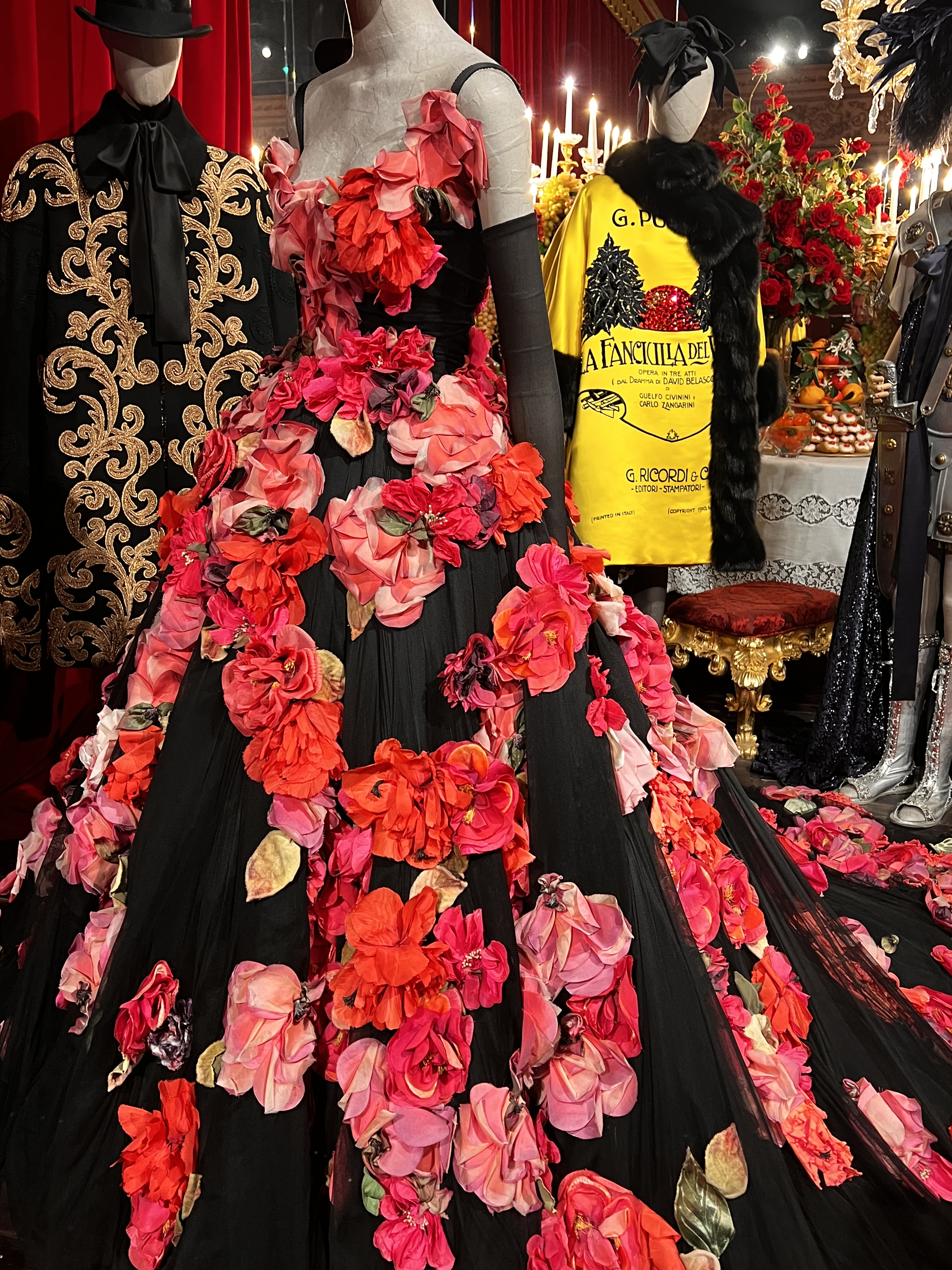
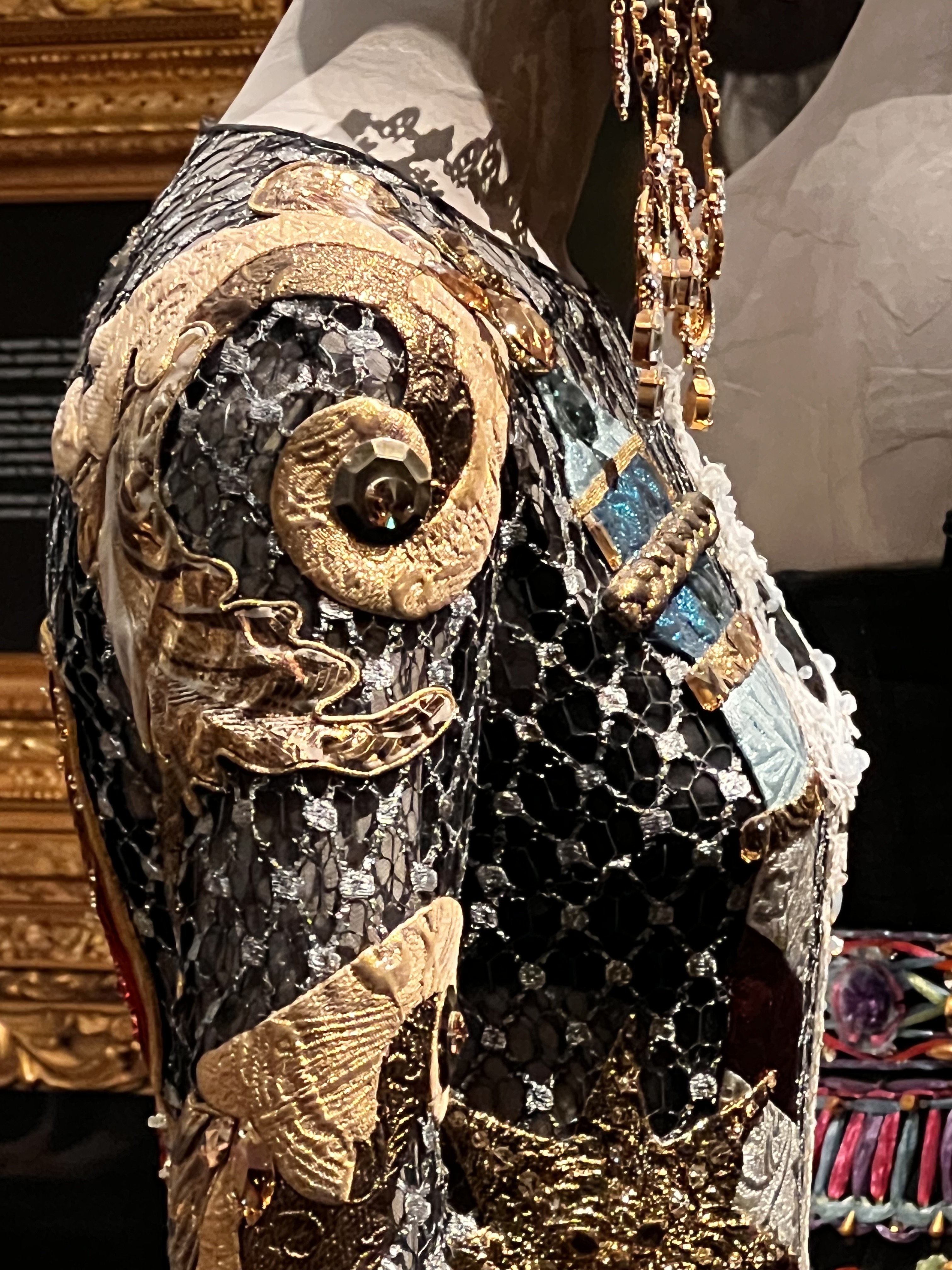
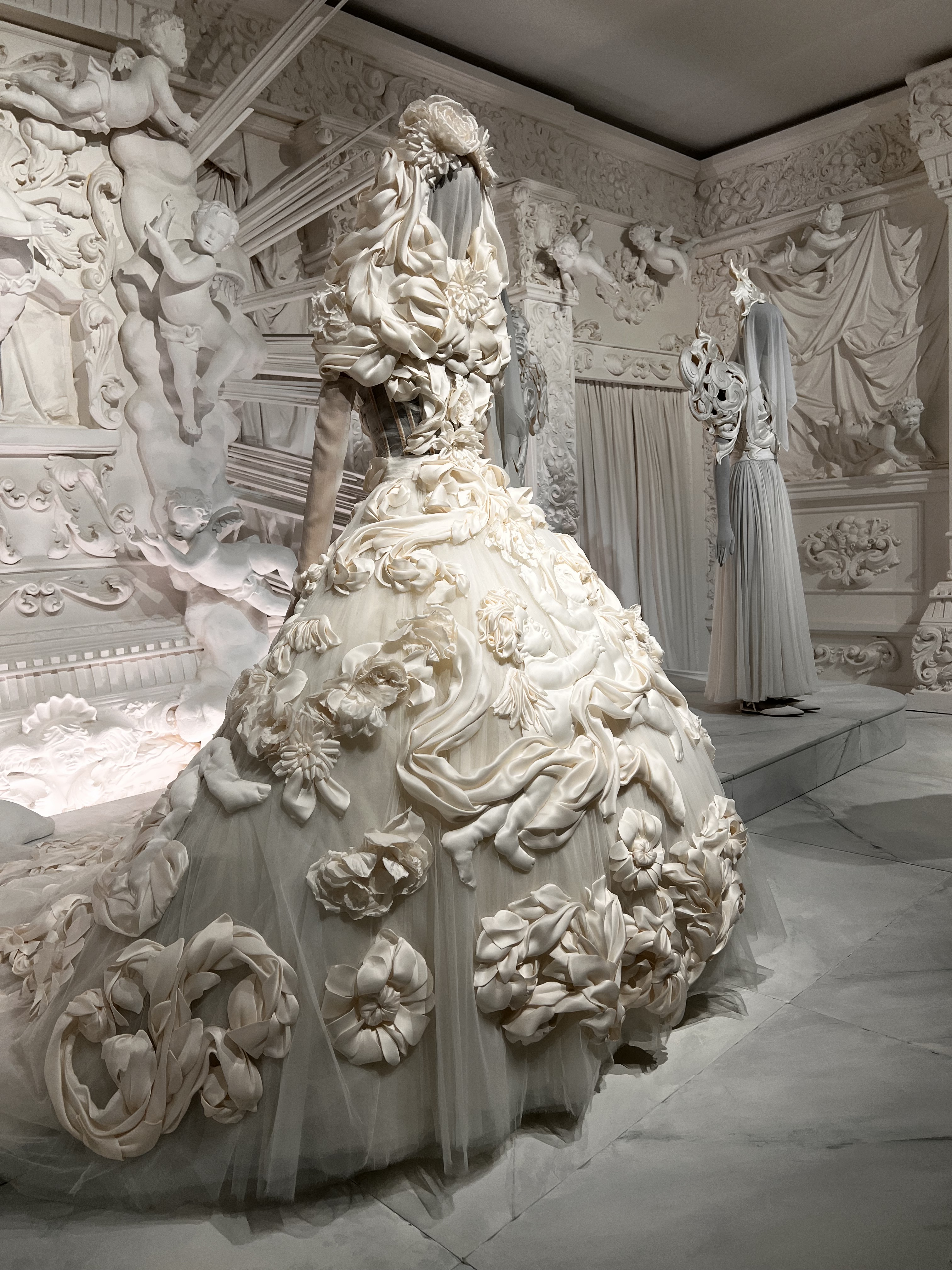
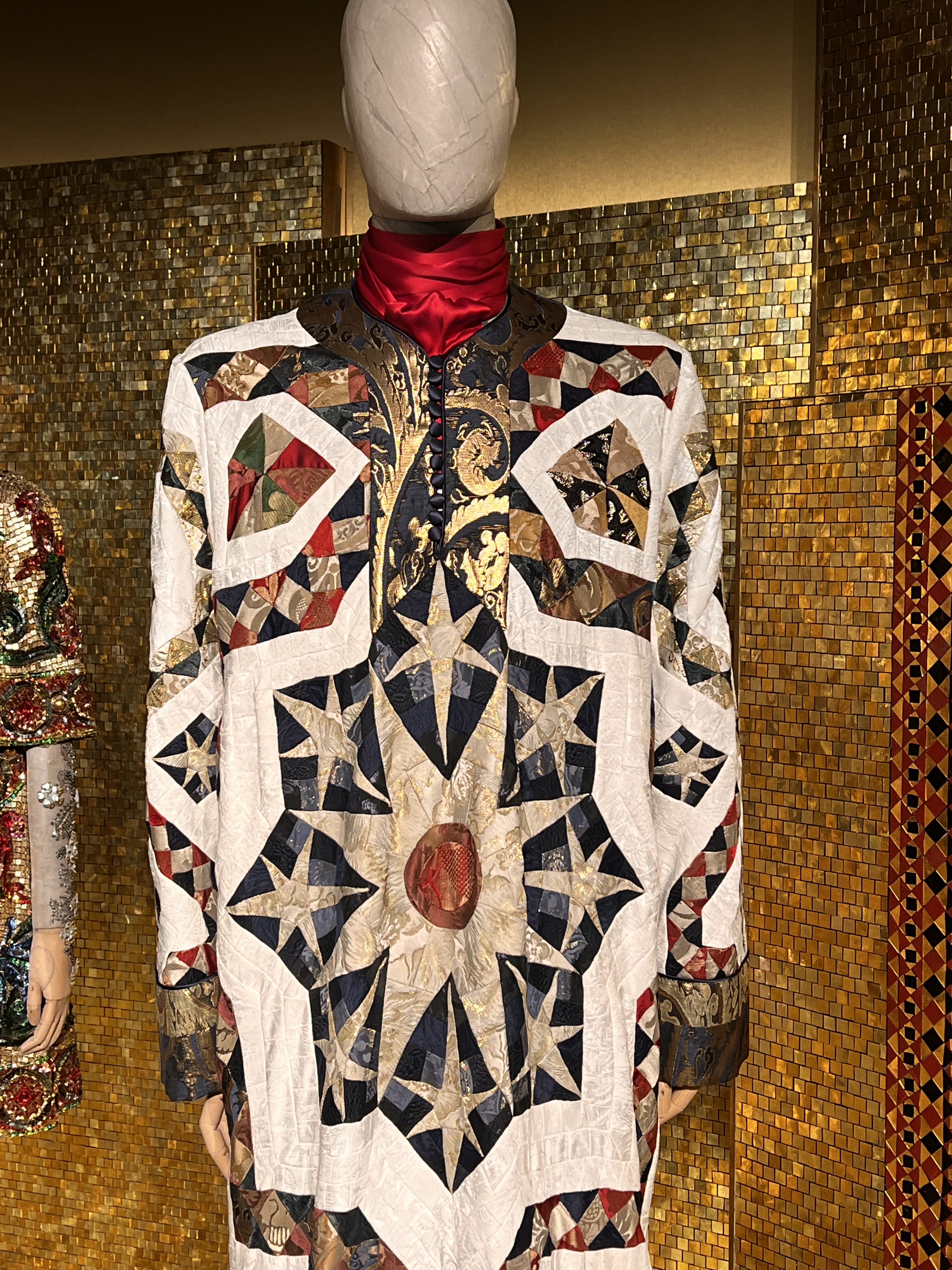
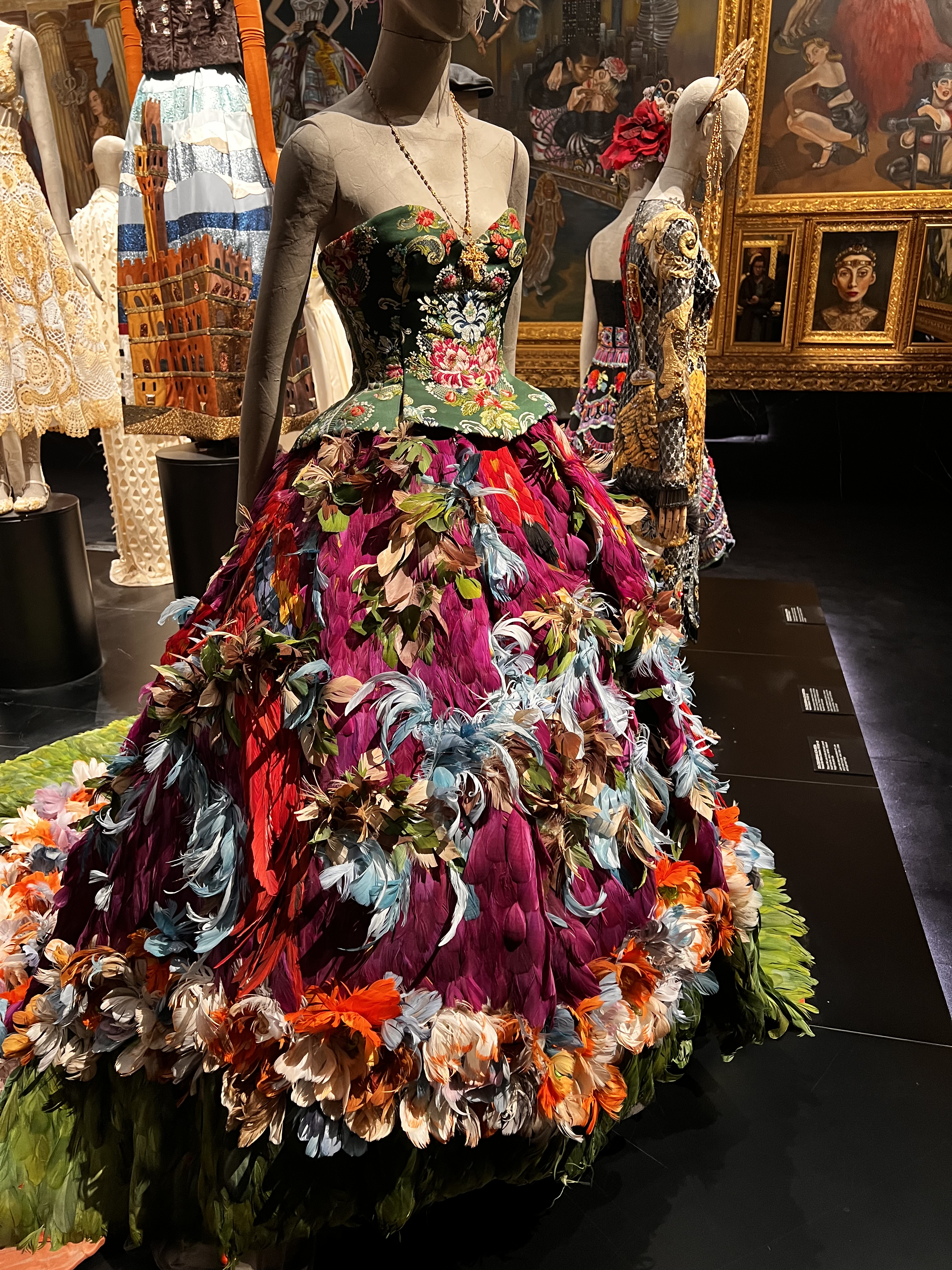
On the one hand, it’s true to say that the vast majority of what was on show was indeed clothing, in the sense that it’s in the form of sets of garments that people can wear. However, that turns out to be almost incidental: what Domenico Dolce et Stefano Gabbana are displaying in the “Alta Moda” in this exhibition is an array of works of art in different media, which happen to be in the shape that you can drape over a mannequin (or, presumably, the occasional supermodel or super-rich real person). And the beauty and craftsmanship embodied in those works of art is simply mind-boggling.

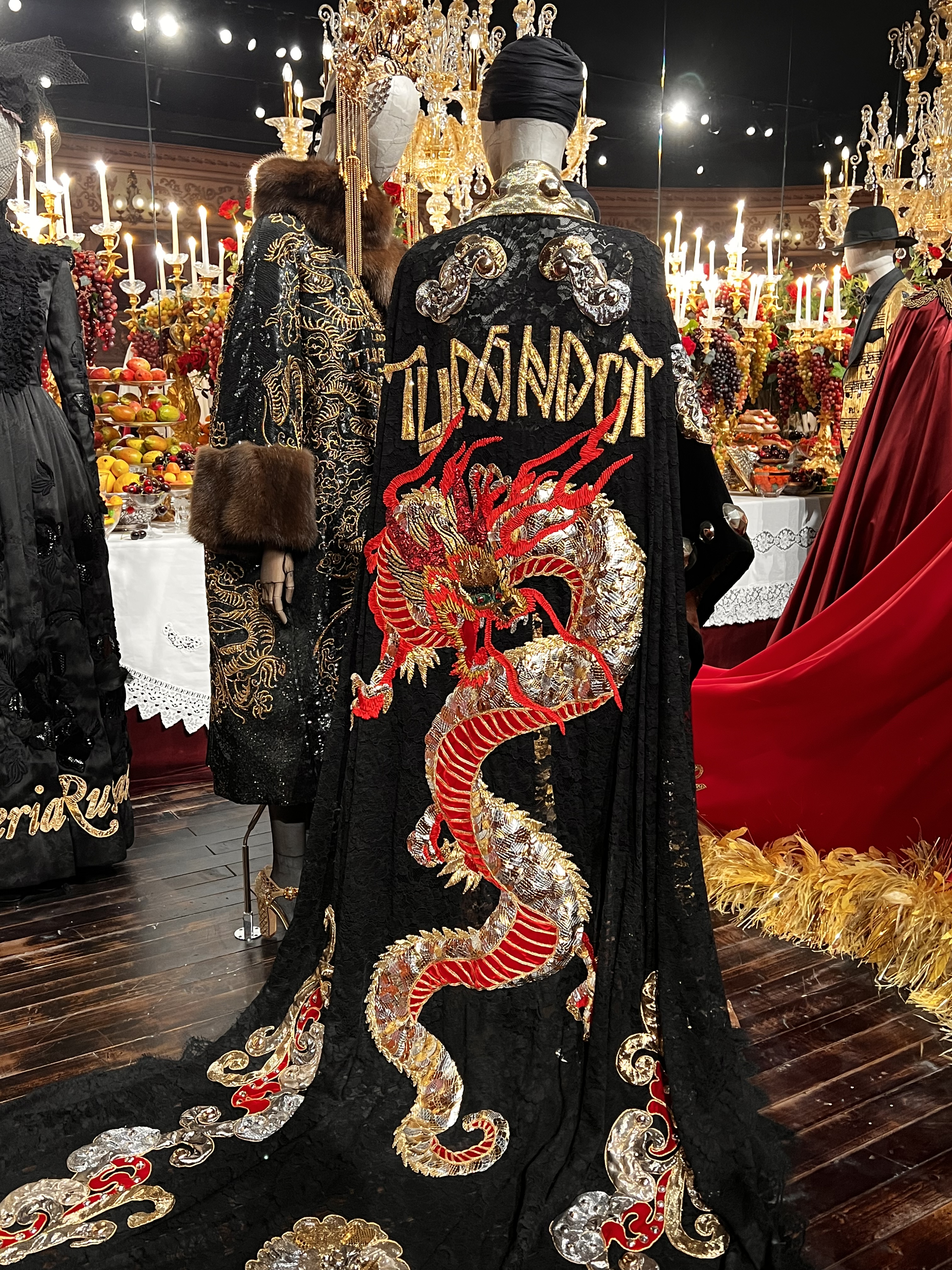
Apart from the obvious needlework and pleating, the art/craft forms in use include  tapestry (both woven and cross-stitch), printing, painting, metalwork and even glass-making. Dolce&Gabbana seem to be experts (or have experts on tap, anyway) on every one. The exhibition is mostly of the finished products, but it’s sprinkled with video of the artisans at work, so you can marvel at the skills on display as well as goggle at the garments that result.
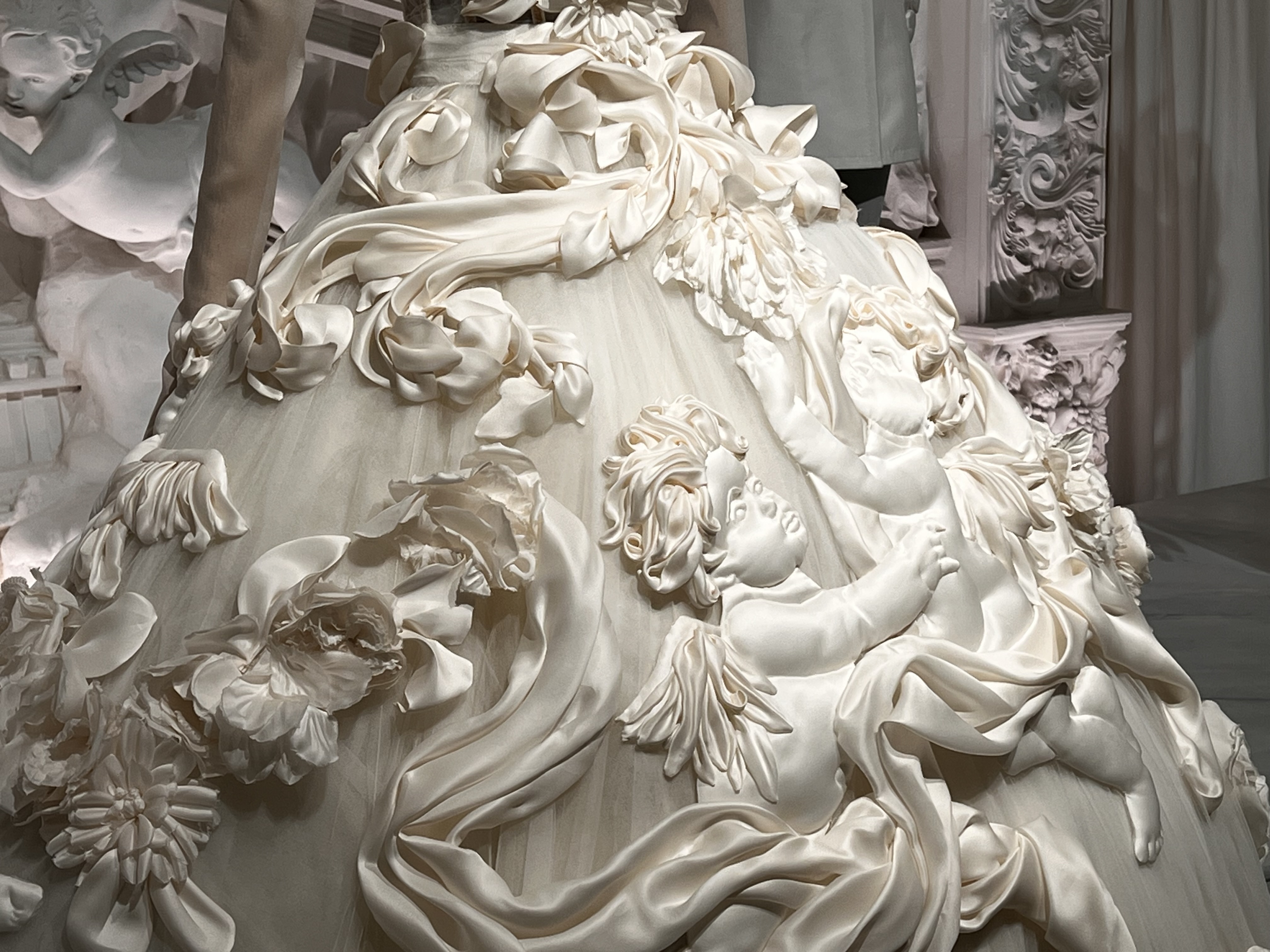
It helps that Dolce and Gabbana evidently share two obsessions of mine: opera and Sicily. You’re assaulted by everyone’s favourite opera highlights (Pavarotti singing Nessun dorma, Callas singing Casta diva, you get the idea) as soon as you’re in the exhibition, and it largely continues that way – but what really blew me away was some of the wearable versions of the posters for various famous premières at La Scala.

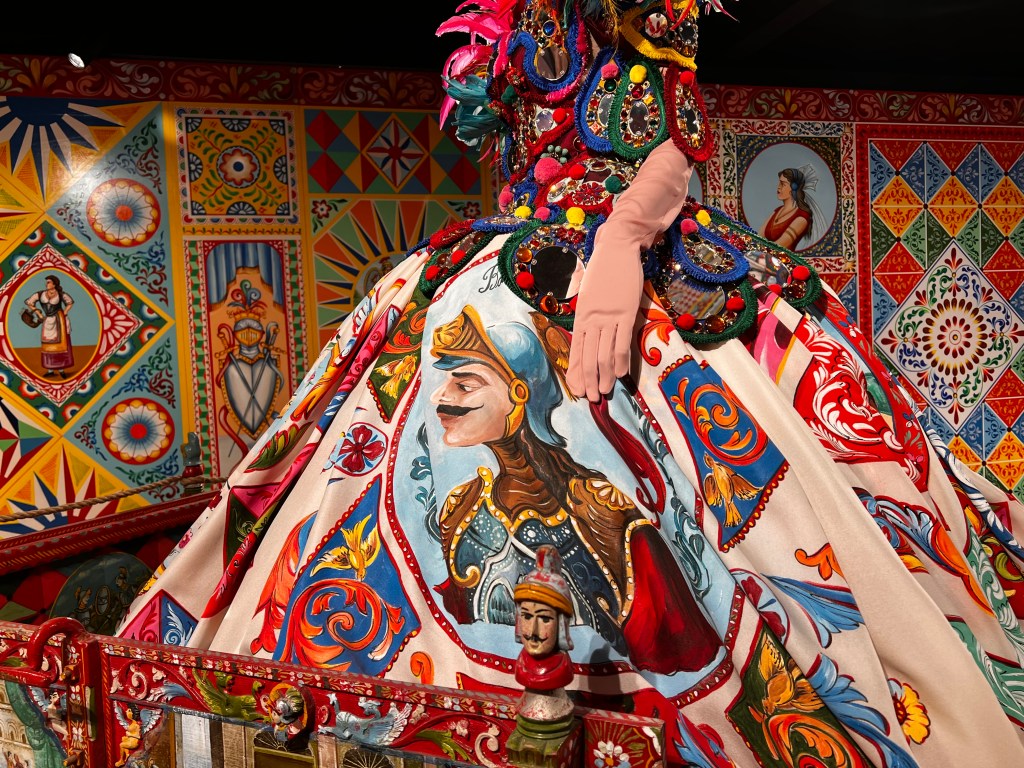
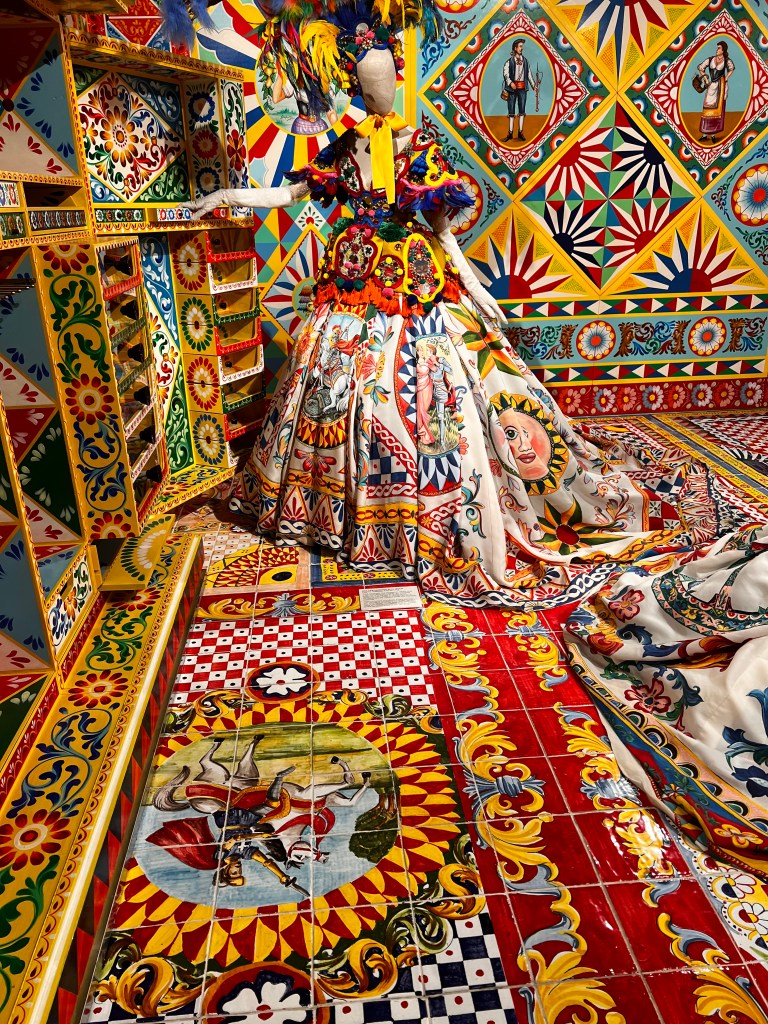
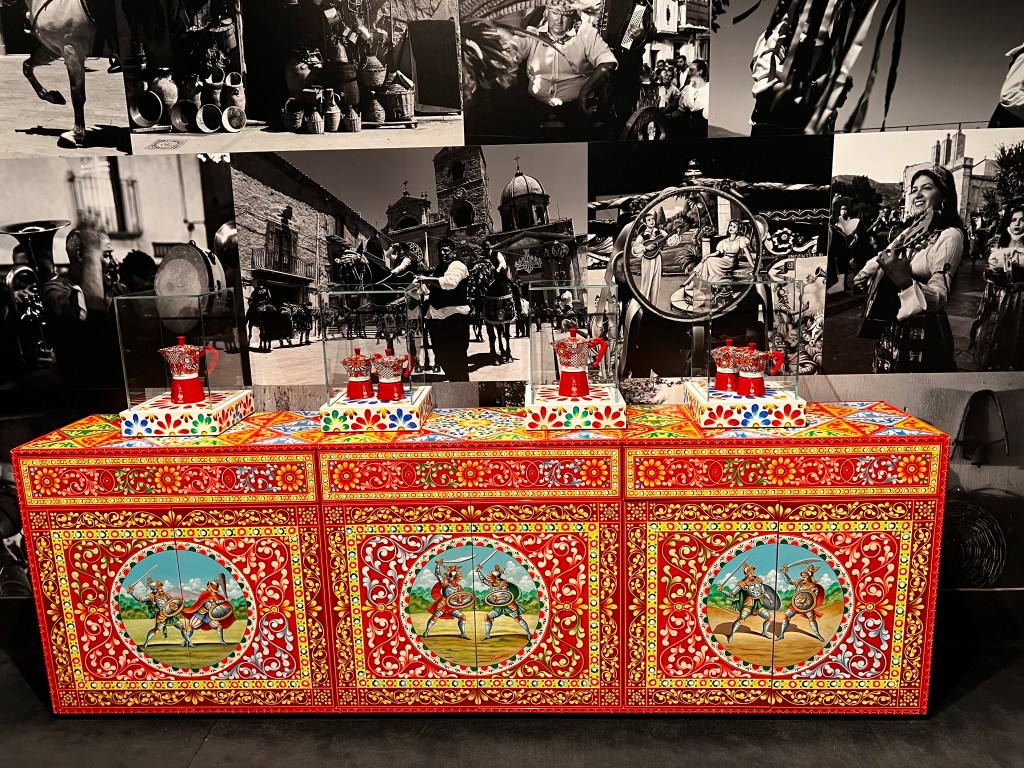
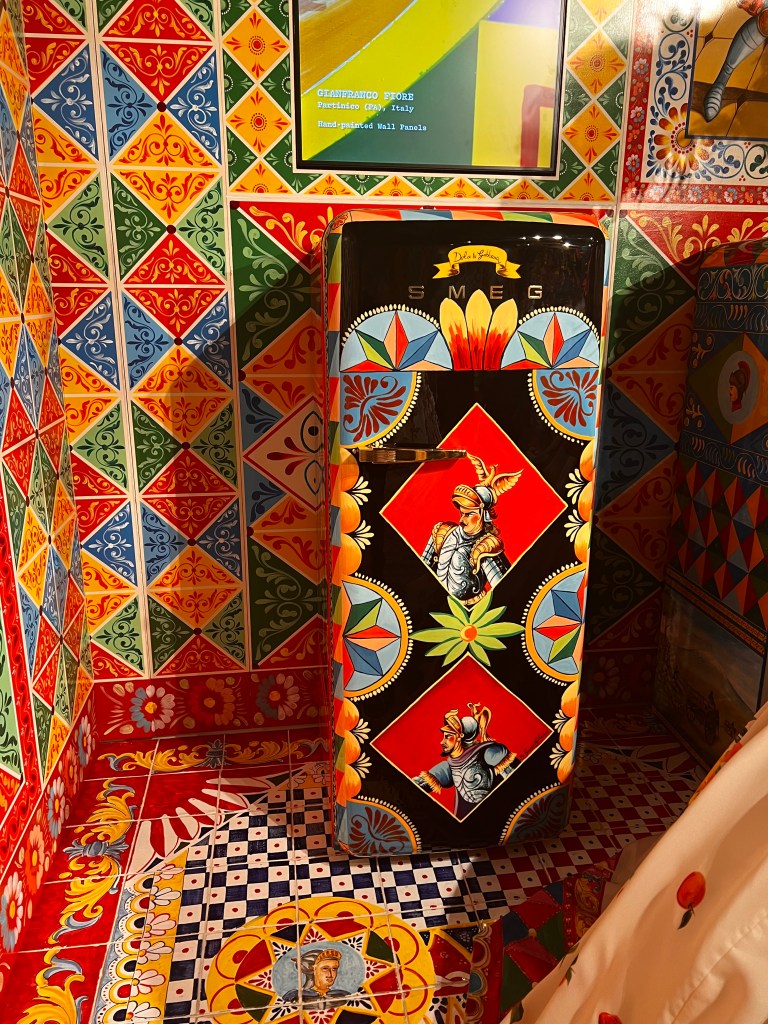
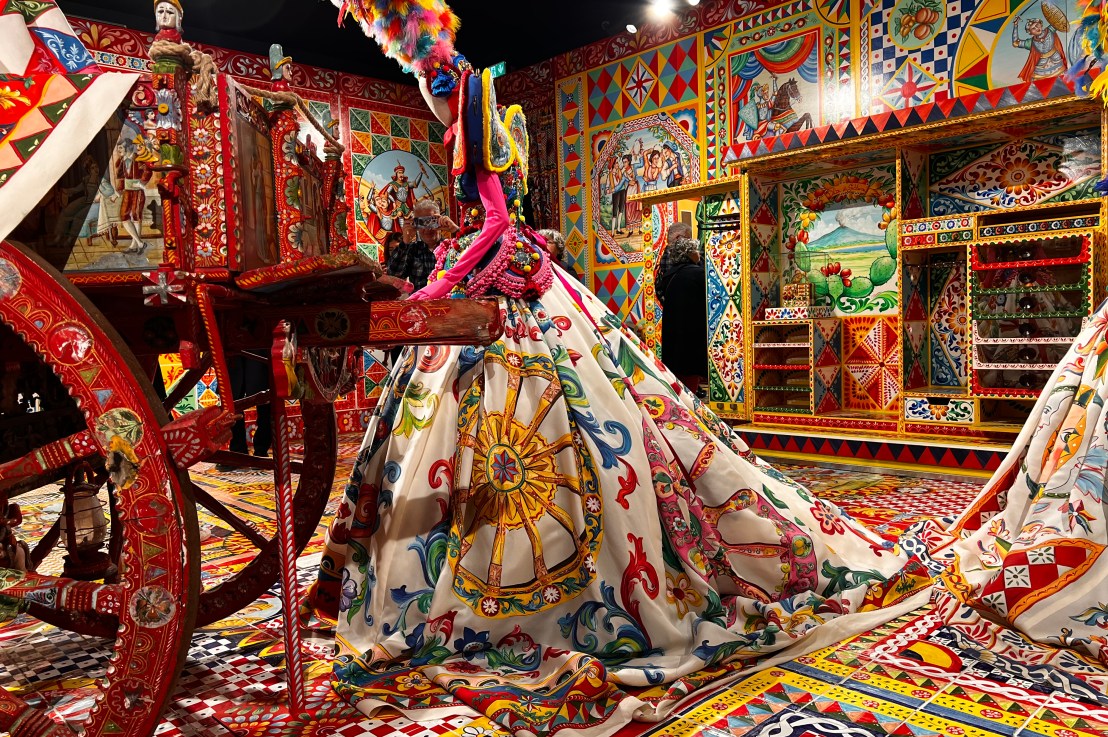
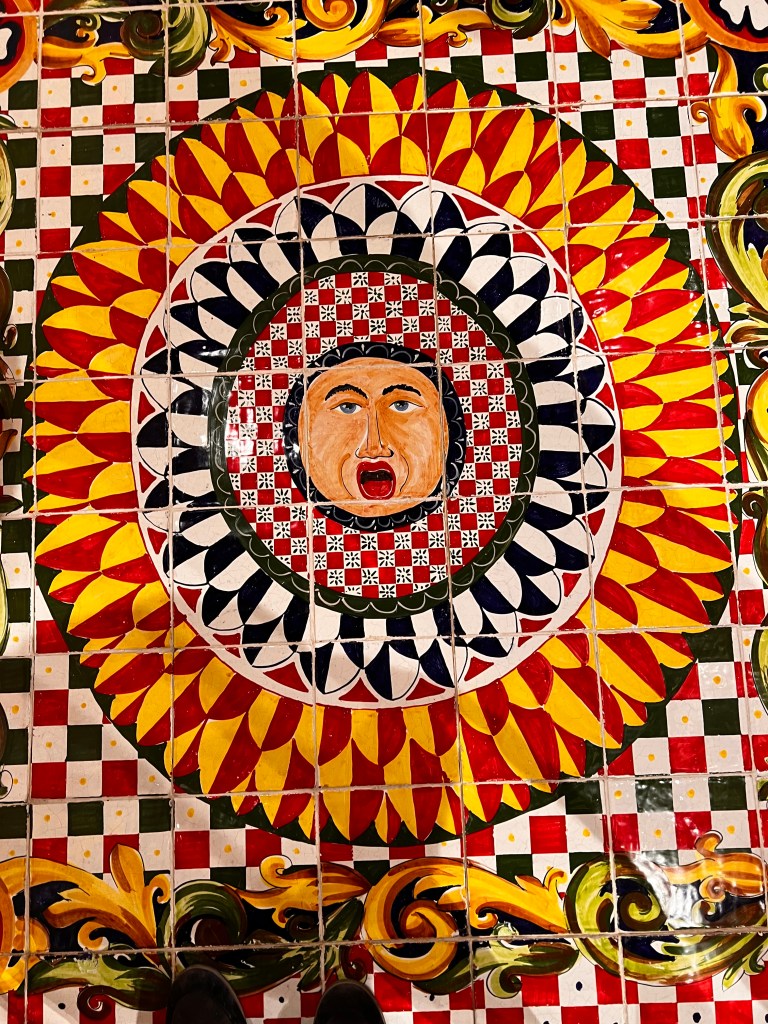
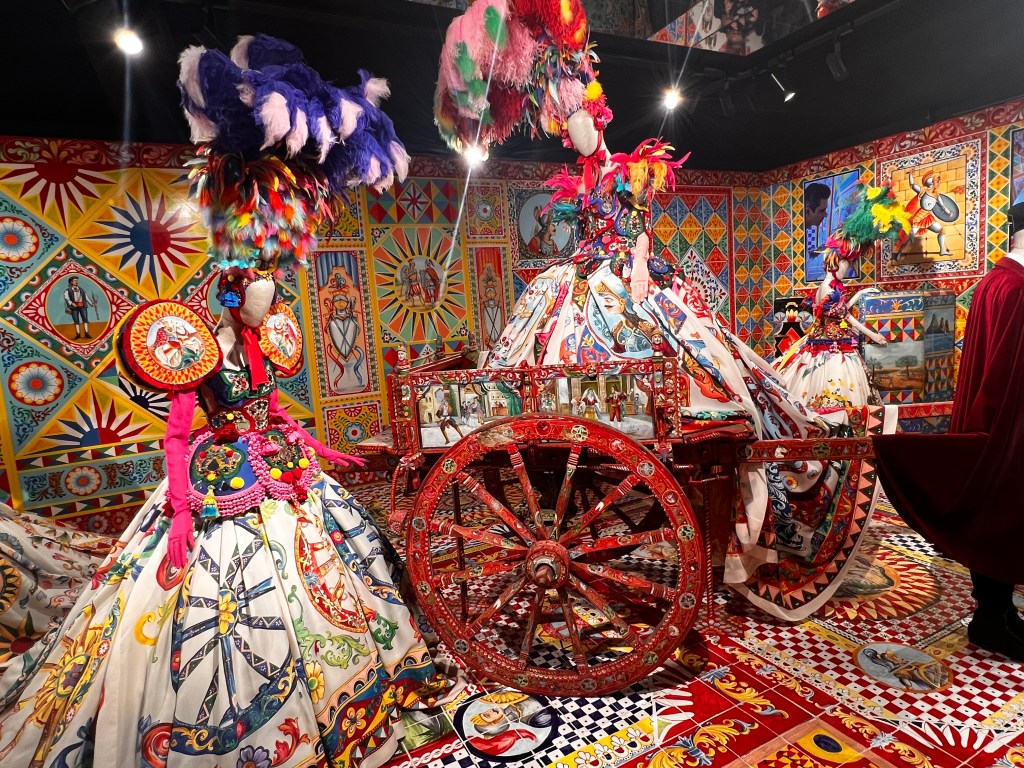
Two rooms were devoted to Sicily. The first was a modest antechamber with only a few garments but walls filled of black-and-white reportage photos of the island. That opened up into the brightest sunniest vista I’ve ever seen indoors: a blaze of Sicilian sunlight created by the boldest of colours. The themes I loved were the stories from Orlando Furioso – peerless knights, fair damsels, evil sorceresses and so on – that you’ll find in Sicilian puppet theatre, complete with a full size travelling cart that the puppeteers would have used to tour their show from village to village. And the brightness was applied to homewares as well as garments, with Smeg fridges as you’ve never seen them. (You could buy a gorgeously bedecked espresso pot if you wanted – not much else was on sale).
But back to that question that bothered me about coming to this show in the first place: would anyone really wear this stuff? And why? Are we just at a kind of massive craft fair where all the goods on show just happen to be people-shaped, or is this just providing a vehicle for oligarchs’ fantasies of what their wives and girlfriends should wear? I’ve rationalised a kinder answer – I don’t really know, of course – which is to consider professionals where the way you look really is a key part of the product (I’m thinking Lady Gaga or Margot Robbie, let alone models like Agel Akol or Bella Hadid). In that category, if you’re going out to a big occasion where you know the paparazzi will be out in force, then wearing something utterly individual and striking isn’t just a matter of vanity or self-indulgence, it’s simply good business. Even if you feel like you’re walking around in something that should really be in a museum. Like the Grand Palais.

By the time I get this posted, you’ll missed the Paris version of this show, but the exhibition will then be travelling to other cities “on a world tour”. Even for a non-fashion-lover like me, I think it’s worth the trip.
Springtime in Paris: the bakeries of Belleville

Springtime in Paris: the bakeries of Belleville

When people think about Paris, the top things they think about are the landmarks (the Eiffel Tower, the Arc de Triomphe and so on), the great public buildings (the Louvre, the Opera),  and the cafés and restaurants. But there’s one aspect of Paris that isn’t necessarily on everyone’s list: the place is a baker’s paradise.

We’re currently on a two-month stay in Paris. Rather than being in a standard tourist area, the apartment we’ve rented is somewhat north-east of the city centre in Belleville, made famous by Sylvain Chaumet’s wonderful animated film Belleville Rendezvous (aka The Triplets of Belleville). It’s an ethnically mixed residential area, with a large population of North African origin as well as a lot of Chinese and Vietnamese mixing with the white population. Our apartment is on the Rue du Faubourg du Temple between Belleville and République metro stations. In the course of that one kilometre stretch, without going into the side streets, I counted fourteen bakeries of different kinds. Most of them are places I’d be more than happy to patronise near my home; the best are utterly outstanding.

Here’s a little guided tour – in no particular order (and not geographically).

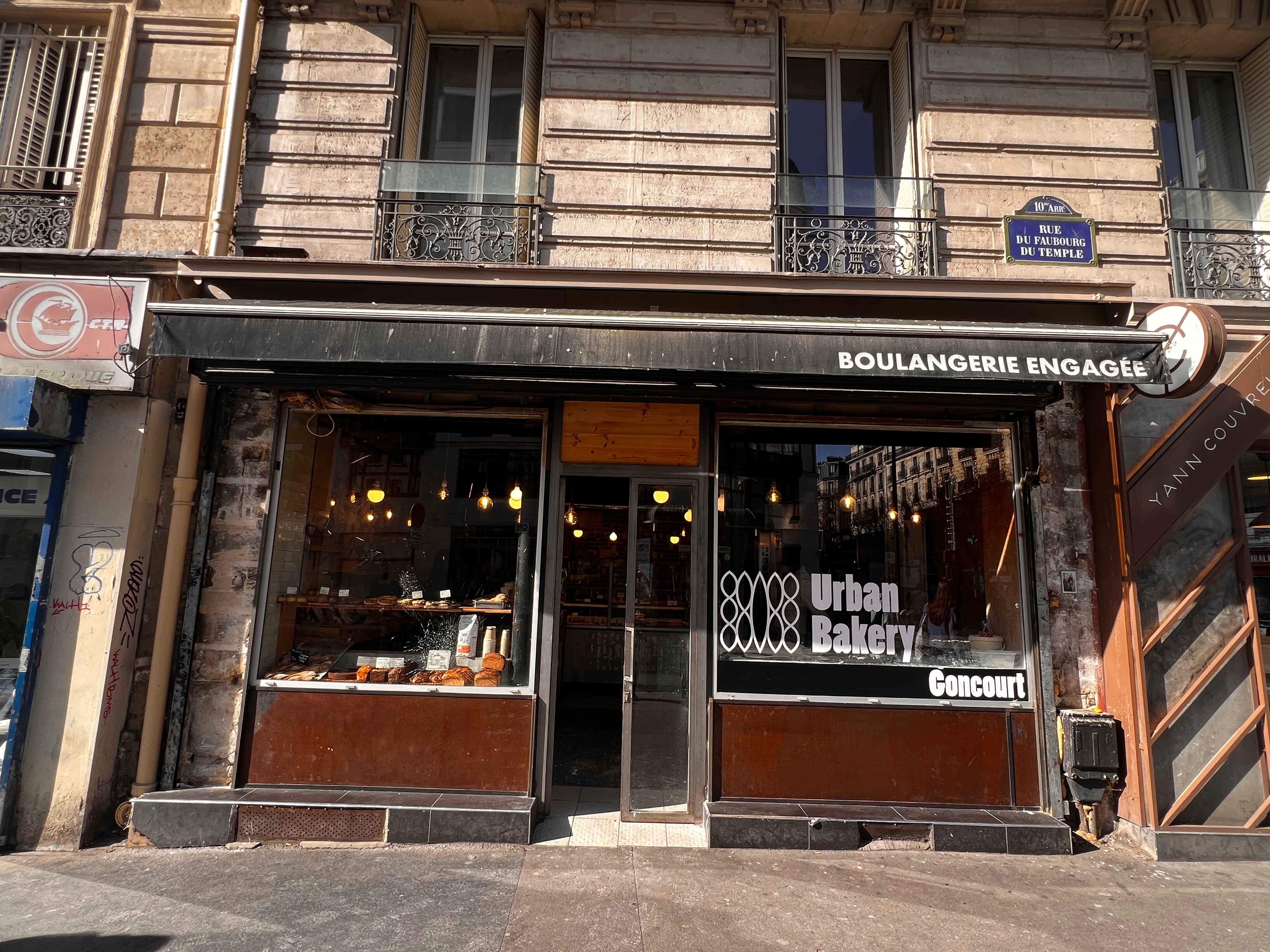
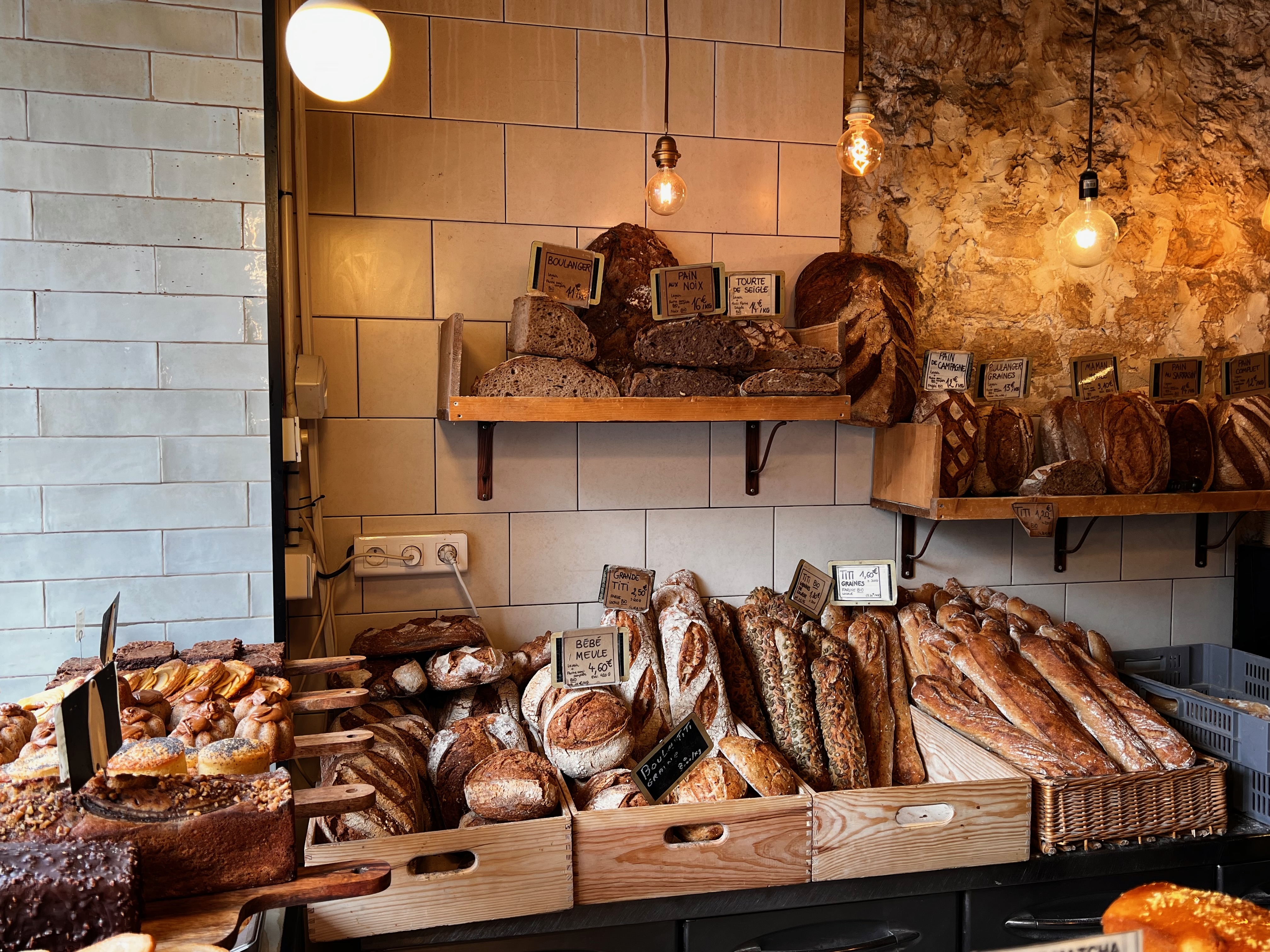
The most outstanding bread so far came from next to Goncourt metro: the Urban Bakery Goncourt, a branch of a small chain, with ten shops across Paris, which descibes itself as a “Boulangerie Engagée”. They do a wide selection of breads with different grains – rye and buckwheat as well as standard wheat – which  simply burst with flavour.

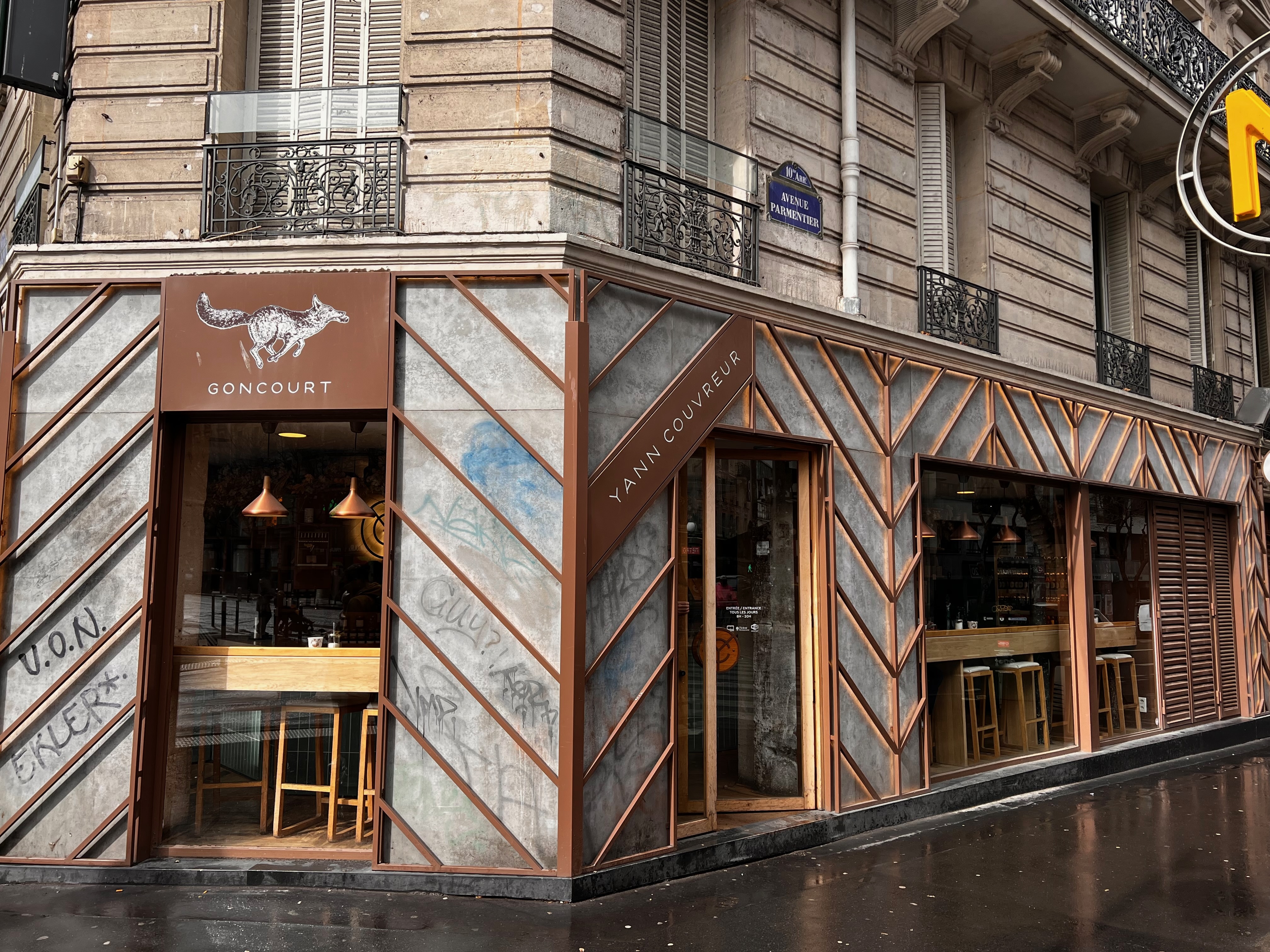
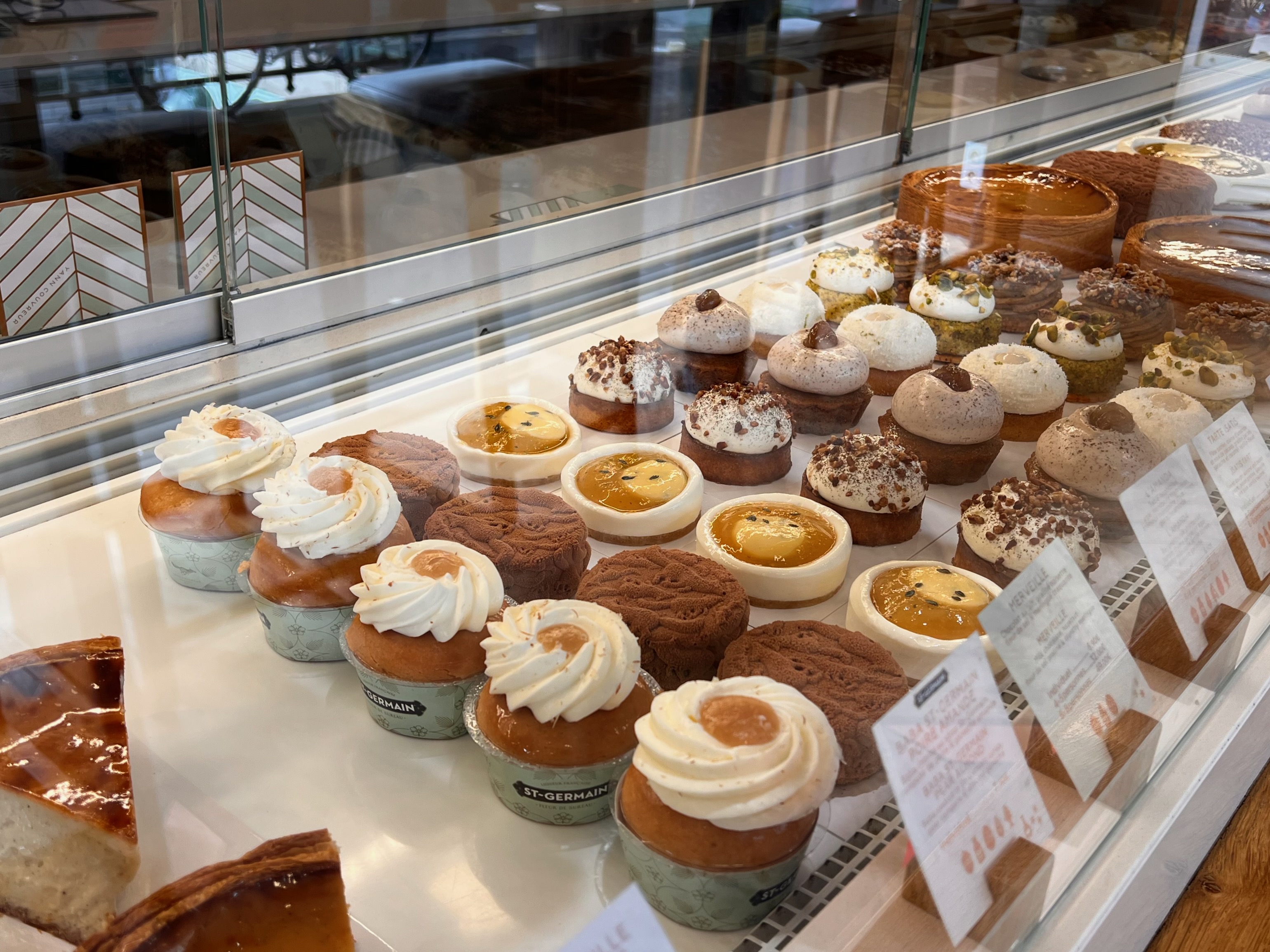
The Urban Bakery does some pâtisserie, though bread is clearly its main focus. However, it’s next door to Yann Couvreur, which doesn’t do bread but does uber-posh, innovative pâtisserie (at eye-watering prices, one has to admit). Couvreur is a famous pastry chef who also has branches in the Marais and in the main Galeries Lafayette, plus a café in town.

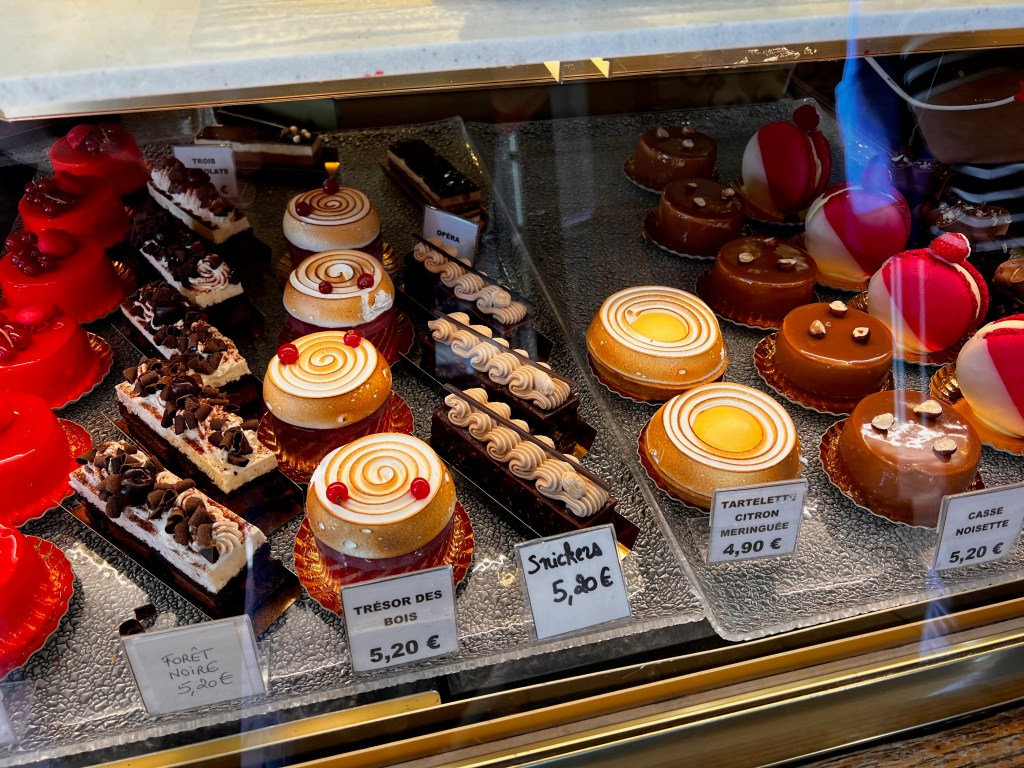
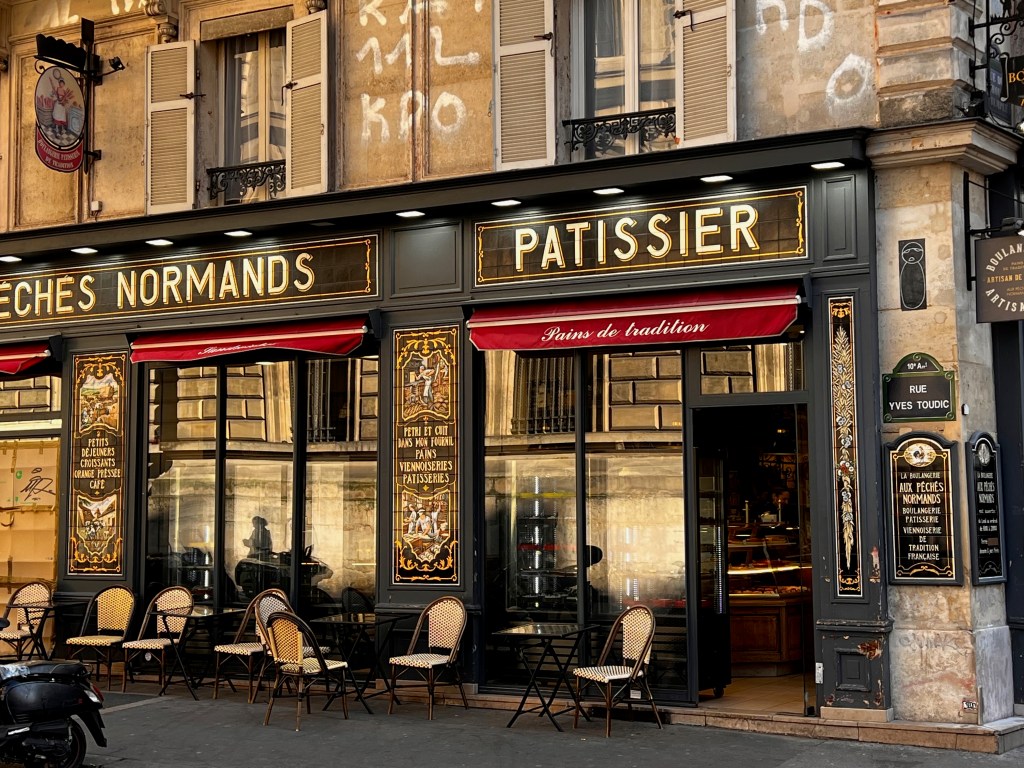
Nearer to République, Aux Péchés Normands does great bread and fabulous croissants and pastries, if perhaps not quite up to the refined levels above. But I can attest that their lemon meringue tartlets are a thing of beauty.

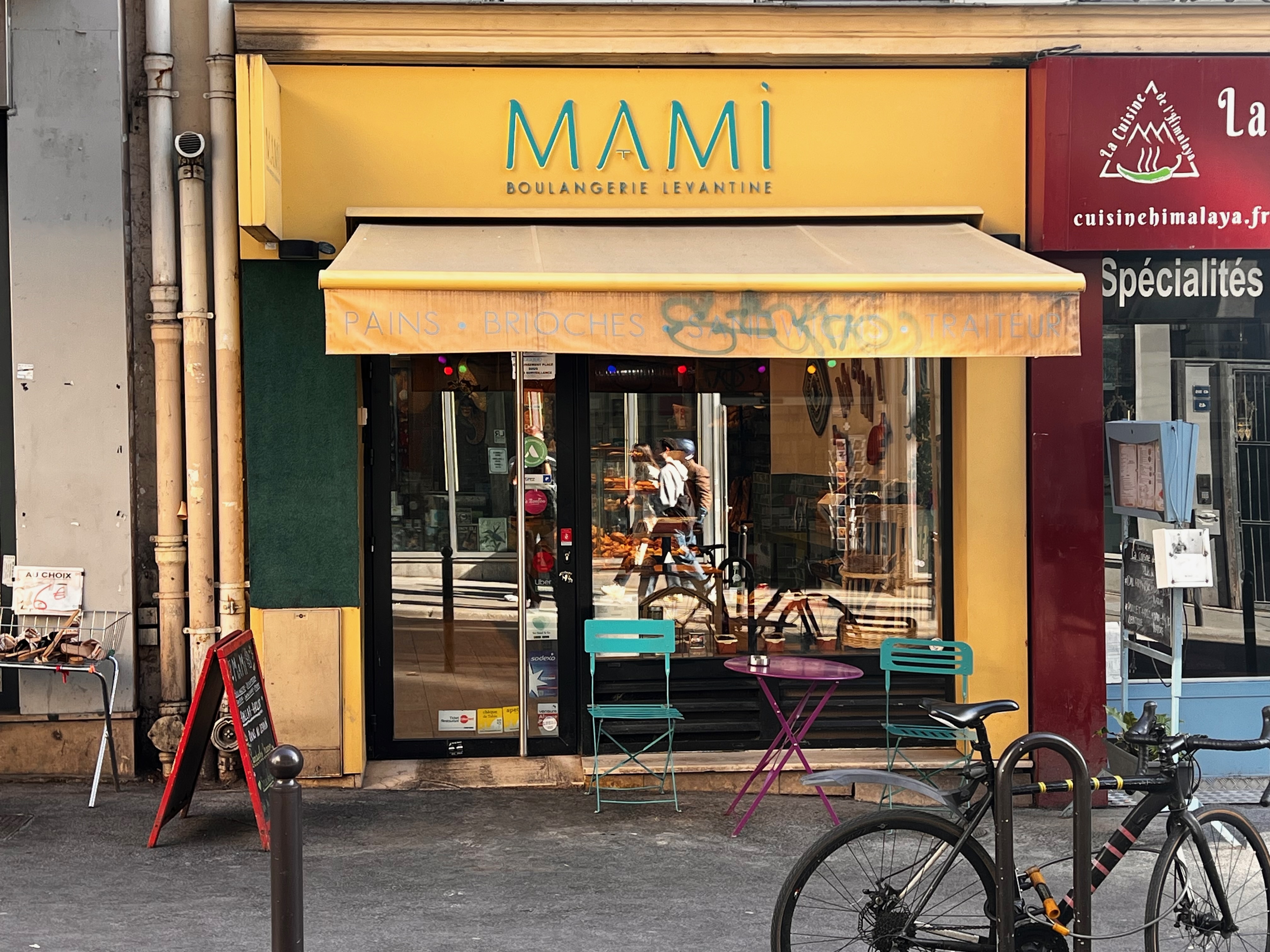
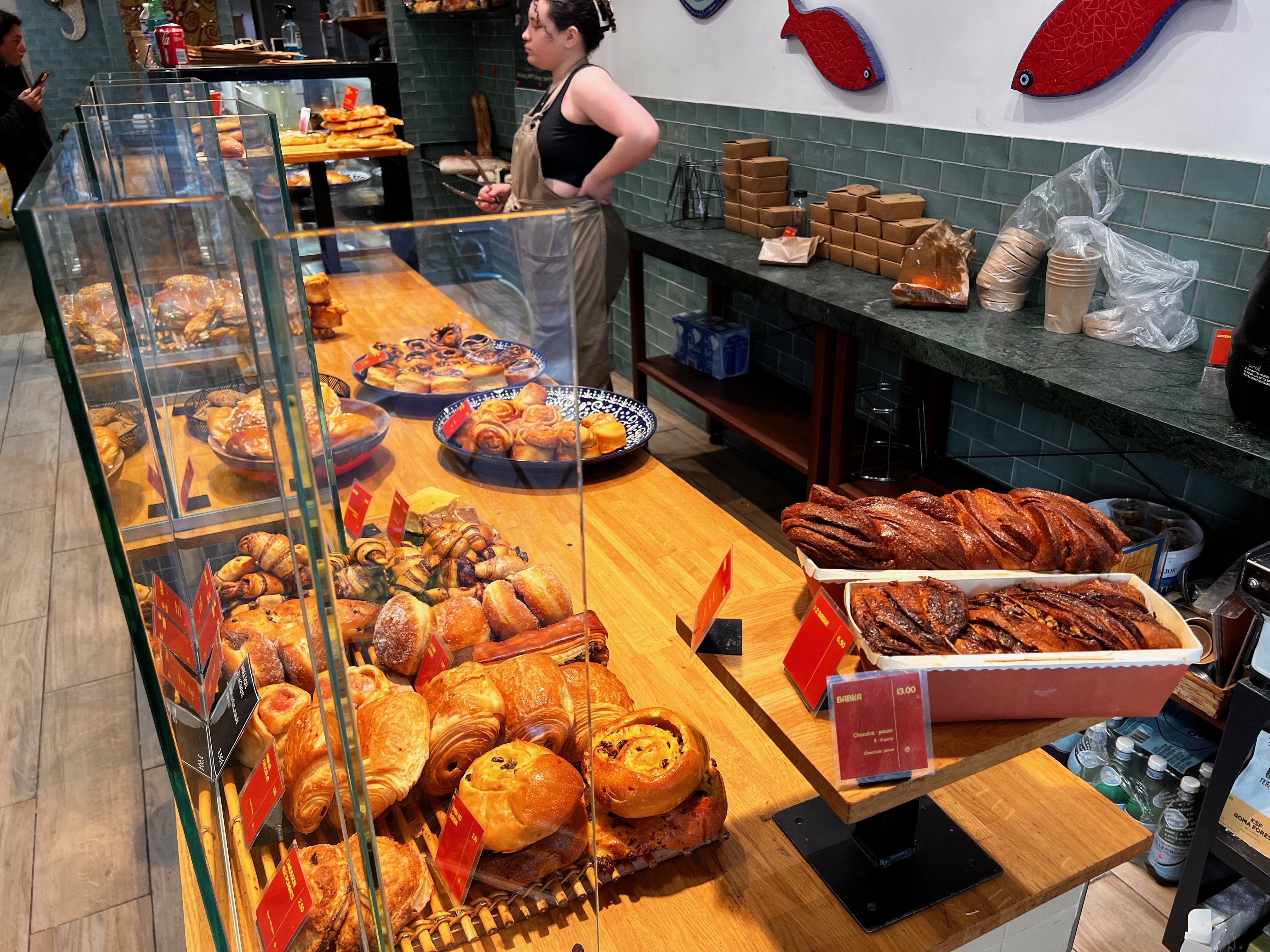
The really unexpected one was Mami, which describes itself as a “Boulangerie Levantine”. Taking its inspiration from all things Jewish and Middle Eastern, it has mouth-watering Babkas and a variety of Challahs, including a Za’atar-flavoured Challah, which is something I’ve never seen before but is quite delicious.

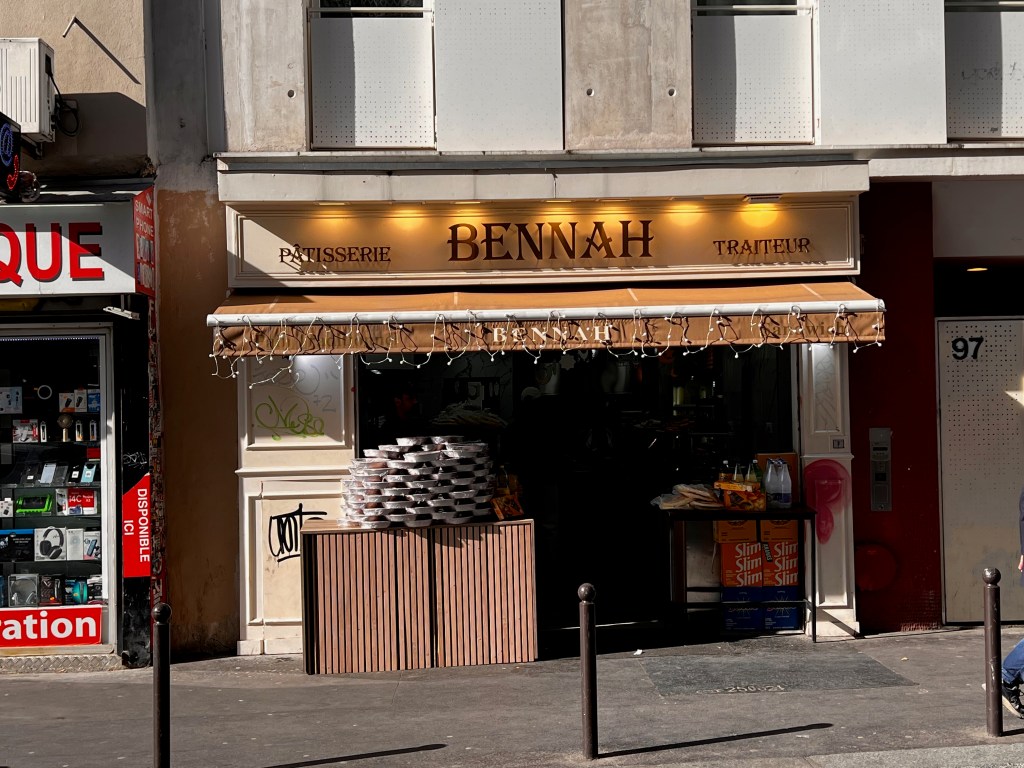
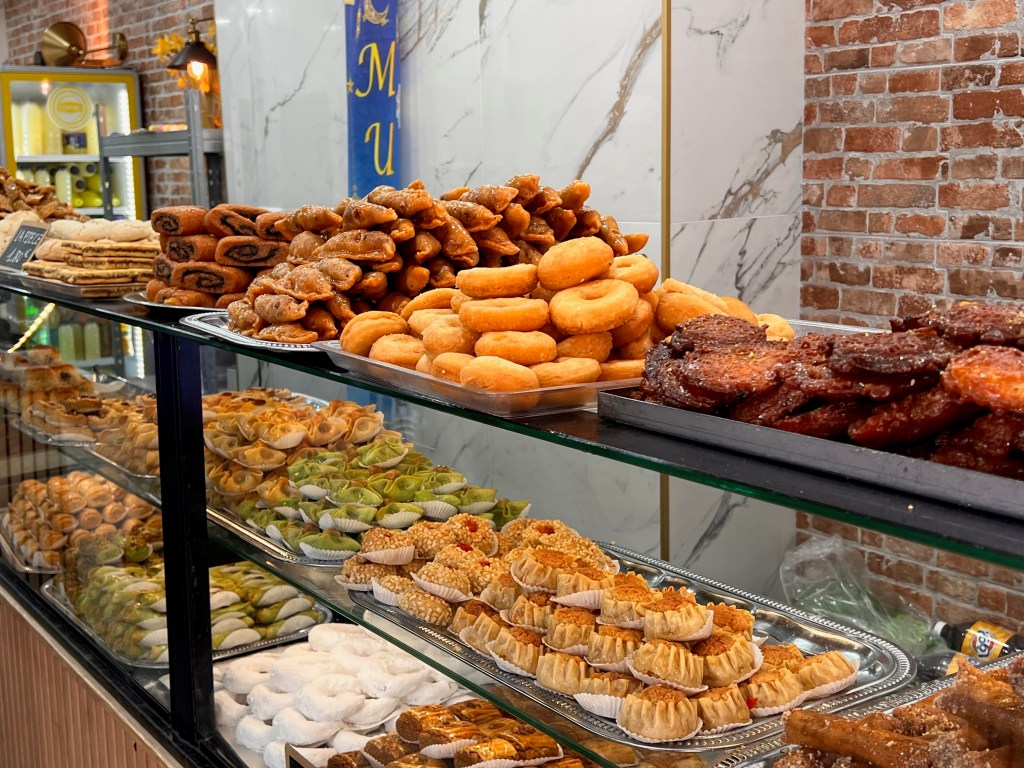
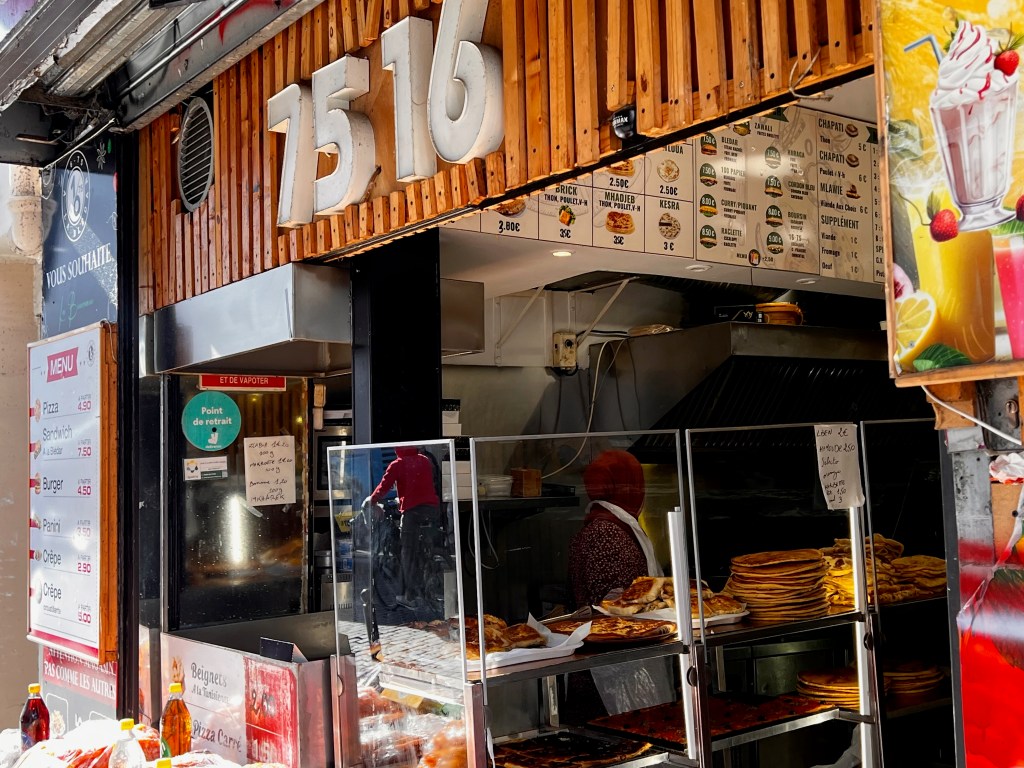
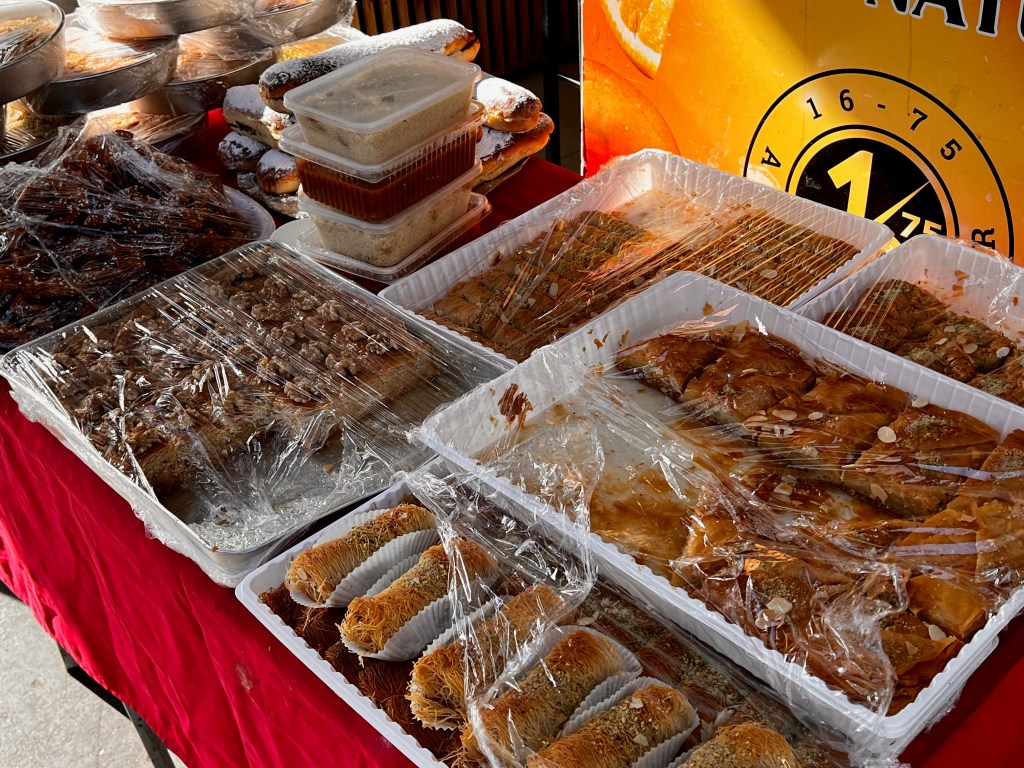
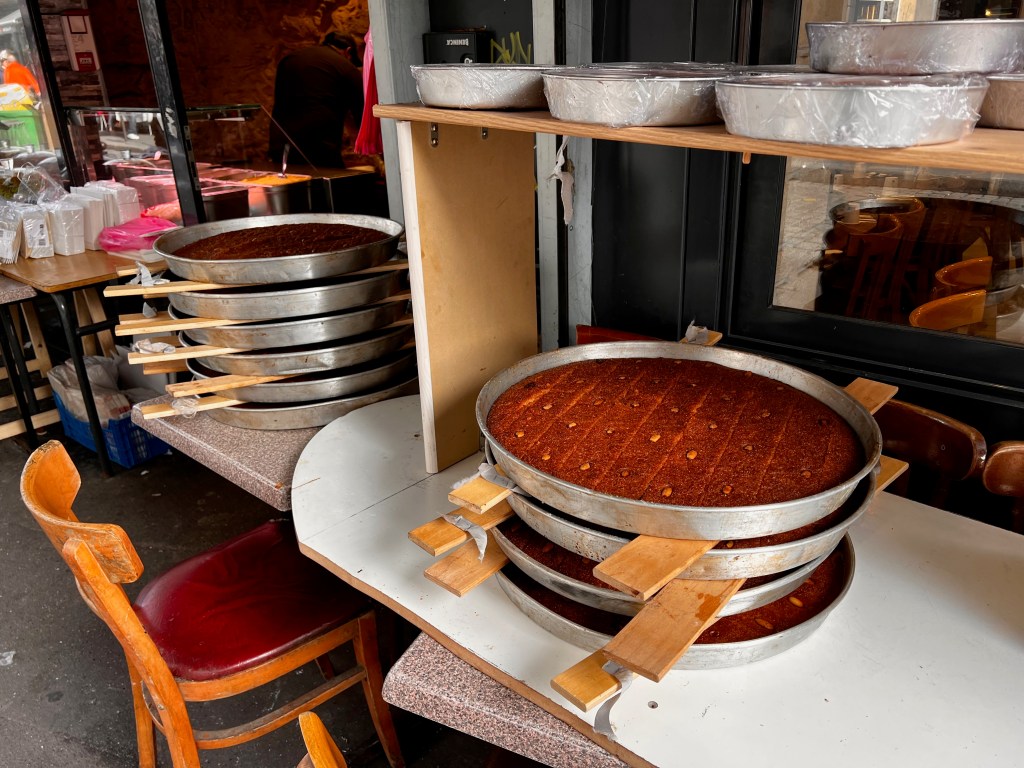
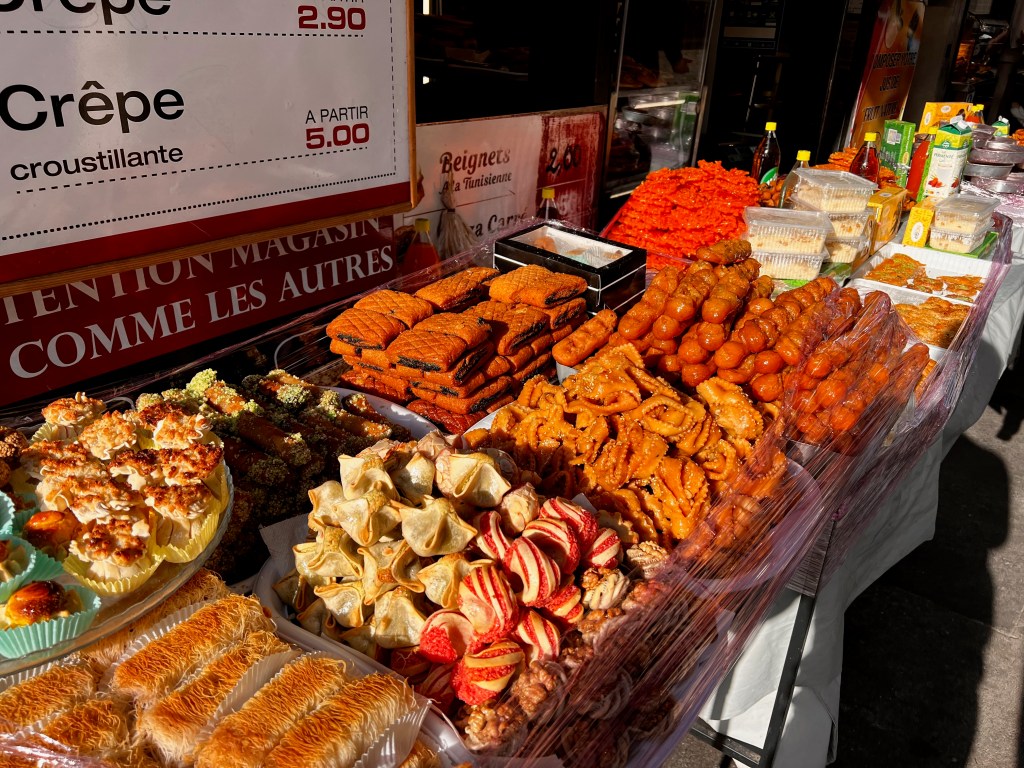
The area has many North African inhabitants (particularly Tunisians, it seems to me), resulting in the presence of many shops specialising in Arab and Maghrebi breads, sweets and pastries. It’s Ramadan at the moment, so every evening, there are vast arrays of goodies stacked on trestle tables outside the shops, which  wolfed down when the fast ends at sunset (to be fair, they also seem pretty busy through the day from both Muslim and non-Muslim shoppers). The one that seems permanently rammed is called Bennah – I took photos of three others and I probably missed a few.

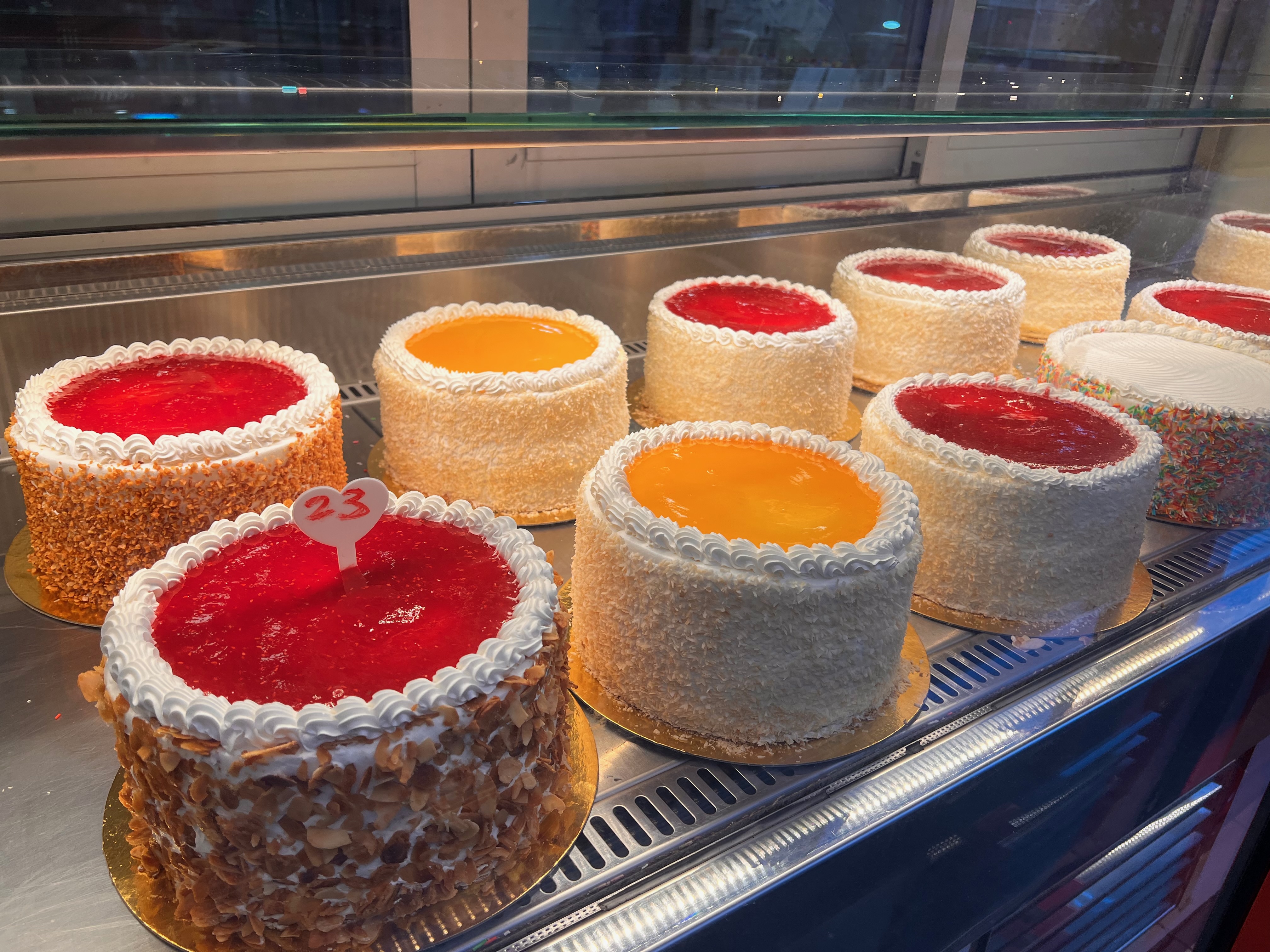
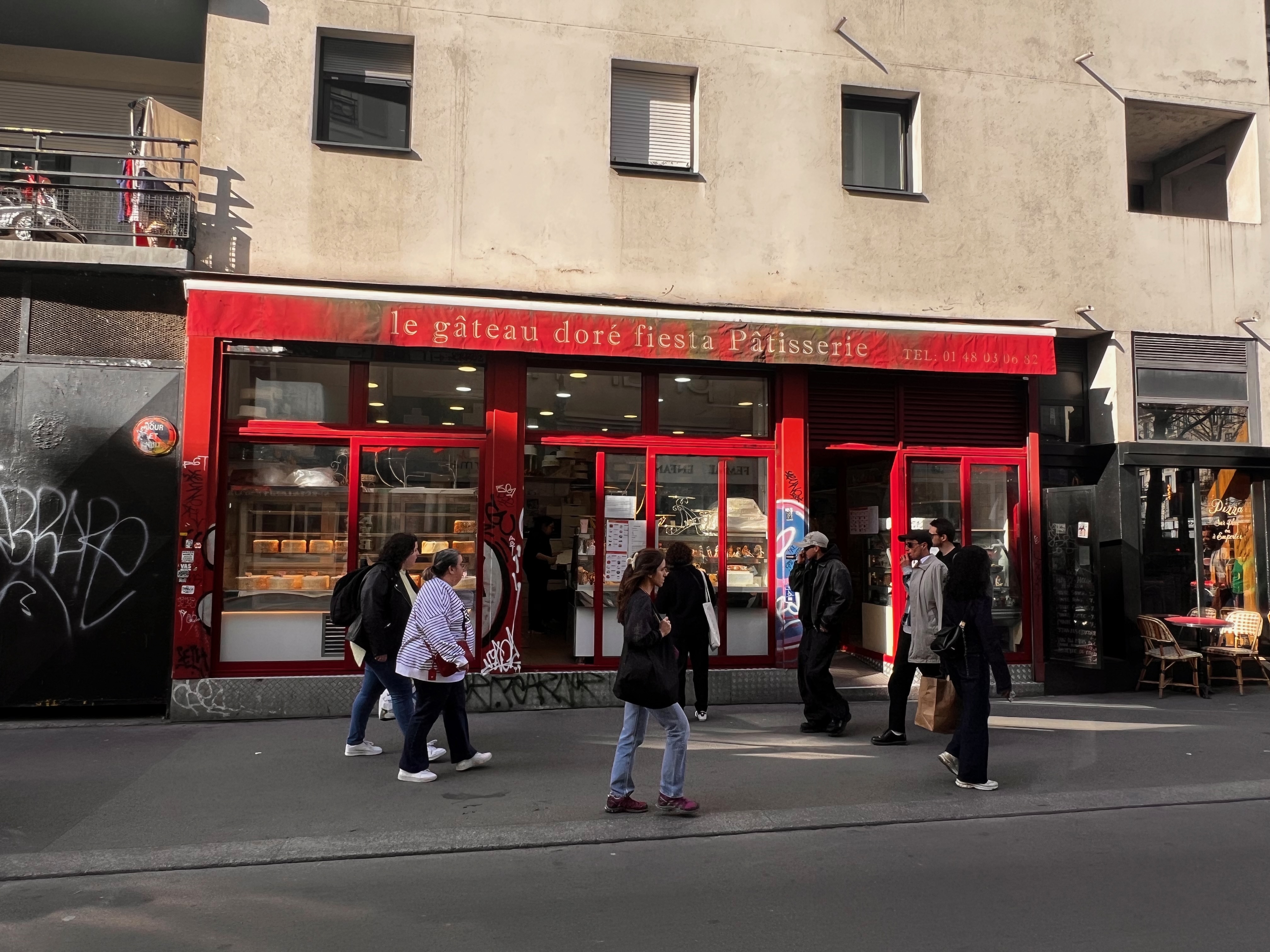
For something completely different, there’s Le gâteau doré fiesta Pâtisserie. It’s a cake shop which sells large cakes for birthdays and other events, apparently in large volumes. Its unusual feature, however, which has led me to dub it the “pornographic cake shop” is the array of scantily-clad plastic women in the window, waiting to adorn the birthday cake of your fantasies. (To be fair, there are also more conventional figures of brides and grooms, furry animals, national flags and so on).

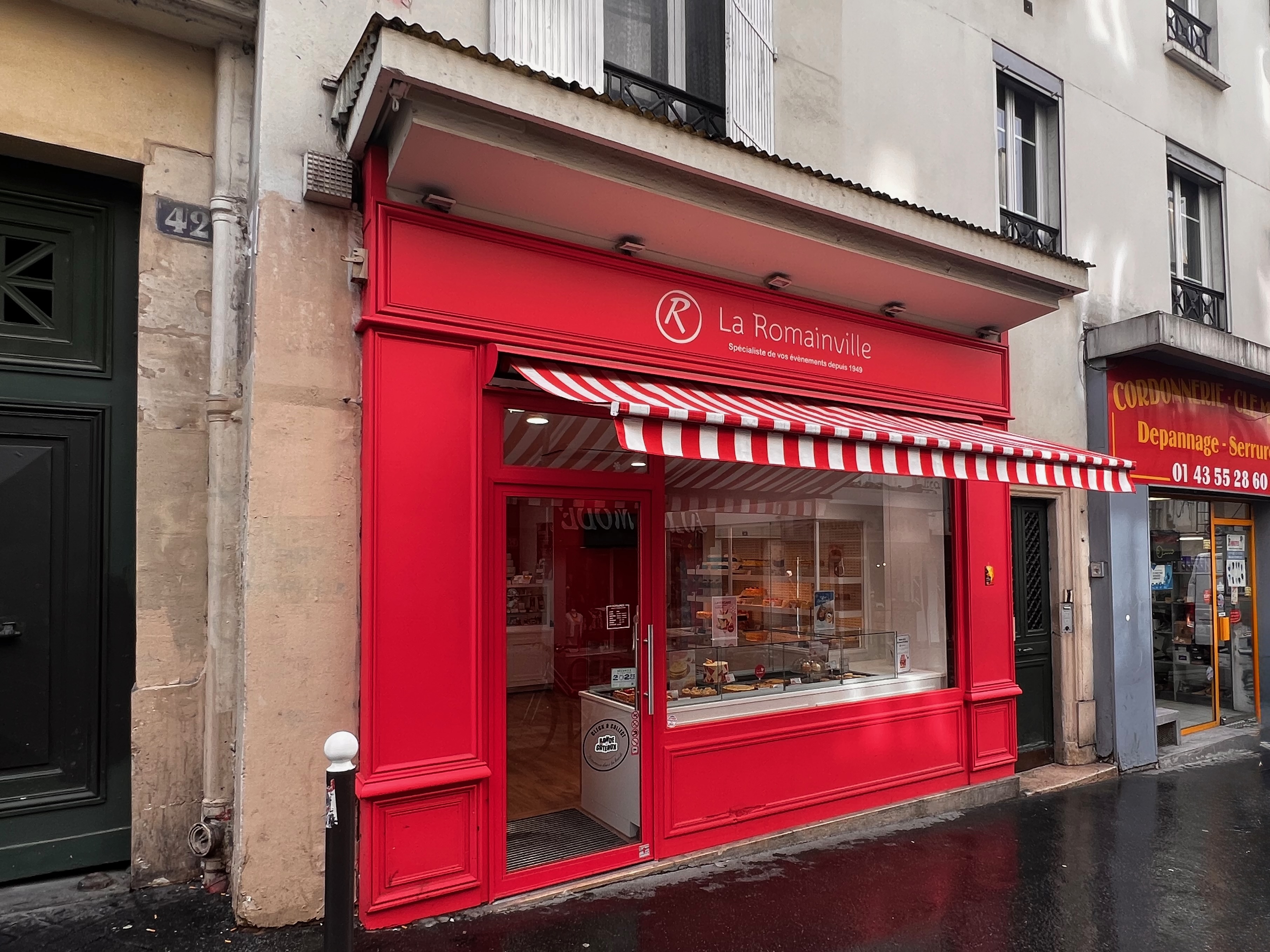
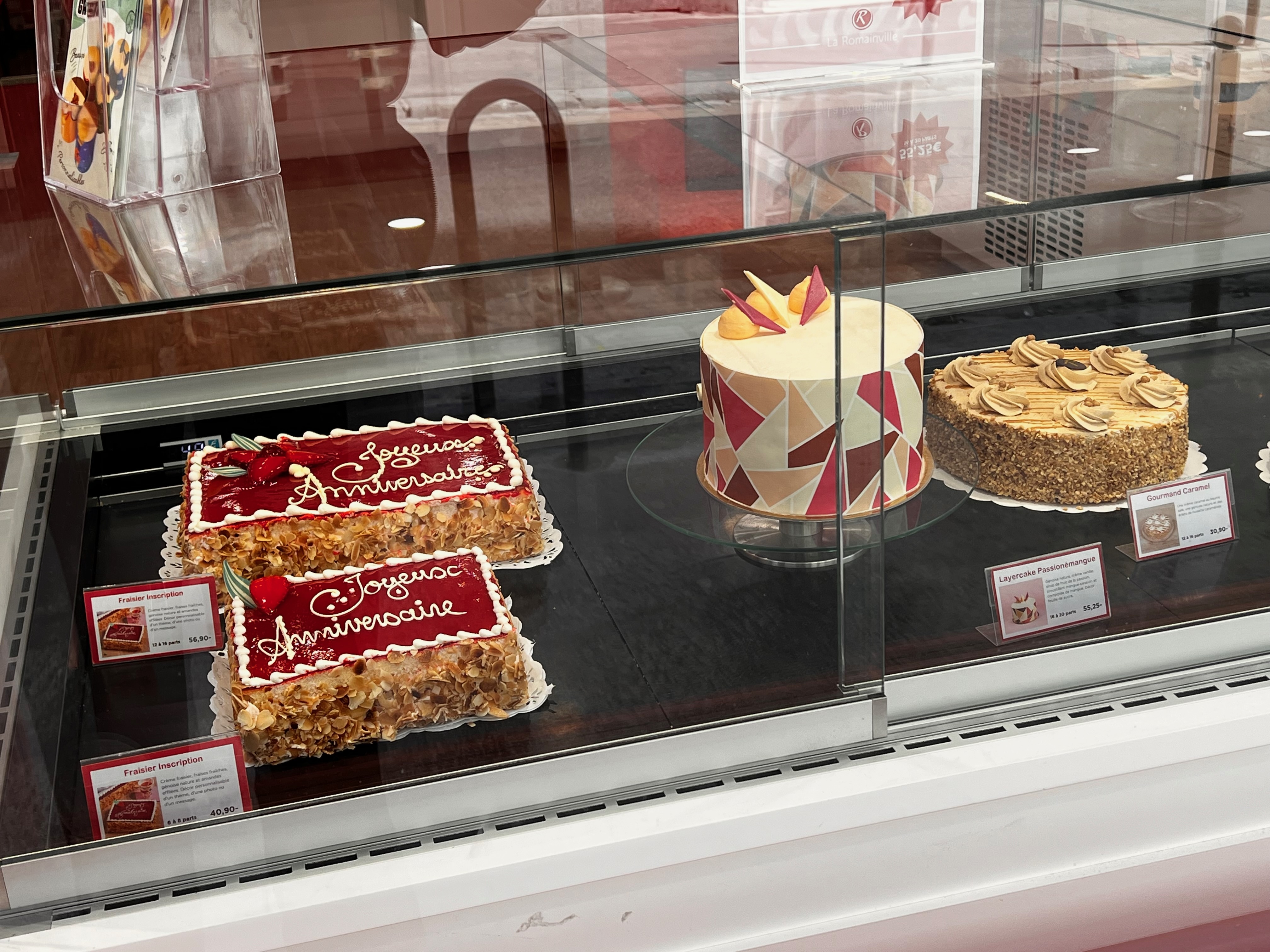
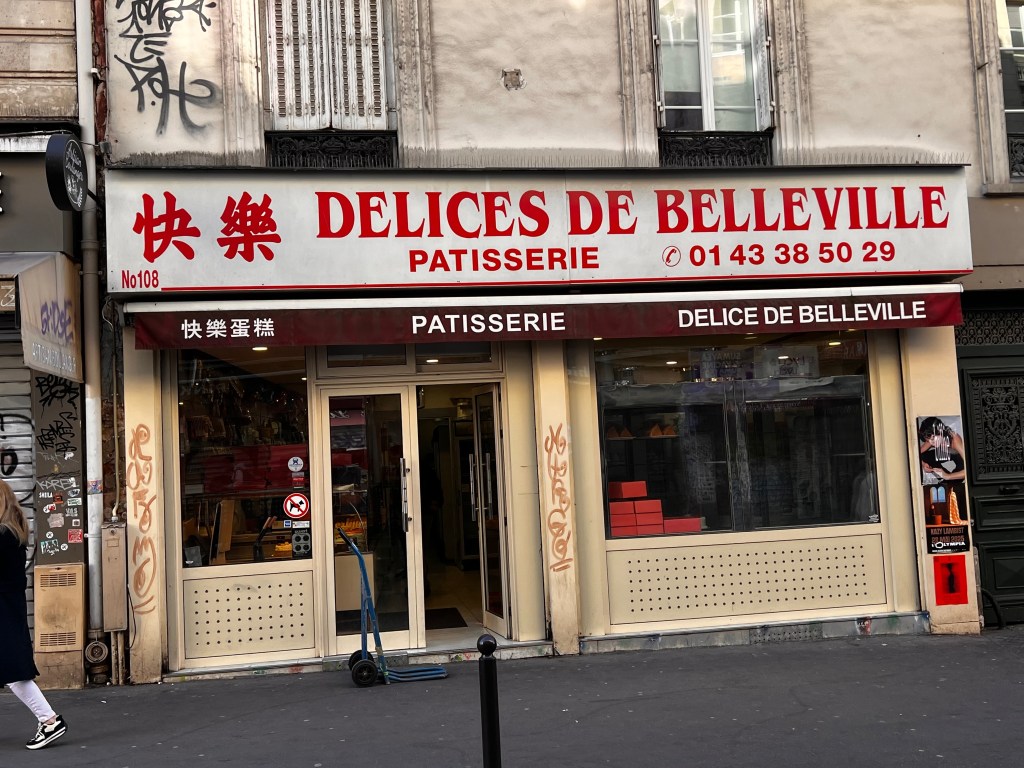
On the other side of the road from Le gáteau doré is a more demure looking (and possibly more upmarket) shop specialising in cakes for events, the Pâtisserie La Romainville. Another cake shop – the one nearest us, Délices de Belleville – is also labelled with the Chinese characters for “happy cake”.

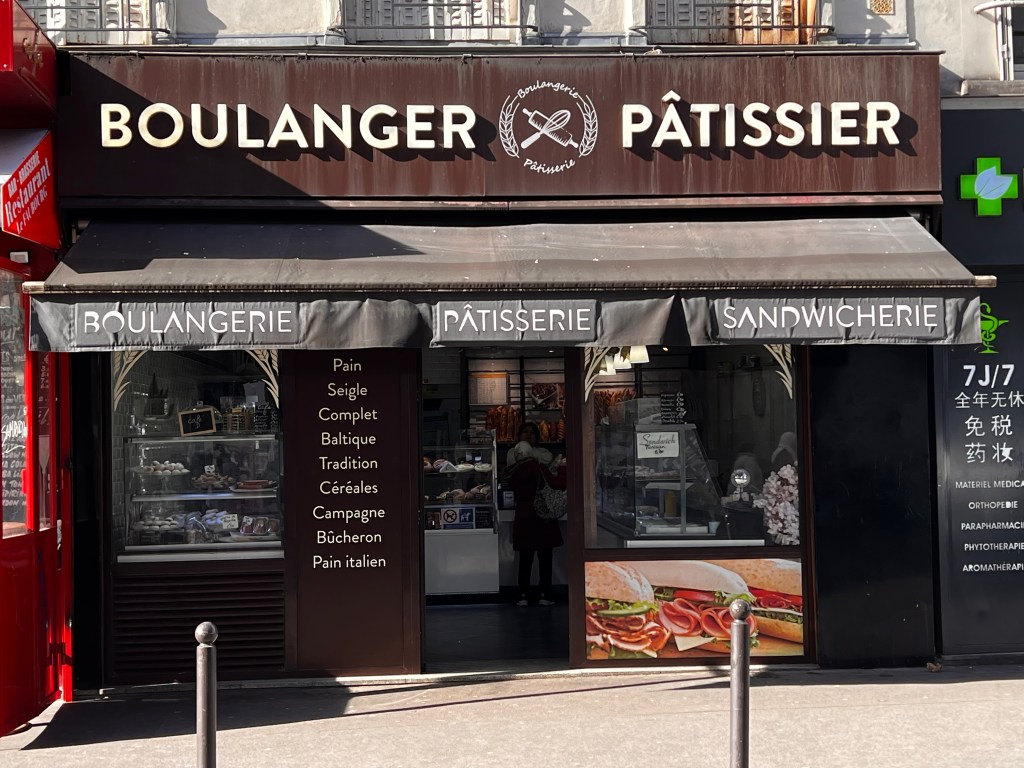
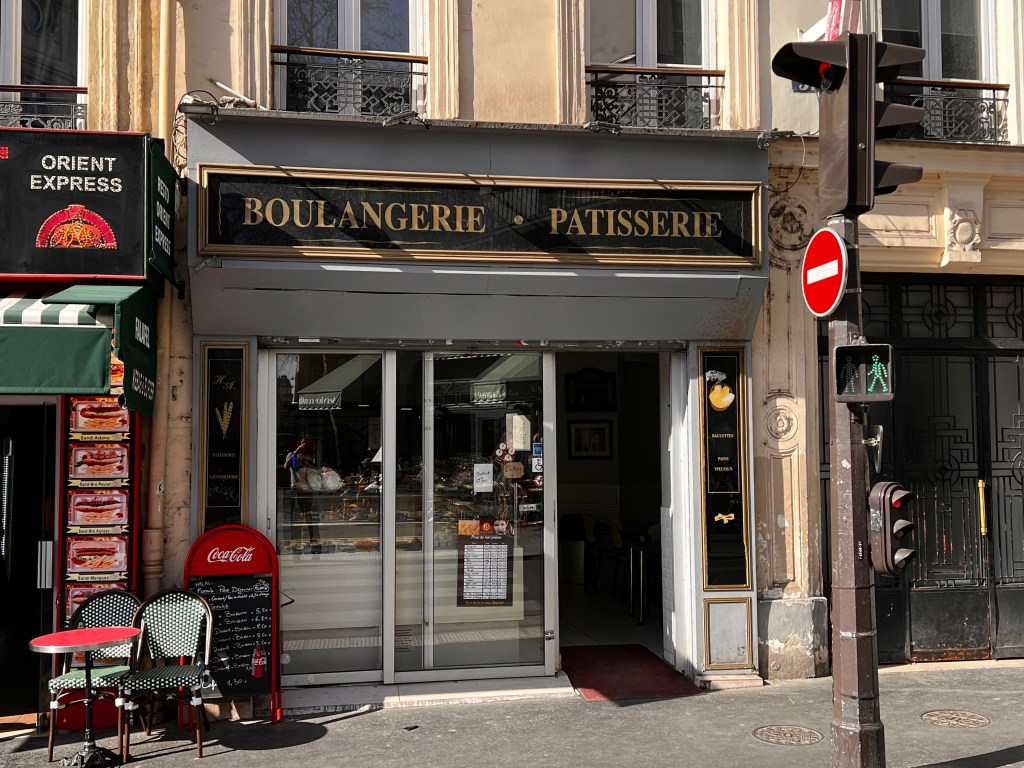
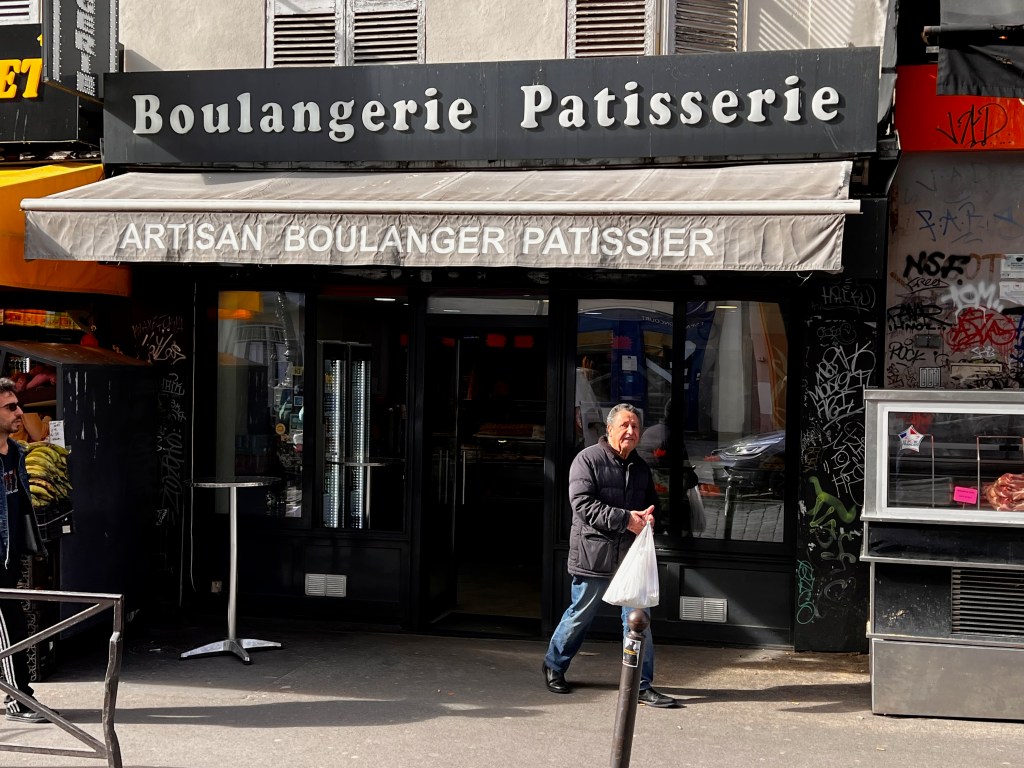
And there is no shortage of standard boulangerie-pâtisseries, the sort that will sell your morning baguettes and croissants as well as a variety of other stuff. Several of these don’t even have a brand name attached and are just labelled Boulangerie Pâtisserie or Artisan Boulanger Pâtissier or similar.

And that’s not counting the several supermarkets along the way that will sell you bread, croissants and cakes. I don’t think I’ve ever seen a place where you can’t walk for 50 metres without running into a bakery, and I’ve certainly never lived in one. And I love it.